
Subaru switched to a CBU strategy, CX-5 prices dropped significantly, who is the ultimate choice for handling performance?
 RobertDec 30, 2025, 05:21 PM
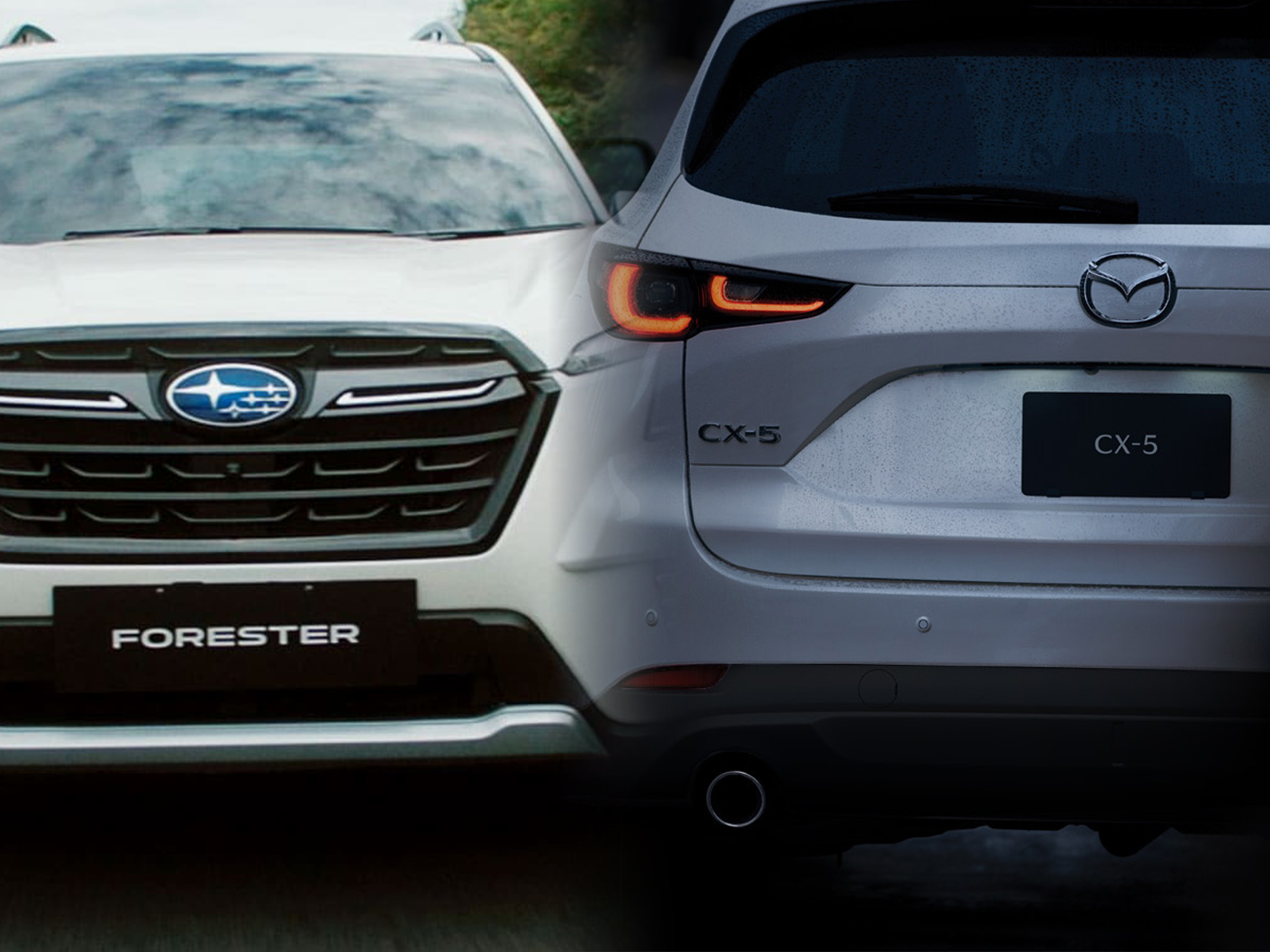
【PCauto】At the end of 2025, Subaru made a critical adjustment, returning to Japan CBU (completely built unit) imports and simultaneously introducing a 2.5L naturally aspirated Boxer engine.
This adjustment comes at a direct cost, pushing the price of the classic SUV Forester back above RM 220k, moving it out of the mainstream family SUV price range.
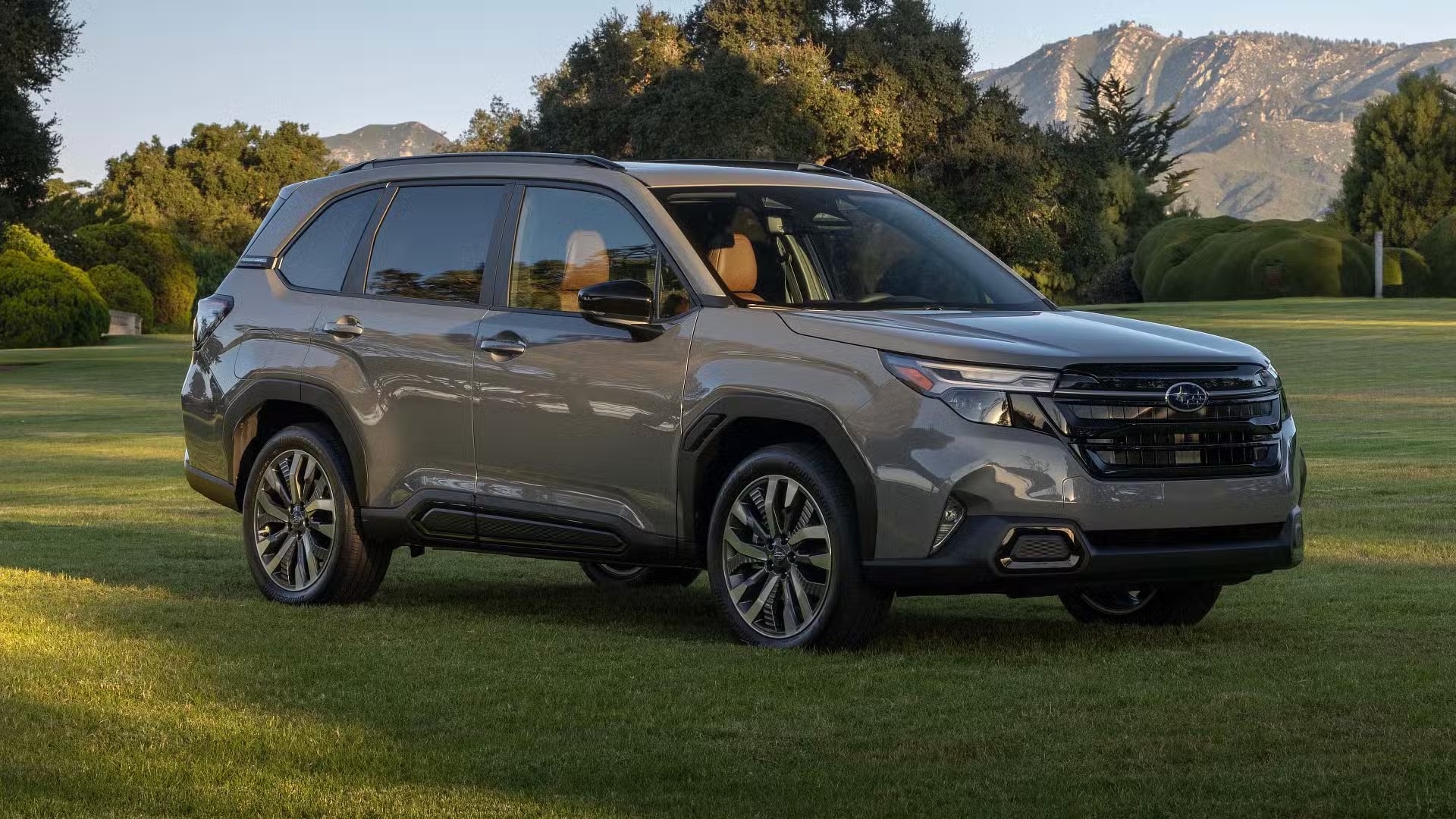
At almost the same time, Mazda took the opposite direction. The CX-5 has solidified its position by lowering prices, with some versions reduced by over RM 10,000 (starting from RM138,000). It has not undergone a generational change, still featuring a Skyactiv naturally aspirated engine paired with a 6-speed automatic transmission.
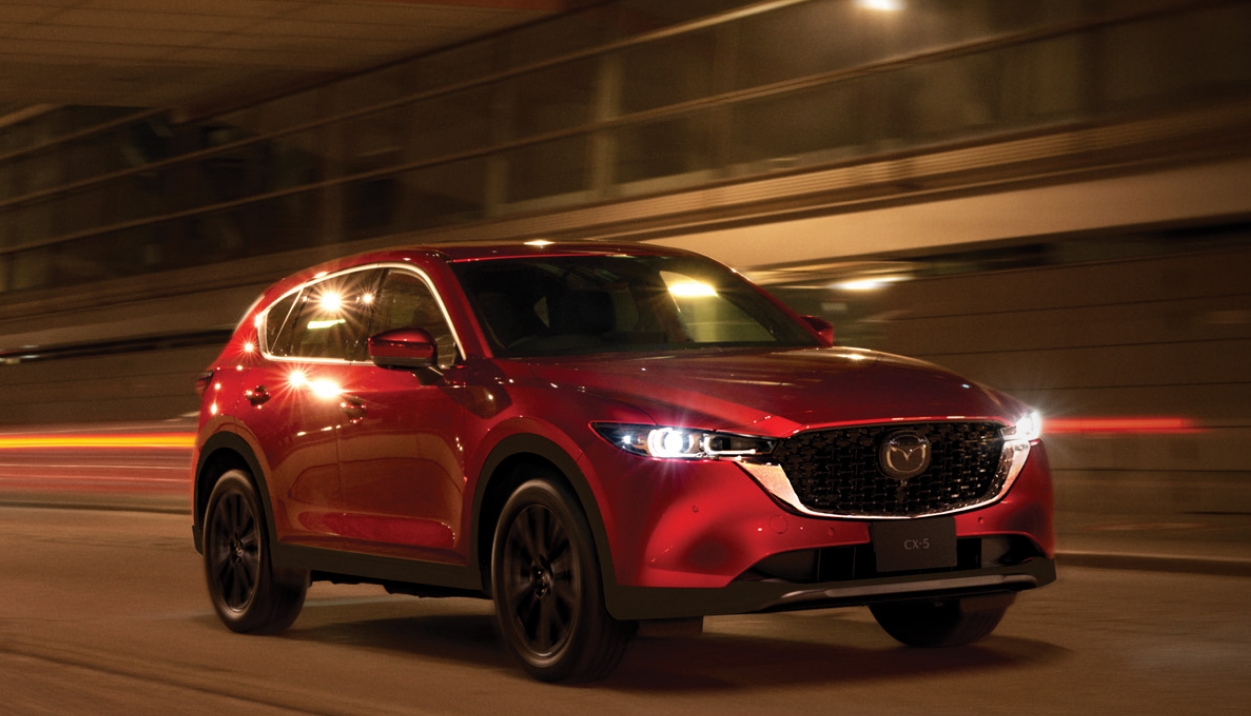
One prioritizes higher pricing and adheres to original factory mechanical configurations as a Japanese CBU; the other is more affordable, finely tuned, and engineered for efficiency as a locally assembled classic. Which should you choose?
What are the engine differences between the Forester and the CX-5?
In terms of powertrains, the Subaru Forester and Mazda CX-5 have taken different paths. The Forester structurally pursues balance, stability, and durability. The CX-5, on the other hand, prioritizes optimizing fuel efficiency and responsiveness, emphasizing a direct connection between driver and engine.
Forester: Pursuing Symmetry and Stability
The Forester's 2.5L naturally aspirated engine delivers strong output, with its standout feature lying not in displacement but in its layout.
The horizontally opposed (Boxer) engine places the cylinders horizontally and symmetrically, with pistons moving in opposing horizontal motions. This structure offers two direct advantages that cannot be replicated through post-production adjustments.
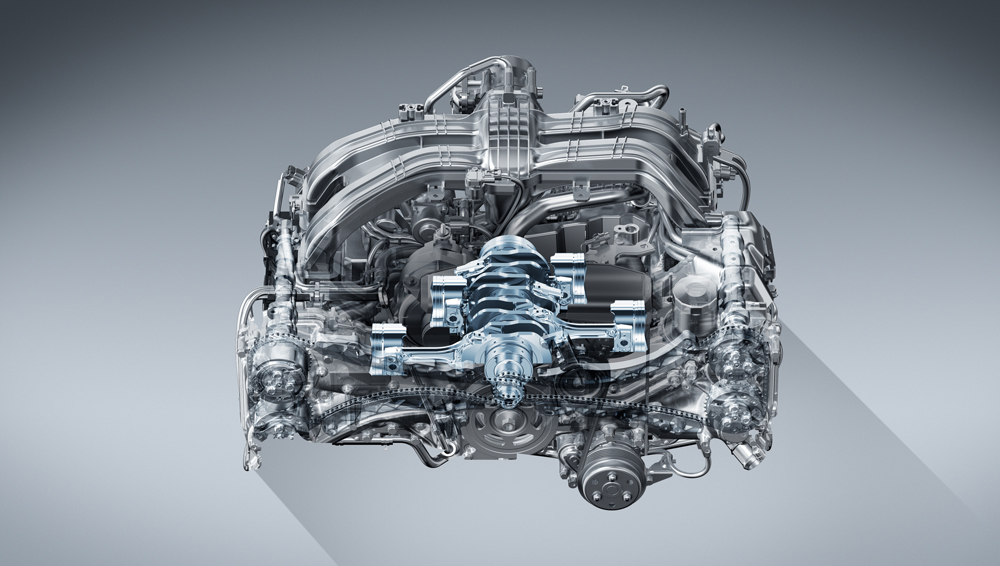
The first major advantage is a low center of gravity.
Compared to inline or V-shaped engines, the Boxer engine has a lower overall height, with its mass distributed closer to the area beneath the front axle. This lowers the vehicle's center of gravity and reduces its tendency to pitch and roll during cornering, braking, and on uneven surfaces.
In other words, the Forester's stability is not merely due to stiffer suspension but is fundamentally established by its powertrain layout.
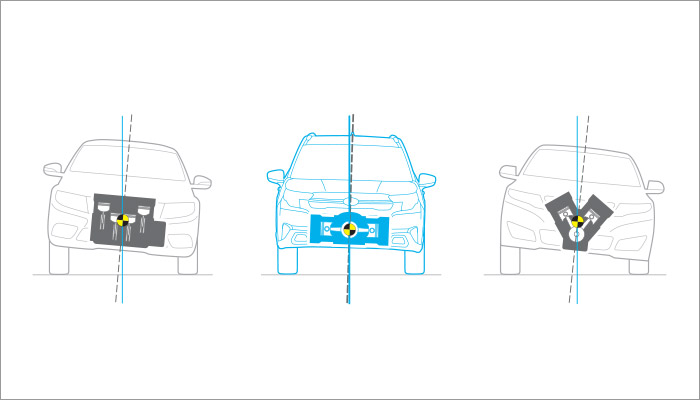
The second major advantage is inherent vibration cancellation.
The symmetrical, opposing piston motions theoretically cancel out both primary and secondary vibrations, allowing Subaru to maintain high rotational smoothness without complex balance shafts. This is why the Forester's power delivery feels more linear and composed, rather than focused on instant surges.
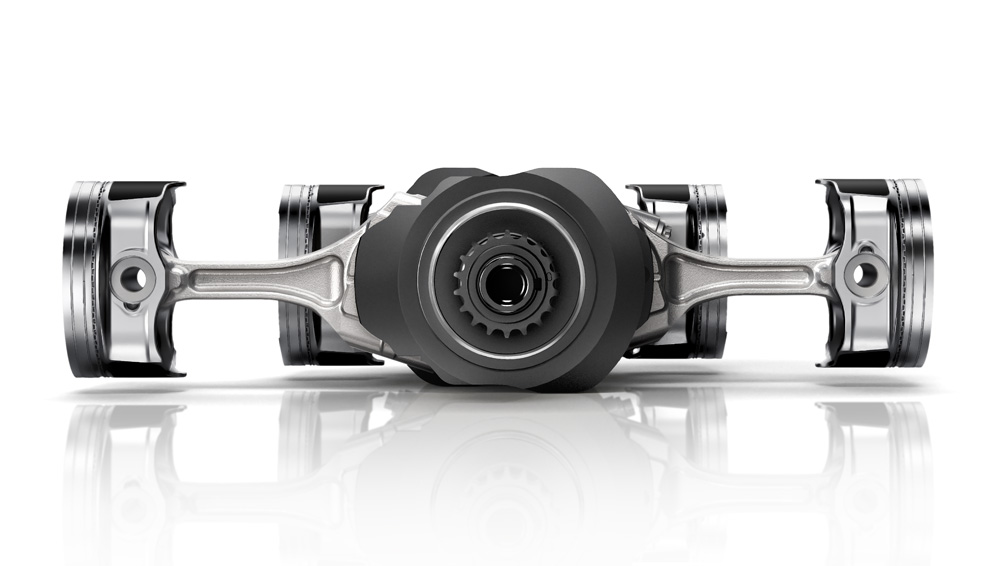
However, it's important to note that this structure does not aim for maximum efficiency. The Boxer engine is larger, has higher manufacturing costs, and is more complex to maintain. Yet Subaru insists on using it for one purpose: to serve full-time all-wheel drive and overall vehicle balance, rather than focusing on fuel economy or spec sheet figures.
CX-5: Focusing More on Fuel Efficiency
Mazda's Skyactiv-G series still primarily uses inline-four engines, but its core lies in a compression ratio as high as 13.0:1—a figure rarely achieved by traditional mass-produced gasoline engines.
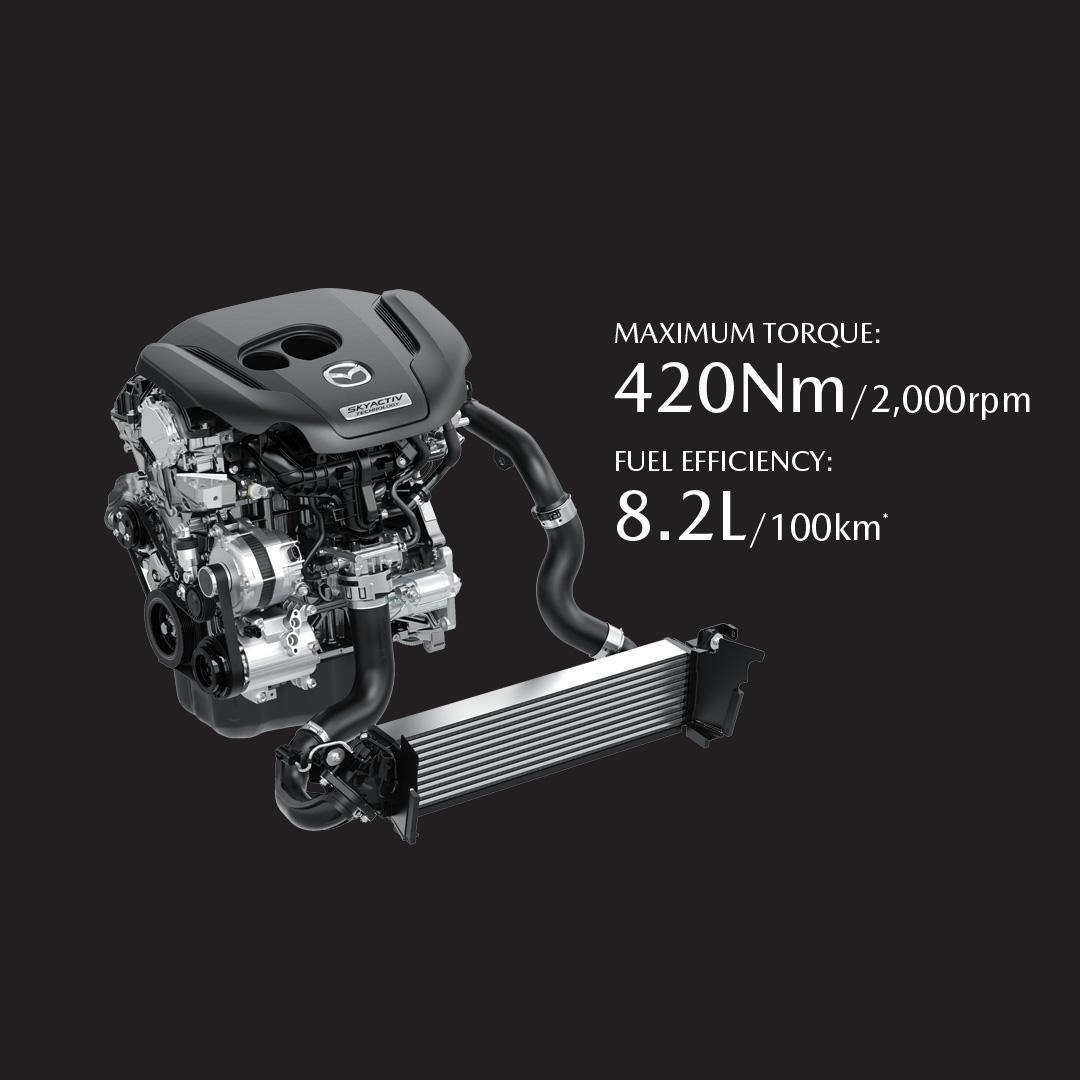
The benefits of a high compression ratio are straightforward. With the same displacement, it enables more complete combustion, higher thermal efficiency, and quicker initial throttle response. This is also why the CX-5 provides an "instant response" feeling during city and mountain road driving.
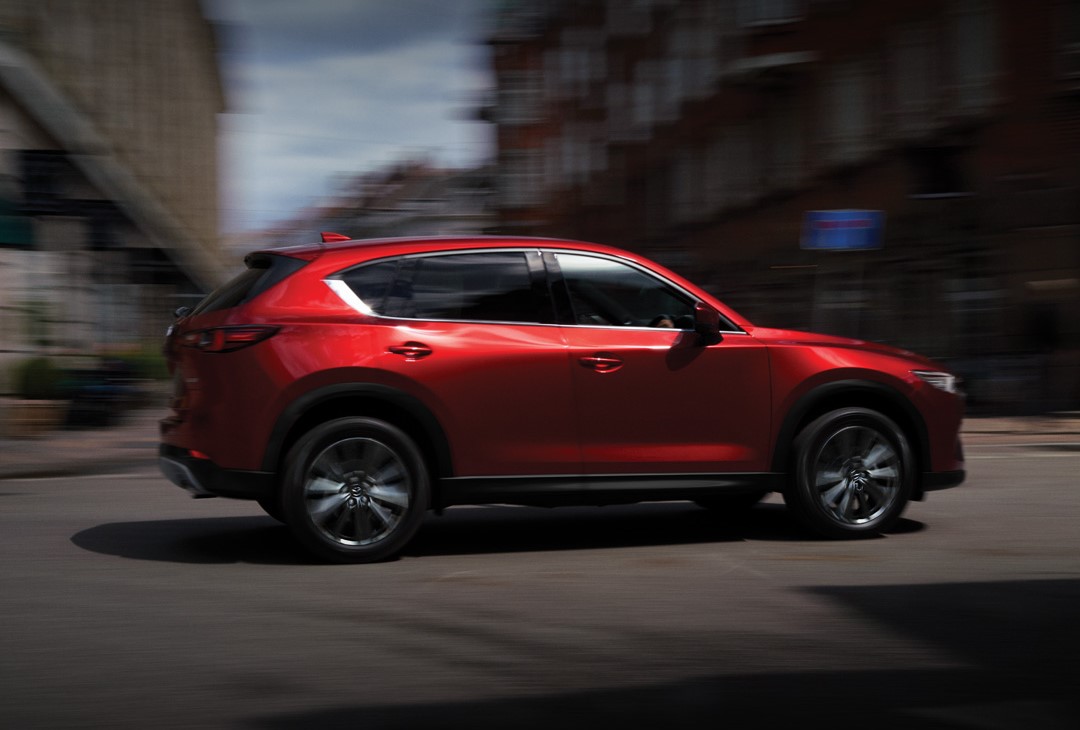
The issue with a high compression ratio is the inevitable risk of knocking. Mazda's solution does not rely on complex electronic intervention but returns to fundamental gas flow engineering: the "4-2-1" exhaust manifold.
By extending the exhaust path and avoiding interference from adjacent cylinder exhaust pulses, the 4-2-1 design reduces residual exhaust gas temperature and suppresses knocking at its source. This enables the Skyactiv-G to operate stably at high compression ratios over the long term.
Therefore, the CX-5's performance leans more toward immediate response and an engaging driving experience. The engine is eager to rev and encourages the driver to accelerate, rather than merely maintaining low RPMs for smoothness.
What are the transmission advantages of the Forester and CX-5?
For both the Forester and the CX-5, the collaboration between transmission and engine is exceptional. Here, the transmission is not just a complementary part but an amplifier of the engine's character. Despite both having naturally aspirated engines, the driving experiences they deliver are completely different.
Forester: Lineartronic CVT
Labeling a CVT as soft and uninspiring is an overly broad characterization, especially when applied to Subaru's Lineartronic.
The Forester does not use a traditional push-belt CVT but a high-strength steel chain CVT. The advantage of the steel chain is its higher tensile strength, allowing it to handle greater torque input. This is also what enables Subaru to combine a CVT with a 2.5L Boxer engine and a full-time all-wheel-drive system long-term.
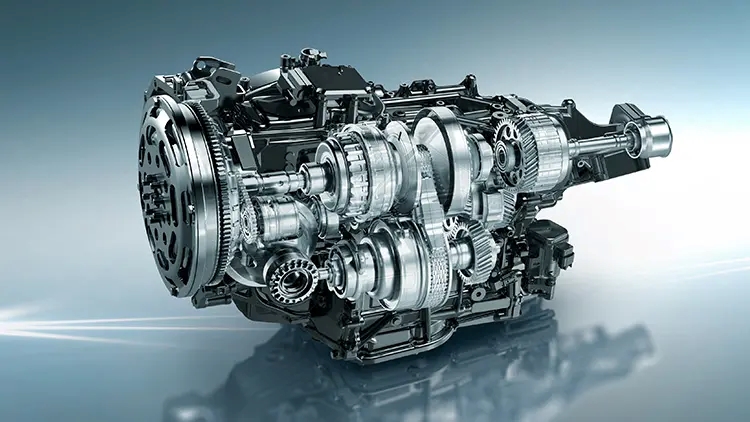
During daily driving, the CVT in the Forester tries to keep the engine RPM within an efficient range as much as possible, reducing unnecessary shifting. This is also why the Forester feels so smooth to drive.
Even more critical is the simulated gear shift logic. During heavy acceleration, rapid speed increases, or downhill braking, the Forester actively introduces simulated gear shifts to provide engine braking and clearer power response. This restrained approach allows the Lineartronic to maintain CVT continuity during normal driving while making its presence felt when needed.
CX-5: Skyactiv-Drive 6AT
Mazda takes the opposite approach. On the surface, Skyactiv-Drive is just a 6-speed automatic transmission, but its core lies not in the number of gears but in how it uses the lock-up clutch.
Traditional automatic transmissions rely heavily on the torque converter at low and medium speeds, ensuring smooth power delivery but resulting in noticeable losses.
Mazda locks the torque converter as early and as long as possible, covering over 90% of driving conditions.
Once lock-up engages, the engine and transmission are almost rigidly connected, resulting in a shorter, more direct power transmission path. This is why the CX-5's throttle response feels more like a manual transmission: you get exactly what you input, with almost no lag.
Rather than using 8AT or 9AT to frequently switch gear ratios, it's better to use six meticulously tuned gears combined with a high lock-up rate, keeping the driver engaged with power changes. This is why even in 2025, the CX-5's 6AT can still be considered fun, not outdated.
Why has Subaru made AWD its signature feature?
Among global passenger car brands, few have successfully made an AWD system a brand signature. Subaru is one of them.
However, the Symmetrical AWD system in the Forester is not designed for off-road scenarios but to serve as a foundational state for everyday driving.
Forester: Symmetrical AWD
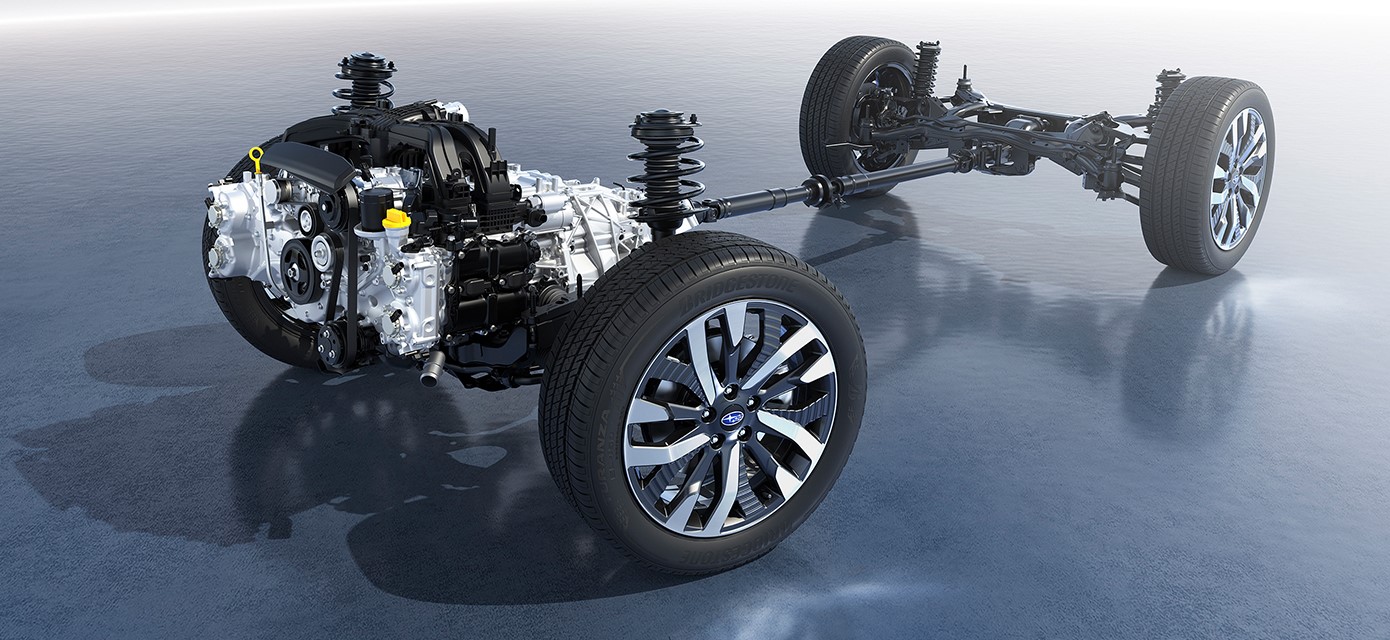
Subaru's long-standing commitment to full-time all-wheel drive is fundamentally enabled by the Boxer engine.
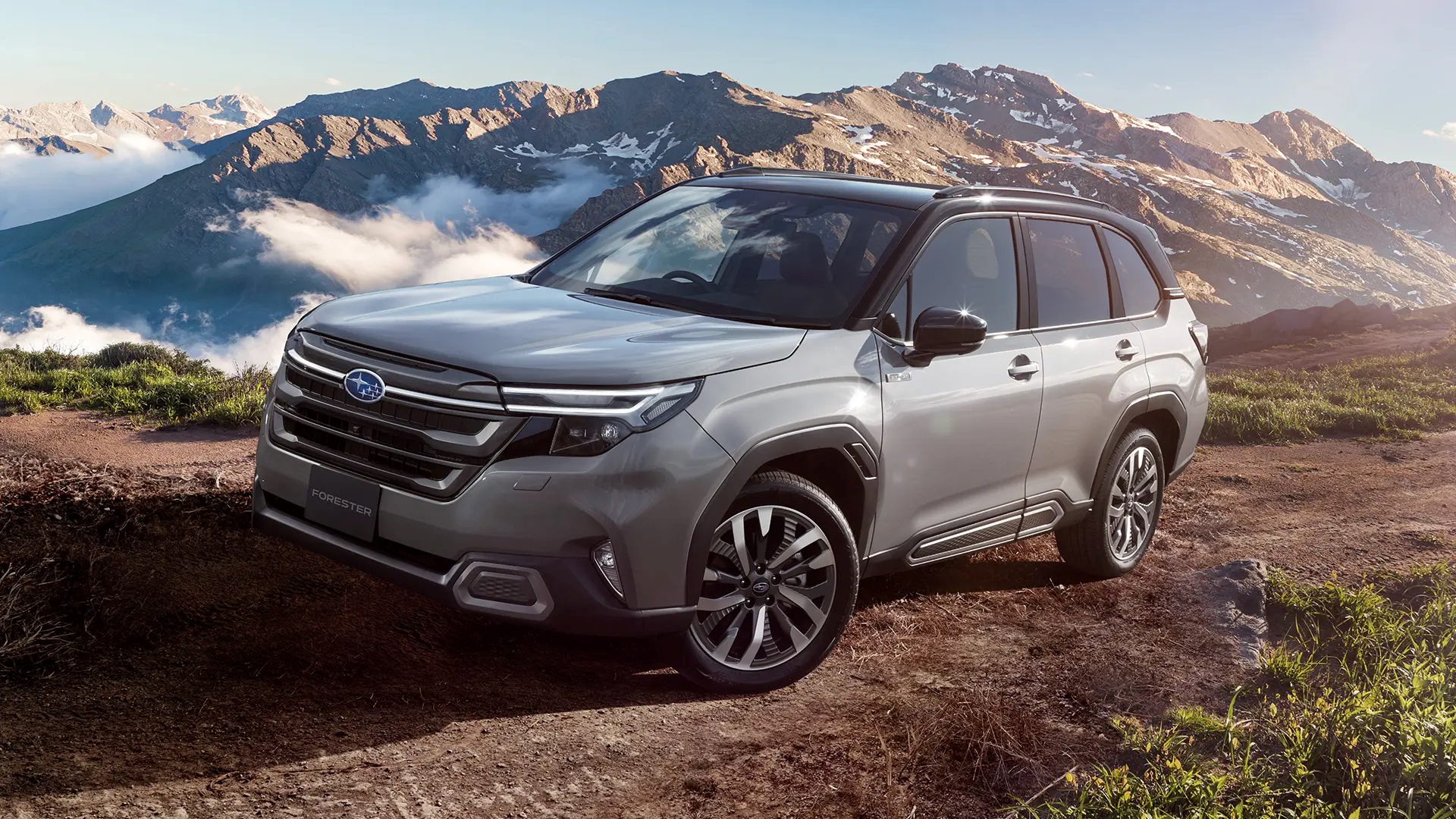
The horizontally opposed layout allows the engine, transmission, driveshaft, and front and rear differentials to be symmetrically arranged along the vehicle's longitudinal centerline, forming a truly Symmetrical Drivetrain. In this structure, the length and angle of the left and right drive shafts are identical, ensuring a naturally balanced torque transmission path.
As a result, the Forester's AWD doesn't involve engagement timing. Both front and rear axles are always engaged, and the system adjusts torque distribution based on driving conditions rather than determining whether the rear wheels need to engage. This logic ensures the vehicle always has a reserve of traction in low-grip environments.
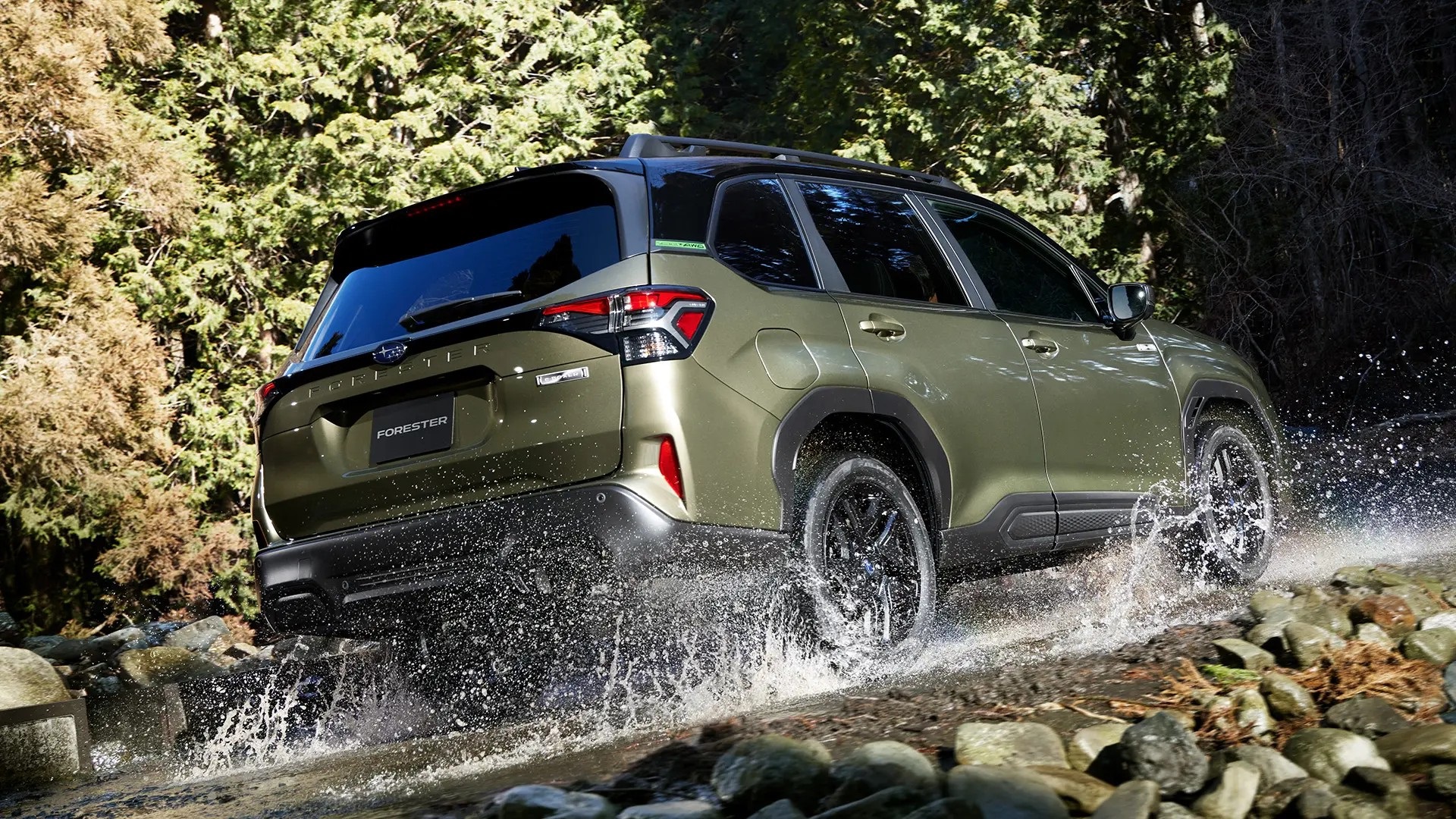
In real-world driving, the Forester's AWD advantages are extremely intuitive.
On rain-soaked highways, slippery mountain turns, or muddy, sandy country roads, the Forester doesn't wait for wheels to lose traction—it remains within the stability zone at all times.
In X-Mode, the throttle, CVT, and braking systems are managed as one, with the system actively suppressing unnecessary wheel speed fluctuations and prioritizing continuous traction delivery. This is why many drivers describe Subaru as feeling very stable no matter how it's driven.
CX-5: i-Activ AWD
Mazda's approach to four-wheel drive is clearly more restrained.
The CX-5's i-Activ AWD is not designed as a full-time AWD system like the Forester, but rather as a dynamic compensation mechanism based on sensors and algorithms.
By monitoring steering angle, throttle opening, vehicle speed, lateral acceleration, and wheel speed differences in real time, the system predicts slip risk in advance and allocates torque to the front and rear axles as needed in its part-time AWD system.
For the vast majority of driving time, the CX-5 still operates as a front-wheel-drive vehicle.
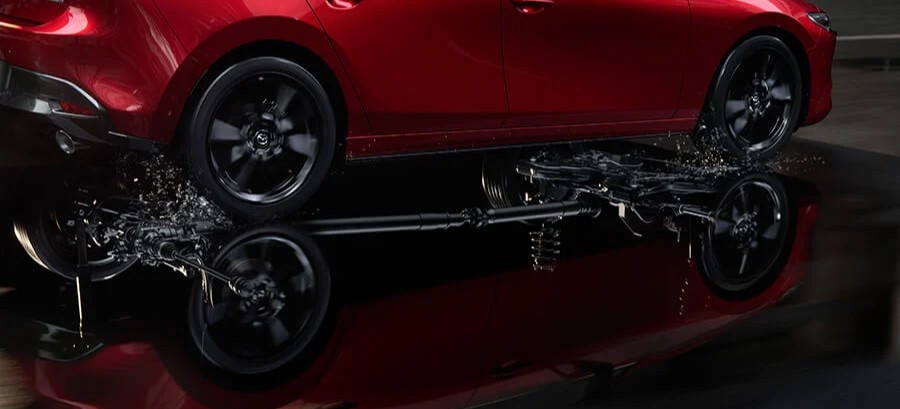
The CX-5's AWD system exists to correct the vehicle's posture before critical conditions arise, rather than continuously interfering with power distribution. This design reduces transmission loss and ensures the CX-5 maintains quicker, more responsive steering on paved roads.
What are the differences between the suspension systems of the Forester and the CX-5?
The Forester's rear suspension adopts a long-travel double-wishbone design. The core goal is not extreme cornering performance but to maintain continuous tire contact with the road surface, filtering out bumps.
With long travel, even when facing potholes, seams, or gravel roads, the tires' vertical movement is sufficient to effectively absorb body vibrations.
The double-wishbone structure ensures the tires maintain minimal lateral deviation during vertical movement, preventing instability or uneven grip.
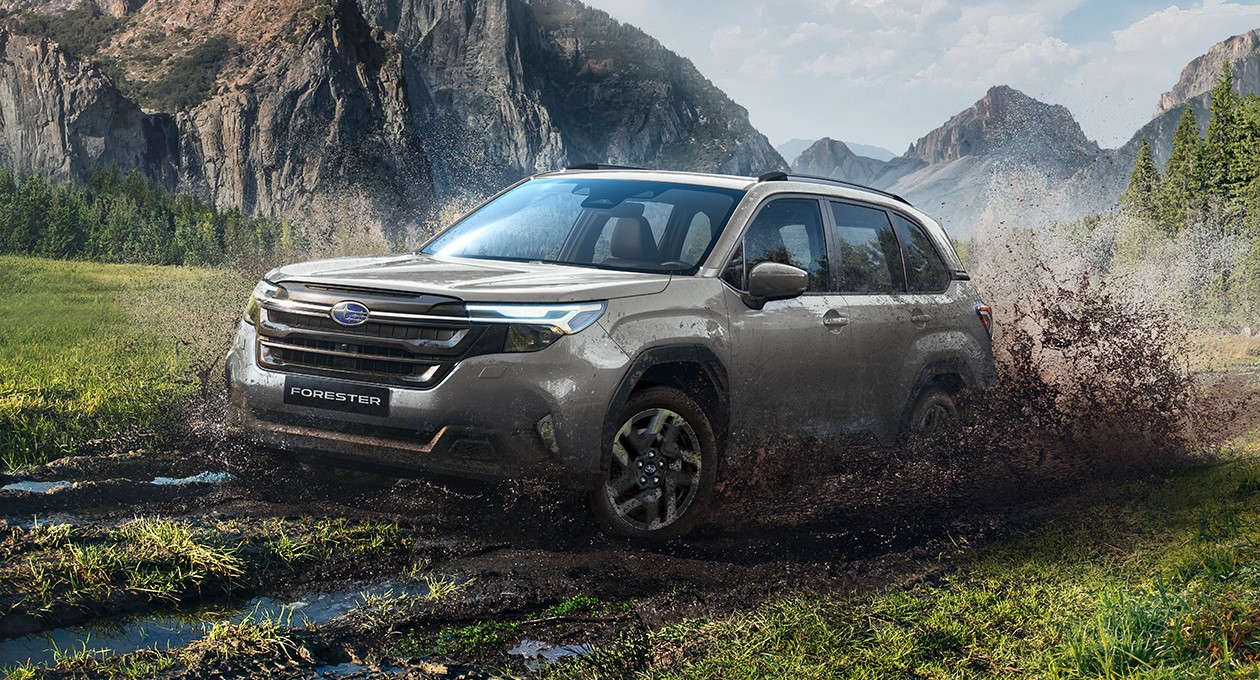
Therefore, the Forester exhibits a stable and predictable posture under complex road conditions. Even when entering a corner, body roll is naturally suppressed, and the driver does not need to compensate deliberately.
This design philosophy aligns with its Symmetrical AWD, focusing first on grip and stability, then on speed and handling limits.
The Mazda CX-5's rear suspension uses a multi-link structure, combined with the GVC Plus (G-Vectoring Control Plus) system, with a completely different design concept that prioritizes controlling body dynamics to let the driver feel direct feedback between tires and body.
As the tires move up and down, the CX-5's multi-link suspension can precisely control lateral position and camber change, improving cornering tracking.
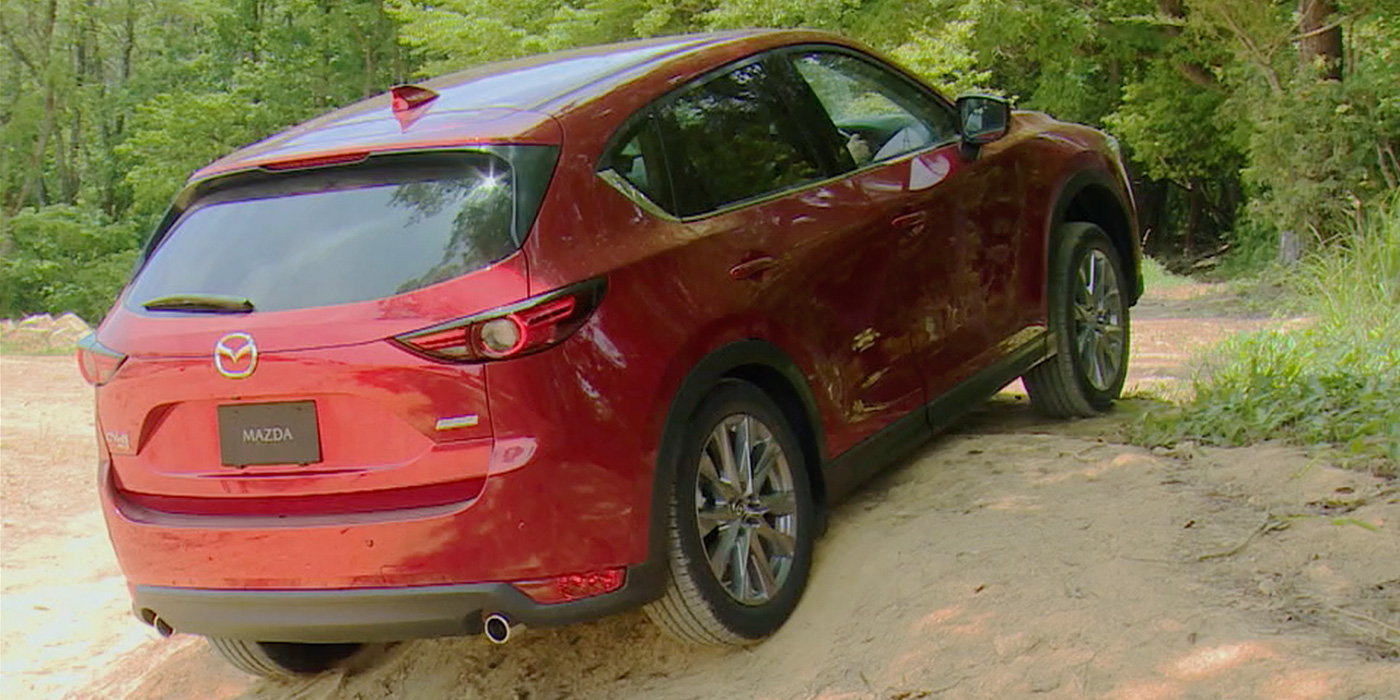
The GVC Plus system makes subtle adjustments to braking and torque distribution, allowing the body to generate slight pitching and lateral force compensation at corner entry, thereby reducing body roll and improving steering responsiveness and driving engagement.
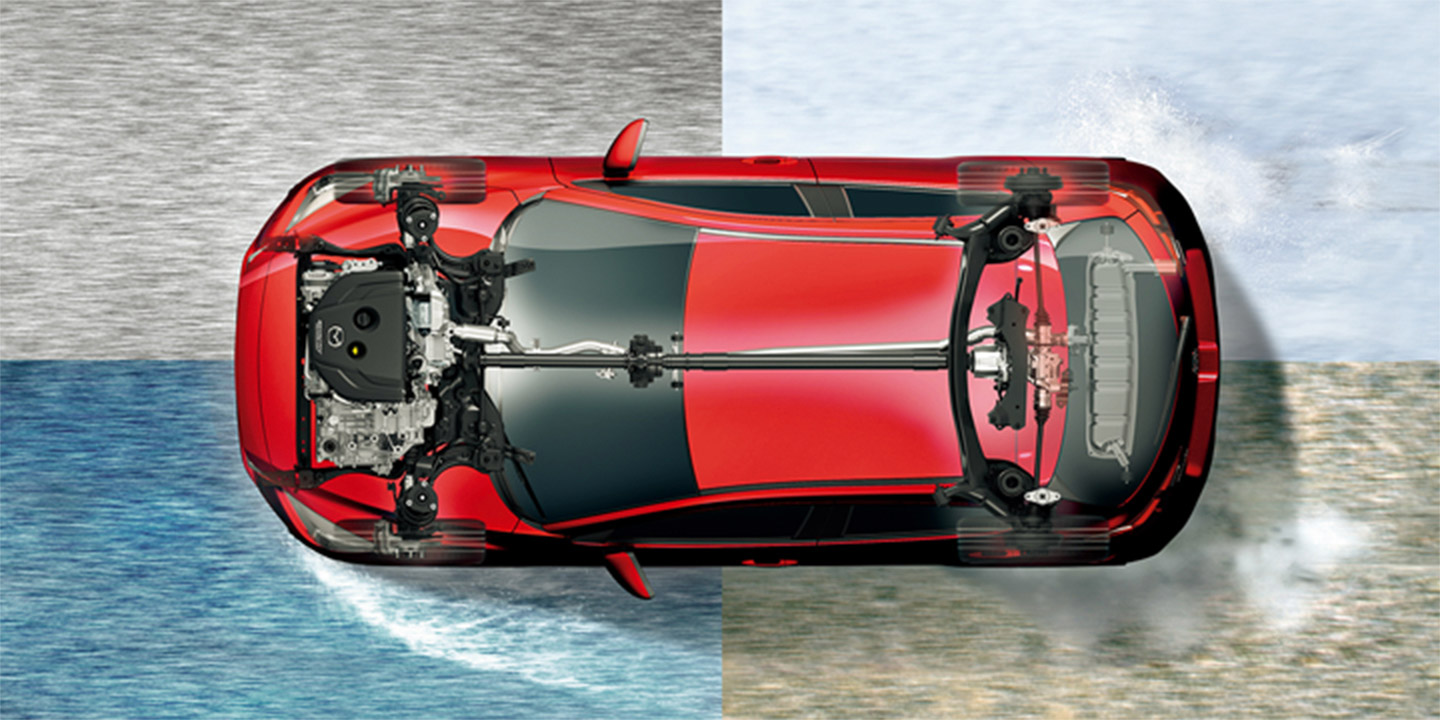
Therefore, the CX-5 does not pursue a heavy feeling but makes the front end more agile, and the driver can clearly feel the instant feedback of the interaction between the vehicle and the ground. This tuning is suitable for high-speed paved roads and winding mountain roads, offering the fun of unifying man and machine.
What are the differences in driving experiences between the Forester and CX-5?
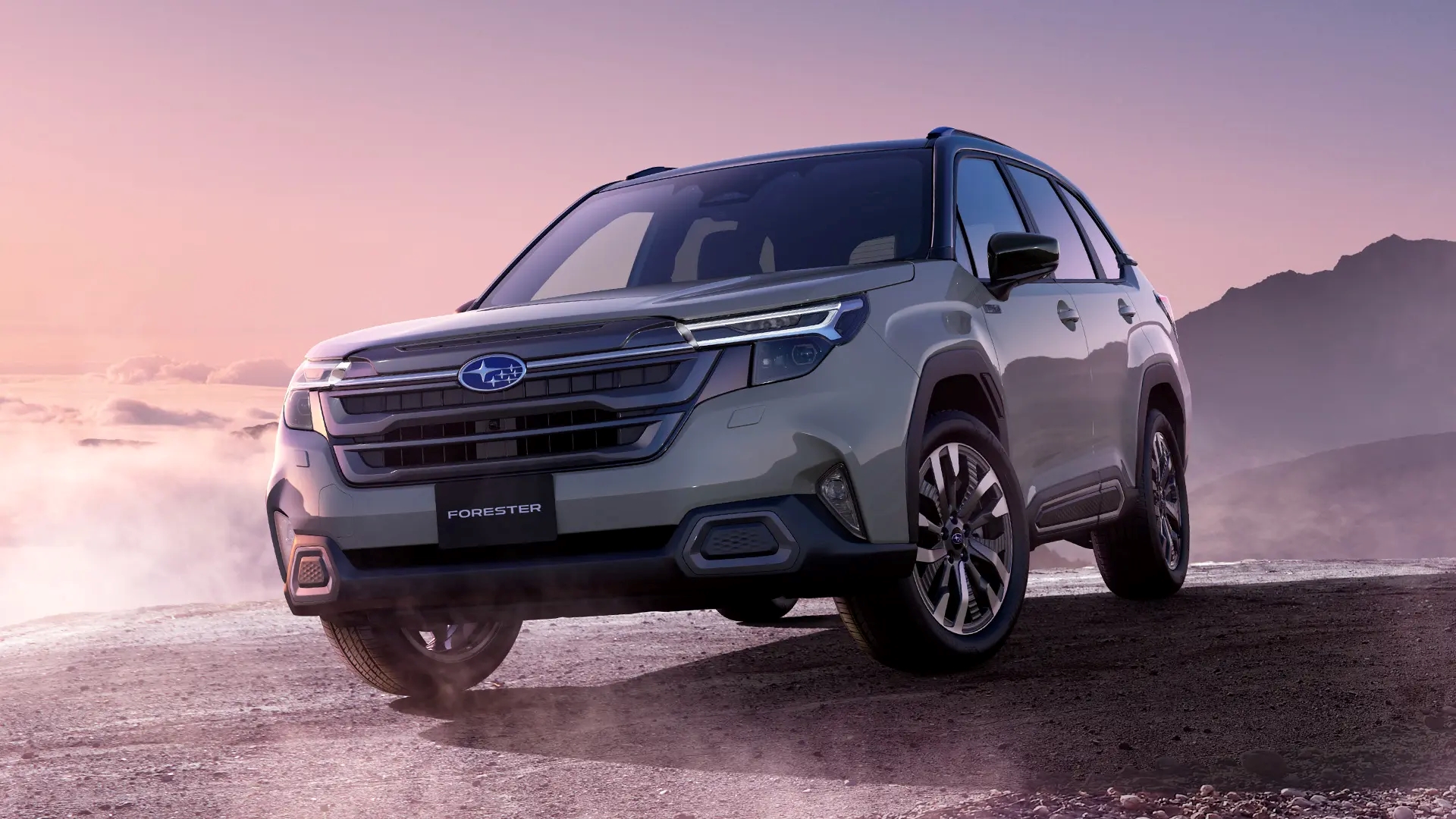
Subaru Forester: Emphasizing Stability
The Forester's steering feels relatively steady, with a low center of gravity and Symmetrical AWD making the vehicle's posture highly predictable.
Steering feedback is conservative, not overly amplifying road information, but providing a sense of psychological security through continuity and smoothness. This style allows the driver to maintain pace in rainy weather, through puddles, or on gravel roads without frequent corrections.
Mazda CX-5: Offering a Distinct Road Feel
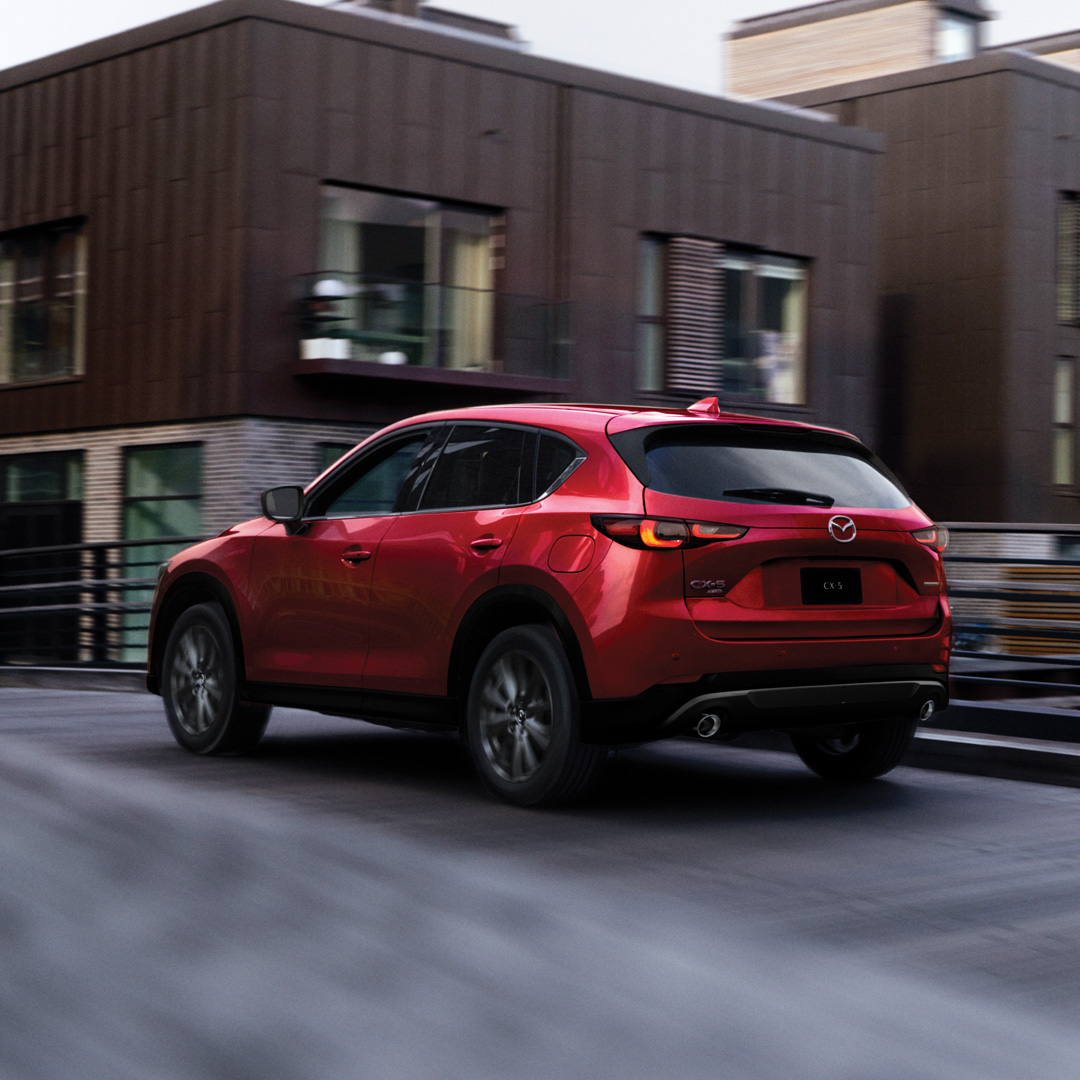
The CX-5's multi-link suspension and GVC Plus ensure that changes in tire grip during a turn are directly transmitted to the steering wheel, allowing the driver to clearly feel what the tires are doing.
Steering weight and damping are finely tuned—neither too light nor too stiff—making it feel as if each small wheel movement translates into an understanding of road conditions.
Forester and CX-5: Cabin Designs Offering Different Sensations
Beyond chassis and steering, Subaru has also put considerable effort into design.
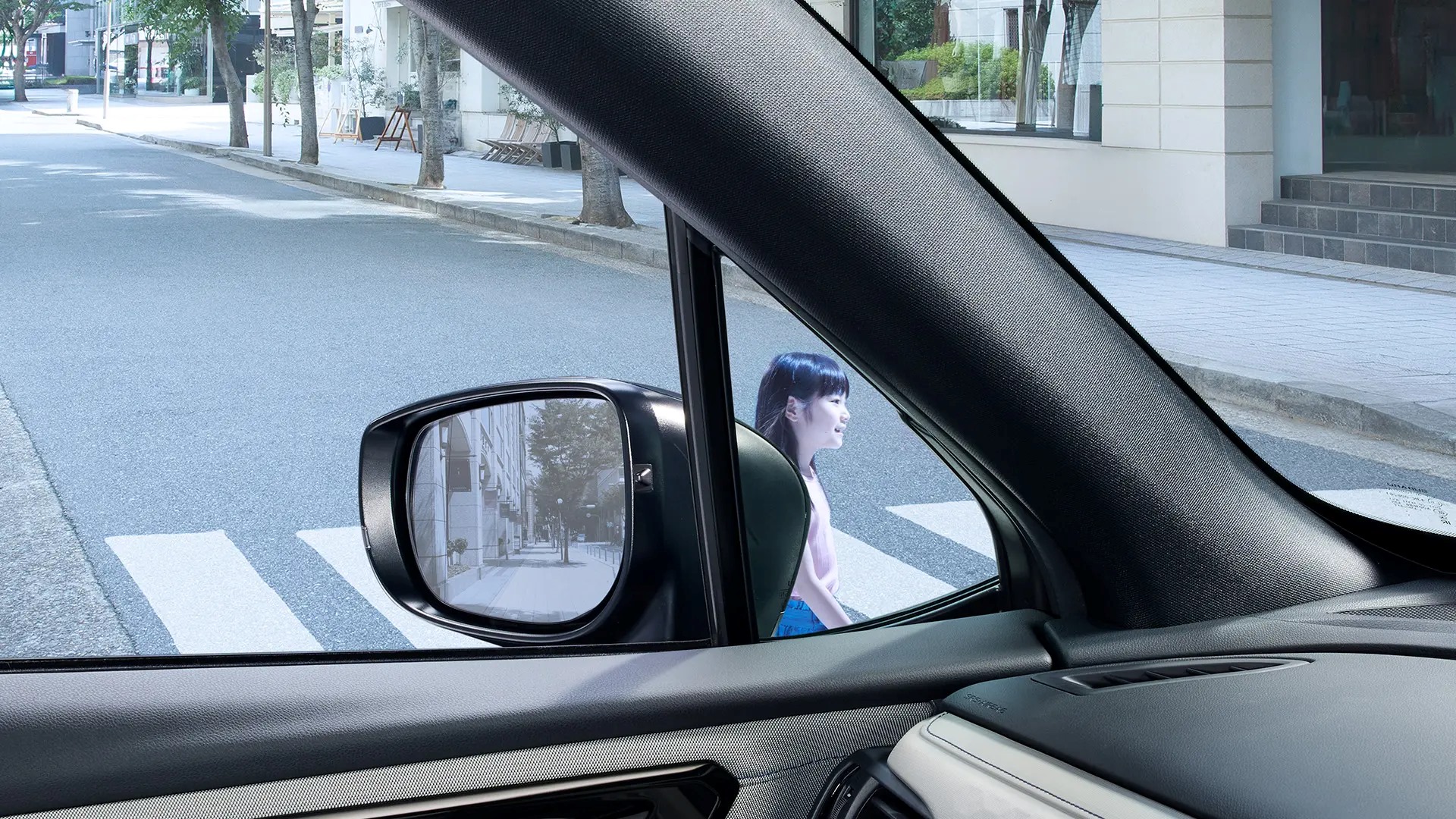
The Forester's large windows, low window lines, and upright A-pillars provide excellent visibility. Drivers can easily gauge the vehicle's position relative to road boundaries, offering a psychological advantage that enhances control in complex conditions. Even at lower speeds, the driver can proceed with confidence.
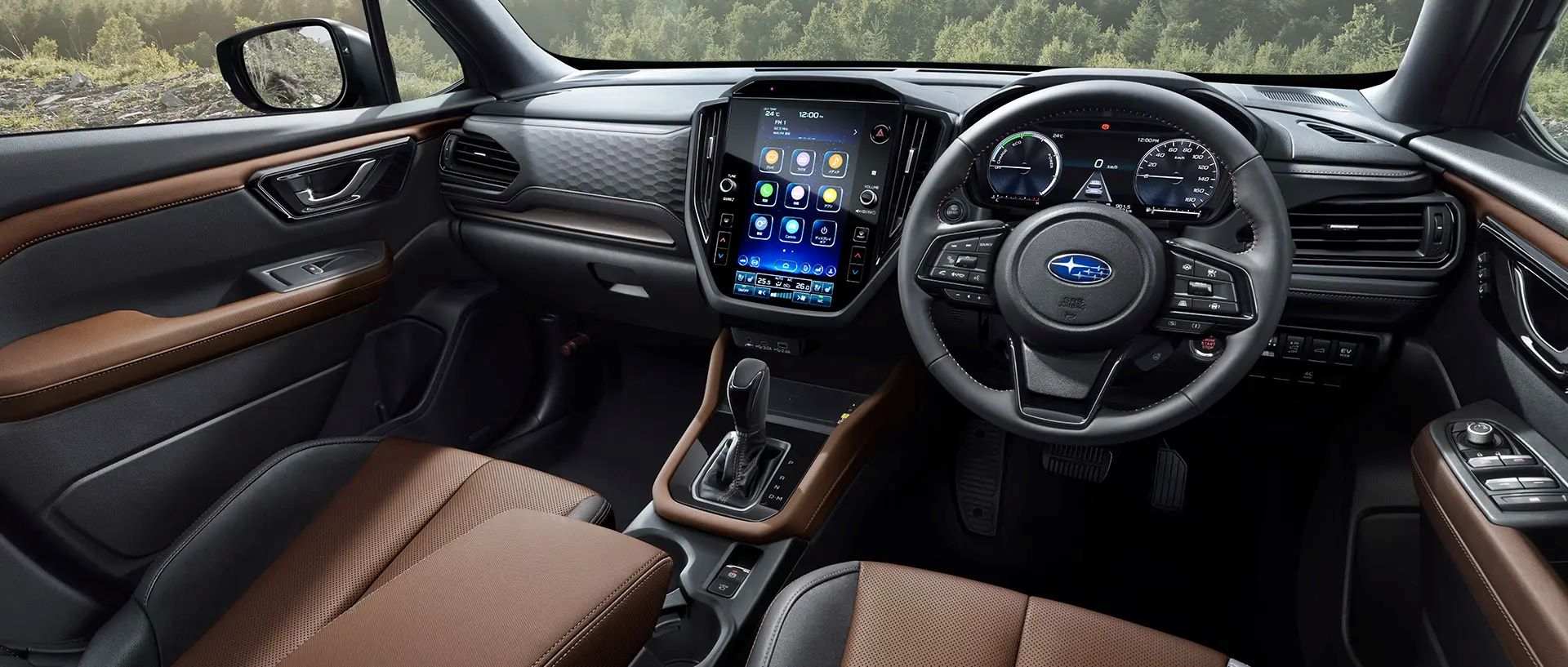
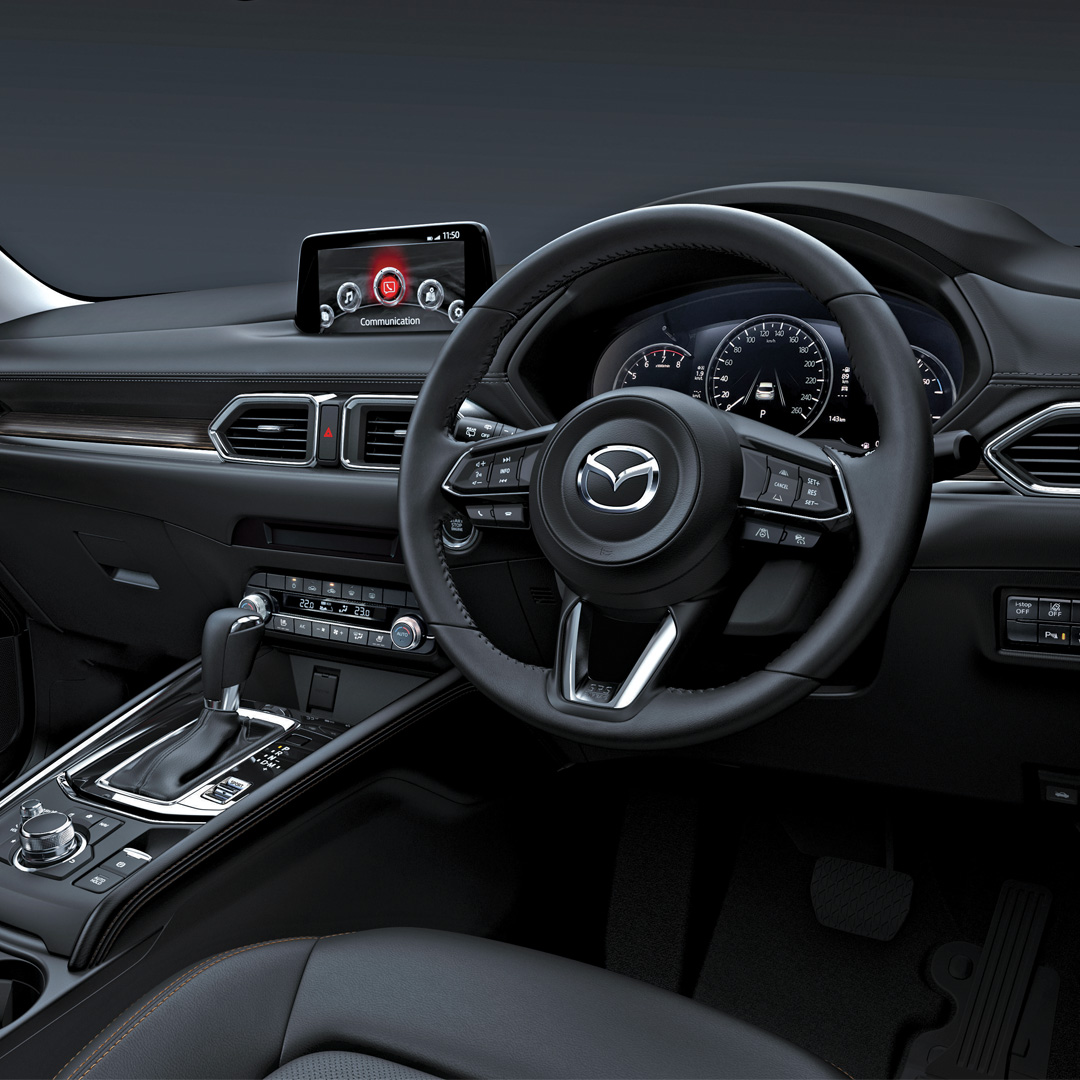
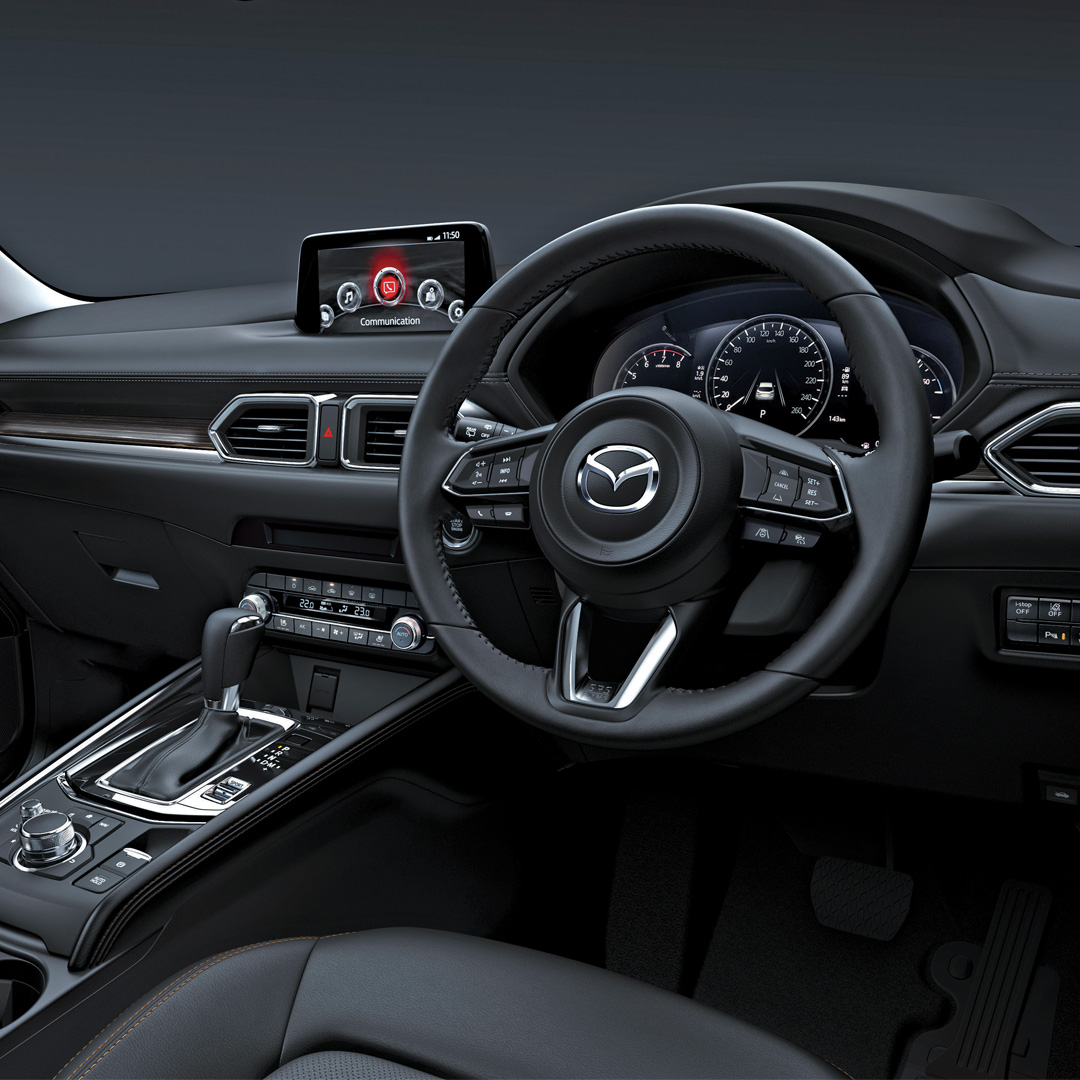
In contrast, the wrap-around cockpit of the CX-5 resembles that of a fighter jet.
The low-center console, enveloping seats, and tightened A-pillars create a focused feeling for the driver, almost naturally directing attention to the front wheel path and cornering posture. This design psychologically encourages active driving and precise cornering, but it might feel slightly intimidating for beginners.
Forester or CX-5: Which to Choose?
The Subaru Forester is one of the few SUVs that still prioritizes structural correctness.
The Boxer engine, full-time all-wheel drive, symmetrical drivetrain layout, and long-travel suspension are all designed to enhance stability. The return to CBU means higher prices but also fewer compromises. It's suitable for those willing to pay a premium for authentic mechanical structure and Japanese craftsmanship.
The Mazda CX-5 represents a model of efficiency, featuring a high-compression naturally aspirated engine, a fully locked 6-speed automatic transmission, on-demand AWD, multi-link suspension, and GVC Plus. It manages to retain precise road feel and driving engagement at a reasonable cost. It's ideal for urban drivers who prioritize value, design, and driving pleasure.
If any infringement occurs, please contact us for deletion










Popular Cars
Model Year
Car Compare
Car Photo