
Does STI still have a future? Subaru gives the most ambiguous answer with two concept cars
 Kevin WongDec 15, 2025, 02:42 PM
【PCauto】Since the discontinuation of the last generation WRX STI, Subaru's performance car lineup has experienced an extended silence. There were no successor plans, no product announcements, not even a clear official statement.
Fans have been waiting, while the manufacturer remained silent. This absence has made 'Does STI have a future?' one of the most frequently asked questions among enthusiasts in recent years.
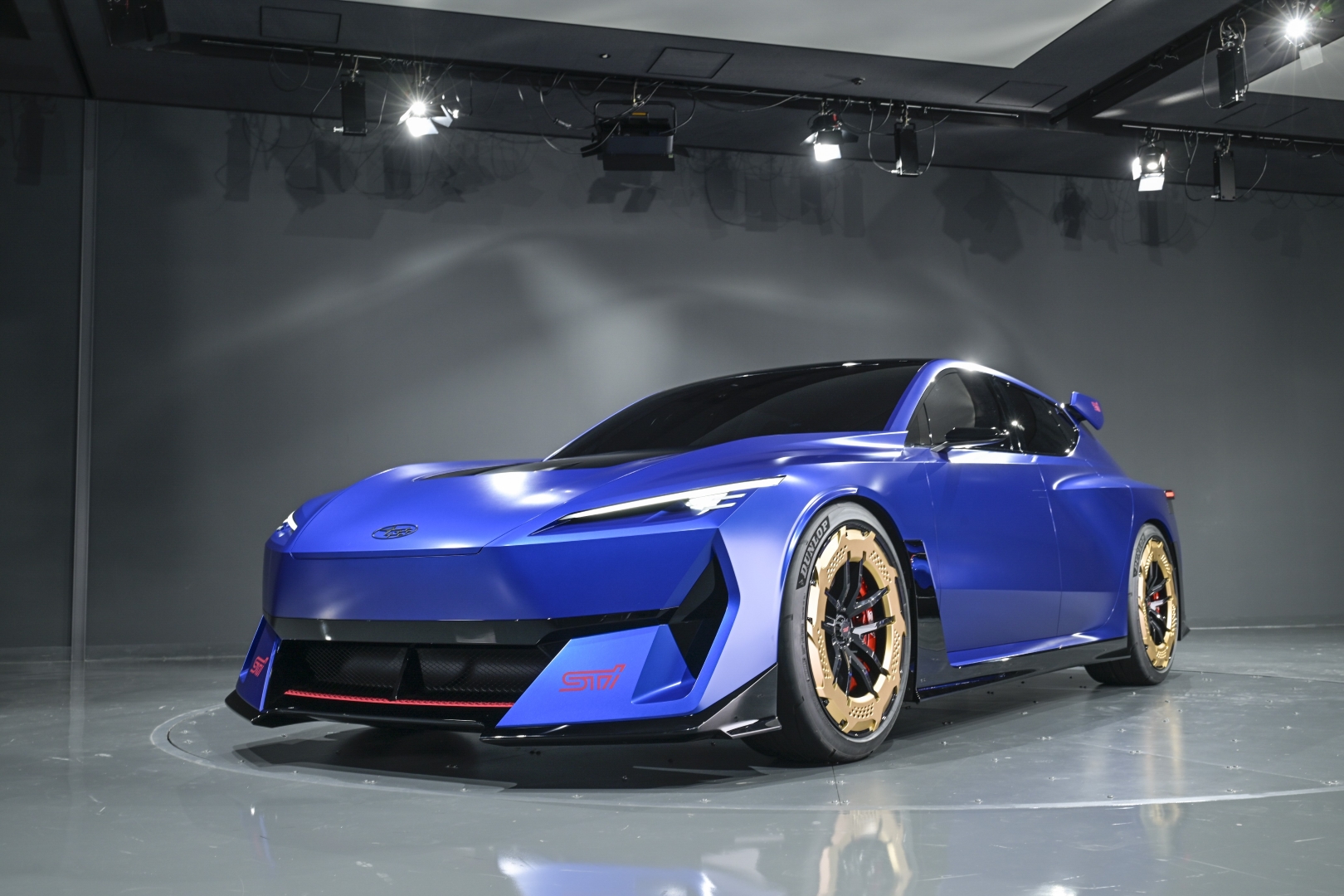
As a result, when two concept cars branded with the STI name, Performance-E and Performance-B, unexpectedly appeared at the 2025 Japan Mobility Show, discussions both on-site and online instantly intensified.
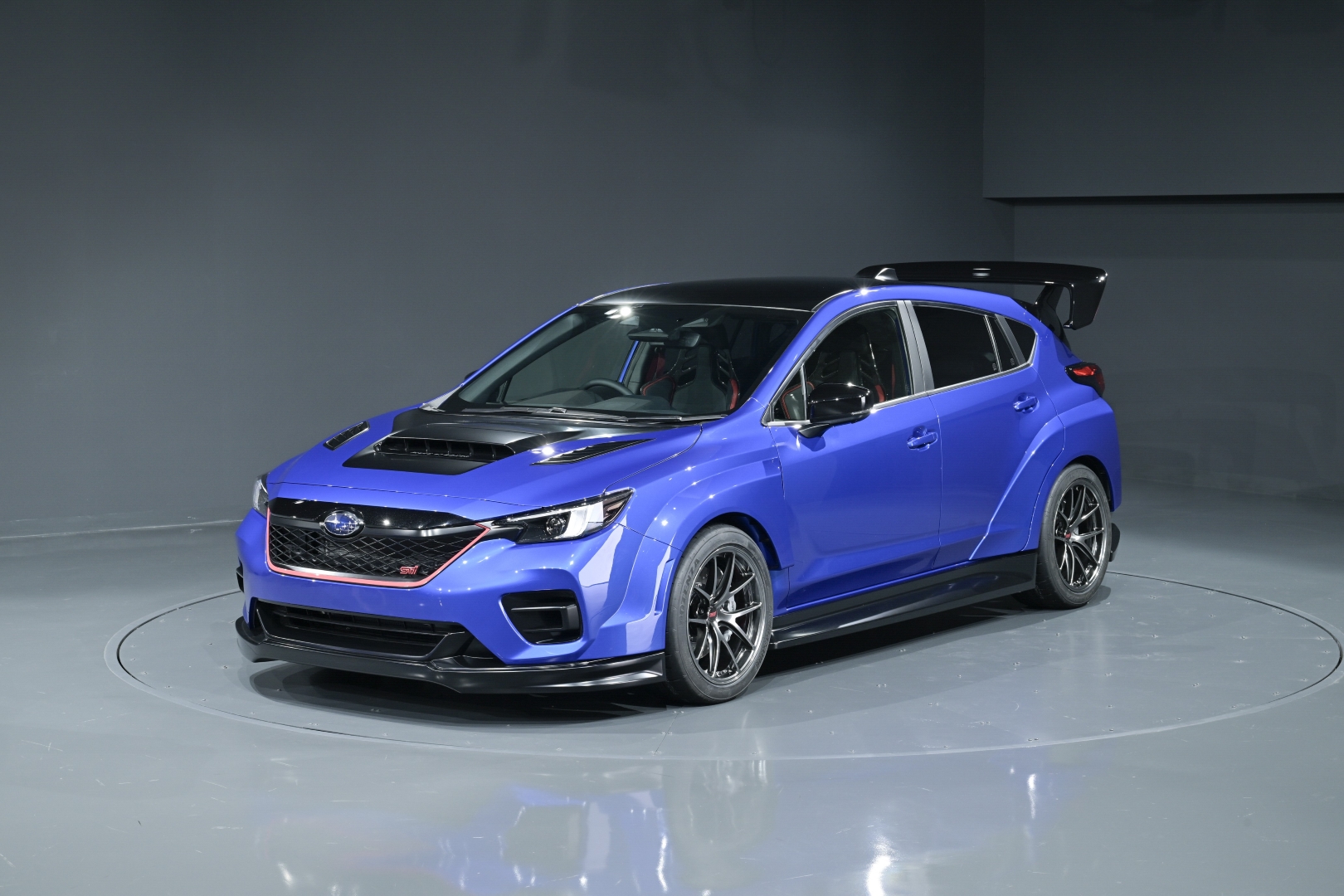
Performance-E and Performance-B are not production vehicles, nor do they represent a clear product plan. However, against the backdrop of STI's prolonged absence, their appearance alone was significant enough to generate considerable discussion. They seemed designed both to acknowledge fans' expectations and to gauge market interest.
Why did Subaru showcase these two concept cars?
Faced with fans' continuous attention to STI, Subaru's decision to respond with concept cars rather than a production-ready model was strategic.
After the exhibition, officials repeatedly emphasized that the primary goal of Performance-E and Performance-B was to test market responses. In other words, they wanted to see if there were enough fans hoping for a return of the STI, and what kind of STI they wanted to see.
Subaru's Product Manager Masaaki Kobayashi, in an interview, responded with a very cautious tone.
He did not rule out the possibility of mass production but stopped short of making any clear commitments. The overall tone was carefully neutral, using phrases like 'we are evaluating' and 'we hope to hear feedback'—neither closing the door nor making premature promises.
The rationale behind this stance is pragmatic. Subaru is currently navigating the pressures of the transition to electrification, and its relatively modest scale and resources make it challenging to invest simultaneously in traditional high-performance vehicles and all-new electric vehicle platforms.
To reposition STI in the electric era, the required development costs, regulatory compliance, and market risks are substantial. For a brand of its scale, it would be unwise to hastily launch high-cost, low-volume performance models.
Thus, these two concept cars seem more like exploratory moves rather than formal product blueprints. They suggest a direction without providing clear answers; they showcase possibilities without being tied to a timeline.
Performance-E STI: A Window into the Electric STI's Future?
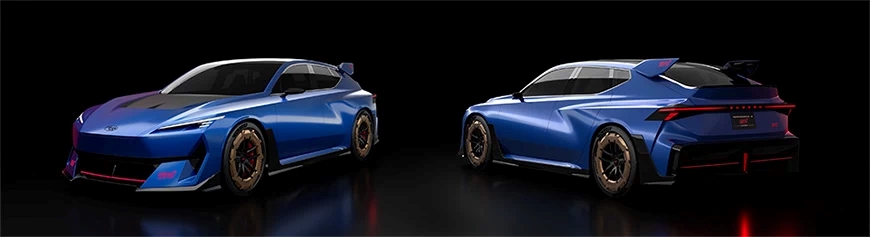
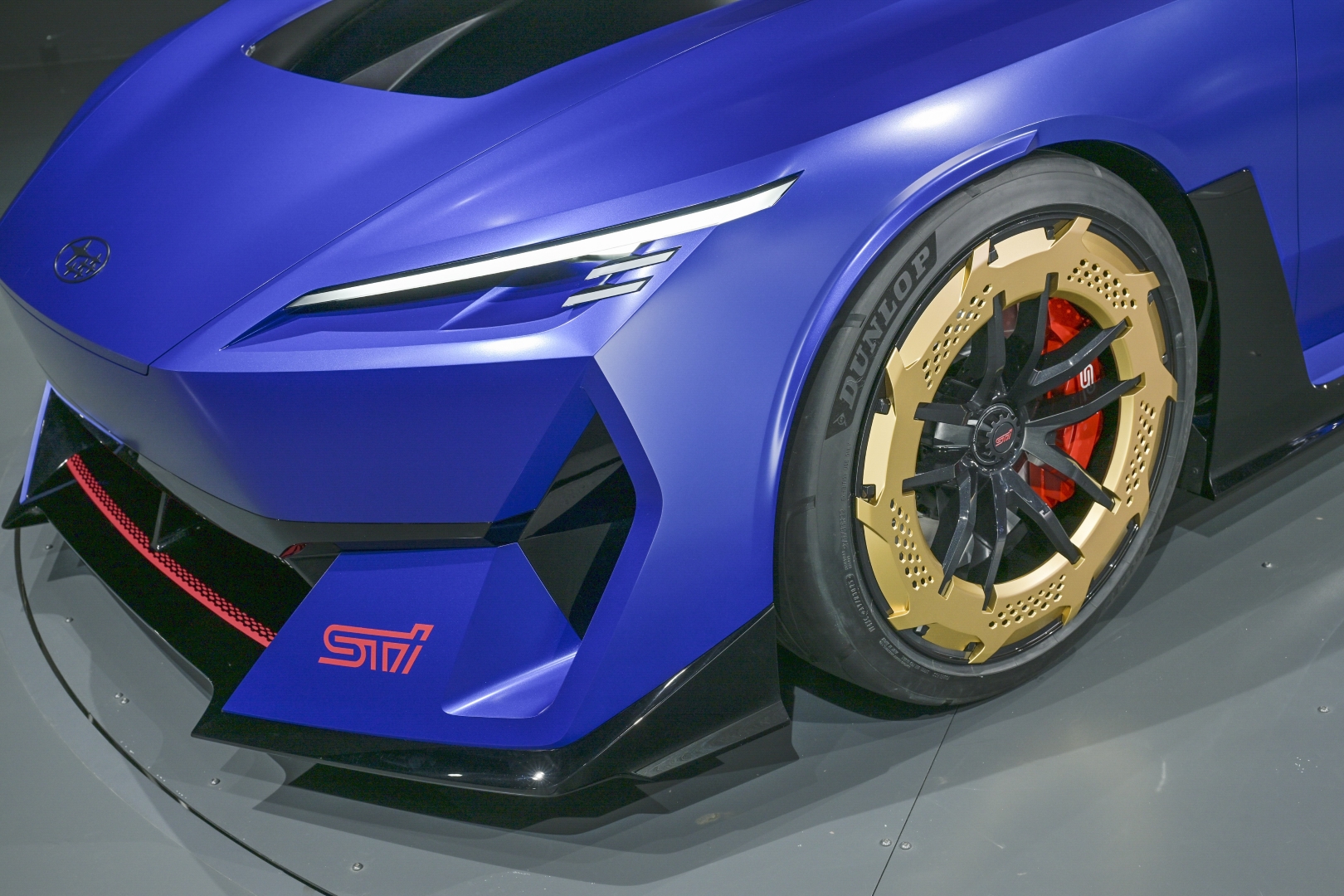
Among the two concept cars, the Performance-E STI clearly takes on a more forward-looking role. Its design is more aggressive than the traditional STI, with body contours, aerodynamic elements, and airflow components clearly optimized for the efficiency demands of electric vehicles.
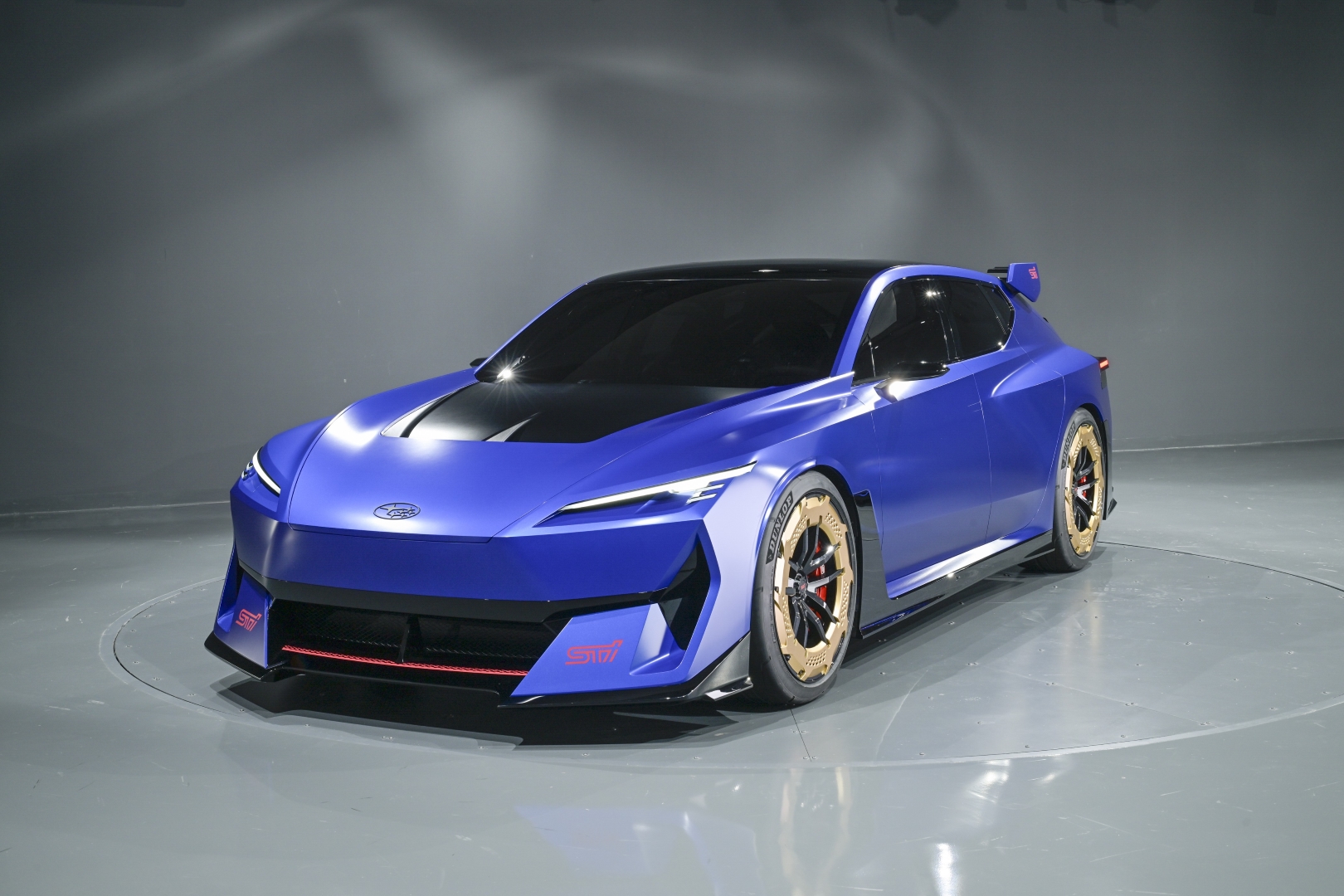
The closed front-end design, prominent air deflectors, and a wide-body stance indicate that this is not merely a design study but a concept conceived within the framework of a high-performance electric vehicle.
As Subaru has not yet disclosed technical details, outside speculation is based on the brand's consistent technical approach. As a performance-centric concept car, it is almost certain to adopt a dual-motor or quad-motor layout and reinterpret Subaru's 'symmetrical all-wheel drive' philosophy for the electric era.
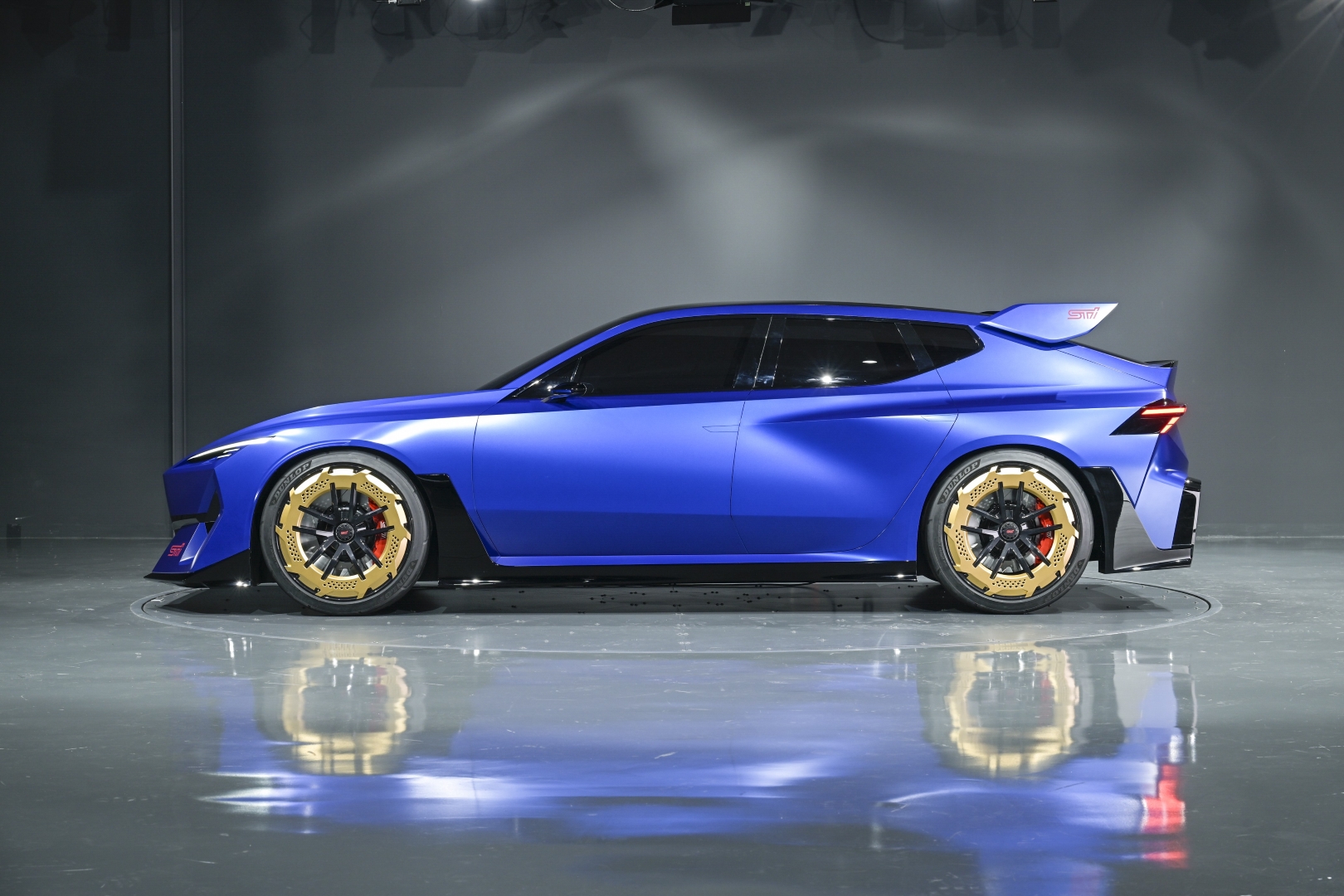
STI was previously renowned for its mechanical differentials and Driver Controlled Center Differential (DCCD) system. In the electric era, analogous capabilities could be delivered through electronic torque vectoring and independent motor control.
However, the biggest controversy regarding the Performance-E comes from this: Can an electric STI still retain the "soul" of the past? Part of the traditional STI's appeal lay in the distinctive sound and character of the horizontally opposed engine, and part lay in the direct, mechanical feedback of its drivetrain.
These are qualities difficult to fully replicate on an electric vehicle platform. Consequently, among enthusiasts, an electric STI is perceived as both a necessary evolution and an unavoidable compromise.
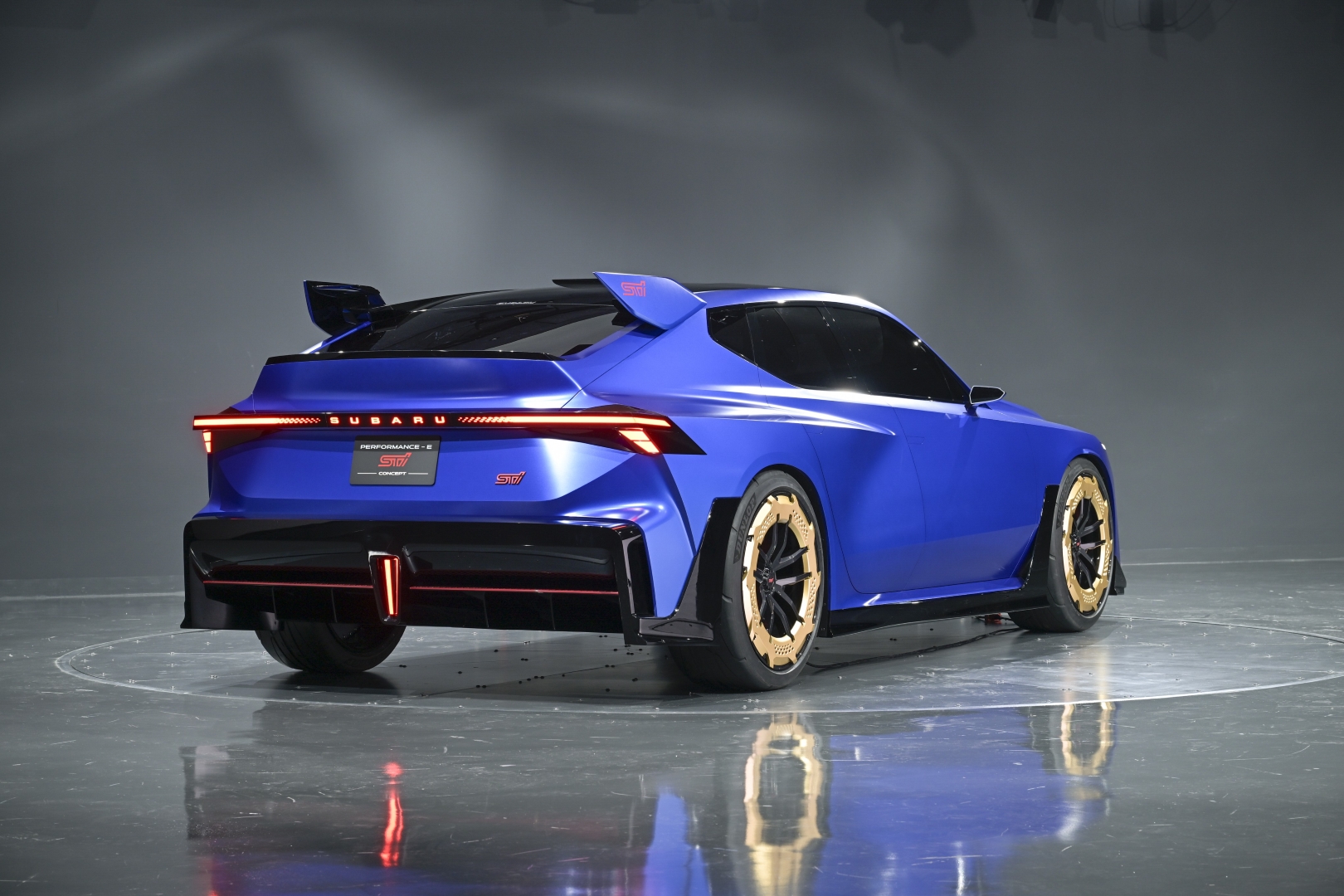
As emissions regulations become stricter and the development costs of performance cars continue to rise, the viability of traditional high-performance internal combustion engines is increasingly constrained.
For a brand like Subaru with limited scale, rebuilding the STI lineage on an electric platform is a more viable and strategically sound path than developing an entirely new generation of high-performance internal combustion cars.
The Performance-E may not be the definitive answer, but it signals a potential direction for STI's future—a direction shaped inevitably by regulations, technology, and market trends.
Performance-B STI: The Concept That Resonates with Longtime Fans
Compared to the futuristic Performance-E, this concept feels more grounded and appears closer to production feasibility.
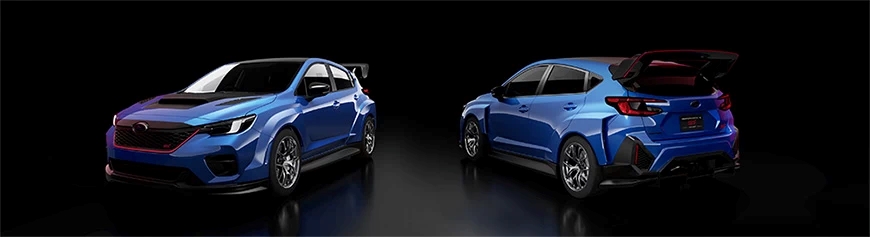
Based on the Impreza five-door, it features familiar proportions, a hatchback structure, and a compact body. It is the concept that most closely evokes the traditional STI silhouette and proportions.
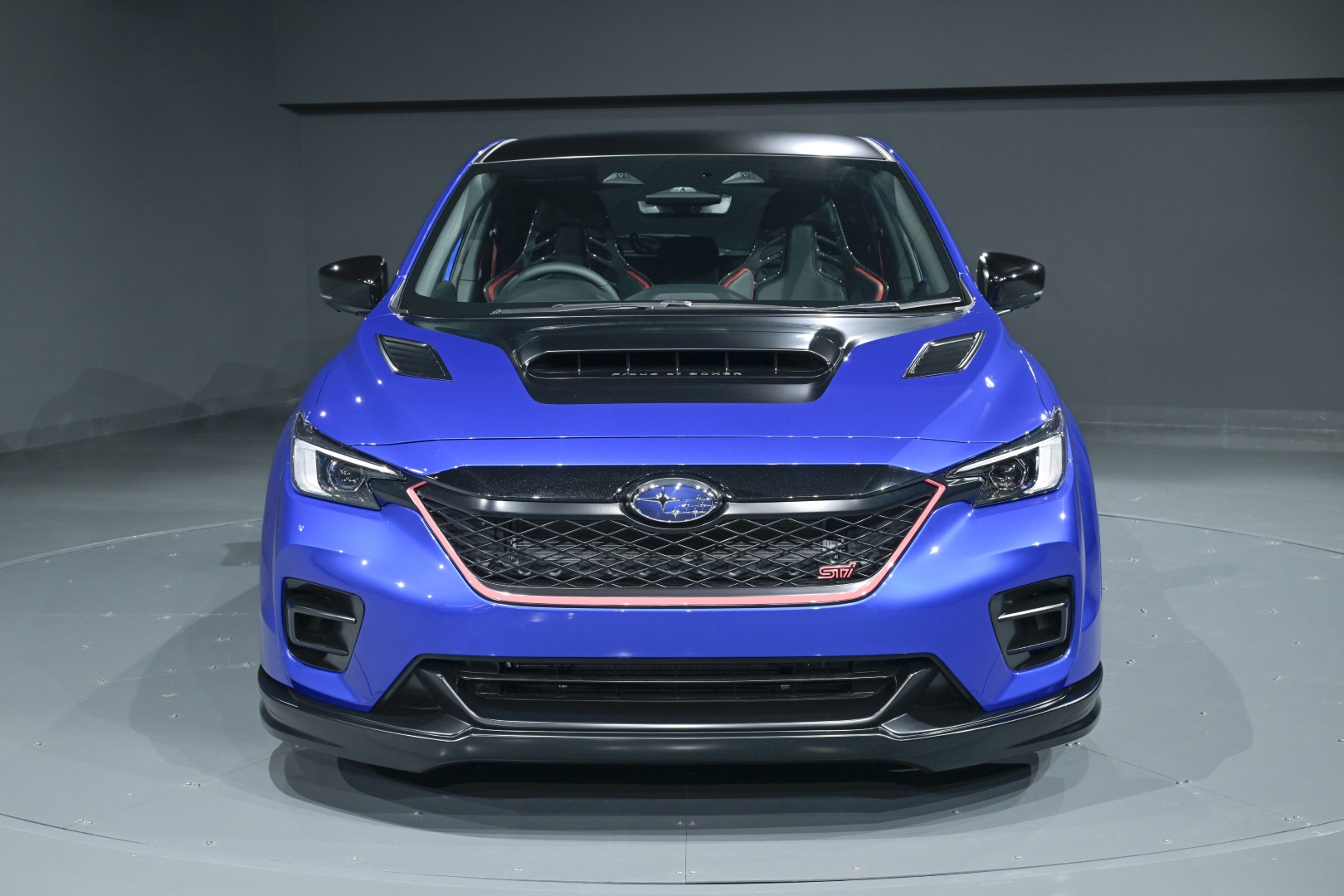
While Subaru has not disclosed any powertrain details, widespread speculation suggests the Performance-B could be based on an internal combustion engine. There are even rumors suggesting it might retain a manual transmission and traditional mechanical all-wheel-drive system.
Even unverified, the mere possibility of a 'fuel-powered, manual transmission' configuration is enough to reignite the hopes of those who had given up on STI.
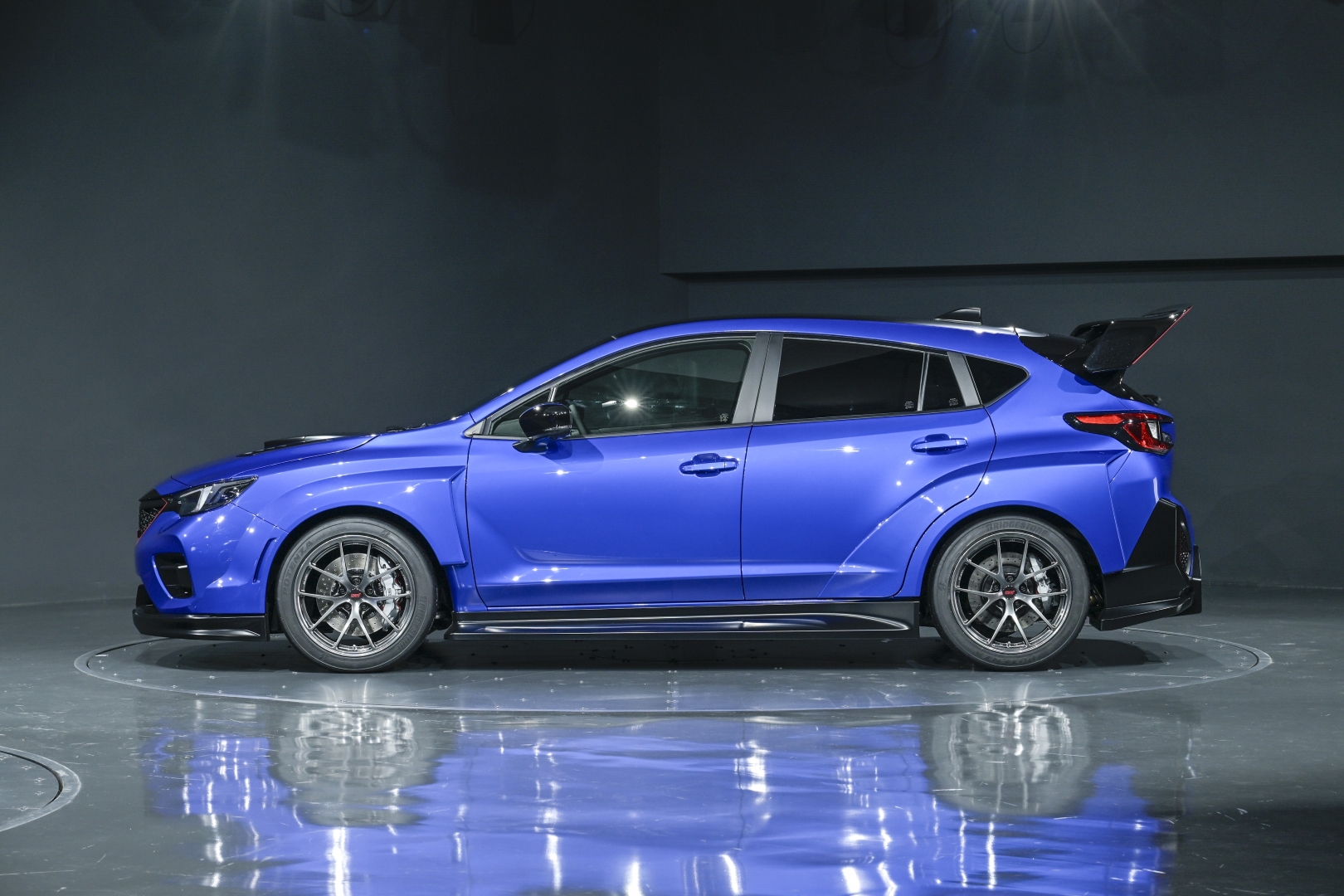
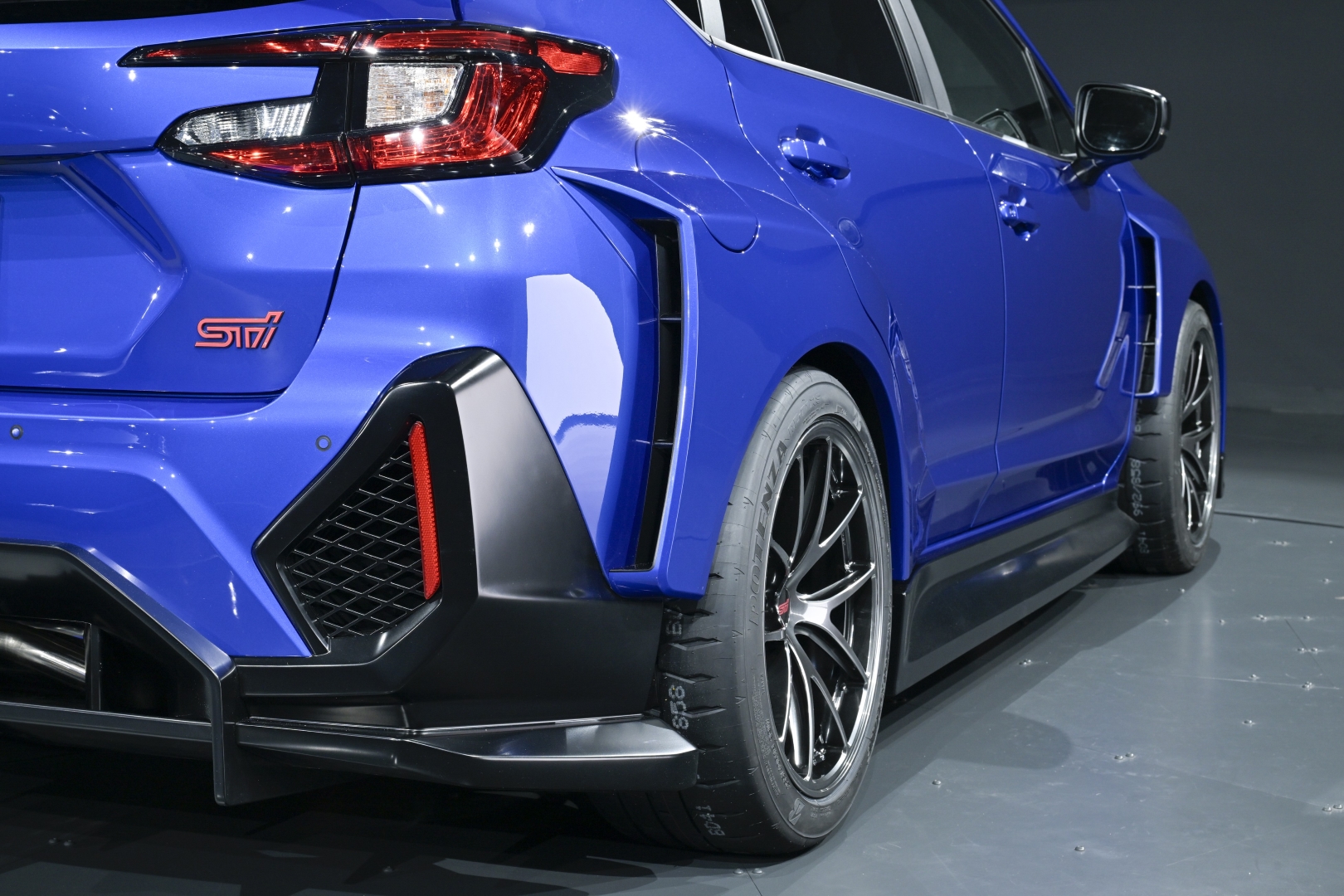
More importantly, the Performance-B retains many of the classic STI elements. Wide-body fenders, a larger spoiler, prominent aerodynamic kits, and mechanical details hinting at a potential return of the DCCD system make it appear more like a modern iteration of a classic STI rather than a purely design-focused concept.
Compared to the futuristic Performance-E, this concept feels more grounded and closer to production feasibility.
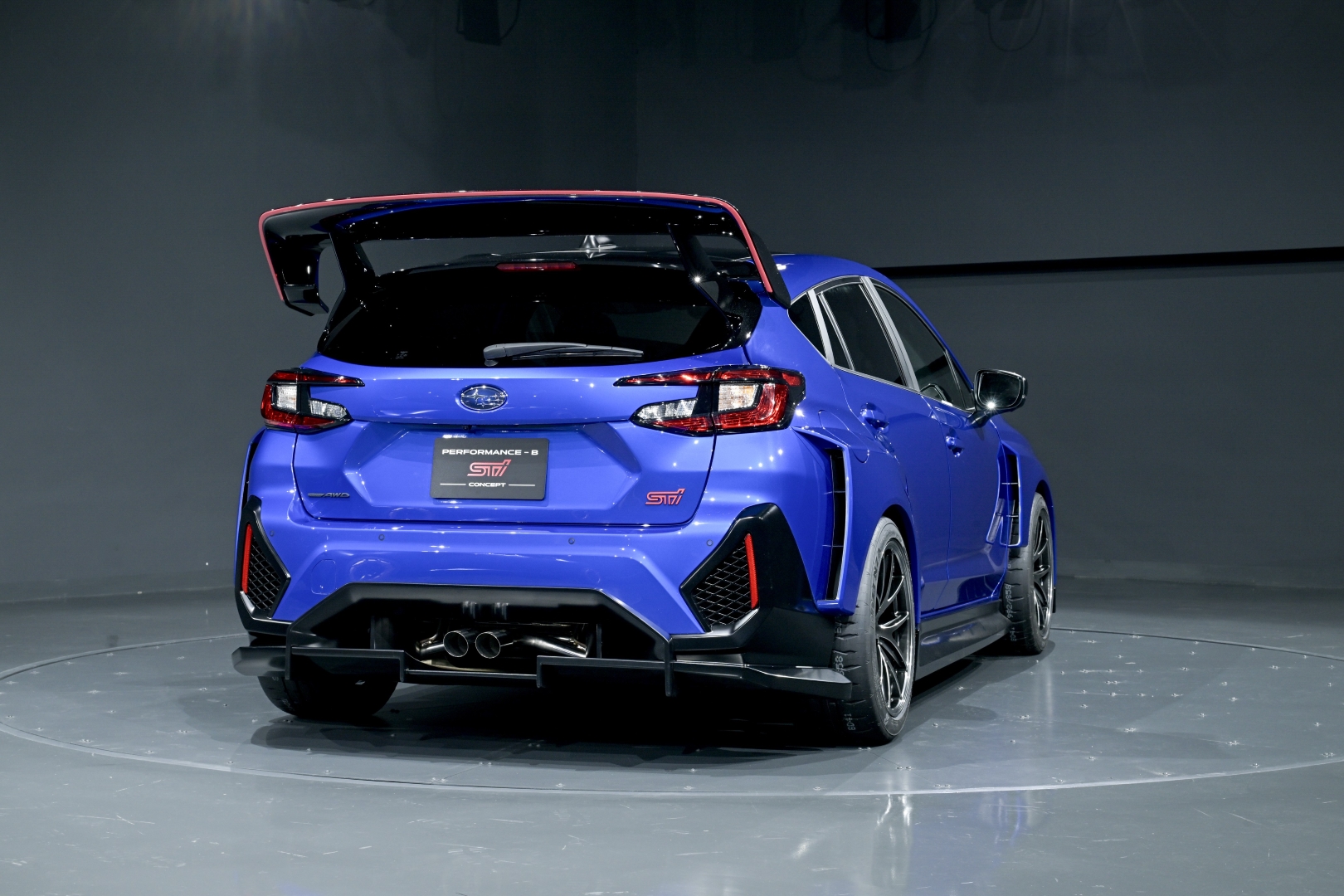
For this reason, the Performance-B has instead become the concept that resonates most deeply with fans. It represents not a revolution, but an evolution; not a distant vision, but a tangible answer to the question, 'What would an STI look like today if it had never left?'
Amid the wave of electrification, the Performance-B offers a rare and palpable counterpoint: perhaps STI's next chapter need not be a complete break from its combustion-engine heritage.
Why Do Car Enthusiasts Refuse to Let Go? The Cultural Value of STI
Even though the times are driving the automotive industry towards full electrification, and even though Subaru officially maintains a vague stance, enthusiasts' passion for STI has not waned. The reason is simple: STI has never been merely a model name; it is a cultural symbol.
Racing History, Symmetrical All-Wheel Drive, and the Boxer Engine: Irreplaceable Soul
The charm of STI comes from the combination of three things: its legendary history in the World Rally Championship (WRC), Subaru's unique Symmetrical AWD, and the distinctive sound and handling characteristics of the horizontally opposed Boxer engine.
These are not mere technical specifications; they form the brand's character, cultivated over decades.
To say 'STI' is to invoke an entire driving philosophy—one instantly recognizable to enthusiasts.
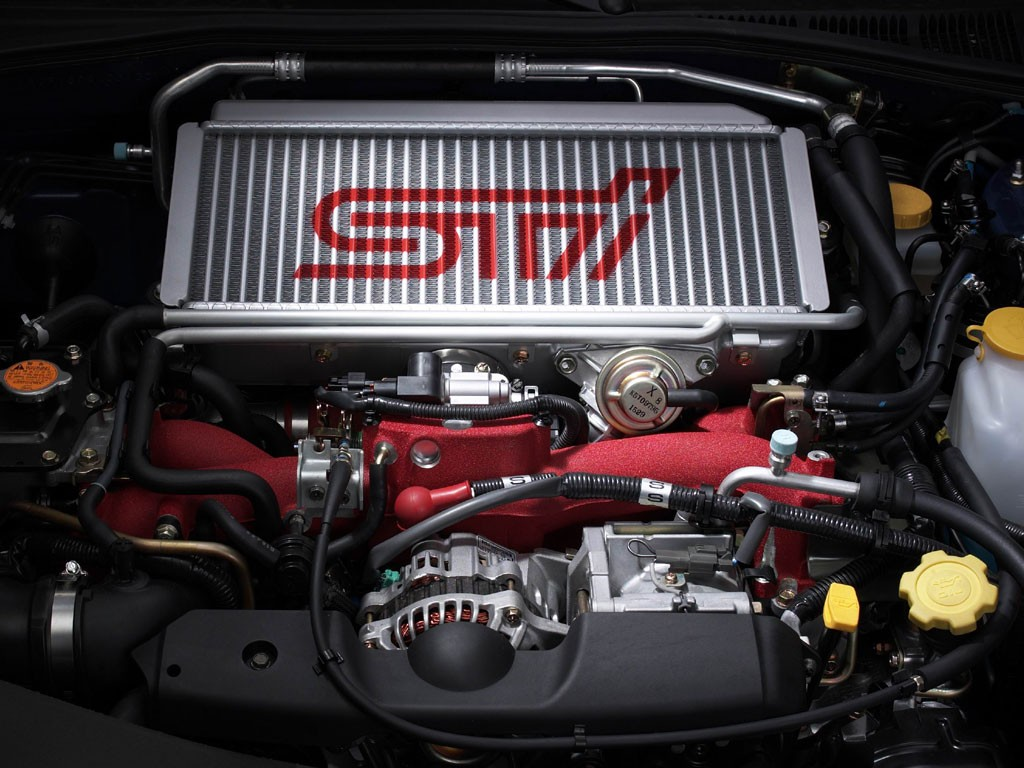
STI is Not a Product, But an Emotional Belief
Many enthusiasts are reminiscing not about a single model, but about an era—a time when performance cars felt raw, mechanical, intuitive, and possessed an untamed spirit. STI embodies that romantic, direct connection between driver and machine.
This is also why the unveiling of two STI-branded concepts, without a clear commitment to production, elicited such a strong and emotional response from enthusiasts.
For them, it is not merely about a new model launch, but about the future of a cultural icon.
If any infringement occurs, please contact us for deletion










Popular Cars
Model Year
Car Compare
Car Photo