
Q
Is the 2020 X5 a comfortable ride?
 WittywitNov 26, 2025, 12:11 PM
The 2020 X5 excels in comfort. Its standard adaptive air suspension does a great job soaking up road bumps, keeping the ride smooth even on the mixed road conditions common around here. The seats, wrapped in Vernasca leather, come with lumbar support and heating – perfect for long drives without feeling fatigued. Thanks to double-glazed windows and a well-tuned acoustic package, road noise stays impressively low even at highway speeds. What’s worth mentioning is that comfort in a luxury SUV like this isn’t just about hardware; it’s heavily tied to chassis tuning. The X5 strikes a solid balance between sportiness and comfort, helped by its multi-link independent suspension at both the front and rear. Plus, considering local climate needs, it’s equipped with four-zone automatic climate control and ventilated seats – a real lifesaver on hot days. Among its peers, the X5’s rear passenger space is top-notch too, with plenty of headroom and legroom even for average-sized adults.
Special Disclaimer: This content is published by users and does not represent the views or position of PCauto.
Related Q&A
Q
What is the top speed of the 2019 BMW X5?
The top speed of the 2019 BMW X5 varies depending on the powertrain. The xDrive40i, equipped with a 3.0-liter turbocharged inline-six, is electronically limited to 250 km/h (155 mph), while the more potent M50i—with its 4.4-liter twin-turbo V8—hits the same 250 km/h cap but delivers noticeably quicker acceleration. Opting for the M Sport package’s "Driver’s Package" raises the limiter to 270 km/h (168 mph), though this requires upgraded tires and brakes to handle the extra speed.
Like most German luxury cars, the X5’s speed governor balances performance with safety while protecting the drivetrain from excessive wear. Though not as fast as BMW’s sedans, the X5 remains impressively stable at high speeds thanks to its xDrive all-wheel-drive system and adaptive suspension—making it a confident long-distance cruiser. For owners looking to exploit its performance, regular maintenance (especially brakes and tires) is key to keeping everything safe and road-ready.
 WindyHillNov 26, 2025
Q
What is the difference between 2019 and 2020 BMW X5?
The key differences between the 2019 and 2020 BMW X5 lie in upgraded tech and features. For the 2020 model year, BMW made more equipment standard in certain markets—like the 12.3-inch digital instrument cluster and iDrive 7.0 infotainment with its more intuitive interface. Some variants also received enhanced driver assists, including improved lane-keeping and adaptive cruise control.
Visually, they’re nearly identical, though the 2020 version added optional wheel designs and paint choices. Under the hood, both years pack the same 3.0L turbocharged inline-six or 4.4L V8, but the 2020 tune prioritized slightly better fuel efficiency. BMW also retuned the suspension for sharper handling without sacrificing comfort.
For used-car shoppers, the 2020 X5’s extra kit might translate to marginally stronger resale value, though your budget and needs should dictate the choice. As a luxury midsize SUV, the X5 has always delivered driving thrills and premium comfort—both model years ace daily duties and road trips. The 2020 just edges ahead with tech perks.
 PeacefulPondNov 26, 2025
Q
Is 2019 a good year for a BMW X5?
The 2019 BMW X5 is a well-rounded luxury SUV that delivers strong performance. Under the hood, its 3.0T inline-six packs plenty of punch, paired with an 8-speed automatic transmission for smooth and responsive driving dynamics. Built on the CLAR platform, it sheds weight while improving chassis rigidity—resulting in noticeably better handling and comfort.
Inside, the X5 features dual 12.3-inch digital displays (instrument cluster and infotainment) running BMW’s iDrive 7.0, giving the cabin a high-tech vibe. Fit and finish live up to the brand’s reputation for premium materials. Safety-wise, it comes standard with active braking, lane-keeping assist, and other driver aids that boost confidence behind the wheel.
For used-car shoppers, the 2019 X5 holds its value decently, but always check service records and mileage—especially for wear-prone components like the air suspension. Practicality is another strong suit, with ample space for families. If you find a well-maintained example at a fair price, this generation remains a solid pick. Just get a pre-purchase inspection to avoid surprises.
 SparklingFireflyNov 26, 2025
Q
How much horsepower does a 2019 BMW X5 have?
The 2019 BMW X5 offers a range of horsepower outputs across different powertrain configurations. The xDrive40i features a 3.0-liter inline-six turbocharged engine, delivering 335 horsepower and 450 Nm of torque. For those craving more performance, the xDrive50i packs a 4.4-liter V8 twin-turbocharged engine, churning out 456 horsepower and 650 Nm of torque. Opt for the plug-in hybrid xDrive45e, and you’ll get a combined output of 389 horsepower.
These powertrains ensure the X5 delivers strong performance without compromising everyday comfort. As a luxury SUV, the X5’s engineering focuses not just on power but also efficiency—thanks to technologies like TwinPower Turbo and lightweight construction, which enhance fuel economy while preserving driving dynamics.
If you’re into premium SUVs, it’s worth cross-shopping rivals in this segment. But the X5 has always stood out for its balance of power and handling, making it a solid pick for drivers who prioritize engagement behind the wheel.
 SmallMouseNov 26, 2025
Q
What generation is the 2019 BMW X5?
The 2019 BMW X5 represents the fourth generation (codenamed G05) of this iconic SUV. Built on the CLAR modular platform, the G05 delivers notable upgrades in weight reduction, tech features, and powertrain over its predecessor.
Visually, it sports larger kidney grilles and sharper body lines. Inside, you'll find a 12.3-inch digital instrument cluster and touchscreen infotainment system, debuting BMW's iDrive 7.0 with gesture control and voice assistant support.
Under the hood, the 2019 lineup offers multiple options: a 3.0T inline-six (xDrive40i), a 4.4T V8 (xDrive50i), and a plug-in hybrid variant (xDrive45e)—all paired with an 8-speed Steptronic transmission and xDrive all-wheel drive.
For the first time, BMW introduced an optional Off-Road Package featuring a rear differential lock and multiple terrain modes, boosting its rough-road capability. The G05 also marks BMW's first SUV with available laser headlights, boasting a 500-meter range. Plus, with a 30% stiffer chassis compared to the previous model, it delivers sharper handling and enhanced safety.
 BlueSkyNov 26, 2025
Q
How fast is the 2019 BMW X5?
The 2019 BMW X5 delivers impressive performance, with acceleration varying by engine choice. The range-topping X5 M50i packs a 4.4-liter V8 twin-turbocharged engine that rockets from 0-100 km/h in just 4.7 seconds, while the electronic limiter kicks in at 250 km/h. The entry-level xDrive40i, equipped with a 3.0-liter inline-six turbo, hits 100 km/h in 5.5 seconds with the same governed top speed – seriously quick for a midsize luxury SUV.
Beyond straight-line speed, the X5 features BMW's advanced xDrive all-wheel-drive system and adaptive suspension, ensuring composed handling and comfort across all road conditions. Multiple drive modes (Sport, Comfort, and Eco Pro) let you tailor the driving experience. What really stands out is the near-perfect 50:50 weight distribution – a signature BMW trait that keeps this tall SUV surprisingly agile through corners without sacrificing driving enjoyment.
 AdventureNov 26, 2025
Q
How much does it cost to replace the engine in a BMW X5 2019?
"The cost to replace a 2019 BMW X5 engine typically ranges between RM60,000 to RM150,000, depending on the engine type, whether you go for OEM or refurbished parts, and the labor charges at your chosen workshop. A brand-new factory engine costs more but comes with a warranty, while third-party rebuilt or used engines can save you money—just watch out for quality risks.
The X5’s B58 inline-six or N63 V8 turbocharged engines are complex beasts. When swapping them, it’s smart to also inspect the turbo system, cooling module, and related piping to avoid future headaches. If your car’s still under factory warranty, check with an authorized dealer first—you might qualify for partial or full coverage.
For high-mileage X5s with severe oil consumption or rod knock, a full engine replacement often makes more sense than a rebuild. But don’t skip the details: ensure proper ECU coding and chassis number updates, and pick a shop with BMW-specific diagnostic tools to avoid compatibility nightmares.
Pro tip? Stick to LL-04-approved oil and fix coolant leaks promptly—it’s cheaper than a new engine."
 KindnessNov 26, 2025
Q
Is the 2019 BMW X5 a good SUV?
The 2019 BMW X5 is a well-rounded SUV that delivers an exceptional driving experience, upscale interior, and cutting-edge tech—earning widespread praise. Under the hood, its 3.0-liter turbocharged inline-six packs plenty of punch while maintaining decent fuel efficiency, making it great for both daily commutes and road trips. Inside, you’ll find premium materials, a slick 12.3-inch infotainment screen with iDrive, and a spacious cabin (especially the rear seats and cargo area) that caters to families. Safety-wise, it comes loaded with driver-assist features like automatic emergency braking and lane-keeping assist. One heads-up, though: some owners note higher maintenance costs—a common trade-off for luxury vehicles. If your budget allows and you value brand prestige plus driving dynamics, the 2019 X5 is a solid pick. Its handling stands out in its class, perfect for drivers who crave engagement behind the wheel.
 HappydayNov 26, 2025
Q
What kind of engine is in the BMW X5 2019?
The 2019 BMW X5 offers a range of engine options to suit different driving preferences. The gasoline lineup includes the xDrive40i, powered by a 3.0-liter turbocharged inline-six delivering 335 hp and 450 Nm of torque. For those seeking more performance, the xDrive50i packs a 4.4-liter twin-turbo V8, churning out 456 hp and 650 Nm. There's also the plug-in hybrid xDrive45e, which combines a 3.0-liter six-cylinder engine with an electric motor for a total system output of 394 hp and an all-electric range of around 80 km.
All variants come paired with an 8-speed Steptronic automatic transmission, ensuring smooth shifts and efficient power delivery. BMW's TwinPower Turbo technology helps deliver strong low-end torque while improving fuel efficiency and throttle response.
The plug-in hybrid is a solid pick for eco-conscious buyers, blending zero-emission driving for daily commutes with the flexibility of a gas engine for longer trips. Maintenance-wise, regular checks on the turbocharging system and battery pack are recommended to keep everything running smoothly for the long haul.
 PhoenixRiseRebornNov 26, 2025
Q
What type of oil does a 2019 BMW X5 use?
**BMW X5 (2019) Oil Recommendation**
For optimal performance, your BMW X5 requires a full synthetic oil that meets BMW’s **Longlife-01** or **Longlife-04** certification. The recommended viscosity is typically **5W-30** or **0W-30**, but the best choice depends on your engine type and driving conditions. In hotter climates, a **0W-40** oil may offer better high-temperature stability.
Stick to **genuine BMW oil** or trusted brands like **Shell, Mobil 1, or Castrol** that meet BMW’s specs—this ensures top-tier engine protection. Oil changes are crucial: aim for every **10,000–15,000 km (or 12 months)**, but always check your owner’s manual for exact intervals.
Full synthetic oils reduce wear, boost fuel efficiency, and extend engine life—especially important for turbocharged models. **Diesel engines** may need different oil specs, so consult your dealer or a certified mechanic to confirm the right product.
*Pro tip:* Don’t cut corners on oil quality—your X5’s engine deserves the best.
 DreamChaserVisionaryNov 26, 2025
Popular Cars
Model Year
Car Compare
Car Photo
Related Models

 Cars
CarsLatest Q&A
Q
What type of mirror is in a car?
Automotive rearview mirrors are primarily categorized into three types: interior rearview mirrors, exterior rearview mirrors, and under-view mirrors. Based on their mirror structure and functional features, they can be further subdivided into plane mirrors, convex mirrors, dual-curvature mirrors, wide-angle rearview mirrors, anti-glare rearview mirrors, and electronic rearview mirrors.
The interior rearview mirror is typically installed at the center top of the front windshield and employs a plane mirror design, providing a clear view of the road directly behind the vehicle to help assess the distance of following vehicles. Exterior rearview mirrors are positioned near the side doors or A-pillars and often utilize convex or dual-curvature mirrors to widen the side and rear field of vision, which is essential for lane changes or turns. Under-view mirrors are used to detect obstacles beneath the front of the vehicle, making them particularly useful in narrow spaces.
Wide-angle rearview mirrors further minimize blind spots through specialized curvature, especially beneficial for large vehicles. Anti-glare rearview mirrors can adjust reflectivity automatically or manually to effectively mitigate glare from high beams at night. Electronic rearview mirrors transmit images via cameras to an in-car display, maintaining clear visibility in adverse weather conditions, though they come with higher costs and depend on electronic systems.
Proper adjustment of each type of rearview mirror is crucial for optimal performance. For instance, the interior rearview mirror should be positioned so the horizon is centered, while exterior mirrors should show approximately one-quarter of the vehicle's side with the horizon aligned in the middle. Collectively, these mirrors form a visual safety system for driving, and drivers should select the appropriate types based on their needs and perform regular maintenance.
 CherryMar 12, 2026
Q
What is a rearview mirror?
The rearview mirror is a reflective device installed inside or outside a vehicle, primarily used by drivers to observe traffic conditions behind and to the sides of the vehicle, ensuring driving safety. The interior rearview mirror is usually located above the windshield, providing a straight-line view of the area behind the car, while the exterior rearview mirrors are mounted on both sides of the doors, covering the left and right rear areas. Modern rearview mirrors are equipped with various functions such as electric heating for defogging, automatic anti-glare, and integrated blind spot monitoring, which significantly enhance driving safety and convenience. According to safety regulations, rearview mirrors must meet specific curvature and reflectivity requirements to ensure clear imaging. Drivers should regularly adjust the angle of the rearview mirrors to ensure they cover the entire rear field of view, and use them in conjunction with the side-view mirrors when changing lanes to eliminate blind spots. The design of rearview mirrors not only considers functionality but also takes into account aerodynamics and the overall vehicle styling to reduce wind resistance and noise. Proper use of rearview mirrors can effectively reduce traffic accidents, making them an indispensable safety device during driving.
 PeachesMar 12, 2026
Q
Are car rear view mirrors magnified?
The design of car rearview mirrors is mainly based on the principle of light reflection. Their mirror surfaces usually adopt a flat or convex structure, rather than lenses that directly magnify objects. The flat mirror section provides a true-scale reflected image, while the convex mirror portion expands the field of view through its outwardly curved surface, making objects appear closer than their actual distance, though the resulting image is actually a diminished virtual image. This design effectively reduces blind spots. For instance, the right rearview mirror typically has a curvature radius of 800 to 1200 millimeters, while the left mirror ranges from 1500 to 2000 millimeters, achieving a balance between field of view and distance perception. Some premium models additionally incorporate electrochromic anti-glare technology or digital camera systems to enhance nighttime safety or overcome the physical constraints of conventional mirrors. Notably, rearview mirror reflectivity must comply with the industry standard of at least 40% to ensure image clarity, and the "magnifying" effect of convex mirrors is fundamentally an optical illusion created by light divergence that widens the viewing angle.
 LavenderMar 12, 2026
Q
What is the name of the rear view mirror in a car?
The mirror used inside a car to observe the road conditions behind is called a rearview mirror. The English term "rearview mirror" specifically refers to the central rearview mirror installed above the windshield. Its core function is to enable the driver to monitor real-time traffic conditions directly behind the vehicle. In technical specifications, this component is also referred to as an "interior rearview mirror" to distinguish it from the "side mirrors" (exterior rearview mirrors) mounted on both car doors. Modern vehicles are commonly equipped with rearview mirrors featuring auto-dimming functionality. Utilizing photosensitive elements to detect intense light and adjust the mirror's reflectivity, they effectively mitigate visual disturbances caused by high beams from trailing vehicles during nighttime driving. Some premium models further integrate additional features such as dashcams, compasses, or ambient temperature displays. Notably, the adjustment angle of the rearview mirror directly impacts the field of view. It is recommended to align the central rearview mirror with the centerline of the rear windshield to ensure a comprehensive view of traffic across three rear lanes—a fundamental configuration for defensive driving.
 ButterMar 12, 2026
Q
What is another name for a rear view mirror?
In professional terminology, rearview mirrors are usually referred to as "rearview mirror" or "rear-view mirror", which are their most standard English expressions. Additionally, they may also be called "side mirror" (for side-view mirrors), "backup mirror" (for reversing mirrors), or "driving mirror" depending on their specific types and functions. Technically, rearview mirrors constitute a critical component of a vehicle's safety system, primarily categorized into interior rearview mirrors and exterior rearview mirrors. The interior rearview mirrors typically employ a flat mirror design to maintain an accurate field of vision, whereas exterior rearview mirrors predominantly utilize convex mirrors to widen the viewing area. Modern vehicles commonly feature intelligent rearview mirrors equipped with functionalities such as power adjustment, heating and defogging, and automatic anti-glare. Some premium models even incorporate electronic rearview mirror technology, replacing conventional mirrors with camera-display systems. For daily maintenance, it is advisable to routinely inspect the adjustment angle and cleanliness of the mirrors to ensure clear visibility of road conditions within approximately 200 meters behind the vehicle—a vital requirement for maneuvers like lane changes and reversing. Additionally, drivers should remain mindful of blind spots associated with exterior rearview mirrors and may consider installing wide-angle auxiliary mirrors when necessary.
 HappyShrimpMar 12, 2026
Related News

BMW X5 will become BMW's first model equipped with a hydrogen fuel cell, with a range of 504 kilometers
JamesSep 8, 2025

How strong is the overall strength of the BMW X5 that it even makes the wealthy give up the Benz GLE and Audi Q7?
RobertSep 25, 2024
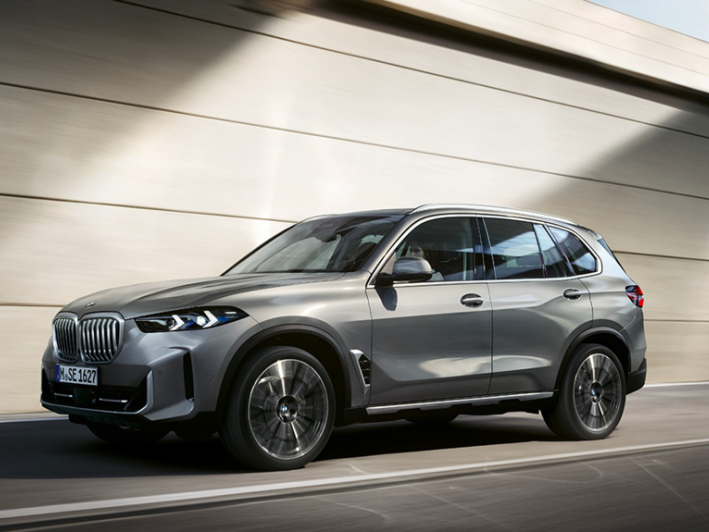
The 2024 BMW X5 xDrive50e is priced at RM 528,100, with 0-100km/h just taking 4.8 seconds
LienJun 26, 2024

The all-new BMW i5 eDrive40 M Sport Pro lands in Malaysia
LienJan 16, 2026

Audi RS6 sedan version may return to compete fully with the BMW M5
WilliamNov 21, 2025
View More
Pros
Cons