
BMW X5 will become BMW's first model equipped with a hydrogen fuel cell, with a range of 504 kilometers
 JamesSep 08, 2025, 02:32 PM
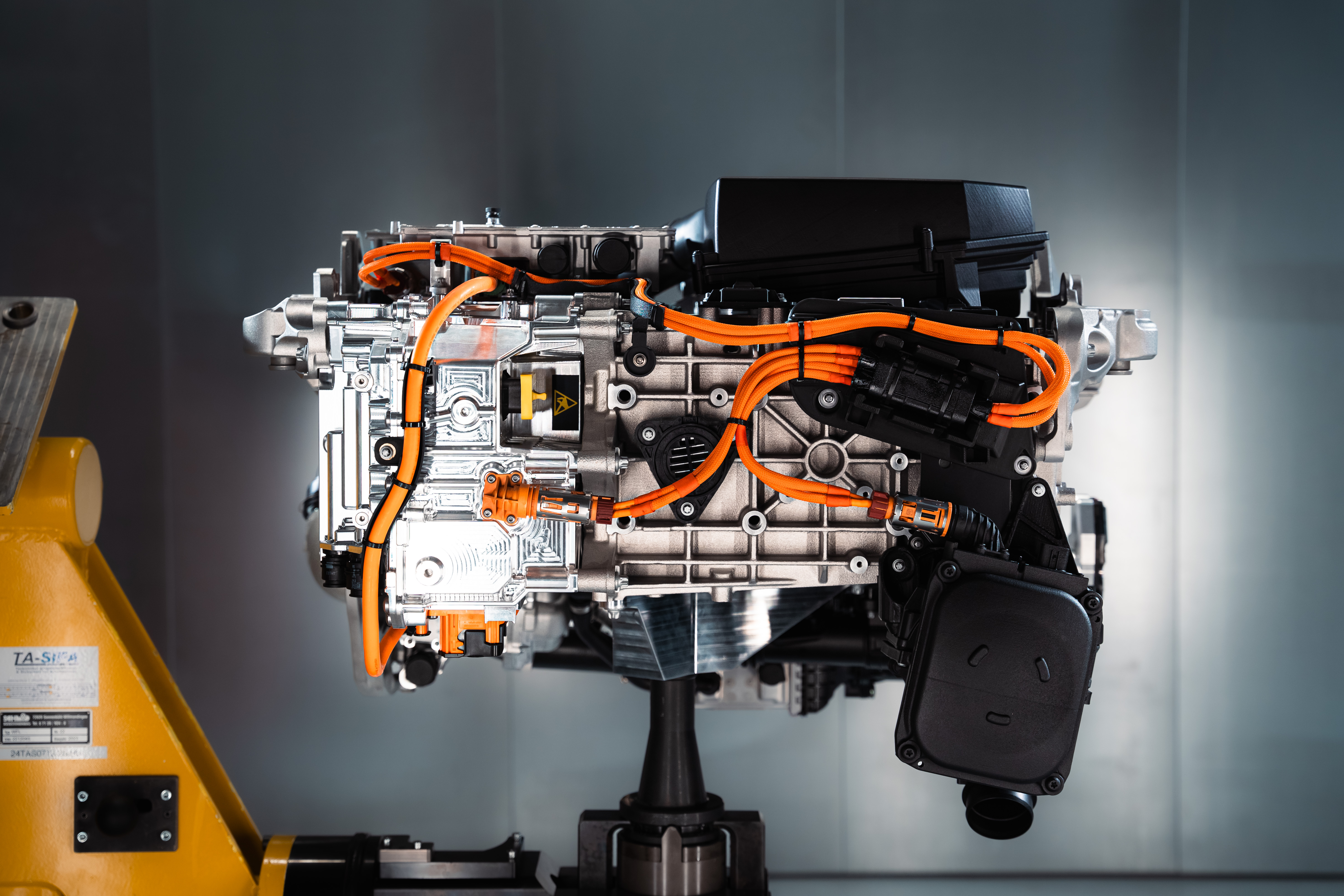
[PCauto] BMW Group has officially confirmed its plan to start mass production of hydrogen fuel cell vehicles in 2028. This decision is based on the results of over a decade of technical collaboration with Toyota Motor Corporation. The third-generation fuel cell system will serve as the core powertrain for production models.
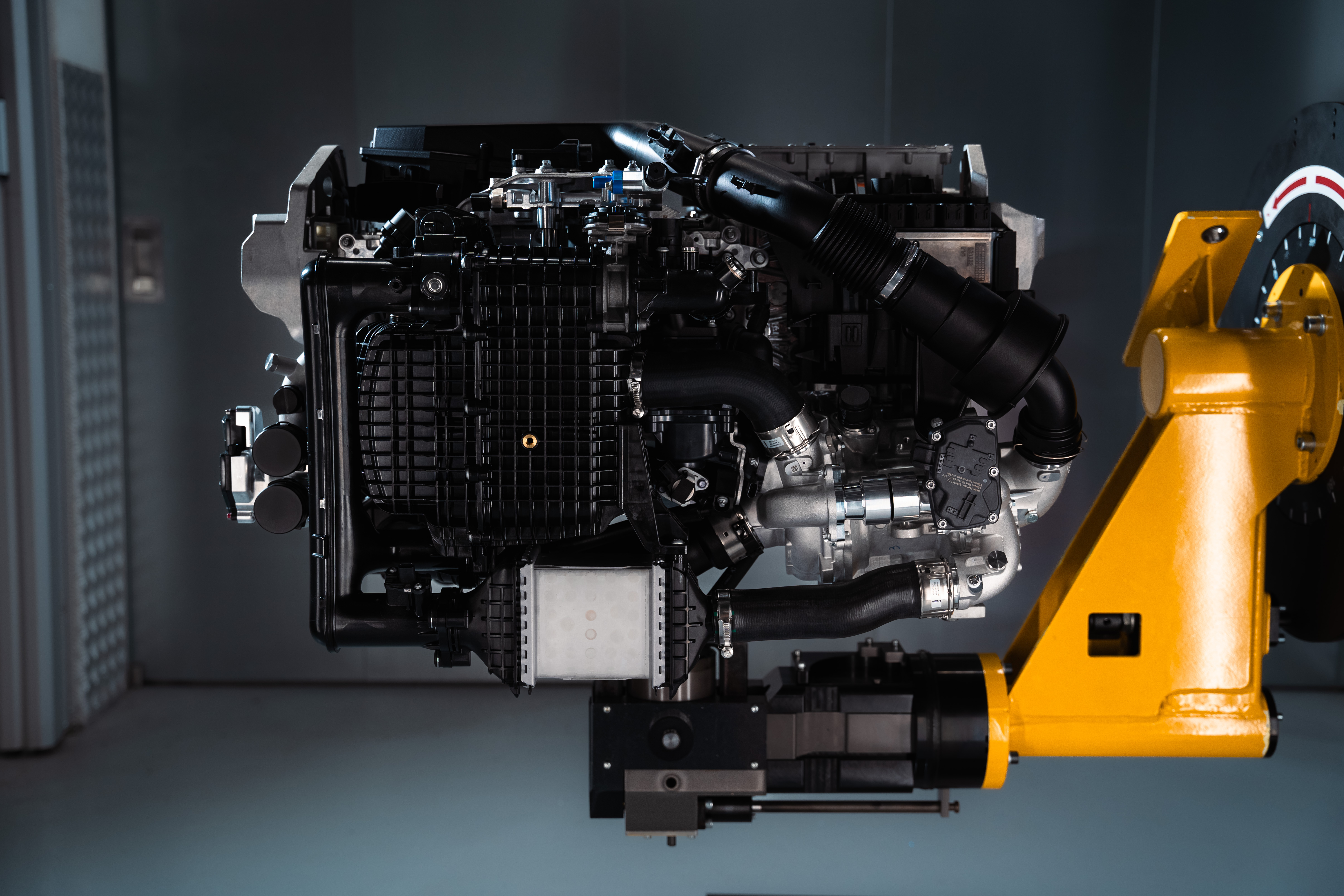
A 6 kg hydrogen tank enables 504 km of WLTP range
According to technical details disclosed by BMW Group, the new-generation fuel cell system has achieved significant breakthroughs compared to the second-generation system used in the current iX5 Hydrogen test fleet.
The system volume has been reduced by 25%, power density has been increased to 295 kW (401 hp), and a 6 kg hydrogen tank enables a WLTP range of 504 kilometers, with refueling taking just 3-4 minutes.
This system was jointly developed by BMW and Toyota. The fuel cell unit is supplied by Toyota, while BMW independently undertook the overall system integration and control technology.
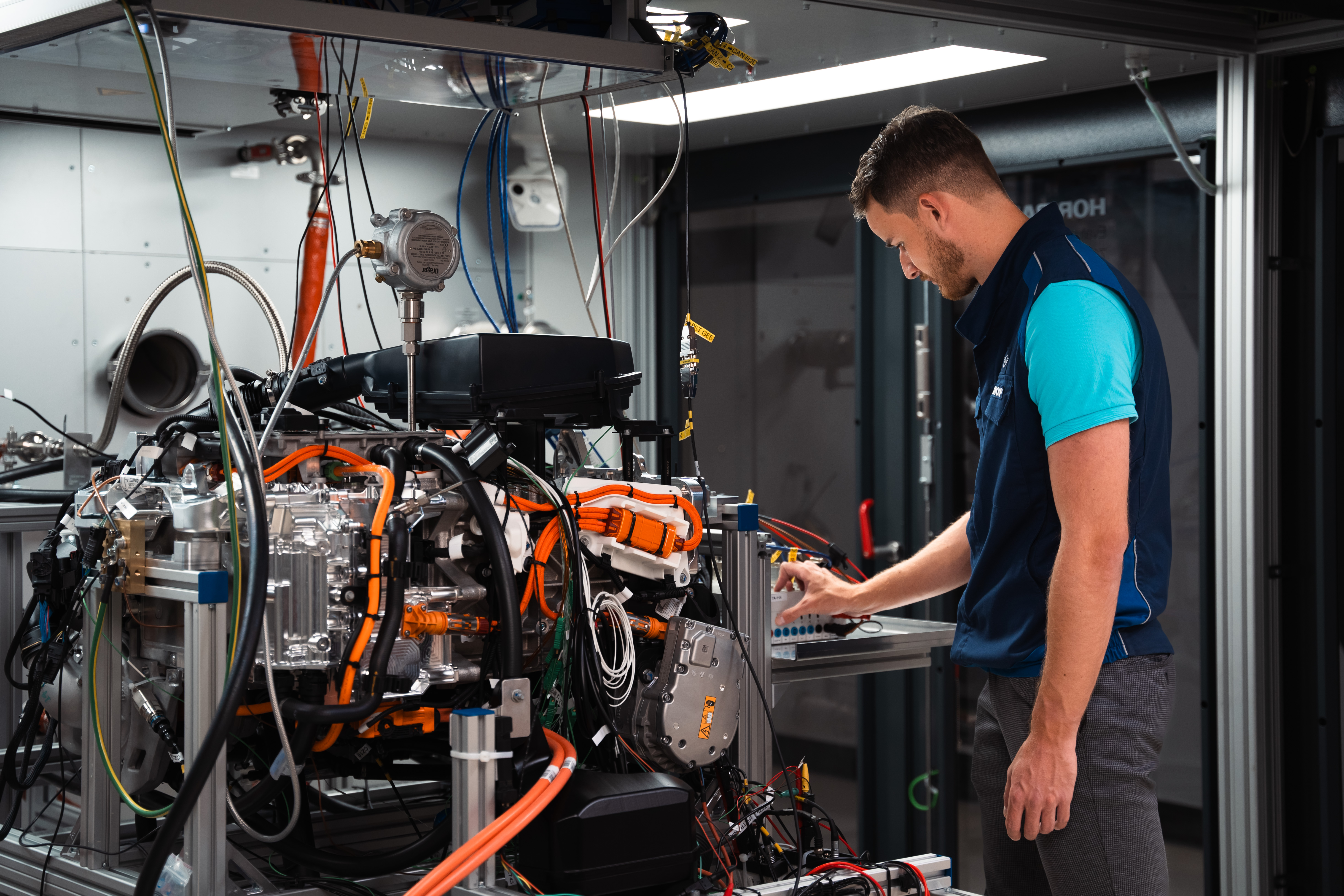
On the production side, BMW has selected the Austria-based Steyr plant, known for its experience in multi-powertrain production, as the primary manufacturing base for the fuel cell system.
This factory is currently producing both electric motors and internal combustion engines, laying a solid foundation for the construction of hydrogen energy production lines by 2028.
Key component manufacturing is handled by the Landshut plant in Germany, including the BMW Energy Master control unit developed specifically for hydrogen energy systems, capable of managing energy distribution within a voltage range of 400-800V.
The Munich Technology Center is responsible for prototype development and industrialization validation. Global road tests under extreme environmental conditions (-40°C to 45°C) have already been completed.
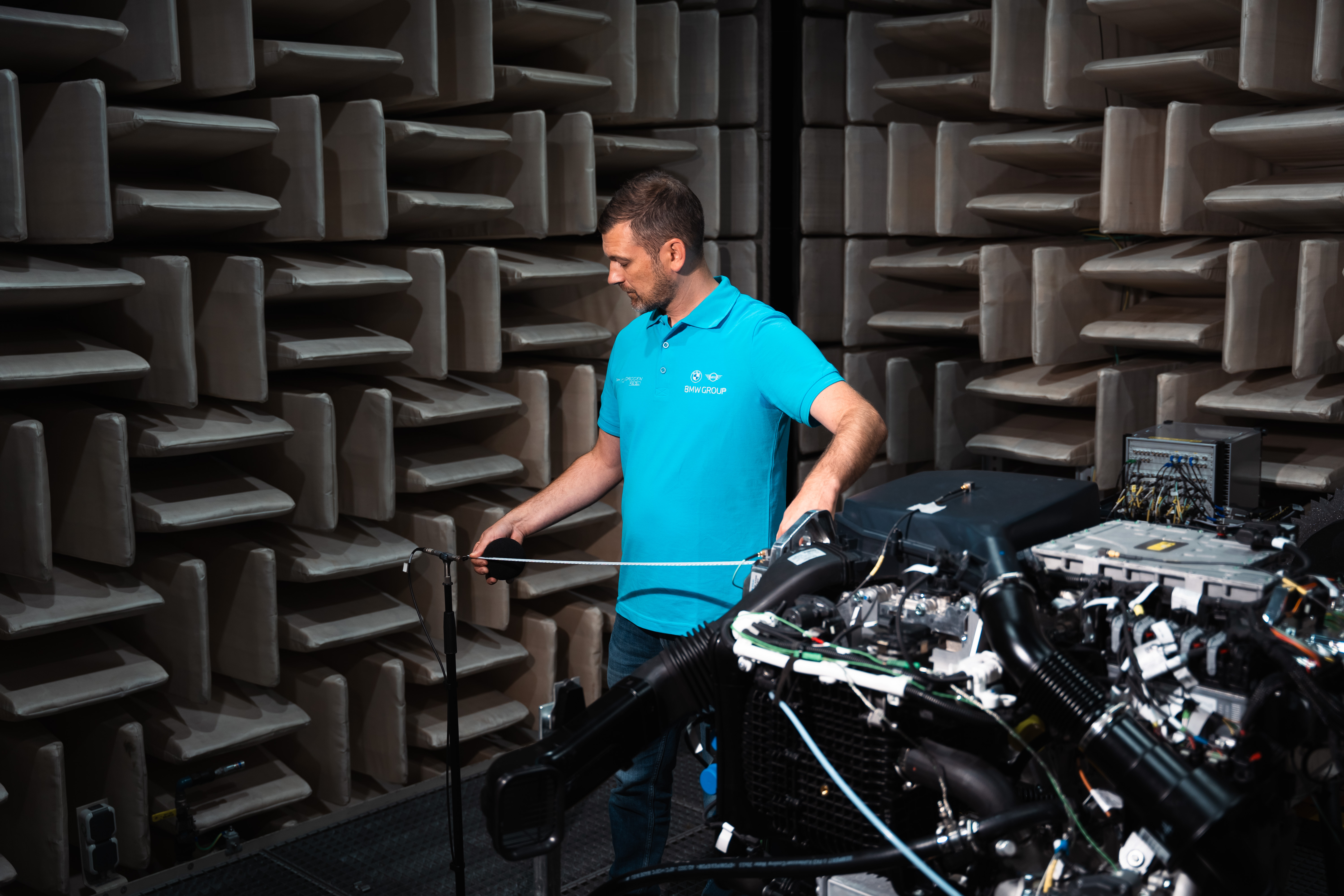
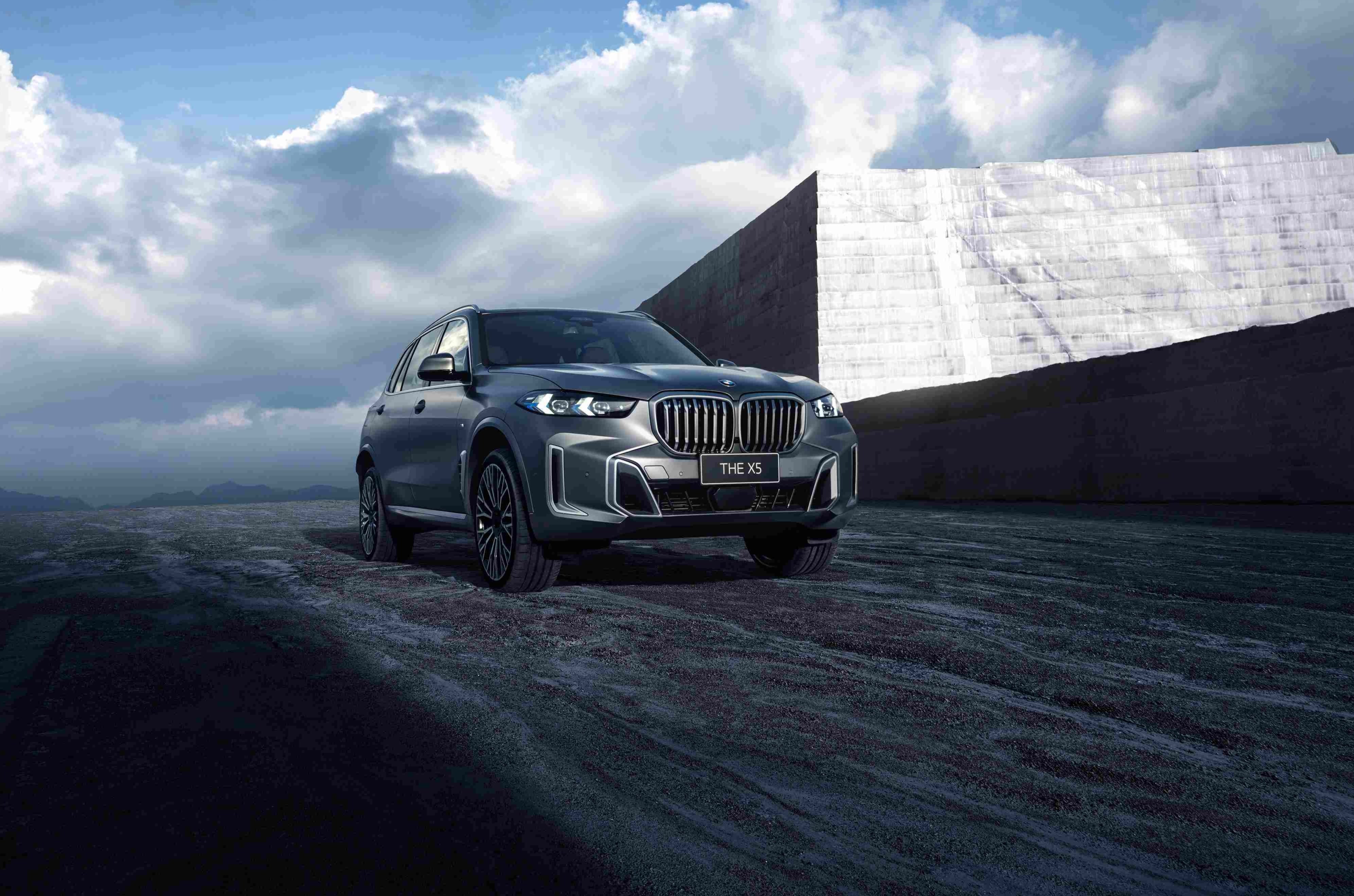
The X5 will be BMW's first model equipped with a hydrogen fuel cell
The model plan indicates that the first mass-produced hydrogen fuel cell vehicle will be based on the next-generation X5 platform (internal code G65), as one of the powertrain options under the Neue Klasse architecture.
This model will be sold alongside the traditional fuel, plug-in hybrid, and all-electric versions of the X5, targeting regional markets with established hydrogen refueling infrastructure.
BMW has explicitly stated that hydrogen energy vehicles are a supplement to the existing product line rather than an independent series, a positioning that aligns with its "technology openness" strategy.
BMW has been working on hydrogen fuel technology for a long time
The development history of BMW's hydrogen energy technology can be traced back to the 1970s, undergoing multiple technological iterations such as liquid hydrogen internal combustion engine experiments and the Hydrogen 7 V12 flagship sedan.
After establishing a partnership with Toyota in 2014, BMW successively introduced test vehicles based on the 5 Series platform (535iA) and the current iX5 Hydrogen test fleet.
The mass production of the third-generation system signifies that hydrogen energy technology has officially transitioned from the experimental phase to industrial-scale production.
If any infringement occurs, please contact us for deletion










Popular Cars
Model Year
Car Compare
Car Photo