
Q
Is the 2024 BMW 5 a redesign?
 SimpleRoseNov 03, 2025, 05:24 PM
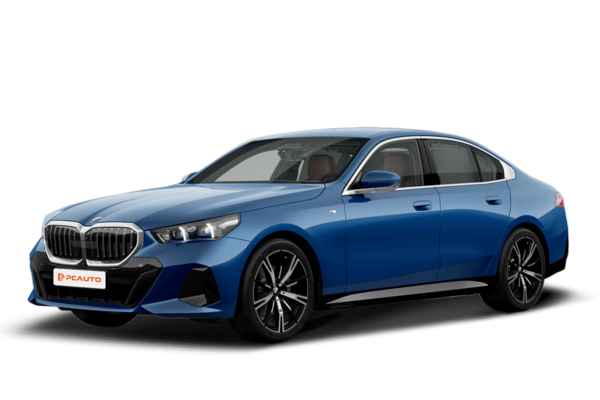
The 2024 BMW 5 Series is truly an all-new generation model, featuring BMW's latest design language and technological upgrades. The most noticeable exterior change is the sharper lines and larger kidney grille, paired with sleek LED headlights, giving the overall look a more modern vibe. Inside, it gets BMW's new curved dual-screen setup and the iDrive 8.5 system, which seriously boosts the tech feel. For the Malaysian market, we're expecting a range of powertrain options, including efficient 2.0-liter four-cylinder and 3.0-liter six-cylinder turbo engines, and possibly a plug-in hybrid version too. What's really cool is that the new 5 Series also gets an all-electric i5 variant for the first time, so there's something for different kinds of buyers. For Malaysian consumers, this car keeps that luxurious driving experience but steps up the tech features and eco-friendly performance – it's definitely a mid-size luxury sedan worth looking forward to.
Special Disclaimer: This content is published by users and does not represent the views or position of PCauto.
Related Q&A
Q
What is the lineup of the 2025 BMW 5 Series?
The 2025 BMW 5 Series offers a diverse range of models, including gasoline, plug-in hybrid, and fully electric versions, catering to different consumer needs. The gasoline lineup is expected to include the 520i, 530i, and 540i, powered by 2.0L turbocharged four-cylinder and 3.0L turbocharged six-cylinder engines respectively, all mated to an 8-speed automatic transmission. Some trims will also come with the xDrive all-wheel-drive system. The plug-in hybrid variants, 530e and 545e, strike a balance between fuel efficiency and performance, with improved all-electric range. The fully electric i5 will be available in eDrive40 and M60 xDrive trims, with the latter boasting stronger power outputand all-wheel drive. The new 5 Series features the latest design language, with an interior equipped with a curved dual-screen setup and iDrive 8.5 system, exuding a strong tech vibe. Notably, the 5 Series has always been known for its handling and luxury, and the new model sees upgrades in chassis tuning and sound insulation, along with added driver assistance features like automatic parking and highway assist. For consumers who value driving experience and tech features, this car is definitely a solid option to consider.
 GraceNov 13, 2025
Q
How much is BMW 5 Series 2025 in Dubai?
The 2025 BMW 5 Series pricing in Dubai is expected to vary depending on configuration and model. Looking at current market trends, the base model will likely start around AED 250,000 to AED 300,000 (approximately MYR 310,000 to MYR 370,000), while higher-spec versions or performance-focused models like the M550i could exceed AED 400,000 (around MYR 500,000). As a tax-free region, Dubai typically offers more competitive new car prices than many other countries, though final costs will depend on optional extras, dealer incentives, and exchange rate fluctuations.
The BMW 5 Series has long been known for its luxury, comfort, and cutting-edge tech. The 2025 model is expected to feature an updated iDrive system, more efficient hybrid options, and enhanced autonomous driving capabilities—all designed to deliver an exceptional experience whether on long highway stretches or daily city commutes. If you're considering importing or cross-comparing markets, be mindful of right-hand vs. left-hand drive differences, as well as whether warranty and after-sales services cover international use. For the most accurate budgeting, it's best to contact authorized Dubai dealerships directly for the latest quotes and detailed spec sheets.
 CharmNov 13, 2025
Q
How spacious is the 2025 BMW 5 Series?
The 2025 BMW 5 Series continues the brand's tradition of luxury and comfort in terms of space. The wheelbase has been slightly increased compared to the previous generation, resulting in more generous rear legroom – even a 180cm tall passenger can easily get over two fists of knee space. Meanwhile, headroom isn't significantly compromised thanks to optimized streamlined roof design. The standard trunk volume reaches 530 liters, easily accommodating multiple golf bags or large suitcases, and the rear seats fold in a 4:2:4 split to further expand cargo capacity. Notably, this generation adds rear seat angle adjustment, catering to Asian consumer preferences and significantly enhancing long-distance ride comfort. As one of the benchmarks in mid-size luxury sedans, the 5 Series skillfully balances driving pleasure and passenger experience in its space layout. Compared to competitors, it places greater emphasis on driver-centric ergonomics, with optimized steering wheel and gear lever positions ensuring the best possible driving posture. For those needing more loading capacity, the Touring wagon version is worth considering, though it's important to note that specific configurations of locally imported models may vary due to market strategies.
 LivelyNov 13, 2025
Q
What is the price of BMW 5 Series 2025?
Pricing for the 2025 BMW 5 Series hasn't been officially announced yet, but looking at the current model and the pricing trends of its competitors in the same segment, we expect the starting price to be between 350,000 and 450,000 Malaysian Ringgit, depending on the configuration and powertrain options. The new generation 5 Series is expected to continue the brand's design language that blends luxury and sportiness, and will likely introduce more intelligent features, such as an upgraded driving assistance system and more advanced in-car connectivity functions. In terms of powertrains, besides the traditional fuel versions, a plug-in hybrid model is also expected to be launched simultaneously to meet the needs of different consumers. The BMW 5 Series has always been known for its excellent handling and comfort, and the new model will probably further optimize the chassis tuning and sound insulation to enhance the overall driving and riding experience. If you're interested in this car, it's recommended to keep an eye on pre-sale information from local dealers or official launch events to get the latest pricing and promotional details. At the same time, you can also compare it with models like the Mercedes-Benz E-Class or Audi A6 in the same class, considering factors such as configuration and after-sales service to choose the most suitable luxury sedan for yourself.
 SpiritNov 13, 2025
Q
What are the trim levels for the 2025 BMW 5 Series?
The 2025 BMW 5 Series offers multiple trim levels to meet different needs. The entry-level 520i comes with a 2.0-liter turbocharged engine and basic luxury features like a 12.3-inch digital instrument cluster and a 10.25-inch infotainment screen. Stepping up, the 530i gets a more powerful engine and the M Sport package, including exclusive exterior styling and an adaptive suspension system. The plug-in hybrid 545e xDrive combines a 3.0-liter six-cylinder engine with an electric motor, delivering around 50 kilometers of all-electric range—perfect for eco-conscious drivers who still want performance. At the top of the lineup, the M560i packs a 4.4-liter V8 twin-turbo engine, with standard all-wheel steering, laser headlights, and premium leather upholstery. Tech highlights include AR navigation and 5G connectivity. It's worth noting that BMW has stepped up its local adaptation efforts in recent years, such as optimizing cooling systems for tropical climates and offering right-hand-drive-specific driver assistance setups. All models also support DC fast charging, making public charging stations easy to use. Buyers can tailor their 5 Series with various packages: the Executive Package adds four-zone climate control and rear-seat entertainment, while the Technology Package includes more advanced autonomous driving assistance features.
 SailorAdventNov 13, 2025
Q
Does the 2025 5-series have a hybrid option?
Yeah, the 2025 5 Series does offer hybrid options, including plug-in hybrid (PHEV) models like the 530e and 545e xDrive. These bad boys pair a efficient internal combustion engine with an electric motor, delivering solid power while keeping fuel consumption low—perfect for both daily commutes and long road trips. PHEV models usually come with a larger battery pack, allowing you to drive around 50 to 60 kilometers on electric power alone. That’s super handy for short trips and helps cut down on emissions too. BMW’s always been a leader in hybrid tech; their system uses smart energy management to optimize power delivery and energy recovery, making the drive smooth and efficient. If you’re big on eco-friendliness and fuel economy, the hybrid versions are a strong pick. Plus, in some areas, you might qualify for tax breaks or subsidies when buying one, which helps lower the overall cost of ownership. On top of that, BMW has optimized charging convenience for their hybrids—they work with home chargers and public charging stations, so it’s really easy to use.
 RiderJourneyNov 13, 2025
Q
Is the new BMW 5 Series selling well?
The all-new BMW 5 Series is performing pretty impressively in the local market. With its iconic luxury design, advanced tech features, and efficient powertrains, it's been drawing in plenty of buyers who want both driving fun and business practicality. The new model comes with the latest iDrive 8.0 system and offers multiple powertrain options, including plug-in hybrid, catering to different user needs—especially those buyers with higher environmental performance requirements. What's more, the 5 Series' traditionally strong handling and comfort have been further refined, keeping it highly competitive in its class. It's also worth mentioning that BMW has a solid after-sales service network locally, which further boosts consumer confidence. If you're in the market for a midsize to large luxury sedan that balances luxury and practicality, the 5 Series is definitely one to consider. Rivals like the Mercedes-Benz E-Class and Audi A6 also bring their own unique strengths to the table, so it's advisable to test drive and compare based on personal preferences and needs.
 PilotFlightNov 13, 2025
Q
Will BMW prices go up in 2025?
There's no official word yet on whether BMW prices will go up in 2025, but we can look at a few key factors to gauge the likelihood. First off, global supply chain cost fluctuations—like chip shortages or changes in raw material prices—could impact new car pricing. If the economic environment stays shaky in 2025, automakers might adjust prices to handle cost pressures. Second, BMW's been ramping up its electrification push lately, and new models, especially EVs, involve higher tech investments. Prices for those could tick up a bit as configurations get upgraded. On top of that, exchange rate shifts affect import car prices too. If the Ringgit keeps weakening, import prices might get pushed up involuntarily. That said, the brand might offset some of those increases through local production or promotional tactics, like better loan deals or extended warranties. It’s a good idea to keep an eye on the brand’s annual price adjustment plans coming out in the second half of the year, and also check what’s happening with competitors in the same segment. If you’re planning to buy, watch for year-end sales or clearance events before model updates. One thing to note: luxury car prices are less affected by non-economic factors; brand value and supply-demand dynamics are the real long-term drivers of pricing.
 JourneyHomeNov 13, 2025
Q
What engine is in the BMW 5 Series 2025?
The 2025 BMW 5 Series is expected to offer a range of powertrain options, including efficient 2.0-liter four-cylinder and 3.0-liter six-cylinder turbocharged engines, both paired with a 48V mild-hybrid system to boost fuel economy and power response. Meanwhile, the plug-in hybrid variant might come with a larger battery pack, potentially increasing all-electric range even further. For performance-focused buyers, the M5 model is likely to feature a 4.4-liter V8 twin-turbo engine, possibly combined with hybrid technology to balance power and environmental needs. BMW's recent innovations in engine tech include more precise fuel injection systems and optimized thermal management, which significantly enhance engine efficiency and reduce emissions. Additionally, BMW's modular platform design allows the same engine to be adapted across different models, giving consumers more personalized choices. If you're interested in specific power figures or local configurations, it's best to check the latest official info or consult a dealer for the most accurate vehicle details.
 WanderPathNov 13, 2025
Q
What is the difference between 2025 and 2026 BMW 5 Series?
The key differences between the 2025 and 2026 BMW 5 Series will likely center around tech upgrades and equipment tweaks. The 2026 model is expected to get an updated iDrive system, possibly with enhanced connectivity features or autonomous driving aids—think upgraded parking assist or more advanced lane-keeping tech. Inside, there might be minor updates to materials or color schemes to stay on-trend. Under the hood, the 2026 5 Series could see refinements to the existing plug-in hybrid variants, boosting electric-only range or charging speeds, while gas-powered engines might get software tweaks for smoother power delivery. Externally, expect maybe one or two new wheel designs or subtle trim accents, but no major overhauls to the overall styling language. It’s worth noting BMW typically sticks to "mid-cycle refresh" and "full redesign" rhythms; if the 2025 model is already an all-new generation, changes for 2026 will be even smaller. For buyers, if cutting-edge tech is a priority, holding out for the 2026 could be worth it, but if value’s your thing, the 2025 might offer better incentives. The 5 Series has always nailed the balance between sporty handling and luxury, so whichever model year you pick, you’re in for a solid driving experience and comfort level. Ultimately, it comes down to your specific needs and budget.
 NomadicLifeNov 13, 2025
Popular Cars
Model Year
Car Compare
Car Photo
Related Models
 Cars
CarsLatest Q&A
Q
Is AMT similar to automatic?
There are significant differences between AMT transmissions and automatic transmissions (AT) in terms of core structure and driving experience. AMT is essentially an electronically automated version of a manual transmission, simulating manual clutch operation and gear shifting through a computerized control system while retaining the gear set structure of manual transmissions. As a result, it offers higher transmission efficiency, with fuel consumption approximately 8%-12% lower than AT, making it particularly suitable for highway or long-distance driving. However, it may exhibit jerking similar to manual transmissions during low-speed gear shifts, especially noticeable in congested traffic conditions.
AT transmissions rely on torque converters for power transfer, delivering smooth and seamless gear shifts that appeal to comfort-oriented users. However, their complex structure (incorporating planetary gear sets, hydraulic systems, etc.) results in higher maintenance costs. A single service may cost between 800 to 1,500 ringgit, whereas AMT only requires gear oil replacement at approximately 400 ringgit.
From a market perspective, AMT is predominantly used in budget vehicles or commercial models priced below 80,000 ringgit, while AT is typically featured in mid-to-high-end vehicles. Consumers should select based on actual needs: AMT suits those prioritizing fuel efficiency and low maintenance costs, while AT better serves those valuing comfort. Notably, recent advancements in AMT electronic control technology have significantly mitigated jerking issues, though test drives should still emphasize low-speed performance evaluation.
 AriaMar 26, 2026
Q
Which is better, DCT or AT?
DCT (Dual-Clutch Transmission) and AT (Automatic Transmission) each have their own advantages and disadvantages, and the choice should be based on personal driving needs. AT transmissions transfer power through a torque converter, offering excellent shift smoothness, making them suitable for urban commuting or novice drivers. However, they tend to have higher fuel consumption, and vehicles equipped with them are usually more expensive. DCT transmissions utilize a dual-clutch structure, featuring fast shift speeds and high power transmission efficiency, which provides a more direct driving experience—particularly suitable for users seeking a sporty feel. However, they may exhibit jerking at low speeds and have relatively high maintenance costs. If durability and comfort are priorities, AT is the more reliable choice; if power responsiveness and driving pleasure are preferred, wet DCT (such as Volkswagen DSG) performs better, though dry DCT models should be avoided in prolonged stop-and-go traffic conditions. Additionally, CVT transmissions excel in smoothness and fuel efficiency, making them ideal for daily commuting, but they lack driving excitement. It is recommended to test-drive before purchasing, as tuning varies significantly across brands, and real-world experience is more important than theoretical specifications.
 FlutteringMar 26, 2026
Q
Is Amt good or bad?
AMT gearboxes have a significant cost advantage in the local market, typically being around 5,000 Ringgit cheaper than models equipped with conventional automatic transmissions. Their fuel efficiency is comparable to manual transmissions, resulting in long-term fuel savings. Featuring a straightforward design, they achieve transmission efficiency exceeding 90% with relatively low maintenance costs, making them ideal for practicality-oriented consumers. However, their shifting logic contains inherent limitations: gear changes between 1st and 2nd cause 0.3-0.5 second power interruptions, while unintended upshifts on inclines may reduce engine speed by 15%-20%, compromising driving smoothness. For urban commuters or budget-conscious buyers, AMT offers excellent value, though those prioritizing premium driving dynamics should consider alternative transmission types. Some domestic models like the Perodua Axia employ enhanced AMT systems, where optimized shift programming has reduced gearshift shock by approximately 30%.
 RainbowsMar 26, 2026
Q
Which gives better mileage, CVT or AMT?
From the perspective of fuel economy, CVT transmissions generally perform better under urban driving conditions. Their continuously variable design allows the engine to consistently operate within the optimal speed range, significantly reducing fuel consumption during frequent starts and stops. Test data shows that their fuel consumption in urban driving conditions is 10% to 15% lower than that of comparable models. AMT transmissions, on the other hand, inherit the high transmission efficiency of manual transmissions, delivering fuel efficiency close to manual transmissions during high-speed cruising. This makes them particularly suitable for long-distance driving in large-displacement vehicles. However, due to power interruption during gear shifts, their overall fuel consumption may be 5% to 8% higher than CVTs.
The difference in fuel-saving characteristics between the two transmissions stems from their technical principles: CVTs achieve continuous variability through steel belts and pulleys, eliminating the fixed gear ratio limitations of traditional transmissions; AMTs simulate manual gear changes via electronic control systems while maintaining the mechanical efficiency of gear transmission. Notably, actual fuel consumption is also influenced by driving habits. Smooth acceleration and anticipatory deceleration can maximize the transmissions' fuel-saving potential. If the vehicle budget permits and urban commuting is the primary use, CVTs offer a more economical choice. For frequent highway driving with an emphasis on cost-effectiveness, AMTs are equally worth considering.
 RubyBlazeMar 26, 2026
Q
Which is cheaper, AMT or CVT?
In terms of gearbox cost, AMT is usually more economical than CVT. Essentially, AMT is a manual transmission equipped with an electronic control unit, featuring a simple structure and low maintenance costs. The unit price ranges from approximately 5,000 to 8,000 ringgit, making it suitable for budget-conscious consumers or those who prioritize long-term operating costs. CVT incurs higher manufacturing costs due to its precision steel belt transmission system and continuous variable transmission technology, with a unit price of about 7,000 to 10,000 ringgit. However, it delivers a smoother driving experience and superior fuel efficiency. The primary differences between the two lie in technical complexity: AMT retains the gear-shifting mechanism, resulting in noticeable shift shock; CVT achieves linear power output through stepless speed variation but requires periodic belt inspection and incurs higher maintenance expenses. For those prioritizing initial cost and basic transportation needs, AMT offers better value; if comfort and long-term fuel economy are priorities, CVT represents a more worthwhile investment. Note that actual prices may vary based on vehicle model, brand, and local supply chain factors.
 ShadowProwlMar 26, 2026
Related News
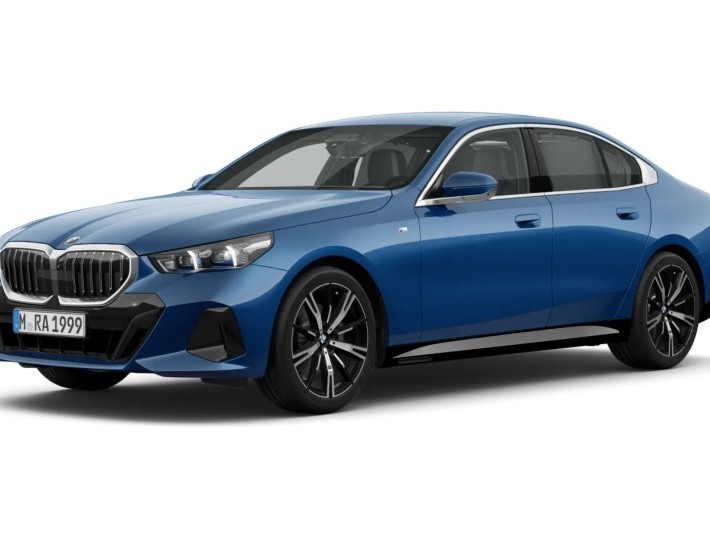
BMW 5 Series Review: Luxury Shaped by Cutting-Edge Tech
JamesMay 7, 2025
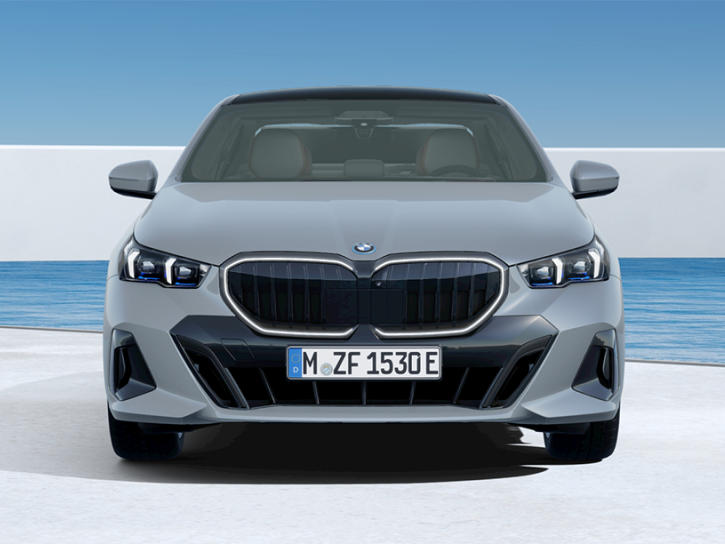
The official price of the brand-new BMW 5-Series (G60) has been announced, 3,779,000-3,949,000 Thai Baht
Kevin WongMar 11, 2024

The all-new BMW i5 eDrive40 M Sport Pro lands in Malaysia
LienJan 16, 2026

Audi RS6 sedan version may return to compete fully with the BMW M5
WilliamNov 21, 2025

Neue Klasse platform's first mass-produced vehicle, the all-new BMW iX3 makes its debut, looks just like a concept car
LienSep 8, 2025
View More
Pros
Cons