
Q
Is the BMW iX3 an electric car?
 FrostyPeaksClimberOct 23, 2025, 05:49 PM
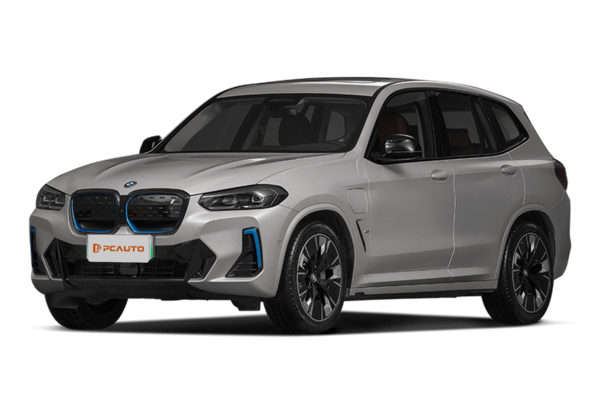
Yeah, the BMW iX3 is a fully electric SUV, and it's one of BMW's key players in the new energy space. It's built on the BMW X3 platform but runs purely on electric power, packing the fifth-gen eDrive tech. With an 80kWh battery pack, it delivers around 460 kilometers of range under the WLTP cycle – perfect for city commutes or short road trips here in Malaysia. The iX3 supports 150kW fast charging, which can juice it up from 10% to 80% in about 30 minutes. And with Malaysia's charging infrastructure getting better by the day, topping up is pretty hassle-free. What's cool is that even though it's an EV, the iX3 still keeps that signature BMW driving fun alive – the power delivery is smooth and the response is quick. For Malaysian buyers, when picking an EV, besides range and charging, you’ve gotta think about how the hot weather affects the battery. But BMW’s battery management system has solid temperature control, so it handles the heat well. With the Malaysian government pushing EV adoption, including tax incentives and such, premium EVs like the iX3 are becoming a more common consideration for consumers.
Special Disclaimer: This content is published by users and does not represent the views or position of PCauto.
Related Q&A
Q
What is the difference between BMW iX3 and Tesla Model Y?
Both the BMW iX3 and Tesla Model Y are pure electric SUVs, but they’ve got distinct differences when it comes to design and positioning. The BMW iX3 is built on the X3’s combustion engine platform, keeping that classic BMW luxury interior and driving feel we all know. It’s got a range of around 460 km (WLTP), making it a solid pick for folks who value brand heritage and a comfy ride.
On the flip side, the Tesla Model Y is purpose-built for electric from the ground up. It’s got that minimalist interior Tesla’s known for, plus some cutting-edge tech like the Autopilot driver-assist system. Range-wise, depending on the trim, it can hit up to 514 km (WLTP), and the Performance version blasts from 0-100 km/h in just 3.7 seconds—definitely more for the tech-savvy crowd chasing that instant acceleration rush.
Over in Malaysia, both qualify for local EV incentives, but when it comes to charging, Tesla’s got the edge with its exclusive Supercharger network, while BMW relies on third-party stations. After-sales? BMW’s service network is more established. Tesla, though, shines with OTA updates that keep tweaking and improving the car’s features over time.
At the end of the day, it really comes down to personal taste. My advice? Take both for a spin, check out how they drive, and see which one fits your daily grind better before you decide.
 CharmingFoxOct 23, 2025
Q
How to connect iPhone to BMW iX3?
To connect your iPhone to the BMW iX3, first make sure the vehicle's infotainment system is powered up, then link via USB cable or Bluetooth. For USB, just plug your iPhone into the car's USB port – the system should automatically detect it and prompt you to connect. If you're going Bluetooth, head to your iPhone's Bluetooth settings, search for "BMW iX3", and pair them up. Once paired, you're good to go with Apple CarPlay, letting you use navigation, stream music, and take calls seamlessly.
What's more, the iX3 also supports wireless CarPlay. Simply go into the "Mobile Devices" menu on the central display, select "Connect New Device", and follow the on-screen prompts on your iPhone to finish the wireless setup. For our Malaysian readers, keep in mind that local network conditions might affect wireless connection stability – best to do this in an area with good signal. Also, make sure both your iPhone and the vehicle's system are updated to their latest versions for optimal compatibility.
The BMW iX3's smart connectivity system isn't just for iPhones; it works with other smartphones too, offering a variety of in-car entertainment and practical features to suit different users' needs.
 JollyBeeOct 23, 2025
Q
How to connect Apple CarPlay to BMW X3 2021?
To connect Apple CarPlay on your 2021 BMW X3, start by making sure your iPhone is running a recent iOS version and that your vehicle's infotainment system has the latest software update installed. Next, use the iDrive system to navigate to the "Communication" menu, select "Mobile Devices," and tap "Connect New Device." On your iPhone, open Bluetooth and select your car's name to pair them up. Once paired, the system will prompt you to enable Apple CarPlay – confirm that, and you're good to go with either a wired or wireless connection, depending on how your X3 is spec'd. A quick heads-up: some early 2021 X3 builds might require a USB cable for CarPlay, while later production models likely support wireless. If you run into connection hiccups, try restarting the iDrive system or re-pairing your phone. In Malaysia, Apple CarPlay works pretty smoothly here, seamlessly integrating navigation, music, and calls. But hey, always prioritize voice commands when driving to keep your focus on the road. And don't forget to check BMW Malaysia's official website periodically for software update announcements – that way, you'll get the latest feature tweaks and compatibility improvements.
 SimpleRoseOct 23, 2025
Q
Does the 2021 BMW i3 have Apple CarPlay?
The 2021 BMW i3 does come with Apple CarPlay support, which lets Malaysian drivers seamlessly hook up their iPhones to the car's display. This means easy access to navigation, music, calls, and more, really upping the convenience and entertainment factor behind the wheel. As a tech-forward and eco-friendly EV, the i3's infotainment system isn't just about CarPlay—it also packs smart features like BMW ConnectedDrive. That brings real-time traffic updates, remote vehicle controls, and other handy services to the table.
Now, in Malaysia, whether Apple CarPlay works depends on the specific trim and software version of your i3. So, if you're buying one or already own it, it's worth double-checking that the feature is activated. Beyond the tech, the i3's compact size and electric powertrain make it a solid pick for city driving—perfect for busy spots like Kuala Lumpur where maneuverability counts. And if you ever hit a snag with the infotainment system, just swing by your nearest authorized BMW dealer. Their tech support team can help you sort things out, ensuring you get the most out of your drive.
 LivelyPuppyOct 23, 2025
Q
What type of charging is the iX3?
The BMW iX3 comes equipped with both Type 2 (Mennekes) and CCS Combo 2 charging ports, making it compatible with Malaysia's common AC charging (up to 11kW) and DC fast charging (up to 150kW) standards. In Malaysia, major public charging networks like ChargeEV and JomCharge mostly offer Type 2 and CCS2-compatible services. For home charging, installing a wall-mounted charger allows for AC charging speeds between 7.4kW and 11kW.
When it comes to EV charging, AC charging is ideal for long-duration stops—think overnight at home or during work hours—typically taking 6-8 hours for a full charge. DC fast charging, on the other hand, is perfect for road trips, juicing the battery from 10% to 80% in around 30 minutes.
We recommend owners use the MyBMW app or local charging operator platforms to check real-time charger locations and power outputs. Battery care is also key: avoid frequent fast charging to 100% to help extend battery lifespan. Given Malaysia's hot climate, opt for shaded charging spots and regularly inspect your charging equipment's cooling performance to keep things running smoothly.
 GracefulBirdOct 23, 2025
Q
What is the warranty on the BMW iX3 battery?
The BMW iX3, as a fully electric SUV in the Malaysian market, comes with an 8-year or 160,000-kilometer (whichever comes first) high-voltage battery warranty. This coverage includes instances where battery capacity drops below 70%, aligning with mainstream industry standards and showcasing BMW's confidence in its battery technology. For Malaysian consumers, this warranty period should comfortably cover long-term usage needs and is well-suited to local climate conditions. While the tropical environment can potentially impact battery lifespan, BMW's Battery Management System (BMS) effectively regulates temperature to maintain consistent performance. Additionally, it's advisable for owners to regularly visit authorized service centers for battery health checks and to avoid frequent fast charging to prolong battery life. BMW dealers in Malaysia also offer a battery status report service, helping owners keep track of their battery's condition in real time. It's important to note that warranty terms may vary slightly depending on the time of purchase or ongoing promotions, so for the latest and most specific details, consulting your local dealer is recommended.
 WildWolfOct 23, 2025
Q
Does the 2021 BMW have Apple CarPlay?
Most BMW models launched in the Malaysian market back in 2021 did come with Apple CarPlay as standard or as an option. This tech lets you hook up your iPhone seamlessly to the car's display, so you can use navigation, music, calls, and other apps – really handy for driving. Exactly what you get can vary between models and trims though. Like, entry-level models might require a specific package to be added, while higher-end ones such as the 5 Series or X5 usually had it straight out of the box. If you're a Malaysian buyer, it's a good idea to check the spec sheet for the exact model you're eyeing on BMW Malaysia's official website, or just swing by your local dealership to confirm compatibility. As one of the go-to in-car infotainment systems, Apple CarPlay's wireless connectivity got even better in post-2021 BMWs, cutting down on the need for messy cables. If you're more of an Android user, some BMW models also support Android Auto, but keep in mind you typically can't run both at the same time. On top of that, BMW's iDrive system integrates pretty well with CarPlay, the controls are smooth and intuitive, and there's voice control too – you can trigger it with the steering wheel button or just say "Hey BMW". That's pretty useful given Malaysia's multilingual driving scene.
 CuteKittyOct 23, 2025
Q
What operating system is BMW iX3 2021?
The 2021 BMW iX3 comes equipped with BMW's latest iDrive 7.0 operating system, a smart in-car setup specifically optimized for electric vehicles. It supports multiple interaction methods like voice control, touchscreen operation, and gesture recognition, while integrating navigation, entertainment, and vehicle settings to deliver a smooth digital experience. The system also offers wireless Apple CarPlay and Android Auto, making it easy for Malaysian users to seamlessly connect their smartphones. What's really noteworthy is that iDrive 7.0 boasts significant improvements in interface design and response speed, and it can receive the latest features via OTA remote updates, ensuring the vehicle always stays in top form. Additionally, as a pure electric SUV, the BMW iX3's operating system includes exclusive EV management functions such as charging planning and energy consumption analysis, helping users better monitor their vehicle's status. For Malaysian consumers, this system isn't just intuitive to use; it also caters to local needs with support for local maps and languages, further enhancing the overall driving convenience.
 BrightStarOct 23, 2025
Q
What is the range of the iX3 2021?
The 2021 BMW iX3 delivers an estimated 460km range under the WLTP testing cycle, packing an 80kWh battery pack that powers a rear-mounted single electric motor. This setup cranks out 286 horsepower and 400 Nm of torque, and when you plug into a fast charger, it'll juice up from 10% to 80% in just 34 minutes. For our friends in Malaysia though, that tropical heat might chip away at real-world range by about 5-10%. Pro tip: use the pre-conditioning feature and try to park in the shade whenever possible to keep that battery happy.
As BMW's first EV built on the X3 platform, the iX3 keeps that classic SUV practicality we all appreciate, but with some clever electric twists. The adaptive regenerative braking system is a standout—it automatically adjusts the braking strength based on the road ahead, which is a total lifesaver on Malaysia's twisty, hilly roads.
Now, let's keep it real: EV range can swing depending on how you drive, how much you blast the AC, and the lay of the land. That's why I'd recommend using the BMW ConnectedDrive app to map out routes with charging stations along the way. Good news though—major Malaysian cities like Kuala Lumpur and Penang are steadily rolling out 150kW fast-charging networks, so longer road trips should be a breeze.
 SweetDreamsOct 23, 2025
Q
How much is the iX3?
The BMW iX3 currently starts at around RM273,000 in Malaysia, though the exact price can vary depending on optional extras, ongoing promotions, or individual dealer policies across different regions. This all-electric SUV packs a 74kWh battery, delivering a WLTP-rated range of 460 kilometers. It also supports fast charging up to 150kW, meaning you can juice it up from 10% to 80% in just 34 minutes. As BMW's first electric model based on the X3, the iX3 retains the classic kidney grille design – albeit a closed-off version – and comes standard with adaptive suspension and the BMW Live Cockpit Professional digital setup.
Malaysian buyers can take advantage of government incentives for EVs, including exemptions on import and excise duties, while some dealers also throw in charging packages. It's worth keeping in mind that beyond the purchase price, charging infrastructure is another key consideration. Major cities in Malaysia have a relatively well-developed charging network these days, but for longer road trips, planning your route ahead is still a smart move. BMW offers comprehensive after-sales support through its authorized dealers in Malaysia, including an 8-year/160,000-kilometer warranty for the high-voltage battery.
 RainbowWingsFlyerOct 23, 2025
Popular Cars
Model Year
Car Compare
Car Photo
Related Models
 Cars
CarsLatest Q&A
Q
Is AMT similar to automatic?
There are significant differences between AMT transmissions and automatic transmissions (AT) in terms of core structure and driving experience. AMT is essentially an electronically automated version of a manual transmission, simulating manual clutch operation and gear shifting through a computerized control system while retaining the gear set structure of manual transmissions. As a result, it offers higher transmission efficiency, with fuel consumption approximately 8%-12% lower than AT, making it particularly suitable for highway or long-distance driving. However, it may exhibit jerking similar to manual transmissions during low-speed gear shifts, especially noticeable in congested traffic conditions.
AT transmissions rely on torque converters for power transfer, delivering smooth and seamless gear shifts that appeal to comfort-oriented users. However, their complex structure (incorporating planetary gear sets, hydraulic systems, etc.) results in higher maintenance costs. A single service may cost between 800 to 1,500 ringgit, whereas AMT only requires gear oil replacement at approximately 400 ringgit.
From a market perspective, AMT is predominantly used in budget vehicles or commercial models priced below 80,000 ringgit, while AT is typically featured in mid-to-high-end vehicles. Consumers should select based on actual needs: AMT suits those prioritizing fuel efficiency and low maintenance costs, while AT better serves those valuing comfort. Notably, recent advancements in AMT electronic control technology have significantly mitigated jerking issues, though test drives should still emphasize low-speed performance evaluation.
 AriaMar 26, 2026
Q
Which is better, DCT or AT?
DCT (Dual-Clutch Transmission) and AT (Automatic Transmission) each have their own advantages and disadvantages, and the choice should be based on personal driving needs. AT transmissions transfer power through a torque converter, offering excellent shift smoothness, making them suitable for urban commuting or novice drivers. However, they tend to have higher fuel consumption, and vehicles equipped with them are usually more expensive. DCT transmissions utilize a dual-clutch structure, featuring fast shift speeds and high power transmission efficiency, which provides a more direct driving experience—particularly suitable for users seeking a sporty feel. However, they may exhibit jerking at low speeds and have relatively high maintenance costs. If durability and comfort are priorities, AT is the more reliable choice; if power responsiveness and driving pleasure are preferred, wet DCT (such as Volkswagen DSG) performs better, though dry DCT models should be avoided in prolonged stop-and-go traffic conditions. Additionally, CVT transmissions excel in smoothness and fuel efficiency, making them ideal for daily commuting, but they lack driving excitement. It is recommended to test-drive before purchasing, as tuning varies significantly across brands, and real-world experience is more important than theoretical specifications.
FlutteringMar 26, 2026Q
Is Amt good or bad?
AMT gearboxes have a significant cost advantage in the local market, typically being around 5,000 Ringgit cheaper than models equipped with conventional automatic transmissions. Their fuel efficiency is comparable to manual transmissions, resulting in long-term fuel savings. Featuring a straightforward design, they achieve transmission efficiency exceeding 90% with relatively low maintenance costs, making them ideal for practicality-oriented consumers. However, their shifting logic contains inherent limitations: gear changes between 1st and 2nd cause 0.3-0.5 second power interruptions, while unintended upshifts on inclines may reduce engine speed by 15%-20%, compromising driving smoothness. For urban commuters or budget-conscious buyers, AMT offers excellent value, though those prioritizing premium driving dynamics should consider alternative transmission types. Some domestic models like the Perodua Axia employ enhanced AMT systems, where optimized shift programming has reduced gearshift shock by approximately 30%.
 RainbowsMar 26, 2026
Q
Which gives better mileage, CVT or AMT?
From the perspective of fuel economy, CVT transmissions generally perform better under urban driving conditions. Their continuously variable design allows the engine to consistently operate within the optimal speed range, significantly reducing fuel consumption during frequent starts and stops. Test data shows that their fuel consumption in urban driving conditions is 10% to 15% lower than that of comparable models. AMT transmissions, on the other hand, inherit the high transmission efficiency of manual transmissions, delivering fuel efficiency close to manual transmissions during high-speed cruising. This makes them particularly suitable for long-distance driving in large-displacement vehicles. However, due to power interruption during gear shifts, their overall fuel consumption may be 5% to 8% higher than CVTs.
The difference in fuel-saving characteristics between the two transmissions stems from their technical principles: CVTs achieve continuous variability through steel belts and pulleys, eliminating the fixed gear ratio limitations of traditional transmissions; AMTs simulate manual gear changes via electronic control systems while maintaining the mechanical efficiency of gear transmission. Notably, actual fuel consumption is also influenced by driving habits. Smooth acceleration and anticipatory deceleration can maximize the transmissions' fuel-saving potential. If the vehicle budget permits and urban commuting is the primary use, CVTs offer a more economical choice. For frequent highway driving with an emphasis on cost-effectiveness, AMTs are equally worth considering.
 RubyBlazeMar 26, 2026
Q
Which is cheaper, AMT or CVT?
In terms of gearbox cost, AMT is usually more economical than CVT. Essentially, AMT is a manual transmission equipped with an electronic control unit, featuring a simple structure and low maintenance costs. The unit price ranges from approximately 5,000 to 8,000 ringgit, making it suitable for budget-conscious consumers or those who prioritize long-term operating costs. CVT incurs higher manufacturing costs due to its precision steel belt transmission system and continuous variable transmission technology, with a unit price of about 7,000 to 10,000 ringgit. However, it delivers a smoother driving experience and superior fuel efficiency. The primary differences between the two lie in technical complexity: AMT retains the gear-shifting mechanism, resulting in noticeable shift shock; CVT achieves linear power output through stepless speed variation but requires periodic belt inspection and incurs higher maintenance expenses. For those prioritizing initial cost and basic transportation needs, AMT offers better value; if comfort and long-term fuel economy are priorities, CVT represents a more worthwhile investment. Note that actual prices may vary based on vehicle model, brand, and local supply chain factors.
 ShadowProwlMar 26, 2026
Related News

Neue Klasse platform's first mass-produced vehicle, the all-new BMW iX3 makes its debut, looks just like a concept car
LienSep 8, 2025

BMW's all-new iX3 to be unveiled on September 5, built on the Neue Klasse platform
Kevin WongSep 1, 2025
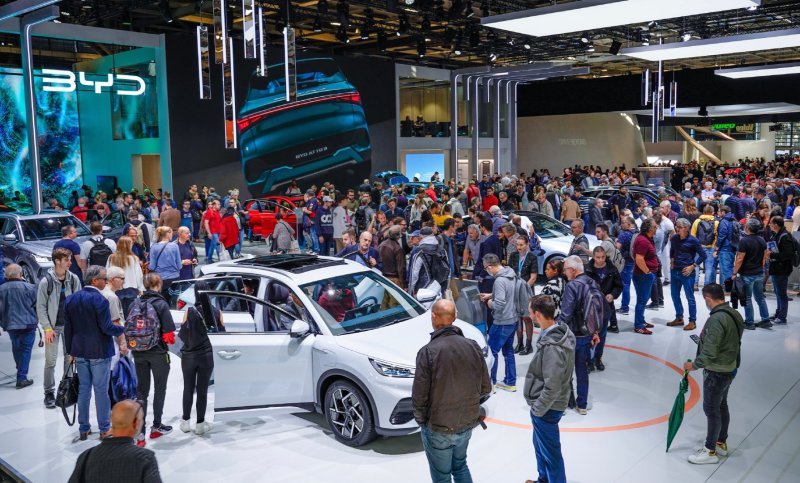
The 2024 Paris Motor Show is about to kick off, with LEAPMOTOR B10 and BMW iX3 potentially making an appearance
JohnSep 30, 2024
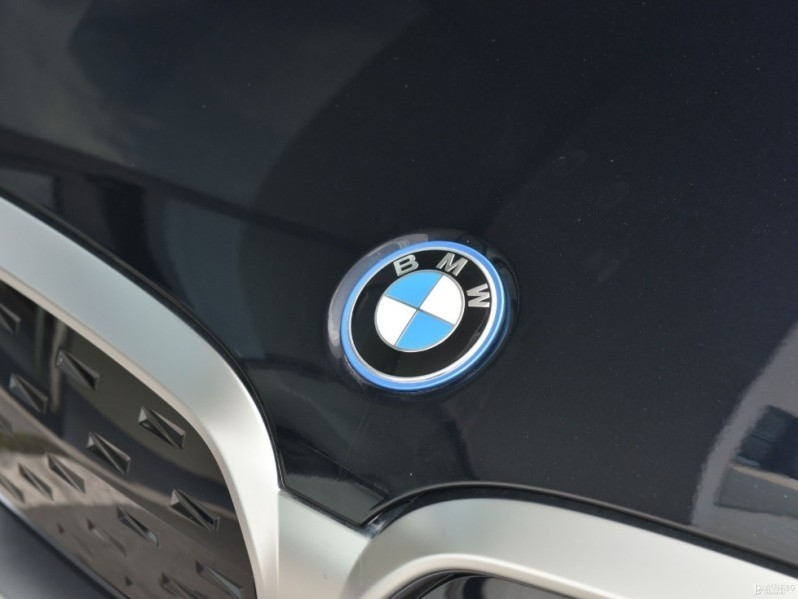
The BMW iX3 makes a dazzling debut in Paris! With a range of over 700km, efficiency is increased by 25%!
WilliamSep 27, 2024

The all-new BMW i5 eDrive40 M Sport Pro lands in Malaysia
LienJan 16, 2026
View More
Pros
Cons