
Q
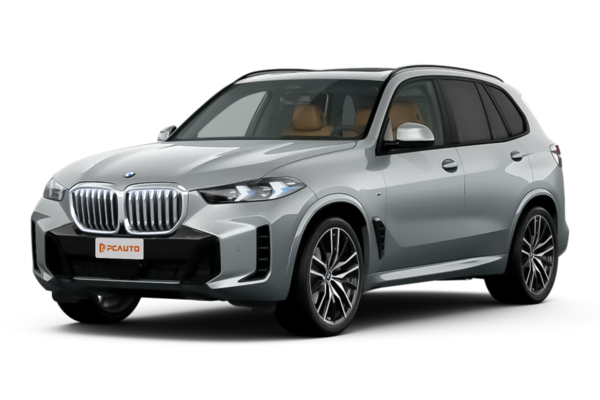
Is the X5 changing in 2024?
 RiderJourneyOct 23, 2025, 06:11 PM
BMW Malaysia hasn't officially spilled the beans yet on whether the 2024 X5 will get a facelift. But, looking at global model update cycles and industry norms, a mid-cycle refresh for the 2024 X5 seems likely. We're probably talking about subtle tweaks to the exterior – think revised front and rear bumpers, maybe new light designs. Inside, there might be an update to the latest iDrive system or upgraded materials. Under the hood, expect tweaks to boost existing engine efficiency or perhaps more options for plug-in hybrid variants.
For Malaysian buyers planning a new ride, keep an eye on BMW Malaysia's official website or hit up your local authorized dealer for the latest scoop. Local specs and launch timelines can sometimes differ a bit from the global rollout. And hey, a quick heads-up: with Malaysia's hot and rainy climate, when you're eyeing an SUV – facelift news aside – pay attention to things like cooling performance, door and window sealing, and the after-sales service package. These can make a world of difference to your long-term driving experience.
Special Disclaimer: This content is published by users and does not represent the views or position of PCauto.
Related Q&A
Q
What is the top speed of the 2019 BMW X5?
The top speed of the 2019 BMW X5 varies depending on the powertrain. The xDrive40i, equipped with a 3.0-liter turbocharged inline-six, is electronically limited to 250 km/h (155 mph), while the more potent M50i—with its 4.4-liter twin-turbo V8—hits the same 250 km/h cap but delivers noticeably quicker acceleration. Opting for the M Sport package’s "Driver’s Package" raises the limiter to 270 km/h (168 mph), though this requires upgraded tires and brakes to handle the extra speed.
Like most German luxury cars, the X5’s speed governor balances performance with safety while protecting the drivetrain from excessive wear. Though not as fast as BMW’s sedans, the X5 remains impressively stable at high speeds thanks to its xDrive all-wheel-drive system and adaptive suspension—making it a confident long-distance cruiser. For owners looking to exploit its performance, regular maintenance (especially brakes and tires) is key to keeping everything safe and road-ready.
 WindyHillNov 26, 2025
Q
What is the difference between 2019 and 2020 BMW X5?
The key differences between the 2019 and 2020 BMW X5 lie in upgraded tech and features. For the 2020 model year, BMW made more equipment standard in certain markets—like the 12.3-inch digital instrument cluster and iDrive 7.0 infotainment with its more intuitive interface. Some variants also received enhanced driver assists, including improved lane-keeping and adaptive cruise control.
Visually, they’re nearly identical, though the 2020 version added optional wheel designs and paint choices. Under the hood, both years pack the same 3.0L turbocharged inline-six or 4.4L V8, but the 2020 tune prioritized slightly better fuel efficiency. BMW also retuned the suspension for sharper handling without sacrificing comfort.
For used-car shoppers, the 2020 X5’s extra kit might translate to marginally stronger resale value, though your budget and needs should dictate the choice. As a luxury midsize SUV, the X5 has always delivered driving thrills and premium comfort—both model years ace daily duties and road trips. The 2020 just edges ahead with tech perks.
 PeacefulPondNov 26, 2025
Q
Is 2019 a good year for a BMW X5?
The 2019 BMW X5 is a well-rounded luxury SUV that delivers strong performance. Under the hood, its 3.0T inline-six packs plenty of punch, paired with an 8-speed automatic transmission for smooth and responsive driving dynamics. Built on the CLAR platform, it sheds weight while improving chassis rigidity—resulting in noticeably better handling and comfort.
Inside, the X5 features dual 12.3-inch digital displays (instrument cluster and infotainment) running BMW’s iDrive 7.0, giving the cabin a high-tech vibe. Fit and finish live up to the brand’s reputation for premium materials. Safety-wise, it comes standard with active braking, lane-keeping assist, and other driver aids that boost confidence behind the wheel.
For used-car shoppers, the 2019 X5 holds its value decently, but always check service records and mileage—especially for wear-prone components like the air suspension. Practicality is another strong suit, with ample space for families. If you find a well-maintained example at a fair price, this generation remains a solid pick. Just get a pre-purchase inspection to avoid surprises.
 SparklingFireflyNov 26, 2025
Q
How much horsepower does a 2019 BMW X5 have?
The 2019 BMW X5 offers a range of horsepower outputs across different powertrain configurations. The xDrive40i features a 3.0-liter inline-six turbocharged engine, delivering 335 horsepower and 450 Nm of torque. For those craving more performance, the xDrive50i packs a 4.4-liter V8 twin-turbocharged engine, churning out 456 horsepower and 650 Nm of torque. Opt for the plug-in hybrid xDrive45e, and you’ll get a combined output of 389 horsepower.
These powertrains ensure the X5 delivers strong performance without compromising everyday comfort. As a luxury SUV, the X5’s engineering focuses not just on power but also efficiency—thanks to technologies like TwinPower Turbo and lightweight construction, which enhance fuel economy while preserving driving dynamics.
If you’re into premium SUVs, it’s worth cross-shopping rivals in this segment. But the X5 has always stood out for its balance of power and handling, making it a solid pick for drivers who prioritize engagement behind the wheel.
 SmallMouseNov 26, 2025
Q
What generation is the 2019 BMW X5?
The 2019 BMW X5 represents the fourth generation (codenamed G05) of this iconic SUV. Built on the CLAR modular platform, the G05 delivers notable upgrades in weight reduction, tech features, and powertrain over its predecessor.
Visually, it sports larger kidney grilles and sharper body lines. Inside, you'll find a 12.3-inch digital instrument cluster and touchscreen infotainment system, debuting BMW's iDrive 7.0 with gesture control and voice assistant support.
Under the hood, the 2019 lineup offers multiple options: a 3.0T inline-six (xDrive40i), a 4.4T V8 (xDrive50i), and a plug-in hybrid variant (xDrive45e)—all paired with an 8-speed Steptronic transmission and xDrive all-wheel drive.
For the first time, BMW introduced an optional Off-Road Package featuring a rear differential lock and multiple terrain modes, boosting its rough-road capability. The G05 also marks BMW's first SUV with available laser headlights, boasting a 500-meter range. Plus, with a 30% stiffer chassis compared to the previous model, it delivers sharper handling and enhanced safety.
 BlueSkyNov 26, 2025
Q
How fast is the 2019 BMW X5?
The 2019 BMW X5 delivers impressive performance, with acceleration varying by engine choice. The range-topping X5 M50i packs a 4.4-liter V8 twin-turbocharged engine that rockets from 0-100 km/h in just 4.7 seconds, while the electronic limiter kicks in at 250 km/h. The entry-level xDrive40i, equipped with a 3.0-liter inline-six turbo, hits 100 km/h in 5.5 seconds with the same governed top speed – seriously quick for a midsize luxury SUV.
Beyond straight-line speed, the X5 features BMW's advanced xDrive all-wheel-drive system and adaptive suspension, ensuring composed handling and comfort across all road conditions. Multiple drive modes (Sport, Comfort, and Eco Pro) let you tailor the driving experience. What really stands out is the near-perfect 50:50 weight distribution – a signature BMW trait that keeps this tall SUV surprisingly agile through corners without sacrificing driving enjoyment.
 AdventureNov 26, 2025
Q
How much does it cost to replace the engine in a BMW X5 2019?
"The cost to replace a 2019 BMW X5 engine typically ranges between RM60,000 to RM150,000, depending on the engine type, whether you go for OEM or refurbished parts, and the labor charges at your chosen workshop. A brand-new factory engine costs more but comes with a warranty, while third-party rebuilt or used engines can save you money—just watch out for quality risks.
The X5’s B58 inline-six or N63 V8 turbocharged engines are complex beasts. When swapping them, it’s smart to also inspect the turbo system, cooling module, and related piping to avoid future headaches. If your car’s still under factory warranty, check with an authorized dealer first—you might qualify for partial or full coverage.
For high-mileage X5s with severe oil consumption or rod knock, a full engine replacement often makes more sense than a rebuild. But don’t skip the details: ensure proper ECU coding and chassis number updates, and pick a shop with BMW-specific diagnostic tools to avoid compatibility nightmares.
Pro tip? Stick to LL-04-approved oil and fix coolant leaks promptly—it’s cheaper than a new engine."
 KindnessNov 26, 2025
Q
Is the 2019 BMW X5 a good SUV?
The 2019 BMW X5 is a well-rounded SUV that delivers an exceptional driving experience, upscale interior, and cutting-edge tech—earning widespread praise. Under the hood, its 3.0-liter turbocharged inline-six packs plenty of punch while maintaining decent fuel efficiency, making it great for both daily commutes and road trips. Inside, you’ll find premium materials, a slick 12.3-inch infotainment screen with iDrive, and a spacious cabin (especially the rear seats and cargo area) that caters to families. Safety-wise, it comes loaded with driver-assist features like automatic emergency braking and lane-keeping assist. One heads-up, though: some owners note higher maintenance costs—a common trade-off for luxury vehicles. If your budget allows and you value brand prestige plus driving dynamics, the 2019 X5 is a solid pick. Its handling stands out in its class, perfect for drivers who crave engagement behind the wheel.
 HappydayNov 26, 2025
Q
What kind of engine is in the BMW X5 2019?
The 2019 BMW X5 offers a range of engine options to suit different driving preferences. The gasoline lineup includes the xDrive40i, powered by a 3.0-liter turbocharged inline-six delivering 335 hp and 450 Nm of torque. For those seeking more performance, the xDrive50i packs a 4.4-liter twin-turbo V8, churning out 456 hp and 650 Nm. There's also the plug-in hybrid xDrive45e, which combines a 3.0-liter six-cylinder engine with an electric motor for a total system output of 394 hp and an all-electric range of around 80 km.
All variants come paired with an 8-speed Steptronic automatic transmission, ensuring smooth shifts and efficient power delivery. BMW's TwinPower Turbo technology helps deliver strong low-end torque while improving fuel efficiency and throttle response.
The plug-in hybrid is a solid pick for eco-conscious buyers, blending zero-emission driving for daily commutes with the flexibility of a gas engine for longer trips. Maintenance-wise, regular checks on the turbocharging system and battery pack are recommended to keep everything running smoothly for the long haul.
 PhoenixRiseRebornNov 26, 2025
Q
What type of oil does a 2019 BMW X5 use?
**BMW X5 (2019) Oil Recommendation**
For optimal performance, your BMW X5 requires a full synthetic oil that meets BMW’s **Longlife-01** or **Longlife-04** certification. The recommended viscosity is typically **5W-30** or **0W-30**, but the best choice depends on your engine type and driving conditions. In hotter climates, a **0W-40** oil may offer better high-temperature stability.
Stick to **genuine BMW oil** or trusted brands like **Shell, Mobil 1, or Castrol** that meet BMW’s specs—this ensures top-tier engine protection. Oil changes are crucial: aim for every **10,000–15,000 km (or 12 months)**, but always check your owner’s manual for exact intervals.
Full synthetic oils reduce wear, boost fuel efficiency, and extend engine life—especially important for turbocharged models. **Diesel engines** may need different oil specs, so consult your dealer or a certified mechanic to confirm the right product.
*Pro tip:* Don’t cut corners on oil quality—your X5’s engine deserves the best.
 DreamChaserVisionaryNov 26, 2025
Popular Cars
Model Year
Car Compare
Car Photo
Related Models
 Cars
CarsLatest Q&A
Q
Is AMT similar to automatic?
There are significant differences between AMT transmissions and automatic transmissions (AT) in terms of core structure and driving experience. AMT is essentially an electronically automated version of a manual transmission, simulating manual clutch operation and gear shifting through a computerized control system while retaining the gear set structure of manual transmissions. As a result, it offers higher transmission efficiency, with fuel consumption approximately 8%-12% lower than AT, making it particularly suitable for highway or long-distance driving. However, it may exhibit jerking similar to manual transmissions during low-speed gear shifts, especially noticeable in congested traffic conditions.
AT transmissions rely on torque converters for power transfer, delivering smooth and seamless gear shifts that appeal to comfort-oriented users. However, their complex structure (incorporating planetary gear sets, hydraulic systems, etc.) results in higher maintenance costs. A single service may cost between 800 to 1,500 ringgit, whereas AMT only requires gear oil replacement at approximately 400 ringgit.
From a market perspective, AMT is predominantly used in budget vehicles or commercial models priced below 80,000 ringgit, while AT is typically featured in mid-to-high-end vehicles. Consumers should select based on actual needs: AMT suits those prioritizing fuel efficiency and low maintenance costs, while AT better serves those valuing comfort. Notably, recent advancements in AMT electronic control technology have significantly mitigated jerking issues, though test drives should still emphasize low-speed performance evaluation.
 AriaMar 26, 2026
Q
Which is better, DCT or AT?
DCT (Dual-Clutch Transmission) and AT (Automatic Transmission) each have their own advantages and disadvantages, and the choice should be based on personal driving needs. AT transmissions transfer power through a torque converter, offering excellent shift smoothness, making them suitable for urban commuting or novice drivers. However, they tend to have higher fuel consumption, and vehicles equipped with them are usually more expensive. DCT transmissions utilize a dual-clutch structure, featuring fast shift speeds and high power transmission efficiency, which provides a more direct driving experience—particularly suitable for users seeking a sporty feel. However, they may exhibit jerking at low speeds and have relatively high maintenance costs. If durability and comfort are priorities, AT is the more reliable choice; if power responsiveness and driving pleasure are preferred, wet DCT (such as Volkswagen DSG) performs better, though dry DCT models should be avoided in prolonged stop-and-go traffic conditions. Additionally, CVT transmissions excel in smoothness and fuel efficiency, making them ideal for daily commuting, but they lack driving excitement. It is recommended to test-drive before purchasing, as tuning varies significantly across brands, and real-world experience is more important than theoretical specifications.
FlutteringMar 26, 2026Q
Is Amt good or bad?
AMT gearboxes have a significant cost advantage in the local market, typically being around 5,000 Ringgit cheaper than models equipped with conventional automatic transmissions. Their fuel efficiency is comparable to manual transmissions, resulting in long-term fuel savings. Featuring a straightforward design, they achieve transmission efficiency exceeding 90% with relatively low maintenance costs, making them ideal for practicality-oriented consumers. However, their shifting logic contains inherent limitations: gear changes between 1st and 2nd cause 0.3-0.5 second power interruptions, while unintended upshifts on inclines may reduce engine speed by 15%-20%, compromising driving smoothness. For urban commuters or budget-conscious buyers, AMT offers excellent value, though those prioritizing premium driving dynamics should consider alternative transmission types. Some domestic models like the Perodua Axia employ enhanced AMT systems, where optimized shift programming has reduced gearshift shock by approximately 30%.
 RainbowsMar 26, 2026
Q
Which gives better mileage, CVT or AMT?
From the perspective of fuel economy, CVT transmissions generally perform better under urban driving conditions. Their continuously variable design allows the engine to consistently operate within the optimal speed range, significantly reducing fuel consumption during frequent starts and stops. Test data shows that their fuel consumption in urban driving conditions is 10% to 15% lower than that of comparable models. AMT transmissions, on the other hand, inherit the high transmission efficiency of manual transmissions, delivering fuel efficiency close to manual transmissions during high-speed cruising. This makes them particularly suitable for long-distance driving in large-displacement vehicles. However, due to power interruption during gear shifts, their overall fuel consumption may be 5% to 8% higher than CVTs.
The difference in fuel-saving characteristics between the two transmissions stems from their technical principles: CVTs achieve continuous variability through steel belts and pulleys, eliminating the fixed gear ratio limitations of traditional transmissions; AMTs simulate manual gear changes via electronic control systems while maintaining the mechanical efficiency of gear transmission. Notably, actual fuel consumption is also influenced by driving habits. Smooth acceleration and anticipatory deceleration can maximize the transmissions' fuel-saving potential. If the vehicle budget permits and urban commuting is the primary use, CVTs offer a more economical choice. For frequent highway driving with an emphasis on cost-effectiveness, AMTs are equally worth considering.
 RubyBlazeMar 26, 2026
Q
Which is cheaper, AMT or CVT?
In terms of gearbox cost, AMT is usually more economical than CVT. Essentially, AMT is a manual transmission equipped with an electronic control unit, featuring a simple structure and low maintenance costs. The unit price ranges from approximately 5,000 to 8,000 ringgit, making it suitable for budget-conscious consumers or those who prioritize long-term operating costs. CVT incurs higher manufacturing costs due to its precision steel belt transmission system and continuous variable transmission technology, with a unit price of about 7,000 to 10,000 ringgit. However, it delivers a smoother driving experience and superior fuel efficiency. The primary differences between the two lie in technical complexity: AMT retains the gear-shifting mechanism, resulting in noticeable shift shock; CVT achieves linear power output through stepless speed variation but requires periodic belt inspection and incurs higher maintenance expenses. For those prioritizing initial cost and basic transportation needs, AMT offers better value; if comfort and long-term fuel economy are priorities, CVT represents a more worthwhile investment. Note that actual prices may vary based on vehicle model, brand, and local supply chain factors.
 ShadowProwlMar 26, 2026
Related News

BMW X5 will become BMW's first model equipped with a hydrogen fuel cell, with a range of 504 kilometers
JamesSep 8, 2025

How strong is the overall strength of the BMW X5 that it even makes the wealthy give up the Benz GLE and Audi Q7?
RobertSep 25, 2024
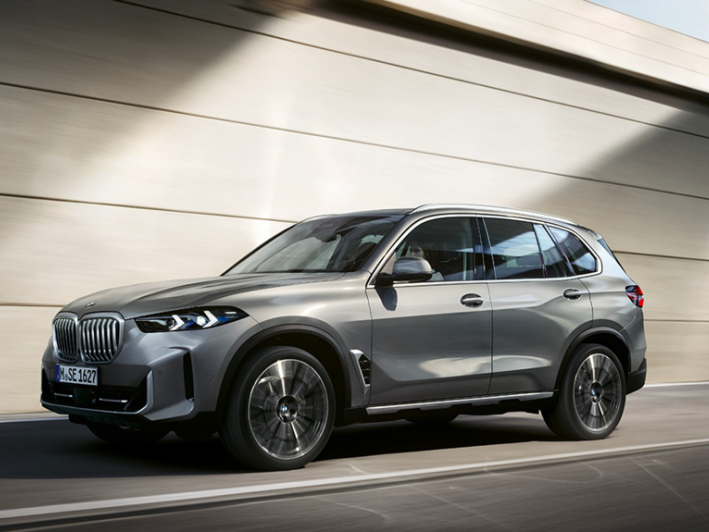
The 2024 BMW X5 xDrive50e is priced at RM 528,100, with 0-100km/h just taking 4.8 seconds
LienJun 26, 2024

The all-new BMW i5 eDrive40 M Sport Pro lands in Malaysia
LienJan 16, 2026

Audi RS6 sedan version may return to compete fully with the BMW M5
WilliamNov 21, 2025
View More
Pros
Cons