
Q
What are the pros and cons of the 2022 Ranger?
 SiaDec 01, 2025, 02:32 PM
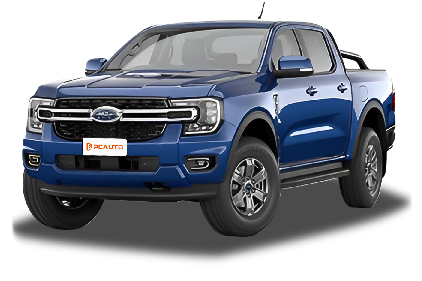
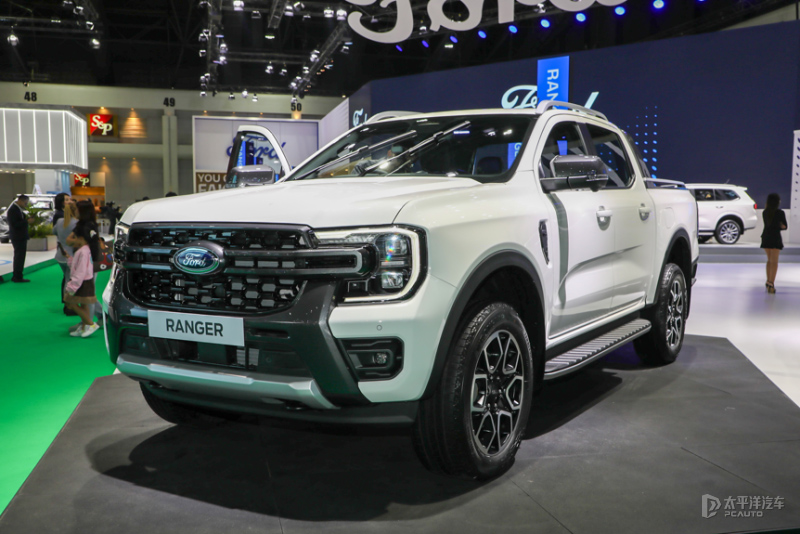
The 2022 Ranger has been one of the most talked-about pickups, and for good reason. Where it really shines is its robust powertrain and impressive hauling capability. The 2.0L turbo-diesel engine delivers plenty of low-end torque, making it a solid choice for towing or tackling rough terrain—plus, it’s surprisingly fuel-efficient for long hauls or commercial use.
Inside, the Ranger steps up its game with a more modern cabin design, featuring the SYNC 4 infotainment system with Apple CarPlay and Android Auto. It’s a tech-savvy setup that makes daily drives a lot more connected. Off-roaders will appreciate the upgraded Terrain Management system, which gives this truck extra chops for adventure.
That said, the Ranger isn’t perfect. The rear seats are on the cramped side, so longer trips might feel a bit tight for passengers. And at highway speeds, wind noise becomes noticeable—something to consider if you’re big on cabin comfort. Price-wise, it’s packed with features but leans slightly pricier than some rivals, so budget-conscious buyers might want to cross-shop.
For pickup enthusiasts, the Ranger’s well-rounded performance makes it a strong contender. But if you prioritize comfort or mostly stick to city driving, a test drive might help decide. With pickups gaining popularity here—not just for work but also as family adventure rigs—it’s worth comparing specs and real-world usability across the segment before pulling the trigger.
Special Disclaimer: This content is published by users and does not represent the views or position of PCauto.
Related Q&A
Q
What is the resale value of a 2022 Ford Ranger?
The used value of a 2022 Ford Ranger depends on several factors—new car pricing, condition, mileage, trim level, and market demand all play a role in resale value. Currently, pre-owned models retain roughly 70% to 85% of their original price, depending on maintenance history and overall shape. Higher-spec Wildtrak versions typically hold their value better.
Thanks to its dependable performance, practical cargo space, and strong off-road features, this pickup maintains steady demand in the used market, especially diesel-powered variants. Well-maintained, accident-free examples with full service records fetch stronger offers, while modified trucks might turn off some buyers.
If you're thinking of selling, it’s worth getting quotes from multiple dealers or online platforms and checking listings for comparable models to gauge a realistic price range. Keep in mind that pickups generally depreciate slower than sedans, though shifting regulations and economic conditions can still impact resale value.
 SailorsoDec 1, 2025
Q
How much is a 2022 Ford Ranger?
Here’s a natural, human-sounding translation for an automotive editor:
---
**2022 Ford Ranger Pricing Overview**
The 2022 Ford Ranger’s price varies by trim and configuration, with a starting range of roughly RM 98,000 to RM 145,000. Final pricing depends on your choice of powertrain (like the 2.0L turbo-diesel or 3.2L five-cylinder diesel) and trim level (XL, XLT, or Wildtrak). Known for its rugged chassis and off-road capability, the Ranger also packs modern tech—think SYNC® infotainment and advanced driver aids.
A quick note: Used prices fluctuate based on mileage, condition, and remaining warranty, so always check official channels or dealers for the latest quotes. As a top contender in the midsize pickup segment, the Ranger balances daily driving with workhorse utility. Cross-shop rivals like the Toyota Hilux or Isuzu D-Max if you’re weighing options.
---
This version keeps the info clear and engaging while sounding like a real editor wrote it—no robotic tone. Let me know if you'd tweak any phrasing!
 CascadingDec 1, 2025
Q
What Ford engines are being recalled in 2022?
Ford issued a global recall in 2022 for certain vehicles equipped with the 2.7L EcoBoost V6 engine, including popular models like the F-150 pickup and Edge SUV. The action addresses a potential design flaw in the engine's oil separator that could lead to leaks and increased fire risk.
This proactive recall reflects Ford's commitment to addressing safety concerns before they become problems. Owners can check if their vehicle is affected through Ford's official channels and visit authorized dealers for complimentary repairs.
For drivers of these models, it's smart to regularly check oil levels and inspect the engine bay—catching issues early is always better. While recalls might sound alarming, modern automakers have robust systems in place to protect customers. The key is to act promptly when notified.
To keep your engine running smoothly long-term, stick to Ford's recommended maintenance schedule and use approved oil grades. And hey, keeping detailed service records never hurts—it’s your proof of proper care down the road.
 WandererSoulDec 1, 2025
Q
Are there any problems with the 2022 Ford Ranger?
The 2022 Ford Ranger proves to be a dependable midsize pickup overall, though some owners have reported typical niggles. The infotainment system occasionally acts up with lagging or delayed responses – something that tends to improve with subsequent software updates. A handful of drivers also mention slightly jerky transmission shifts at low speeds, though this usually smooths out once you adapt to the driving mode.
Where the Ranger really shines is its rock-solid 2.0L turbo-diesel engine, which delivers consistent performance and decent fuel efficiency, making it great for long hauls or hauling loads. Just remember: staying on top of maintenance is key, especially for diesel models – don’t skip those fuel filter changes and keep an eye on the DPF system.
If you’re eyeing a used 2022 Ranger, pay extra attention to the undercarriage for signs of heavy use, since pickups often handle tough workloads. That said, this truck holds up well for durability and off-road capability. Most quirks are minor and don’t get in the way of daily driving, plus dealerships usually have fixes on hand.
 ReaderNookDec 1, 2025
Q
What is the warranty on a 2022 Ford Ranger?
The 2022 Ford Ranger comes with a standard 3-year/100,000-km warranty (whichever comes first), covering manufacturing defects and material quality issues. The powertrain is backed by a 5-year/160,000-km warranty (whichever occurs first), including core components like the engine, transmission, and drivetrain. Additionally, Ford provides a 6-year unlimited-mileage corrosion perforation warranty.
Keep in mind that warranty terms may vary depending on trim levels or promotional offers, so it’s best to check with your dealer for the latest details before purchasing. For pickup trucks, these coverage periods are fairly typical—especially the extended powertrain warranty, which often outlasts those on passenger cars, reflecting the manufacturer’s confidence in durability.
If you frequently use the Ranger for heavy-duty work or off-roading, pay extra attention to the coverage for the drivetrain and underbody components. Also, remember that sticking to scheduled maintenance at authorized service centers is crucial to keeping your warranty valid. Using aftermarket parts or skipping recommended services could void your coverage.
 RunnerSpeedDec 1, 2025
Q
How many miles will a 2022 Ford Ranger last?
The 2022 Ford Ranger is built to last between 200,000 to 300,000 miles (roughly 320,000 to 480,000 kilometers) with proper care and regular maintenance—though actual lifespan depends on driving habits, road conditions, and service frequency. This truck’s tough chassis and proven powertrains, especially the 2.0L EcoBlue and 3.2L Duratorq diesel engines, handle daily city and rural driving with ease. Staying on top of critical maintenance like oil changes, filter replacements, and transmission fluid services goes a long way in keeping it running.
Keep in mind: Rangers are designed for heavy-duty work, so their suspension and underbody components typically outlast regular passenger cars. If you frequently haul loads or go off-road, consider shortening service intervals and inspecting the undercarriage regularly. Don’t overlook electronics either—modern sensors and control modules play a big role in long-term reliability. Always opt for genuine parts and certified technicians to preserve the truck’s condition.
Bottom line? The Ranger sits above average in its class for durability. With proper upkeep, it’s easily a 15-year truck.
 SunshineDayDec 1, 2025
Q
Is there a recall on the 2022 Ford Ranger?
Based on current information, the 2022 Ford Ranger did undergo recalls in certain global markets for specific issues—primarily involving potential seatbelt pretensioner faults and loose rear axle bolts, which posed safety concerns. Owners can check their vehicle’s recall status by entering the VIN on Ford’s official website. We recommend staying updated through local dealer notifications or official channels to ensure your truck meets safety standards.
Keep in mind that recalls are standard manufacturer measures to address potential issues—not necessarily indicators of poor quality. They demonstrate proactive responsibility by offering free repairs.
For more details on Ranger maintenance—like diesel engine service intervals or 4WD system care—reach out to an authorized service center. They’ll provide tailored advice to keep your rig running smoothly.
 SilenceDec 1, 2025
Q
What are common problems with the 2022 Ranger?
**2022 Ranger Common Issues (From an Auto Editor's Perspective)**
As one of the hottest pickups in its class, the 2022 Ranger does have a few common quirks worth noting. Some owners report occasional infotainment glitches—freezing or black screens—but a software update usually sorts it out. The transmission can feel a bit jerky at low speeds, which isn’t uncommon for trucks in this segment. Just keep an eye on the fluid condition during routine maintenance.
The high-strength steel body boosts safety, but you might notice faint creaks around some panel gaps, especially on rough roads. Also, if you’re frequently towing heavy loads, keep a closer check on the turbocharged engine’s cooling system—shortening the coolant replacement interval helps.
The rear leaf springs? Great for payloads, but empty rides get bouncy. That’s just physics, not a defect. Bottom line: None of these are dealbreakers, and most fixes are a quick dealer visit away. Stick to the service schedule, keep the software updated, and you’ll dodge 90% of these minor headaches.
 ThinkerThoughtDec 1, 2025
Q
What is the fuel economy of the Ford Ranger 2022?
The 2022 Ford Ranger's fuel efficiency varies depending on configuration and driving conditions. Models equipped with the 2.0L turbo-diesel engine average around 7.6L/100km combined, while the 3.0L V6 turbo-diesel version is slightly thirstier at approximately 8.5L/100km. Real-world figures may differ based on payload, terrain, and driving style.
Diesel engines deliver strong low-end torque, making them ideal for towing or long-distance cruising. With diesel fuel typically being cheaper at the pump, running costs can be lower over time. For city driving, keep an eye on the auto start-stop system—it helps cut down on idle fuel consumption. Regular maintenance, like air filter replacements and using the right engine oil, also plays a role in keeping efficiency optimal.
As a pickup that balances utility and performance, the Ranger's fuel economy sits mid-pack among rivals. It’s a solid choice if you need a versatile workhorse without breaking the bank at the fuel station.
 WriterPageDec 1, 2025
Q
What engine is in a 2022 Ford Ranger?
The 2022 Ford Ranger offers a range of engine options to suit different needs. The workhorse is the 2.0L EcoBlue four-cylinder turbo-diesel, available in single-turbo (170hp/405Nm) and bi-turbo (213hp/500Nm) variants. Featuring high-pressure common rail injection, this mill delivers low-rev grunt and fuel efficiency – perfect for hauling or towing.
Some markets also get the 2.3L EcoBoost petrol engine (270hp/420Nm) with twin-scroll turbo and direct injection, catering to drivers who prioritize throttle response. All engines pair with a 10-speed auto box featuring an electronic rotary shifter and drive mode selector.
Heads-up for diesel buyers: The selective catalytic reduction (SCR) system requires periodic AdBlue top-ups to cut NOx emissions – standard stuff for modern diesels. If you regularly tackle long hauls or heavy loads, the bi-turbo diesel's 500Nm punch (available from just 1,800rpm) makes it the smart pick, especially for mountainous terrain or hot climate operation.
 DesignerArtDec 1, 2025
Popular Cars
Model Year
Car Compare
Car Photo
Related Models
 Cars
CarsLatest Q&A
Q
Is AMT similar to automatic?
There are significant differences between AMT transmissions and automatic transmissions (AT) in terms of core structure and driving experience. AMT is essentially an electronically automated version of a manual transmission, simulating manual clutch operation and gear shifting through a computerized control system while retaining the gear set structure of manual transmissions. As a result, it offers higher transmission efficiency, with fuel consumption approximately 8%-12% lower than AT, making it particularly suitable for highway or long-distance driving. However, it may exhibit jerking similar to manual transmissions during low-speed gear shifts, especially noticeable in congested traffic conditions.
AT transmissions rely on torque converters for power transfer, delivering smooth and seamless gear shifts that appeal to comfort-oriented users. However, their complex structure (incorporating planetary gear sets, hydraulic systems, etc.) results in higher maintenance costs. A single service may cost between 800 to 1,500 ringgit, whereas AMT only requires gear oil replacement at approximately 400 ringgit.
From a market perspective, AMT is predominantly used in budget vehicles or commercial models priced below 80,000 ringgit, while AT is typically featured in mid-to-high-end vehicles. Consumers should select based on actual needs: AMT suits those prioritizing fuel efficiency and low maintenance costs, while AT better serves those valuing comfort. Notably, recent advancements in AMT electronic control technology have significantly mitigated jerking issues, though test drives should still emphasize low-speed performance evaluation.
 AriaMar 26, 2026
Q
Which is better, DCT or AT?
DCT (Dual-Clutch Transmission) and AT (Automatic Transmission) each have their own advantages and disadvantages, and the choice should be based on personal driving needs. AT transmissions transfer power through a torque converter, offering excellent shift smoothness, making them suitable for urban commuting or novice drivers. However, they tend to have higher fuel consumption, and vehicles equipped with them are usually more expensive. DCT transmissions utilize a dual-clutch structure, featuring fast shift speeds and high power transmission efficiency, which provides a more direct driving experience—particularly suitable for users seeking a sporty feel. However, they may exhibit jerking at low speeds and have relatively high maintenance costs. If durability and comfort are priorities, AT is the more reliable choice; if power responsiveness and driving pleasure are preferred, wet DCT (such as Volkswagen DSG) performs better, though dry DCT models should be avoided in prolonged stop-and-go traffic conditions. Additionally, CVT transmissions excel in smoothness and fuel efficiency, making them ideal for daily commuting, but they lack driving excitement. It is recommended to test-drive before purchasing, as tuning varies significantly across brands, and real-world experience is more important than theoretical specifications.
FlutteringMar 26, 2026Q
Is Amt good or bad?
AMT gearboxes have a significant cost advantage in the local market, typically being around 5,000 Ringgit cheaper than models equipped with conventional automatic transmissions. Their fuel efficiency is comparable to manual transmissions, resulting in long-term fuel savings. Featuring a straightforward design, they achieve transmission efficiency exceeding 90% with relatively low maintenance costs, making them ideal for practicality-oriented consumers. However, their shifting logic contains inherent limitations: gear changes between 1st and 2nd cause 0.3-0.5 second power interruptions, while unintended upshifts on inclines may reduce engine speed by 15%-20%, compromising driving smoothness. For urban commuters or budget-conscious buyers, AMT offers excellent value, though those prioritizing premium driving dynamics should consider alternative transmission types. Some domestic models like the Perodua Axia employ enhanced AMT systems, where optimized shift programming has reduced gearshift shock by approximately 30%.
 RainbowsMar 26, 2026
Q
Which gives better mileage, CVT or AMT?
From the perspective of fuel economy, CVT transmissions generally perform better under urban driving conditions. Their continuously variable design allows the engine to consistently operate within the optimal speed range, significantly reducing fuel consumption during frequent starts and stops. Test data shows that their fuel consumption in urban driving conditions is 10% to 15% lower than that of comparable models. AMT transmissions, on the other hand, inherit the high transmission efficiency of manual transmissions, delivering fuel efficiency close to manual transmissions during high-speed cruising. This makes them particularly suitable for long-distance driving in large-displacement vehicles. However, due to power interruption during gear shifts, their overall fuel consumption may be 5% to 8% higher than CVTs.
The difference in fuel-saving characteristics between the two transmissions stems from their technical principles: CVTs achieve continuous variability through steel belts and pulleys, eliminating the fixed gear ratio limitations of traditional transmissions; AMTs simulate manual gear changes via electronic control systems while maintaining the mechanical efficiency of gear transmission. Notably, actual fuel consumption is also influenced by driving habits. Smooth acceleration and anticipatory deceleration can maximize the transmissions' fuel-saving potential. If the vehicle budget permits and urban commuting is the primary use, CVTs offer a more economical choice. For frequent highway driving with an emphasis on cost-effectiveness, AMTs are equally worth considering.
 RubyBlazeMar 26, 2026
Q
Which is cheaper, AMT or CVT?
In terms of gearbox cost, AMT is usually more economical than CVT. Essentially, AMT is a manual transmission equipped with an electronic control unit, featuring a simple structure and low maintenance costs. The unit price ranges from approximately 5,000 to 8,000 ringgit, making it suitable for budget-conscious consumers or those who prioritize long-term operating costs. CVT incurs higher manufacturing costs due to its precision steel belt transmission system and continuous variable transmission technology, with a unit price of about 7,000 to 10,000 ringgit. However, it delivers a smoother driving experience and superior fuel efficiency. The primary differences between the two lie in technical complexity: AMT retains the gear-shifting mechanism, resulting in noticeable shift shock; CVT achieves linear power output through stepless speed variation but requires periodic belt inspection and incurs higher maintenance expenses. For those prioritizing initial cost and basic transportation needs, AMT offers better value; if comfort and long-term fuel economy are priorities, CVT represents a more worthwhile investment. Note that actual prices may vary based on vehicle model, brand, and local supply chain factors.
 ShadowProwlMar 26, 2026
Related News

2025 Ford Ranger WildTrak launched, the most powerful diesel version in the Ranger lineup
MichaelAug 25, 2025

Is the Ford Ranger V6 about to enter Malaysia?
LienAug 13, 2025
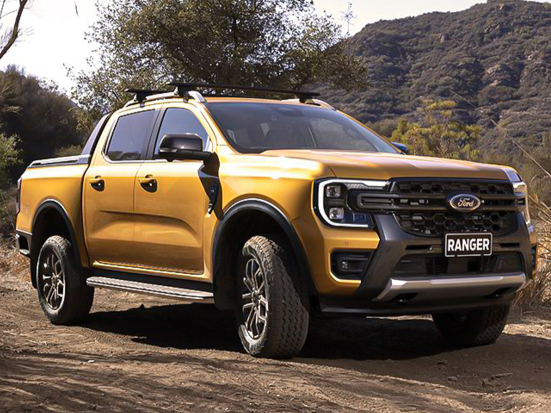
Reviewing the Ford Ranger: The Dual Advantages of Rugged Appearance and Powerful Performance
Kevin WongApr 21, 2025
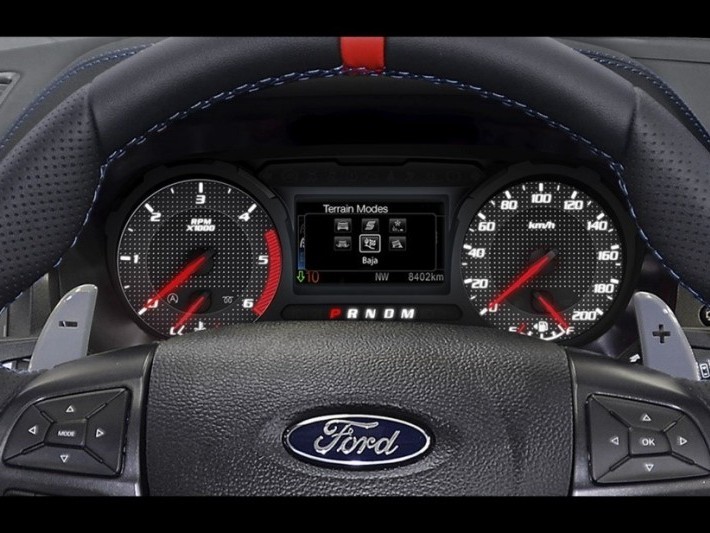
"Starting from RM 170,888! Detailed Explanation of Ford Ranger's Configuration and Performance, a Synonym for Practicality and Versatility?"
AshleySep 20, 2024
Ford Ranger: A Safe, Reliable, and Economical Choice of Pickup
LienMay 2, 2024
View More
Pros
Cons