
Q
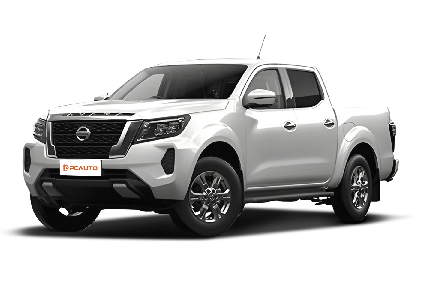
What engine does a 2018 Nissan Navara have?
 SonicSpeedOct 30, 2025, 03:44 PM
The 2018 Nissan Navara in the Malaysian market primarily comes with the YD25DDTi 2.5-liter four-cylinder turbocharged diesel engine. This engine features common rail direct injection technology, delivering a robust 190 horsepower and 450 Nm of torque. It's paired with either a 7-speed automatic transmission with manual mode or a 6-speed manual gearbox, balancing off-road capability with everyday driving fuel efficiency. The engine also incorporates a Variable Geometry Turbocharger (VGT), which provides quick response at low RPMs and reduces turbo lag – ideal for Malaysia's hilly terrain and congested city roads.
Notably, the Navara's engine is built with durability in mind, using a cast-iron block and reinforced pistons, making it suitable for long-haul transport or heavy-load needs. It also meets the Euro 4 emission standards commonly adopted in the ASEAN region at the time. For users who frequently need to carry cargo or tow, the diesel engine's high low-end torque is highly practical. Regular diesel filter replacements and using high-quality engine oil are key to maintaining the engine's lifespan.
Rivals in the same segment, like the Toyota Hilux and Mitsubishi Triton, also offer diesel engines of similar displacement, but the Navara's suspension tuning leans more towards comfort, appealing to users who value ride quality.
Special Disclaimer: This content is published by users and does not represent the views or position of PCauto.
Related Q&A
Q
How to open a 2021 Nissan car without a key?
If you've lost or damaged the key fob for your 2021 Nissan, your first move should be to reach out to an authorized Nissan dealer or a professional locksmith. Modern cars come with electronic anti-theft systems, so trying to force the locks or messing with it yourself could wreck the vehicle or set off the security alarm. For models with the smart key system, you might be able to unlock it remotely using Nissan's official app, like NissanConnect, but only if you've registered and activated the service beforehand. In Malaysia, some third-party auto service companies offer professional key programming, but make sure to choose a reputable provider to ensure security. It's worth noting that most 2021 Nissan models use encrypted transmission technology, so traditional mechanical lock-picking might not work, and trying to take apart the door yourself could void your warranty. As a daily habit, keep your spare key somewhere safe or think about installing a GPS tracking system just in case. If your key does go missing, heading to the dealer to get a new one programmed and deactivating the old key's code is the safest fix.
 HappyCamelNov 10, 2025
Q
How do you start a 2021 Nissan with a dead key fob?
If your 2021 Nissan key fob is dead, you can still start the vehicle using these steps: First, locate the mechanical key inside the fob—it's usually hidden near the keyring. Press the release button to pull it out. Next, insert the mechanical key into the driver's door lock (on some models, the lock might be hidden under a small cover on the door handle that you'll need to gently pry off). Once you're inside, hold the dead key fob close to the start button (typically on the right side of the steering wheel or near the center console), then press the brake pedal and hit the start button to fire up the engine.
It's worth noting that the key detection area can vary by Nissan model—some have it below the start button, others in the center armrest storage bin—so checking your owner's manual for the exact spot is a good idea. To avoid this hassle, Malaysian owners should regularly check their key fob battery (usually a CR2032 coin cell). If you notice the remote range getting shorter or the indicator light dimming, replace the battery ASAP. Keeping a spare battery in the car is also a smart move.
While modern smart key systems are super convenient, that traditional mechanical key is still a crucial backup. Make sure you're familiar with how to use it—you never know when you might need it.
 FastRabbitNov 10, 2025
Q
How long will a 2021 Rogue last?
Under normal usage conditions in Malaysia, the 2021 Nissan Rogue can typically clock around 250,000 to 300,000 kilometers or last over 15 years with regular servicing and maintenance. Of course, the actual lifespan depends on factors like driving habits, road conditions, and how often you keep up with maintenance. It’s got a solid 2.5-liter four-cylinder engine and that Xtronic CVT transmission, with an overall mechanical setup that’s been refined for better durability. To make it last longer, Malaysian owners should pay extra attention to how the tropical climate affects the car – like checking the cooling and air-con systems every 6 months, using engine oil suited for high temperatures, and regularly cleaning the radiator to prevent overheating. Also, with Malaysia’s frequent rain and humidity, rustproofing the undercarriage and body is a must. As a globally popular SUV, Rogue has pretty good parts availability, which is a big plus for long-term ownership. It’s worth noting that any car’s lifespan hinges on sticking to the manufacturer’s recommended maintenance schedule – think timely transmission fluid changes and regular brake checks. For Malaysians looking at a used Rogue, focus on inspecting the CVT transmission’s performance and the condition of the undercarriage; these are key to how much life the vehicle has left.
 KindHeartNov 10, 2025
Q
Can I remote start my 2021 Nissan Rogue?
The 2021 Nissan Rogue offers remote start functionality on some trims, depending on whether your vehicle is equipped with NissanConnect services and the corresponding smart key system. If you opted for the version with remote start when purchasing, you can fire up the car using a button combination on the factory key fob—usually pressing the lock button first, then holding down the remote start button—or through the NissanConnect mobile app. This is super handy in Malaysia's hot weather, letting you kick on the AC early to cool things down. Just keep in mind that remote start typically has a time limit (around 10-15 minutes), and the vehicle stays locked for security. For owners without the factory setup, you might consider adding an aftermarket remote start system to get similar features, but it's best to go with a professional shop to avoid messing with the original wiring or voiding your warranty. Different brands of remote start systems can have slightly different operation methods—like some requiring double-pressing the lock button before the start button—so it's a good idea to check your owner's manual for the exact steps. Also, when using the mobile app for remote start, make sure the vehicle is in an area with good network coverage, and this feature usually requires a subscription to keep using it.
 SilentStreamNov 10, 2025
Q
Why is my 2021 Nissan Rogue not blowing cold air?
Your 2021 Nissan Rogue's air conditioning not cooling could be due to several common issues. First, check if the refrigerant is low – that's the most common problem with AC systems. A refrigerant leak or lack of regular replenishment will reduce cooling performance, so it's best to have a professional shop run a pressure test and top it up. Next, it might be a faulty AC compressor. The compressor is the heart of the cooling system; if you hear strange noises or it won't start at all, you'll need to get it repaired or replaced ASAP. Additionally, a clogged condenser or a malfunctioning cooling fan can also affect cooling, especially in Malaysia's hot weather where these problems tend to get worse faster. Regularly cleaning the condenser and checking the fan's electrical connections can help prevent this. Finally, don't rule out a dirty cabin air filter restricting airflow. It's a good idea to replace the filter every 10,000 to 20,000 kilometers to keep air moving freely. For newer models like the 2021 Rogue, electronic control system failures are less likely, but if all the above checks come up empty, you might need a diagnostic scanner to read error codes for further troubleshooting. In daily use, try to avoid turning on the AC immediately after the car has been sitting in the sun for a long time. Open the windows first to let the hot air out, then gradually lower the temperature – this reduces strain on the AC system and helps it last longer.
 SoftCloudNov 10, 2025
Q
What issues does the 2021 Nissan Rogue have?
The main issues with the 2021 Nissan Rogue in the Malaysian market center around technical details like transmission jerkiness, occasional lag in the infotainment system, and some owners reporting overly sensitive brake pedals. These problems are more common in early production batches and can usually be fixed with a software update or dealer inspection. The Rogue's ProPILOT semi-autonomous driving assist system may require the driver to take over more frequently in complex road conditions, a technical trait common among SUVs in this class. It's worth noting that the Rogue's 2.5L naturally aspirated engine shows good cooling stability in tropical climates, and its 271mm ground clearance works really well for Malaysia's rainy road conditions. Potential owners should check Nissan Malaysia's official website for the latest Service Campaigns and prioritize purchasing the factory extended warranty—these preventive steps go a long way in ensuring the long-term reliability of electronic components. Compared to its peers, the Rogue's rear Magic Seat design offers a unique advantage when hauling large items, a practical feature Malaysian users who often need to transport family goods should pay attention to.
 HealerHeartNov 10, 2025
Q
Why is my Nissan Rogue 2021 not starting?
Your 2021 Nissan Rogue failing to start can stem from several common issues. First, check the battery condition—Malaysia's hot and humid climate tends to speed up battery terminal corrosion or drain power. Use a multimeter to test the voltage (should read above 12.4V); if lower, try jump-starting or replacing the battery. Next, look at the smart key system: low key battery (typically CR2032) or nearby electromagnetic interference can disable keyless start—try physically touching the key to the start button. For the fuel system, consistent use of low-octane gasoline might clog injectors, so regular use of genuine fuel additives is recommended. Also inspect the fuse box (especially 15-20A fuses related to the ignition system) and ensure the transmission is fully in Park. Notably, modern vehicles' smart diagnostic systems will display specific warning lights on the dashboard—a yellow engine-shaped light may indicate electronic throttle issues, while a red battery light points to charging system problems. It’s advisable to connect an OBD-II scanner to read error codes promptly. For models with auto-start-stop, frequent short trips can drain the auxiliary battery—temporarily disabling this feature and attempting to start might work. If these basic checks don’t resolve the issue, contact an authorized service center to inspect critical components like the starter motor, fuel pump, or crankshaft position sensor, which can develop intermittent faults in high-temperature environments.
 MoonlightNov 10, 2025
Q
Why is my 2021 Nissan Rogue stuck in park?
There are a few common reasons why your 2021 Nissan Rogue might be stuck in Park (P). First off, the brake light switch could be faulty. Modern cars have a safety feature that requires you to press the brake pedal to shift out of Park, so if this switch is broken, the signal won't reach the transmission control module. Second, the shift lock mechanism might be jammed or have an electrical issue – this tends to happen more often in Malaysia's humid climate. You can try gently wiggling the steering wheel while pressing the brake to release the lock. Additionally, a temporary glitch in the transmission position sensor or the Engine Control Unit (ECU) could also cause this problem. I recommend disconnecting the negative battery terminal for 5 minutes to reset the car's computer. If the issue persists, you'll need a professional diagnostic tool to read the trouble codes. It's worth noting that Malaysia's hot and rainy weather can accelerate the oxidation of electrical contacts, so regularly checking the condition of electrical connections can help prevent these kinds of problems. For models with an electronic gear shifter, also be careful to avoid spilling liquids on the control panel. If these simple checks don't work, contact an authorized service center promptly. They can quickly pinpoint the issue using the CONSULT diagnostic system, and let's face it, transmission-related repairs are safety-critical and require specialized expertise.
 WittyRemarkIntelligenceNov 10, 2025
Q
Why is the check engine light on in my Nissan Rogue 2021?
There are several possible reasons why the check engine light is on in your 2021 Nissan Rogue. The most common issues are related to the emissions system, such as a loose gas cap, a faulty oxygen sensor, or a declining catalytic converter efficiency. It could also be due to worn spark plugs, a dirty mass airflow sensor, or carbon buildup on the throttle body causing incomplete combustion. We recommend first checking if the gas cap is fully sealed since that's the easiest fix. If the light stays on, you'll need an OBD-II scanner to read the trouble codes and pinpoint the exact problem. Given Malaysia's hot and humid climate, it's a good idea to regularly check the battery condition and sensor wiring, as high temperatures and humidity can speed up the aging of electronic components. If you just filled up with low-quality fuel at the station, that might also trigger the light. In that case, try refueling with good quality gasoline that meets RON95 or RON97 standards and drive for a while to see if it helps. It's important to note that modern vehicles have very sensitive ECU systems, and even minor issues will trigger the check engine light to alert you to get it checked promptly, preventing small problems from turning into major ones. If the light is flashing continuously, you need to stop and get it inspected immediately—this usually indicates a serious misfire that could damage the catalytic converter.
 KindheartedSoulKindnessNov 10, 2025
Q
How do you release the parking brake on a 2021 Nissan Rogue?
Releasing the electronic parking brake on the 2021 Nissan Rogue (X-Trail) is super straightforward. When the vehicle is started and in Park, just tap the brake pedal and press the electronic parking brake switch near the center console (the button with the "P" symbol) to disengage it, and the instrument cluster will show a release indicator. For Malaysian owners, when starting on a slope, it's a good idea to use the Auto Hold function or a quick tap of the throttle to automatically release the brake—that way you avoid the risk of rolling back. It's worth mentioning that electronic parking brakes save more space and are easier to use than traditional hand levers, but you should check the system's responsiveness regularly. If you see any warning lights pop up, head to an authorized Nissan service center for a check-up right away. In daily use, Malaysia's rainy weather can increase moisture in the brake system, so replacing the brake fluid every 2 years is recommended to keep the electronic parking brake performing at its best. If you're leaving the vehicle parked for a long time, consider using wheel chocks for extra security and to take some strain off the parking brake system.
 GracefulMovementDanceNov 10, 2025
Popular Cars
Model Year
Car Compare
Car Photo
Related Models
 Cars
CarsLatest Q&A
Q
When should you not wash your car?
It is not advisable to wash the car immediately during hot noon or after heavy rain. Under high temperatures, rapid water evaporation tends to leave water stains on the paint surface, and temperature differences may cause the car paint to crack. After rain, acidic rainwater and sediment adhere to the vehicle's surface, and direct rinsing will exacerbate paint wear. Additionally, if the vehicle has just been driven through a construction site or dusty area, wait for the engine to cool before cleaning to prevent sediment from scratching the paint. When parked under trees for extended periods, remove corrosive substances such as bird droppings or tree resin first, as high-pressure washing may force them into the paint. It's recommended to wash during shaded hours or on cloudy days using a neutral car shampoo and following a top-down approach. Black vehicles require more frequent cleaning to prevent visible water stains. Regular waxing or sealant application enhances the paint's stain resistance. During the rainy season, a brief rinse can be done weekly, but ensure thorough drying to avoid water spots.
 TravelFeb 17, 2026
Q
What do car detailers do when it rains?
During rainy days, car detailers take targeted measures to protect vehicles. First, they avoid outdoor car washing or painting during rainfall, as the acidic components in rainwater may corrode the paint and affect work quality; professional facilities prioritize indoor operations. For waxed vehicles, light rain requires gently wiping the car body with a soft towel after the rain stops, while heavy rain necessitates sending the vehicle to a detailing shop to inspect the wax layer condition and perform re-polishing. Film installation actually benefits from rainy conditions, as humidity reduces electrostatic interference, but strict glass cleaning and post-installation care—including avoiding window operation for 72 hours—are essential. For routine protection, owners should regularly apply wax or ceramic coating to enhance paint corrosion resistance, promptly remove standing water after rain to prevent stains, and check wiper functionality and sunroof drainage. For extended parking, using a garage or car cover minimizes potential rainwater damage to the paint, chassis, and electronic components.
 BraveFeb 17, 2026
Q
Can you use toothpaste to remove car scratches?
For minor car paint scratches, toothpaste can provide a certain repair effect. This method is primarily applicable to fine scratches that only affect the clear coat. The abrasive particles in toothpaste can help fill in scratches through polishing, while its humectants blend the scratches with the car paint color. When applying, use a soft cloth to gently rub a small amount of toothpaste in circular motions, then rinse with clean water. However, note that this method has limited effectiveness on deep scratches where the primer is exposed. Post-treatment issues may include reduced gloss or temporary disappearance of scratches, particularly after rain or car washing. Moreover, frequent use of toothpaste may cause paint wear due to its abrasive nature, so it should only be used as a temporary solution. For severe scratches, professional touch-up paint or polishing is still required. For routine maintenance, specialized car wax or scratch repair products are recommended to ensure more durable and stable paint protection.
 HueFeb 17, 2026
Q
What should you never clean with a magic eraser?
Magic erasers are suitable for various scenarios due to their strong cleaning ability, but they should be avoided on high-gloss surfaces, electronic devices, and delicate materials. Their abrasive properties may scratch high-gloss furniture, countertops, or the anti-glare coatings on electronic device screens; it is recommended to use microfiber cloths or specialized cleaners instead. They are also not suitable for car paint surfaces, non-stick cookware, and stainless steel surfaces, as they may damage the coatings or cause irreversible harm. Be sure to test in an inconspicuous area before use and wear gloves to prevent skin irritation. Although they do not contain chemical toxins, their physical abrasiveness means that cleaning objects must be chosen carefully, and mild alternatives should be prioritized to ensure the safety of items.
 RonFeb 17, 2026
Q
Can Mr. Clean be used on cars?
Mr. Clean Glass Cleaner can be used for cleaning car windows, but caution is required. This product effectively removes grease and water spots without streaking. Its mild formula is non-corrosive to glass, but avoid direct spraying on automotive paint or plastic components, as non-automotive cleaners may contain surfactants that could compromise protective coatings with prolonged use. Professional automotive glass cleaners like Turtle Wax are recommended, as their formulations are specifically designed for road film and insect residue removal while being paint-safe. For temporary use of Mr. Clean, spray at least 15 cm away from wiper rubber blades, allow 30 seconds dwell time before unidirectional wiping, and promptly rinse residual cleaner from window edges. For vehicle exterior cleaning, use pH-balanced automotive shampoos like Cherry Foam Car Wash, whose lubricating foam encapsulates abrasive particles to minimize scratching while containing paint-protective additives. Notably, windshield degreasing requires automotive-grade products like Depu Tar Remover, as household cleaners cannot effectively dissolve bonded road film deposits.
 LonFeb 17, 2026
Related News

It used to be as powerful as Hilux, but now it has to avoid competing with Hilux.
Kevin WongNov 18, 2025

2025 Nissan Navara X-Tremer launched in Malaysia, exterior enhanced with off-road design
RobertSep 1, 2025
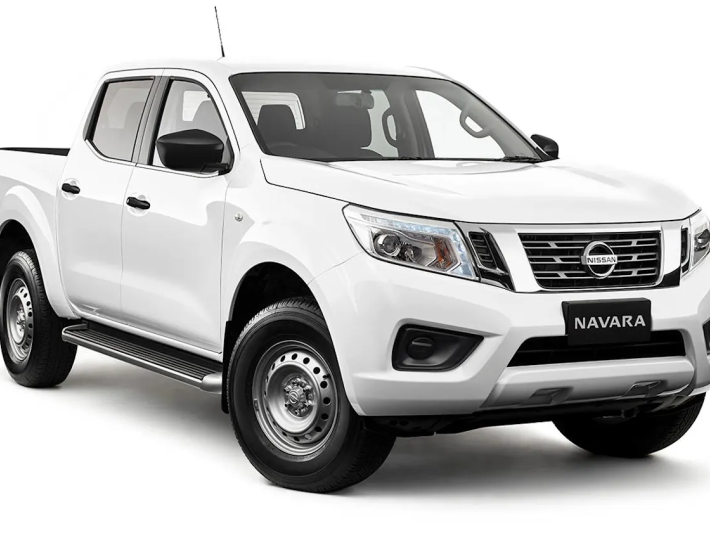
Nissan Navara : Stylish Design Meets Utility
JamesMay 13, 2025

How much does it cost to own a used Nissan March in Malaysia?
LienFeb 10, 2026

From Fuel to All-Electric: Looking Back at Nissan March's 40-Year Journey
AshleyFeb 9, 2026
View More
Pros
Cons