
From Fuel to All-Electric: Looking Back at Nissan March's 40-Year Journey
 AshleyFeb 09, 2026, 09:00 AM
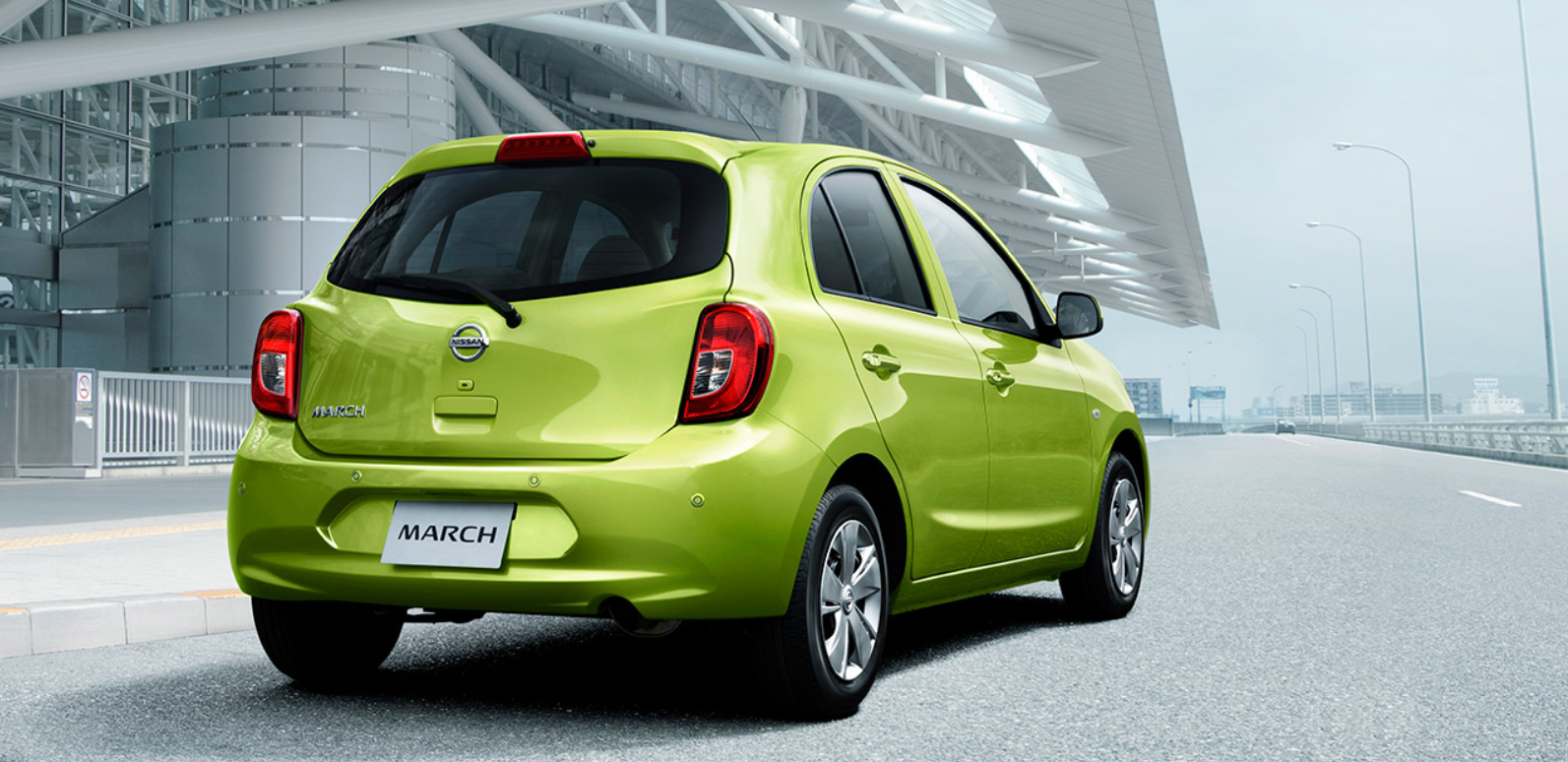
From its debut in 1982 to its withdrawal from major markets around 2022, the Nissan March completed a 40-year lifecycle emblematic of the traditional small petrol car.
Now, as it prepares to return as the Micra EV, can it create a new wave?

[PCauto] At its inception, the Nissan March was not born from a grand vision. The Japanese market in 1982 needed a small car with a simple structure, low cost, and stable performance for urban use. It succeeded models like the Nissan Cherry, defined by a clear, practical purpose. At that time, small cars were not synonymous with entry-level or compromise but served as a reasonable solution for family and personal transportation.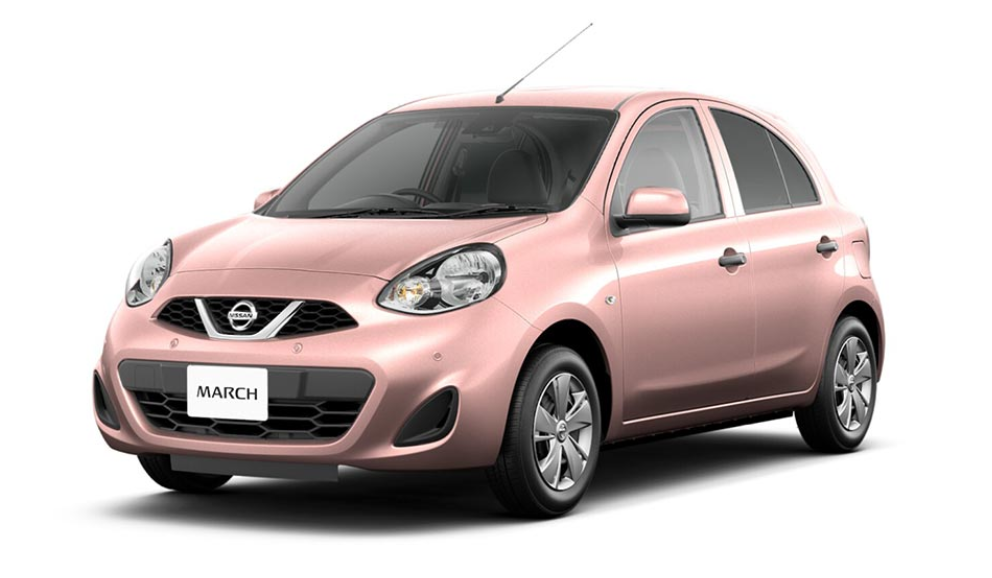
Over the next four decades, the March’s evolution remained true to its original philosophy. From K10 to K14, each generation did not deliberately pursue performance but made fine adjustments between size, safety, fuel consumption, and cost.
- K11 improved safety and aerodynamics
- K12 started to emphasize design and a sense of technology
• K13 and K14 sought to sustain relevance via global platforms and more efficient powertrains.
This update cycle was never aggressive, yet it matched perfectly with the survival logic of compact fuel-powered cars of that time.
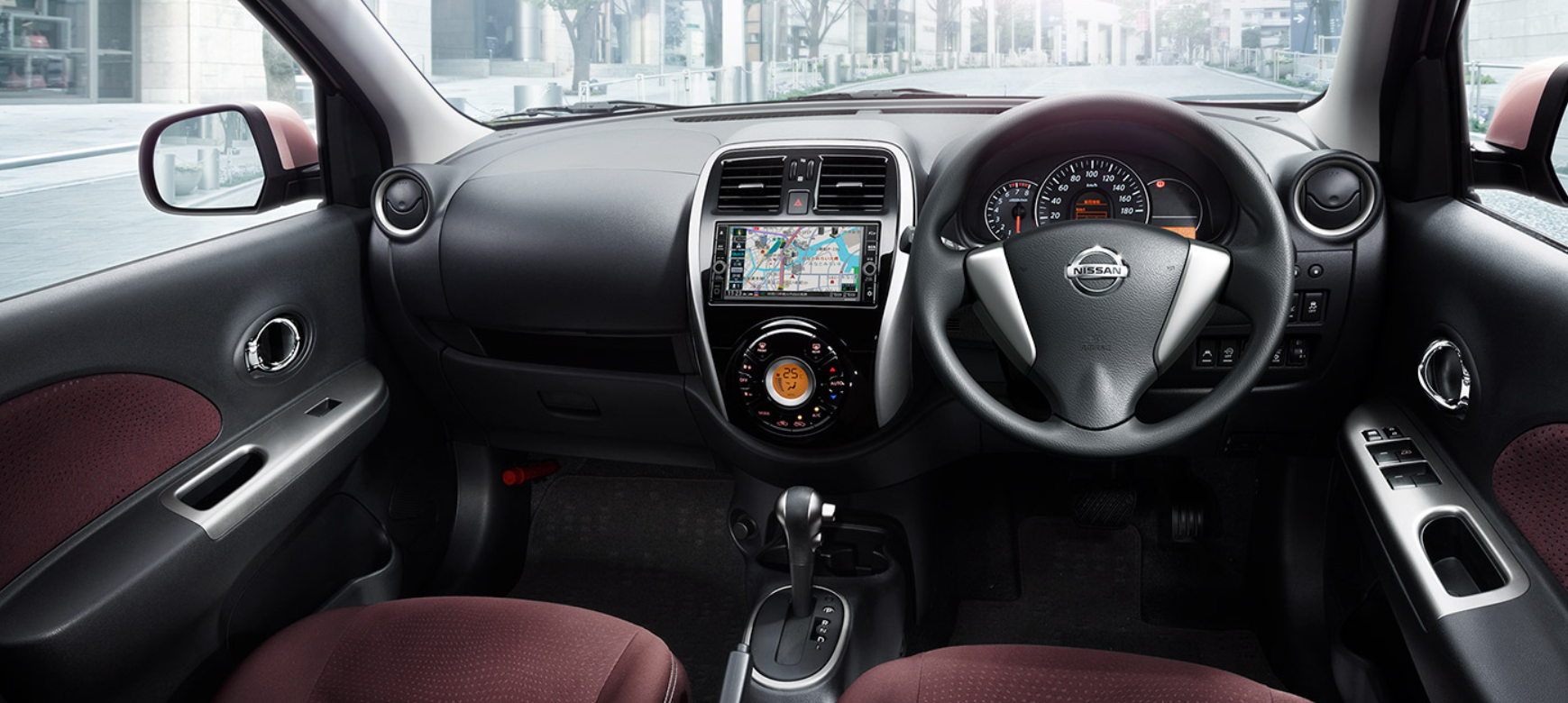
The challenges emerged, however, as the automotive era itself underwent a fundamental shift. Stricter regulations, rising emission costs, and shifting consumer preferences gradually turned compact fuel-powered cars into a low-margin, high-risk category.
In the Japanese market, March's sales decline did not happen suddenly but was the result of years of accumulation. By the time it ceased production in 2022, this car was not defeated by one particular competitor but was ultimately phased out by a market structure that could no longer sustain it.
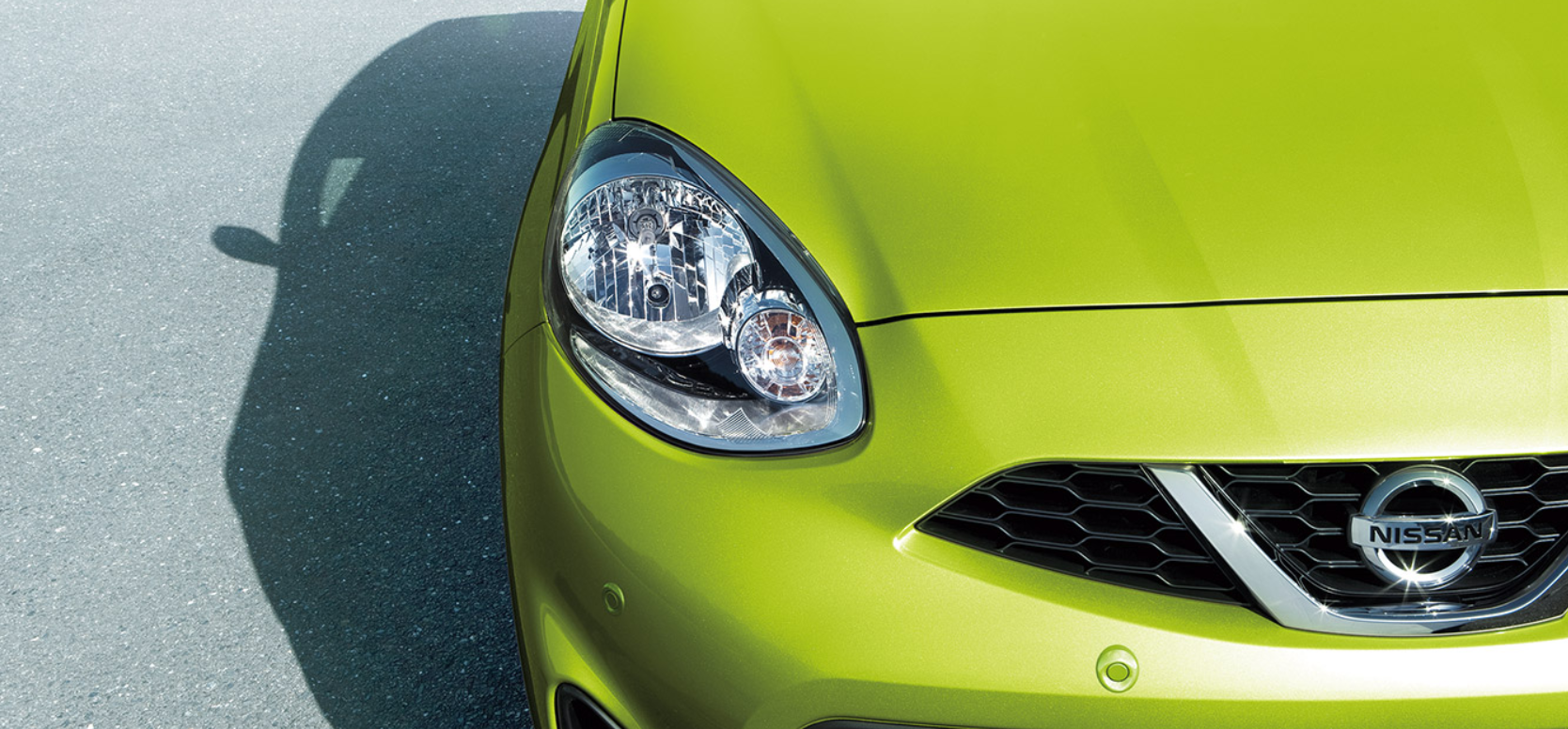
Nissan’s strategic pivot was, therefore, unsurprising. With resources shifting towards electric products such as LEAF and ARIYA, traditional fuel-powered small cars have been placed outside the strategic priorities. The exit of the March seems more like a loss-cutting action rather than a failure of a single model. Thus, the era of the affordable, simple, combustion-engine city car came to an end.
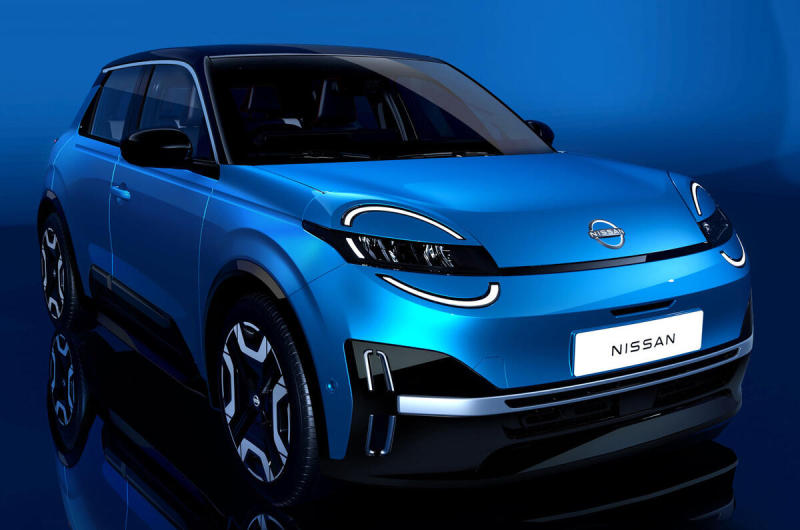
Against this backdrop, the sixth-generation Micra is about to make a return in a pure electric form. Built on the CMF-BEV platform and sharing its technical foundation with the Renault 5 E-Tech, the new model is expected to offer 40 kWh and 52 kWh battery options, with a range of roughly 300 to 408 kilometers—clearly aimed at urban commuting. This vehicle retains its rounded design and compact size but no longer aims to play the role of the lowest entry-level option.
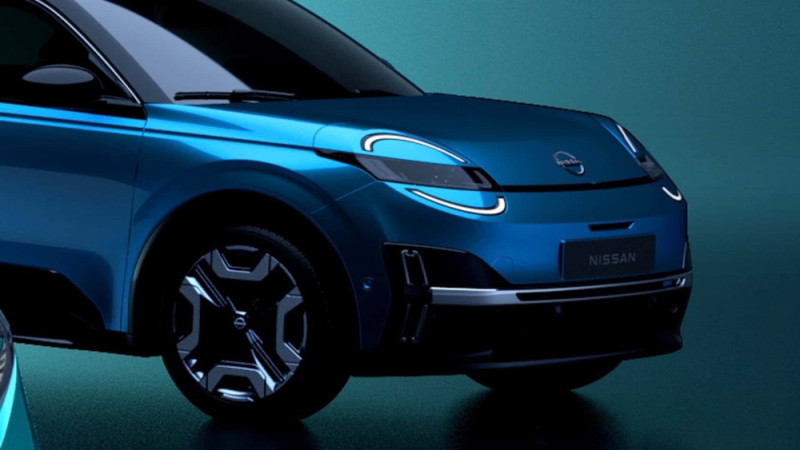
This marks the most fundamental shift. The pure electric Micra is not aimed at former fuel-powered small car users, but rather at a group of consumers with clear expectations for charging conditions, policy environments, and usage scenarios. Its existence proves that small cars can still transition into the electric era, but the premise is the acceptance of higher technological costs and clearer usage boundaries.
In today’s market, choice persists but is now highly segmented. In the pure electric camp, there are models like the Renault 5 E-Tech, the future-planned Renault Twingo E-Tech, as well as the Kia EV2 and Hyundai Ioniq 3, which have not yet officially launched.
Moreover, vehicles like the BYD Dolphin, Dacia Spring, and Citroën e-C3 are filling gaps in urban transportation in different ways. In contrast, the options for fuel and hybrid small cars have been reduced to a few stable choices such as the Toyota Yaris, Honda Fit, and Hyundai i20.
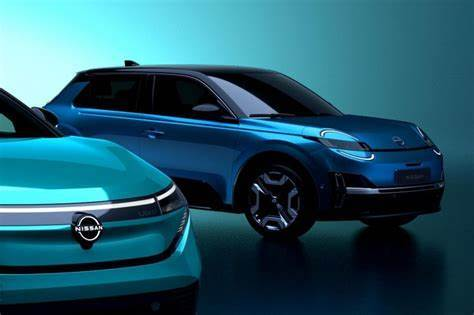
The differences now extend far beyond the powertrain, reflecting deeper lifestyle divides. Whether you have charging conditions, rely on public facilities, or accept higher purchasing and usage thresholds will directly determine your range of choices. Small cars have gradually transitioned from a universal tool to a solution requiring specific conditions.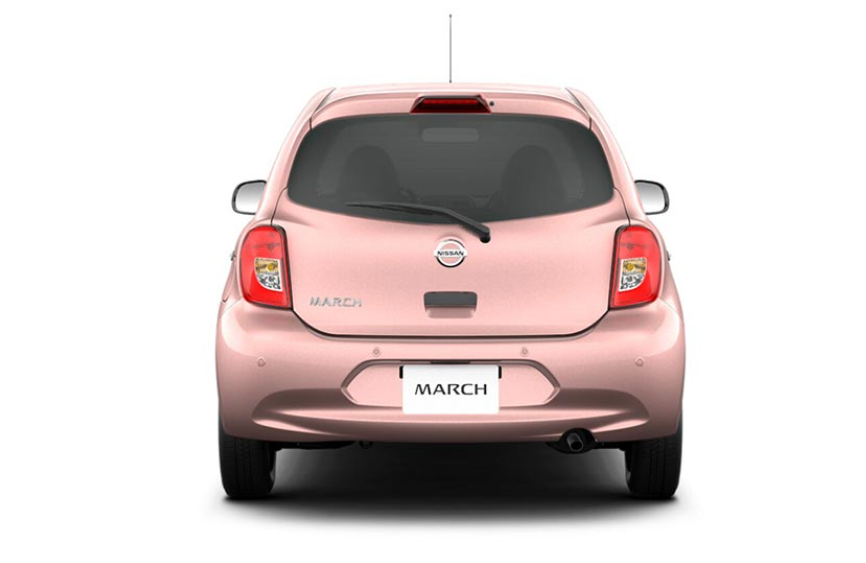
Looking back at the forty years of the Nissan March, its disappearance is not surprising. What truly deserves attention is the gap it left behind. Small cars have not disappeared entirely, but that once-straightforward, low-fuss mode of motoring is rapidly fading. Choices in 2026 still abound, but the answers are no longer the same.
If any infringement occurs, please contact us for deletion










Popular Cars
Model Year
Car Compare
Car Photo