
Q
What engine is in the X4 2022?
 RipplingStreamNov 17, 2025, 10:19 AM
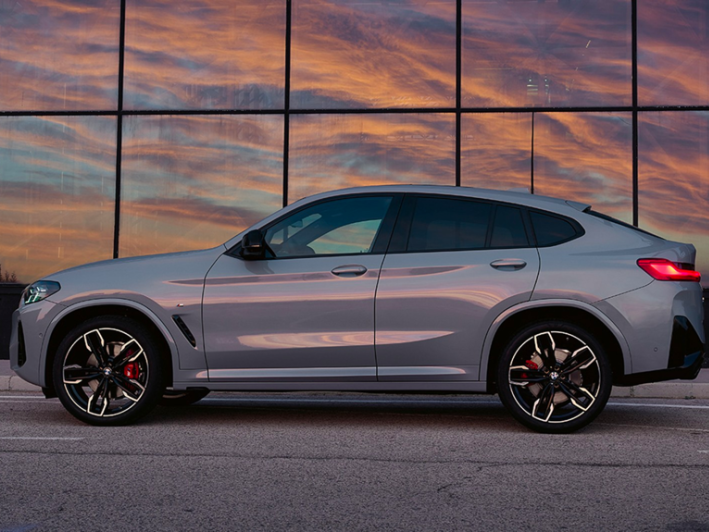
The 2022 BMW X4 offers a range of powertrain options depending on the trim level. The xDrive30i comes with a 2.0-liter turbocharged four-cylinder engine that puts out 248 horsepower and 350 Nm of peak torque. For those craving more performance, the M40i variant steps things up with a 3.0-liter inline-six turbocharged engine, churning out 382 horsepower and 500 Nm of peak torque. Both engines are paired with an 8-speed automatic transmission and xDrive all-wheel drive, striking a balance between power delivery and fuel efficiency.
Notably, BMW's turbocharging tech uses a twin-scroll design, which does a solid job of cutting down turbo lag and sharpening throttle response. On top of that, the B-series engines feature Valvetronic variable valve lift technology, which further hones combustion efficiency.
For drivers who prioritize fun behind the wheel, the X4's chassis is tuned toward the sporty side, but it doesn't toss comfort out the window. The suspension does a nice job of soaking up road bumps. If you want even more performance, you can option for the adaptive suspension system, which adjusts damping force in real time based on road conditions.
When it comes to maintenance, it's best to stick to the official recommended service intervals and use genuine factory oil to keep the engine running at its best for the long haul.
Special Disclaimer: This content is published by users and does not represent the views or position of PCauto.
Related Q&A
Q
How much horsepower does a 2018 BMW X4 have?
The 2018 BMW X4's horsepower varies depending on the engine option. The most common xDrive20i features a 2.0-liter turbocharged four-cylinder delivering 184 hp, while the xDrive30i uses a higher-tuned version of the same engine pushing 252 hp. For those craving more performance, the X4 M40i packs a 3.0-liter turbocharged inline-six churning out 360 hp—showcasing BMW's flexible power tuning across the range.
But let's be real: horsepower alone doesn't tell the whole story. Torque and transmission matter just as much. Take the M40i—it’s not just about the 360 hp; that 500 Nm of torque paired with the 8-speed auto makes acceleration feel instant. And with BMW’s xDrive AWD system putting power down efficiently, you get both grip and agility. So when picking your X4, don’t just fixate on the numbers. Think about how the whole powertrain works together—and how it suits your daily drive. That’s how you’ll find the right fit.
 GentleGraceDec 8, 2025
Q
What is the recall on the 2018 BMW X4?
The 2018 BMW X4 was subject to a safety recall due to potential fuel tank welding defects that could lead to fuel leakage risks. To address this, dealerships replaced affected tanks with upgraded components. Another recall involved incorrectly installed front seatbelt pretensioners, which might compromise protection during collisions—authorized technicians were required to inspect and properly secure these parts.
These proactive recalls align with global vehicle safety standards. Owners can check their VIN status via BMW’s official website or schedule complimentary repairs at authorized service centers. For German luxury vehicles like this, regular software updates (e.g., iDrive system alerts) and hardware inspections are crucial—keeping the communication module active ensures timely notifications.
Questions about recall coverage? Bring your registration documents to a dealership for a detailed inspection report. Such services typically apply regardless of warranty status.
 QuiDec 8, 2025
Q
How much is a 2018 BMW X4 worth?
The 2018 BMW X4 is currently priced between RM180k to RM250k in the used car market, depending on factors like condition, mileage, trim level, and service history. Higher-spec versions like the xDrive30i M Sport typically command a 10% to 15% premium over base models.
Powered by either a 2.0T or 3.0T turbocharged engine, it comes standard with all-wheel drive and a sport-tuned chassis. If you're considering one, pay close attention to engine performance and transmission smoothness—always check the factory warranty history to avoid hidden repair costs.
Keep in mind luxury SUVs depreciate faster than sedans; a five-year-old X4 usually retains about 50% to 60% of its original value. That said, BMW’s extensive service network and parts availability help keep long-term ownership costs manageable.
Pro tip: Prioritize unmodified examples with full dealership service records. They might cost a bit more upfront, but you’ll save headaches (and cash) down the road.
 OlaDec 8, 2025
Q
Is the 2018 BMW X4 reliable?
The 2018 BMW X4 delivers above-average reliability for its class. Its B48/B58 turbocharged engines are proven units with consistent power delivery, though some owners report occasional minor glitches in the electronics – things like sensor false alarms or infotainment lag. These are typically resolved with software updates.
The ZF 8-speed automatic transmission is buttery-smooth and built to last, while the chassis strikes a nice balance between sporty handling and comfort. That said, it’s worth getting the suspension components checked regularly, especially if you frequently tackle rough roads. For used buyers, solid maintenance records are key—make sure oil changes, transmission fluid, and transfer case fluid were done on schedule. Skipping 4WD system maintenance can lead to nasty repair bills down the road.
In the luxury SUV segment, the X4 outhandles most rivals, though rear-seat space is tighter than some alternatives. If practicality tops your list, cross-shop accordingly. Before buying, get a professional inspection—pay special attention to common wear items like the water pump and thermostat, which can age prematurely in hot, humid climates.
Bottom line? Stick to the maintenance schedule, and the X4’s mechanicals will hold up well for daily driving. Plus, with BMW’s strong dealer network, parts are easy to source when needed.
 XonDec 8, 2025
Q
What is the fuel consumption of BMW X4 2018?
The fuel efficiency of the 2018 BMW X4 varies depending on engine specs and driving conditions. The xDrive20i, powered by a 2.0L turbocharged four-cylinder, delivers a combined cycle of around 7.5-8.2L/100km. Step up to the 3.0L inline-six turbo in the xDrive30i, and you're looking at roughly 8.5-9.3L/100km. Real-world figures? They'll fluctuate based on stop-and-go traffic, highway cruising, or how heavy your right foot is.
BMW's EfficientDynamics tech—think auto start-stop and brake energy regeneration—helps squeeze out extra miles per gallon. If you're really serious about saving at the pump, keep an eye out for the plug-in hybrid variants down the road; their pure-electric mode slashes running costs.
Pro tips for better mileage: keep those tires properly inflated, ease off the aggressive throttle jabs, and anticipate stops to avoid hard braking. Remember, SUV fuel economy differences often boil down to weight, aerodynamics, and how the transmission's tuned.
 SonDec 8, 2025
Q
What is the 2018 X4 M40i's 0-60 time?
The 2018 X4 M40i rockets from 0-60 mph in just 4.6 seconds, thanks to its turbocharged 3.0-liter inline-six pumping out 355 horsepower and 365 lb-ft of torque. Paired with an 8-speed automatic transmission and BMW's xDrive all-wheel drive system, this thing delivers serious punch off the line – you'll feel those sport seats hugging you during hard launches.
What makes it stand out in its class isn't just the straight-line speed (though that’s impressive for an SUV). BMW nailed the tuning here: throttle response is razor-sharp in Sport+ mode, the exhaust cracks and burbles like a proper performance machine, and the chassis keeps body roll surprisingly controlled when you throw it into corners. Don’t let the higher ride height fool you – it drives more like a hot hatch than a traditional SUV.
Pro tip: Cycle through the drive modes. Comfort’s great for daily stuff, but Sport+ tightens everything up, making the steering weightier and the gearbox hold revs longer. And yeah, the soundtrack is *chef’s kiss* when you’re really on it. If you dig driver engagement but need SUV practicality, this one’s a sneaky-good pick.
 CharmingPersonalityDec 8, 2025
Q
How much is a BMW X4 2018?
Here's the translation in a natural, human-like tone suitable for an automotive editor:
"The 2018 BMW X4 is currently priced between RM180k to RM250k in the used car market, depending on factors like condition, mileage, trim level, and whether it’s still under factory warranty. When new, this luxury sport SUV was priced around RM350k to RM450k.
It packs either a 2.0L or 3.0L turbocharged engine, delivering 184hp or 252hp respectively, paired with an 8-speed automatic transmission for sharp handling. Standard premium features include iDrive, leather seats, and a panoramic sunroof.
For buyers: Prioritize checking the chassis, listen for unusual engine noises, and review full service history. Also verify any pending recall issues. Parts are reasonably accessible locally given its decent ownership base, though high-spec variants may incur steeper maintenance costs. If you’re on a tight budget, consider extended warranty coverage."
(Note: "hp" is kept as-is for automotive context; "ringgit" is translated to "RM" for Malaysian audience familiarity.)
 ClimberPeakChallengeDec 8, 2025
Q
Does the 2022 BMW X4 have a warranty?
The 2022 BMW X4 does come with a factory warranty. Typically, the terms cover 3 years or 100,000 kilometers, whichever comes first, including repairs or replacements for core components like the engine and transmission. New vehicles also include roadside assistance. It's worth noting that BMW's warranty policy may also include a 12-year anti-rust warranty, which is quite helpful for long-term vehicle maintenance in tropical climates. Beyond the factory warranty, many authorized BMW dealers offer extended warranty options. Owners can purchase these before the factory warranty expires to extend coverage. Additionally, BMW's maintenance program usually uses a "condition-based service" system, where the vehicle indicates when maintenance is needed based on actual usage rather than fixed intervals, allowing for more precise vehicle upkeep. It's recommended that owners regularly visit authorized service centers for maintenance to ensure warranty coverage remains valid and to catch potential issues early through professional inspections. For electric or hybrid models, the high-voltage battery typically has a special warranty of 8 years or 120,000 kilometers, but this doesn't apply to the X4 as a gasoline-powered vehicle.
 DazzlingRayNov 17, 2025
Q
Does the 2022 BMW X4 require premium gas?
The 2022 BMW X4 really does recommend using high-octane premium gas, typically RON 95 or higher, to ensure the engine's optimal performance and fuel efficiency. This vehicle is equipped with a turbocharged engine featuring a precise high-compression ratio design. Premium gasoline effectively reduces the risk of knocking while fully unleashing power output and environmental benefits. If you consistently use lower-octane fuel, although the vehicle might not immediately break down, the ECU will adapt by retarding ignition timing, which could lead to decreased power or increased fuel consumption. It's worth noting that fuel requirements can vary slightly between different model years of BMW vehicles, and the owner's manual will have clear specifications—it's advisable to follow the manufacturer's guidelines first. In fact, it's not just luxury brands; many regular family cars with direct-injection turbo engines are also increasingly recommending higher-octane gasoline. This is a common trend brought about by advancements in engine technology. Choosing a reputable gas station when refueling is also important; impurities in poor-quality fuel can clog fuel injectors or damage oxygen sensors. If you occasionally have to add lower-octane fuel in an emergency, modern vehicles' knock sensors usually provide short-term protection, but it shouldn't become a habit.
 ClimberPeakNov 17, 2025
Q
What is the resale value of a 2022 BMW X4?
The residual value of a used 2022 BMW X4 depends on several factors, including vehicle condition, mileage, trim level, and service history. Based on current local used car market trends, the residual value rate for this model typically ranges from approximately 65% to 75% of the original MSRP. Specifically, vehicles with low mileage (e.g., under 20,000 kilometers) and higher trim packages (such as the M Sport version) tend to hold their value better, while base models or those with over 40,000 kilometers will see a noticeable price decrease. Thanks to its unique coupe-SUV design and the strong BMW brand appeal, this model remains quite popular in the used car market. However, potential buyers may be influenced by the potentially higher maintenance costs associated with its electronic systems or turbocharged engine. If considering selling, it's advisable to complete official maintenance services in advance and keep comprehensive records. Additionally, you can reference the used prices of competitors like the Mercedes-Benz GLC Coupe for comparison, but the final transaction price will still need to be adjusted based on the actual vehicle inspection results and market demand. The recent chip shortage, which has altered the supply and demand dynamics in the used car market, may also cause short-term price fluctuations.
 MusicianNoteNov 17, 2025
Popular Cars
Model Year
Car Compare
Car Photo
Related Models
 Cars
CarsLatest Q&A
Q
Is AMT similar to automatic?
There are significant differences between AMT transmissions and automatic transmissions (AT) in terms of core structure and driving experience. AMT is essentially an electronically automated version of a manual transmission, simulating manual clutch operation and gear shifting through a computerized control system while retaining the gear set structure of manual transmissions. As a result, it offers higher transmission efficiency, with fuel consumption approximately 8%-12% lower than AT, making it particularly suitable for highway or long-distance driving. However, it may exhibit jerking similar to manual transmissions during low-speed gear shifts, especially noticeable in congested traffic conditions.
AT transmissions rely on torque converters for power transfer, delivering smooth and seamless gear shifts that appeal to comfort-oriented users. However, their complex structure (incorporating planetary gear sets, hydraulic systems, etc.) results in higher maintenance costs. A single service may cost between 800 to 1,500 ringgit, whereas AMT only requires gear oil replacement at approximately 400 ringgit.
From a market perspective, AMT is predominantly used in budget vehicles or commercial models priced below 80,000 ringgit, while AT is typically featured in mid-to-high-end vehicles. Consumers should select based on actual needs: AMT suits those prioritizing fuel efficiency and low maintenance costs, while AT better serves those valuing comfort. Notably, recent advancements in AMT electronic control technology have significantly mitigated jerking issues, though test drives should still emphasize low-speed performance evaluation.
 AriaMar 26, 2026
Q
Which is better, DCT or AT?
DCT (Dual-Clutch Transmission) and AT (Automatic Transmission) each have their own advantages and disadvantages, and the choice should be based on personal driving needs. AT transmissions transfer power through a torque converter, offering excellent shift smoothness, making them suitable for urban commuting or novice drivers. However, they tend to have higher fuel consumption, and vehicles equipped with them are usually more expensive. DCT transmissions utilize a dual-clutch structure, featuring fast shift speeds and high power transmission efficiency, which provides a more direct driving experience—particularly suitable for users seeking a sporty feel. However, they may exhibit jerking at low speeds and have relatively high maintenance costs. If durability and comfort are priorities, AT is the more reliable choice; if power responsiveness and driving pleasure are preferred, wet DCT (such as Volkswagen DSG) performs better, though dry DCT models should be avoided in prolonged stop-and-go traffic conditions. Additionally, CVT transmissions excel in smoothness and fuel efficiency, making them ideal for daily commuting, but they lack driving excitement. It is recommended to test-drive before purchasing, as tuning varies significantly across brands, and real-world experience is more important than theoretical specifications.
 FlutteringMar 26, 2026
Q
Is Amt good or bad?
AMT gearboxes have a significant cost advantage in the local market, typically being around 5,000 Ringgit cheaper than models equipped with conventional automatic transmissions. Their fuel efficiency is comparable to manual transmissions, resulting in long-term fuel savings. Featuring a straightforward design, they achieve transmission efficiency exceeding 90% with relatively low maintenance costs, making them ideal for practicality-oriented consumers. However, their shifting logic contains inherent limitations: gear changes between 1st and 2nd cause 0.3-0.5 second power interruptions, while unintended upshifts on inclines may reduce engine speed by 15%-20%, compromising driving smoothness. For urban commuters or budget-conscious buyers, AMT offers excellent value, though those prioritizing premium driving dynamics should consider alternative transmission types. Some domestic models like the Perodua Axia employ enhanced AMT systems, where optimized shift programming has reduced gearshift shock by approximately 30%.
 RainbowsMar 26, 2026
Q
Which gives better mileage, CVT or AMT?
From the perspective of fuel economy, CVT transmissions generally perform better under urban driving conditions. Their continuously variable design allows the engine to consistently operate within the optimal speed range, significantly reducing fuel consumption during frequent starts and stops. Test data shows that their fuel consumption in urban driving conditions is 10% to 15% lower than that of comparable models. AMT transmissions, on the other hand, inherit the high transmission efficiency of manual transmissions, delivering fuel efficiency close to manual transmissions during high-speed cruising. This makes them particularly suitable for long-distance driving in large-displacement vehicles. However, due to power interruption during gear shifts, their overall fuel consumption may be 5% to 8% higher than CVTs.
The difference in fuel-saving characteristics between the two transmissions stems from their technical principles: CVTs achieve continuous variability through steel belts and pulleys, eliminating the fixed gear ratio limitations of traditional transmissions; AMTs simulate manual gear changes via electronic control systems while maintaining the mechanical efficiency of gear transmission. Notably, actual fuel consumption is also influenced by driving habits. Smooth acceleration and anticipatory deceleration can maximize the transmissions' fuel-saving potential. If the vehicle budget permits and urban commuting is the primary use, CVTs offer a more economical choice. For frequent highway driving with an emphasis on cost-effectiveness, AMTs are equally worth considering.
 RubyBlazeMar 26, 2026
Q
Which is cheaper, AMT or CVT?
In terms of gearbox cost, AMT is usually more economical than CVT. Essentially, AMT is a manual transmission equipped with an electronic control unit, featuring a simple structure and low maintenance costs. The unit price ranges from approximately 5,000 to 8,000 ringgit, making it suitable for budget-conscious consumers or those who prioritize long-term operating costs. CVT incurs higher manufacturing costs due to its precision steel belt transmission system and continuous variable transmission technology, with a unit price of about 7,000 to 10,000 ringgit. However, it delivers a smoother driving experience and superior fuel efficiency. The primary differences between the two lie in technical complexity: AMT retains the gear-shifting mechanism, resulting in noticeable shift shock; CVT achieves linear power output through stepless speed variation but requires periodic belt inspection and incurs higher maintenance expenses. For those prioritizing initial cost and basic transportation needs, AMT offers better value; if comfort and long-term fuel economy are priorities, CVT represents a more worthwhile investment. Note that actual prices may vary based on vehicle model, brand, and local supply chain factors.
 ShadowProwlMar 26, 2026
Related News

Benchmark of Luxury Coupe SUV : The Impressive Performance of the BMW X4
JamesMay 16, 2025
RM 394,800! Unveiling the Configuration of the 2024 BMW X4 in Malaysia!
AshleyJul 30, 2024
The 2022 BMW X4 is priced at RM 394,800, a choice with personality?
LienJul 2, 2024

The all-new BMW i5 eDrive40 M Sport Pro lands in Malaysia
LienJan 16, 2026

Audi RS6 sedan version may return to compete fully with the BMW M5
WilliamNov 21, 2025
View More
Pros
Cons