
Q
What is the difference between 2018 and 2019 Forester?
 SilentReflectOct 28, 2025, 05:24 PM
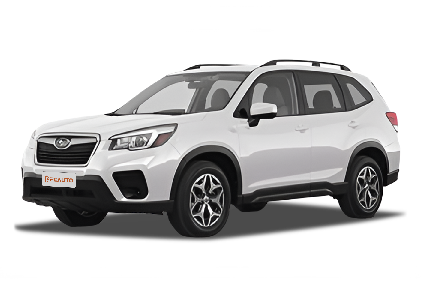
The main difference between the 2018 and 2019 Subaru Foresters lies in the fact that the 2019 model received a full fifth-generation redesign. The exterior got a more modern look, with slightly increased overall dimensions and a 30mm longer wheelbase that improves rear passenger space. The 2019 Forester switched to the new Subaru Global Platform (SGP), which significantly boosted body rigidity and optimized the suspension system, leading to noticeable improvements in driving stability and cabin noise insulation.
Under the hood, the 2019 model in the Malaysian market primarily features a 2.0-liter direct-injection naturally aspirated engine paired with a Lineartronic CVT transmission. While horsepower remains similar to the 2018 version, fuel efficiency sees an uptick. Inside, the 2019 Forester gets an all-new interior design, with a larger standard infotainment screen and, for the first time, the inclusion of Subaru's EyeSight driver assistance system (on select trim levels), which bundles adaptive cruise control and pre-collision braking.
Notably, the 2019 model dropped the previous turbocharged variant but enhanced the functionality of the X-Mode off-road system. For Malaysian consumers, the 2019 Forester better meets the latest ASEAN NCAP safety standards. It also retains a 220mm ground clearance, making it well-suited to local road conditions. If considering a used car purchase, the 2019 model's updated platform offers potential long-term durability benefits. Meanwhile, some 2018 models might present more attractive pricing due to the lack of the EyeSight system.
Special Disclaimer: This content is published by users and does not represent the views or position of PCauto.
Related Q&A
Q
How big is the gas tank on a 2019 Forester?
The 2019 Subaru Forester has a fuel tank capacity of 16.6 gallons (approximately 63 liters), a design that delivers an extended driving range, perfect for both long highway trips and daily city commutes in Malaysia. As a compact SUV, the Forester's tank size strikes a nice balance between fuel efficiency and practicality. Paired with its 2.5-liter boxer engine and Symmetrical AWD system, it handles a variety of road conditions – from Malaysia's frequent rainy season wet roads to rough suburban terrains. For owners who love road trips or often drive between states, that larger tank means fewer stops at the pump and more convenience. Keep in mind, though, actual range can vary based on driving habits, road conditions, and vehicle load. Regular maintenance is a good idea to keep fuel efficiency in check. Also, the Forester's fuel tank is made of resin, which is lightweight and corrosion-resistant – a common feature in Subaru models.
 TwilightMysteryOct 28, 2025
Q
What kind of engine is in the 2019 Subaru Forester?
The 2019 Subaru Forester in the Malaysian market comes with a 2.0-liter horizontally opposed four-cylinder naturally aspirated engine (FB20 type), delivering 156 horsepower and 196 Nm of peak torque. It's paired with a Lineartronic continuously variable transmission (CVT) and the Symmetrical All-Wheel Drive system. This engine features direct injection technology, optimizing fuel efficiency and low-end torque performance—perfect for Malaysia's mix of urban and suburban roads. The boxer engine's low center of gravity enhances cornering stability, while the full-time AWD system handles slippery wet roads during the monsoon season. Notably, Subaru's engine layout stands out from most brands; its horizontally opposed configuration effectively reduces vibration, though owners should keep up with regular maintenance to ensure long-term reliability. If you're craving more power, check out the brand's turbocharged models, but the naturally aspirated version is easier on maintenance costs and fuel compatibility—better suited for Malaysia's daily driving conditions.
 DazzlingSparkleOct 28, 2025
Q
What is the oil temperature in Forester 2019?
The oil temperature of the 2019 Subaru Forester typically stays between 90°C and 110°C under normal driving conditions. It might briefly rise to around 120°C during spirited driving or in high-temperature environments, but the boxer engine and efficient cooling system do a solid job of keeping it in check. For Malaysian owners, the tropical climate could push the oil temperature a bit higher. I'd recommend regularly checking the oil condition and using fully synthetic oil that meets the factory specs to ensure optimal lubrication and heat dissipation. Oil temperature is a key indicator of engine health—too high can cause lubrication failure, while too low hurts fuel economy. The Forester's oil temperature gauge or warning light helps keep an eye on any issues. During routine maintenance, besides oil temperature, keep an eye on coolant levels and radiator cleanliness since these also affect oil temperature indirectly. If you notice the oil temperature spiking abnormally often, head to an authorized service center for a professional check to avoid potential long-term engine damage from prolonged high temperatures.
 CreatorIdeaOct 28, 2025
Q
How many litres are in a 2019 Subaru Forester?
The 2019 Subaru Forester has a 55-liter fuel tank, which is above average for its SUV class. That's a solid size for both long highway drives and city commutes here in Malaysia. True to Subaru's focus on practicality and safety, the tank design also ties into the Forester's fuel efficiency. Pairing the 2.0-liter boxer engine with the Lineartronic CVT delivers a smooth ride and pretty decent gas mileage. For Malaysian drivers, 55 liters means fewer stops at the pump since you can cover more ground on a full tank. Plus, Subaru's Symmetrical All-Wheel Drive system is a real plus during Malaysia's rainy seasons, giving better grip and stability on wet roads. And hey, keeping up with regular maintenance and driving smart can definitely help stretch that fuel even further. It's always a good idea to stick to the official service schedule to keep your Forester running at its best.
 InventorMindOct 28, 2025
Q
How to check oil level 2019 Subaru Forester?
To check the oil level in a 2019 Subaru Forester, first make sure the vehicle is parked on level ground and the engine is turned off. Wait 5-10 minutes to let the oil drain back into the oil pan, then pop the hood and locate the dipstick—it’s usually got a yellow or orange pull tab. Pull it out, wipe it clean with a rag, stick it back in all the way, then pull it out again. Check where the oil mark lands—it should be between the "MIN" and "MAX" lines. If it’s below "MIN", top it off with the oil specified in the owner’s manual. If it’s at or above "MAX", you’ll need to drain some out to prevent engine damage. With Malaysia’s hot climate, it’s a good idea to check the oil condition regularly too. If it looks black or has metal particles, you might need an early oil change. Also, the Forester’s boxer engine tends to burn a bit more oil than inline engines, so owners should get in the habit of checking it monthly to keep the engine well-lubricated and extend its life.
 ClimberPeakOct 28, 2025
Q
How much oil does a 2019 Subaru Forester take?
The 2019 Subaru Forester has an oil capacity of approximately 5.4 liters, including the oil filter. If you're just changing the oil without replacing the filter, you'll need around 5.0 liters. The exact amount might vary slightly depending on the engine model or region, so it's best to check your vehicle's owner's manual or consult an authorized Subaru Malaysia dealer for precise info. In Malaysia's hot and humid climate, picking the right oil viscosity is super important. The Forester typically recommends 0W-20 or 5W-30 full synthetic oil – these types hold up well under high temperatures, maintaining good lubrication while also helping boost fuel efficiency. Regular oil and filter changes are key to keeping your engine healthy; it's generally advised to do this every 10,000 kilometers or 6 months, whichever comes first. Plus, Subaru's Boxer engine has that unique horizontally opposed design, which means it's a bit pickier about oil. So make sure you use oil that meets Subaru's certification standards to keep the engine running smoothly for the long haul. If you're not sure how to choose the right oil or handle the maintenance, head over to Subaru Malaysia's official service centers. Their professional technicians will hook you up with solid advice and service.
 MusicianNoteOct 28, 2025
Q
How big is the fuel tank on a 2019 Subaru Forester?
The 2019 Subaru Forester has a 55-liter fuel tank capacity. This design balances daily commuting and long-distance travel needs while delivering solid range performance. For Malaysian users, a 55-liter tank is above average for the SUV class, handling most driving scenarios—like the KL to Penang highway run without constant refueling stops. As a practical, safety-focused SUV, the Forester's tank design also factors in fuel economy. Paired with its 2.0-liter boxer engine and CVT transmission, it delivers well-rounded fuel efficiency. Malaysia's varied road conditions, from city traffic jams to rural mountain roads, are no match for the Forester's tank size and fuel efficiency, ensuring consistent driving experiences. If you frequently take long trips, make sure to regularly check the fuel tank and system for optimal performance and safety. Also, keep an eye on Subaru's recommended fuel additives to keep the engine clean and running efficiently.
 SwimmerStrokeOct 28, 2025
Q
Is 2019 Forester direct injection?
The 2019 Subaru Forester does come with Direct Injection technology. It's powered by Subaru's FB20 2.0-liter horizontally opposed four-cylinder engine, which combines direct fuel injection with Subaru's unique DOHC (Double Overhead Camshaft) design. This setup boosts fuel efficiency and power output while cutting emissions, making it perfect for both city driving and long trips around Malaysia. The perks of direct injection lie in finer fuel atomization and more precise control over fuel delivery, which ramps up combustion efficiency. But here's the thing—over time, carbon buildup might form on the intake valves, so regular engine maintenance is a good idea to keep it running at its best. Subaru's Symmetrical All-Wheel Drive system is another big win for the Forester. Paired with X-Mode off-road mode, it handles Malaysia's diverse road conditions with ease, whether it's slippery wet roads during the monsoon or rough terrain in the countryside. On top of that, the Forester is equipped with the EyeSight driver assist system, offering features like pre-collision braking and adaptive cruise control to up the safety ante even more. For Malaysian buyers, the 2019 Forester strikes a solid balance between technology, performance, and practicality, making it a SUV well worth considering.
 GamerZoneOct 28, 2025
Q
What is the maintenance schedule for a 2019 Forester?
The 2019 Subaru Forester's maintenance schedule recommends regular servicing every 6 months or 10,000 kilometers, whichever comes first. This primarily involves an oil and oil filter change, along with inspections of the brake system, tires, suspension, and undercarriage. You'll also need to replace the air filter every 30,000 kilometers and the spark plugs every 60,000 kilometers. For the transmission fluid and differential oil, it's advisable to check or replace them every 40,000 kilometers to maintain optimal four-wheel-drive performance.
Given Malaysia's climate, pay extra attention to cleaning the cabin air filter – replace it every 15,000 kilometers. The hot and humid conditions can easily lead to mold growth, which affects in-car air quality. Additionally, if you mostly do short city drives, consider shortening the oil change interval to 5,000 kilometers since frequent stop-starts accelerate oil degradation.
The Forester's EyeSight driver assistance system also requires regular calibration, especially after replacing the windshield or being involved in a collision. It's best to have this done at an authorized service center. Note that maintenance intervals may need adjustment based on actual driving conditions. For example, if you frequently drive on gravel roads or coastal areas, you should inspect the brakes and check for undercarriage rust earlier than scheduled.
 PiaOct 28, 2025
Q
What is the safety rating of the 2019 Subaru Forester?
The 2019 Subaru Forester excels in safety performance, earning high marks from several authoritative organizations. The Insurance Institute for Highway Safety (IIHS) awarded it the highest rating of "Top Safety Pick+," thanks largely to its robust body structure, standard EyeSight driver assistance system across all trims, and a suite of active safety technologies like automatic emergency braking, lane keep assist, and adaptive cruise control. These features provide added safety even on Malaysia's variable road conditions. For Malaysian consumers, the Forester also boasts an excellent Symmetrical All-Wheel Drive system, which enhances handling stability during rainy weather or on rough terrain, while its generous ground clearance suits some of the country's unpaved roads. It's worth noting that while safety ratings are important, actual driving safety also depends on regular maintenance, tire condition, and driving habits. We recommend owners prioritize tires with strong wet grip, considering local climate characteristics like heavy rainfall, and regularly check the brake system to fully unleash the Forester's safety potential.
 DreamyHorizonOct 28, 2025
Popular Cars
Model Year
Car Compare
Car Photo
Related Models
 Cars
CarsLatest Q&A
Q
Is AMT similar to automatic?
There are significant differences between AMT transmissions and automatic transmissions (AT) in terms of core structure and driving experience. AMT is essentially an electronically automated version of a manual transmission, simulating manual clutch operation and gear shifting through a computerized control system while retaining the gear set structure of manual transmissions. As a result, it offers higher transmission efficiency, with fuel consumption approximately 8%-12% lower than AT, making it particularly suitable for highway or long-distance driving. However, it may exhibit jerking similar to manual transmissions during low-speed gear shifts, especially noticeable in congested traffic conditions.
AT transmissions rely on torque converters for power transfer, delivering smooth and seamless gear shifts that appeal to comfort-oriented users. However, their complex structure (incorporating planetary gear sets, hydraulic systems, etc.) results in higher maintenance costs. A single service may cost between 800 to 1,500 ringgit, whereas AMT only requires gear oil replacement at approximately 400 ringgit.
From a market perspective, AMT is predominantly used in budget vehicles or commercial models priced below 80,000 ringgit, while AT is typically featured in mid-to-high-end vehicles. Consumers should select based on actual needs: AMT suits those prioritizing fuel efficiency and low maintenance costs, while AT better serves those valuing comfort. Notably, recent advancements in AMT electronic control technology have significantly mitigated jerking issues, though test drives should still emphasize low-speed performance evaluation.
 AriaMar 26, 2026
Q
Which is better, DCT or AT?
DCT (Dual-Clutch Transmission) and AT (Automatic Transmission) each have their own advantages and disadvantages, and the choice should be based on personal driving needs. AT transmissions transfer power through a torque converter, offering excellent shift smoothness, making them suitable for urban commuting or novice drivers. However, they tend to have higher fuel consumption, and vehicles equipped with them are usually more expensive. DCT transmissions utilize a dual-clutch structure, featuring fast shift speeds and high power transmission efficiency, which provides a more direct driving experience—particularly suitable for users seeking a sporty feel. However, they may exhibit jerking at low speeds and have relatively high maintenance costs. If durability and comfort are priorities, AT is the more reliable choice; if power responsiveness and driving pleasure are preferred, wet DCT (such as Volkswagen DSG) performs better, though dry DCT models should be avoided in prolonged stop-and-go traffic conditions. Additionally, CVT transmissions excel in smoothness and fuel efficiency, making them ideal for daily commuting, but they lack driving excitement. It is recommended to test-drive before purchasing, as tuning varies significantly across brands, and real-world experience is more important than theoretical specifications.
 FlutteringMar 26, 2026
Q
Is Amt good or bad?
AMT gearboxes have a significant cost advantage in the local market, typically being around 5,000 Ringgit cheaper than models equipped with conventional automatic transmissions. Their fuel efficiency is comparable to manual transmissions, resulting in long-term fuel savings. Featuring a straightforward design, they achieve transmission efficiency exceeding 90% with relatively low maintenance costs, making them ideal for practicality-oriented consumers. However, their shifting logic contains inherent limitations: gear changes between 1st and 2nd cause 0.3-0.5 second power interruptions, while unintended upshifts on inclines may reduce engine speed by 15%-20%, compromising driving smoothness. For urban commuters or budget-conscious buyers, AMT offers excellent value, though those prioritizing premium driving dynamics should consider alternative transmission types. Some domestic models like the Perodua Axia employ enhanced AMT systems, where optimized shift programming has reduced gearshift shock by approximately 30%.
 RainbowsMar 26, 2026
Q
Which gives better mileage, CVT or AMT?
From the perspective of fuel economy, CVT transmissions generally perform better under urban driving conditions. Their continuously variable design allows the engine to consistently operate within the optimal speed range, significantly reducing fuel consumption during frequent starts and stops. Test data shows that their fuel consumption in urban driving conditions is 10% to 15% lower than that of comparable models. AMT transmissions, on the other hand, inherit the high transmission efficiency of manual transmissions, delivering fuel efficiency close to manual transmissions during high-speed cruising. This makes them particularly suitable for long-distance driving in large-displacement vehicles. However, due to power interruption during gear shifts, their overall fuel consumption may be 5% to 8% higher than CVTs.
The difference in fuel-saving characteristics between the two transmissions stems from their technical principles: CVTs achieve continuous variability through steel belts and pulleys, eliminating the fixed gear ratio limitations of traditional transmissions; AMTs simulate manual gear changes via electronic control systems while maintaining the mechanical efficiency of gear transmission. Notably, actual fuel consumption is also influenced by driving habits. Smooth acceleration and anticipatory deceleration can maximize the transmissions' fuel-saving potential. If the vehicle budget permits and urban commuting is the primary use, CVTs offer a more economical choice. For frequent highway driving with an emphasis on cost-effectiveness, AMTs are equally worth considering.
 RubyBlazeMar 26, 2026
Q
Which is cheaper, AMT or CVT?
In terms of gearbox cost, AMT is usually more economical than CVT. Essentially, AMT is a manual transmission equipped with an electronic control unit, featuring a simple structure and low maintenance costs. The unit price ranges from approximately 5,000 to 8,000 ringgit, making it suitable for budget-conscious consumers or those who prioritize long-term operating costs. CVT incurs higher manufacturing costs due to its precision steel belt transmission system and continuous variable transmission technology, with a unit price of about 7,000 to 10,000 ringgit. However, it delivers a smoother driving experience and superior fuel efficiency. The primary differences between the two lie in technical complexity: AMT retains the gear-shifting mechanism, resulting in noticeable shift shock; CVT achieves linear power output through stepless speed variation but requires periodic belt inspection and incurs higher maintenance expenses. For those prioritizing initial cost and basic transportation needs, AMT offers better value; if comfort and long-term fuel economy are priorities, CVT represents a more worthwhile investment. Note that actual prices may vary based on vehicle model, brand, and local supply chain factors.
 ShadowProwlMar 26, 2026
Related News

Subaru plans to launch a new Forester in 2026, adding a 1.8L Turbo power version
Kevin WongFeb 11, 2026

Subaru switched to a CBU strategy, CX-5 prices dropped significantly, who is the ultimate choice for handling performance?
RobertDec 30, 2025

Subaru XV Common Problems: These 5 Major Issues You Should Know About
RobertMar 23, 2026

Does STI still have a future? Subaru gives the most ambiguous answer with two concept cars
Kevin WongDec 15, 2025

Subaru Registers New EV Trademark, Signaling Strategic Shift
Kevin WongAug 8, 2025
View More
Pros
Cons