
Q
What is the difference between BMW X1 2020 and 2021?
 TravelBugDec 02, 2025, 03:20 PM
The 2020 and 2021 BMW X1 models share nearly identical exterior styling and core specs, with updates primarily focused on tech features and subtle refinements. The 2021 version comes standard with a 10.25-inch touchscreen (versus the 8.8-inch unit on base 2020 models) and upgrades to the latest iDrive 7 system, adding wireless Apple CarPlay/Android Auto and more responsive voice controls.
Both model years offer the same powertrain options: a 136-hp 1.5L 3-cylinder or a 192-hp 2.0L 4-cylinder, paired with either a 7-speed dual-clutch or 8-speed automatic transmission. That said, the 2021 X1 gets slightly retuned suspension for better low-speed cornering stability and adds adjustable sensitivity for its automatic emergency braking system.
On the used market, the 2021 model typically holds its value slightly better thanks to the more advanced infotainment, though real-world driving differences are minimal. If you're budget-conscious, the 2020 offers better value, while the 2021 is the pick for cutting-edge tech.
As a standout in the luxury compact SUV segment, the X1 continues to impress with its roomy rear seats and versatile cargo space—ideal for buyers who prioritize practicality.
Special Disclaimer: This content is published by users and does not represent the views or position of PCauto.
Related Q&A
Q
What engine is in the X1 2020?
The 2020 BMW X1 offers a range of powertrain options tailored to different markets, including gasoline, diesel, and plug-in hybrid variants. The gasoline lineup is headlined by the B48-series 2.0L turbocharged engine, available in two states of tune: a lower-output version (sDrive20i) producing 192 hp and a higher-output variant (xDrive25i) delivering 231 hp. These are paired with either a 7-speed dual-clutch or an 8-speed automatic transmission—a combo praised for its efficiency and frugal fuel consumption. Key tech features include twin-scroll turbos, direct injection, and Valvetronic variable valve lift.
Diesel markets get the B47 2.0L turbodiesel, though availability varies by region. Eco-conscious buyers can opt for the xDrive25e plug-in hybrid, which mates a 1.5L three-cylinder engine with an electric motor for around 50 km of pure-electric range.
Notably, BMW’s modular engine design (shared across B48/B47 units) simplifies maintenance while meeting Euro 6 standards. These engines adapt well to local fuel quality and climate conditions, serving up ample low-end torque for smooth city driving. Their widespread use across BMW’s lineup also means better parts compatibility.
 HappyMillipedeDec 2, 2025
Q
Does the 2020 X1 have remote start?
The 2020 BMW X1 did offer remote engine start on select configurations, but here's the catch – this feature typically requires both ConnectedDrive services and either a compatible key fob or the BMW app. Whether your vehicle has it depends entirely on the original factory options and trim level.
Cars ordered with the Convenience Package or Technology Package likely included this functionality. Owners can fire up the engine remotely via the BMW Connected app to precondition the cabin – cooling it in summer or warming it up in winter, with optional seat heating activation.
This tech uses wireless modules to communicate with the ECU, becoming increasingly common across the industry. Just be aware: it's a notorious battery drain. We recommend pairing it with auto start-stop systems and avoiding extended use. Like most German marques, BMW integrates remote start within its telematics system – ensure your X1 is parked in an open area, in Park, with doors locked (some models enforce this).
Pro tip: Check your iDrive vehicle settings menu or pull the original build sheet from your dealer if unsure about compatibility. That massive sunroof option might've been more memorable than the tech specs when you took delivery.
 HappySpiderDec 2, 2025
Q
Does my 2020 BMW X1 have remote start?
The 2020 BMW X1 does offer remote engine start in certain configurations, but availability depends on your specific trim level and optional packages. Typically, you'll need to activate this feature either through the BMW ConnectedDrive app or via a specific key fob sequence.
If your vehicle is equipped with remote start, you can fire up the engine from your smartphone to warm up or cool down the cabin in advance—a real game-changer in extreme weather. Just keep in mind that local regulations or vehicle settings might restrict this functionality, so it’s worth checking your owner’s manual or confirming with a BMW dealer for details.
Beyond remote start, modern BMWs pack other smart features like remote lock/unlock, window control, and real-time vehicle status monitoring. These aren’t just convenient; they add an extra layer of security. If you’re into this tech, explore BMW’s ConnectedDrive services—though some features may require a subscription, they seriously upgrade your daily driving experience.
 FrostyWhisperDec 2, 2025
Q
Does the 2020 BMW X1 have blind spot monitoring?
The 2020 BMW X1 does offer blind spot monitoring on select higher-trim models. This safety feature uses warning lights in the side mirrors to alert drivers of approaching vehicles when changing lanes. Just keep in mind it wasn't standard across the entire lineup - you'll want to check the original window sticker or ask the dealer to confirm if a particular model has it.
As part of the advanced driver assistance systems (ADAS), blind spot detection is common in this segment, with rivals like the Mercedes GLA and Audi Q3 offering similar functionality, though implementation varies. Some systems integrate rear cross-traffic alerts, for instance. Using either radar sensors or cameras, the technology proves especially useful for highway driving or navigating busy urban streets.
Pro tip for used X1 shoppers: Always test this feature during your test drive. Proper sensor calibration is critical - I've seen cases where minor bumper damage throws off the entire system's reliability.
 HealerzzDec 2, 2025
Q
Does the 2020 BMW X1 have a head-up display?
The 2020 BMW X1 does offer a Head-Up Display on select higher-trim models. This tech projects key info like speed and navigation prompts onto the windshield, letting drivers keep their eyes on the road. Just a heads-up – it's typically an optional extra or reserved for top-spec versions like xLine or M Sport, depending on how the car was optioned.
Originally from aviation, head-up displays are now a common luxury car feature. While the X1's system sticks to basics like driving data, some models can integrate driver assists and media info too. If you're keen on this feature, double-check the spec sheet or ask your dealer – equipment can vary between model years.
Newer systems have fancier tricks like AR navigation, but the 2020 X1 keeps it simple with just the essentials.
 FriendzzDec 2, 2025
Q
Does the 2020 BMW X1 have heated seats?
The 2020 BMW X1 does offer heated front seats on select higher-trim models, depending on the optional packages or trim levels. This feature typically comes standard on mid-to-high variants like the sDrive20i xLine or xDrive25i.
While heated seats may be less frequently used in hot climates compared to temperate regions, they still enhance comfort during rainy seasons or long drives—especially when leather seats feel chilly with the AC on. BMW’s heating system usually provides multi-level temperature adjustments, controlled either via the infotainment screen or dedicated buttons, and is one of the brand’s common comfort features.
Note that some base models may require an optional Cold Weather Package (which includes heated seats and a heated steering wheel). To confirm whether a specific vehicle has this feature, check the VIN or refer to the factory manual. Rival luxury SUVs like the Mercedes-Benz GLA or Audi Q3 also widely offer similar functionality, though implementation—such as heating zones or control logic—varies by brand philosophy. For used models, look for the physical heating buttons on the seat bolsters or climate control panel to quickly verify its presence.
 HealerHeartComfortDec 2, 2025
Q
Are BMW X1 2020 reliable?
The 2020 BMW X1 delivers solid reliability overall. Its B-series turbocharged engines, especially the B48 2.0T variant, strike a good balance between power and fuel efficiency. With proper maintenance, these proven powertrains show relatively low failure rates.
True to BMW’s DNA, the X1 offers sporty handling with a tuned-for-agility chassis, while cabin space sees a noticeable upgrade over its predecessor—making it practical for families. That said, a few owners have reported occasional minor glitches in the electronics (think sensor false alarms), though these are typically resolved with software updates or quick fixes and don’t impact long-term ownership.
Its above-average resale value in the used market speaks to its dependability. If you’re eyeing a pre-owned X1, pay extra attention to worn suspension bushings and transmission smoothness—common wear points for aging German cars. While maintenance costs run slightly higher than Japanese rivals, the X1 justifies it with sharper driving dynamics and premium appeal. A solid pick for brand-conscious drivers who want engagement behind the wheel.
 DesignerDec 2, 2025
Q
Does the 2020 BMW X1 have a spare tire?
The 2020 BMW X1 doesn’t come with a conventional spare tire from the factory. Instead, it’s equipped with run-flat tires that allow you to keep driving for about 80 kilometers at speeds up to 80 km/h even after a puncture or loss of pressure—enough to reach a repair shop. This design saves trunk space and adds convenience.
That said, run-flats must be replaced or repaired immediately once fully depressurized—they’re not meant for long-term use. If you frequently take long trips or drive to remote areas, you might want to invest in an aftermarket spare tire kit, but check whether your trunk has enough space and ensure the spare matches your vehicle’s specs.
Also worth noting: Run-flat tires cost more to replace than regular ones, and they deliver a firmer ride. It’s a trade-off. To stay safe, make checking tire condition part of your routine maintenance.
 InventorDec 2, 2025
Q
How much is a 2020 BMW X1 worth?
The pre-owned 2020 BMW X1 currently holds a market value between RM140k to RM180k, depending on factors like condition, mileage, trim level (the range-topping xDrive25i commands about 15% premium over base sDrive18i), and service history. Powered by either a 1.5L 3-cylinder or 2.0L 4-cylinder turbocharged engine mated to a 7-speed DCT, this luxury compact SUV maintains decent resale value - typically retaining around 60% of its original price after 3 years.
Pro tip for buyers: Pay special attention to wear-prone components like engine mounts and transmission seals (common maintenance points for BMW's FWD platform models). The original 5-year unlimited mileage warranty is partially transferable to second owners, which sweetens the deal. For financing, banks usually approve up to 70% loan coverage for 3-year-old luxury SUVs like this, with interest rates hovering around 3.5-4.8%.
 JoggerzzDec 2, 2025
Q
How long will a 2020 BMW X1 last?
The 2020 BMW X1, with proper maintenance and reasonable usage, can typically cover 150,000 to 200,000 kilometers or more, lasting up to 10 years or longer. This depends on driving habits, maintenance frequency, road conditions, and other factors.
The 2.0L turbocharged engine and 8-speed automatic transmission are well-proven technologies with strong reliability, but sticking to key maintenance items like oil changes, filter replacements, and transmission fluid flushes is crucial. BMW’s chassis and electronics are also quite durable, though as the car ages, you might need to pay attention to suspension components and electronic systems.
One thing to note: German cars tend to have higher maintenance costs, but using genuine parts and authorized service channels can help extend the vehicle’s lifespan. For used-car buyers, checking complete service records and the actual condition of the car is more important than just focusing on mileage.
If you're curious about long-term ownership in the luxury compact SUV segment, it’s worth comparing rival models—they each have their strengths, but the X1 remains competitive in driving dynamics and brand appeal.
 WhisperingDec 2, 2025
Popular Cars
Model Year
Car Compare
Car Photo
Related Models
 Cars
CarsLatest Q&A
Q
Is AMT similar to automatic?
There are significant differences between AMT transmissions and automatic transmissions (AT) in terms of core structure and driving experience. AMT is essentially an electronically automated version of a manual transmission, simulating manual clutch operation and gear shifting through a computerized control system while retaining the gear set structure of manual transmissions. As a result, it offers higher transmission efficiency, with fuel consumption approximately 8%-12% lower than AT, making it particularly suitable for highway or long-distance driving. However, it may exhibit jerking similar to manual transmissions during low-speed gear shifts, especially noticeable in congested traffic conditions.
AT transmissions rely on torque converters for power transfer, delivering smooth and seamless gear shifts that appeal to comfort-oriented users. However, their complex structure (incorporating planetary gear sets, hydraulic systems, etc.) results in higher maintenance costs. A single service may cost between 800 to 1,500 ringgit, whereas AMT only requires gear oil replacement at approximately 400 ringgit.
From a market perspective, AMT is predominantly used in budget vehicles or commercial models priced below 80,000 ringgit, while AT is typically featured in mid-to-high-end vehicles. Consumers should select based on actual needs: AMT suits those prioritizing fuel efficiency and low maintenance costs, while AT better serves those valuing comfort. Notably, recent advancements in AMT electronic control technology have significantly mitigated jerking issues, though test drives should still emphasize low-speed performance evaluation.
 AriaMar 26, 2026
Q
Which is better, DCT or AT?
DCT (Dual-Clutch Transmission) and AT (Automatic Transmission) each have their own advantages and disadvantages, and the choice should be based on personal driving needs. AT transmissions transfer power through a torque converter, offering excellent shift smoothness, making them suitable for urban commuting or novice drivers. However, they tend to have higher fuel consumption, and vehicles equipped with them are usually more expensive. DCT transmissions utilize a dual-clutch structure, featuring fast shift speeds and high power transmission efficiency, which provides a more direct driving experience—particularly suitable for users seeking a sporty feel. However, they may exhibit jerking at low speeds and have relatively high maintenance costs. If durability and comfort are priorities, AT is the more reliable choice; if power responsiveness and driving pleasure are preferred, wet DCT (such as Volkswagen DSG) performs better, though dry DCT models should be avoided in prolonged stop-and-go traffic conditions. Additionally, CVT transmissions excel in smoothness and fuel efficiency, making them ideal for daily commuting, but they lack driving excitement. It is recommended to test-drive before purchasing, as tuning varies significantly across brands, and real-world experience is more important than theoretical specifications.
FlutteringMar 26, 2026Q
Is Amt good or bad?
AMT gearboxes have a significant cost advantage in the local market, typically being around 5,000 Ringgit cheaper than models equipped with conventional automatic transmissions. Their fuel efficiency is comparable to manual transmissions, resulting in long-term fuel savings. Featuring a straightforward design, they achieve transmission efficiency exceeding 90% with relatively low maintenance costs, making them ideal for practicality-oriented consumers. However, their shifting logic contains inherent limitations: gear changes between 1st and 2nd cause 0.3-0.5 second power interruptions, while unintended upshifts on inclines may reduce engine speed by 15%-20%, compromising driving smoothness. For urban commuters or budget-conscious buyers, AMT offers excellent value, though those prioritizing premium driving dynamics should consider alternative transmission types. Some domestic models like the Perodua Axia employ enhanced AMT systems, where optimized shift programming has reduced gearshift shock by approximately 30%.
 RainbowsMar 26, 2026
Q
Which gives better mileage, CVT or AMT?
From the perspective of fuel economy, CVT transmissions generally perform better under urban driving conditions. Their continuously variable design allows the engine to consistently operate within the optimal speed range, significantly reducing fuel consumption during frequent starts and stops. Test data shows that their fuel consumption in urban driving conditions is 10% to 15% lower than that of comparable models. AMT transmissions, on the other hand, inherit the high transmission efficiency of manual transmissions, delivering fuel efficiency close to manual transmissions during high-speed cruising. This makes them particularly suitable for long-distance driving in large-displacement vehicles. However, due to power interruption during gear shifts, their overall fuel consumption may be 5% to 8% higher than CVTs.
The difference in fuel-saving characteristics between the two transmissions stems from their technical principles: CVTs achieve continuous variability through steel belts and pulleys, eliminating the fixed gear ratio limitations of traditional transmissions; AMTs simulate manual gear changes via electronic control systems while maintaining the mechanical efficiency of gear transmission. Notably, actual fuel consumption is also influenced by driving habits. Smooth acceleration and anticipatory deceleration can maximize the transmissions' fuel-saving potential. If the vehicle budget permits and urban commuting is the primary use, CVTs offer a more economical choice. For frequent highway driving with an emphasis on cost-effectiveness, AMTs are equally worth considering.
 RubyBlazeMar 26, 2026
Q
Which is cheaper, AMT or CVT?
In terms of gearbox cost, AMT is usually more economical than CVT. Essentially, AMT is a manual transmission equipped with an electronic control unit, featuring a simple structure and low maintenance costs. The unit price ranges from approximately 5,000 to 8,000 ringgit, making it suitable for budget-conscious consumers or those who prioritize long-term operating costs. CVT incurs higher manufacturing costs due to its precision steel belt transmission system and continuous variable transmission technology, with a unit price of about 7,000 to 10,000 ringgit. However, it delivers a smoother driving experience and superior fuel efficiency. The primary differences between the two lie in technical complexity: AMT retains the gear-shifting mechanism, resulting in noticeable shift shock; CVT achieves linear power output through stepless speed variation but requires periodic belt inspection and incurs higher maintenance expenses. For those prioritizing initial cost and basic transportation needs, AMT offers better value; if comfort and long-term fuel economy are priorities, CVT represents a more worthwhile investment. Note that actual prices may vary based on vehicle model, brand, and local supply chain factors.
 ShadowProwlMar 26, 2026
Related News
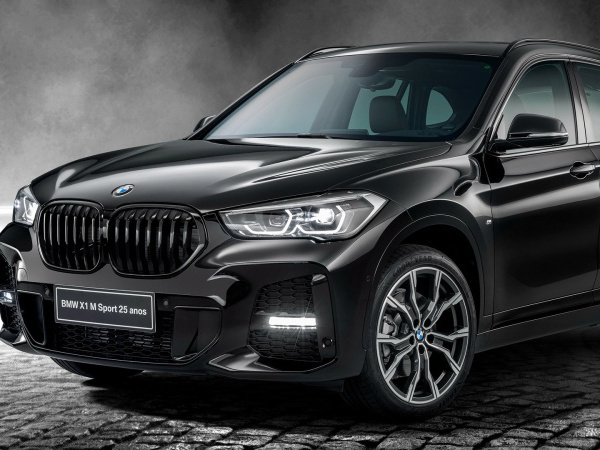
BMW X1: Outstanding Fuel Efficiency to Lower Travel Costs
RobertMay 14, 2025
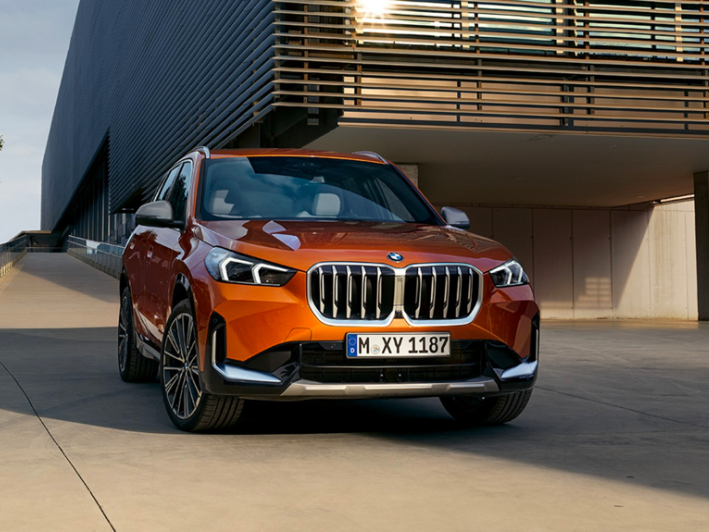
2023 BMW X1 sDrive20i xLine Priced at RM 259,800, with 2.0L Turbo Engine
LienJun 24, 2024

The all-new BMW i5 eDrive40 M Sport Pro lands in Malaysia
LienJan 16, 2026

Audi RS6 sedan version may return to compete fully with the BMW M5
WilliamNov 21, 2025

Neue Klasse platform's first mass-produced vehicle, the all-new BMW iX3 makes its debut, looks just like a concept car
LienSep 8, 2025
View More
Pros
Cons