
Q
What's the Second-Hand Price of Honda City Hatchback? Check It Here!
 MoeJun 26, 2025, 11:00 AM
The price of used Honda City Hatchbacks is influenced by factors such as vehicle age, mileage, condition, and configuration. For models produced after 2020, the used price ranges approximately from RM70,000 to RM95,000 (depending on whether it's the V, E, or RS version). The 2018 - 2020 models may cost around RM50,000 to RM70,000, while the earlier 2015 - 2017 models are about RM35,000 to RM50,000. Vehicles with the high - spec RS version, low mileage, and a complete maintenance record usually retain a relatively high residual value.
It is recommended to check the actual market situation through certified second - hand car platforms like Carsome or MyTukar before making a purchase. Also, be sure to examine the vehicle condition report (such as PUSPAKOM inspection), maintenance records, and accident history.
In addition, since Honda has a large number of vehicles on the road in Malaysia and the parts supply is abundant, the used City Hatchback is still a relatively value - retaining hatchback option. However, it should be noted that the maintenance cost of the turbocharged version (such as the RS e:HEV hybrid) may be slightly higher.
Special Disclaimer: This content is published by users and does not represent the views or position of PCauto.
Related Q&A
Q
How much is a Honda 2021 worth?
The current value of a 2021 Honda depends on factors like the specific model, mileage, condition, and equipment. Take popular models like the City or CR-V – used prices typically range from RM60,000 to RM140,000. Low-mileage, well-maintained high-spec versions will be closer to the upper end. For an accurate valuation, check recent transaction records on local used car platforms or use professional valuation tools by inputting detailed vehicle info for a report. It's worth noting that Hondas hold their value well in the used market, especially hybrid versions, thanks to their reliable powertrains and low maintenance costs. Also, when buying a used Honda, focus on checking the CVT transmission condition and engine service records, and see if the original factory warranty is still valid – these factors significantly impact residual value. For owners considering upgrading, doing a full service and keeping the receipts before selling can help boost the transaction price.
 VivNov 11, 2025
Q
How much is a Honda City hatchback in 2021?
When the 2021 Honda City Hatchback launched locally, it came in two variants: the 1.5L S and 1.5L V, with starting prices of approximately RM75,000 and RM82,000 respectively. Exact pricing could vary depending on optional accessories or promotional offers. Powering this model is a 1.5-liter i-VTEC engine paired with a CVT transmission, focusing on fuel efficiency and practical space. Its hatchback design makes it more suitable for urban driving and cargo needs compared to the traditional sedan version. Key competitors in its class include the Toyota Yaris and Nissan Almera, but the City Hatchback stands out with Honda's Honda Sensing safety suite and the flexible Magic Seat design for the rear row. It's worth noting that used car market prices are influenced by vehicle condition, mileage, and remaining warranty period. Before purchasing, it's advisable to get the latest quotes through official channels and compare after-sales packages from different dealers, such as the number of free maintenance services or extended warranty coverage—these add-ons can impact the overall cost of ownership.
 UlaNov 11, 2025
Q
What is the most sold vehicle in 2023?
The world's best-selling vehicle in 2023 was the Toyota RAV4. This compact SUV won over drivers worldwide with its solid reliability, practical interior space, and strong fuel efficiency. Malaysia was no exception – Toyota already enjoys a stellar reputation there, and the RAV4 Hybrid specifically appealed to eco-conscious buyers looking to reduce their carbon footprint.
In Malaysia, alongside the RAV4, local car buyers have long favored affordable, tough-as-nails workhorses like the Perodua Myvi and Proton Saga. These two consistently top the sales charts because they’re perfectly suited to Malaysia’s unique road conditions and fit right into local driving habits and budgets.
What’s really interesting though is the growing buzz around electric vehicles (EVs) in Malaysia, thanks to advancing EV tech. Models like the Tesla Model Y and BYD Atto 3 are starting to turn heads. They haven’t quite dethroned traditional petrol-powered cars yet, but their sales numbers are climbing steadily – definitely a trend to watch.
If you’re in the market for a car in Malaysia, don’t just go by sales figures alone. It’s smart to weigh up factors like fuel consumption (or energy efficiency for EVs), how much maintenance will cost, insurance premiums, and whether the car actually fits your daily driving needs. Do that, and you’ll end up with a ride that’s truly right for you.
 DreamyEscapeOct 23, 2025
Q
What's the safest car in 2023?
The safest cars of 2023 are typically those that scored a full five-star rating from global safety authorities like Euro NCAP or ASEAN NCAP. Think models such as the Volvo XC90, Toyota Corolla Cross, or Honda CR-V – these rides come packed with advanced active and passive safety tech. We're talking pre-collision systems, lane-keeping assist, adaptive cruise control, and up to eight airbags, all working together to keep occupants well-protected when things get hairy.
For Malaysian drivers, picking a safe car means factoring in our unique road conditions and climate too. Features like Electronic Stability Control (ESC) and Anti-lock Braking Systems (ABS) are total must-haves, especially during the rainy season when roads turn slippery. And here's a pro tip: ASEAN NCAP's testing standards are tailored to Southeast Asia's real-world driving environments, so their ratings hit closer to home than generic international data.
But let's not forget – a car's safety isn't just about the specs on paper. Regular maintenance and smart driving habits play a huge role too. Even if you're behind the wheel of a top-safety-rated vehicle, staying alert and focused is still your best defense out there.
 BreezyOceanOct 23, 2025
Q
What Honda models are being recalled in 2023?
Honda Malaysia issued a recall in 2023 covering several models. The recall primarily affects certain City and City Hatchback units produced between 2020 and 2022, along with specific HR-V models manufactured from 2021 to 2023. The root cause? A potential issue with the fuel pump module that, in worst-case scenarios, could lead to engine stalling – a definite safety concern. If you own one of these, reach out to your local authorized Honda dealer to get the fuel pump module replaced at no cost. Additionally, some 2022 CR-V models were also pulled back due to a problem with the seatbelt pretensioners.
For Honda owners in Malaysia worried if their ride is included, there are a couple of ways to check. Head over to Honda Malaysia's official website and use their recall lookup tool – just plug in your Vehicle Identification Number (VIN). Alternatively, you can give Honda Malaysia's customer service hotline a direct call.
It’s important to remember: a recall is a sign of a manufacturer taking responsibility, aiming to nip potential safety issues in the bud. If you get a recall notice, don’t delay – schedule that repair as soon as possible. And even outside of recalls, if you notice anything off with your car while driving, reach out to your dealer right away to have it checked. Sticking to regular maintenance schedules and keeping an eye on official announcements are also key habits to keep you safe on the road.
 GlimmeringOct 23, 2025
Q
How much is a battery for a Honda Civic 2023?
The battery replacement cost for a 2023 Honda Civic in Malaysia typically ranges from RM500 to RM1,500. The exact price depends on the battery type, brand, and where you get it replaced. Original equipment maintenance-free batteries, like the 55B24L model, tend to be pricier, while equivalent third-party options from brands such as Panasonic or Bosch often offer better value. I'd recommend heading to an authorized Honda service center for an accurate quote—you'll get professional installation and warranty coverage that way.
It's important to note that hybrid variants, like the e:HEV model, use high-voltage lithium-ion battery packs. These will cost significantly more to replace than conventional lead-acid batteries and must be handled by certified technicians.
For everyday care, avoiding frequent short trips with lots of startups and minimizing extended electrical use when the engine's off can help extend battery life. If you notice dim headlights or slow cranking when starting, have the voltage tested promptly to avoid getting stranded. Malaysia's hot climate is tough on batteries, so regular checks of the terminals for cleanliness and ensuring the charging system is functioning properly are also key maintenance steps.
 FriendzzOct 23, 2025
Q
What is the difference between the Honda Civic hatch and the sedan 2023?
The key differences between the 2023 Honda Civic Hatchback and Sedan in Malaysia boil down to body design and practicality. The Hatchback rocks a short rear overhang and that sleek fastback profile, which means a wider boot opening and 60/40 split-folding rear seats – way more flexible for hauling bigger stuff compared to the Sedan. If you're regularly carting large items, the Hatchback's your pick.
On the flip side, the Sedan sticks to that classic three-box silhouette and actually offers a slightly larger standard boot capacity (around 418 litres versus the Hatchback's 453 litres with seats folded). Headroom in the back is also a touch better thanks to its more upright roofline.
Under the skin, both variants share the same 1.5L VTEC Turbo engine (182PS/240Nm) mated to a CVT gearbox. Chassis tuning and equipment levels – including the Honda Sensing suite – are identical across the board. That said, the Hatchback might score some sportier RS-exclusive bits in Malaysia, think blacked-out wheels and a rear spoiler to up the aggression factor.
One thing to note: Hatchback owners might find the rear window gets muddier faster in the rain, meaning more frequent use of that rear wiper. Sedans, with their more traditional trunk design, often have better aerodynamics at the rear, which can translate to slightly less wind noise at highway speeds.
Ultimately, it comes down to personal style and how you'll use the car. And good news – both models should cost about the same when it comes to after-sales service and warranty coverage here.
 FixerzzOct 23, 2025
Q
Is the 2023 Civic a good first car?
The 2023 Honda Civic makes a solid pick for young Malaysians buying their first car. It's got that reputation for reliability and good vibes, perfect for daily commutes and family runs. Under the hood, there's a 1.5L turbo engine that delivers plenty of zip, and it's pretty fuel-efficient too – which plays well with Malaysia's road conditions and fuel prices. Inside, space is generous, especially that rear legroom which beats a lot of its competitors, making family trips a lot more comfortable.
Safety-wise, the 2023 Civic comes standard with Honda SENSING, their active safety suite. That means adaptive cruise control, lane keeping assist, and more – all stuff that adds peace of mind when you're behind the wheel. Plus, Honda's got a strong service network here in Malaysia, so getting it serviced or repaired is relatively hassle-free and won't break the bank.
For first-time buyers, going with a popular model like the Civic also means better resale value down the line – easier to sell when you're ready to upgrade. And hey, as a new driver, it's not just about the car's performance. You've gotta think about insurance and road tax too. The Civic checks those boxes as well, keeping things affordable. All in all, it's a well-rounded, practical choice for your first set of wheels.
 InventorOct 23, 2025
Q
How big is the gas tank on a 2023 Honda Civic Hatchback?
The 2023 Honda Civic Hatchback comes with a 47-liter fuel tank. This design strikes a good balance between daily commuting and long-distance driving needs while maintaining solid fuel efficiency, making it well-suited for the diverse driving scenarios of Malaysian users. For Malaysian consumers, a 47-liter tank is above average for the segment, and when paired with Honda's efficient 1.5-liter turbocharged engine, it delivers respectable range, saving you the hassle of frequent refueling stops.
Of course, while tank size is a consideration when picking a car, real-world fuel consumption also depends on factors like driving habits, road conditions, and vehicle load. We'd recommend regular vehicle maintenance and adopting a smooth driving style to further optimize fuel efficiency. If you often hit the highway for long drives, keeping an eye on your car's fuel consumption figures and planning around petrol station locations can help you map out your journey more effectively.
 DiverDepthMysteryOct 23, 2025
Q
What is the best selling Honda in 2023?
According to 2023 Malaysian auto market figures, the Honda City emerged as the brand's top-seller in the country, thanks to its well-rounded performance, strong value proposition, and practical design tailored to local needs. Offering both a 1.5L i-VTEC engine and a 1.5L e:HEV hybrid option, the City strikes a nice balance between fuel efficiency and pep—perfect for navigating city streets. Toss in its roomy cabin and generous kit, including the Honda Sensing safety suite, and it's easy to see why it's a hit with families and young buyers alike.
The City's success also underscores Malaysians' enduring preference for compact sedans—vehicles that typically hit that sweet spot between affordability, fuel economy, and everyday usability. While rivals like the Toyota Vios and Nissan Almera are tough competitors in this space, the City maintains its edge through Honda's solid brand reputation and constant product updates that keep it fresh. On top of that, Honda's local production strategy in Malaysia helps keep costs in check, allowing for sharper pricing on the City and ultimately giving sales an extra boost.
 DiverOct 23, 2025
Popular Cars
Model Year
Car Compare
Car Photo
Related Models
 Cars
CarsLatest Q&A
Q
Is AMT similar to automatic?
There are significant differences between AMT transmissions and automatic transmissions (AT) in terms of core structure and driving experience. AMT is essentially an electronically automated version of a manual transmission, simulating manual clutch operation and gear shifting through a computerized control system while retaining the gear set structure of manual transmissions. As a result, it offers higher transmission efficiency, with fuel consumption approximately 8%-12% lower than AT, making it particularly suitable for highway or long-distance driving. However, it may exhibit jerking similar to manual transmissions during low-speed gear shifts, especially noticeable in congested traffic conditions.
AT transmissions rely on torque converters for power transfer, delivering smooth and seamless gear shifts that appeal to comfort-oriented users. However, their complex structure (incorporating planetary gear sets, hydraulic systems, etc.) results in higher maintenance costs. A single service may cost between 800 to 1,500 ringgit, whereas AMT only requires gear oil replacement at approximately 400 ringgit.
From a market perspective, AMT is predominantly used in budget vehicles or commercial models priced below 80,000 ringgit, while AT is typically featured in mid-to-high-end vehicles. Consumers should select based on actual needs: AMT suits those prioritizing fuel efficiency and low maintenance costs, while AT better serves those valuing comfort. Notably, recent advancements in AMT electronic control technology have significantly mitigated jerking issues, though test drives should still emphasize low-speed performance evaluation.
 AriaMar 26, 2026
Q
Which is better, DCT or AT?
DCT (Dual-Clutch Transmission) and AT (Automatic Transmission) each have their own advantages and disadvantages, and the choice should be based on personal driving needs. AT transmissions transfer power through a torque converter, offering excellent shift smoothness, making them suitable for urban commuting or novice drivers. However, they tend to have higher fuel consumption, and vehicles equipped with them are usually more expensive. DCT transmissions utilize a dual-clutch structure, featuring fast shift speeds and high power transmission efficiency, which provides a more direct driving experience—particularly suitable for users seeking a sporty feel. However, they may exhibit jerking at low speeds and have relatively high maintenance costs. If durability and comfort are priorities, AT is the more reliable choice; if power responsiveness and driving pleasure are preferred, wet DCT (such as Volkswagen DSG) performs better, though dry DCT models should be avoided in prolonged stop-and-go traffic conditions. Additionally, CVT transmissions excel in smoothness and fuel efficiency, making them ideal for daily commuting, but they lack driving excitement. It is recommended to test-drive before purchasing, as tuning varies significantly across brands, and real-world experience is more important than theoretical specifications.
FlutteringMar 26, 2026Q
Is Amt good or bad?
AMT gearboxes have a significant cost advantage in the local market, typically being around 5,000 Ringgit cheaper than models equipped with conventional automatic transmissions. Their fuel efficiency is comparable to manual transmissions, resulting in long-term fuel savings. Featuring a straightforward design, they achieve transmission efficiency exceeding 90% with relatively low maintenance costs, making them ideal for practicality-oriented consumers. However, their shifting logic contains inherent limitations: gear changes between 1st and 2nd cause 0.3-0.5 second power interruptions, while unintended upshifts on inclines may reduce engine speed by 15%-20%, compromising driving smoothness. For urban commuters or budget-conscious buyers, AMT offers excellent value, though those prioritizing premium driving dynamics should consider alternative transmission types. Some domestic models like the Perodua Axia employ enhanced AMT systems, where optimized shift programming has reduced gearshift shock by approximately 30%.
 RainbowsMar 26, 2026
Q
Which gives better mileage, CVT or AMT?
From the perspective of fuel economy, CVT transmissions generally perform better under urban driving conditions. Their continuously variable design allows the engine to consistently operate within the optimal speed range, significantly reducing fuel consumption during frequent starts and stops. Test data shows that their fuel consumption in urban driving conditions is 10% to 15% lower than that of comparable models. AMT transmissions, on the other hand, inherit the high transmission efficiency of manual transmissions, delivering fuel efficiency close to manual transmissions during high-speed cruising. This makes them particularly suitable for long-distance driving in large-displacement vehicles. However, due to power interruption during gear shifts, their overall fuel consumption may be 5% to 8% higher than CVTs.
The difference in fuel-saving characteristics between the two transmissions stems from their technical principles: CVTs achieve continuous variability through steel belts and pulleys, eliminating the fixed gear ratio limitations of traditional transmissions; AMTs simulate manual gear changes via electronic control systems while maintaining the mechanical efficiency of gear transmission. Notably, actual fuel consumption is also influenced by driving habits. Smooth acceleration and anticipatory deceleration can maximize the transmissions' fuel-saving potential. If the vehicle budget permits and urban commuting is the primary use, CVTs offer a more economical choice. For frequent highway driving with an emphasis on cost-effectiveness, AMTs are equally worth considering.
 RubyBlazeMar 26, 2026
Q
Which is cheaper, AMT or CVT?
In terms of gearbox cost, AMT is usually more economical than CVT. Essentially, AMT is a manual transmission equipped with an electronic control unit, featuring a simple structure and low maintenance costs. The unit price ranges from approximately 5,000 to 8,000 ringgit, making it suitable for budget-conscious consumers or those who prioritize long-term operating costs. CVT incurs higher manufacturing costs due to its precision steel belt transmission system and continuous variable transmission technology, with a unit price of about 7,000 to 10,000 ringgit. However, it delivers a smoother driving experience and superior fuel efficiency. The primary differences between the two lie in technical complexity: AMT retains the gear-shifting mechanism, resulting in noticeable shift shock; CVT achieves linear power output through stepless speed variation but requires periodic belt inspection and incurs higher maintenance expenses. For those prioritizing initial cost and basic transportation needs, AMT offers better value; if comfort and long-term fuel economy are priorities, CVT represents a more worthwhile investment. Note that actual prices may vary based on vehicle model, brand, and local supply chain factors.
 ShadowProwlMar 26, 2026
Related News

Honda City Hatchback vs. BYD Dolphin, how to choose for short-distance commuting?
Kevin WongNov 5, 2025
Is Honda City Hatchback Still Worth Buying in 2025?
JohnJun 26, 2025
High Cost-Performance: Is the Honda City Hatchback Worth Buying? Dynamic Experience Revealed!
AshleySep 23, 2024
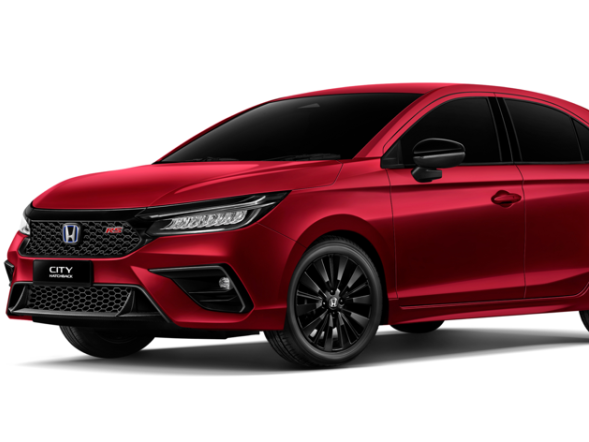
From Jazz to City Hatchback: The Perfect Transformation of Honda Hatchback
LienJun 4, 2024
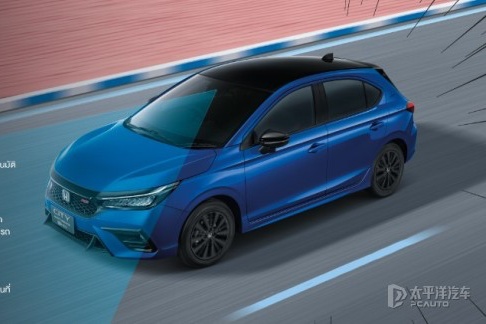
Honda City e HEV Hatchback RS: Fuel Efficiency
AshleyMay 4, 2024
View More
Pros
Cons