
Q
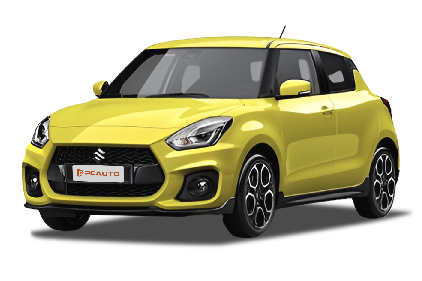
What kind of engine is in the Swift Sport?
 InventorMindInventionAug 12, 2025, 09:48 AM
The Swift Sport is powered by a 1.4-liter BOOSTERJET inline four-cylinder turbocharged engine. This engine features direct injection technology, with a maximum power output of 140 horsepower and a peak torque of up to 230 Nm. It's paired with either a 6-speed manual or a 6-speed automatic transmission, offering smooth power delivery and quick response, which is highly suitable for Malaysian car owners who love the driving experience.
This engine can provide abundant torque at low RPMs, making it ideal for city driving. Meanwhile, it can also maintain excellent fuel economy during high-speed driving. The engine of the Swift Sport also adopts a lightweight design, further enhancing the vehicle's handling and agility, making it a popular model that combines both performance and practicality.
For Malaysian consumers, the Swift Sport is not only suitable for daily commuting but also brings more fun when driving on mountain roads on weekends. It's a sports hatchback with high cost - effectiveness.
Special Disclaimer: This content is published by users and does not represent the views or position of PCauto.
Related Q&A
Q
How much horsepower does a 2021 Swift Sport have?
The 2021 Swift Sport packs a punch with its 1.4L BOOSTERJET turbocharged four-cylinder engine, delivering 140 horsepower and 230 Nm of torque. Paired with either a 6-speed manual or 6-speed automatic transmission, it offers peppy performance without sacrificing fuel efficiency.
Staying true to the Swift lineage, this hot hatch retains nimble handling, while its lightweight design dials up the fun factor—perfect for city commutes and the occasional backroad blast. The turbo tech really shines here, serving up strong low-end grunt that makes overtaking or quick acceleration effortless.
For those craving more performance, factory-approved upgrades like sport exhausts or suspension tweaks are available without voiding the warranty. While some European hot hatches match its power, the Swift Sport stands out with lower maintenance costs, bulletproof reliability, and solid resale value. It’s a no-brainer for budget-minded drivers who refuse to compromise on thrills.
 MoeDec 18, 2025
Q
What is the safety rating of Swift car 2024?
The safety rating for the 2024 Swift in Southeast Asian markets, including Malaysia, has not yet been officially released by ASEAN NCAP or Global NCAP. However, looking at the performance of previous Swift models—like the 2017 version which scored a 4-star rating in ASEAN NCAP (82% adult protection, 78% child protection)—we can expect improvements in the new model. These likely include enhanced body rigidity, more airbags (possibly 6 as standard), and upgraded active safety systems such as improved ESP and forward collision warning. Notably, it might come with Suzuki’s latest dual-sensor brake support system for better emergency braking response. Malaysian buyers should keep an eye on local specs to see if features like lane keep assist or blind spot monitoring are included, as these often impact final ratings. It’s important to remember that Swift models can have different ratings across markets due to varying specifications. We recommend checking official reports from MIROS or ASEAN NCAP once the car launches. Also, a quick reminder: safe driving habits and regular vehicle maintenance are just as crucial. Even high-rated cars require proper use of seatbelts and child safety seats to maximize protection.
 AmberGlowOct 29, 2025
Q
What is the warranty on Swift 2024 engine?
The 2024 Swift's engine warranty is typically 5 years or 150,000 kilometers, whichever comes first. This is Suzuki Malaysia's official standard warranty policy, though specific terms might vary slightly with dealer promotions, so it's best to check with authorized dealers for the latest details before buying. It's important to note that the warranty usually covers manufacturing defects in the engine, but damage caused by improper maintenance as per the manual, use of non-genuine parts, or human error isn't included. Malaysia has a tropical climate, with high temperatures and humidity placing higher demands on engine durability. Owners are advised to strictly follow the maintenance schedule for oil and coolant changes, and regularly inspect the condition of belts and hoses. Additionally, Suzuki's warranty policy generally includes 24-hour roadside assistance, which is especially useful for long-distance drivers in Peninsular Malaysia and East Malaysia. While understanding the warranty details, owners should also keep complete maintenance records, as this can effectively boost the vehicle's residual value during future used car transactions.
 ButterflyKissOct 28, 2025
Q
Is Swift 2024 worth buying?
The 2024 Suzuki Swift is a compact hatchback worth considering in the Malaysian market, especially for city commuters and budget-conscious buyers. It carries forward the Swift lineup's reputation for affordability and practicality, powered by a 1.2L naturally aspirated engine that delivers impressive fuel efficiency – official figures peg the combined consumption at around 4.5L/100km, which is pretty wallet-friendly given Malaysia's fuel prices. The interior is straightforward but well-equipped, with a standard 7-inch touchscreen supporting Apple CarPlay and Android Auto, hitting the mark for younger users. On the safety front, it comes with 6 airbags, ESP, and hill-start assist as standard, keeping pace with mainstream offerings in its class. That said, rear legroom is a bit tight, making it better suited for small families or singles. Compared to the Perodua Myvi, the Swift edges ahead in handling agility and brand reputation, though the Myvi might be the go-to for those on an extremely tight budget thanks to its easier maintenance and cheaper parts. If you're after driving fun and fuel economy, the 2024 Swift is a solid pick – but do yourself a favor: head to a dealership for a test drive to check if the space works for you, and shop around different dealers too. The Malaysian market often has promotions like free servicing or low-interest loans up for grabs.
 PeachBlossomOct 28, 2025
Q
What is the maintenance cost of Swift 2024?
The 2024 Suzuki Swift has relatively affordable maintenance costs in Malaysia. A regular service (like oil and filter changes) runs around RM200 to RM300 per visit, depending on the oil type used (mineral, semi-synthetic, or fully synthetic) and the authorized service center's pricing. Servicing is required every 10,000 km or 6 months, whichever comes first. For major services (involving brake fluid, transmission oil replacement, etc.), costs can go up to RM500 to RM800. As an economical hatchback, the Swift benefits from ample parts supply and reasonable pricing, making long-term ownership costs low—ideal for budget-conscious buyers. Additionally, it's advisable for owners to stick to the factory maintenance schedule; not only does this extend the vehicle's lifespan, but it also preserves warranty coverage. Malaysia's hot and rainy climate means regular checks on the air-conditioning system and undercarriage rust protection are important too. These extra items might incur small additional costs, but they effectively prevent expensive repair bills down the line. Overall, the 2024 Swift is easy on the maintenance side, making it a great value-for-money choice for city commuting.
 OceanBreezeOct 28, 2025
Q
Does the Swift 2024 have good resale value?
Based on the general performance of Malaysia's auto market, the 2024 Suzuki Swift is expected to hold its resale value well. This largely comes down to Suzuki's solid reputation locally, the Swift lineup's long-standing reliability, and strong market demand. The car is known for being fuel-efficient, nimble to drive, and having relatively affordable maintenance costs—all factors that positively impact its second-hand value. In Malaysia, small cars like the Swift are usually popular with urban commuters, so they tend to move quickly in the used car market, which helps keep prices stable. What's more, if the 2024 Swift maintains the durability and low fault rate of previous models, its resale value could outperform some rivals in the same class. To further boost its second-hand worth, it's a good idea to stick to regular servicing at authorized centers, keep complete records, and avoid heavy modifications—all of which directly affect the price assessment when it comes time to sell. When shopping for such high-resale-value models, Malaysian consumers can also check out annual residual value reports from local used car platforms or industry associations for more specific market data.
 ForestTrailAdventureOct 28, 2025
Q
What is the fuel consumption of Swift 2024?
The 2024 Suzuki Swift delivers impressive fuel economy in Malaysia. Powered by a 1.2-liter naturally aspirated engine paired with a lightweight body design, official figures put its combined fuel consumption at around 4.5 liters per 100 kilometers (actual numbers may vary slightly depending on driving habits and road conditions). It's perfect for city commutes or long drives, helping you keep fuel costs in check. The Swift has always been known for being economical and practical, and the 2024 model takes it up a notch with optimized engine combustion efficiency. There might even be a hybrid version available depending on market specifications, boosting its eco-friendly credentials further. When picking a car in Malaysia, besides fuel consumption, factors like regular maintenance costs and insurance premiums matter too. The Swift scores here with readily available parts and easy servicing, making it a great long-term value proposition. If you're after even better mileage, stick to smooth driving habits and keep up with regular maintenance—like changing the air filter and engine oil on time. Those little things can really help improve fuel efficiency.
 MusicianNoteMelodyOct 28, 2025
Q
What are the disadvantages of Swift 2024?
The 2024 Swift is an affordable, fuel-efficient compact car, but it does fall short in some areas. The interior relies heavily on hard plastics, which feel pretty basic to the touch—maybe not as premium as some competitors in the same price range. Rear legroom is on the tight side, so taller passengers might not find it super comfortable. The trunk is also small, making it a tough fit for families who regularly need to haul bigger items. Then there’s the noise insulation; it’s just okay, so wind and road noise get pretty noticeable at highway speeds. Power-wise, it’s fine for city driving, but that 1.2L naturally aspirated engine feels a bit strained when you need to overtake or climb hills on the highway. On the features front, the base trim is pretty bare-bones—you have to step up to higher trims to get more comfort amenities. For Malaysian buyers, the Swift’s fuel efficiency and nimble handling are definite pluses, but if you’re after more space or a quieter ride, you might want to check out other options. One thing to note with Malaysia’s hot weather: after the car’s been baking in the sun for a while, the air-con might take longer to cool things down effectively. Potential buyers should really weigh their priorities, and it’s worth checking out rivals like the Perodua Myvi or Honda Jazz to see which one fits best.
 RainbowSpectrumOct 28, 2025
Q
Is the 2024 Swift good for city driving?
The 2024 Swift is perfect for city driving, especially shining in Malaysia's congested traffic. Its compact size (under 4 meters) and light steering make zipping through narrow streets or parking a breeze. The 1.2L naturally aspirated engine paired with the lightweight body delivers smooth low-speed power response, while the CVT gearbox optimizes fuel efficiency – official figures show around 5.3L/100km in the city, ideal for stop-and-go traffic. What's more, the Swift's suspension is tuned for comfort, effectively smoothing out the bumpy roads common in Malaysia. The standard reverse camera and optional blind spot monitoring further boost urban driving safety. It's also worth noting that AC cooling efficiency matters a lot for small cars in tropical climates, and the Swift's quick-cooling system holds up reliably in Malaysia's scorching heat. If you're planning long-term city use, we recommend going for the version with Automatic Emergency Braking (AEB) – it's really helpful for avoiding sudden hazards like motorcycles cutting in, and these safety features are becoming more and more essential in local traffic conditions.
 JoyfulMelodyOct 28, 2025
Q
Is the Suzuki Swift reliable in 2024?
The 2024 Suzuki Swift maintains its solid reputation in the Malaysian market. Its 1.2L naturally aspirated engine paired with a mature mild hybrid system delivers impressive fuel efficiency, making it perfect for city driving. Official figures claim a combined fuel consumption as low as 4.1L/100km, and with relatively low maintenance costs, it's a great fit for budget-conscious buyers. The Swift's chassis is tuned for nimble handling, and its compact size makes weaving through tight city streets a breeze, though the sound insulation could use some improvement. For safety, you get dual airbags, ABS, and ESP as standard, with higher trims possibly adding more active safety features—best to check the exact specs before buying. It's worth keeping in mind that Malaysia's hot and rainy climate can be tough on cars, so regular checks on the cooling system and rubber components are a good idea. If you're looking at used models, post-2017 Swifts are a safer bet since they moved to a new platform that significantly boosted body rigidity. Rivals like the Perodua Myvi and Honda Jazz each have their own strengths, so I'd recommend test-driving all to see which suits your needs best. All in all, with its fuel efficiency, agility, and strong reliability record, the Swift remains one of the most dependable choices for urban driving in Malaysia.
 PetalSoftnessOct 28, 2025
Popular Cars
Model Year
Car Compare
Car Photo
Related Models
 Cars
CarsLatest Q&A
Q
What is the advantage of 4 wheel steering?
The main advantage of four-wheel steering systems is that they enhance a vehicle's maneuverability and high-speed stability. Especially on narrow roads or tight turns, the rear wheels can pivot slightly in the same or opposite direction as the front wheels based on the steering angle. This reduces the turning radius, making parking, U-turns, and similar maneuvers much easier—you’ll really notice the difference in city alleys or crowded parking lots. At highway speeds, the rear wheels turning in phase with the front wheels boosts lane-change stability, minimizes body roll, and gives drivers more confidence. Plus, these systems optimize tire grip distribution, delaying understeer or oversteer to adapt to different driving scenarios. Right now, some high-performance and luxury models come with this tech, but as electronic control systems advance, four-wheel steering could become more widespread, even trickling down to more mainstream family cars. It’s worth noting that these systems usually work hand-in-hand with electronic stability programs, so during regular maintenance, make sure the sensors and wiring are in good shape to keep everything performing at its best.
 ShadowedJan 19, 2026
Q
Is a 4x2 the same as a 4x4?
4x2 and 4x4 are two distinct drivetrain systems, with key differences in power distribution and vehicle usage. 4x2 means two-wheel drive, usually front or rear-wheel drive, ideal for daily city driving—it offers better fuel economy and more affordable maintenance costs. On the other hand, 4x4 stands for four-wheel drive, where power can be sent to all four wheels, delivering superior traction and off-road capability. It’s great for rough terrain or rainy, slippery roads, though it tends to have higher fuel consumption and a steeper purchase price. Among common local models, pickups and SUVs often come with 4x4 options, while sedans are mostly 4x2. When choosing, think about your actual needs: if you frequently drive in rural areas or mountains, 4x4 is more practical; but if you mainly commute in the city, 4x2 is a better value. Plus, some 4x4 models feature part-time or full-time four-wheel drive systems, allowing you to manually or automatically switch drive modes based on road conditions, further boosting driving flexibility.
 FrostbiteJan 19, 2026
Q
Why did they change 10 and 2 to 9 and 3?
Drivers used to be taught to keep their hands at the 10 o'clock and 2 o'clock positions on the steering wheel. That setup was based on the design of older vehicles without power steering, where those positions provided more leverage to turn the wheel. But with advancements in steering technology, especially the widespread adoption of power steering, turning the wheel no longer requires that much effort, so driving posture has changed. These days, it's more recommended to place your hands at the 9 o'clock and 3 o'clock positions. There are a few benefits to this: first, this posture reduces fatigue during long drives because your arms can rest more naturally on the wheel; second, in the event of a collision, if the airbag deploys, this position helps prevent your arms from getting injured by the airbag; additionally, it offers better steering precision, especially at high speeds or in emergency situations. It's worth noting that modern steering wheel designs have adapted to this change—many models feature ergonomic grooves or protrusions at the 9 and 3 o'clock positions for more comfortable grip, and some performance cars even add paddle shifters there, further highlighting the importance of the 9 and 3 o'clock positions. This shift is an optimization based on safety research and real-world driving experience, and drivers are advised to adapt to this new, correct posture as soon as possible.
WandererJan 19, 2026Q
What does 4 * 2 mean in cars?
In automotive terminology, 4×2 refers to a vehicle's drive type, where the "4" stands for four wheels and the "2" means two of those wheels are driven. This setup is commonly called rear-wheel drive (RWD) or front-wheel drive (FWD), depending on which wheels are powered. Rear-wheel drive is typical in performance-focused cars or commercial vehicles because it offers better power distribution and traction, especially when hauling loads or climbing hills. Front-wheel drive, on the other hand, is more common in economy cars—its simpler design and space-saving layout boost fuel efficiency and make daily driving more convenient.
By comparison, 4×4 (four-wheel drive) is better for tough terrain like mud or slippery roads, but 4×2 is totally sufficient for regular roads and city driving, plus it’s cheaper to maintain. When choosing a drive type, think about how you’ll really use the vehicle. If you mostly commute in the city, 4×2 is more than enough. But if you frequently tackle rough terrain, you might want to consider a 4×4 model. Also, the drive type affects fuel economy and handling—front-wheel drive cars steer more nimbly, while rear-wheel drive is better for drivers who want a more engaging, fun-to-drive experience.
StarryskyJan 19, 2026Q
When should I use 4WD high or low?
The high gear (4H) and low gear (4L) of the four-wheel drive system need to be selected according to the road conditions. 4H is suitable for wet and slippery roads or mild off-road conditions, such as rainy roads, gravel roads or muddy terrain, which can enhance traction and allow high-speed driving, while 4L is used for extreme terrain, such as steep slopes, deep sand or rock climbing, to enhance the ability to escape by amplifying torque, but low-speed driving is required to avoid overloading the transmission system. When switching, the vehicle needs to be parked in neutral, and some models also require manual locking of the differential. It is worth noting that long-term use of 4H on paved roads may increase fuel consumption and component wear, while misuse of 4L for high-speed driving can lead to mechanical damage. Therefore, it is important to understand the recommendations in the vehicle manual. In addition, modern four-wheel drive technologies such as full-time four-wheel drive or on-demand four-wheel drive can automatically distribute power, but traditional part-time four-wheel drive still requires manual switching. It is recommended to operate flexibly according to actual needs, and regularly check the transmission system and tire condition to ensure performance.
GlimmerrJan 19, 2026Related News
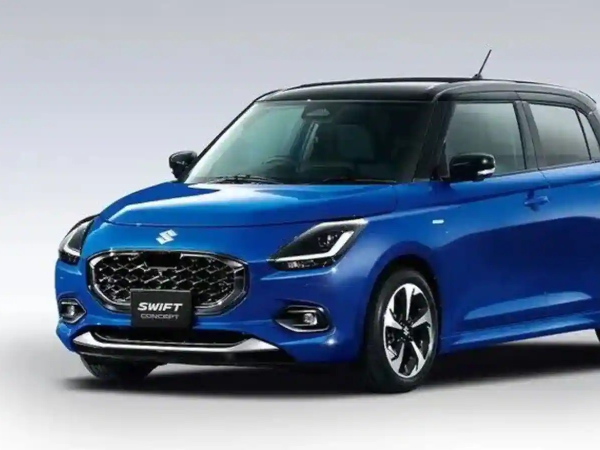
All-New Suzuki Swift Sport Will Debut with Revolutionary 1.4T Engine
MichaelJun 3, 2025

Compact and flexible, full of power: Suzuki Swift Sport Review!
JohnSep 11, 2024

How to improve the power of Suzuki Jimny?
AshleyNov 27, 2025

Suzuki Fronx vs. Toyota Yaris Cross comparison, which one is more worth buying?
LienOct 5, 2025

Suzuki makes major changes to its brand logo for the first time in 22 years, adopting a flat design style
JohnSep 23, 2025
View More
Pros
Cons