
Q
What size engine is in a 2019 Kia Sportage?
 GopDec 15, 2025, 11:15 AM
The 2019 Kia Sportage offers two gasoline engine options: a 2.0L naturally aspirated and a 2.4L naturally aspirated, both featuring GDI direct injection technology. Delivering 155 hp and 181 hp respectively, these engines are paired with a 6-speed automatic transmission that balances smooth daily driving with fuel efficiency.
Notably, this SUV comes with a drive mode selection system, allowing drivers to switch between Normal, Eco, and Sport modes based on road conditions to suit different driving needs. For practicality-focused buyers, the 2.0L version is ideal for city commuting, while the 2.4L offers stronger power reserves.
Both engines have proven reliable over time, with reasonable maintenance costs and good parts availability, making upkeep relatively hassle-free. When considering a used model, pay close attention to engine condition and transmission smoothness—these core components are critical to the vehicle’s longevity.
Special Disclaimer: This content is published by users and does not represent the views or position of PCauto.
Related Q&A
Q
What is the safety rating of the 2019 Kia Sportage?
The 2019 Kia Sportage delivers solid safety performance, earning a 5-star Euro NCAP rating – Europe's top crash test benchmark. This top score reflects its well-rounded protection across all four key areas: adult occupant safety, child protection, pedestrian safeguards, and advanced driver assistance systems.
You'll find plenty of tech working to keep you safe on the road, like forward collision warning with automatic emergency braking, lane-keeping assist, and blind-spot monitoring – features that make a real difference in everyday driving. The body structure also uses high-strength steel to better absorb impact energy. For safety-conscious buyers, these specs and the 5-star rating carry serious weight.
That said, while crash test scores matter, remember that real-world safety still comes down to driver awareness and road conditions. Always keep up with routine maintenance and stick to traffic rules – that's how you get the most out of Sportage's safety package.
 TateDec 15, 2025
Q
Are there any recalls on the 2019 Kia Sportage?
The 2019 Kia Sportage was subject to global recall campaigns addressing potential safety concerns, notably fuel pump failures that could cause engine stalling during operation, and ESC software glitches affecting brake assist functionality. Owners can check their vehicle's recall status by entering the VIN on the official website or contacting authorized service centers to confirm whether locally sold models are involved.
These recalls represent standard proactive measures by automakers to mitigate risks. Hyundai Motor Group typically notifies affected customers via SMS or email for complimentary repairs.
We recommend routinely checking tire pressure, brake pad wear, and other basic maintenance items while staying alert to dashboard warning lights—any unusual indicators warrant immediate inspection. If you have concerns about your vehicle's condition, request a full diagnostic scan from your dealership; some even offer complimentary safety check events.
Sticking to scheduled maintenance not only helps identify potential issues early but also ensures you receive timely recall updates, as implementation timelines may vary by region. Always verify your specific model's status, as regional recall specifics can differ.
 RoryDec 15, 2025
Q
What kind of engine does a 2019 Kia Sportage have?
The 2019 Kia Sportage offers two gasoline engine options locally to suit different driving needs.
The entry-level model comes with a 2.0L MPI naturally aspirated engine featuring dual continuous variable valve timing (CVVT), delivering 154 horsepower and 192 Nm of torque. It’s a solid choice for daily commuting with lower maintenance costs.
For those seeking more power, the higher trim packs a 2.4L GDI turbocharged direct-injection engine, pushing out 181 horsepower and 237 Nm of torque. This one’s ideal for long-distance drives or drivers who enjoy quicker acceleration.
Both engines are paired with a six-speed automatic transmission, balancing smooth shifts and fuel efficiency. What’s worth noting is the SUV’s focus on strong low-end torque, making it responsive in stop-and-go city traffic. Lightweight materials also help keep fuel consumption in check.
Buyers can pick the right setup based on their budget and driving style—just remember, regular maintenance goes a long way in keeping these engines running strong.
 PeteDec 15, 2025
Q
What is the warranty on the 2019 Kia Sportage engine?
The 2019 Kia Sportage comes with a 5-year/150,000km engine warranty (whichever comes first), which is the brand's standard powertrain coverage for manufacturing defects or material-related repairs. Just a heads-up – the warranty requires scheduled maintenance at authorized service centers using approved parts and fluids, otherwise your coverage could be affected. For second-hand owners, check the factory warranty transfer process to keep your protection valid.
Besides the engine, the vehicle typically has a 3-year/100,000km bumper-to-bumper warranty, though certain components like the transmission and suspension may have separate terms. If you notice any powertrain issues – unusual noises, overheating, or power loss – get it checked ASAP. Early diagnosis helps with warranty claims.
Pro tip: Keep all service records. They’re crucial when filing a claim. A solid warranty like this reflects the brand’s confidence in its reliability, and using it wisely can save you big on long-term ownership costs.
 LarkDec 15, 2025
Q
What type of engine does a 2019 Kia Sportage have?
The 2019 Kia Sportage offered multiple engine options tailored to different markets. The lineup primarily included a 2.0L naturally aspirated gasoline engine, a 2.4L naturally aspirated gasoline unit, and a 2.0L turbocharged diesel variant.
The 2.0L gas engine delivers around 155 horsepower and pairs with a 6-speed automatic transmission, making it a solid choice for daily city driving. Meanwhile, the diesel version shines with higher torque output, better suited for long-distance trips or hauling needs.
Built on Hyundai-Kia’s proven powertrain tech, the Sportage strikes a good balance between fuel efficiency and reliability. Higher trims even throw in an AWD system for extra capability on rough terrain.
Here’s the kicker: The turbo-diesel punches out strong low-end torque, giving it an edge during overtaking or hill climbs. On the other hand, the naturally aspirated gas engines win points for smoother operation and lower maintenance costs—ideal for families.
Your pick should come down to driving habits and needs. If you frequently hit the highway or crave more grunt, go diesel. But if it’s mostly urban commuting, the gasoline models make more sense.
 FinnDec 15, 2025
Q
What is the engine problem with the 2019 Kia Sorento?
The 2019 Kia Sorento's engine issues primarily involve the 2.4L GDI four-cylinder. Some owners have reported abnormal knocking, excessive oil consumption, and occasional hard starts—likely tied to carbon buildup in the high-pressure direct injection system or piston ring design. Using fuel injector cleaners regularly and switching to high-quality oil can help mitigate these problems.
A handful of cases also mention unexplained check engine lights, often triggered by overly sensitive O2 sensors or catalytic converter settings. A dealership software update usually fixes this. Worth noting: Hyundai-Kia has extended warranty coverage for certain engine batches, so owners should check their VIN eligibility.
For the turbocharged 2.0T variant, stick to strict spark plug and coolant replacement schedules to prevent turbo overheating. Regardless of NA or turbo engines, adhering to 5,000-km service intervals with factory-specified oil is crucial. If you notice power loss or abnormal fuel economy, scan for trouble codes immediately—these modern ECUs provide scarily accurate diagnostics.
 DawnDec 15, 2025
Q
How long do 2019 Kia Sportages last?
The 2019 Kia Sportage can typically last between 200,000 to 250,000 kilometers under proper maintenance and normal driving conditions, though its actual lifespan depends on factors like driving habits, road conditions, and maintenance frequency.
Equipped with either a 2.0L or 2.4L gasoline engine paired with a 6-speed automatic transmission, the powertrain is known for its reliability, thanks to proven engineering. Staying on top of key services—like oil changes, transmission fluid flushes, and timing belt replacements—can significantly extend its life.
If you're in a tropical climate, pay extra attention to rust prevention. It’s a good idea to have the undercarriage inspected every couple of years and address any corrosion early. Inside, the cabin plastics might show signs of aging over time, but mechanical components like the suspension and steering system should hold up well as long as they’re properly maintained.
On the used market, five-year-old Sportage models tend to hold their value reasonably well, which speaks to their overall durability. If you plan to keep one long-term, look for a well-documented service history and stick to the manufacturer’s recommended maintenance schedule. Also, driving smoothly—avoiding harsh acceleration and hard braking—helps reduce wear and tear over time.
 AryDec 15, 2025
Q
Is the 2019 Kia Sportage a good car to buy?
The 2019 Kia Sportage is a solid SUV contender that delivers well in performance, space, and features. Its 2.0L or 2.4L naturally aspirated engines offer smooth power delivery, making it great for both city commutes and road trips, with decent fuel efficiency to boot. Inside, you’ll find a no-nonsense, functional cabin with handy tech like an 8-inch touchscreen, Apple CarPlay, and Android Auto. Safety-wise, it’s packed with modern assists like forward collision warning and lane-keeping assist—ideal for families. Plus, its rear-seat room and cargo space are top-tier for the segment.
Just a heads-up: used Sportages can vary in condition, so always check maintenance records and mechanical health before buying. If it’s still under factory warranty, even better. If you’re after value and practicality, this one’s worth a look—though it doesn’t hurt to cross-shop it with a 2019 Honda CR-V or Mazda CX-5 to see what fits your needs best.
 RunnerDec 15, 2025
Q
Are 2019 Kia Sportage AWD?
The 2019 Kia Sportage does offer an AWD variant, which utilizes an electronically controlled multi-plate clutch system to distribute power between the front and rear axles. This setup automatically adjusts torque output based on road conditions, enhancing traction stability on slippery surfaces or during light off-roading.
In local markets, the AWD version typically comes paired with either a 2.0L or 2.4L gasoline engine, along with a Drive Mode Select system. This gives you three driving modes—Eco, Normal, and Sport—to suit different scenarios.
Keep in mind, though, the AWD system adds roughly 100-150kg to the vehicle’s weight, which might slightly impact fuel efficiency. That said, it significantly improves cornering stability and helps in tricky situations like muddy terrain.
Competing Japanese models like the Honda CR-V or Toyota RAV4 also offer similar real-time AWD tech, but the Sportage’s torque distribution leans more toward front-wheel drive to prioritize fuel economy.
If you frequently drive on wet rural roads or hilly terrain, the AWD version makes more sense. For city commuting, the FWD model offers better value. And don’t forget—regular checks on driveline fluids and tire wear can go a long way in maintaining the AWD system’s longevity.
 WalkerDec 15, 2025
Q
How long will a 2019 Kia Sportage last?
The 2019 Kia Sportage can typically clock over 200,000 kilometers and last 10+ years with proper maintenance and reasonable usage – though that depends on driving habits, road conditions, and service frequency. Its proven 2.0L or 2.4L engines paired with the 6-speed automatic transmission deliver solid reliability. Just stick to routine oil changes, transmission fluid swaps, and timing belt replacements to keep it running smoothly.
The body's rustproofing holds up well, and local weather conditions aren't harsh on the frame, but regular undercarriage checks are smart to prevent moisture-related corrosion. Interior materials are decently durable, though some minor squeaks might develop over time (nothing functionally concerning). Tech like the infotainment screen usually lasts 8-10 years before potential component replacements.
On the used market, a well-documented Sportage retains fair value – expect 50%-60% residual after 5 years. Truth is, modern vehicles generally outlast their decade-old counterparts; many easily clear 150,000 km with scheduled maintenance. Hybrid and turbo models? They’re more maintenance-sensitive, so never skip service intervals.
 SpiritualDec 15, 2025
Popular Cars
Model Year
Car Compare
Car Photo
Related Models
 Cars
CarsLatest Q&A
Q
How much did a new 2018 beetle cost?
The 2018 Volkswagen Beetle had a starting price range of approximately RM120,000 to RM180,000, depending on the trim and options. The entry-level 1.2 TSI Design model was the most affordable, while the top-spec 2.0 TSI R-Line version approached RM180,000—though final pricing could vary with optional extras and dealer promotions.
As a timeless classic, the 2018 Beetle kept its retro charm but packed modern tech like a touchscreen infotainment system and active safety features. Under the hood, buyers could choose between the fuel-efficient 1.2T or the more spirited 2.0T engine.
Fair warning: Volkswagen discontinued the Beetle in 2019, so you’ll only find it on the used market now. That said, its iconic design and nostalgic appeal still make it a hit among collectors. If you’re eyeing a pre-owned model, always check the vehicle history and maintenance records to snag a solid deal.
 BrightStarDec 15, 2025
Q
What engine does a 2018 VW Beetle have?
The 2018 Volkswagen Beetle offered two gasoline engine options across different markets. The primary powerplant was a 1.2-liter TSI turbocharged inline-four, delivering 105 horsepower and 175 Nm of torque, paired with a 7-speed DSG dual-clutch transmission. This compact forced-induction engine struck a balance between urban fuel efficiency and strong low-end torque.
Higher-spec variants featured an optional 1.4-liter TSI turbocharged unit, bumping output to 150 horsepower. Both engines adopted direct fuel injection and belonged to VW’s widely used EA211 modular family, featuring modern tech like lightweight aluminum blocks.
Though retaining its iconic silhouette, this generation Beetle actually shared its underpinnings with the Golf, inheriting the brand’s proven front-wheel-drive architecture. This platform commonality also translated to easier maintenance, as local dealerships were well-versed in servicing these powertrains thanks to extensive parts sharing across VW’s lineup.
 SweetDreamsDec 15, 2025
Q
What are the different models of the 2018 VW Beetle?
The 2018 Volkswagen Beetle comes in three main trims: Classic, Trendline, and Sport. All models are powered by a 1.2-liter TSI turbocharged engine delivering 105 horsepower, paired with a 7-speed DSG dual-clutch transmission—perfect for city driving with its nimble handling and solid fuel efficiency.
The entry-level Classic trim rolls on 16-inch wheels and features a basic multimedia system. Stepping up to the Trendline adds 17-inch wheels, fog lights, and chrome accents. The Sport trim leans into its name with 18-inch wheels, a sport-tuned suspension, and unique interior color options.
This generation keeps the Beetle’s iconic retro curves but modernizes them with touches like LED daytime running lights. Inside, you’ll find color-matched dash panels, and with 310 liters of trunk space, it’s more practical than most small cars in its class.
Since the Beetline was discontinued in 2019, the 2018 model stands as the last new generation, making it a rising collector’s item—especially the convertible, which holds strong appeal in the used market. For maintenance, stick to routine service every 15,000 km or 12 months, and regular 95-octane fuel is all it needs.
 FrostyPeaksClimberDec 15, 2025
Q
Does the 2018 Beetle have Apple CarPlay?
The 2018 Volkswagen Beetle did come equipped with Apple CarPlay, integrated into its Composition Media infotainment system. This allowed iPhone users to seamlessly connect for navigation, music, and other apps. The system also supported Android Auto, catering to different smartphone users with its intuitive and responsive interface—definitely a plus for convenience on the road.
That said, some early-production 2018 models might require a software update to activate the feature, so it’s worth checking with an official dealer to confirm your car’s specs or available upgrades. Also, wireless Apple CarPlay wasn’t standard across all trims; it depended on the factory-installed options.
For fans of classic styling who still want modern tech, the Beetle struck a nice balance between retro charm and everyday usability. Competitors like the Mini Cooper offered similar connectivity, but let’s be honest—the Beetle’s iconic design was always its standout feature.
 RainbowWingsFlyerDec 15, 2025
Q
What is the fuel economy of the 2018 Beetle?
The 2018 Volkswagen Beetle's fuel efficiency varies by powertrain. The 1.2L TSI turbocharged version delivers a combined fuel consumption of around 5.5L/100km, while the 1.4L TSI model is slightly thirstier at approximately 6.0L/100km – both perform best with 95-octane petrol.
You'll likely see higher consumption in city driving, but it cruises efficiently on highways thanks to its classic aerodynamic design. For better mileage, stick to routine maintenance like cleaning the air filter and keeping tyres properly inflated. These small habits can help squeeze out extra kilometres per litre.
Though discontinued, the 2018 Beetle remains popular in the used car market – its iconic styling and decent fuel economy make it a practical daily driver. Just remember real-world figures depend heavily on driving style and road conditions, so check owner forums for real-life feedback.
 LeafyTrailsHikerDec 15, 2025
Related News
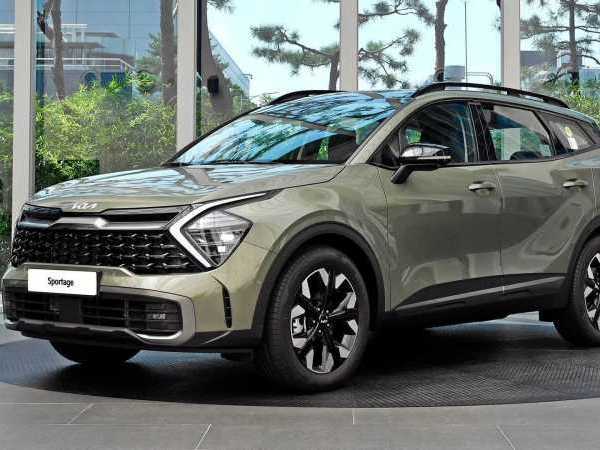
Kia Sportage: Superior Suspension for Smooth Ride
Kevin WongMay 19, 2025

In Malaysia, which sliding door MPVs are available?
MichaelOct 30, 2025
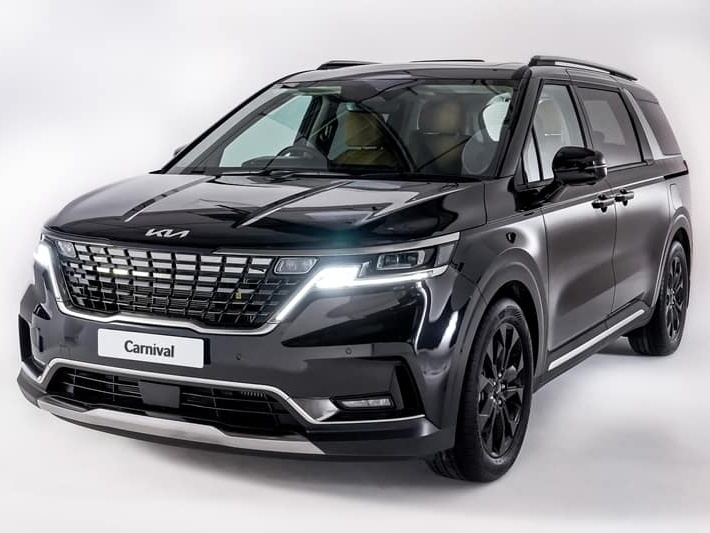
Kia Carnival: Spacious & Versatile for Every Journey
Kevin WongMay 19, 2025
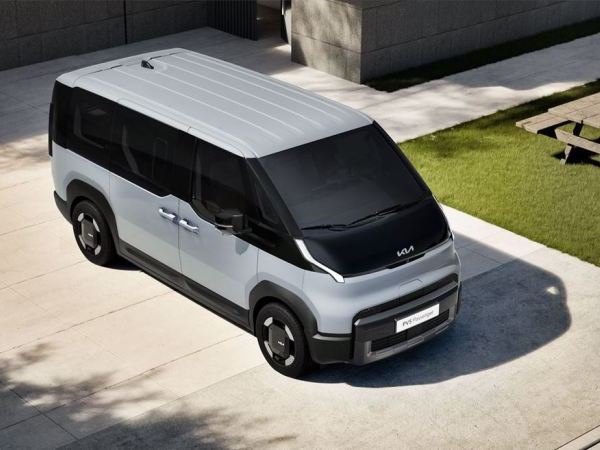
Kia reveals all details of PV5, with a maximum range of up to 400 kilometers
LienMar 11, 2025
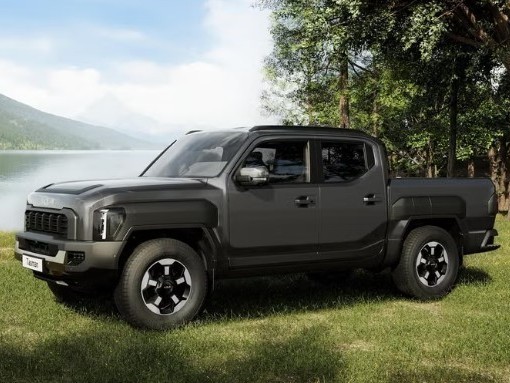
173L cargo box, 3500kg towing capacity, KIA Tasman meets all your needs!
MichaelOct 31, 2024
View More
Pros
Cons