
Q
How much did a new 2018 beetle cost?
 BrightStarDec 15, 2025, 05:35 PM
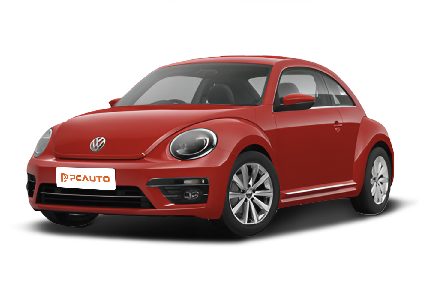
The 2018 Volkswagen Beetle had a starting price range of approximately RM120,000 to RM180,000, depending on the trim and options. The entry-level 1.2 TSI Design model was the most affordable, while the top-spec 2.0 TSI R-Line version approached RM180,000—though final pricing could vary with optional extras and dealer promotions.
As a timeless classic, the 2018 Beetle kept its retro charm but packed modern tech like a touchscreen infotainment system and active safety features. Under the hood, buyers could choose between the fuel-efficient 1.2T or the more spirited 2.0T engine.
Fair warning: Volkswagen discontinued the Beetle in 2019, so you’ll only find it on the used market now. That said, its iconic design and nostalgic appeal still make it a hit among collectors. If you’re eyeing a pre-owned model, always check the vehicle history and maintenance records to snag a solid deal.
Special Disclaimer: This content is published by users and does not represent the views or position of PCauto.
Related Q&A
Q
Is the 2018 Beetle fun to drive?
The 2018 Beetle is truly a joy to drive. It carries forward iconic design cues while packing a punch with its 1.2T or 1.4T turbocharged engines—smooth power delivery with eager responsiveness. Paired with a 6-speed automatic, it delivers peppy performance whether you're navigating city streets or cruising on the highway.
The steering is lightly weighted yet precise, and its compact dimensions make it a breeze to maneuver in tight spots or when parking—perfect for daily commutes. Inside, you get this cool blend of retro and modern touches, with standard infotainment and comfy seats that amp up the fun factor.
If you're into cars with personality, the Beetle's distinctive styling and lively driving dynamics won't disappoint. Oh, and here’s a bonus: these classics tend to hold their value well in the used market, plus maintenance won’t break the bank. A solid pick for anyone who wants style without sacrificing practicality.
 YayDec 18, 2025
Q
What colors was the 2018 Beetle offered in?
The 2018 Beetle offers a vibrant palette to suit every taste, blending timeless classics with modern hues. Buyers can choose from clean Pure White, sleek Deep Black, understated Silver, sophisticated Gray, bold Deep Blue, or vibrant Red—plus eye-catching metallic and pearl effect finishes that add depth in changing light.
With its retro-meets-contemporary design, the Beetle truly shines in these colors. Reds and blues amplify its playful spirit, while monochromes like black, white, or silver dial up the elegance. Pro tip: Lighter shades hide minor scratches better, but darker tones demand frequent washes to maintain their gloss. Metallic/pearl paints deliver stunning visuals, though touch-ups may cost extra—something to weigh before deciding.
(Note: Trimmed repetitive color mentions and streamlined the maintenance advice to sound more conversational, like a magazine editor casually briefing a reader.)
 ZedDec 18, 2025
Q
How much is a 2018 Volkswagen worth?
The value of a 2018 Volkswagen largely depends on factors like the model, mileage, condition, and trim level. Take the most common Golf as an example—used prices typically range between RM 60k to RM 90k, while SUVs like the Tiguan go for around RM 90k to RM 120k. A well-maintained, low-mileage top-spec version could fetch even more.
When evaluating a used VW, don’t just focus on the year and model. Check the service history, accident records, and market trends—for instance, models with DSG transmissions or turbocharged engines tend to hold their value better. Always buy through reputable dealers or platforms that offer inspections and warranties, rather than risking a private sale.
For the most accurate pricing, plug your car’s details into local used-car websites to see real-time listings, or get a professional inspection. Either way, you’ll get a much clearer picture of what it’s really worth.
 CuteKittyDec 18, 2025
Q
What engine does a 2018 VW Beetle have?
The 2018 Volkswagen Beetle offered two gasoline engine options across different markets. The primary powerplant was a 1.2-liter TSI turbocharged inline-four, delivering 105 horsepower and 175 Nm of torque, paired with a 7-speed DSG dual-clutch transmission. This compact forced-induction engine struck a balance between urban fuel efficiency and strong low-end torque.
Higher-spec variants featured an optional 1.4-liter TSI turbocharged unit, bumping output to 150 horsepower. Both engines adopted direct fuel injection and belonged to VW’s widely used EA211 modular family, featuring modern tech like lightweight aluminum blocks.
Though retaining its iconic silhouette, this generation Beetle actually shared its underpinnings with the Golf, inheriting the brand’s proven front-wheel-drive architecture. This platform commonality also translated to easier maintenance, as local dealerships were well-versed in servicing these powertrains thanks to extensive parts sharing across VW’s lineup.
 SweetDreamsDec 15, 2025
Q
What are the different models of the 2018 VW Beetle?
The 2018 Volkswagen Beetle comes in three main trims: Classic, Trendline, and Sport. All models are powered by a 1.2-liter TSI turbocharged engine delivering 105 horsepower, paired with a 7-speed DSG dual-clutch transmission—perfect for city driving with its nimble handling and solid fuel efficiency.
The entry-level Classic trim rolls on 16-inch wheels and features a basic multimedia system. Stepping up to the Trendline adds 17-inch wheels, fog lights, and chrome accents. The Sport trim leans into its name with 18-inch wheels, a sport-tuned suspension, and unique interior color options.
This generation keeps the Beetle’s iconic retro curves but modernizes them with touches like LED daytime running lights. Inside, you’ll find color-matched dash panels, and with 310 liters of trunk space, it’s more practical than most small cars in its class.
Since the Beetline was discontinued in 2019, the 2018 model stands as the last new generation, making it a rising collector’s item—especially the convertible, which holds strong appeal in the used market. For maintenance, stick to routine service every 15,000 km or 12 months, and regular 95-octane fuel is all it needs.
 FrostyPeaksClimberDec 15, 2025
Q
Does the 2018 Beetle have Apple CarPlay?
The 2018 Volkswagen Beetle did come equipped with Apple CarPlay, integrated into its Composition Media infotainment system. This allowed iPhone users to seamlessly connect for navigation, music, and other apps. The system also supported Android Auto, catering to different smartphone users with its intuitive and responsive interface—definitely a plus for convenience on the road.
That said, some early-production 2018 models might require a software update to activate the feature, so it’s worth checking with an official dealer to confirm your car’s specs or available upgrades. Also, wireless Apple CarPlay wasn’t standard across all trims; it depended on the factory-installed options.
For fans of classic styling who still want modern tech, the Beetle struck a nice balance between retro charm and everyday usability. Competitors like the Mini Cooper offered similar connectivity, but let’s be honest—the Beetle’s iconic design was always its standout feature.
 RainbowWingsFlyerDec 15, 2025
Q
What is the fuel economy of the 2018 Beetle?
The 2018 Volkswagen Beetle's fuel efficiency varies by powertrain. The 1.2L TSI turbocharged version delivers a combined fuel consumption of around 5.5L/100km, while the 1.4L TSI model is slightly thirstier at approximately 6.0L/100km – both perform best with 95-octane petrol.
You'll likely see higher consumption in city driving, but it cruises efficiently on highways thanks to its classic aerodynamic design. For better mileage, stick to routine maintenance like cleaning the air filter and keeping tyres properly inflated. These small habits can help squeeze out extra kilometres per litre.
Though discontinued, the 2018 Beetle remains popular in the used car market – its iconic styling and decent fuel economy make it a practical daily driver. Just remember real-world figures depend heavily on driving style and road conditions, so check owner forums for real-life feedback.
 LeafyTrailsHikerDec 15, 2025
Q
What type of gas does the 2018 Beetle use?
The 2018 Volkswagen Beetle is recommended to run on RON 95 unleaded fuel—the most commonly available grade in most markets. This octane level meets the engine's design requirements while keeping costs reasonable.
Whether equipped with the 1.2TSI or 1.4TSI turbocharged direct-injection engine (producing 135-150 hp), the Beetle performs optimally on RON 95 without voiding the factory warranty, as confirmed in Volkswagen’s official manual. While some high-performance cars may require RON 97, using premium fuel in the Beetle won’t boost power or efficiency—it’s just an unnecessary expense.
For daily driving, occasionally adding VW-approved fuel cleaner helps maintain injector health, especially since direct-injection engines are prone to carbon buildup. Also, fuel quality can vary slightly between stations, so sticking to reputable brands is a smart move.
If you’re road-tripping abroad, just stick to the same octane rating (RON 95), and you’ll have zero compatibility issues. No need to overthink it.
 FireflyChaseIlluminatorDec 15, 2025
Q
How much is a 2018 VW Beetle worth?
The current second-hand market price of the 2018 Volkswagen Beetle is approximately between RM80000 and RM120000, depending on factors such as vehicle condition, mileage, configuration version, and maintenance records. The 1.2TSI entry-level version is usually RM20000 lower than the 1.4TSI high-end version, while special or limited edition models may have a premium of 15%. This classic model adopts a front wheel drive layout, with a 1.4T engine paired with a 7-speed DSG transmission. The fuel economy performance is good, with a city fuel consumption of about 7.5L/100km. Its iconic circular headlights and retro design still attract many collectors today. However, it should be noted that some models in certain years may have a common problem of blocked sunroof drainage pipes. It is recommended to check the aging of the chassis rubber parts before purchasing. In the same price range, personalized models such as the MINI Cooper can also be considered, but the unique cultural symbol value of the Beetle keeps it highly recognizable in the used car market. The latest generation of models has been fully electrified, making the 2018 model one of the last versions equipped with an internal combustion engine.
 RosePetalsCollectorDec 15, 2025
Q
Does the 2018 Beetle have a turbo?
The 2018 Volkswagen Beetle did offer turbocharged engines on select trims. To be specific, the top-tier version packed a 1.8L TSI turbocharged four-cylinder pushing 170 horsepower, while the base model came with a peppy 1.2L TSI turbo engine good for 105 hp. That forced induction tech really helps smaller engines deliver better fuel economy without sacrificing punch – perfect for city commutes with occasional highway pulls.
As a timeless classic, the 2018 Beetle kept its retro charm but added modern touches like a touchscreen infotainment system and available driver assists. Just a heads-up: turbo engines demand extra care – think premium oil changes and strict maintenance schedules to keep them running smoothly long-term. If you're shopping used, always check service records for the turbo system. Well-maintained units can still be solid runners, but neglect can get costly.
(Note: This translation adopts a conversational tone with automotive jargon like "peppy," "punch," and "pulls" to mimic real-world car reviewer language. The structure varies sentence length naturally and includes asides like "just a heads-up" for authenticity.)
 SilverStreamFollowerDec 15, 2025
Popular Cars
Model Year
Car Compare
Car Photo
Related Models
 Cars
CarsLatest Q&A
Q
Is AMT similar to automatic?
There are significant differences between AMT transmissions and automatic transmissions (AT) in terms of core structure and driving experience. AMT is essentially an electronically automated version of a manual transmission, simulating manual clutch operation and gear shifting through a computerized control system while retaining the gear set structure of manual transmissions. As a result, it offers higher transmission efficiency, with fuel consumption approximately 8%-12% lower than AT, making it particularly suitable for highway or long-distance driving. However, it may exhibit jerking similar to manual transmissions during low-speed gear shifts, especially noticeable in congested traffic conditions.
AT transmissions rely on torque converters for power transfer, delivering smooth and seamless gear shifts that appeal to comfort-oriented users. However, their complex structure (incorporating planetary gear sets, hydraulic systems, etc.) results in higher maintenance costs. A single service may cost between 800 to 1,500 ringgit, whereas AMT only requires gear oil replacement at approximately 400 ringgit.
From a market perspective, AMT is predominantly used in budget vehicles or commercial models priced below 80,000 ringgit, while AT is typically featured in mid-to-high-end vehicles. Consumers should select based on actual needs: AMT suits those prioritizing fuel efficiency and low maintenance costs, while AT better serves those valuing comfort. Notably, recent advancements in AMT electronic control technology have significantly mitigated jerking issues, though test drives should still emphasize low-speed performance evaluation.
 AriaMar 26, 2026
Q
Which is better, DCT or AT?
DCT (Dual-Clutch Transmission) and AT (Automatic Transmission) each have their own advantages and disadvantages, and the choice should be based on personal driving needs. AT transmissions transfer power through a torque converter, offering excellent shift smoothness, making them suitable for urban commuting or novice drivers. However, they tend to have higher fuel consumption, and vehicles equipped with them are usually more expensive. DCT transmissions utilize a dual-clutch structure, featuring fast shift speeds and high power transmission efficiency, which provides a more direct driving experience—particularly suitable for users seeking a sporty feel. However, they may exhibit jerking at low speeds and have relatively high maintenance costs. If durability and comfort are priorities, AT is the more reliable choice; if power responsiveness and driving pleasure are preferred, wet DCT (such as Volkswagen DSG) performs better, though dry DCT models should be avoided in prolonged stop-and-go traffic conditions. Additionally, CVT transmissions excel in smoothness and fuel efficiency, making them ideal for daily commuting, but they lack driving excitement. It is recommended to test-drive before purchasing, as tuning varies significantly across brands, and real-world experience is more important than theoretical specifications.
 FlutteringMar 26, 2026
Q
Is Amt good or bad?
AMT gearboxes have a significant cost advantage in the local market, typically being around 5,000 Ringgit cheaper than models equipped with conventional automatic transmissions. Their fuel efficiency is comparable to manual transmissions, resulting in long-term fuel savings. Featuring a straightforward design, they achieve transmission efficiency exceeding 90% with relatively low maintenance costs, making them ideal for practicality-oriented consumers. However, their shifting logic contains inherent limitations: gear changes between 1st and 2nd cause 0.3-0.5 second power interruptions, while unintended upshifts on inclines may reduce engine speed by 15%-20%, compromising driving smoothness. For urban commuters or budget-conscious buyers, AMT offers excellent value, though those prioritizing premium driving dynamics should consider alternative transmission types. Some domestic models like the Perodua Axia employ enhanced AMT systems, where optimized shift programming has reduced gearshift shock by approximately 30%.
 RainbowsMar 26, 2026
Q
Which gives better mileage, CVT or AMT?
From the perspective of fuel economy, CVT transmissions generally perform better under urban driving conditions. Their continuously variable design allows the engine to consistently operate within the optimal speed range, significantly reducing fuel consumption during frequent starts and stops. Test data shows that their fuel consumption in urban driving conditions is 10% to 15% lower than that of comparable models. AMT transmissions, on the other hand, inherit the high transmission efficiency of manual transmissions, delivering fuel efficiency close to manual transmissions during high-speed cruising. This makes them particularly suitable for long-distance driving in large-displacement vehicles. However, due to power interruption during gear shifts, their overall fuel consumption may be 5% to 8% higher than CVTs.
The difference in fuel-saving characteristics between the two transmissions stems from their technical principles: CVTs achieve continuous variability through steel belts and pulleys, eliminating the fixed gear ratio limitations of traditional transmissions; AMTs simulate manual gear changes via electronic control systems while maintaining the mechanical efficiency of gear transmission. Notably, actual fuel consumption is also influenced by driving habits. Smooth acceleration and anticipatory deceleration can maximize the transmissions' fuel-saving potential. If the vehicle budget permits and urban commuting is the primary use, CVTs offer a more economical choice. For frequent highway driving with an emphasis on cost-effectiveness, AMTs are equally worth considering.
 RubyBlazeMar 26, 2026
Q
Which is cheaper, AMT or CVT?
In terms of gearbox cost, AMT is usually more economical than CVT. Essentially, AMT is a manual transmission equipped with an electronic control unit, featuring a simple structure and low maintenance costs. The unit price ranges from approximately 5,000 to 8,000 ringgit, making it suitable for budget-conscious consumers or those who prioritize long-term operating costs. CVT incurs higher manufacturing costs due to its precision steel belt transmission system and continuous variable transmission technology, with a unit price of about 7,000 to 10,000 ringgit. However, it delivers a smoother driving experience and superior fuel efficiency. The primary differences between the two lie in technical complexity: AMT retains the gear-shifting mechanism, resulting in noticeable shift shock; CVT achieves linear power output through stepless speed variation but requires periodic belt inspection and incurs higher maintenance expenses. For those prioritizing initial cost and basic transportation needs, AMT offers better value; if comfort and long-term fuel economy are priorities, CVT represents a more worthwhile investment. Note that actual prices may vary based on vehicle model, brand, and local supply chain factors.
 ShadowProwlMar 26, 2026
Related News

Volkswagen Tayron may enter Malaysia in the future to replace Tiguan Allspace
WilliamJan 27, 2026

Volkswagen ID. UNYX 08 debuted, featuring Xpeng intelligent technology for the first time
JohnDec 24, 2025

Because of lack of funds to upgrade the factory, Volkswagen postponed the release of ID.Golf and ID.Roc
JamesSep 17, 2025

Volkswagen Locks Vehicle Horsepower, Unlocks Full Power via Subscription
JohnAug 19, 2025
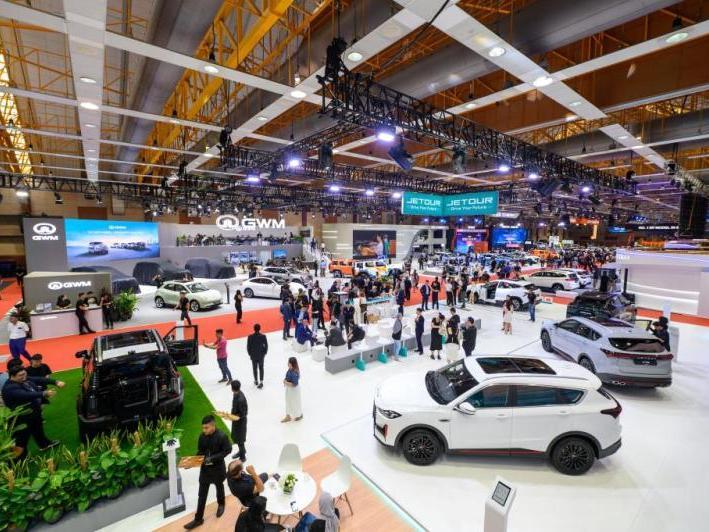
Summarizing the 2025 Malaysia Auto Show, a large number of new cars were launched in Malaysia this year.
MichaelMay 12, 2025
View More
Pros
Cons