
Q
What transmission is in the 2021 Hyundai Elantra Preferred?
 LeafySep 04, 2025, 05:45 PM
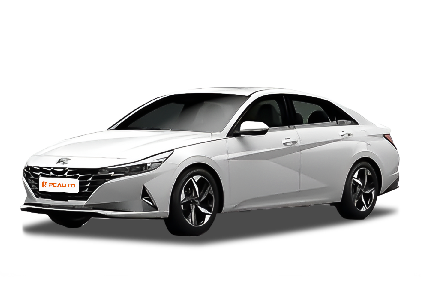
The 2021 Hyundai Elantra Preferred available in the Malaysian market is equipped with an Intelligent Variable Transmission (IVT). This gearbox is an advanced technology independently developed by Hyundai. By mimicking the shifting logic of traditional automatic transmissions, it offers a smoother driving experience and higher fuel efficiency, making it particularly suitable for the frequent stop - and - go traffic conditions in Malaysian cities.
The IVT gearbox features a chain - drive design. Compared with the steel - belt structure of traditional CVTs, it is more durable. Additionally, it comes with multiple driving modes (such as Eco/Sport) to meet different driving needs. It's worth mentioning that Hyundai offers a 5 - year or 300,000 - kilometer warranty (whichever comes first) for this gearbox, giving Malaysian car owners more peace of mind when using their vehicles.
Among models in the same class, Elantra's IVT technology is well - known for its low maintenance costs. You just need to regularly change the transmission fluid to keep it in good condition. It is more suitable for the hot and humid climate in Malaysia compared to dual - clutch transmissions.
If you have higher requirements for the driving experience, you can also consider the 7 - speed dual - clutch transmission offered in the Elantra N Line version. However, the Preferred version is mainly targeted at family - use comfort, and the IVT remains a more cost - effective and practical choice.
Special Disclaimer: This content is published by users and does not represent the views or position of PCauto.
Related Q&A
Q
How many miles will a 2018 Elantra last?
The 2018 Elantra can typically hit 200,000 to 300,000 kilometers with regular maintenance and sensible driving. The actual mileage depends on day-to-day upkeep, driving habits, and road conditions. Hyundai's engine and transmission tech is pretty solid these days—stick to regular oil changes, filter replacements, brake fluid flushes, and keep an eye on the chassis and suspension, and you'll see its durability really shine. It's worth noting that the 1.6L and 2.0L naturally aspirated engines are known for being reliable workhorses, while the turbo versions need a bit more attention to the cooling system and fuel quality. Also, checking tire wear and wheel alignment regularly helps extend the car's life too. If you're mostly driving in stop-and-go city traffic, consider shortening your maintenance intervals—all that starting and stopping can wear on the engine more. Long-term, the stability of the electronic systems matters too, especially sensor and wiring aging. A regular computer diagnostic check is a good idea there. All in all, as an economy car, the Elantra holds up well in its class. With proper care, it'll easily handle daily family driving needs.
 NomadNov 20, 2025
Q
How fast does a 2018 Hyundai Elantra go?
The top speed of the 2018 Hyundai Elantra varies by specific configuration. The version with the 2.0-liter naturally aspirated engine has a top speed of around 195 km/h, while the 1.6-liter turbocharged variant can exceed 210 km/h. Actual performance is also affected by factors like road conditions and vehicle load. This car is a popular family sedan locally, with power tuning focused on the smoothness and fuel efficiency needed for daily driving. While its top speed isn't the highest in its class, the 6-speed automatic transmission responds well and the chassis offers balanced stability. It's important to note that the legal speed limit on Malaysian highways is 110 km/h, so it's advisable to follow traffic regulations when driving—speeding is not only dangerous but can also result in heavy fines. If you have higher performance needs, you might want to check out Hyundai's N series models, which are specially tuned for better power delivery. Of course, for daily use, the Elantra's 1.6T version already provides a decent acceleration experience, going from 0-100 km/h in about 7.5 seconds.
 SailorNov 20, 2025
Q
How reliable is a 2018 Hyundai Elantra?
The 2018 Hyundai Elantra ranks slightly above average in reliability. Its powertrain features tried-and-true 1.6L or 2.0L naturally aspirated engines paired with a 6-speed automatic transmission—stable tech with low maintenance costs, perfect for daily commuting. The interior focuses on practical materials with smart space planning, though highway noise insulation feels a bit lacking. Common issues include occasional electronic glitches and a stiff suspension, but overall failure rates stay below class average, and regular maintenance seriously boosts longevity. For used car shoppers, prioritize checking transmission shift smoothness and chassis rattles, plus dig into complete service records. In its segment, the Elantra holds mid-tier resale value—around 45-50% of original price after five years—with affordable insurance and easy access to parts. If going used, aim for trims with the SmartSense active safety suite; those features make a real difference for on-road security.
 BraveNov 20, 2025
Q
How long do 2018 Elantras last?
The 2018 Hyundai Elantra can typically hit 200,000 to 300,000 kilometers with regular maintenance and normal use. Its lifespan really depends on driving habits, how often you service it, and local climate. The 1.6L and 2.0L naturally aspirated engines under the hood are solid, proven units—keep up with oil changes, transmission fluid swaps, and timing belt replacements, and the powertrain should hold up reliably for years. The body's rust protection is decent too; just keep the undercarriage clean if you're in a humid area to avoid premature corrosion. One thing to watch, though: the suspension and electronics tend to need more attention as the miles stack up. I'd recommend checking the shocks and ball joints every 50,000 km, and keep the infotainment system updated to keep everything running smoothly. Among its peers, a well-maintained Elantra holds its own in durability, and clean 2018 models still have good resale value on the used market. If you're planning to keep it long-term, hang onto those service records and stick with OEM parts for repairs when possible.
 TravelNov 20, 2025
Q
How long does a 2018 Hyundai Elantra battery last?
The battery life of a 2018 Hyundai Elantra typically ranges from 2 to 5 years, depending on usage habits and environmental factors. Things like frequent short trips, hot climates, or leaving it sitting for long periods can shorten its lifespan, while regular maintenance and avoiding deep discharges help extend it. It's a good idea to check the battery's health around every 3 years. If you're having trouble starting the car, notice dim headlights, or your electronics are acting slow, it might be time for a replacement.
Choosing the right battery type matters too. Regular lead-acid batteries are cheaper but don't last as long, while AGM or EFB batteries, though more expensive, work better with start-stop systems and are more durable. Daily habits like cutting down on using electrical devices after turning off the engine and cleaning corrosion off the battery terminals can also help prolong its life. When replacing the battery, stick with one that matches the original specifications and have a professional install it to ensure compatibility and safety.
WandererNov 20, 2025Q
What is the most common problem with the 2018 Hyundai Sonata?
The most common issues with the 2018 Hyundai Sonata are engine-related problems, especially the 2.4L Theta II GDI engine which may experience excessive oil consumption or engine knocking. Some owners report needing to add oil after driving a certain mileage, and in severe cases, this could lead to engine damage. It's advisable to regularly check oil levels and perform timely maintenance. Additionally, some vehicles might have transmission shifting jerkiness, particularly at low speeds. This is usually related to software calibration or transmission fluid condition—upgrading the TCU program or changing the transmission fluid may improve the issue. For the body electronics, the infotainment screen occasionally freezes or goes black; restarting the system or updating the software typically resolves this. The Sonata's suspension system may develop rattles after long-term use, so checking for worn bushings or shock absorbers is key. For owners, following the official maintenance schedule and using genuine parts can effectively extend the vehicle's lifespan. If any abnormalities are noticed, it's best to get it inspected at an authorized service center promptly. Hyundai's warranty policy usually covers such issues, especially for low-mileage vehicles. Regularly checking tire wear and wheel alignment also helps improve driving stability. This car performs well in fuel economy and comfort within its class, and proper maintenance will keep it in good condition.
 HunterNov 20, 2025
Q
How long does a 2018 Hyundai Elantra engine last?
The engine lifespan of the 2018 Hyundai Elantra typically ranges from 200,000 to 300,000 kilometers, depending on regular maintenance and driving habits. Timely oil changes, periodic inspections of critical components like the cooling system and timing belt can significantly extend engine longevity. Hyundai's Gamma series engines are known for their durability; as long as you avoid prolonged high-load operation or ignore warning light alerts, this model's reliability is solid. It's worth noting that turbocharged variants may have slightly higher maintenance requirements than naturally aspirated ones. It's recommended to check turbo condition every 50,000 kilometers and use fully synthetic oil meeting factory specifications. The local hot and humid climate might accelerate rubber hose aging, so regularly inspecting engine bay hose sealing performance is also important. For used car buyers, professional testing to verify engine compression ratio and presence of abnormal noises is advisable—these indicators directly reflect remaining lifespan. With complete maintenance records and no major accidents, an Elantra with over 150,000 kilometers can still maintain good operating condition.
FunnyNov 20, 2025Q
Does the 2018 Hyundai Elantra have a timing belt or chain?
The 2018 Hyundai Elantra comes with a timing chain instead of a timing belt. This design offers better durability and lower maintenance costs—unlike a timing belt, it usually doesn’t need regular replacement and can typically last the entire lifespan of the engine under normal conditions. However, it’s still necessary to periodically check the wear on the chain tensioner and guides. Timing chains are better suited for the high-revving, high-temperature operating environments of modern engines compared to belts. They might be a bit noisier but are more reliable, and many brands have been leaning toward chain designs in recent years. It’s worth noting that while chains have a long lifespan, insufficient lubrication from delayed oil changes can still cause them to wear or stretch, so sticking to regular maintenance schedules is crucial. The Elantra’s powertrain has a large local presence, ensuring ample supply of repair parts and overall good maintenance accessibility. For budget-conscious buyers who value practicality, this low-maintenance design saves a significant amount on upkeep costs—something that’s also a common technical approach among Japanese and Korean models in the same class.
DesignNov 20, 2025Q
What are the common problems with the 2018 Elantra?
The 2018 Elantra's common issues mainly center around transmission jerkiness, especially rough shifting at low speeds. Some owners report minor rattling noises with the dual-clutch version, which can usually be improved through software updates or transmission fluid replacement. On the engine front, the 1.6L Gamma unit might occasionally trigger the check engine light, mostly related to the oxygen sensor or ignition coils – regular maintenance helps lower the chances. Electronics-wise, the infotainment screen could lag or have spotty Bluetooth connectivity, a common quirk with that era's system. Body-wise, watch the sunroof drains – they're pretty narrow, so cleaning them regularly during rainy seasons prevents clogging. After long-term use, the rear torsion beam bushings in the suspension might wear out, causing creaking sounds over speed bumps. The cabin air filter is located behind the glove box, making DIY replacements a bit of a hassle. On the upside, the Elantra delivers solid fuel economy – the 1.6L model averages around 7-8L/100km in the city – though using 95-octane gasoline is recommended for optimal performance. Regularly replacing the timing chain and cleaning the throttle body effectively extends engine life. The factory 5-year warranty covers most major components too, so it's best to contact an authorized service center first when issues pop up.
HealerNov 20, 2025Q
What kind of engine is in the 2018 Elantra?
The 2018 Elantra offers two gasoline engine options: the 1.6-liter Gamma MPI naturally aspirated engine and the 1.6-liter Gamma T-GDI turbocharged engine. The former puts out 123 horsepower, mated to a 6-speed manual or automatic transmission, perfect for daily commuting. The latter cranks up the power to a more robust 201 horsepower, paired with a 7-speed dual-clutch transmission for a sportier driving feel. Both engines feature Hyundai's advanced gasoline direct injection technology and lightweight design, striking a solid balance between fuel efficiency and performance. It's worth noting that the Gamma engine series is known for its reliability and low maintenance costs—routine upkeep basically just involves regular oil and filter changes. For practicality-focused buyers, the naturally aspirated version handles city driving just fine, while those after more driving fun should lean towards the turbocharged model. Both deliver above-average fuel economy for the class.
 GamerNov 20, 2025
Popular Cars
Model Year
Car Compare
Car Photo
Related Models
 Cars
CarsLatest Q&A
Q
How does the 2022 Odyssey compare to other minivans?
The 2022 Honda Odyssey stands out among mainstream family MPVs with several competitive advantages. Its 3.5L V6 engine delivers 280 horsepower, paired with a 10-speed automatic transmission that offers smoother shifts and better fuel efficiency than many rivals still using 6 or 8-speed gearboxes.
The magic seat design is a game-changer—the second row slides sideways up to 16 cm, while the third row folds flat with one-touch functionality, making seat reconfiguration far more flexible than conventional MPVs. Perfect for families constantly juggling cargo and passenger needs.
On the safety front, the Odyssey comes standard with Honda Sensing, including adaptive cruise control and lane-keeping assist—features that often cost extra in competing models. For entertainment, it’s equipped with a rear-seat entertainment screen and CabinTalk, solving the classic "backseat shout" problem on long trips.
A standout detail? The low floor height—12-15 cm lower than most MPVs—makes entry and exit noticeably easier for kids and elderly passengers. While many MPVs prioritize space at the expense of driving dynamics, the Odyssey’s double-wishbone rear suspension (a rarity in this segment) actually improves handling stability.
Maintenance intervals align with local habits—recommended every 10,000 km or 6 months—keeping ownership costs reasonable. All in all, it’s a thoughtful package that doesn’t force families to compromise.
 ModelPoseCharmDec 8, 2025
Q
Is there a recall on Honda Odyssey 2022?
At present, Honda has not issued any recall notice for the 2022 Odyssey. This model has shown good overall reliability performance in the local market. However, it is recommended that car owners regularly check the latest safety notices through Honda's official website or authorized service centers, as there are occasional service activities for specific components worldwide. For example, some markets have undergone preventive maintenance for the electric tailgate control module or sliding door sensor. For the daily maintenance of MPV models, special attention should be paid to cleaning the electric sliding door tracks and updating the multimedia system software, which can affect the user experience. If any abnormal conditions are found in the vehicle, such as warning lights on the dashboard or electronic device failure prompts, it is best to contact the nearest authorized repair point for professional inspection as soon as possible, after all, the seven seater model has more complex electronic devices than ordinary sedans. In addition, it is recommended that car owners develop the habit of regularly checking the condition of the vehicle, including tire wear, brake system status, etc. These large family cars usually carry heavy loads, and the wear and tear of chassis components will be relatively faster.
 BoarderWaveRideDec 8, 2025
Q
What should I pay for a 2022 Honda Odyssey?
The used car price of a 2022 Honda Odyssey can vary depending on its condition, mileage, trim level, and warranty coverage. Typically, you can expect prices to range between RM150,000 to RM220,000, with well-maintained, low-mileage higher-spec models leaning toward the upper end. On the other hand, base trims or those with higher mileage will be more affordable.
Before buying, it’s always a good idea to get a thorough inspection from an authorized used car dealer or a trusted seller to check for accident history and mechanical issues. The Odyssey is a popular family MPV, known for its spacious cabin, comfortable ride, and reliable performance—especially its versatile Magic Seat system and efficient powertrain, making it great for long trips.
When shopping, don’t just focus on the price—consider warranty coverage and after-sales service to avoid future headaches. If your budget allows, you might also want to explore newer models or even a brand-new unit for better features and longer warranty protection.
 SipDec 8, 2025
Q
What are common problems with the 2022 Odyssey Elite?
The 2022 Odyssey Elite delivers solid performance as a premium minivan, though some owners report recurring quirks. The infotainment system occasionally freezes or lags—particularly when using Apple CarPlay or Android Auto—often requiring a reboot to resolve. Another hiccup involves the power sliding doors' sensors misreading obstacles during wet weather, usually fixed by wiping the sensors clean.
Mechanically, a handful of drivers notice slight low-speed gearshift hesitation from the 9-speed transmission, but a dealership software tweak typically smooths it out. While the 3.5L V6 packs plenty of punch, stop-and-go traffic tanks fuel efficiency; keeping air filters and spark plugs in check helps. Honda did improve cabin quietness over the previous gen, though tire hum still reaches the third row at highway speeds—swapping to touring tires helps if you're picky about noise.
One nitpick: The Honda Sensing suite's automatic braking tends to be jumpy in crawling traffic, triggering false alerts. You can dial down its sensitivity via the touchscreen. Pro tip: Given the Odyssey's heft, brake pads wear faster—stick to 10,000-mile inspections.
 DriverDec 8, 2025
Q
How long will a 2022 Honda Odyssey last?
The 2022 Honda Odyssey can typically last between 200,000 to 300,000 kilometers—or even longer—with proper maintenance and reasonable use. Its actual lifespan depends on driving habits, maintenance frequency, and road conditions.
Under the hood, the Odyssey comes with Honda’s proven 2.4L i-VTEC engine or a hybrid system, both known for their durability. Staying on top of oil changes, transmission fluid swaps, and suspension upkeep will go a long way in keeping it running smoothly. The body has solid rust protection, but if you’re near the coast, an extra undercoat wouldn’t hurt to fight off salt and humidity.
One thing to note: The hybrid’s battery pack usually lasts 8-10 years, though replacement costs have been dropping. Every 50,000 km, it’s smart to check the drivetrain and steering system, plus replace wear-and-tear parts like the timing chain when needed. Easy driving—avoiding hard acceleration and heavy loads—helps preserve the engine and transmission.
Resale value is strong for an MPV, especially with clean maintenance records. Stick to the service schedule, and most owners can get 15+ years out of it without major repairs.
 DreamerDec 8, 2025
Related News

In Malaysia, which sliding door MPVs are available?
MichaelOct 30, 2025

Modern Ioniq 5 N Lands in Malaysia: Track-Level Performance Electric Vehicle is Here, Priced Possibly Below RM 400,000?
JohnSep 10, 2025

Hyundai's Big Return to Malaysia: Top 5 Models Expected
MichaelMay 30, 2025
580,000 km & 87.7% Battery Health: Ioniq 5’s Incredible Durability
MichaelMay 6, 2025

Revolutionizing Hybrids: Hyundai’s New System vs. Toyota's Hybrid System
Kevin WongApr 22, 2025
View More
Pros
Cons