
Q
why is porsche 911 so expensive
 BreezySummerBreezeSep 29, 2025, 06:17 PM
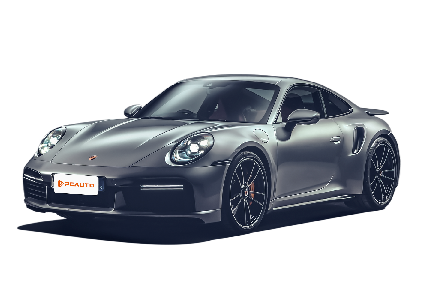
The Porsche 911 commands such a premium price tag primarily because it's a masterful blend of the brand's rich heritage, exceptional engineering, and that one-of-a-kind driving feel we all crave. As Porsche's flagship, the 911 is built to incredibly high standards – think that rear-mounted flat-six engine and a chassis tuned to absolute precision. These aren't just tech specs; they're what make the 911 tick, but they also drive up the production costs. Then there's the extensive use of lightweight materials in the body, stuff like aluminum and carbon fiber, which further bumps up the price. Over in Malaysia, let's not forget the import duties and consumption taxes that can really inflate the final sticker price.
But here's the thing – the 911 also holds its value like a champ, thanks to its timeless design and consistently strong market demand. For Malaysian enthusiasts, it's more than just a sports car; it's a status symbol. That brand cachet and relative exclusivity play their part in keeping those prices up too. If you're into high-performance machines, the 911's unique allure is definitely worth a serious look. But hey, it doesn't hurt to shop around either. The Nissan GT-R or Mercedes-AMG GT, for example, offer similar thrills at different points in the price spectrum.
Special Disclaimer: This content is published by users and does not represent the views or position of PCauto.
Related Q&A
Q
what type of car is porsche 911
The Porsche 911 is a legendary high-performance sports car from German automaker Porsche. It's that iconic rear-engined, rear-wheel or all-wheel drive luxury sportster that's been turning heads and setting standards since 1963. Here in Malaysia, the 911 has a massive following, and it's easy to see why. Drivers love its razor-sharp handling, the punch from its flat-six turbocharged engine, and that timeless design that blends classic cues with modern flair – it's absolutely perfect for cruising those coastal roads in Penang or Johor.
Porsche offers the 911 in a bunch of flavors to suit different tastes. There's the Carrera, which is the solid base model, then the Turbo for those who crave serious speed, and the track-focused GT3 for the ultimate driving purists. What really stands out about the 911, though, is how it manages to keep that classic rear-engine layout while still being totally usable every day – thanks to smart tech like the PDK dual-clutch gearbox and adaptive suspension. That balance is why it's such a big deal in Malaysia's premium sports car scene. And if you do take the plunge, Porsche's got your back with official service centers in cities like Kuala Lumpur, so you know you're covered.
 CherryBlossomBreezeSep 29, 2025
Q
how many cylinders in a porsche 911
The Porsche 911, that iconic sports car staple, has seen its engine setups evolve across generations and models, but let's be real—most of 'em rock that flat-six (H6) heart. It's like the 911's DNA, right? Take the current 992 series: the Carrera and Turbo models? They're packing 3.0L and 3.7L twin-turbo flat-sixes, respectively. This layout isn't just for show; it drops the center of gravity big time, making the car stick to the tarmac like glue and handle like a dream. And man, flat-sixes are loved for how smooth they are and how they deliver that power efficiently—total game-changer when you're carving up Malaysia's twisty hill roads or putting the hammer down on the highway.
Now, if you're all about that raw, unfiltered experience, the GT3 lineup is where it's at. Those bad boys stick with naturally aspirated engines, still six cylinders, of course. The result? Power that builds nice and linear, and hitting those high revs? Pure thrills. For Malaysian enthusiasts, picking a 911 boils down to what you crave. Daily driver? Track toy? Whatever it is, there's a six-cylinder 911 out there ready to tackle it all.
 CascadingWaterfallFlowSep 29, 2025
Q
how fast is the porsche 911 gt3 rs
The Porsche 911 GT3 RS is a high-performance sports car built specifically for the track. It tops out at around 296 km/h and sprints from 0 to 100 km/h in just 3.2 seconds. That kind of pace comes courtesy of its 4.0-liter naturally aspirated flat-six engine, which cranks out 525 horsepower. Pair that with lightweight construction and an advanced aerodynamics package, and you’ve got a car that generates serious downforce and stability at high speeds.
For Malaysian petrolheads, this thing really shines on the circuit – it can even push its limits on challenging tracks like Sepang International Circuit. One thing to note though: while that naturally aspirated engine goes absolutely berserk in the upper rev range, it demands some tender loving care. Especially in Malaysia’s hot and humid climate, keeping a close eye on oil levels and the cooling system with regular checks is a must.
Also, the GT3 RS features a firm suspension setup, which is perfect for carving up track days but might feel a bit jittery on everyday roads. But hey, that’s all part of the package when you’re chasing ultimate handling. If this kind of high-performance machine floats your boat, keep an eye on rivals like the Lamborghini Huracán STO or Ferrari 488 Pista. They’re all track-focused beasts too, each with their own unique driving personalities and engineering philosophies.
 MoonlightNightSep 29, 2025
Q
how much is a pink porsche 911
In Malaysia, the exact price tag of a pink Porsche 911 hinges on the model year, specs, optional extras, and market demand. A brand-new base model typically starts between RM1 million to RM1.5 million. But if you're eyeing that custom pink paint job—think "Pink Pig" livery or special hues like Rubystar Neo—be prepared to shell out an extra RM50k to RM150k for the paint option.
For used cars, a 3- to 5-year-old pink 911 will likely set you back around RM700k to RM1 million. However, rare colorways or limited editions can command a 20%+ premium. It’s worth noting Porsche’s Exclusive Manufaktur program lets owners personalize exterior colors and interiors—these highly customized rides often hold more value and have stronger collector appeal.
Malaysian buyers should also factor in import duties (roughly 105%-200% based on engine displacement), GST, and AP permit costs—these can easily double the final on-road price. If you’re planning to hold onto it long-term, buying through official Porsche Malaysia channels is recommended to secure full warranty coverage. While special-colored cars might take longer to sell when you decide to part ways, their unique shades often translate to better retained value among specific buyer circles.
 MysticalForestTrailsSep 29, 2025
Q
how much is the porsche 911 turbo s
In Malaysia, the price of a Porsche 911 Turbo S can vary depending on the configuration, optional extras, and exchange rate fluctuations. Right now, the base price is roughly between 1.2 million and 1.5 million Ringgit, but for the most up-to-date quote, you'll need to check with your local authorized dealer. As the high-performance flagship of the 911 lineup, the Turbo S packs a 3.8-liter flat-six twin-turbo engine, cranking out 650 horsepower and 800 Nm of torque. Mated to an 8-speed PDK gearbox and Porsche's renowned all-wheel-drive system, it rockets from 0-100km/h in a blistering 2.7 seconds and tops out at 330km/h, showcasing Porsche's absolute mastery of power and handling. Malaysian enthusiasts should keep in mind that imported luxury cars come with additional costs like duties, insurance, and registration fees. On top of that, Porsche Centres often offer extensive personalization options – think lightweight packages or premium interior upgrades – which will all affect the final sticker price. If you're craving even more performance, look into track-focused tech like the Track Precision app to further refine your driving experience. Before taking the plunge, we highly recommend booking a test drive to really feel that pinpoint steering and the dynamic behavior of the active suspension system for yourself.
 WhisperingWindCaressSep 29, 2025
Q
which porsche 911 is the most comfortable
In Malaysia, if comfort is your top priority, the standout choices in the Porsche 911 lineup are the 911 Carrera 4S and Turbo S models – especially those kitted out with Porsche Active Suspension Management (PASM) and the 18-way electrically adjustable comfort seats. These two beauties manage to keep that iconic 911 driving thrill alive while seriously upping the long-haul comfort game. Thanks to softer suspension tuning, better sound insulation, and more generously proportioned seats, they’re particularly well-suited to Malaysia’s notoriously variable road conditions. The Carrera 4S’s suspension does a great job of ironing out bumps, while the Turbo S takes things up a notch with its more potent powerplant and plusher interior materials, elevating the overall driving and riding experience even further. Additionally, the 911 Targa strikes a nice balance between comfort and style, thanks to its unique open-top design and reinforced body rigidity. For Malaysian buyers, climate is another important factor to consider. It’s advisable to prioritize models equipped with ventilated seats and a premium air conditioning system to ensure comfort during the hot weather. The entire Porsche 911 range also offers a wealth of personalization options, allowing owners to further enhance comfort according to their needs – for example, upgrading to acoustic glass or selecting a softer suspension setting.
 WanderlustSoulSearchSep 29, 2025
Q
how much is a porsche 911 gt3 rs
In Malaysia, the price of a Porsche 911 GT3 RS can vary depending on specifications, exchange rates, and import duties. Right now, you're looking at roughly 2 million to 2.5 million Ringgit for a brand-new one. For the most up-to-date figures, though, you’ll need to hit up your local authorized dealer.
This thing is the pinnacle of Porsche’s track-focused engineering. Under the hood is a 4.0-liter naturally aspirated flat-six engine cranking out 525 horsepower, mated to a 7-speed PDK dual-clutch gearbox. It’s built for the die-hard enthusiasts chasing that ultimate driving rush.
Malaysia’s high-performance car market has a steady appetite for machines like this, but let’s be real—stiff import taxes mean they’re pricier here than back in Europe. If you’re considering a used model, prices will swing based on condition, mileage, and year. My advice? Stick to reputable channels and make sure you check the full service history before signing on the dotted line.
For folks who live for track days, the GT3 RS’s lightweight build and aerodynamic package deliver seriously next-level handling. And to sweeten the deal, Porsche Malaysia hooks owners up with exclusive after-sales service and owner events, making the whole ownership experience even better.
 SunnyRadiantSmileSep 29, 2025
Q
why is porsche 911 called 911
The reason the Porsche 911 is called the 911 goes back to its original internal project number, "901". When it was set to launch in 1964, Peugeot had already registered all three-digit model names with a "0" in the middle, forcing a change. So, it became the "911" – and the rest, as they say, is history. Initially badged as the Porsche 901, things changed after its debut at the Paris Motor Show. Peugeot stepped in, pointing out they'd patented the X0X naming format way back in the 1920s. Out of respect for intellectual property and legal considerations, Porsche swapped the "0" for a "1", giving birth to the iconic 911 moniker. For Malaysian petrolheads, the 911 isn't just Porsche's soul – it's a symbol of sports car culture. Its flat-six engine and rear-engine, rear-wheel-drive layout remain the gold standard for performance and handling, even today. What's really cool is how the 911 has evolved through eight generations while keeping those classic frog-eye headlights and that sloping fastback shape. This design continuity isn't just for show; it's helped the 911 adapt incredibly well to Malaysia's hot climate and diverse road conditions, proving its durability. No wonder it's the dream car for so many local car enthusiasts.
 DazzlingSparkleShineSep 29, 2025
Q
how much is a porsche 911
In Malaysia, Porsche 911 pricing varies pretty widely depending on the model, specs, and optional extras you go for. Brand-new, you're looking at a starting price of around 900,000 to 1.2 million ringgit. For the high-performance beasts like the 911 Turbo S, though, that figure can easily blow past the 1.5 million ringgit mark. Your best bet for the latest and most accurate numbers? Hit up your local authorized Porsche dealer—they’ll sort you out.
The Porsche 911 is legendary for its classic rear-engine setup and that unbeatable driving thrill, making it a top pick for folks who crave both high performance and luxury. Over in Malaysia, you’ll commonly see models like the Carrera range, the Targa, and the Turbo variants. Power-wise, things start at a solid 385 horsepower for the base models and climb all the way up to a whopping 650 horses in the Turbo S. And across the board, you’re getting that slick PDK dual-clutch gearbox and a capable all-wheel-drive system—tech that just works.
Another plus? The 911 holds its value really well in Malaysia. Plus, Porsche Centers here offer top-notch after-sales service, including regular maintenance programs and factory warranty coverage, so you can drive with peace of mind knowing your investment is looked after. If a brand-new 911 stretches the budget, don’t sleep on low-mileage used models. They typically come in 30-50% cheaper than new, but just make sure you check the condition and service history thoroughly before taking the plunge.
 FrostyWinterWhispersSep 29, 2025
Popular Cars
Model Year
Car Compare
Car Photo
Related Models
 Cars
CarsLatest Q&A
Q
Is AMT similar to automatic?
There are significant differences between AMT transmissions and automatic transmissions (AT) in terms of core structure and driving experience. AMT is essentially an electronically automated version of a manual transmission, simulating manual clutch operation and gear shifting through a computerized control system while retaining the gear set structure of manual transmissions. As a result, it offers higher transmission efficiency, with fuel consumption approximately 8%-12% lower than AT, making it particularly suitable for highway or long-distance driving. However, it may exhibit jerking similar to manual transmissions during low-speed gear shifts, especially noticeable in congested traffic conditions.
AT transmissions rely on torque converters for power transfer, delivering smooth and seamless gear shifts that appeal to comfort-oriented users. However, their complex structure (incorporating planetary gear sets, hydraulic systems, etc.) results in higher maintenance costs. A single service may cost between 800 to 1,500 ringgit, whereas AMT only requires gear oil replacement at approximately 400 ringgit.
From a market perspective, AMT is predominantly used in budget vehicles or commercial models priced below 80,000 ringgit, while AT is typically featured in mid-to-high-end vehicles. Consumers should select based on actual needs: AMT suits those prioritizing fuel efficiency and low maintenance costs, while AT better serves those valuing comfort. Notably, recent advancements in AMT electronic control technology have significantly mitigated jerking issues, though test drives should still emphasize low-speed performance evaluation.
 AriaMar 26, 2026
Q
Which is better, DCT or AT?
DCT (Dual-Clutch Transmission) and AT (Automatic Transmission) each have their own advantages and disadvantages, and the choice should be based on personal driving needs. AT transmissions transfer power through a torque converter, offering excellent shift smoothness, making them suitable for urban commuting or novice drivers. However, they tend to have higher fuel consumption, and vehicles equipped with them are usually more expensive. DCT transmissions utilize a dual-clutch structure, featuring fast shift speeds and high power transmission efficiency, which provides a more direct driving experience—particularly suitable for users seeking a sporty feel. However, they may exhibit jerking at low speeds and have relatively high maintenance costs. If durability and comfort are priorities, AT is the more reliable choice; if power responsiveness and driving pleasure are preferred, wet DCT (such as Volkswagen DSG) performs better, though dry DCT models should be avoided in prolonged stop-and-go traffic conditions. Additionally, CVT transmissions excel in smoothness and fuel efficiency, making them ideal for daily commuting, but they lack driving excitement. It is recommended to test-drive before purchasing, as tuning varies significantly across brands, and real-world experience is more important than theoretical specifications.
 FlutteringMar 26, 2026
Q
Is Amt good or bad?
AMT gearboxes have a significant cost advantage in the local market, typically being around 5,000 Ringgit cheaper than models equipped with conventional automatic transmissions. Their fuel efficiency is comparable to manual transmissions, resulting in long-term fuel savings. Featuring a straightforward design, they achieve transmission efficiency exceeding 90% with relatively low maintenance costs, making them ideal for practicality-oriented consumers. However, their shifting logic contains inherent limitations: gear changes between 1st and 2nd cause 0.3-0.5 second power interruptions, while unintended upshifts on inclines may reduce engine speed by 15%-20%, compromising driving smoothness. For urban commuters or budget-conscious buyers, AMT offers excellent value, though those prioritizing premium driving dynamics should consider alternative transmission types. Some domestic models like the Perodua Axia employ enhanced AMT systems, where optimized shift programming has reduced gearshift shock by approximately 30%.
 RainbowsMar 26, 2026
Q
Which gives better mileage, CVT or AMT?
From the perspective of fuel economy, CVT transmissions generally perform better under urban driving conditions. Their continuously variable design allows the engine to consistently operate within the optimal speed range, significantly reducing fuel consumption during frequent starts and stops. Test data shows that their fuel consumption in urban driving conditions is 10% to 15% lower than that of comparable models. AMT transmissions, on the other hand, inherit the high transmission efficiency of manual transmissions, delivering fuel efficiency close to manual transmissions during high-speed cruising. This makes them particularly suitable for long-distance driving in large-displacement vehicles. However, due to power interruption during gear shifts, their overall fuel consumption may be 5% to 8% higher than CVTs.
The difference in fuel-saving characteristics between the two transmissions stems from their technical principles: CVTs achieve continuous variability through steel belts and pulleys, eliminating the fixed gear ratio limitations of traditional transmissions; AMTs simulate manual gear changes via electronic control systems while maintaining the mechanical efficiency of gear transmission. Notably, actual fuel consumption is also influenced by driving habits. Smooth acceleration and anticipatory deceleration can maximize the transmissions' fuel-saving potential. If the vehicle budget permits and urban commuting is the primary use, CVTs offer a more economical choice. For frequent highway driving with an emphasis on cost-effectiveness, AMTs are equally worth considering.
 RubyBlazeMar 26, 2026
Q
Which is cheaper, AMT or CVT?
In terms of gearbox cost, AMT is usually more economical than CVT. Essentially, AMT is a manual transmission equipped with an electronic control unit, featuring a simple structure and low maintenance costs. The unit price ranges from approximately 5,000 to 8,000 ringgit, making it suitable for budget-conscious consumers or those who prioritize long-term operating costs. CVT incurs higher manufacturing costs due to its precision steel belt transmission system and continuous variable transmission technology, with a unit price of about 7,000 to 10,000 ringgit. However, it delivers a smoother driving experience and superior fuel efficiency. The primary differences between the two lie in technical complexity: AMT retains the gear-shifting mechanism, resulting in noticeable shift shock; CVT achieves linear power output through stepless speed variation but requires periodic belt inspection and incurs higher maintenance expenses. For those prioritizing initial cost and basic transportation needs, AMT offers better value; if comfort and long-term fuel economy are priorities, CVT represents a more worthwhile investment. Note that actual prices may vary based on vehicle model, brand, and local supply chain factors.
 ShadowProwlMar 26, 2026
Related News

Porsche releases the all-new track weapons 911 Cup and GT3 R
LienAug 11, 2025

All-New Porsche 911 Turbo S to Debut in 2025 with First-Ever Hybrid System, Targeting Over 700 hp
RobertAug 4, 2025
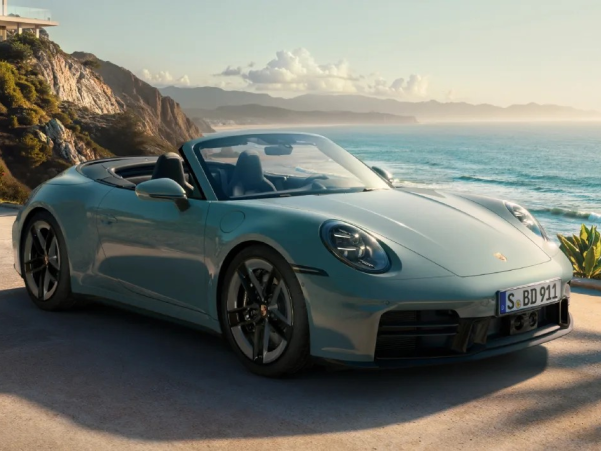
Porsche launches new 911 Carrera 4S with a top speed of 307km/h
MichaelJul 4, 2025
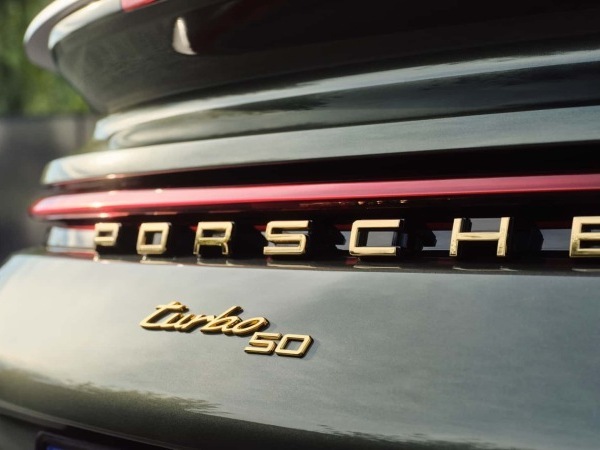
650 HP, 0-100 km/h in 2.7s - limited edition Porsche 911 Turbo 50th anniversary launches
AshleyAug 16, 2024
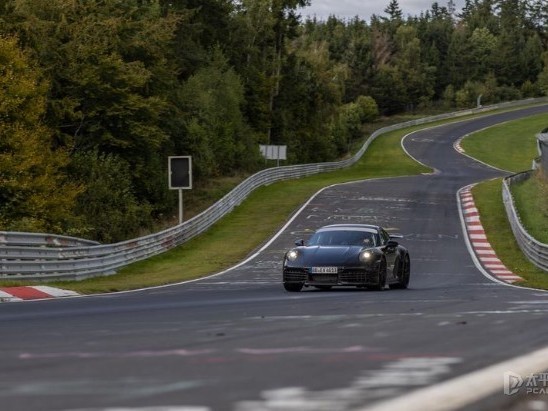
Porsche 911 First Hybrid Completes Testing: Debut on May 28
AshleyMay 15, 2024
View More
Pros
Cons