

2010 Nissan NV200 public Review

 Share
Share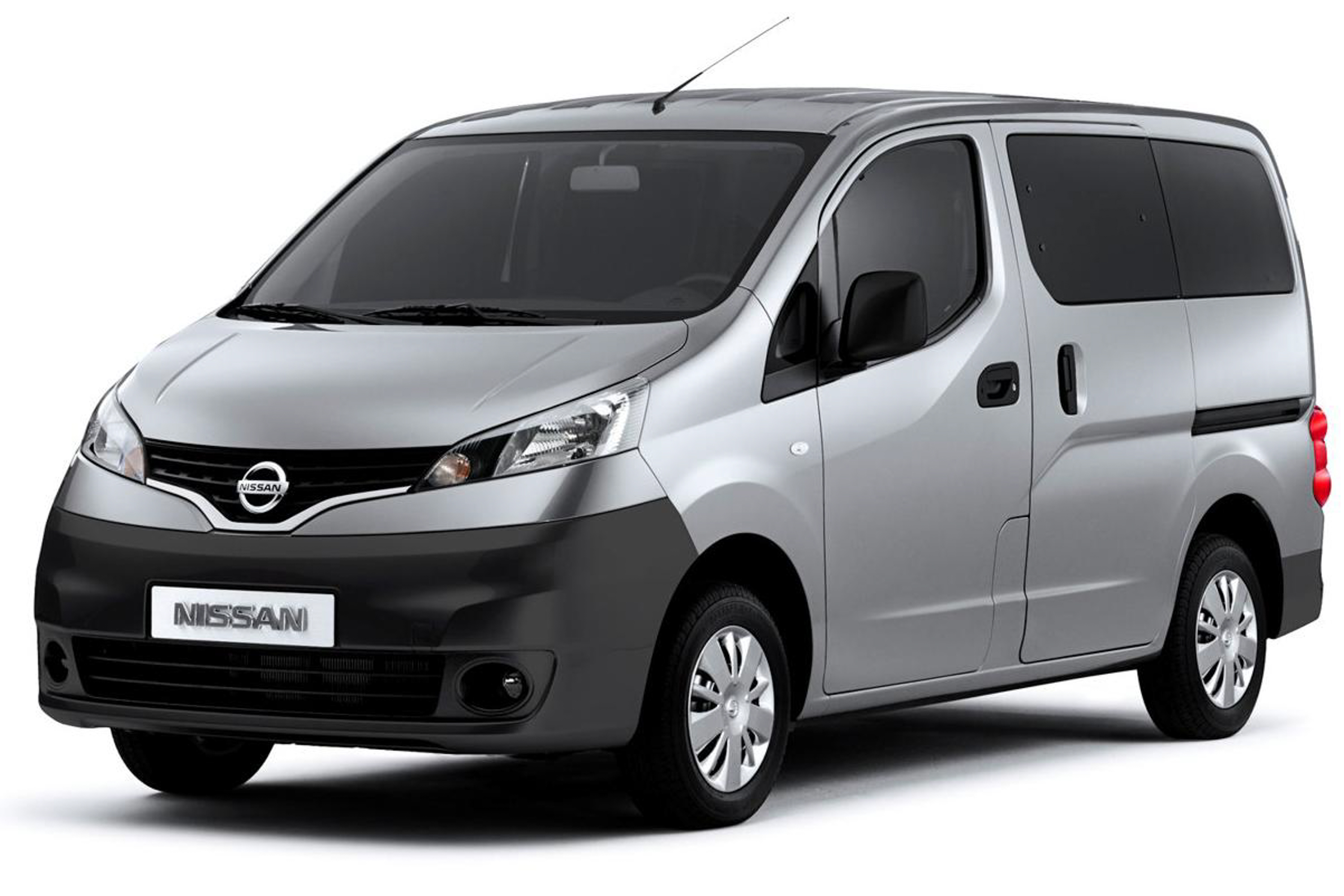
 Body Type
 Segment
 Capacity(L)
 Engine Power(PS)
 Engine Torque(Nm)
 Transmission
In the commercial compact van market, reliable, practical, and space-flexible models have always been the top choice for small business owners and urban logistics practitioners. The 2010 Nissan NV200 Public targets this niche market, emphasizing its compact body size and flexible interior layout as its core selling points while considering fuel economy for daily driving. We took this car for a test drive to see if it truly meets the needs of its target users in terms of cargo practicality, driving convenience, and daily use costs.
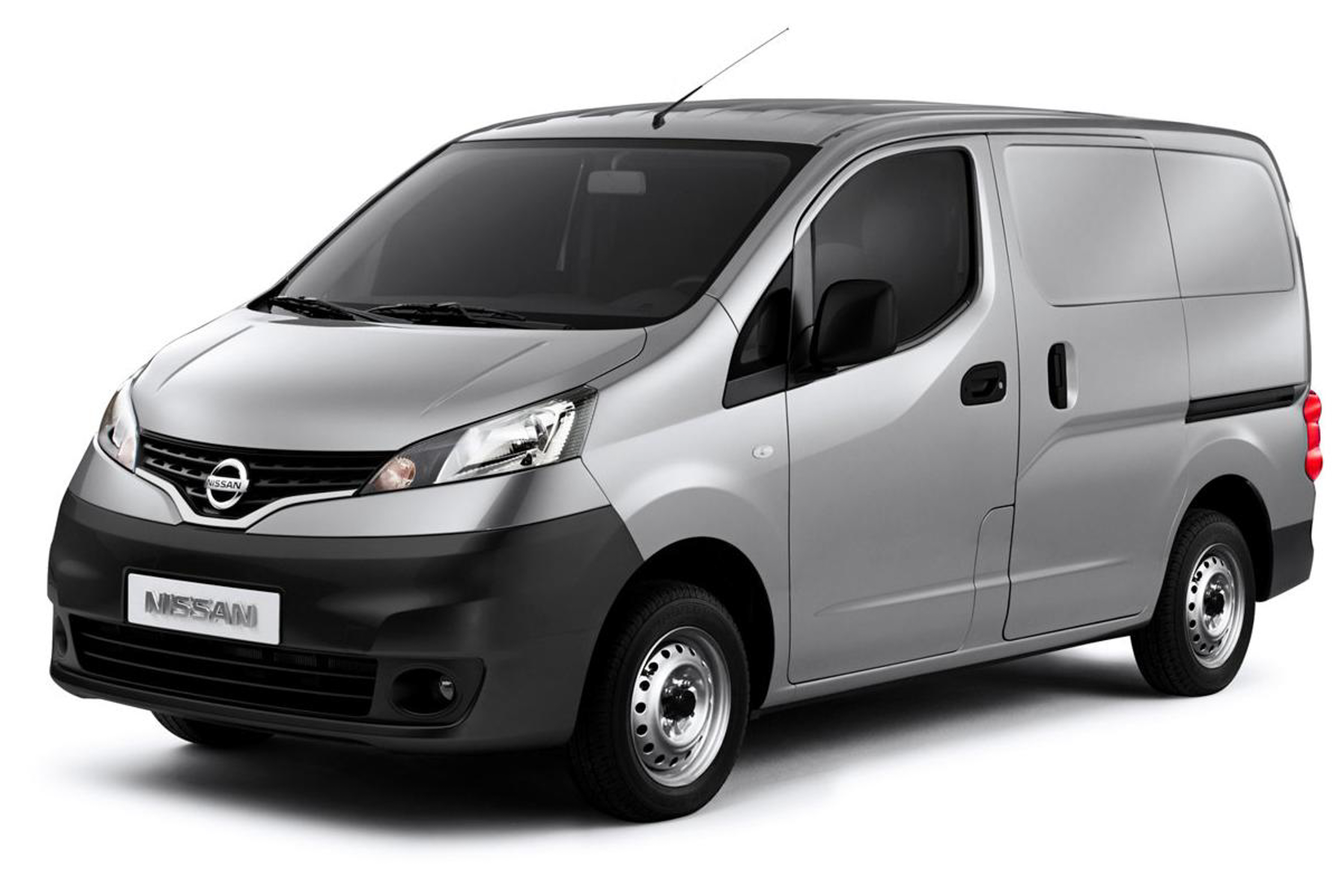
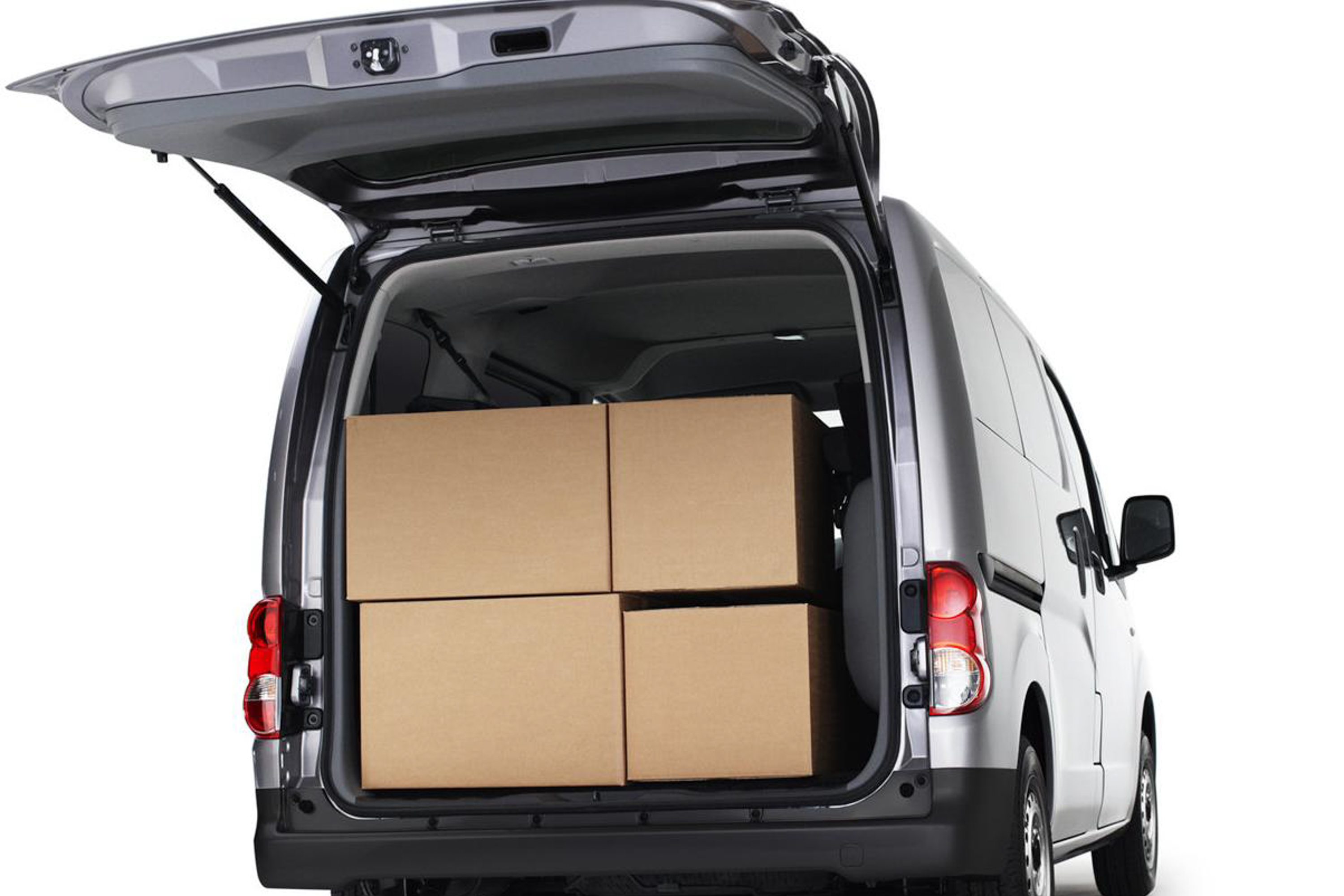
From the exterior, the 2010 NV200 Public adopts a purely utilitarian approach with no unnecessary design elements. The front features Nissan's earlier simple design style, with a large black plastic grille paired with square halogen headlights on both sides. While the design may not stand out, it’s durable—the plastic parts reduce repair costs after minor scratches, which is practical for commercial vehicle owners often navigating narrow streets. The side profile has straight lines, and the roofline extends from the A-pillar to the rear without curves, maximizing vertical space within the cabin to facilitate the loading of taller cargo. Door handles and exterior rearview mirrors are made of black plastic, and the lower body lacks chrome trim, prioritizing cost reduction and ease of maintenance. The rear design is similarly simple, with square taillights embedded on each side of the body. The tailgate opening is wide enough, and the height is moderate, meaning there is no need to bend over awkwardly when loading and unloading cargo.
Stepping inside, you'll immediately feel its tool-like nature—the interior is made entirely of hard plastic. However, the panel gaps are even, avoiding a cheap feel. The center console layout is very straightforward, with all buttons and knobs concentrated to the right of the steering wheel. The air conditioning control area uses traditional knob designs, which makes it easy to operate without looking down. The instrument cluster features mechanical dials, with a small LCD screen in the middle displaying basic information like fuel level, engine temperature, and mileage, all of which are clear and easy to read. The driver’s seat is made of fabric material and offers decent support, with a slight lumbar bulge that ensures comfort even during long drives. However, the seat cushion is slightly short, offering limited support for the thighs. The front passenger seat can be fully folded forward—a practical design as it forms a longer loading area with the rear space, making it convenient for carrying long items like pipes or planks.
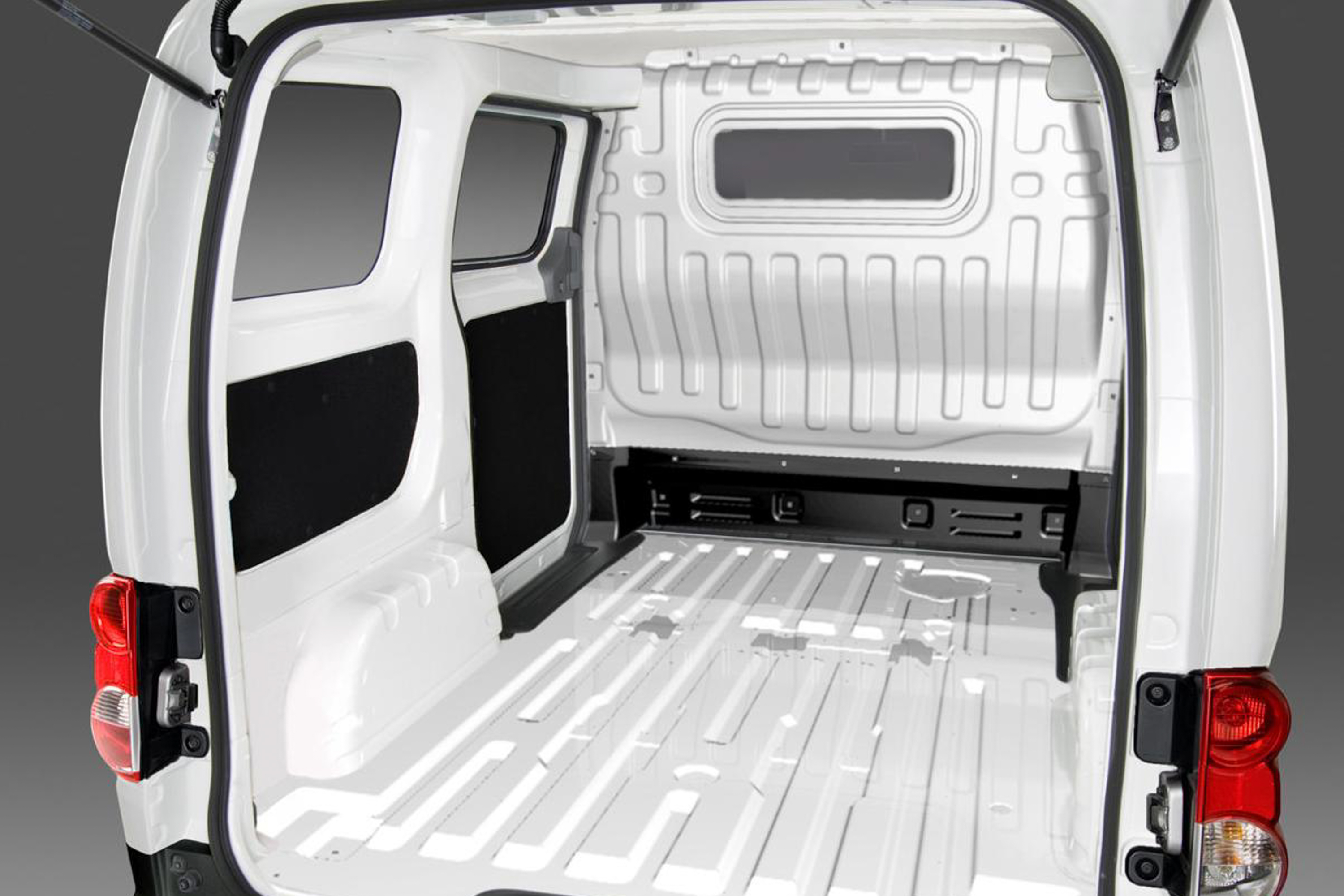
In terms of space, the 2010 NV200 Public has dimensions of 4400mm×1695mm×1847mm and a wheelbase of 2725mm. The headroom in the front row is ample, leaving a 1.5-fist clearance above the head for a 175cm tall passenger. If the rear area is used for cargo storage, the standard capacity is about 4.2 cubic meters. After completely removing the rear seats (tools are required, but the steps are simple), the capacity can be expanded to approximately 6 cubic meters, placing its loading ability above average among similar compact vans. Inside the cabin, there is plenty of storage space: a small compartment on the left side of the steering wheel for holding items like phones, an open storage area below the dashboard, and a decently sized glovebox on the passenger side for storing documents or tools.
For the powertrain, this vehicle is equipped with a 1.6L naturally aspirated engine that delivers a maximum output of 83kW (113 horsepower) and a peak torque of 150N·m, paired with a 5-speed manual transmission. Judging by the specs, its power performance isn’t particularly strong, but it is adequate for a vehicle weighing about 1.3 tons. The clutch bite point is clear at start-up, making it easy for beginners to avoid stalling. The throttle response is quite linear—what you press is what you get—with no obvious lag. On urban roads, when shifting into 3rd or 4th gear, the power delivery is stable. You’ll need to downshift and increase the RPM for overtaking. Once the RPM exceeds 3000, the power surge becomes more apparent, although accompanied by increased engine noise. At highway speeds, the engine runs at about 3000 RPM at 100km/h, and it’s capable of reaching up to 120km/h, although the vehicle may feel slightly unsteady due to its taller center of gravity, making it better suited for urban and suburban road conditions.
In terms of handling, the steering wheel is relatively light with minimal play, making U-turns or maneuvering in narrow areas quite easy in daily use. The suspension consists of a front MacPherson independent suspension and a rear leaf spring non-independent suspension—this combination is common in commercial vehicles. While the rear leaf springs can handle heavier loads, they compromise on comfort. When driving over speed bumps or bumpy roads, the rear passengers will experience more noticeable vibrations, and the body will bounce more, whereas front passengers feel relatively softer vibrations. When cornering, the vehicle has significant body roll, but since it’s designed for cargo transport, handling is not its main focus.
As for fuel consumption, our test drive primarily covered urban roads, including congested sections and expressways. The average fuel consumption was around 7.5L/100km. On suburban expressways without load, the fuel consumption can drop to 6.8L/100km. For users who frequently carry cargo, this performance can effectively reduce daily operating costs. The braking performance is average, with a long pedal stroke and soft braking force in the initial stage, requiring more pressure for adequate braking power. Daily driving requires attention to the following distance.
During daily driving, the NV200 Public’s noise control is at a normal level for its class. The engine noise is modest at idle, but once the RPM exceeds 3000, the engine noise becomes noticeable inside the cabin. During highway driving, wind noise and tire noise are also prominent. However, for a commercial vehicle, this performance is acceptable. The seats, as mentioned previously, are made of fabric, which is not too stuffy in summer nor too cold in winter. However, long periods of driving may cause some fatigue in the thighs.
Overall, the 2010 Nissan NV200 Public has clear core advantages: flexible cargo space, stable power output, and low fuel costs. Compared to the Toyota Avanza (commercial version) in the same segment, its rear space after the seats are removed is larger, and its clutch and throttle calibration are better suited for frequent urban stop-and-go conditions. Compared to the Suzuki Every, its 1.6L engine delivers more power and can handle heavier loads.
This vehicle is particularly suitable for small business owners, such as couriers, small retailers, or individual entrepreneurs who need to frequently transport goods. Its compact body makes it easy to navigate narrow urban streets, while its flexible space layout accommodates various cargo needs. Its fuel efficiency also helps control operational costs. If your requirement is "primarily cargo transport with occasional passenger use," then this vehicle will meet your needs. However, if you are seeking comfort or handling, it may not be the best choice.
The 2010 NV200 Public is a purely utilitarian vehicle. It doesn’t offer luxurious features or an exceptional driving experience, but it is highly efficient at performing its core task of "cargo transport," while allowing owners to operate without worrying about maintenance or fuel costs—this is precisely what appeals to its target users.
More Nissan Reviews
Cars With Similar Price And Features
2
Rank in Wagon

2020 MINI Clubman public features a unique British design + signature split rear doors, offering balanced performance, rich configurations, and practical space to meet both individual aspirations and family needs.