

Nissan Leaf 2026 Review

 Share
Share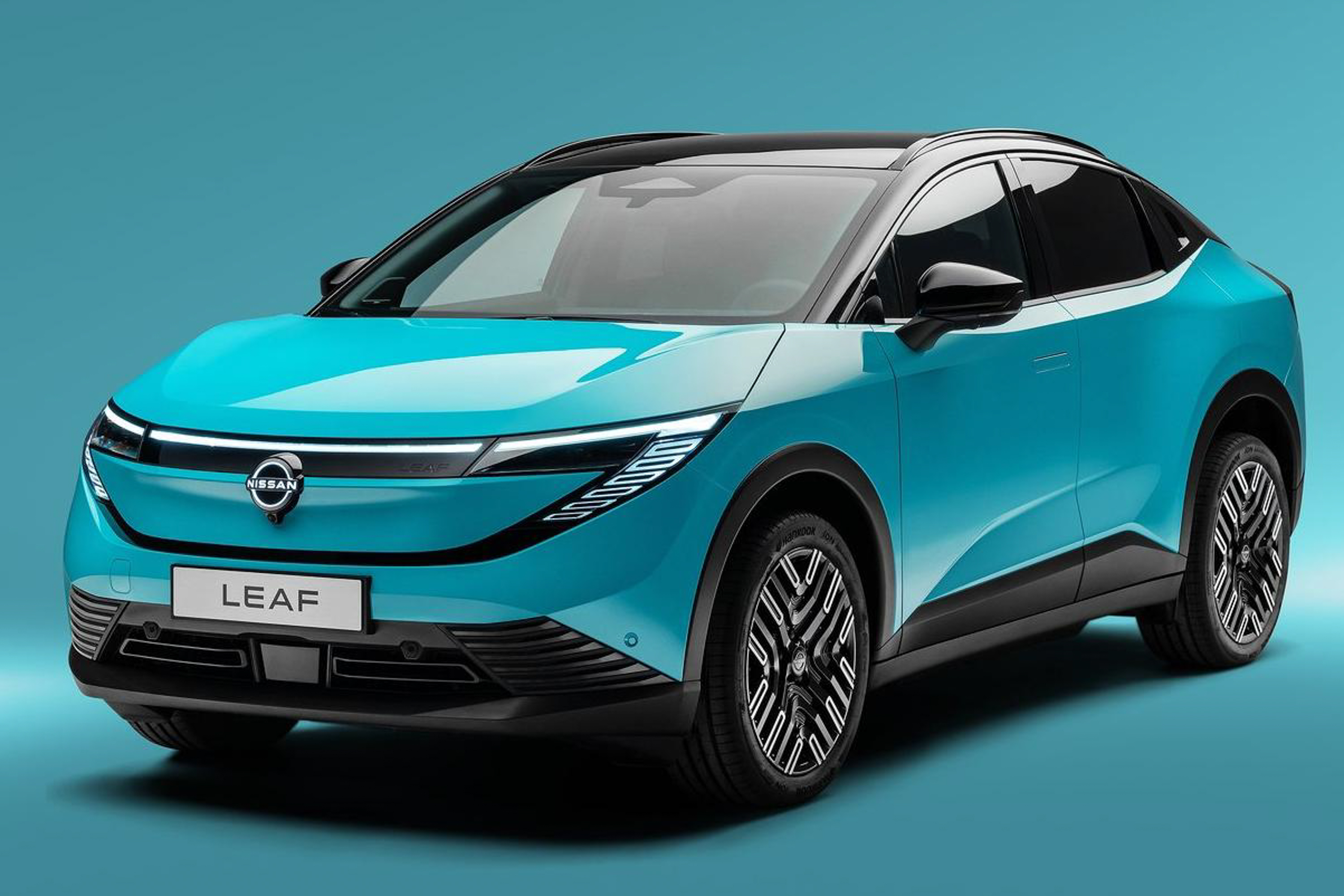
 Segment
 Body Type
 Motor Output(kW)
 Motor Torque(Nm)
 EV Range(km)
 Battery Capacity(kWh)
Nowadays, the competition in the Southeast Asian B-class electric vehicle market is becoming increasingly intense, and consumers' demands for range, configuration, and practicality are constantly rising—they want a daily commute without range anxiety while also valuing space that can accommodate family outings. As a "veteran" in the electric vehicle field, the 2026 Nissan Leaf has updated its core selling points to focus on "600km+ range" and "enhanced power output," perfectly targeting the core needs of current users. In this test drive, we primarily aim to validate the authenticity of its range, assess whether its power performance fits everyday scenarios, and evaluate if its space and configurations meet the standard of its class.
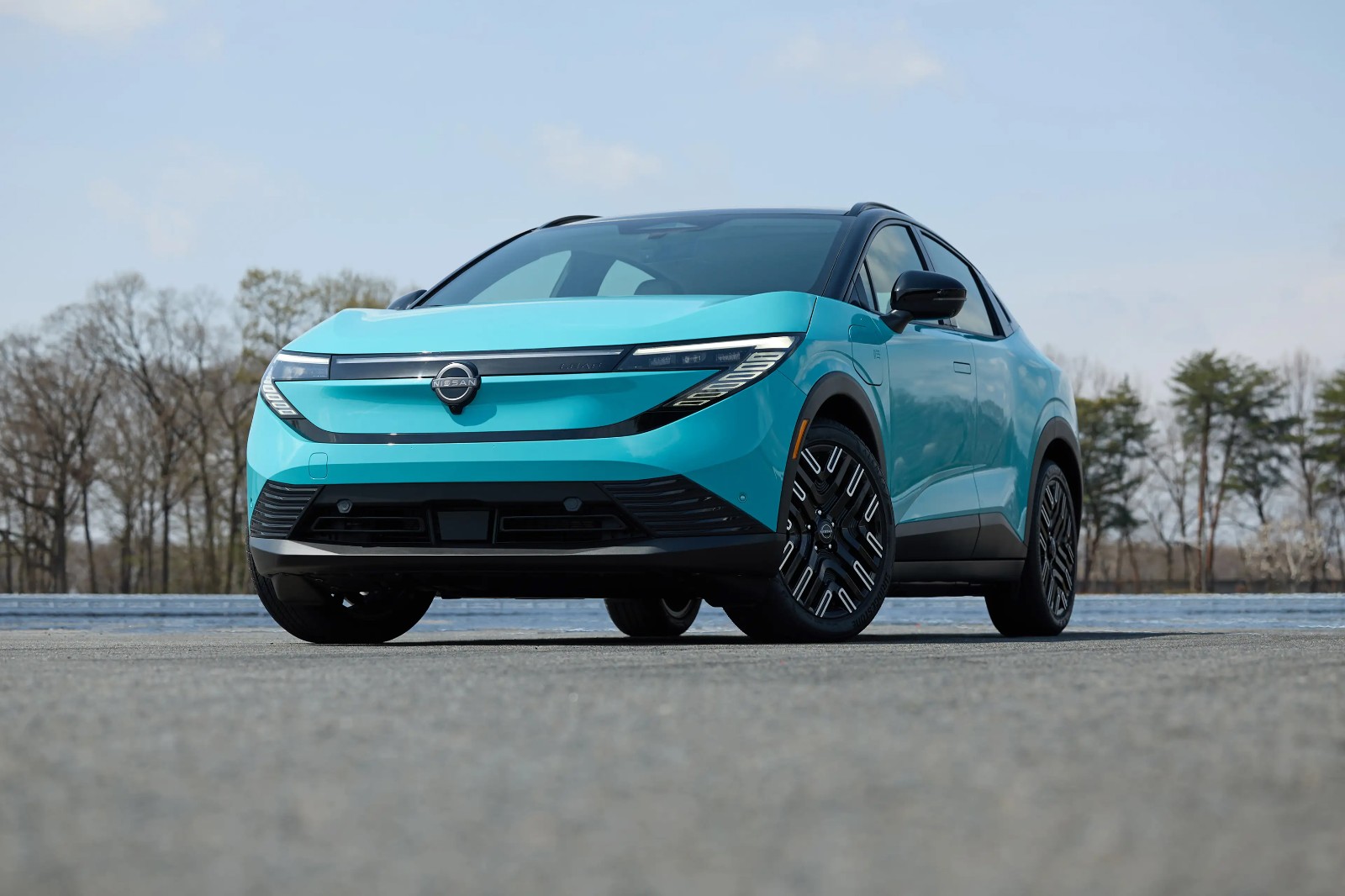
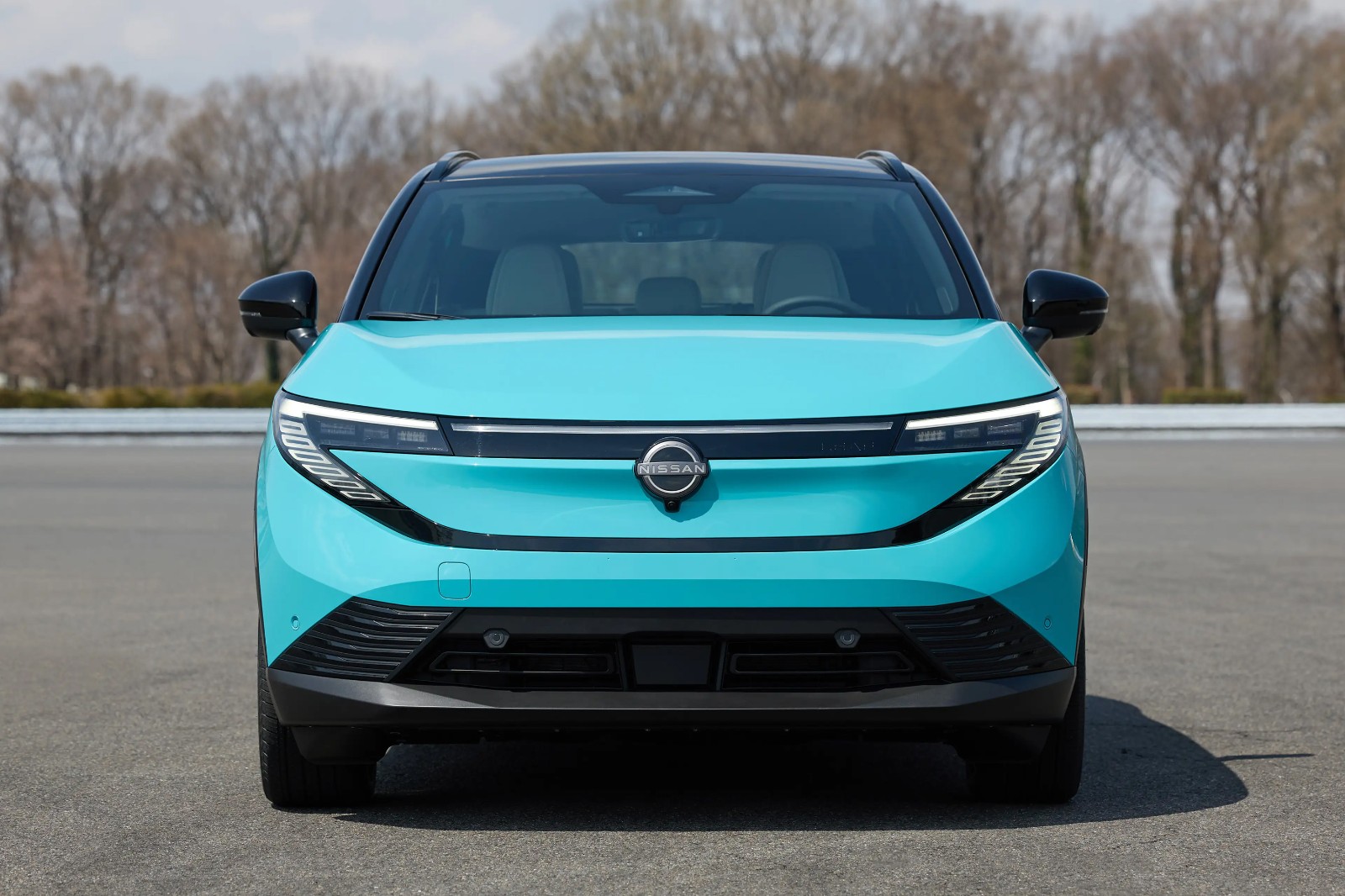
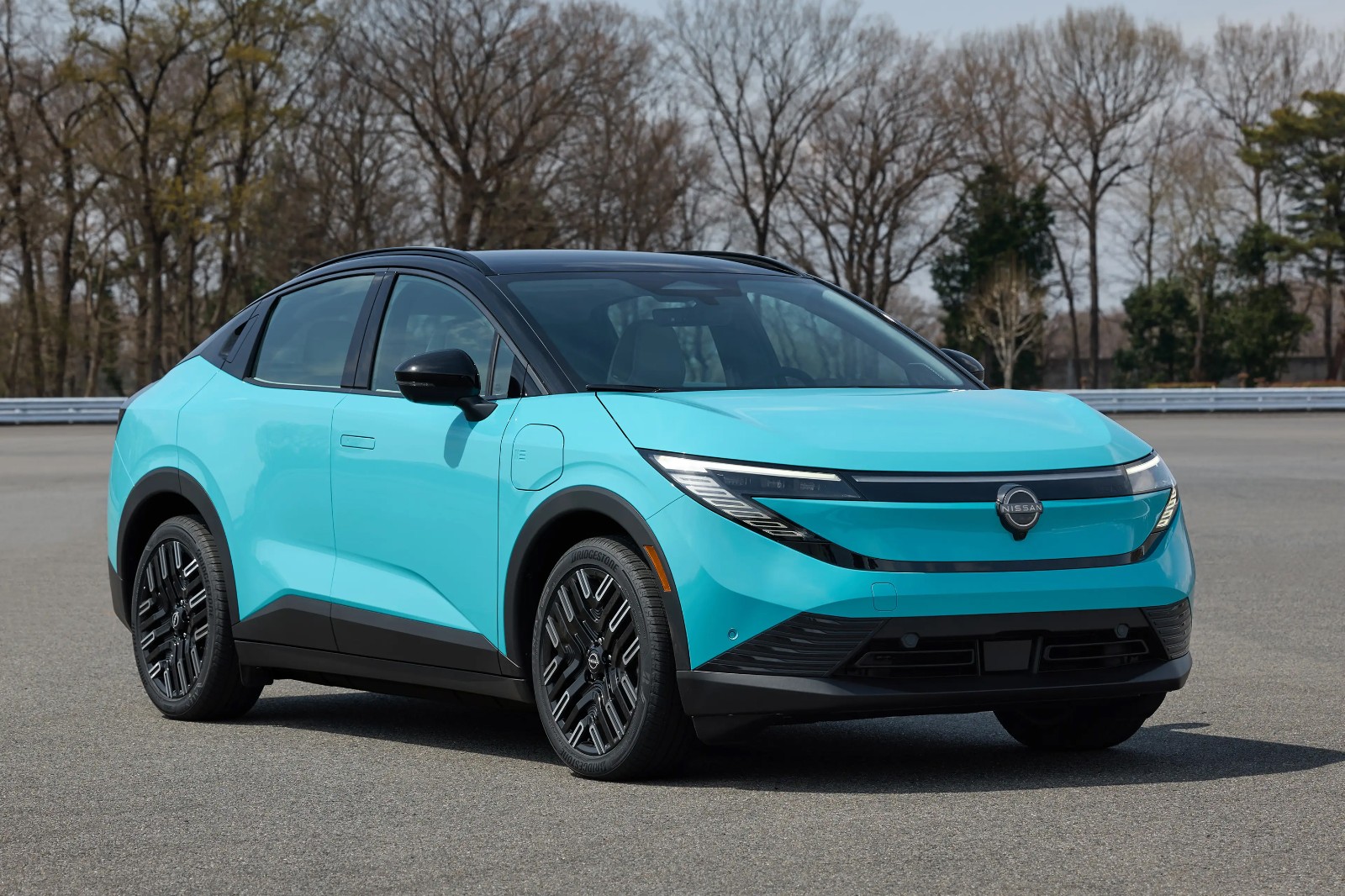
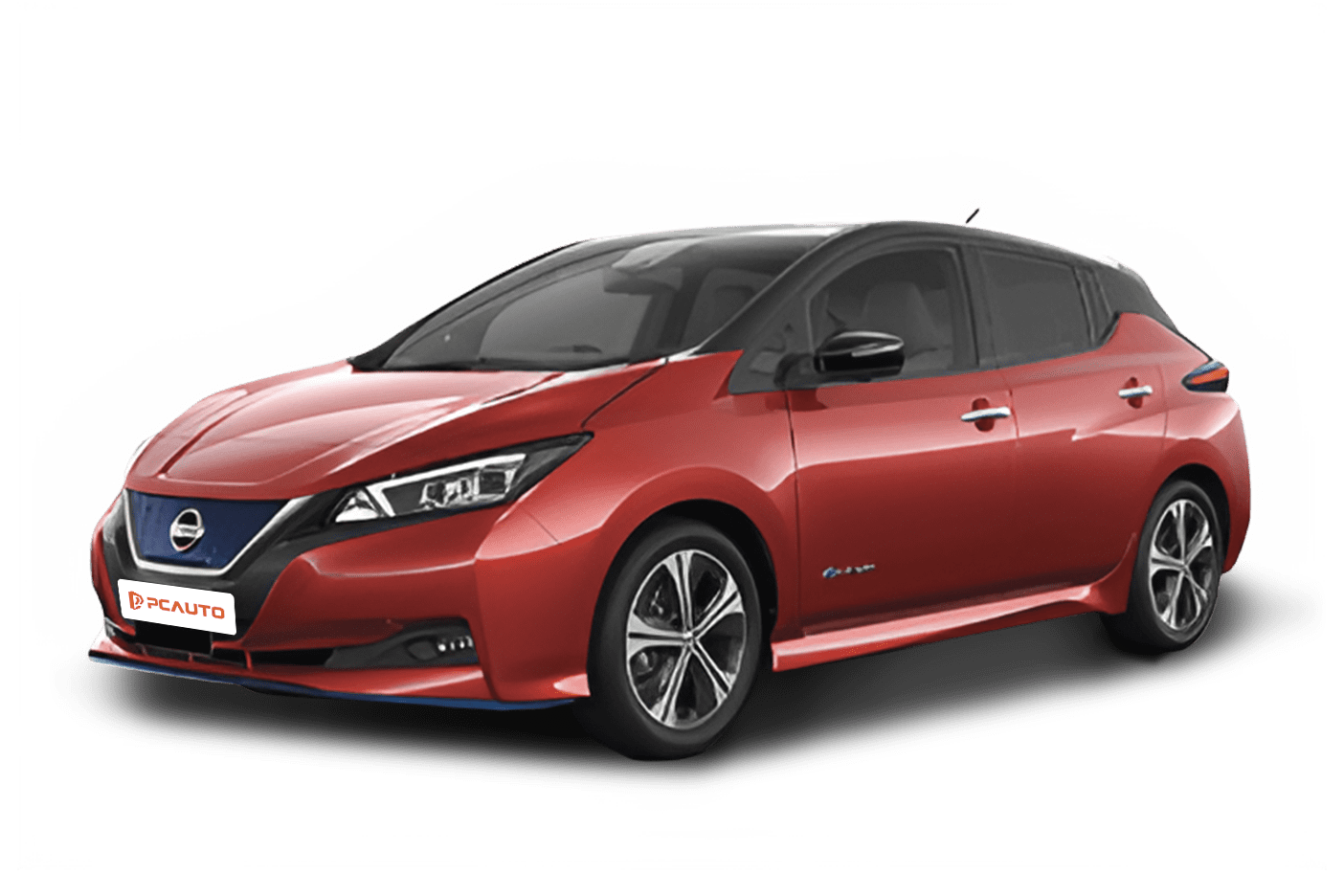
The exterior of the 2026 Leaf continues the family-style design but looks sharper in detail. The front features a closed grille, flanked by slim LED headlights with a smoked treatment inside the light units for better recognition compared to the previous version. The side profile has smooth lines, with a waistline running from the front to the rear, paired with 17-inch multi-spoke alloy wheels for a look that is steady but not dull. At the rear, the taillight assembly adopts a through-type design with the Nissan logo embedded in the center, creating a clear visual effect when illuminated. The lower rear bumper features a black plastic skid plate, adding a hint of crossover style. The lighting system comes standard with automatic headlights and adaptive high and low beams, offering good convenience for daily use.
Sitting inside, the interior style leans towards simplicity and practicality. The dashboard adopts a layered design, with the upper part covered in soft plastic, offering a much more refined touch than the previous version. The 12.3-inch floating central control screen is the visual core, and the left side retains physical air conditioning knobs, enabling clear and straightforward operation without constant touchscreen interactions. The infotainment system supports Apple CarPlay and Android Auto connectivity, responds smoothly, and has an intuitive menu layout, allowing new users to quickly learn how to use it. The seats are wrapped in faux leather material, with the front seats offering six-way manual adjustment (electric adjustment is optional on high-end models). The padding on the backrest and cushion is soft, ensuring comfort even during long periods of seating. As for configurations, all trims come standard with keyless entry, push-button start, automatic air conditioning, and rear air conditioning vents. Mid-to-high trims add features such as a 360-degree surround-view camera and seat heating, comprehensively covering everyday convenience needs.
As for dimensions, the new vehicle measures 4,350mm in length, 1,810mm in width, and 1,550mm in height, with a wheelbase of 2,700mm. In terms of actual seating experience, a front-row passenger with a height of 175 cm, after adjusting the seat position, would have a headroom clearance of one fist and two fingers. Keeping the front seat unchanged, a rear-seat passenger would have two fists of legroom and one fist of headroom remaining; even when fully occupied by three adults, it doesn't feel cramped. In terms of storage space, the front center console box has a moderate capacity, fitting items like a phone and wallet; the door storage slots can hold two 500ml bottles of water; and the trunk offers a standard capacity of 430L, extendable to 1,160L with the rear seats folded down—more than sufficient for a family's short trips. The rear row is also equipped with two USB charging ports, making it convenient for passengers to charge their electronic devices.
In the power department, the new car is equipped with a permanent magnet synchronous motor with a maximum output of 160kW (218PS) and a peak torque of 355N·m, paired with a 75kWh ternary lithium battery. The official pure electric range is 604km. During actual driving, the vehicle offers Eco, Normal, and Sport modes. In Eco mode, power output is relatively smooth and suitable for urban commuting; in Normal mode, power response becomes more direct, and starting and accelerating feel light, with sufficient power for overtaking without needing to floor the accelerator; in Sport mode, torque release becomes more aggressive, and the acceleration feels significantly enhanced, making it suitable for highway driving. The entire power delivery process is linear, with no obvious jerkiness, and is easy to control during everyday driving.
In terms of handling, the steering wheel has moderate steering effort, minimal dead zone, and a relatively precise directional feel, giving the driver sufficient confidence when cornering. The suspension system uses a front McPherson independent suspension and rear multi-link independent suspension, tuned more towards comfort. It smooths out most small vibrations when going over speed bumps or bumpy roads, with no noticeable bouncing of the vehicle; during high-speed cornering, the suspension also provides enough support, keeping body roll within a reasonable range. As for noise control, when the vehicle is driving below 60km/h, the tire and wind noise are both relatively minimal; as the speed increases to 100km/h, the wind noise gradually becomes more noticeable but does not affect normal conversation inside the cabin. The energy recovery system offers three adjustable levels, with the highest setting delivering significant drag when lifting the accelerator, making it suitable for one-pedal operation in congested areas; the lowest setting closely resembles the coasting experience of a fuel-powered car and is easier to adapt to.
During the range test, we conducted real-world trials in urban driving conditions with the air conditioning continuously on (set at 24°C in automatic mode) and driving in Eco mode. The final range completion rate was approximately 85%—when the displayed range decreased by 100km, the actual distance traveled was about 85km. This performance is in the middle to upper tier among electric vehicles in the same class. Regarding energy consumption, urban commuting consumes around 13kWh/100km, while highway driving consumes about 16kWh/100km. Based on the 75kWh battery capacity, the actual highway range is approximately 460km, which is sufficient for basic intercity travel. As for charging speed, using a DC fast-charge station to recharge from 30% to 80% takes about 45 minutes; a home AC slow charger takes about 8 hours to fully charge, making it suitable for overnight recharging.
Overall, the key advantages of the 2026 Nissan Leaf are clear: the official range of 604km addresses range anxiety, the power output is smooth and sufficient for daily use, and the space and features meet the basic needs of family users. Compared to similarly priced peers like the BYD Atto 3 or the MG4 EV, the Leaf has more stable range completion rates and handling performance that leans more towards the solid feel of European cars. Though it does not come with many extravagant features, it is highly practical.
From a usage scenario perspective, this car is most suitable for families prioritizing practicality—it does not require frequent charging for daily commuting, and it has enough space for short weekend trips with family. At the same time, its handling and driving performance can meet the basic needs of younger drivers looking for a good driving experience. If your budget is around RM150k and you're seeking a reliable, user-friendly electric vehicle with dependable range, the 2026 Leaf is worth adding to your consideration list.
In summary, the 2026 Nissan Leaf retains its "reliable" DNA while making key upgrades in range and performance, perfectly aligning with the mainstream needs of today's electric vehicle market. While it may not be the most stunning choice, it is undoubtedly a representative of "hassle-free usability" in its class.
Nissan Leaf Car Compare
More Nissan Reviews
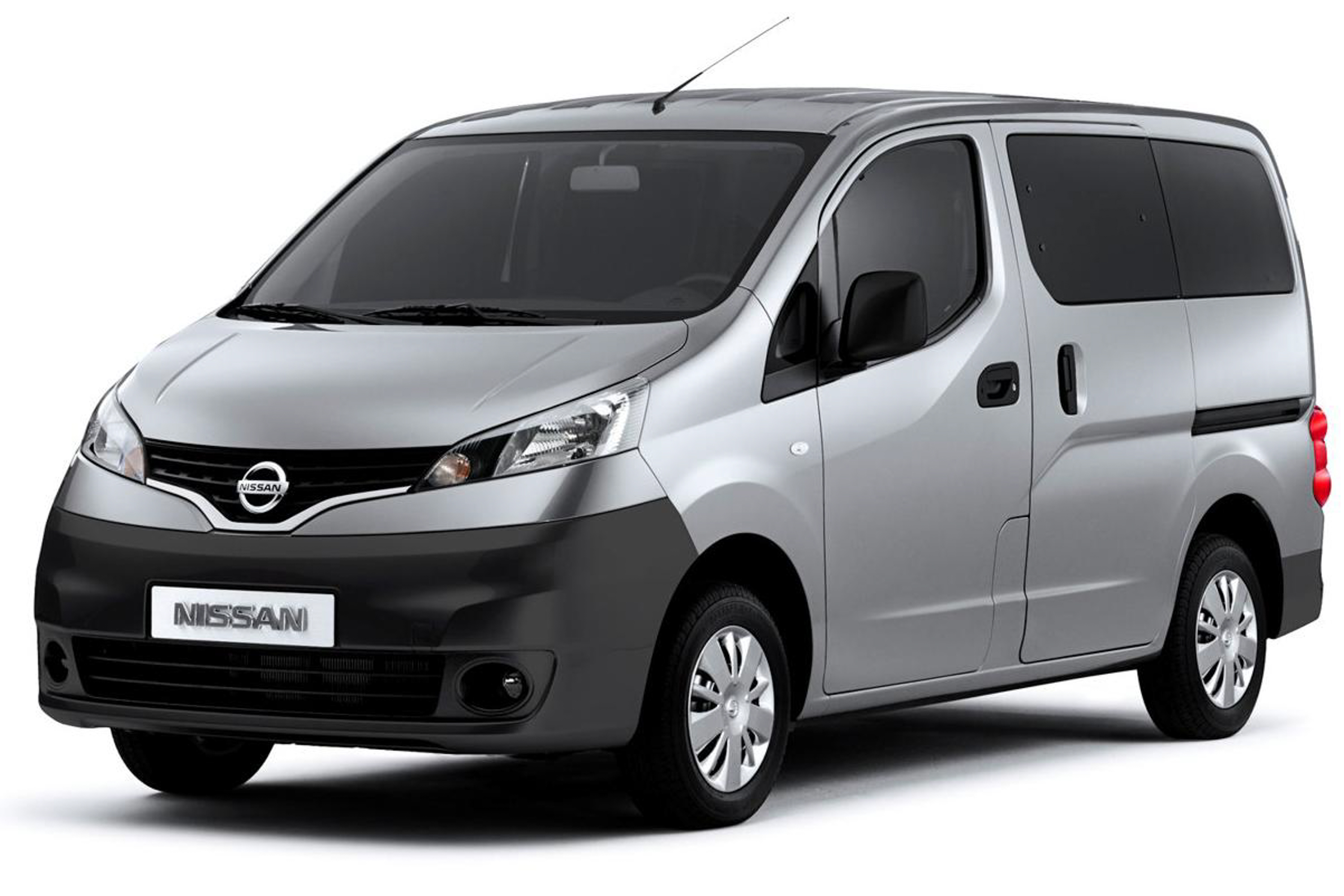
Cars With Similar Price And Features

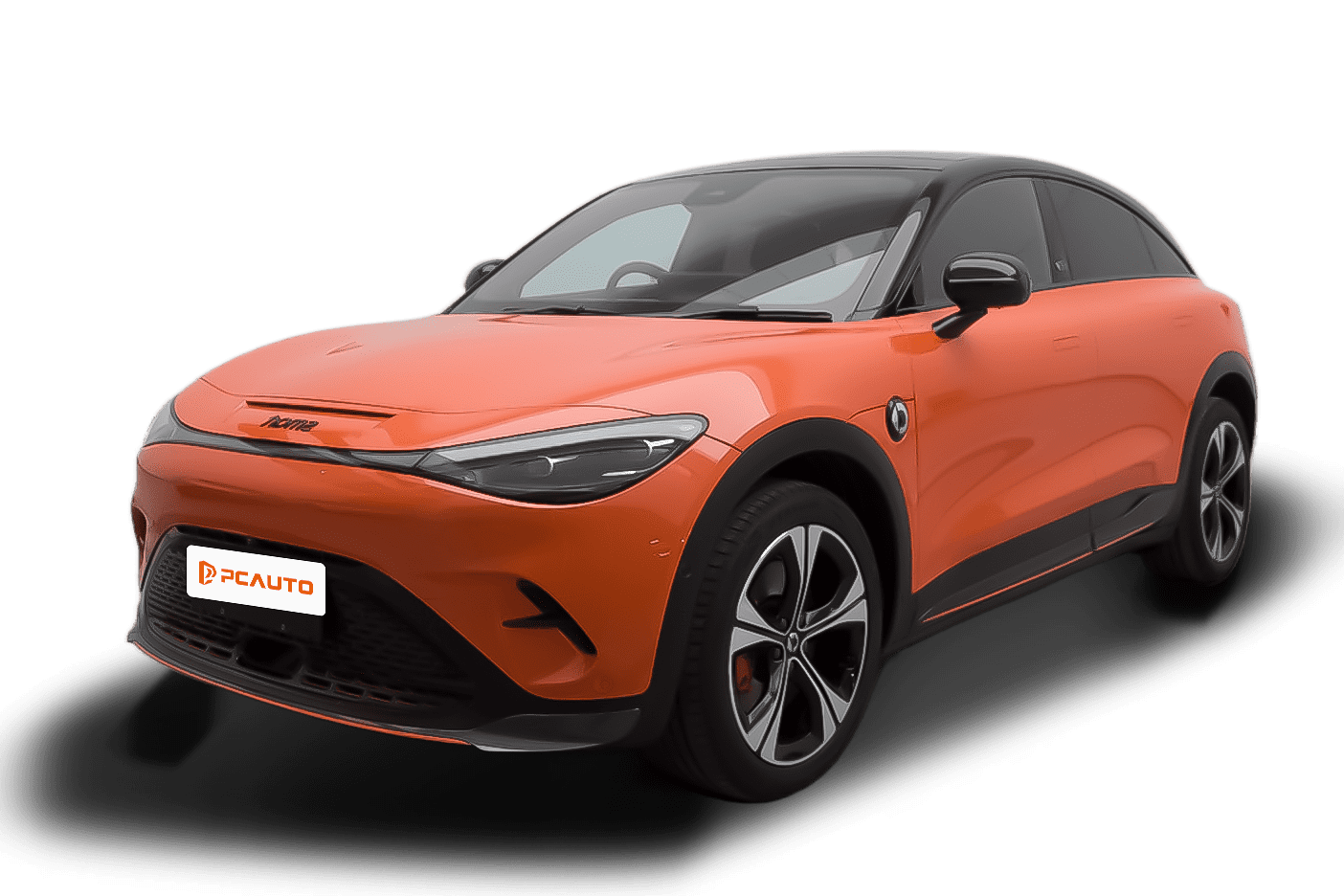
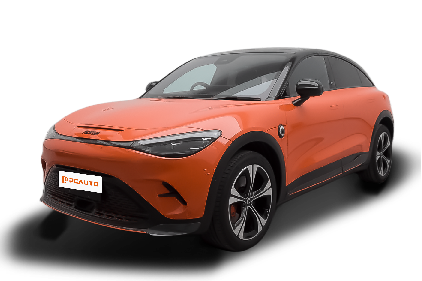
2024 Smart #3 Pro is positioned as a city compact electric coupe, offering 268PS rear-wheel drive, 7 airbags + full active safety suite, and a 12.8-inch screen at a price of RM175,000. It boasts outstanding value for money, balancing sportiness and practicality for family use.
14
Rank in Hatchback
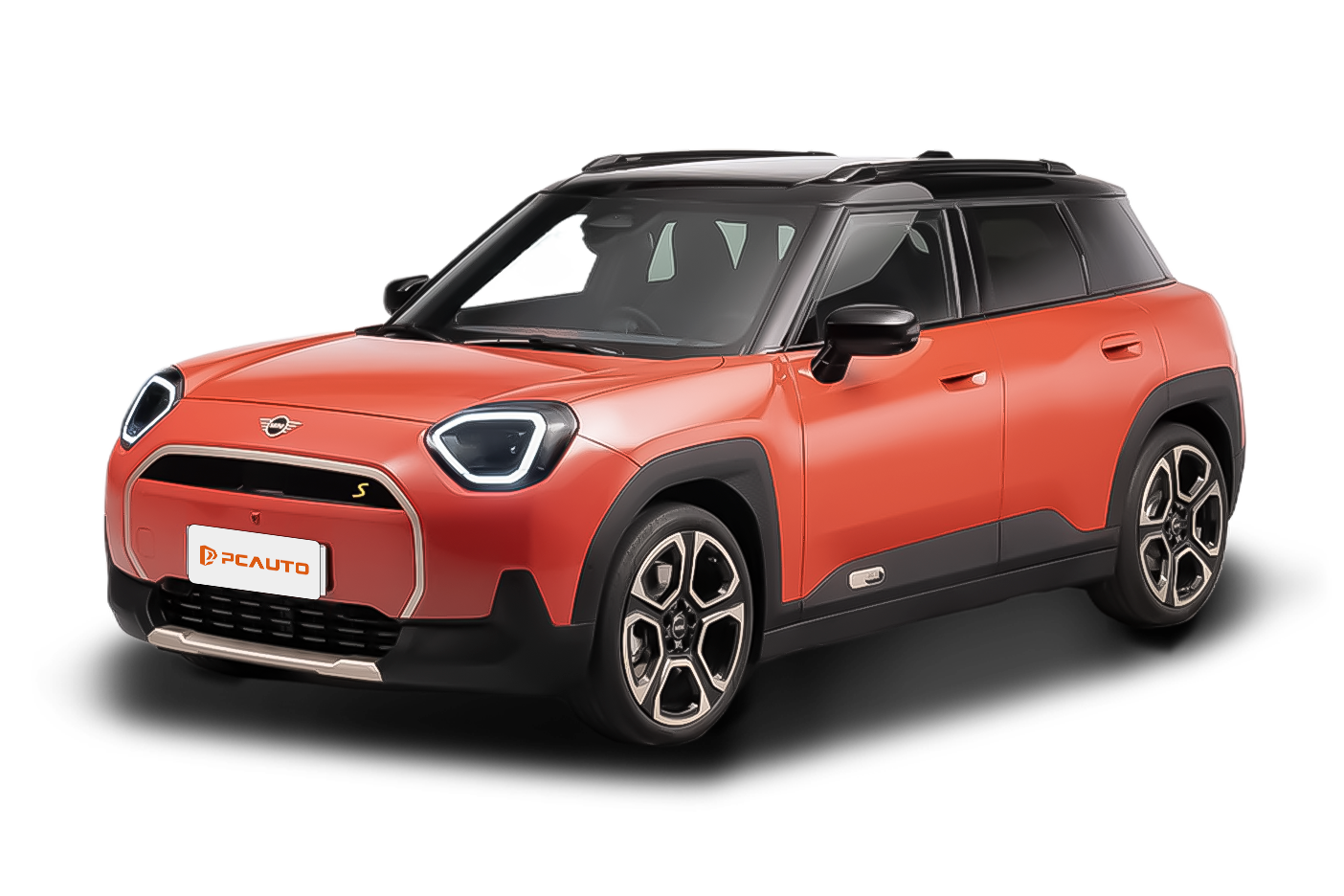
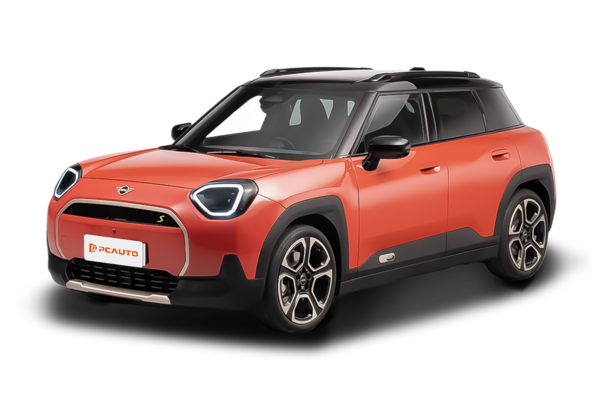
2025 MINI Aceman JCW is a B-segment pure electric performance SUV, featuring a 190kW motor capable of 0-100 km/h in 6.4 seconds, with sporty exterior and interior design, balancing urban agility and family practicality.
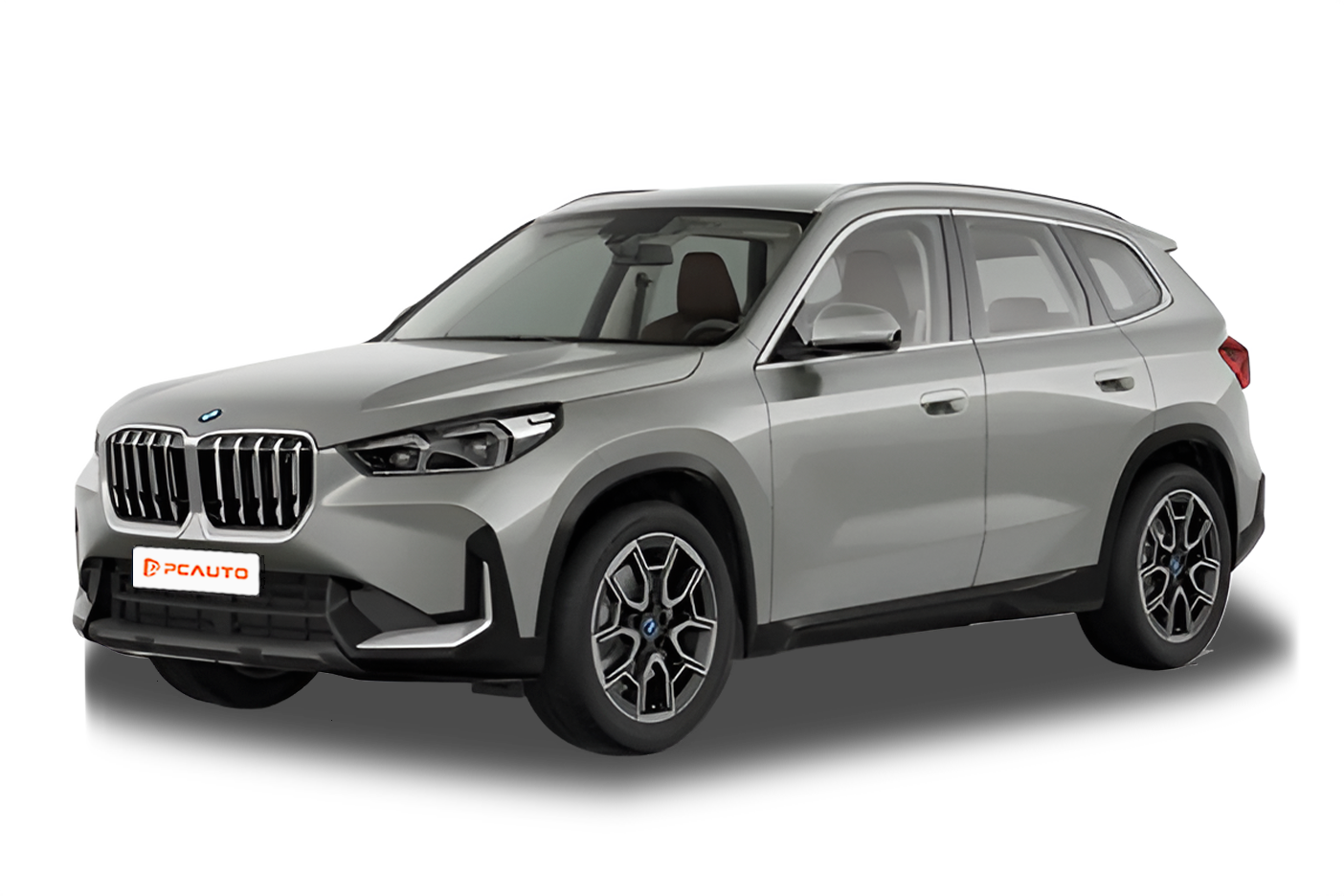
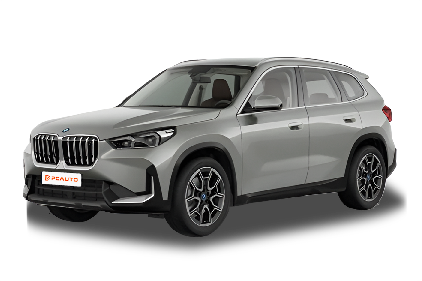
2024 BMW iX1 eDrive20 M Sport is a new choice for a C-Segment all-electric SUV, combining a 475km range, M Sport package, and BMW driving quality, suitable for consumers with a budget of 250,000 MYR.