

2026 Nissan Leaf Review

 Share
Share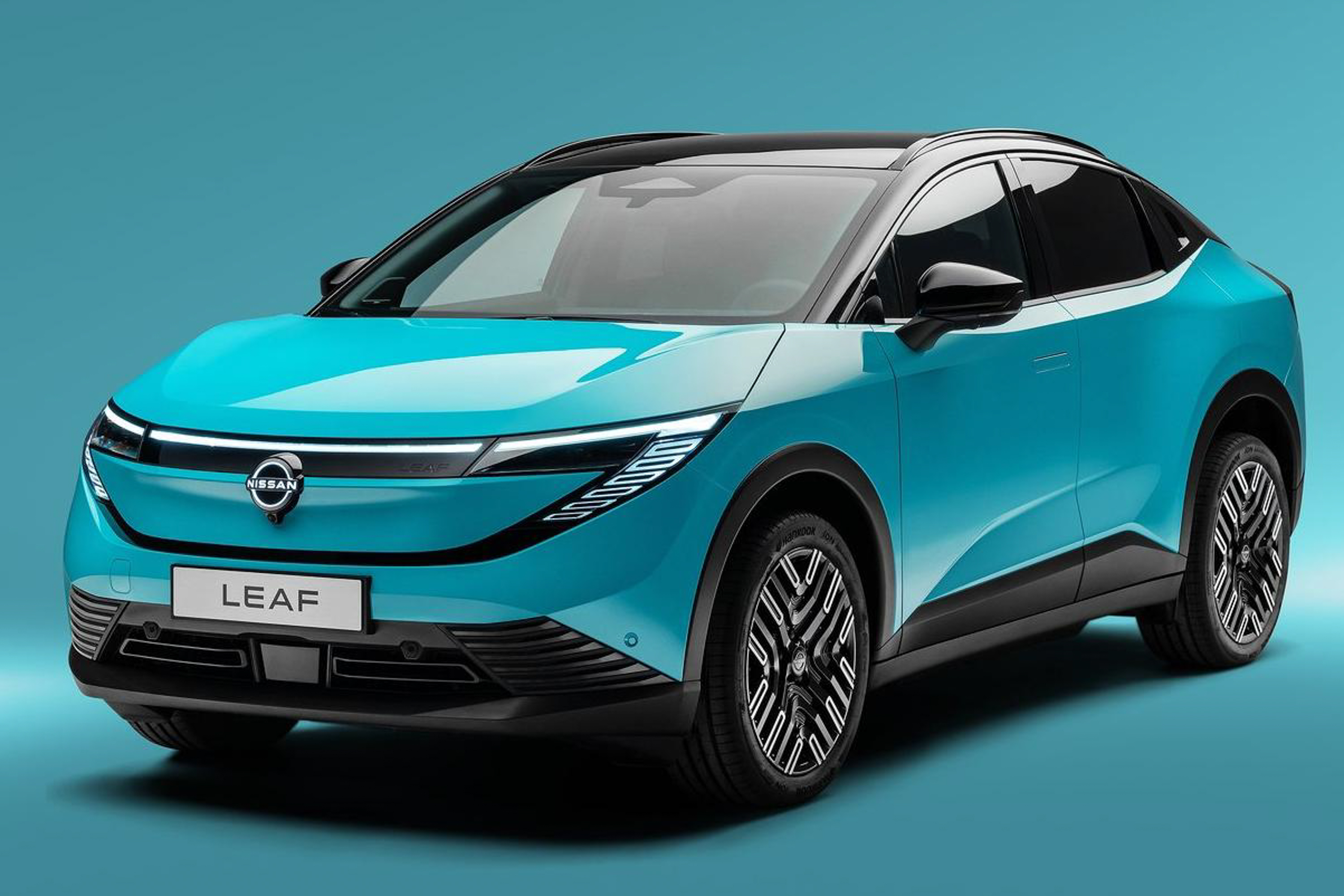
 Segment
 Body Type
 Motor Output(kW)
 Motor Torque(Nm)
 EV Range(km)
 Battery Capacity(kWh)
In Malaysia's B-segment electric vehicle market, range anxiety and configuration balance have always been core pain points for consumer decisions—many models either barely have enough range for daily commuting or have excessive configurations with overly high premiums. The arrival of the 2026 Nissan Leaf seems to target this gap: with an official range of 604 kilometers, a motor output of 160kW, and Nissan's many years of technical expertise in the field of electric vehicles, can this upgraded version of the classic model break the market deadlock? In this test, we focus on its actual range performance, driving quality, and spatial practicality to see if it can truly meet the daily needs of Malaysian users.
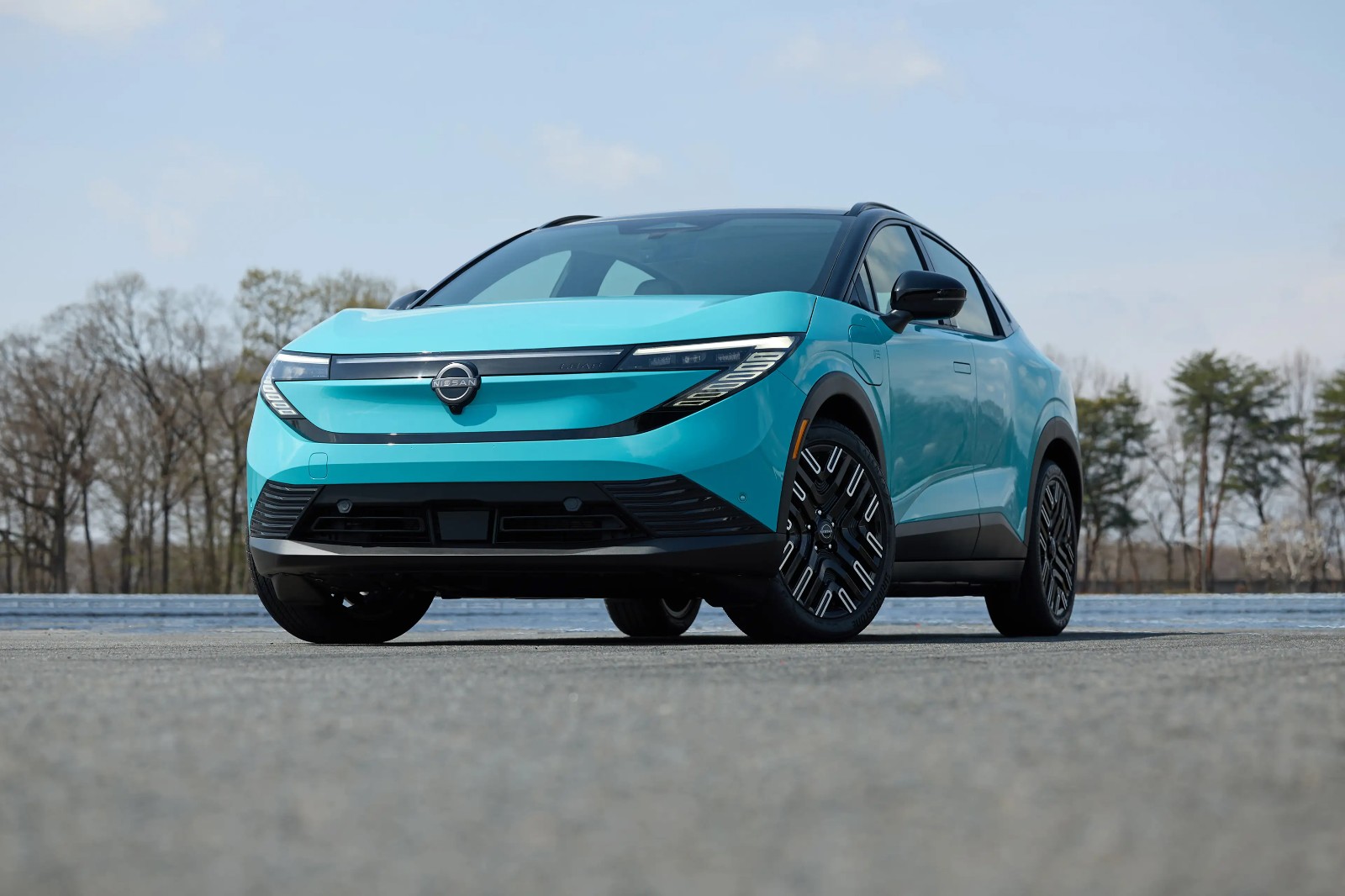
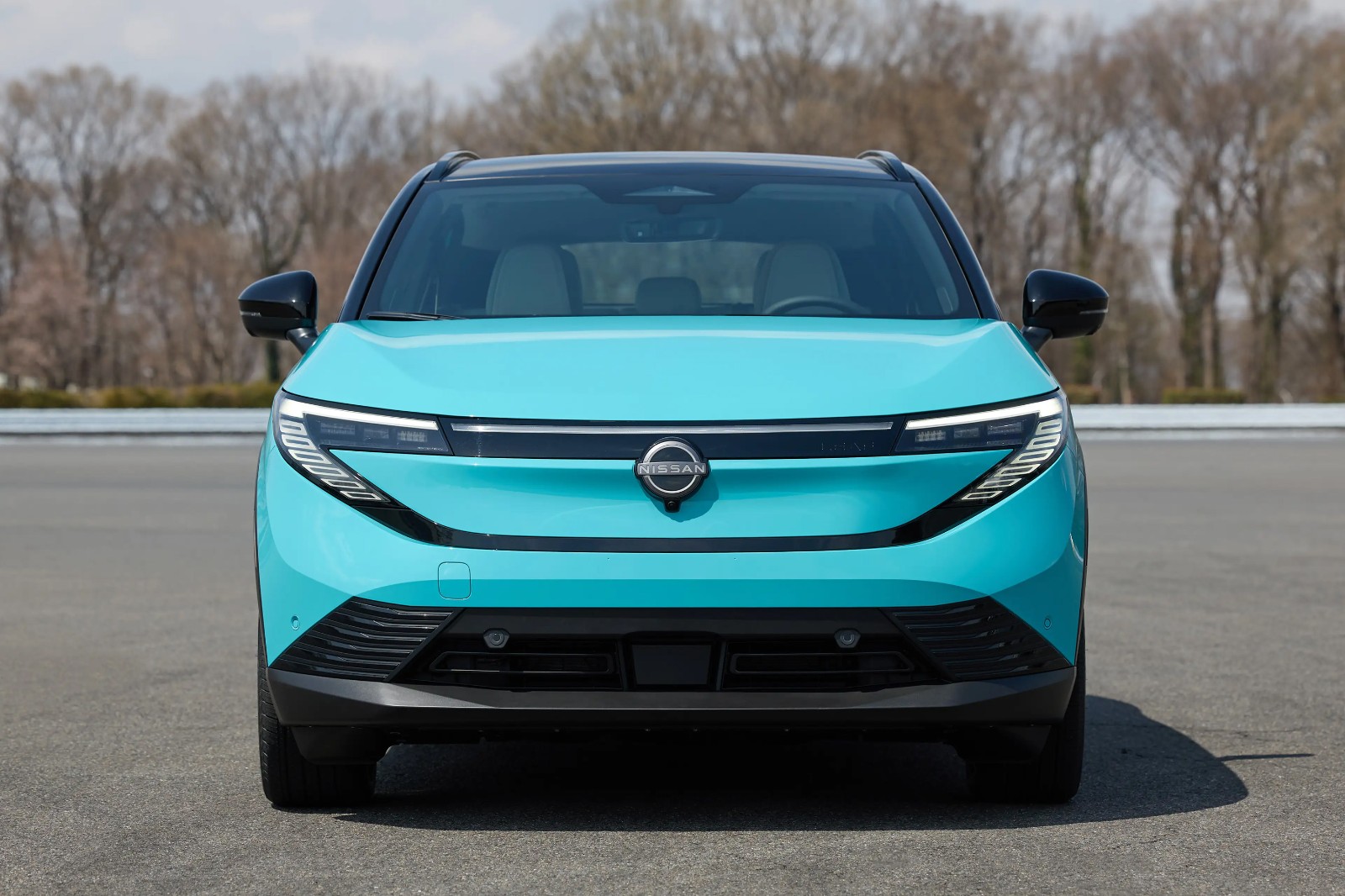
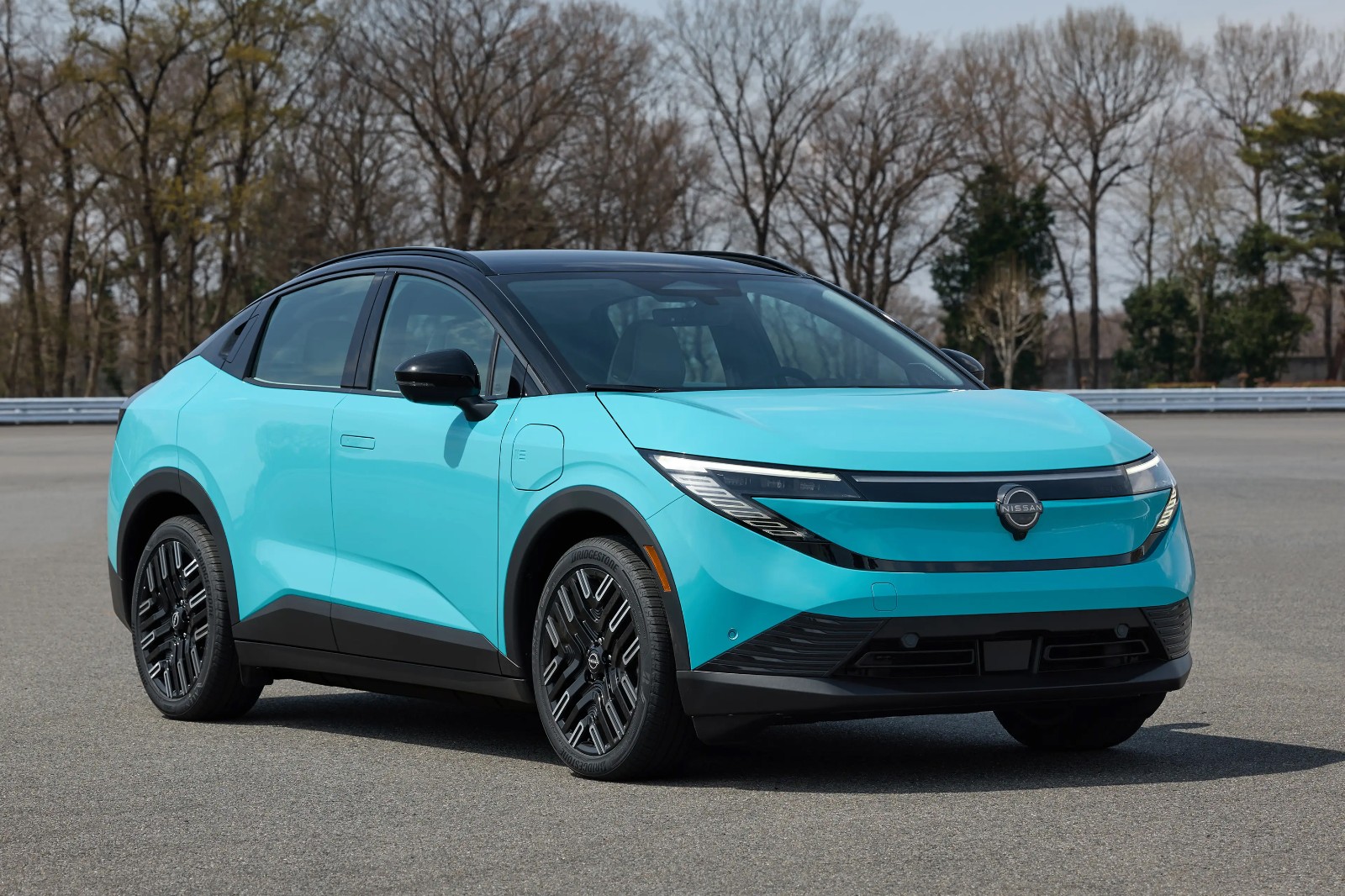
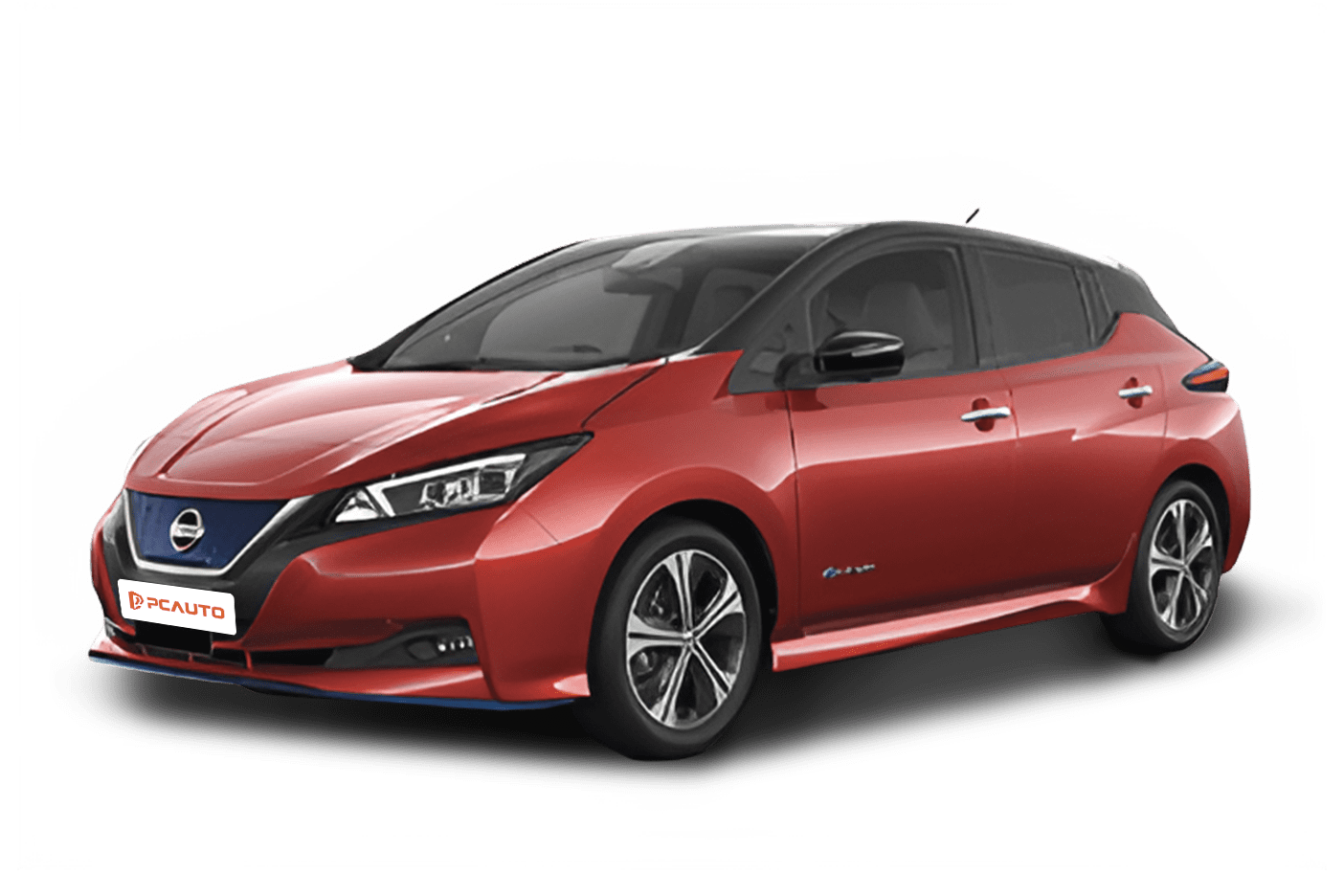
In terms of appearance, the 2026 Leaf continues the series' iconic rounded silhouette but appears more refined in detail. The front face forgoes the traditional combustion engine air grille and adopts a closed design, paired with sharp LED headlamp clusters on both sides, giving it a more high-tech visual appeal. The L-shaped daytime running lights inside the headlamps are highly recognizable, making it easy to spot in traffic when illuminated. The side profile of the car features smooth lines, with a waistline stretching from the front fender to the rear, giving the car a more elongated look. The 17-inch multi-spoke alloy wheels are simple in design, complementing its family-oriented positioning. Changes at the rear are mainly focused on the taillights, which now use a through-type design with the Nissan logo embedded in the middle. When lit at night, the visual width is enhanced, and the rear diffuser beneath the bumper adds a touch of sportiness, balancing practicality with modern aesthetics in the overall design.
Sitting inside the car, the immediate impression is that the interior materials have been upgraded. The dashboard is covered with soft-touch materials, combined with stitching for a noticeably finer texture compared to the previous generation. The steering wheel adopts a three-spoke design with multimedia controls and driver assistance function buttons on both sides, providing a suitable grip. The center console features a 12.3-inch floating touchscreen with a clear layout, supporting wireless Apple CarPlay and Android Auto connectivity, and offering decent operational smoothness. Below the screen, some physical buttons remain, primarily for controlling the air conditioning system, making blind operation more convenient. The seats are wrapped in faux leather, with the front seats offering electric adjustment and good support for both the backrest and cushion, ensuring comfort during long rides. The rear seats are equally well-padded, and the legroom is above average for a B-segment vehicle, with a 175cm tall passenger having about two fists of space between their knees and the front seat. In terms of storage space, the front central armrest box is fairly spacious, and the door storage pockets can fit two bottles of water. The trunk has a standard capacity of 435 liters, expandable to 1,176 liters with the rear seats folded, which is more than sufficient for family shopping trips or short-distance travels.
For the powertrain, the 2026 Leaf is equipped with a permanent magnet synchronous motor delivering a maximum output of 160kW and maximum torque of 355Nm, matched with a single-speed transmission. During daily driving, power response is very immediate; lightly pressing the accelerator at start initiates a noticeable thrust, and the 0-100km/h acceleration time is around 7.5 seconds, providing ample confidence for overtaking. There are three driving modes available: Eco, Normal, and Sport. In Eco mode, power output is slightly restrained, making it suitable for city commuting, while Sport mode enhances throttle sensitivity and makes power delivery more aggressive, suitable for highway driving. The chassis features a combination of MacPherson front independent suspension and multi-link rear independent suspension, which is tuned towards comfort. When driving over speed bumps or uneven road surfaces, the suspension effectively absorbs most of the shocks, ensuring minimal jostling for passengers inside the car. During cornering, the body roll is well-controlled, and the steering wheel offers improved precision. Overall handling in its class of electric vehicles is above average.
Range and energy consumption are the key concerns for electric vehicle (EV) users. For this test, we chose a mix of city and highway driving scenarios, kept the air conditioning on throughout, and switched the driving mode to Eco. The official range provided is 604 kilometers. In actual tests, the range realization rate in city driving conditions is approximately 85%, with energy consumption around 14.5kWh/100km. On highways (average speed of 100km/h), the range realization rate is about 75%, and energy consumption increases to 17.2kWh/100km, which overall meets expectations. For charging, using a DC fast charging station to charge from 30% to 80% takes approximately 45 minutes, while slow charging requires around 8 hours, which comfortably meets daily charging needs. Noise control is also well-handled; at speeds below 60km/h, there's almost no electric motor noise inside the car. When speeds exceed 80km/h, wind noise gradually becomes noticeable but doesn't impact normal conversations.
Overall, the improvements in the 2026 Nissan Leaf are clear: longer range, more comfortable interiors, and more practical features. Compared to competitors in the same segment such as the Toyota bZ3 or Volkswagen ID.3, it has a clear advantage in range, and its interior quality and spatial performance do not fall behind. Moreover, Nissan's technical expertise in the EV field further assures its reliability. This car is suitable for families who prioritize range and comfort—there’s no need for frequent charging for daily commutes, and it can handle short family trips on weekends. Additionally, its driver assistance systems (such as adaptive cruise control and lane keeping) can reduce fatigue during long-distance drives. If your budget is between 150,000 and 200,000 Malaysian Ringgit and you're looking for a well-balanced family EV, the 2026 Leaf is worth considering.
Nissan Leaf Car Compare


More Nissan Reviews
Cars With Similar Price And Features

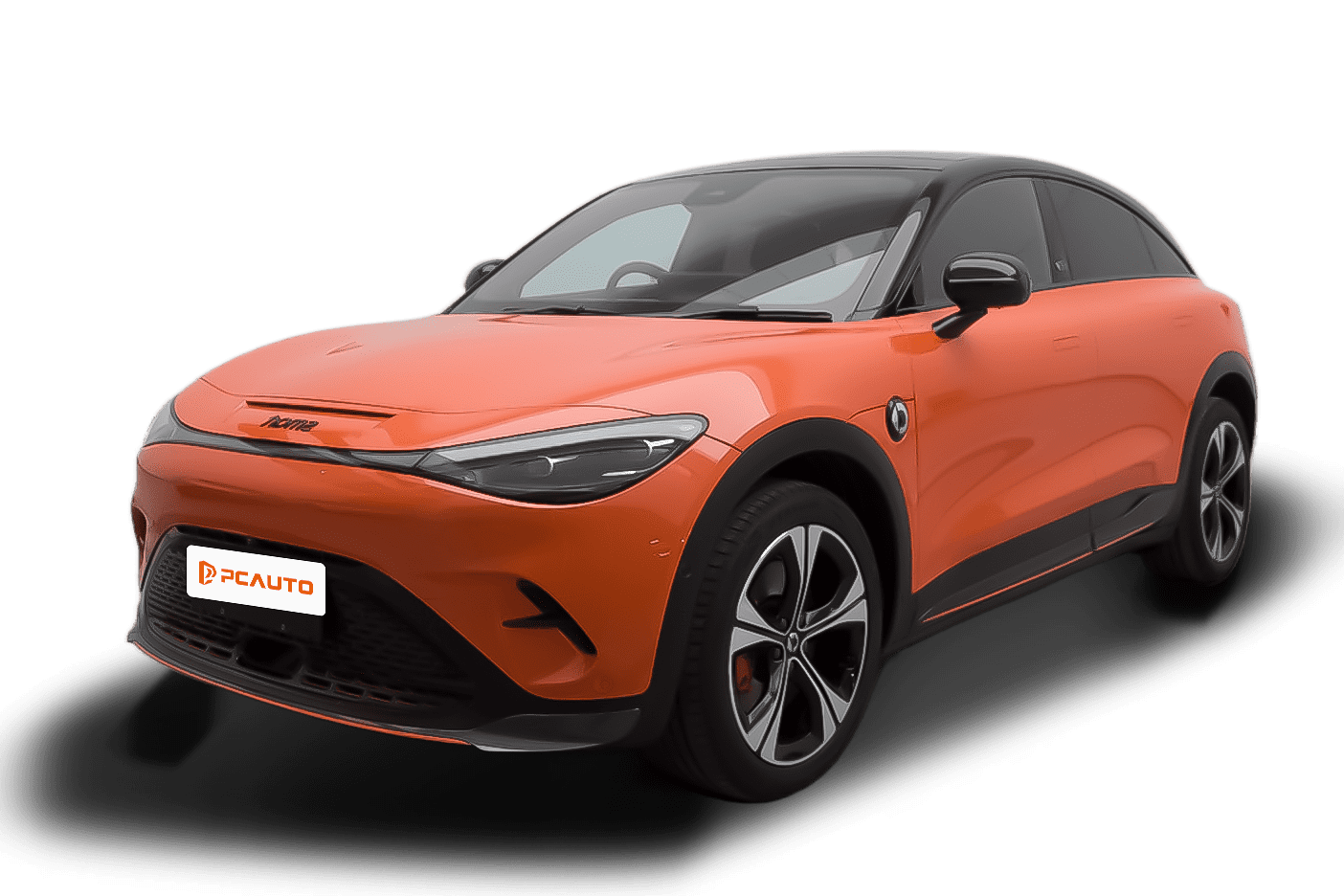
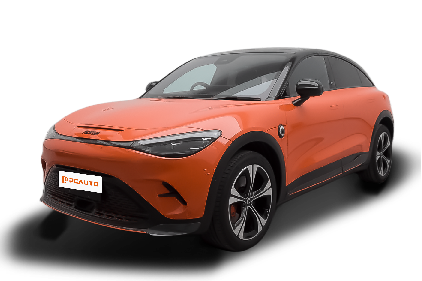
2024 Smart #3 Pro is positioned as a city compact electric coupe, offering 268PS rear-wheel drive, 7 airbags + full active safety suite, and a 12.8-inch screen at a price of RM175,000. It boasts outstanding value for money, balancing sportiness and practicality for family use.
14
Rank in Hatchback

2025 MINI Aceman JCW is a B-segment pure electric performance SUV, featuring a 190kW motor capable of 0-100 km/h in 6.4 seconds, with sporty exterior and interior design, balancing urban agility and family practicality.
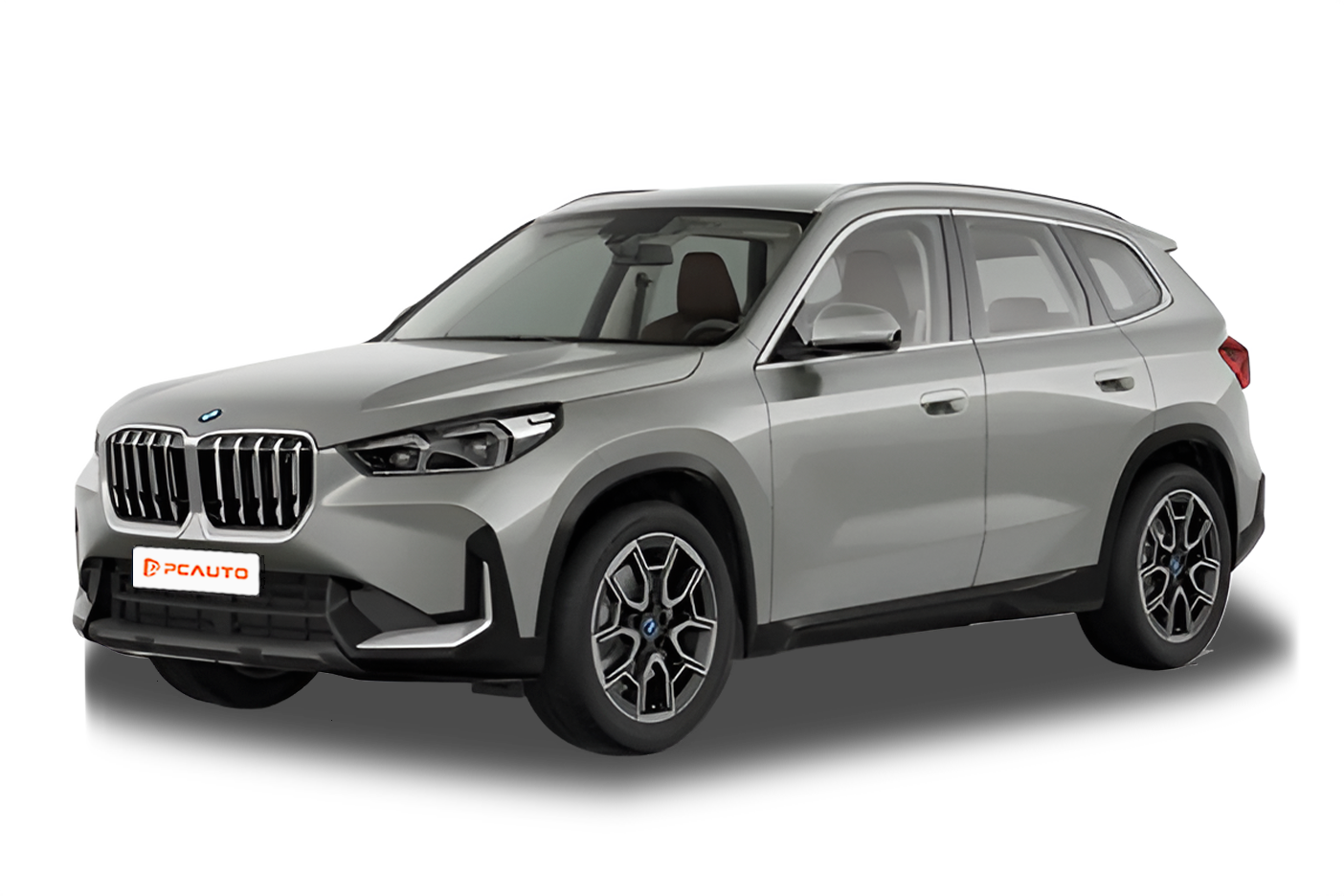
2024 BMW iX1 eDrive20 M Sport is a new choice for a C-Segment all-electric SUV, combining a 475km range, M Sport package, and BMW driving quality, suitable for consumers with a budget of 250,000 MYR.