
2017 Land Rover Range Rover Sport V6 3.0 Supercharged HSE Review

 Share
Share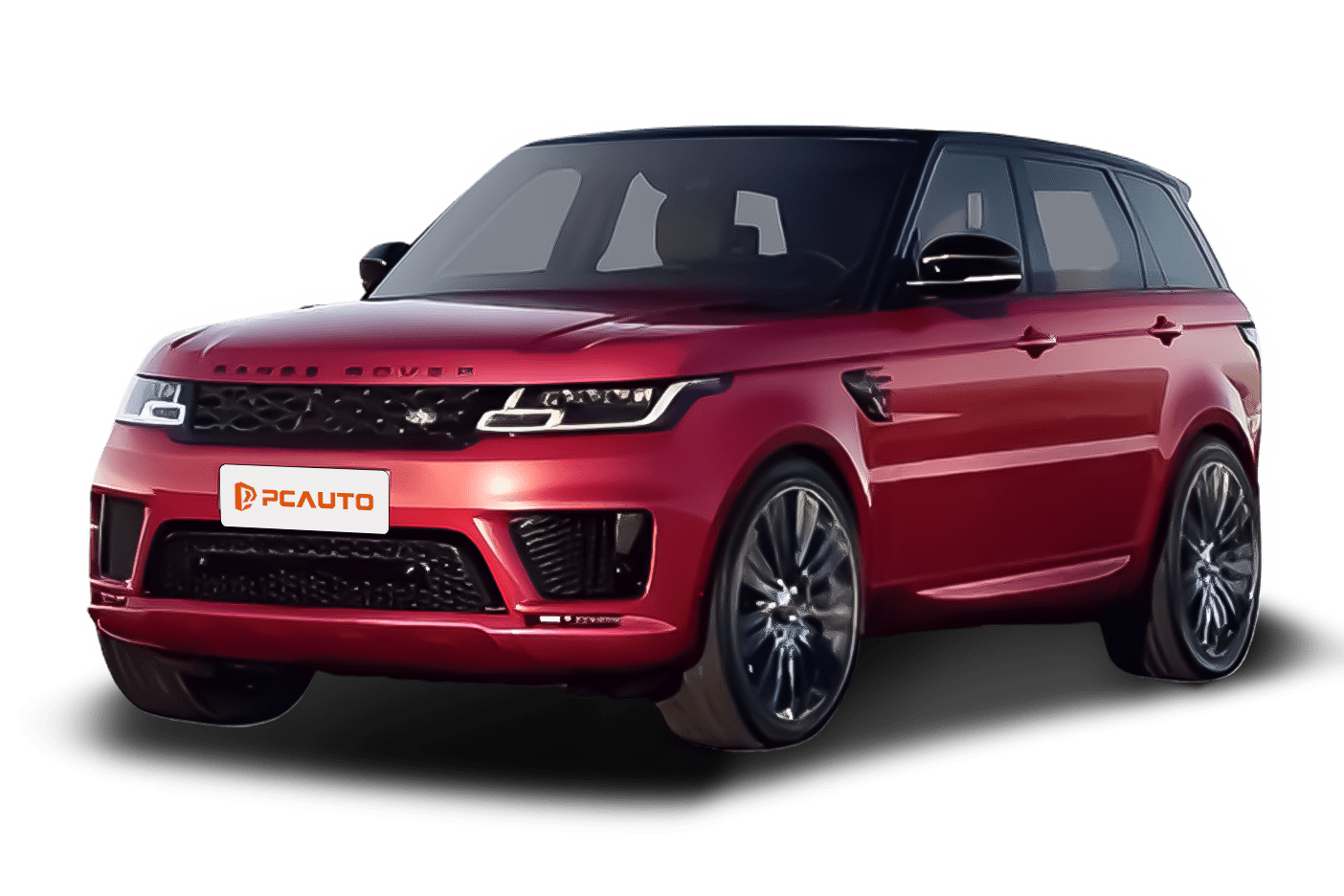
 Segment
 Body Type
 Capacity(L)
 Engine Power(PS)
 Transmission
 Driven Wheels
In the luxury mid-to-large SUV market, the Land Rover Range Rover Sport has always occupied a unique position with its balance between on-road performance and off-road genetics. As a main configuration version within the series, the 2017 Range Rover Sport V6 3.0 Supercharged HSE attracts users who seek daily comfort and occasional light off-road capability, thanks to its 341PS supercharged engine, abundant luxury features, and signature all-terrain abilities. In this test drive, we focus on experiencing its power response, chassis quality, and practicality of features to see if this "sport version of the Range Rover" can still meet the core needs of today's consumers.
At first glance, the 2017 Range Rover Sport impresses with its iconic Range Rover family design. The front features a blacked-out honeycomb grille paired with sharp LED headlights on both sides. Below, the front bumper includes silver skid plate decorations, giving the overall style a sportier vibe compared to the standard Range Rover. The smooth side profile features a waistline running from the A-pillar to the rear, while the 21-inch multi-spoke alloy wheels with 275/45 R21 tires further enhance its sporty stance. At the rear, the LED taillight cluster adopts a wraparound design with high recognition when lit, and the rear bumper also includes silver skid plates, echoing the front. Notably, the body incorporates multiple black elements, such as the roof rails and side skirts, creating a "Black Warrior"-like visual effect.
Inside, the interior is wrapped in large areas of soft-touch materials, complemented by metal trim and piano lacquered panels, delivering a strong luxury feel. The dashboard layout is simple, with a 10-inch touchscreen centrally placed. The interface logic is clear, and its operational smoothness was above average for 2017 models. The multifunctional steering wheel is wrapped in leather and offers a solid grip. The left side integrates buttons for adaptive cruise control and voice commands, while the right side controls multimedia and Bluetooth phone functions. Paddle shifters are also equipped at the back. For seating, the front-row seats feature 16-way electric adjustments with heating and memory functions. The padding is thick with good support, ensuring comfort during long drives. The rear seats support a 60:40 split-folding design, and after folding, the trunk space can expand from 784L to meet the needs of family trips or transporting large items. In terms of features, dual-zone automatic air conditioning, independent rear air conditioning, 360-degree panoramic imaging, and automatic parking assist are all provided, offering convenient daily usability.
As for performance, it is equipped with a 3.0L supercharged V6 engine with a maximum power of 341PS and a maximum torque of 450N·m, paired with an 8-speed automatic transmission. At start-up, the throttle response isn’t particularly aggressive, but the characteristics of the supercharger deliver very robust low-end torque, allowing for satisfying power feedback with just a light press on the accelerator. When switched to Sport Mode, the transmission’s shifting logic becomes more proactive, with significantly quicker downshifts. A hard press on the throttle delivers noticeable thrust, with an official 0-100 km/h acceleration time of 7.2 seconds, which is on par with peers in the same segment. During daily driving, the transmission shifts smoothly and almost imperceptibly. While cruising at high speeds, the engine maintains a rotation speed of around 1800rpm. The fuel consumption performance is average, with a real-world figure of about 12-13L/100km in mixed conditions, slightly higher than the official rating of 11.3L/100km.
In terms of chassis, the combination of front double-wishbone independent suspension and rear multi-link independent suspension is tuned towards comfort while retaining a certain level of sportiness. On paved roads, the suspension can filter out most minor bumps, and when passing speed bumps or uneven roads, the body remains stable without noticeable residual vibrations. When cornering at high speeds, the suspension provides good support, and body roll is well-controlled, giving the driver ample confidence. For off-road capability, the full-time four-wheel drive system combined with multiple terrain mode options makes it easy to handle light off-road conditions like gravel and muddy roads, even though it doesn’t come with air suspension (optional in the HSE version). In terms of noise control, wind and road noise are well suppressed during high-speed driving. Engine noise can enter the cabin during rapid acceleration but isn’t harsh, overall NVH performance aligns with the positioning of a luxury SUV.
Overall, the core advantage of the 2017 Range Rover Sport V6 3.0 Supercharged HSE lies in its balanced product capabilities: it has the appeal of a luxury brand, good on-road performance, and decent off-road capability, with sufficiently rich features. Compared to its peers like the BMW X5 35i or Mercedes-Benz GLE 400, its off-road capability is more prominent, and its interior luxury is not inferior. However, its fuel consumption and maintenance costs are relatively high. This car is suitable for those who pursue individuality and place importance on a vehicle's versatility, such as middle- to high-income families who need a car for daily commuting, weekend family outings, and occasional light off-road experiences.
In summary, the 2017 Range Rover Sport V6 3.0 Supercharged HSE is a "well-rounded" luxury SUV with no significant shortcomings. Whether used for city commuting or outdoor adventures, it performs effortlessly. If you are looking for a car that offers both style and substance while balancing performance and practicality, it is worth considering.
Land Rover Range Rover Sport Car Compare
Land Rover Range Rover Sport Loan Calculator
More Land Rover Reviews
Cars With Similar Price And Features

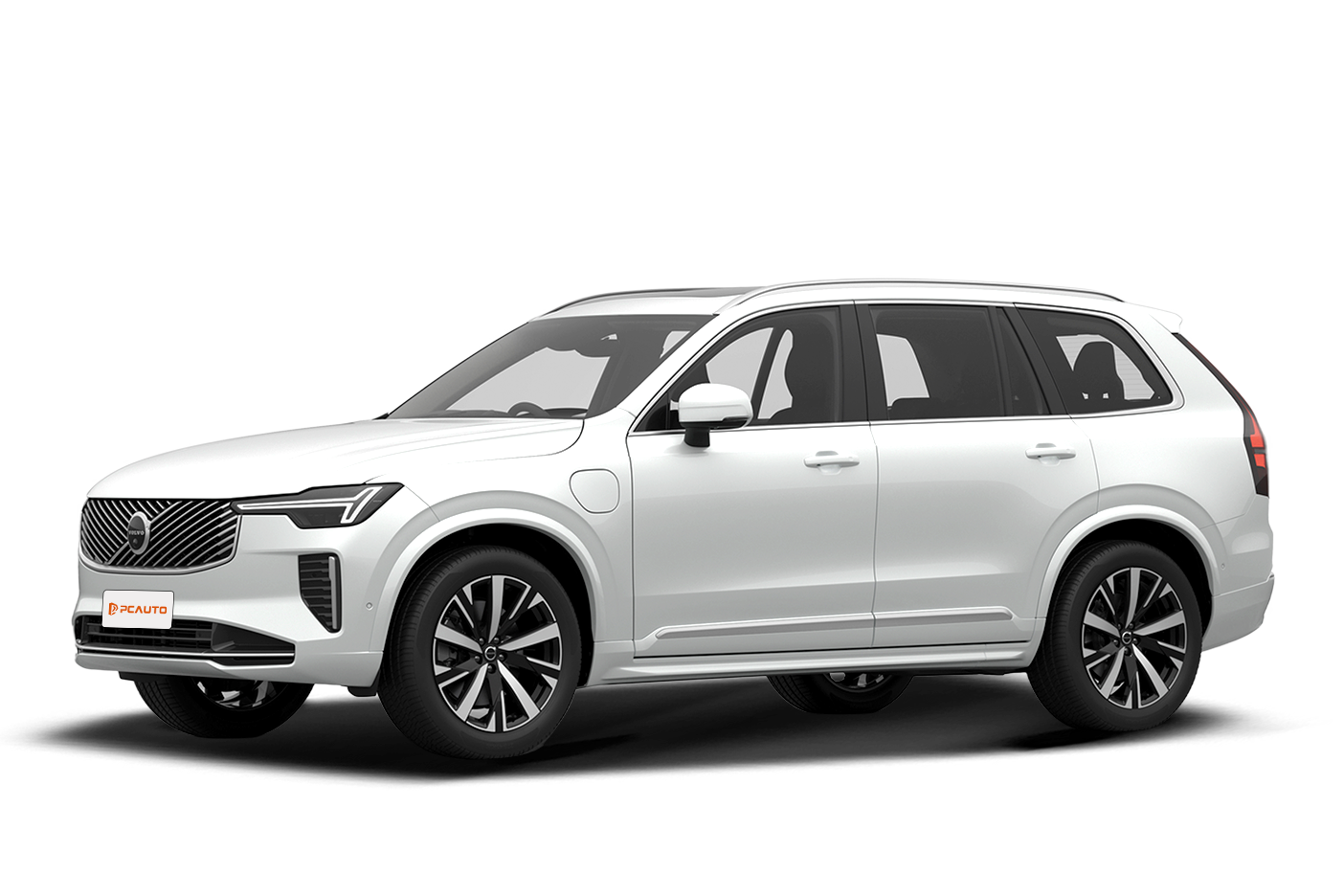
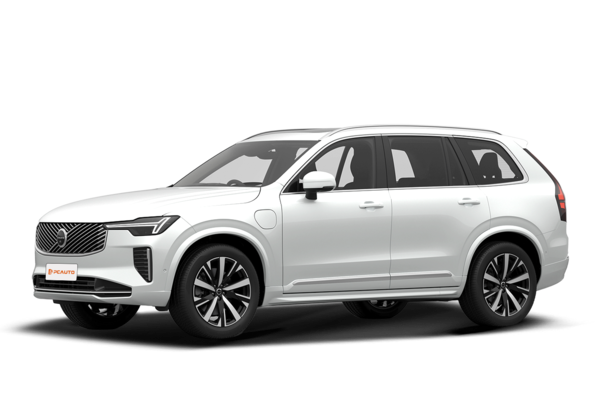
2025 Volvo XC90 Ultra B5, as an Executive-level luxury 7-seat SUV, optimizes fuel efficiency with a mild hybrid system, enhances comfort with air suspension across the range, coupled with an intelligent cockpit, balancing space and safety, showcasing outstanding capability.
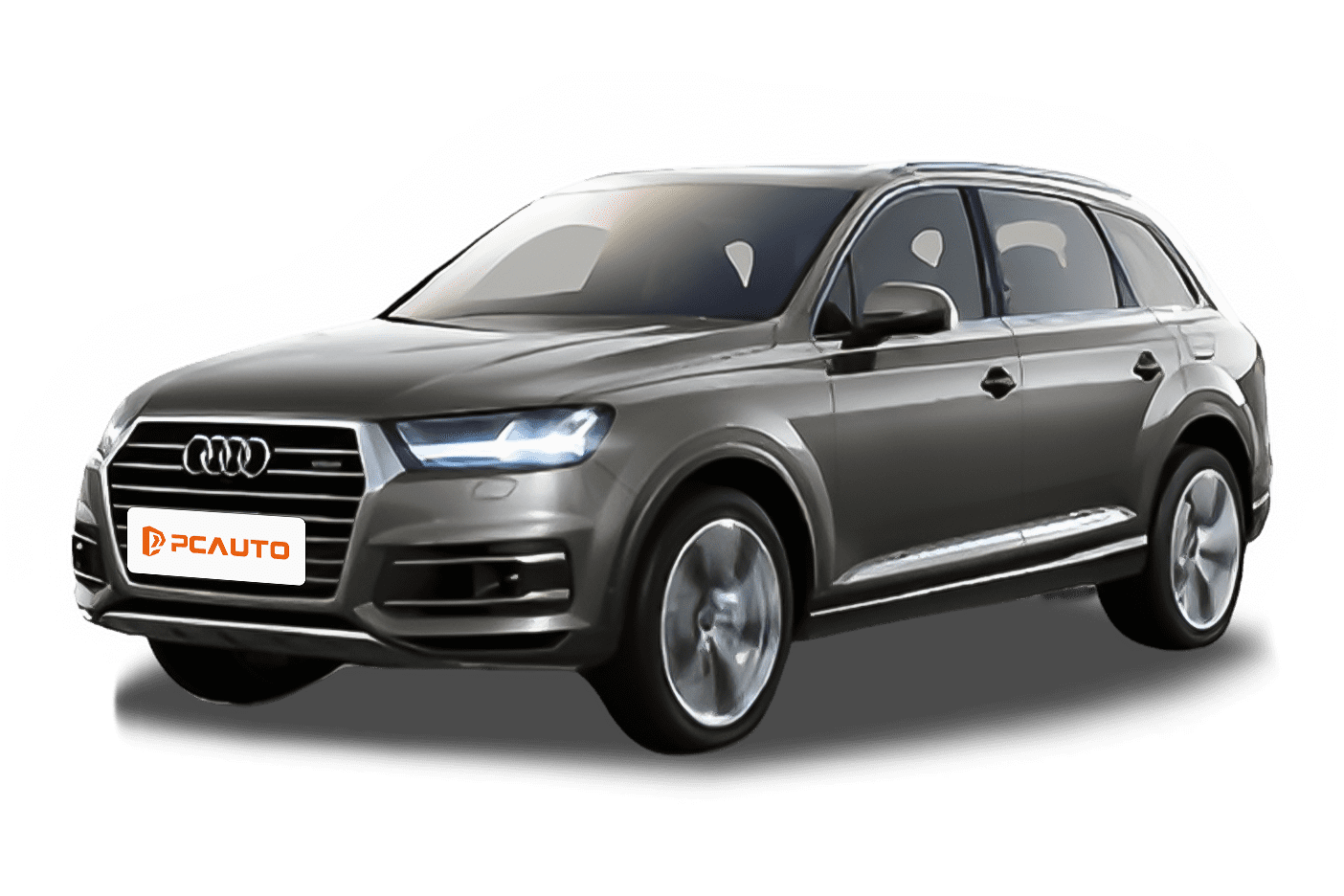
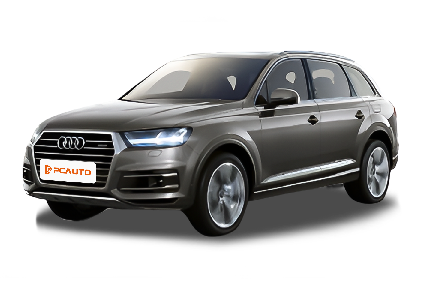
2025 Audi Q7 S line 3.0 TFSI, with its high cost-effectiveness, sporty appearance, luxurious interior, powerful performance, and flexible space, becomes a strong contender in the luxury mid-to-large SUV market.
23
Rank in SUV
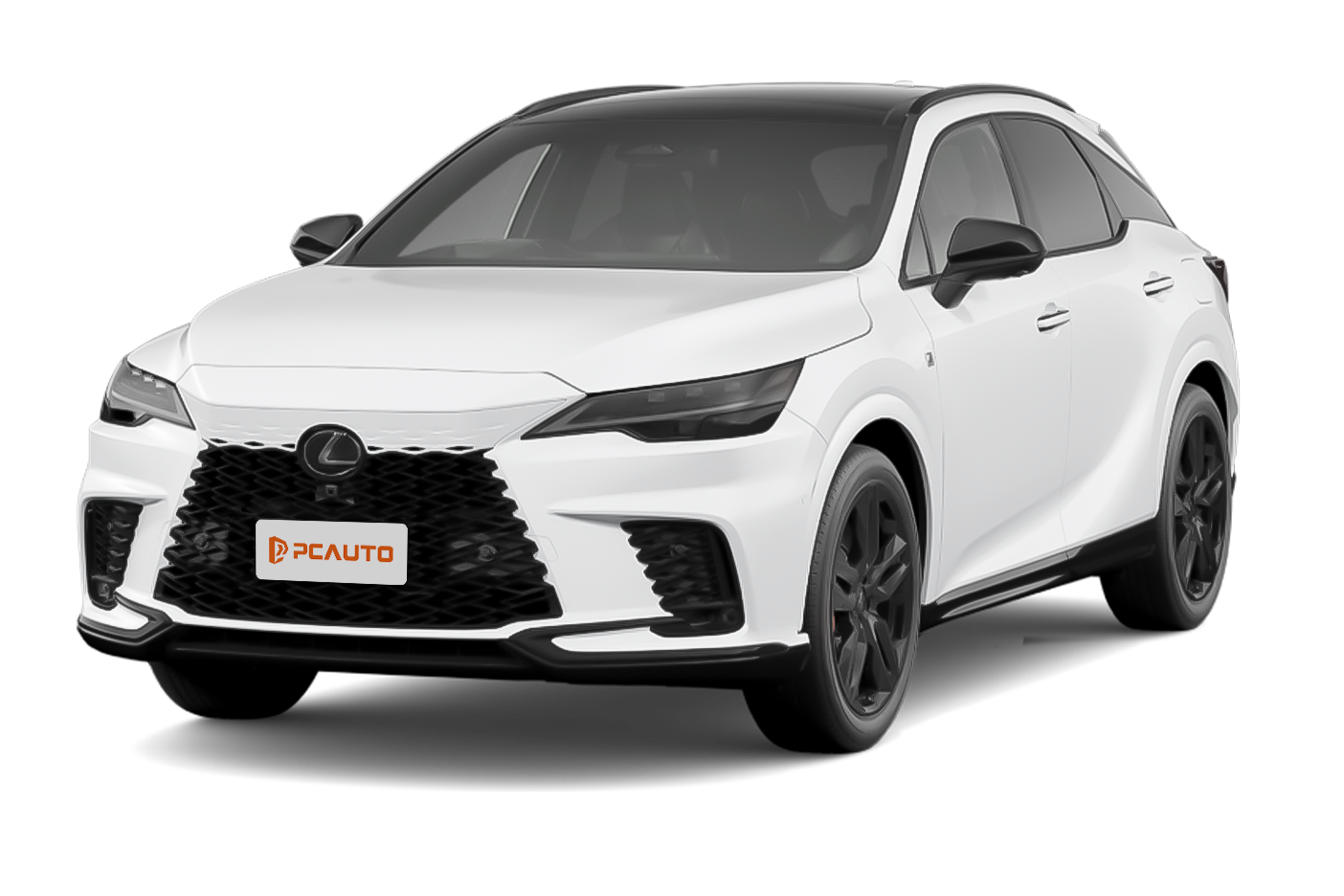
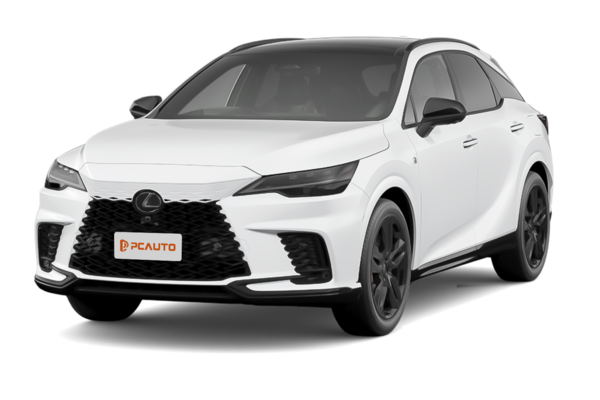
2025 Lexus RX 500h F Sport Special Edition is an executive-level hybrid SUV that balances performance, luxury, and technology, featuring a 2.4T hybrid system, exclusive 21-inch wheels, and a 14-inch central control screen as its core highlights.
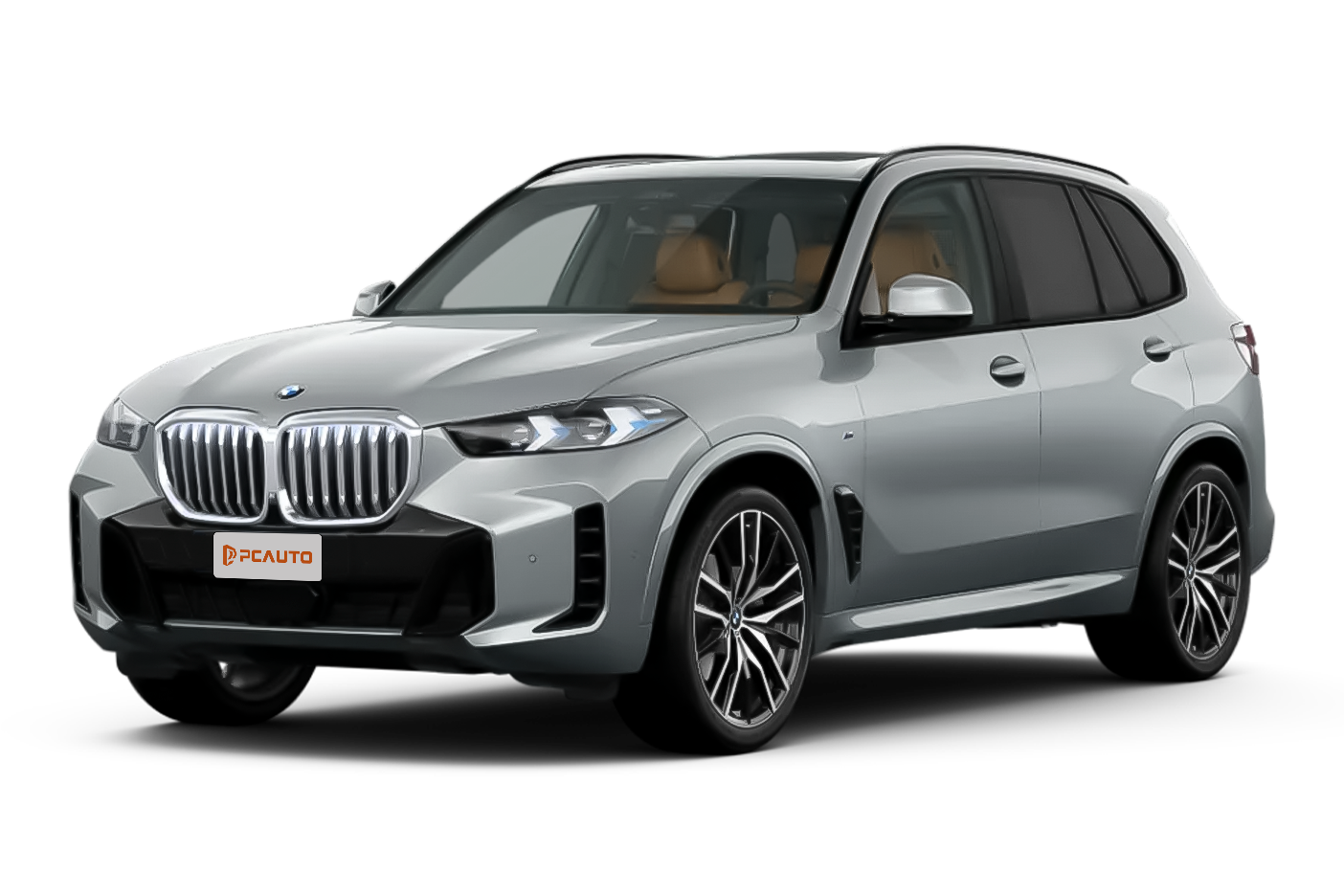
2025 BMW X5 xDrive40i M Sport is a luxury mid-to-large SUV that balances family comfort with driving pleasure. It features upgraded power, rich configurations, and more affordable pricing.