

Audi Q7 Review

 Share
Share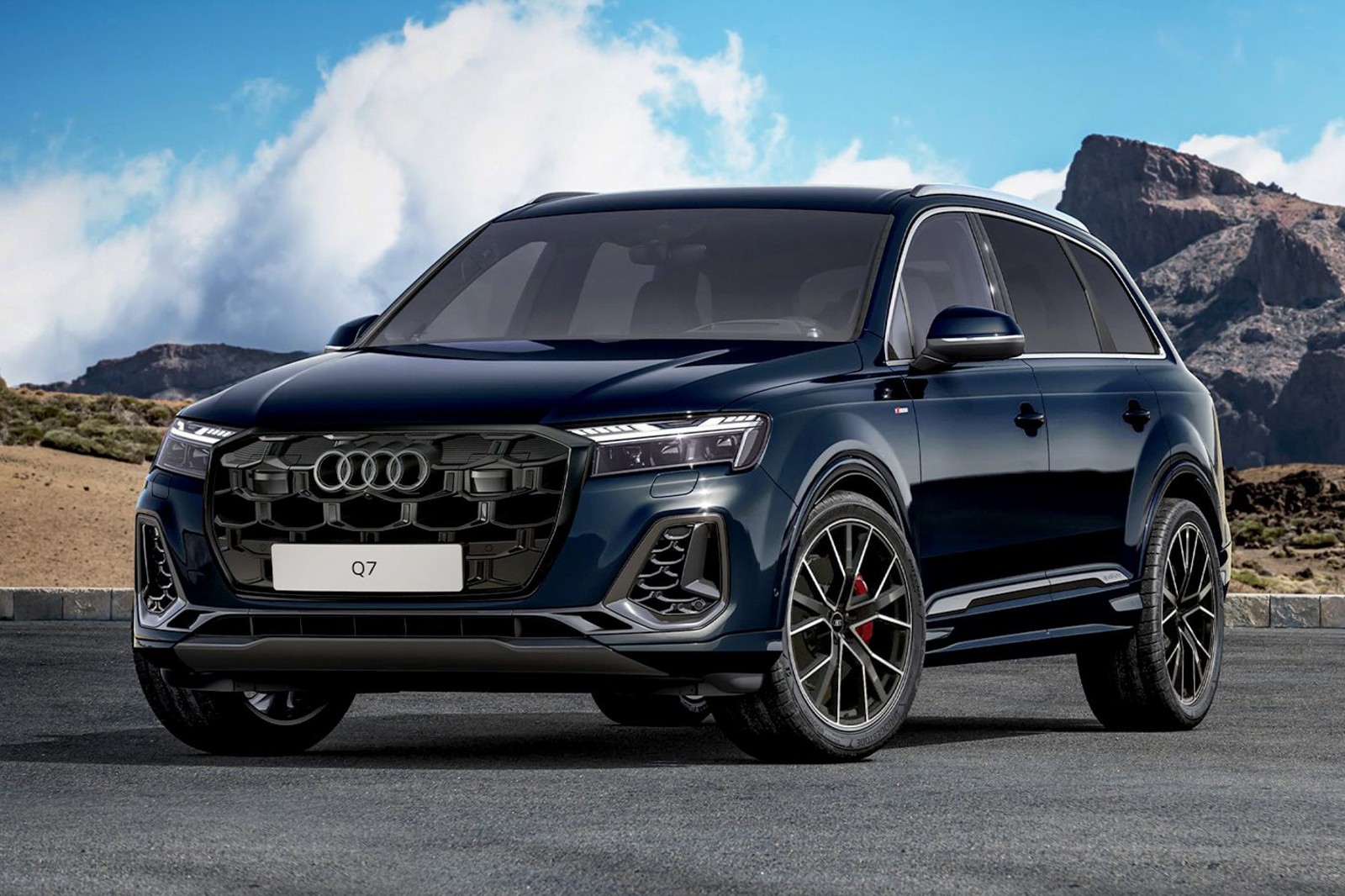
 Segment
 Body Type
 Capacity(L)
 Engine Power(PS)
 Engine Torque(Nm)
 Transmission
In Malaysia's luxury mid-to-large SUV market, consumers are increasingly demanding space, features, and driving quality. They require practicality to meet the needs of multi-person families without compromising on the sense of luxury associated with premium brands. The 2025 Audi Q7 S line 3.0 TFSI, as a mid-cycle facelift model, has directly lowered its price to RM 459,990 compared to the previous model's RM 599,900 price tag, significantly improving its value for money. At the same time, it has been upgraded with a 48V mild hybrid system and intelligent configurations. In this test drive, we focus on whether its dynamic performance maintains Audi's tuning standards and if the new features are suitable for daily use scenarios.
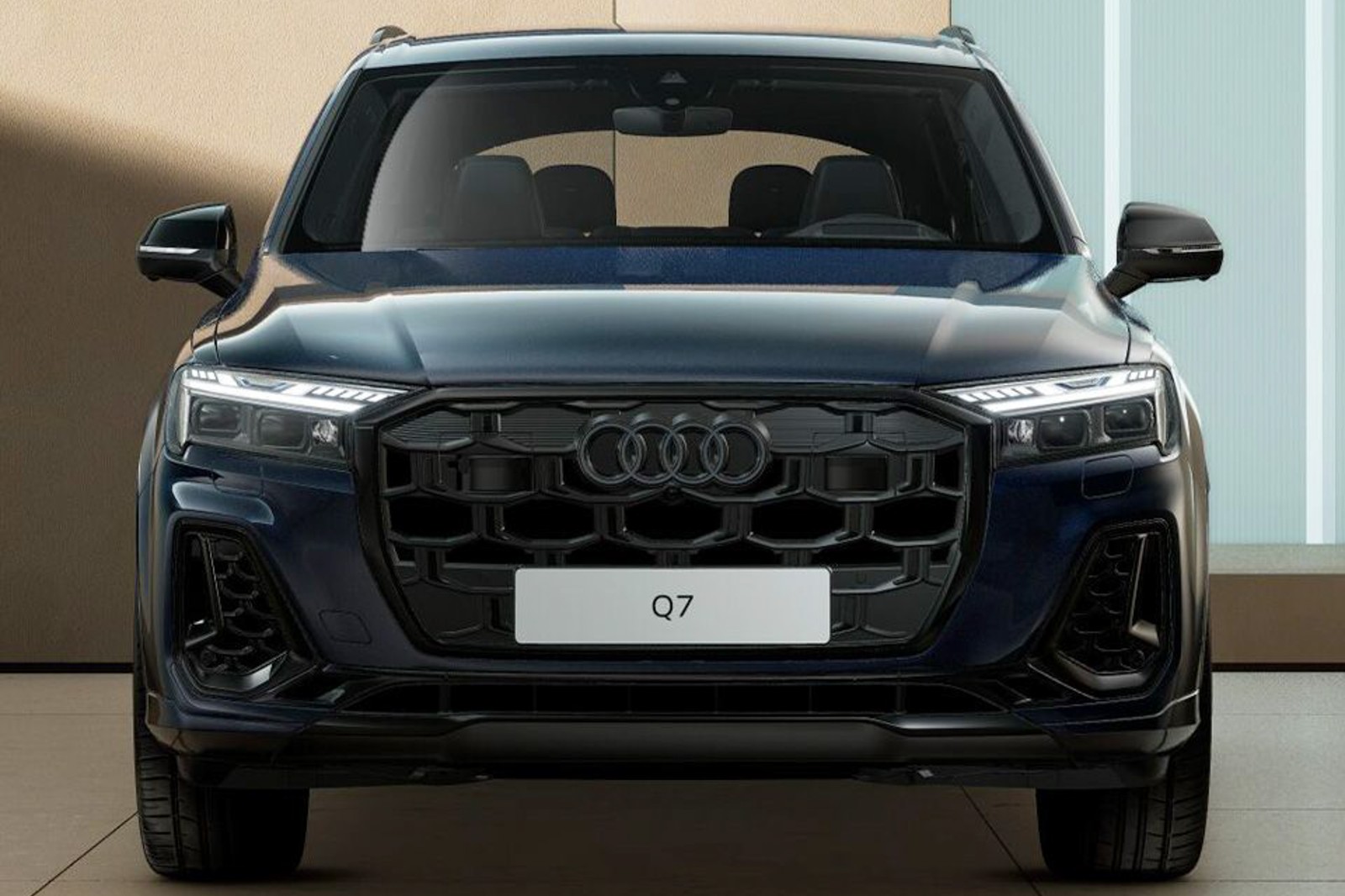
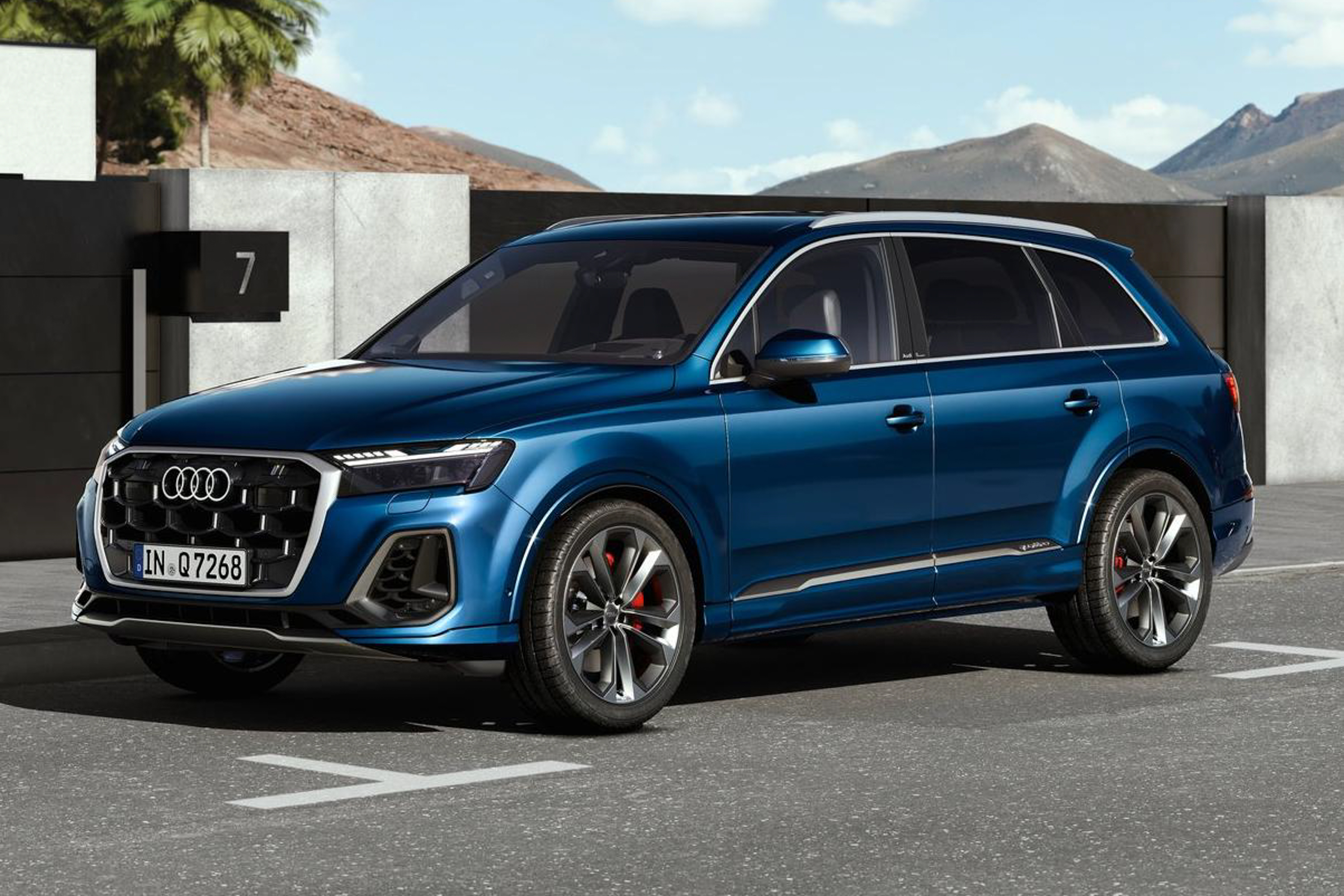
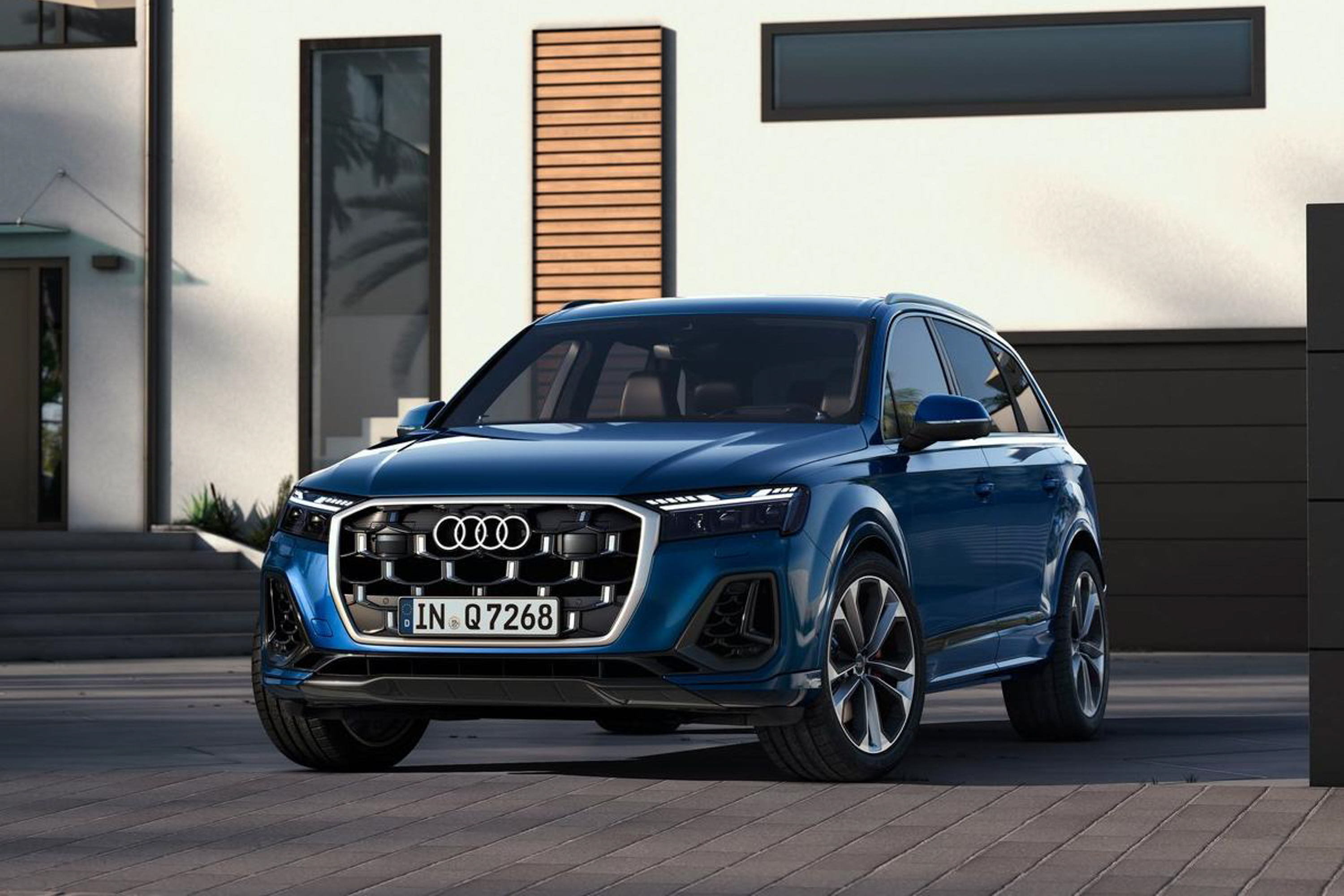
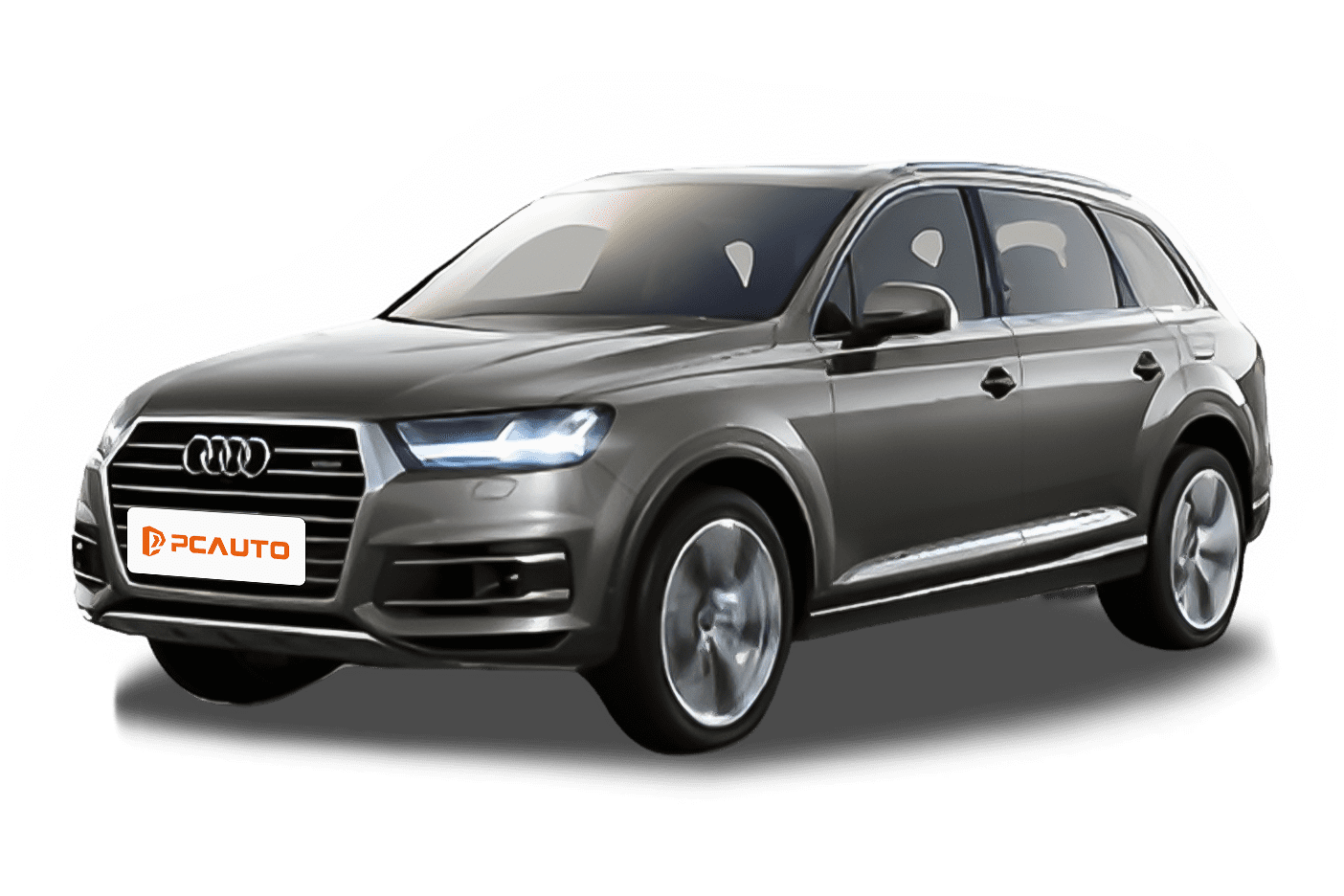
The first impression of the 2025 Q7 S line is its more sporty exterior kit. The body dimensions remain at 5052mm×1968mm×1740mm, with a wheelbase of 2994mm, maintaining a robust overall profile. The front features a larger honeycomb grille paired with the S line-exclusive front bumper. The design of the air intakes on both sides is sharper, while the LED daytime running lights adopt a segmented shape for higher recognition compared to the previous model. The body side profile features straight lines, with 22-inch large rims paired with 285/35 R22 tires, giving a lower stance visually. Chrome trim at the bottom of the doors enhances the luxury feel. At the rear, the LED tail light cluster adopts a full-width design, connected in the center by the Audi lettering. The rear bumper features a diffuser-style design, and the dual-sided dual exhaust layout further reinforces its sporty attributes.
Sitting inside, the interior retains Audi's iconic virtual cockpit layout, but with upgraded details. The 12.3-inch fully digital instrument cluster offers clear displays and supports multiple themes. The HUD head-up display system projects navigation information, allowing drivers to avoid frequently looking down at the dashboard during daily use. The center console features a 10.1-inch touchscreen with good operating smoothness, supporting CarPlay and Android Auto connectivity. In terms of materials, the top of the dashboard and the inside of the door panels are covered with soft-touch materials, complemented by metal trim, meeting the expectations of a luxury car. The front seats are electrically adjustable with moderate support, ensuring comfort for long drives. The second-row seats can fold in a 40:20:40 split configuration, while the third row folds in a 50:50 split. The trunk has a capacity of 770L, and folding down the third row makes the space more versatile, accommodating strollers or large luggage easily. The rear row is equipped with independent air conditioning vents and USB ports, while the floor protrusion in the middle is not high, ensuring comfort for three passengers when the rear seat is fully occupied.
In terms of performance, the vehicle is equipped with a 3.0T V6 turbocharged engine paired with a 48V mild hybrid system, delivering a maximum power of 340PS and peak torque of 500N·m. It is matched with an 8-speed automatic transmission and quattro all-wheel drive. The official 0-100km/h acceleration is 5.6 seconds, significantly faster than the 6.3 seconds of the 2019 model. During actual driving, the mild hybrid system smoothly intervenes during the start, almost eliminating any perceptible engine start-up jerks. The throttle response is sensitive, and when the accelerator is pressed deeply, the power output is linear, making mid-range acceleration and overtaking effortless. Switching to sport mode makes the gearbox shift logic more aggressive, with faster downshifts and a more obvious sense of push-back. For everyday driving, keeping it in comfort mode provides smooth power delivery, making it well-suited for urban commuting.
In terms of handling, the Q7's steering is precise with minimal play, lightweight at low speeds, and steady at high speeds. The combination of front double-wishbone and rear multi-link air suspension performs well, filtering out most road vibrations in normal mode; there is no noticeable stiffness when passing speed bumps. Switching to dynamic mode stiffens the suspension, providing better support and effectively controlling body roll when cornering. We tested its fuel consumption, which is about 11L/100km in urban conditions, 7.5L/100km on highways, and approximately 8.8L/100km in combined conditions. Although it is slightly higher than the previous model's 7.9L, given the power boost, this performance is still reasonable. The braking system is responsive, provides sufficient braking force, and maintains vehicle stability during emergency braking.
In terms of driving comfort, the Q7 excels in noise control, with minimal wind and road noise at high speeds. The engine noise is noticeable during rapid acceleration but not jarring. The air suspension sufficiently absorbs road vibrations, ensuring long-distance comfort. The second-row seats are adjustable with ample legroom, while the third-row space is more suitable for children or short trips, as it may feel cramped for adults over longer durations.
In summary, the 2025 Audi Q7 S line 3.0 TFSI has clear core advantages: the price is nearly 140,000 MYR lower than the previous model, while the configurations have been upgraded; it has more power and faster acceleration; the exterior is sportier, and the interior still maintains a luxurious quality. Compared to its class competitors like the BMW X5 and Mercedes-Benz GLE, the Q7 offers more practical space with its 7-seater layout, which is ideal for larger families. The Quattro all-wheel-drive system also ensures better stability on rainy or slippery roads.
This car is suitable for two types of customers: first, families that value space and practicality, as the 7-seater layout meets the needs of family outings, and the large trunk can handle everyday shopping or short trips. Second, middle-aged consumers pursuing luxury and power, as Audi's brand appeal, sporty exterior, and smooth power delivery can handle both business and family scenarios.
Overall, the 2025 Q7 S line 3.0 TFSI is a highly balanced luxury mid-to-large SUV. Its reduced price makes it a standout value, retaining Audi's luxurious feel while enhancing power and configurations. It is well worth considering.
Audi Q7 Car Compare
Audi Q7 Loan Calculator
Cars With Similar Price And Features

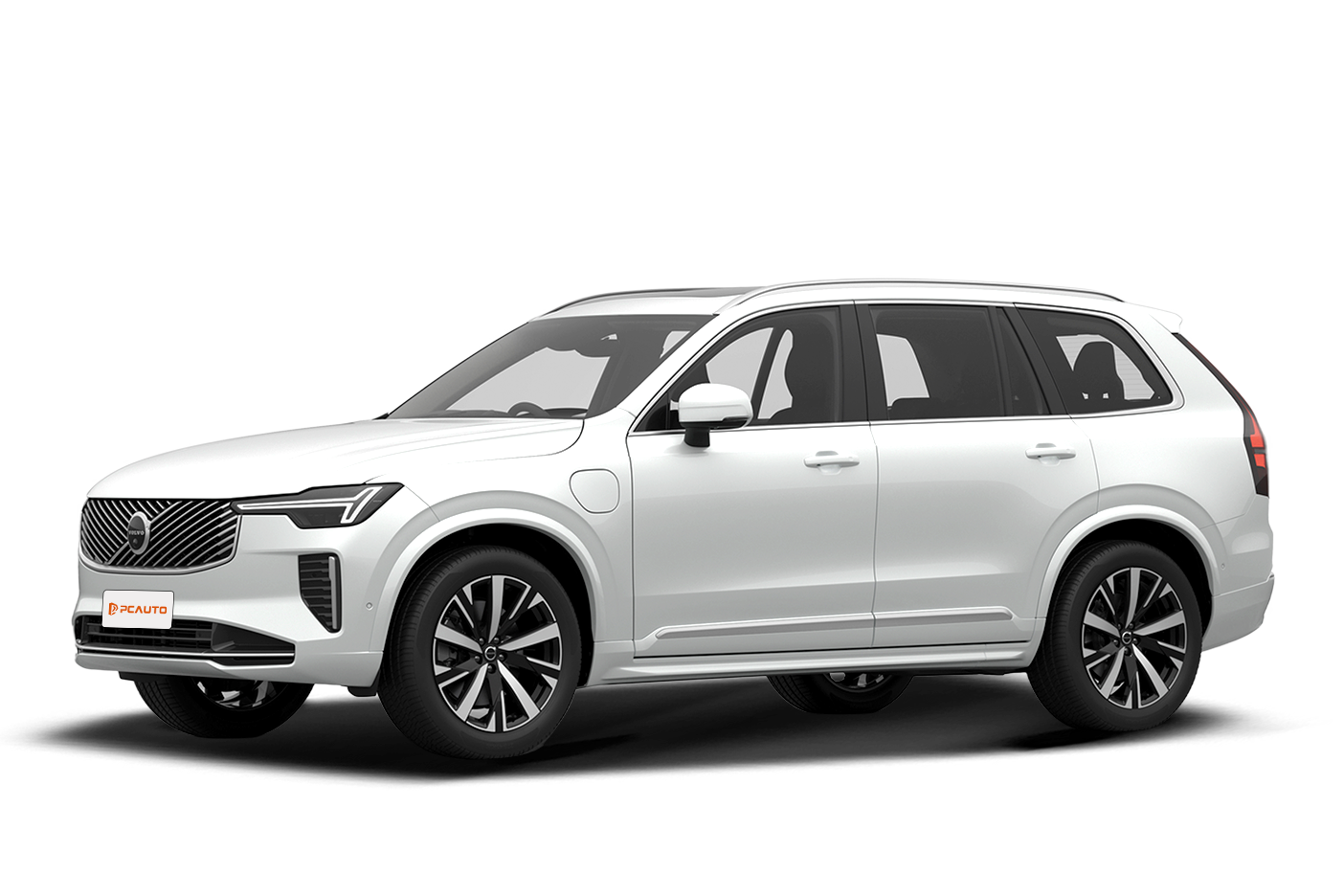
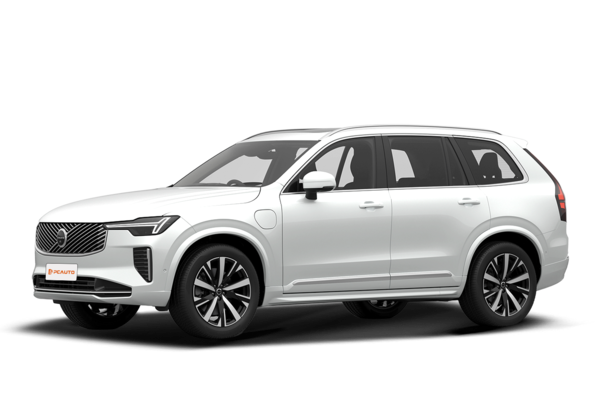
2025 Volvo XC90 Ultra B5, as an Executive-level luxury 7-seat SUV, optimizes fuel efficiency with a mild hybrid system, enhances comfort with air suspension across the range, coupled with an intelligent cockpit, balancing space and safety, showcasing outstanding capability.
23
Rank in SUV
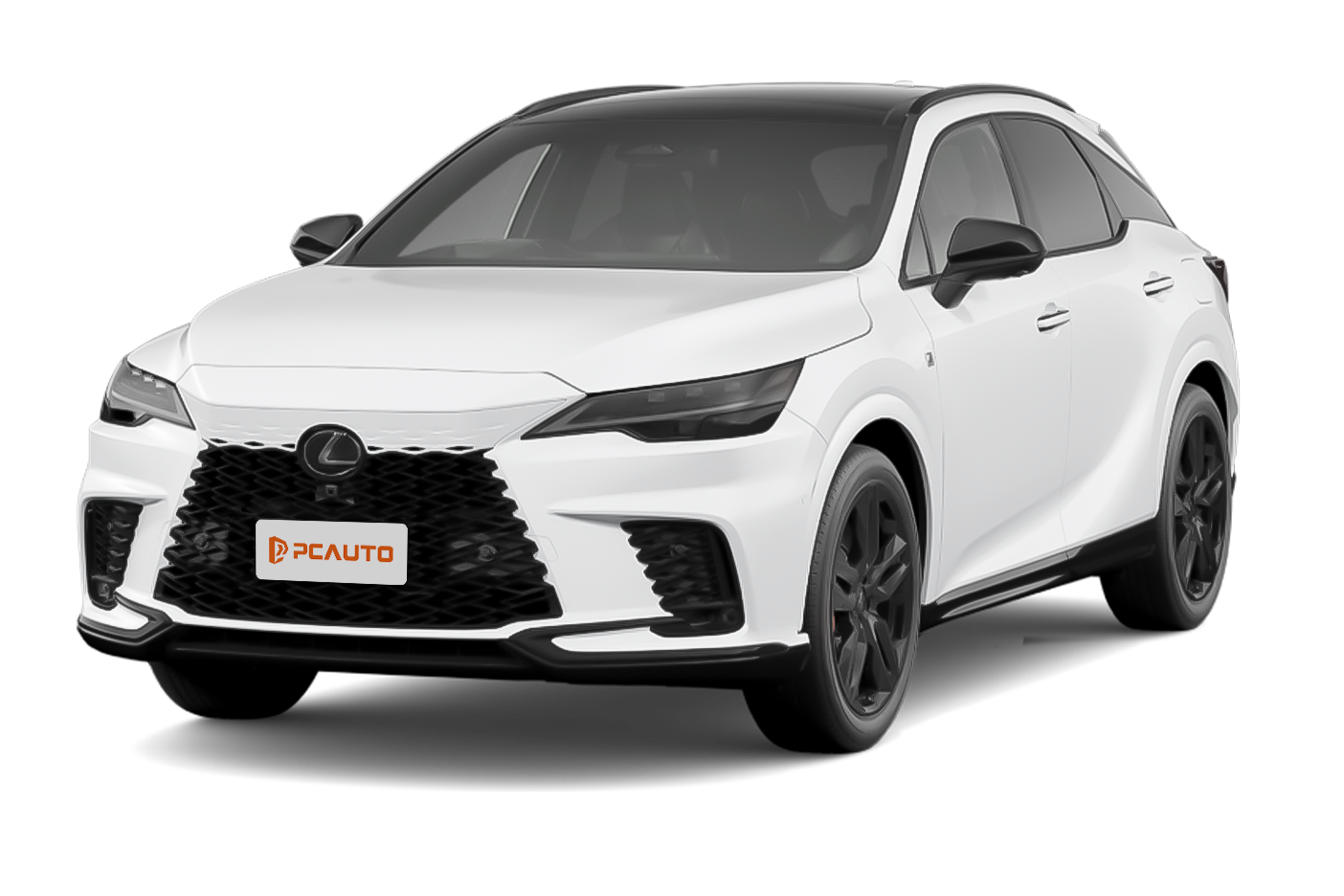
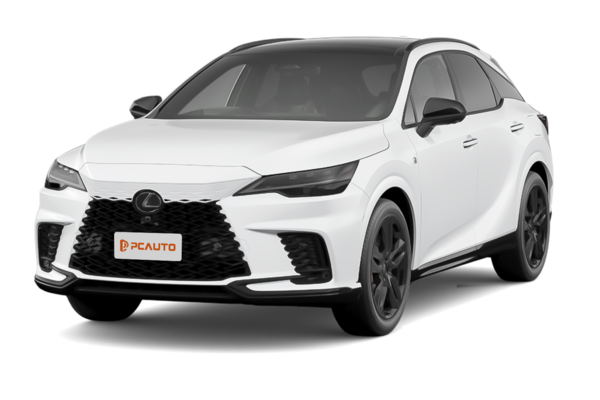
2025 Lexus RX 500h F Sport Special Edition is an executive-level hybrid SUV that balances performance, luxury, and technology, featuring a 2.4T hybrid system, exclusive 21-inch wheels, and a 14-inch central control screen as its core highlights.
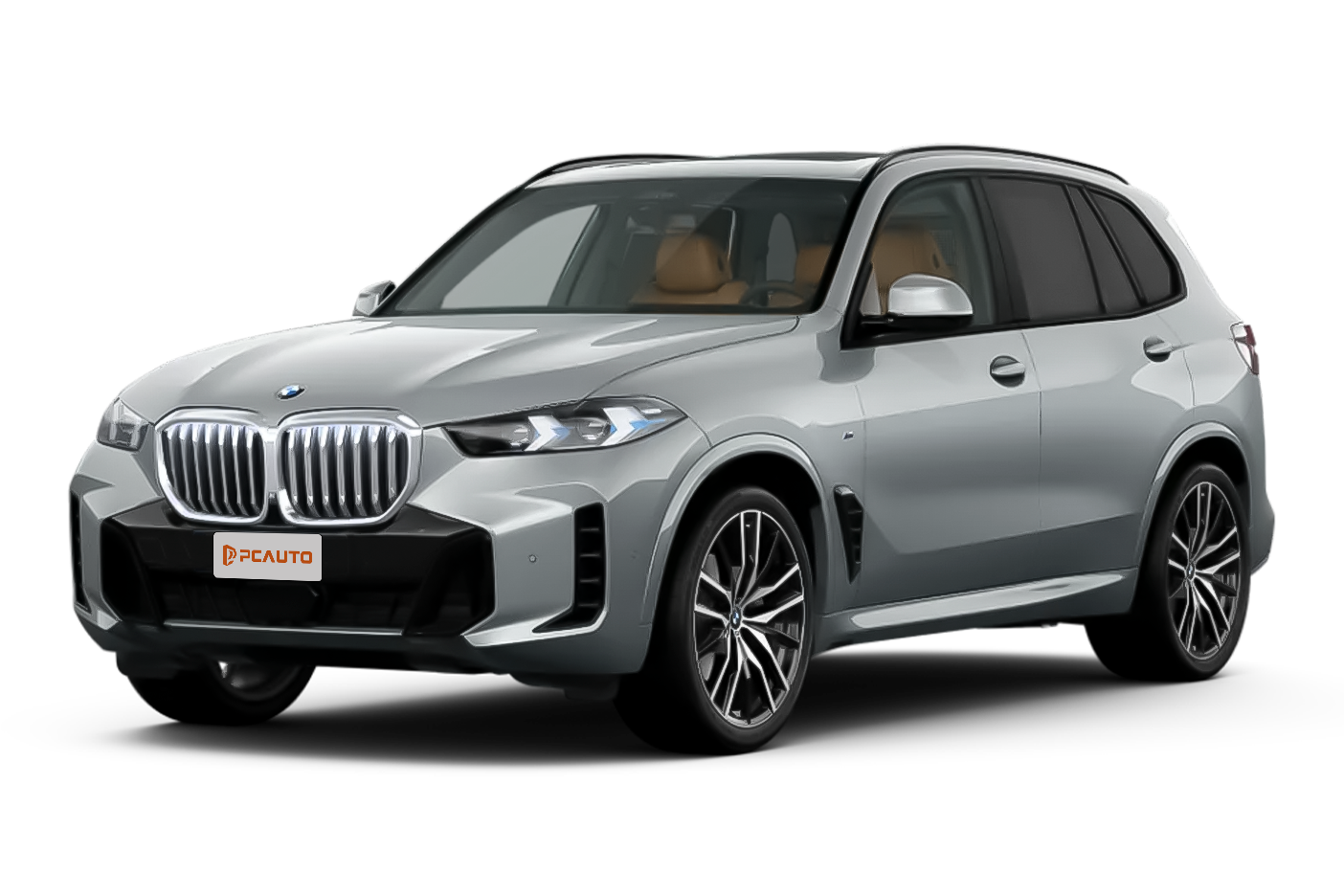
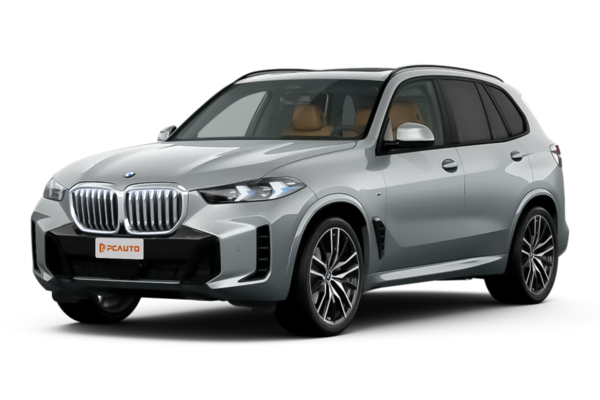
2025 BMW X5 xDrive40i M Sport is a luxury mid-to-large SUV that balances family comfort with driving pleasure. It features upgraded power, rich configurations, and more affordable pricing.
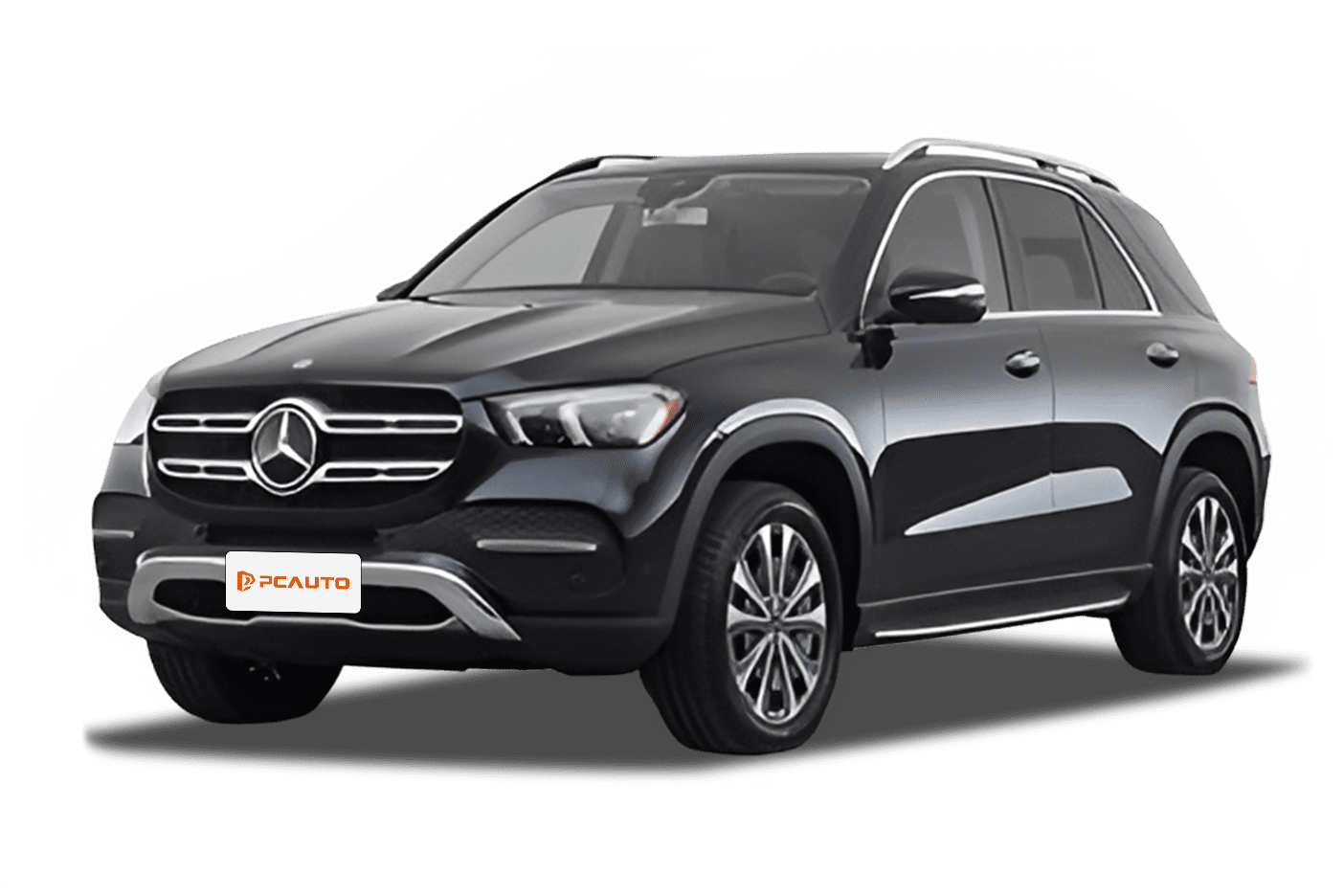
2024 Mercedes-Benz GLE 450 4MATIC AMG Line FL (CKD) is a locally assembled executive-level luxury SUV that lowers the entry threshold while upgrading power and intelligent features, balancing a sense of status and practicality.