

2018 Lamborghini Urus 4.0L Review

 Share
Share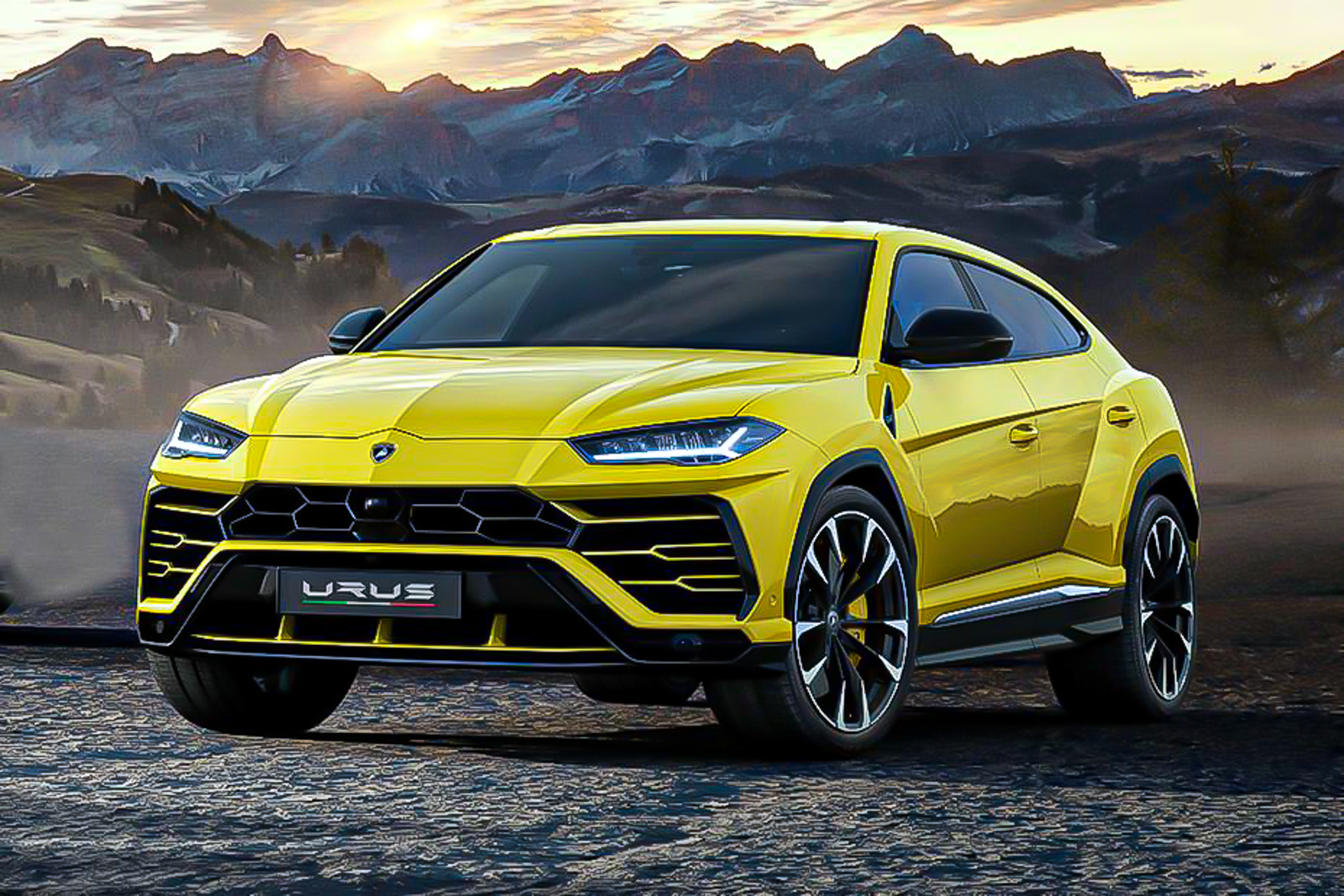
 Segment
 Body Type
 Capacity(L)
 Driven Wheels
 Combined System Output(PS)
 Combined System Torque(Nm)
It is no longer news that supercar brands have ventured into the SUV market, but since its launch, the 2018 Lamborghini Urus has consistently been at the center of attention in this niche market. After all, not every brand can inject the aggressive DNA of the "Raging Bull" into an SUV that can fit five people. This time, we got our hands on the actual car, and the goal is to verify two things: Is it a supercar in an SUV shell, or a performance monster capable of handling everyday life?
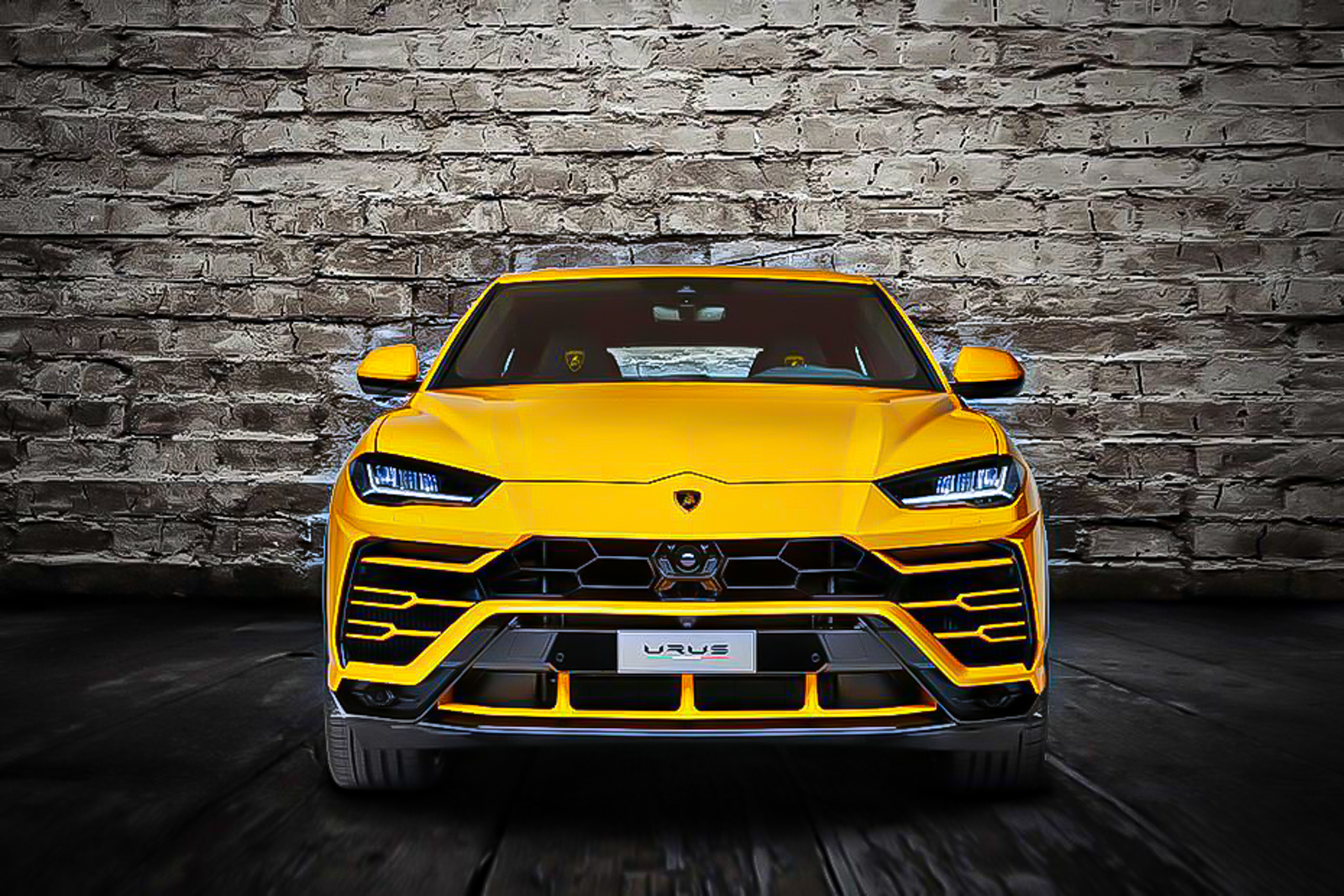
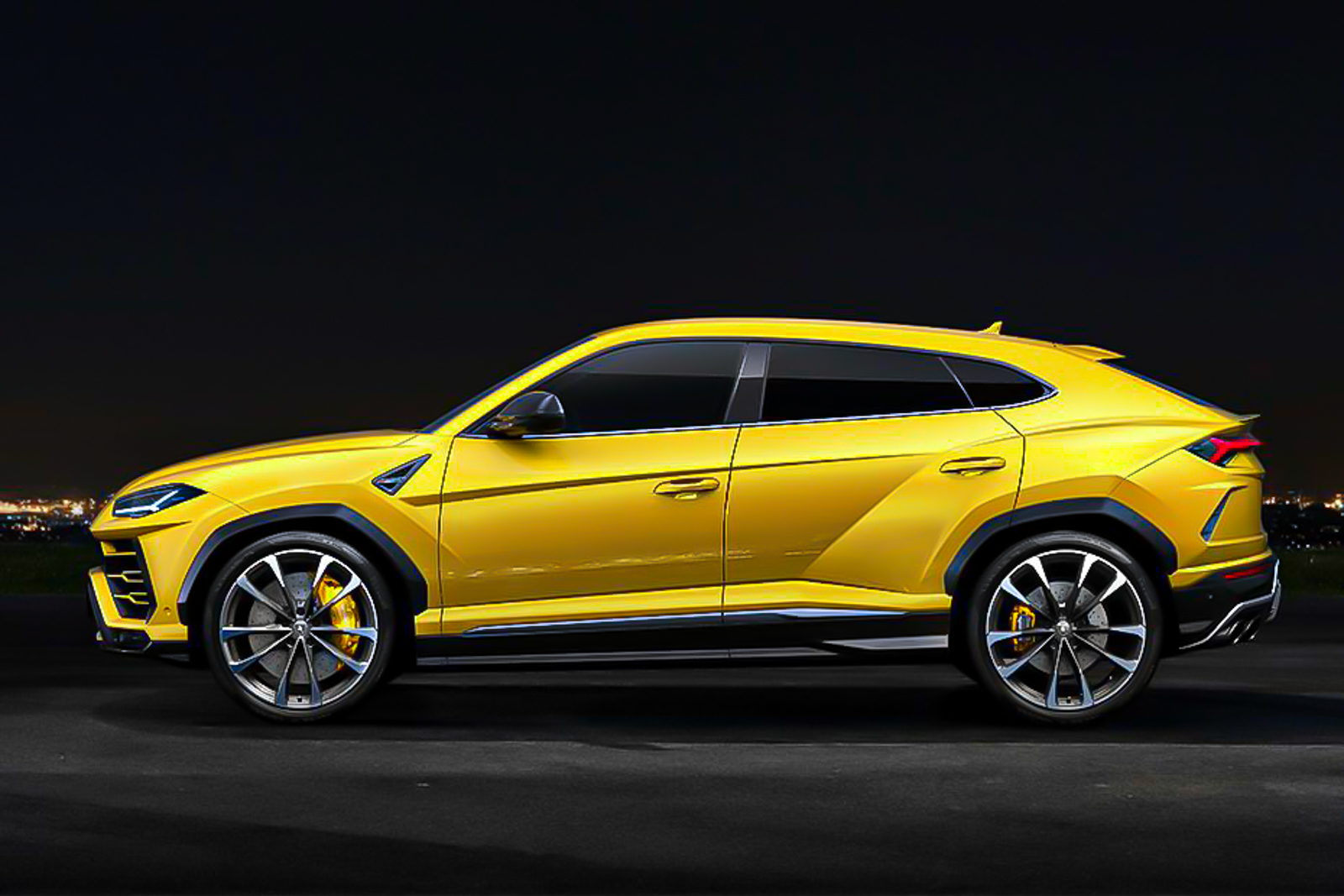
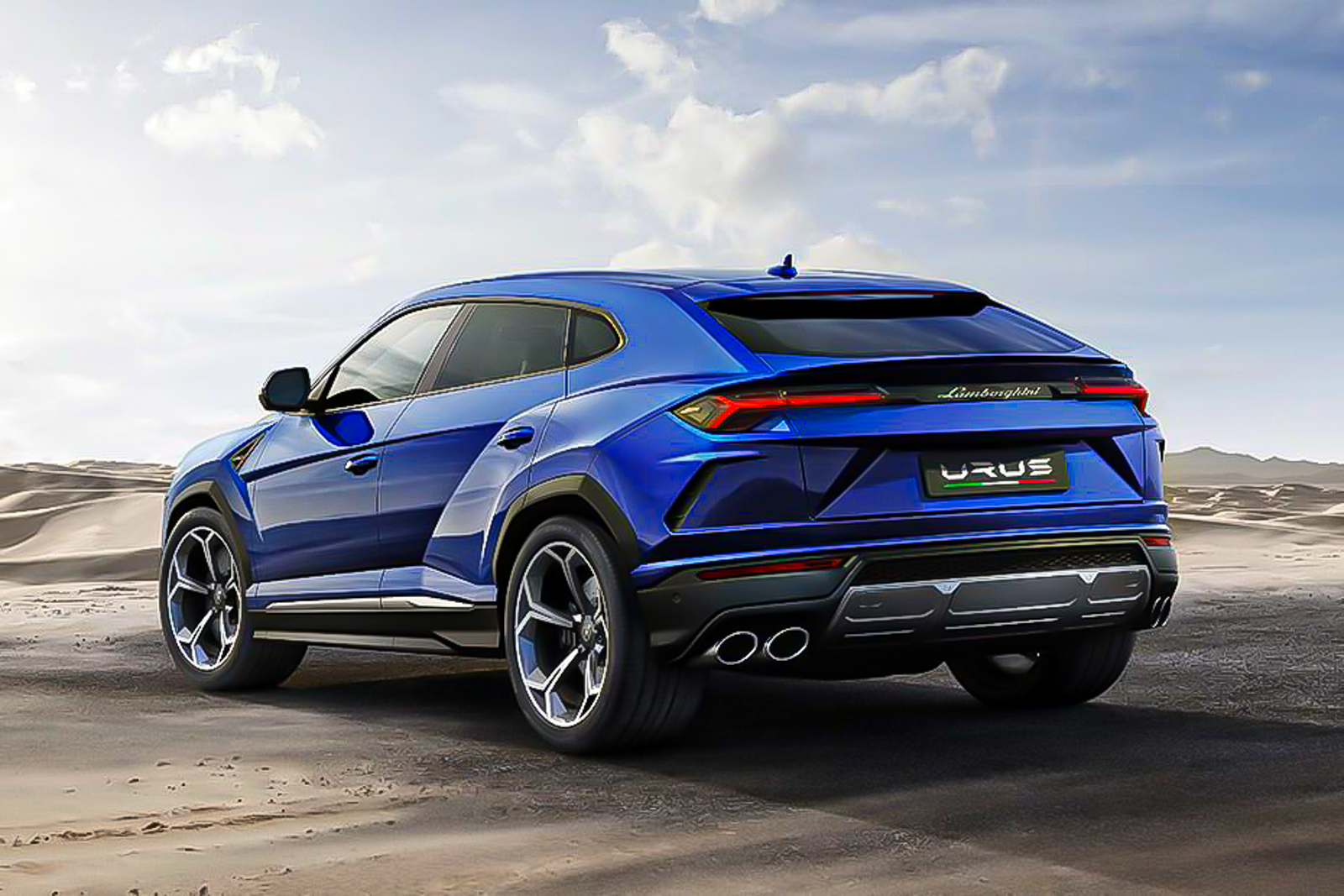
The exterior of the Urus is unmistakably Lamborghini – sharp lines are integrated into almost every detail. The front face features Y-shaped daytime running lights and a large hexagonal grille, directly borrowing from the brand's iconic design. Four raised contour lines on the hood extend from the A-pillar to the front lip, giving it a full sense of aggression when parked. The side of the vehicle showcases the typical coupe SUV sloping shape, with 21-inch wheels paired with 285/45 front tires and 315/40 rear tires. Wide-body fender flares tightly "wrap" the tires, and from the rear three-quarters view, the visual difference in width between the front and rear tires is particularly striking. The rear design emphasizes layering, with the Lamborghini logo embedded in the middle of the taillight bar. Below, the diffuser and quad-exhaust layout adhere strictly to performance car standards. As for the lighting system, both the front and rear light clusters use LED sources, offering high recognition when illuminated, especially during nighttime driving, as the Y-shaped taillights are hardly mistaken for any other car.
Once inside, the Urus interior retains the combat feel of a supercar while not losing sight of the practicality of an SUV. The entire center console leans toward the driver, with a 12.3-inch touchscreen as the central control area, featuring a clear interface and responsive touch functionality. Regarding materials, the seats and interior door panels are extensively covered with Nappa leather, while parts of the center console and steering wheel use Alcantara, providing a solid texture suitable for a luxury car at the million-level price point. In terms of configuration, keyless entry, one-touch start, and a multifunctional steering wheel are all standard. The driving mode selection buttons are integrated into the steering wheel, including modes like Strada (Street), Sport, and Corsa (Track). When switching between modes, the screen synchronously displays the corresponding theme color. The front row seats are sporty in design, providing ample side support, and come with electric adjustments and heating. The rear air conditioning can be controlled independently, and there is a USB port below the air vents for added convenience. This ensures basic comfort for rear passengers during family outings.
In terms of space performance, the dimensions of the Urus are 5112mm in length, 2181mm in width, 1638mm in height, with a wheelbase of 3003mm. These measurements are not small for a mid-to-large SUV. Front-row seating space is sufficient, with a 180cm-tall passenger still having a fist and two fingers of headroom after adjusting the seat. The rear-row legroom is even more impressive — a passenger of the same height seated in the rear has two fists of space between their knees and the back of the front seat. Although the sloping roof design makes headroom slightly limited, there is still about a fist of space, and the overall experience does not feel cramped. As for storage capability, the trunk offers a standard capacity of 616L, expandable to 1596L when the rear seats are folded down, accommodating several 28-inch suitcases without issue. The door storage compartments and the central armrest box also provide adequate space, making it easy to store small items like phones or water bottles for daily use.
The dynamic aspect is the most core highlight of the Urus. It is equipped with a 4.0L twin-turbocharged V8 engine, with a maximum power output of 659PS and a peak torque of 850N·m. It is matched with an 8-speed automatic transmission and an all-wheel-drive system. The official 0-100km/h acceleration time is 3.6 seconds. During actual test driving, after switching to Sport mode, the throttle response becomes extremely sensitive – a slight press on the accelerator will immediately make the car "jump" forward, and the mid-to-late-stage acceleration is continuous. Especially the acceleration ability from 100-160km/h is entirely at a supercar level. The shifting logic of the gearbox also adjusts based on driving mode, with faster shifting speed in Sport mode. During downshifts, there's even a "rev-matching" sound accompanied by the roaring of the quad exhaust, which amplifies the desire to drive.
In terms of handling, the steering wheel of the Urus is precise with minimal dead zone. At low speeds, the steering wheel feels moderately light, not cumbersome, while at high speeds, it becomes automatically heavier, improving stability. The suspension system adopts adaptive air suspension, demonstrating significant differences under different modes. In Strada mode, the suspension raises the car slightly, providing excellent shock absorption over speed bumps or uneven roads, with no harsh bumpiness. When switched to Corsa mode, the suspension lowers by 25mm and the support significantly increases. The body leans very little during cornering, and even when taking consecutive corners at high speeds, the car maintains a stable trajectory.
Regarding fuel consumption, we tested the Urus over the course of a week on mixed road conditions. For daily commuting, we mainly used Strada mode, occasionally switching to Sport mode for highway driving. The final average fuel consumption was 14.2L/100km, slightly higher than the official figure of 12.7L/100km. However, considering its power parameters, this fuel consumption is within expectations. On braking performance, the brake pedal has a linear feel, with sufficient braking force provided in the early stage. During emergency braking, the car remains stable with no significant forward pitching.
As for driving comfort, the performance of the Urus in Street mode was surprisingly "tame" – engine noise is well controlled, and while there is some tire and wind noise at high speeds, it does not affect normal conversations. The seats offer strong support but are not overly firm, making long rides comfortable. It is worth mentioning that its air suspension in Street mode makes the ride quite soft, providing an excellent damping effect over speed bumps or potholes, even better than some family SUVs, which is unexpected for a performance-oriented vehicle.
In summary, the core advantages of the 2018 Urus model are clear: first, its powerful performance, with an acceleration capability of 0-100km/h in 3.6 seconds, leaves it with almost no competitors among SUVs in the same class. Second, it balances practicality well, with a five-seat layout and decent trunk space, making it entirely suitable for daily family use. Third, the brand recognition is high, as the Lamborghini logo itself is the biggest selling point. Compared to peers like the Bentley Bentayga or Porsche Cayenne Turbo, the advantage of the Urus lies in its purer performance capabilities and more aggressive exterior design. Its disadvantages could be slightly limited rear space and relatively high fuel consumption.
If summarized in one sentence, the Urus is a "supercar that can go grocery shopping" — it can unleash the ferocity of its V8 engine on the track, while also providing a comfortable driving experience for daily commutes. The target audience is very clear: either performance car enthusiasts who also need a vehicle that can cater to family needs; or customers pursuing brand value and individuality, unsatisfied with ordinary luxury SUVs. For these users, the Urus is one of the most well-rounded choices on the market.
Lamborghini Urus Car Compare

Lamborghini Urus Loan Calculator
More Lamborghini Reviews
Cars With Similar Price And Features
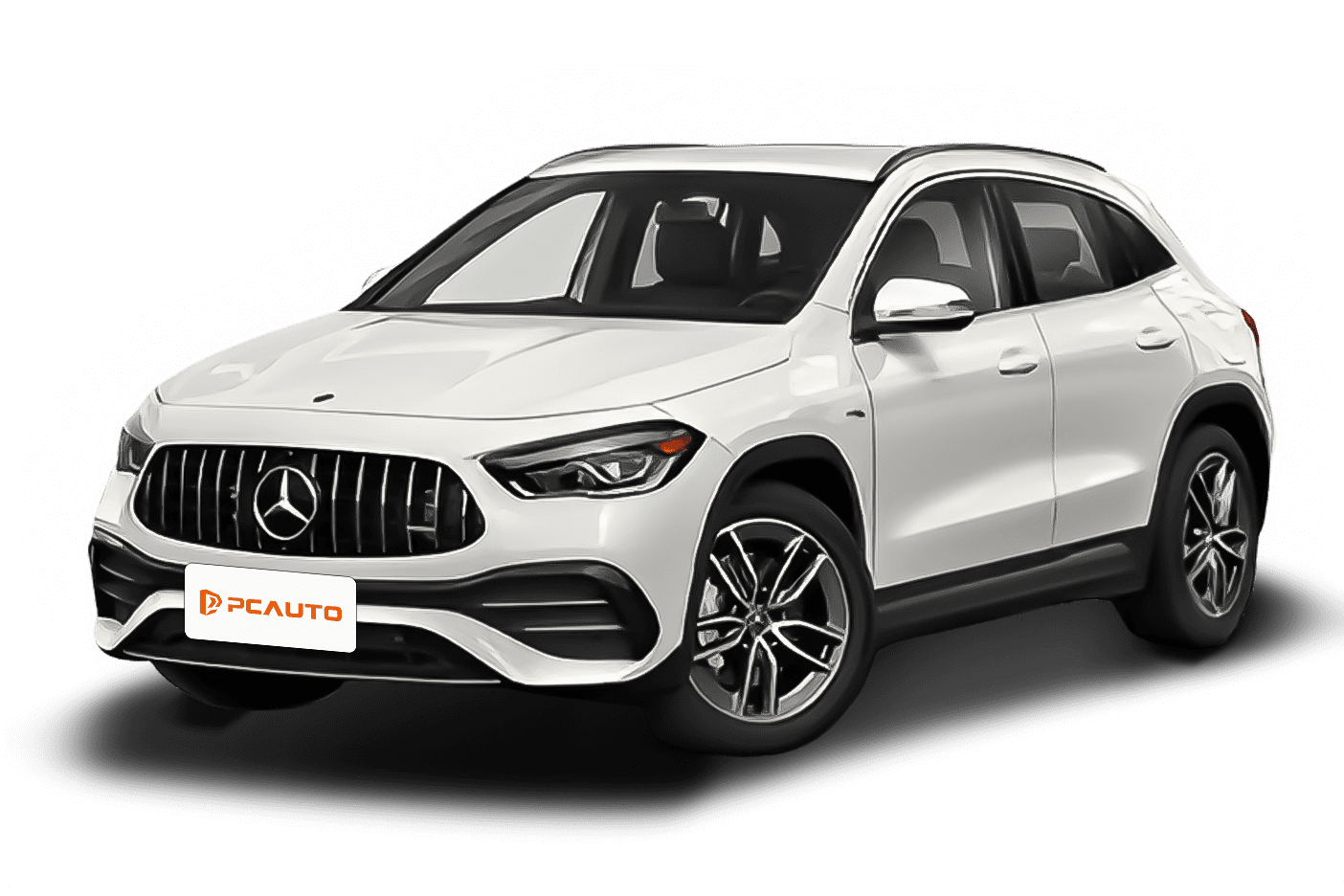
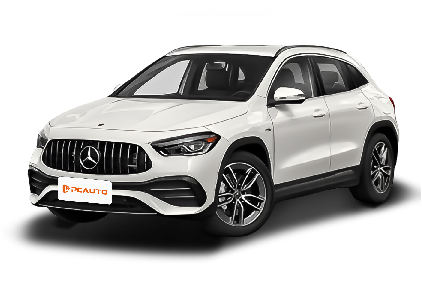
The 2024 Mercedes-Benz AMG GLA 45 S 4MATIC+ is a compact high-performance SUV that combines 420PS powerful output, 4.3-second 0-100 km/h acceleration, luxurious configuration, and practical space, meeting both ultimate driving pleasure and daily commuting needs.
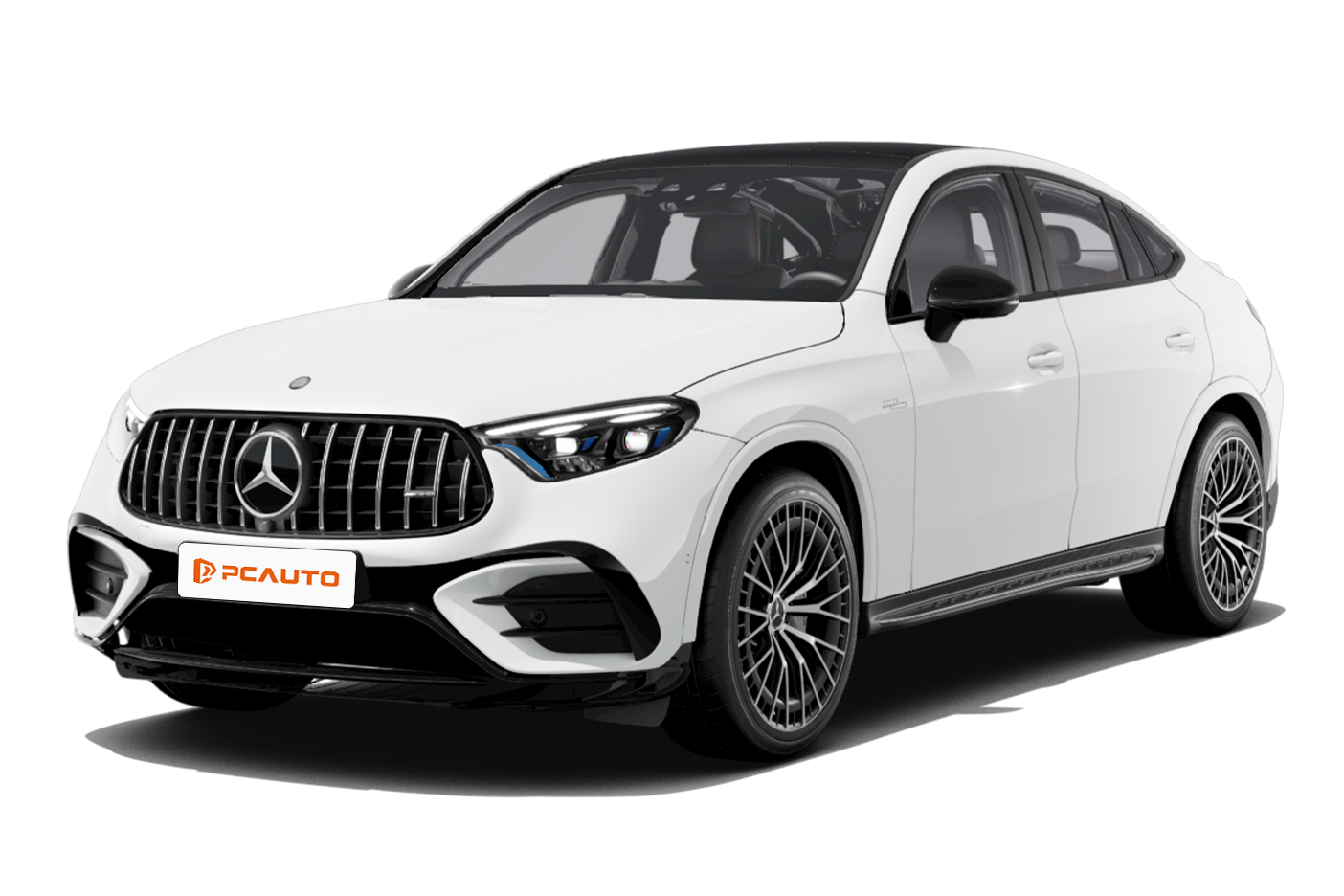
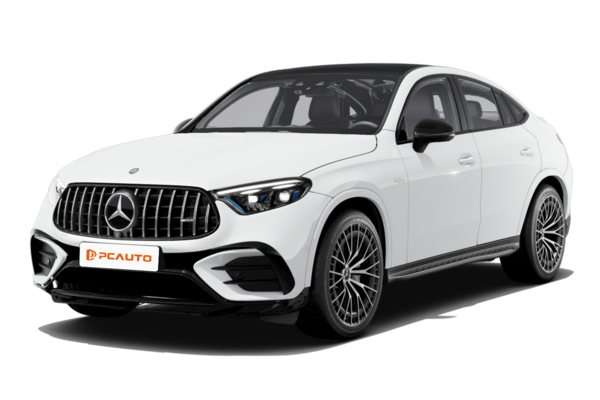
2024 Mercedes-Benz AMG GLC43 4Matic+ is equipped with a 2.0T hybrid system, surpassing the power of the old 3.0T, with fully upgraded features, balancing sportiness and family use as a luxury mid-size SUV.
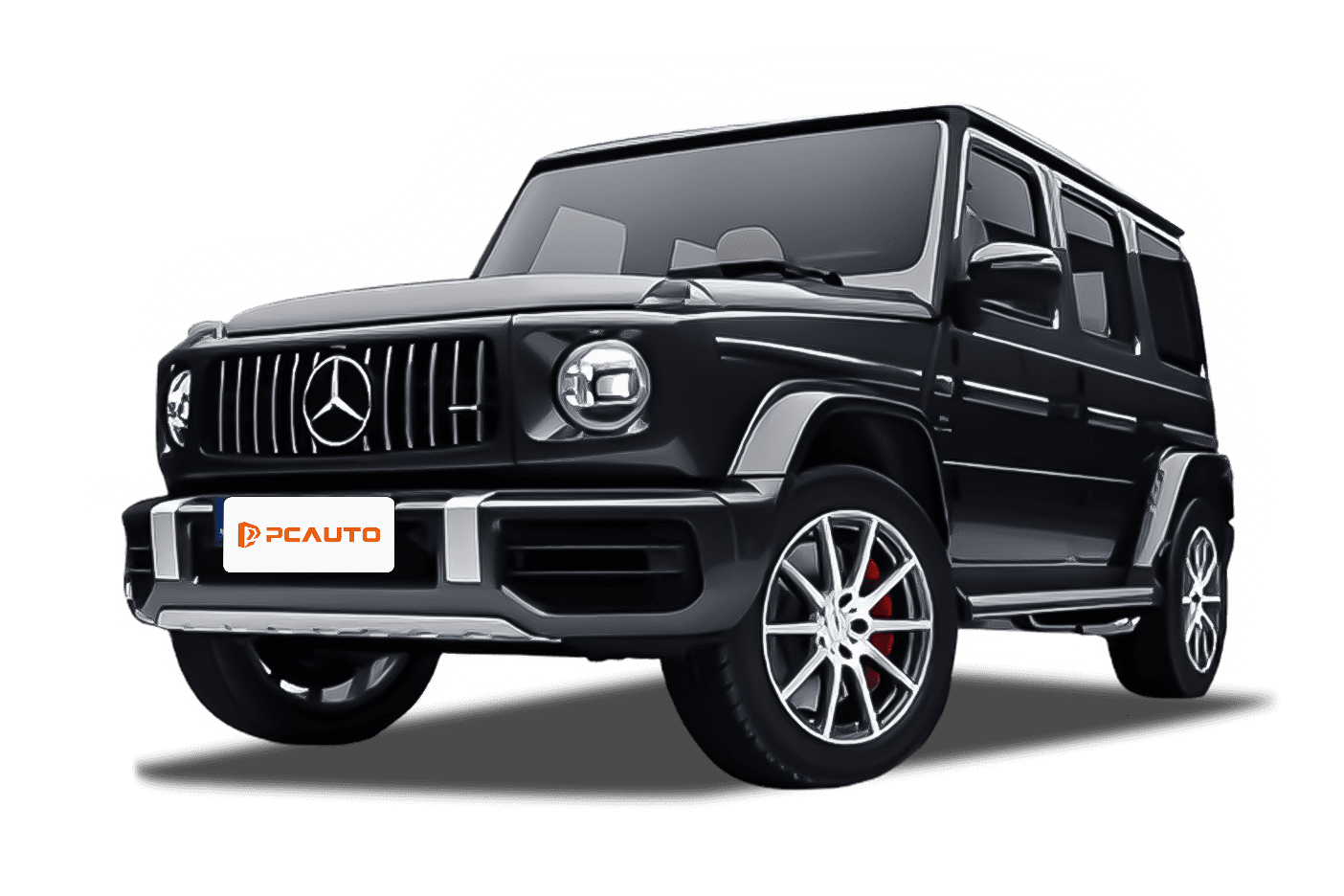
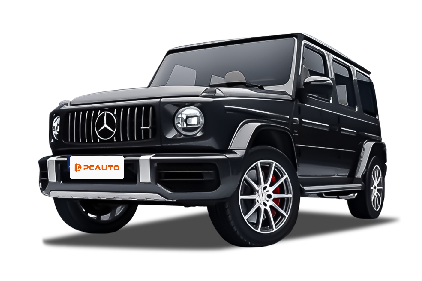
The Mercedes-Benz AMG G-Class G63 2024 is a luxurious hardcore SUV with a classic boxy design, featuring a new mild hybrid system to enhance power response, upgraded intelligent configurations, and interior quality, combining sentiment with performance.