

2017 Lamborghini Huracán RWD Review

 Share
Share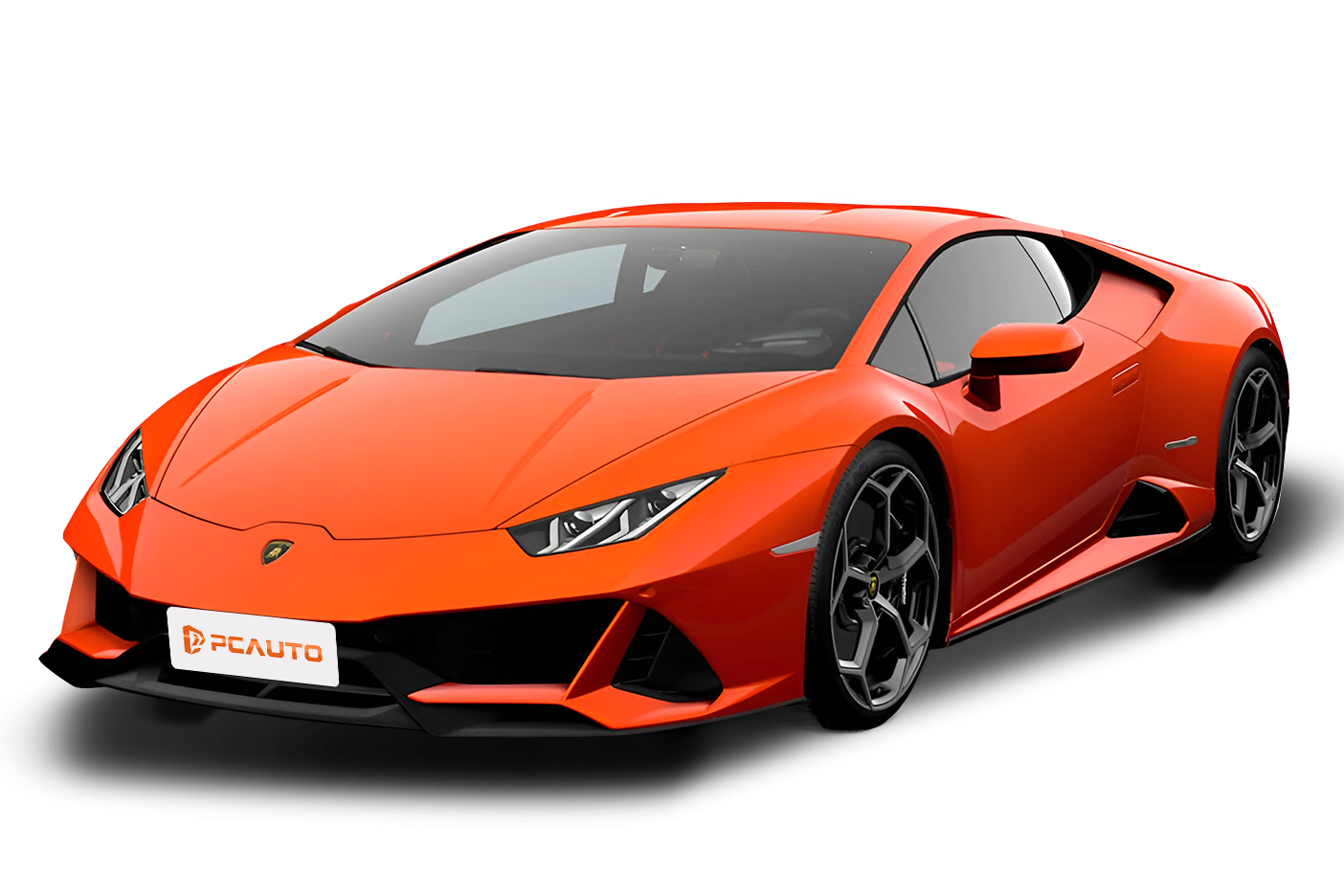
 Segment
 Body Type
 Capacity(L)
 Engine Power(PS)
 Transmission
 Driven Wheels
Recently, Malaysia's supercar market has gained a new addition—the 2017 Lamborghini Huracán RWD has officially landed locally. As the rear-wheel-drive version that focuses on "sheer driving pleasure" under the brand, it targets enthusiasts who prioritize driving dynamics over sheer performance numbers. Compared to the all-wheel-drive version, this rear-wheel-drive model eliminates the complex AWD system, reducing the weight to 1422kg while retaining the powerful output of the 5.2-liter naturally aspirated V10 engine. This time, we got our hands on the car with the primary goal of testing whether its rear-wheel-drive tuning truly delivers a purer driving experience and meets daily usability standards.
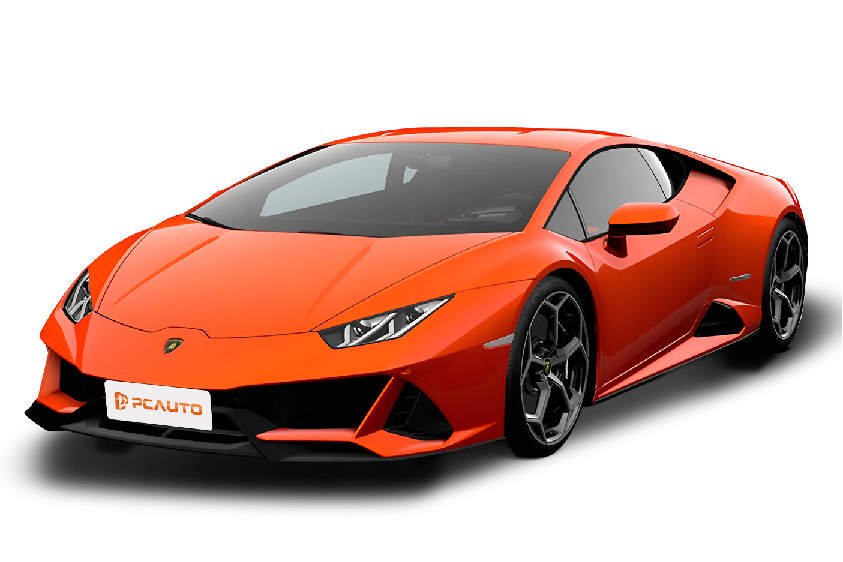
In terms of appearance, the Huracán RWD maintains the family's iconic wedge-shaped design, with sharp and low-slung lines that are highly recognizable. The front features large honeycomb-shaped air intakes, flanked by sleek LED daytime running lights. Two muscular lines stretch from the A-pillar to the front hood, adding to its aggressiveness. The car's side proportions are well-balanced, with a waistline extending from the front fender to the taillight, paired with 19-inch multi-spoke wheels and 245/35 R19 front tires and 305/35 R19 rear tires, delivering an extremely aggressive visual effect. The rear design is simple yet sporty, with a quad-exhaust layout exposed directly at the back. The LED taillights feature a Y-shaped design, offering high recognition when lit.
Stepping inside, the interior of the Huracán RWD is predominantly black, extensively wrapped in Alcantara and leather materials, offering a sense of luxury that doesn't disappoint. The dashboard has a simple layout and is equipped with a touchscreen center console that supports basic multimedia and vehicle settings functions, with relatively intuitive operation logic. The seats feature a sporty bucket design with strong support for the shoulders and waist, although the padding feels firm, which might cause some fatigue during long-distance drives. As for space, given that this is a two-door, two-seater sports car, the cabin space is just enough for two adults. Headroom is slightly cramped due to the sloping roof design, and passengers above 180cm may find their heads brushing the ceiling. Storage capacity is average, with door pockets only big enough for a phone, and the center armrest compartment is rather small. However, the front trunk can fit a carry-on suitcase, making it sufficient for short trips.
Upon starting the vehicle, the roar of the 5.2-liter V10 engine immediately ignites the desire to drive. Official data indicates a maximum power of 610PS/8000rpm, with peak torque at 6500rpm. When switched to Sport mode, throttle response becomes very sharp. Starting off, the rear wheels may experience slight slippage, and the car accelerates from 0 to 100km/h in just 3.3 seconds. The pushback feeling lasts until the redline, with power delivery being both linear and aggressive. The 7-speed DCT transmission shifts swiftly, and each downshift is accompanied by a distinct rev-matching sound, enhancing the driving experience.
The standout feature of this car is its handling, with rear-wheel-drive tuning making the body dynamics more agile. The steering shows precise responsiveness with minimal slack, and the front end reacts quickly when turning the wheel. The car maintains excellent stability when cornering, with solid suspension support that keeps body roll in check. The chassis employs double-wishbone independent suspension on both front and rear axles, providing very clear feedback on the road surface. However, driving over speed bumps or uneven roads transmits vibrations directly into the cabin, sacrificing comfort—a trade-off for pure driving pleasure. While cornering, vehicle tracking is extremely stable; as long as the throttle is controlled well, the rear end exhibits slight sliding, giving the driver plenty of confidence to explore the car's limits.
In terms of fuel consumption, as a large-displacement naturally aspirated engine, the daily urban driving fuel consumption is approximately 15-18L/100km, while high-speed cruising can reduce it to around 10L. For this class of vehicle, this is considered a normal level. The braking performance is excellent, with strong and linear braking force, keeping the car stable during emergency braking with no noticeable nosedive phenomenon.
In terms of ride comfort, the Huracán RWD's sound insulation is average, with noticeable tire and wind noise at high speeds, which aligns with its supercar positioning. The suspension is stiff, with limited shock absorption capacity. Vibrations are directly transmitted when driving on bumpy roads, making it suitable for players who pursue driving sensations but less so for daily commuting. Although the seats provide good support, long-term comfort is insufficient, requiring frequent posture adjustments to alleviate fatigue.
Overall, the key advantages of the 2017 Lamborghini Huracán RWD lie in the pure rear-wheel-drive driving pleasure and the linear V10 exhaust note. Compared to all-wheel-drive supercars in the same class, its handling is more agile and more stimulating for driving enthusiasts. When compared to the Porsche 911 Turbo S, its cost-performance ratio may not be as high, but it has a greater advantage in exhaust sound and brand appeal. Compared to the Ferrari 488 GTB, it is less expensive, and its naturally aspirated engine's linear power delivery is more suitable for novice drivers. This car is well-suited for those seeking driving quality, who love the sound of large-displacement naturally aspirated engines, or for business individuals who occasionally need a supercar to make a statement. If you are a pure driving enthusiast and do not chase extreme acceleration figures, the Huracán RWD is undoubtedly a great choice.
Lamborghini Huracán Car Compare
Lamborghini Huracán Loan Calculator
More Lamborghini Reviews
Cars With Similar Price And Features
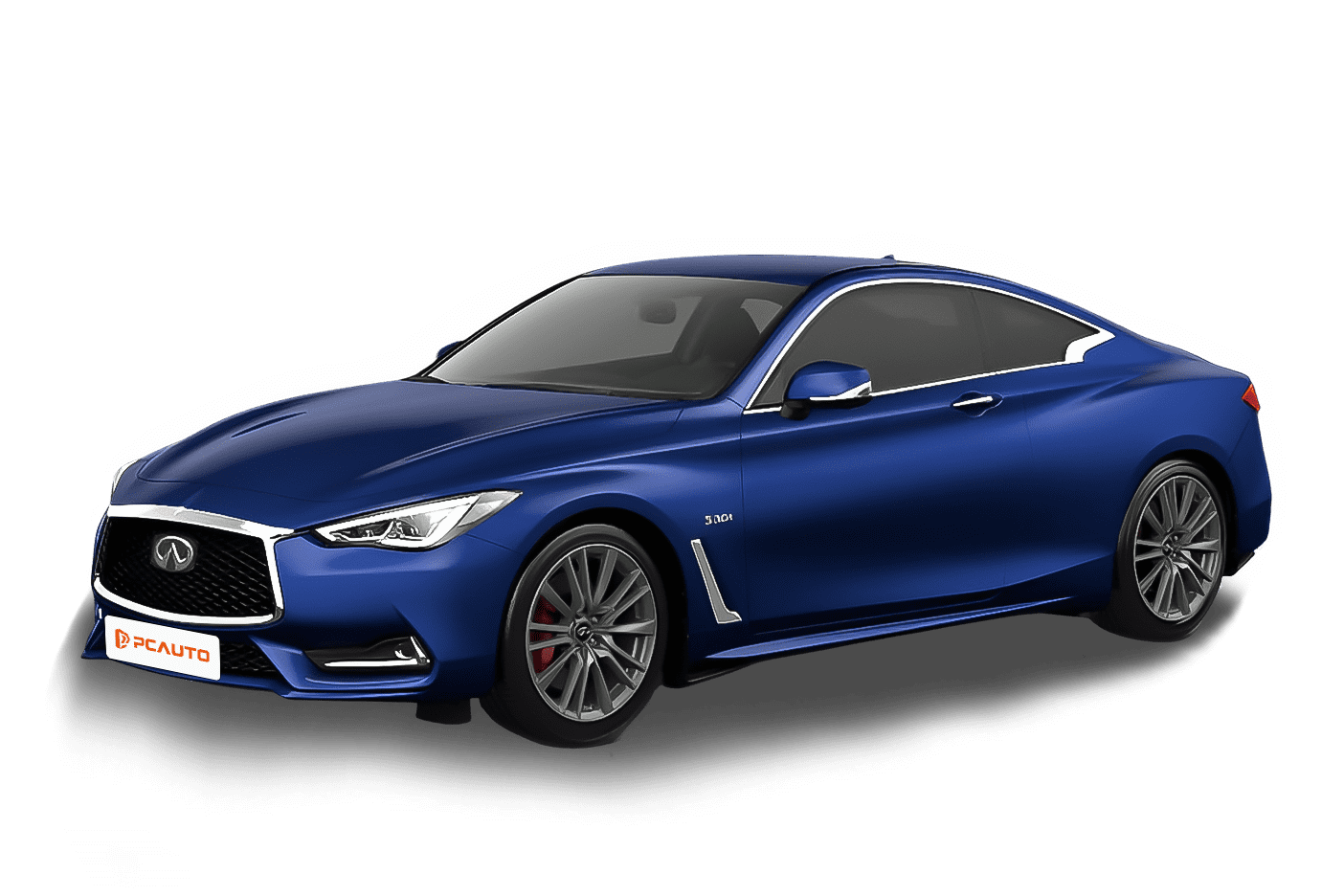
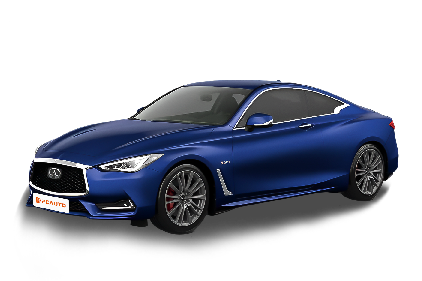
2017 Infiniti Q60 2.0t is a luxury coupe that balances sporty design and daily practicality, featuring a family-style exterior, BOSE audio system, and balanced power as its core selling points.
1
Rank in Coupe
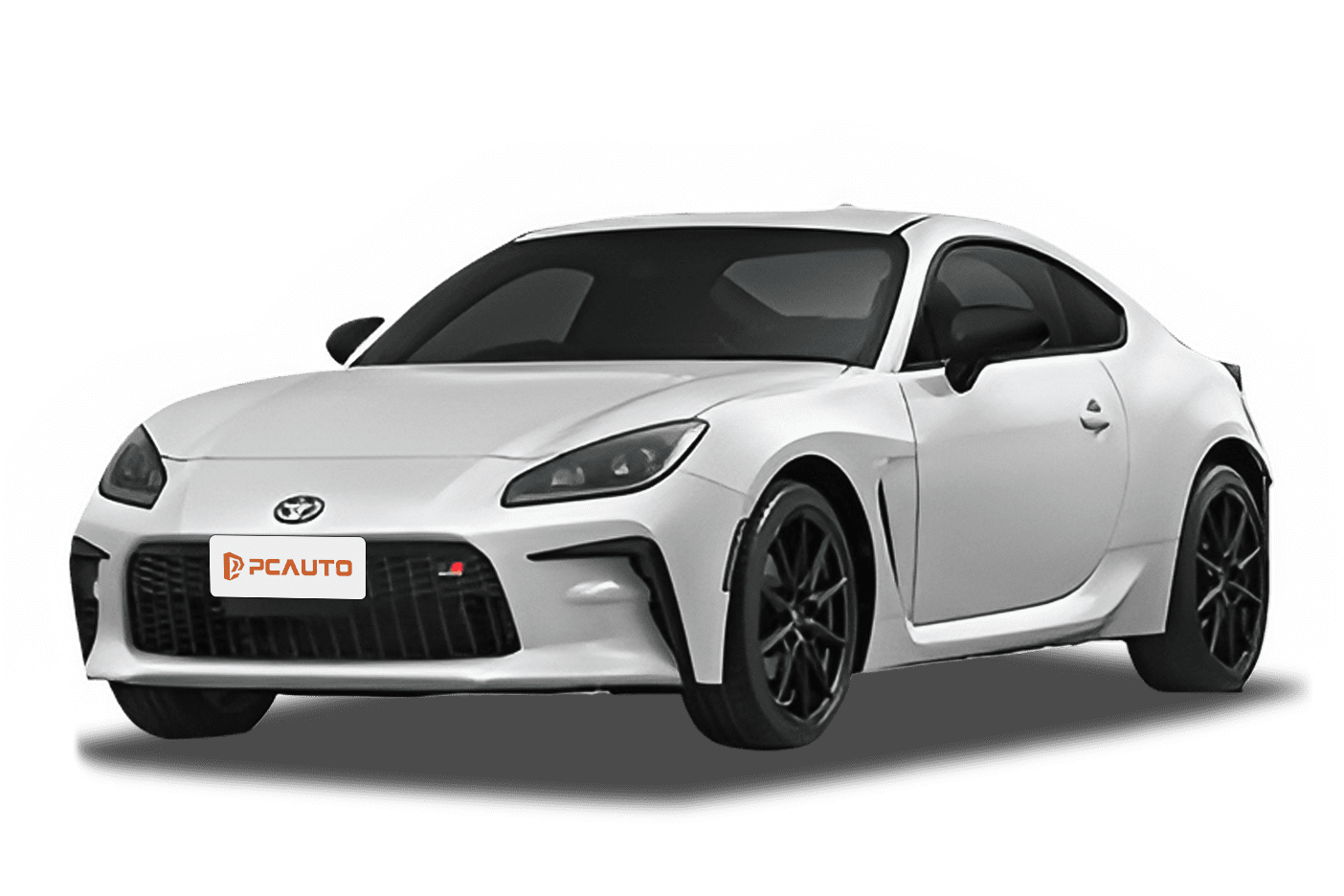
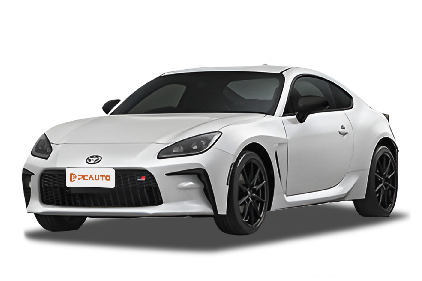
2023 Toyota GR 86 2.4 AT is a rear-wheel-drive sports coupe upgraded with a 2.4L naturally aspirated engine to address low torque issues, balancing daily commuting with pure driving pleasure.
10
Rank in Coupe
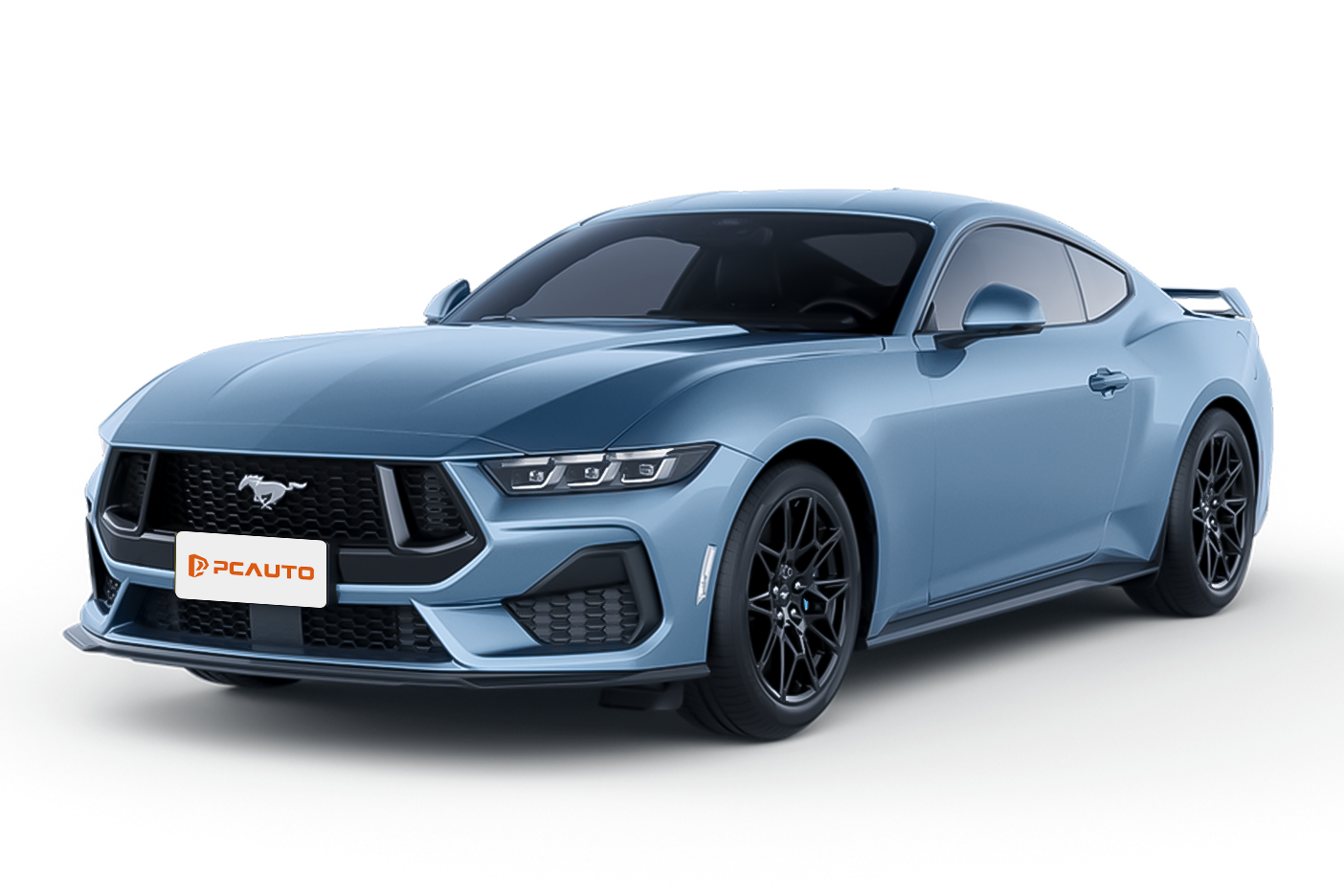
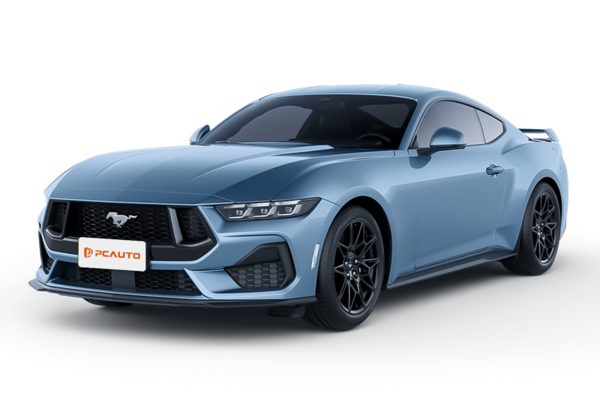
2018 Ford Mustang 2.3 EcoBoost retains the classic muscle car appearance with high cost performance, the 2.3T engine delivers 310PS horsepower, balancing performance and practicality for daily driving.
6
Rank in Coupe
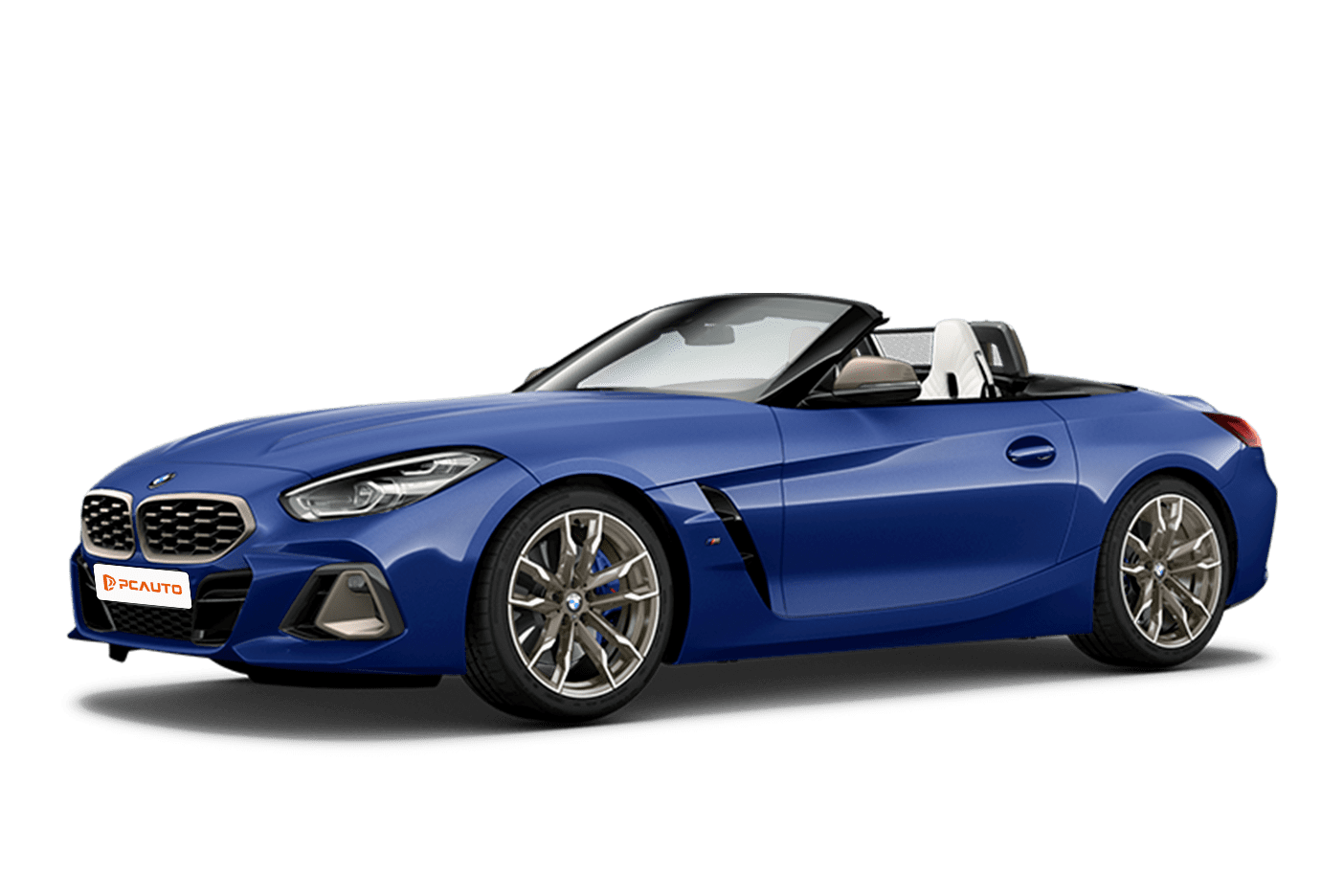
2023 BMW Z4 public, as a classic rear-wheel-drive convertible sports car, balances driving pleasure and daily practicality, with class-leading intelligent features and a compact body precisely meeting the needs of Malaysian users.