

2018 Proton Saga 1.3 Standard MT Review

 Share
Share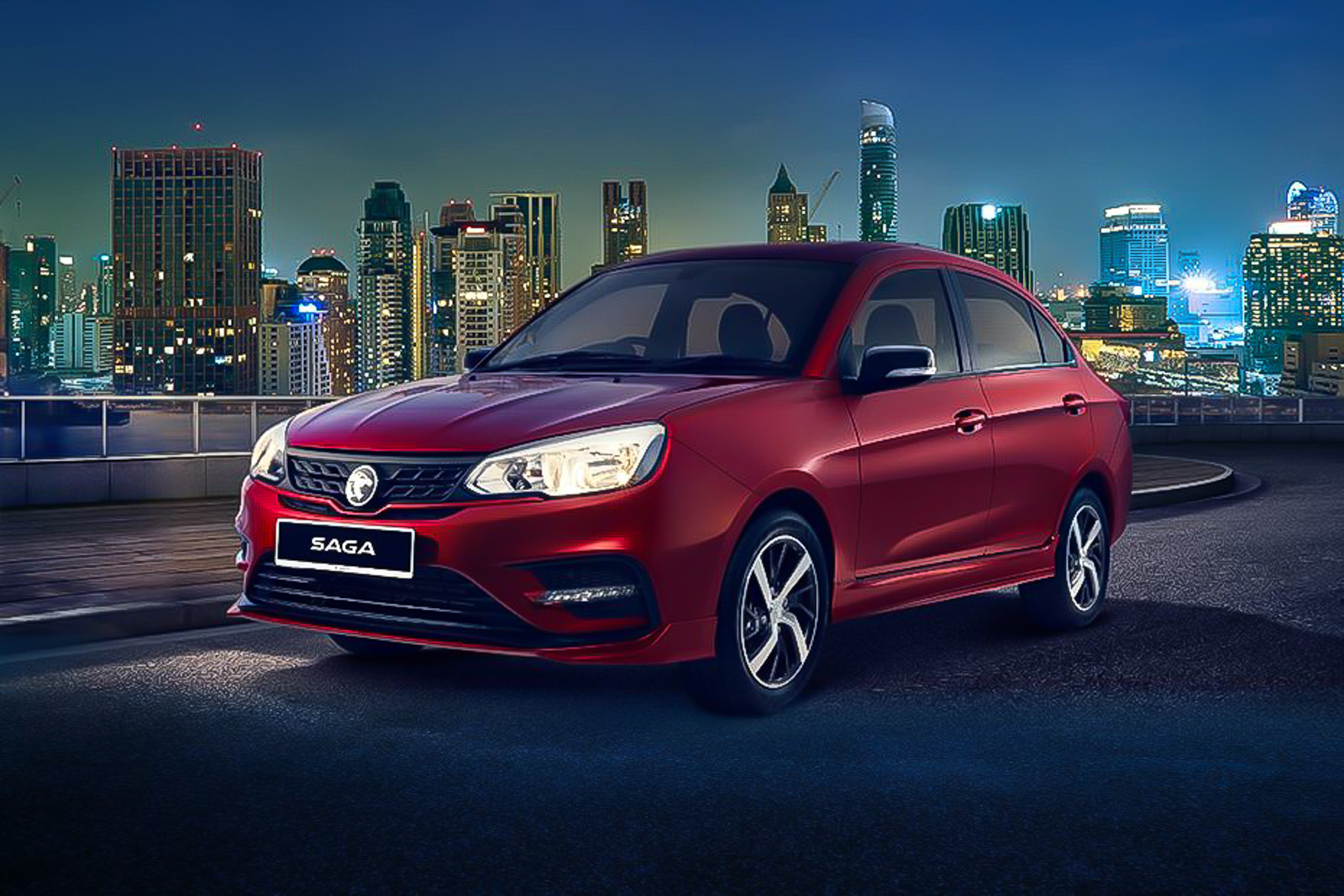
 Segment
 Body Type
 Capacity(L)
 Engine Power(PS)
 Transmission
 Driven Wheels
In the A-Segment car market in Malaysia, economic durability has always been the core demand of most consumers—especially for users with a budget in the range of RM30,000 to RM40,000. They need a reliable car that can meet daily commuting needs and occasional family outings, without compromising on basic configurations. The 2018 Proton Saga 1.3 Standard MT is precisely aimed at this demand, emphasizing affordability, practical space, and balanced features as its core selling points. This time, through an actual test drive, we focus on verifying whether its static practicality and dynamic performance truly align with its "national car" positioning, providing a reference for users with limited budgets.
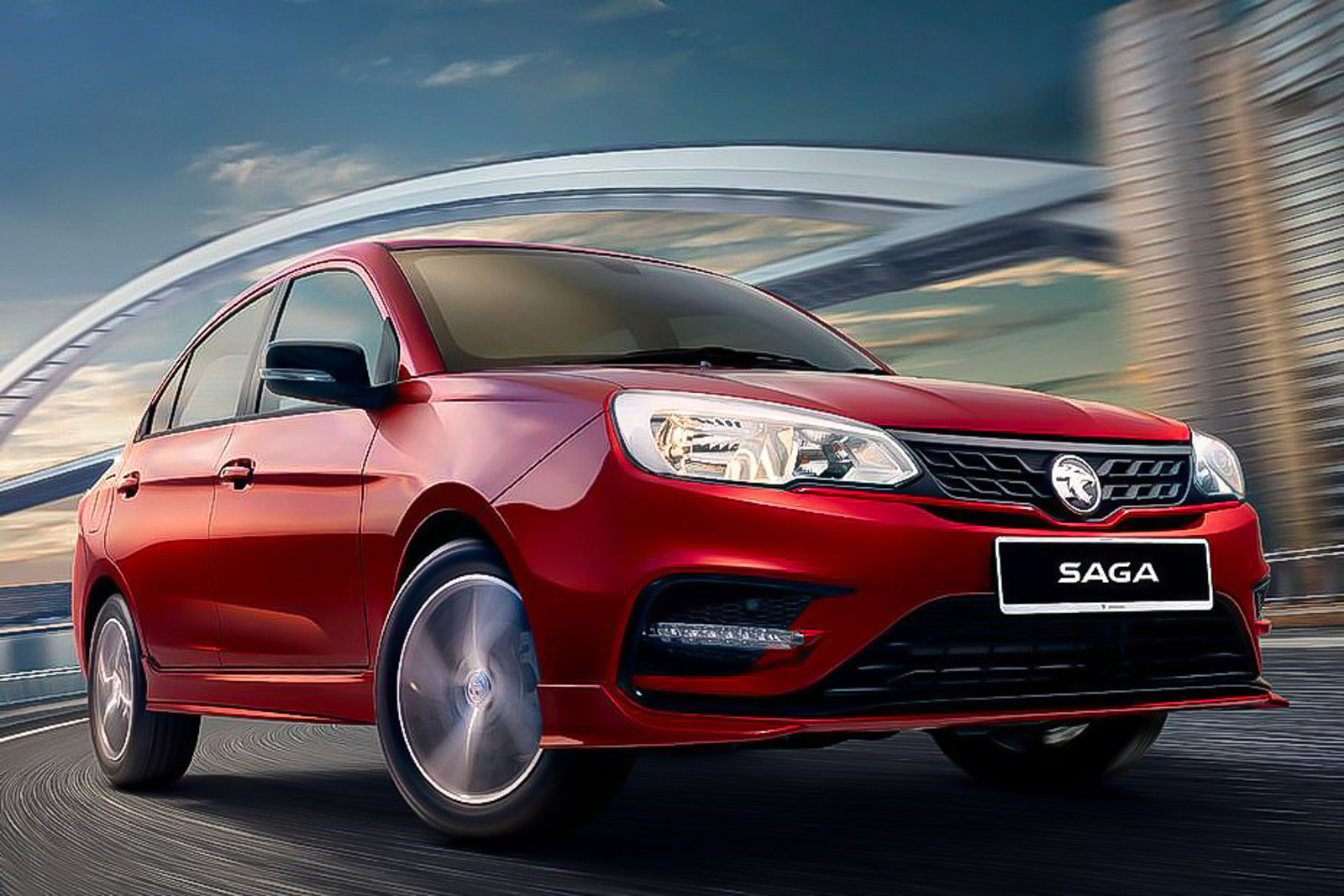
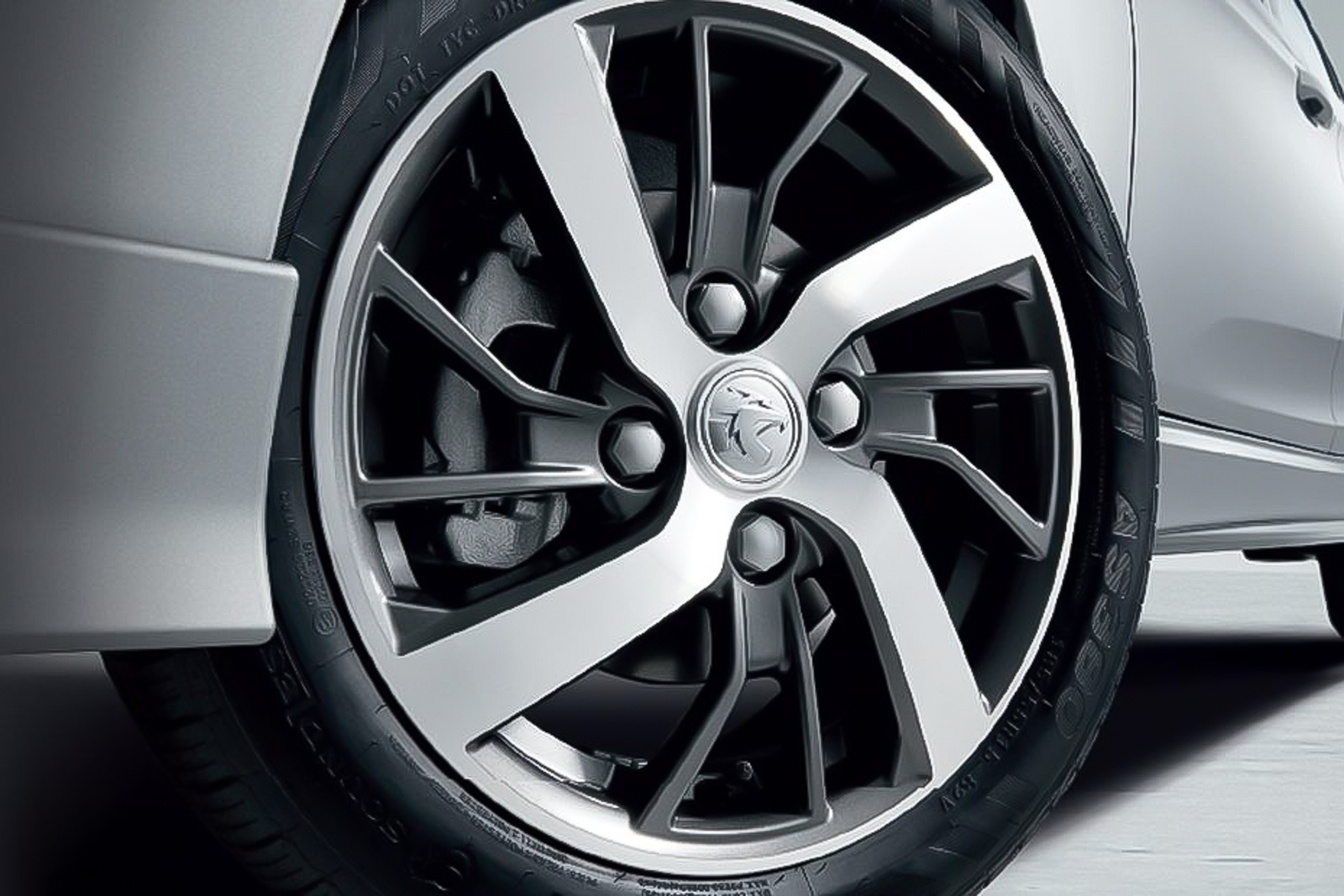
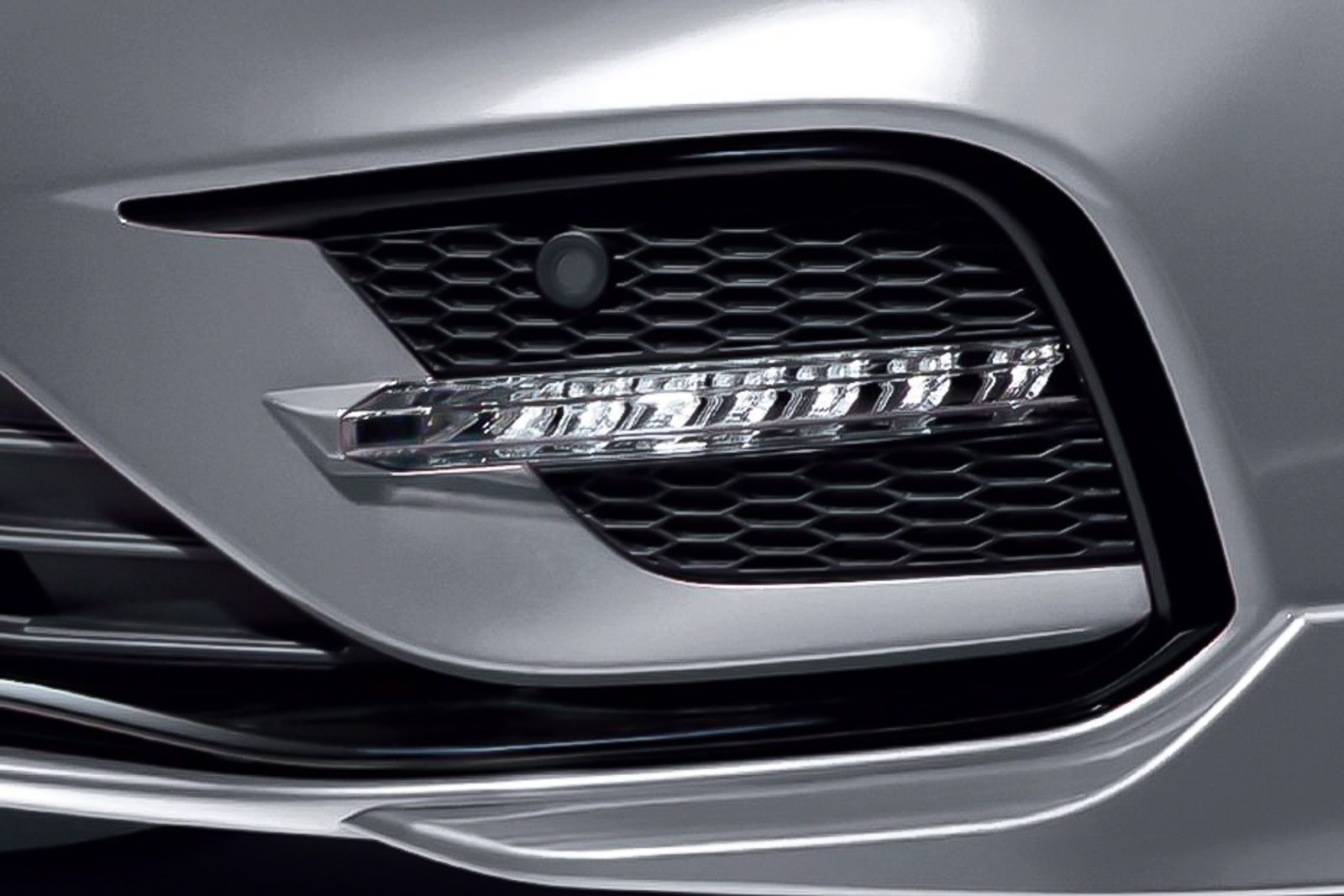
In terms of appearance, the 2018 Saga continues the design language of the Proton family, with an overall style that leans towards steadiness. The front features a large shield-shaped grille with horizontal chrome strips inside, connecting to halogen headlights on both sides. While it lacks LED light sources, the integration of the headlights and grille is fairly high, giving it decent daytime recognizability. The car’s side profile is simple, with sleek waistlines extending from the front fender to the rear, which adds a touch of layering even though these lines are not particularly sharp. The 13-inch steel wheels paired with 175/70 R13 tires are oriented towards family use, and the thicker tire walls provide extra comfort. At the rear, the taillights adopt a split design, and although the internal structure is basic, it is sufficiently visible when illuminated. The lower black plastic area of the rear bumper and the hidden exhaust layout further enhance its family-oriented attributes. Overall, the exterior design is not overly flashy, but it is enduringly pleasing and aligns with most people's aesthetic preferences.
Entering the cabin, the overall interior layout prioritizes practicality. The dashboard uses a two-tone design with deep and light colors. Although the upper hard plastic material feels average to the touch, the seams are handled decently, meeting the standards for this price range. The center console does not feature a touch screen but retains traditional physical buttons and knobs. The buttons in the air conditioning control area are large in size, making them intuitive and easy to operate, even for blind operation while driving. The instrument cluster is backlit with mechanical dials, with clear layouts for the tachometer, speedometer, fuel gauge, and coolant temperature gauge, making information easy to read. In terms of features, although it's a Standard version, basic functionalities are not missing: the front row comes with a manual air conditioning system, while the rear has air conditioning vents; the front seats support manual adjustment, allowing the adjustment of seatback angle and seat height to find a comfortable position; the rear seats can be folded down as a whole, expanding the trunk space. Additionally, features like keyless entry, a 220V/230V power outlet, and ISO FIX child seat anchors are also standard, which are considered thoughtful additions for vehicles in this price range.
Space is one of the advantages of the Saga. With body dimensions of 4331mm×1689mm×1491mm and a wheelbase of 2465mm, it falls into the upper-middle range of the A-Segment. The front row offers ample space, with a tester at 175cm having about a fist’s worth of headroom after adjusting the seat. In the rear row, a passenger of the same height enjoys around two fist-lengths of legroom and four fingers of headroom, making it not overly cramped even when three adults are seated in the back. The trunk offers a capacity of 420 liters, enough to hold several suitcases or shopping bags for daily use. When the rear seats are folded down, it can accommodate longer items, such as baby strollers or folding bicycles, showcasing strong practicality. In terms of storage compartments, the front armrest box, door storage spaces, and glove compartment are all fairly spacious, meeting the needs for storing small everyday items.
In terms of power, this Saga is equipped with a 1.3L naturally aspirated engine, delivering a maximum power of 95PS/5750rpm and a maximum torque of 120N·m/4000rpm, paired with a 5-speed manual transmission. During actual driving, the power output in the initial acceleration phase is relatively linear, the clutch engagement point is clear, and the coordination between the clutch and accelerator is easy to master, making it quick for beginners to adapt. The power in the low RPM range (below 2000rpm) is not particularly strong, but it is sufficient for daily commuting; when the RPM rises above 2500rpm, there is a noticeable power surge. For overtaking, as long as you downshift and add throttle, you can get a decent response. The gear positions of the transmission are clear, the shifting distance is moderate, and although the sense of engagement is not very strong, the shifting feels fairly smooth. The official combined fuel consumption is 5.4L/100km. During the test drive, the fuel consumption in congested urban conditions was around 6.5L/100km, while on highways it could drop to about 5L/100km, which meets fuel economy expectations.
In terms of handling and chassis, the front suspension is a MacPherson independent suspension, and the rear suspension is a torsion beam non-independent suspension. The chassis tuning is oriented toward comfort. When dealing with small bumps on urban roads, the suspension can filter out most of the vibrations, offering a relatively stable ride. However, when encountering larger speed bumps or potholes, the rear suspension's rebound becomes more pronounced but still within an acceptable range. The steering wheel has a moderate weight, the steering precision is average, and the play is not too significant, making it relatively easy to drive in daily use. During high-speed driving, the vehicle's stability is decent, with no obvious floating sensation at speeds of 120km/h. When cornering, the body roll is moderate. While it's not suitable for aggressive driving, it completely meets the needs of daily family use.
In terms of driving comfort, the seat padding is relatively soft, with average support, which might lead to some fatigue during long drives but is relatively comfortable for short trips. Regarding noise control, the engine noise and tire noise at low speeds are not too pronounced, but when the speed exceeds 80km/h, wind noise and tire noise become more noticeable, especially wind noise, which does affect the driving experience to some extent. The manual transmission does not have an energy recovery system, but the clutch travel is moderate, and the engagement point is clear, making it relatively easy to drive.
Overall, the core strengths of the 2018 Proton Saga 1.3 Standard MT lie in its practical space, balanced configuration, and affordable price. Compared to its class competitor, the Perodua Bezza, the Saga has a longer wheelbase and more spacious rear seating, and it adds features such as keyless entry and a 220V power outlet. Although its fuel consumption is slightly higher than the Bezza, its price is more competitive. This car is suitable for budget-conscious family users who focus on practicality, especially those looking for a car for daily commuting and occasional family outings. Its space and configuration can meet the needs of most families.
If you are looking for an economical, durable, spacious, and well-equipped family sedan, the 2018 Proton Saga 1.3 Standard MT is worth considering. It doesn’t have many flashy designs or high-end features, but it excels in fundamental functionality and practicality at its price level, making it a pragmatic choice.
Proton Saga Loan Calculator
More Proton Reviews
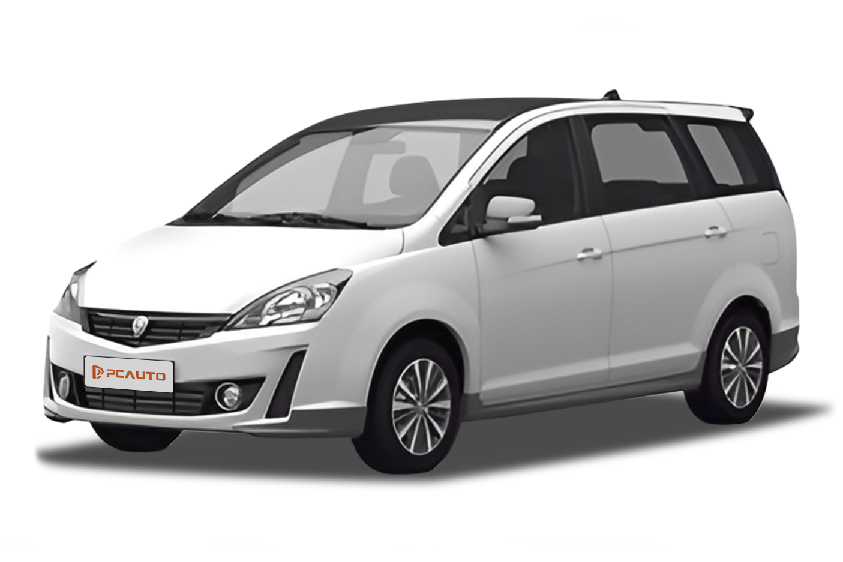
Cars With Similar Price And Features
2
Rank in Sedan
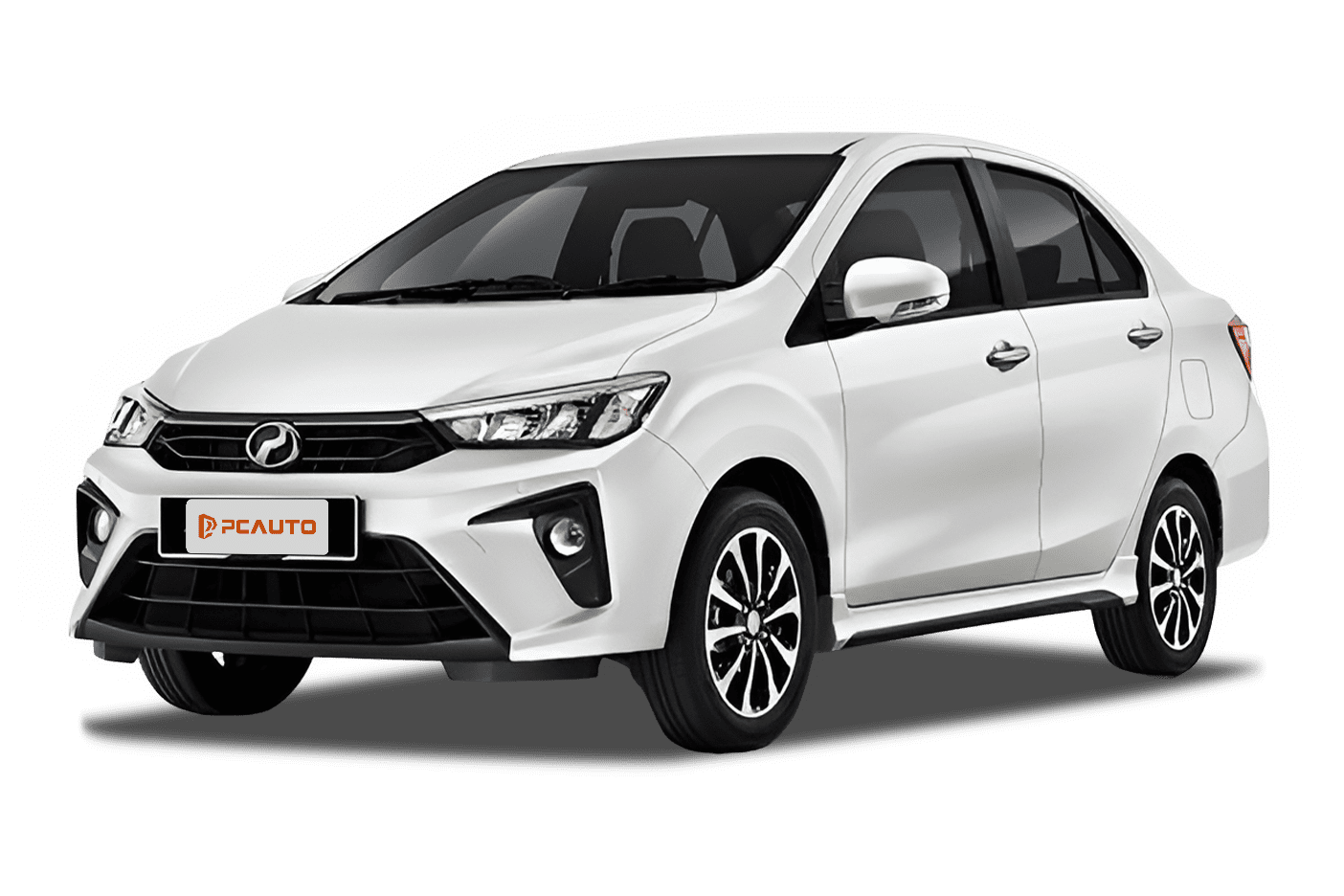
2023 Perodua Bezza 1.0 G (M) is a high-value A-segment manual sedan, offering practical features and durability at an affordable price, balancing daily commuting with safety and convenience.
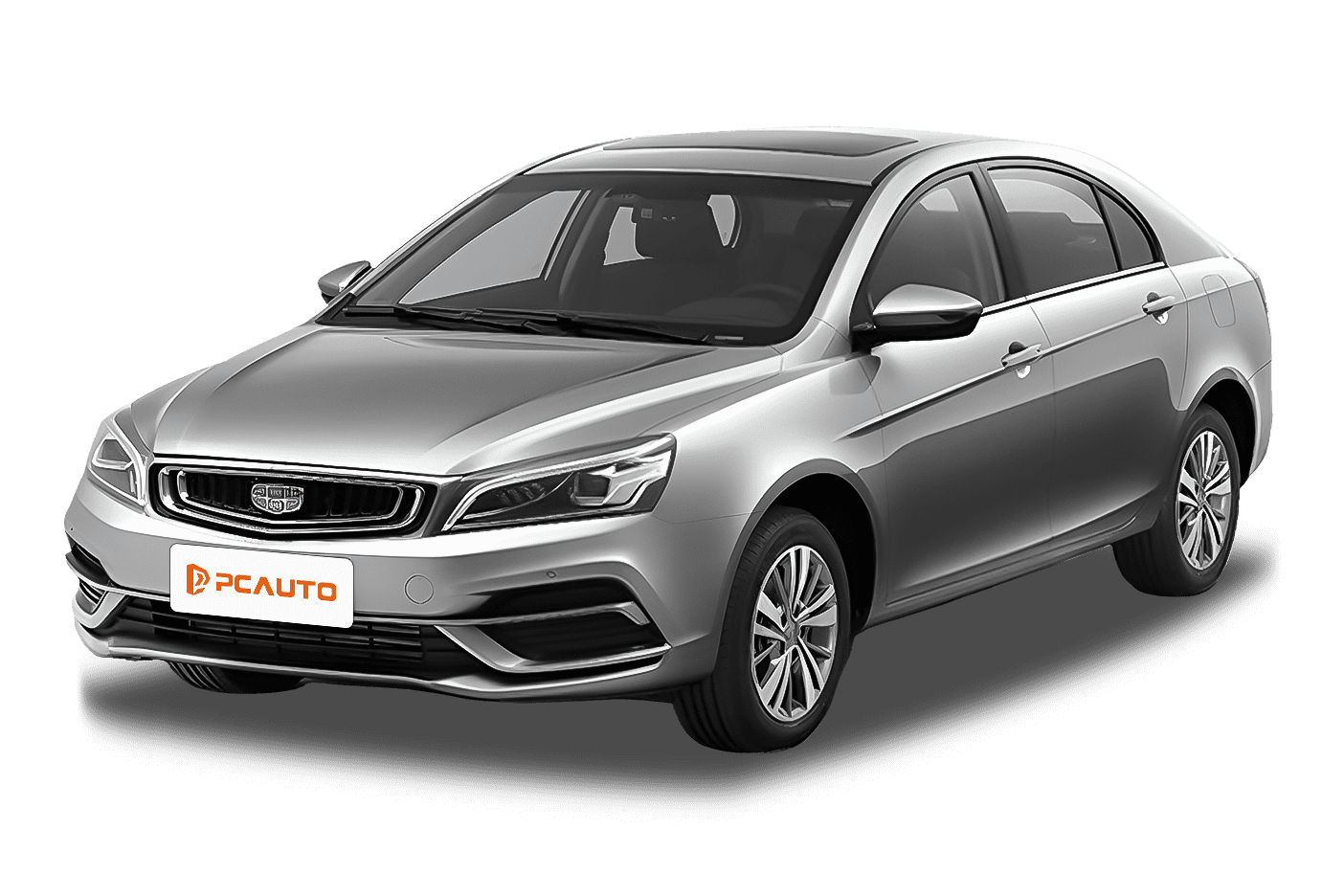
2019 Geely New Emgrand 1.5L-CVT is a balanced family sedan with practical space, rich safety features, and fuel efficiency, meeting the needs of daily commuting and short trips.