

2018 Volkswagen Passat 1.8 TSI Comfortline Plus Review

 Share
Share
 Segment
 Body Type
 Capacity(L)
 Engine Power(PS)
 Transmission
 Driven Wheels
In Malaysia's D-segment sedan market, German cars have always held a prominent position due to their reliable mechanical performance and solid craftsmanship. The 2018 Volkswagen Passat 1.8 TSI Comfortline Plus is one of the representative models in this segment, balancing practicality and premium quality. Its core selling points include a comprehensive suite of standard safety features, a 1.8T engine combined with a DCT gearbox, and a wheelbase comparable to that of a C-segment car. These aspects have garnered significant interest among families who value overall balance. The main objective of this test drive is to evaluate the car’s real-world performance in daily commuting, family outings, and other scenarios to determine whether it meets the diverse needs of Malaysian consumers in terms of space, power, and features.
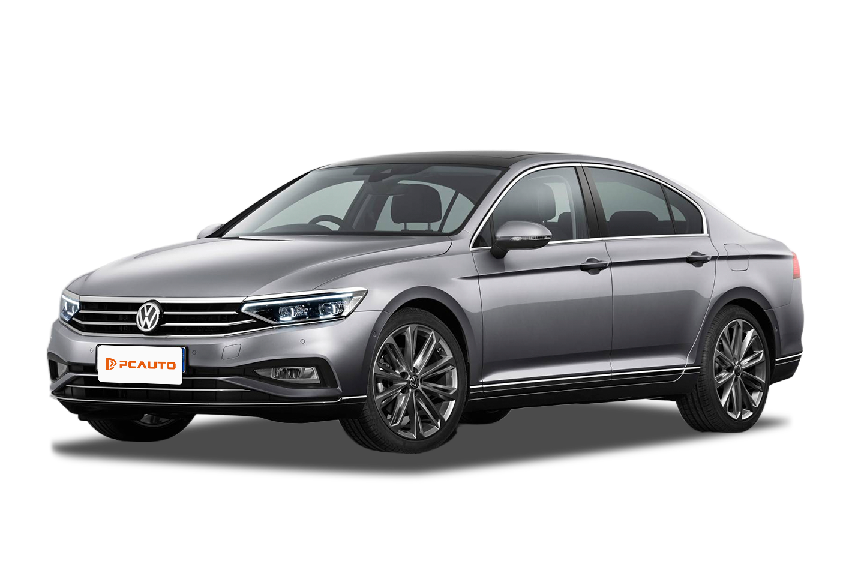
In terms of exterior design, the 2018 Passat continues Volkswagen’s signature simple design philosophy, with smooth, understated lines. The front fascia features a horizontally slatted chrome grille connected to LED headlights on both sides, enhancing its visual width. The lower bumper incorporates trapezoidal air intakes and chrome accents, avoiding an overly serious business-like appearance. A shoulder line runs from the front fender to the rear of the car, complemented by 18-inch multi-spoke alloy wheels, giving the vehicle balanced proportions and a typical mid-size sedan stance. At the rear, the LED taillights feature a horizontal design with high recognition when illuminated; a small ducktail on the trunk lid and the dual-exhaust layout add a touch of sportiness. Overall, the design avoids excessive frills, with well-executed details, adhering to the consistent precision of German engineering.
Inside, the cabin predominantly utilizes a black color palette, enhanced by silver accents and soft-touch materials. The dashboard layout is clear, with well-defined functional zones. The seats are upholstered in leather, with the front seats offering 12-way electric adjustment, including memory function for the driver’s seat. Adjustments are smooth, and the seats provide good lumbar and leg support. The center console features a 6.5-inch touchscreen that supports Bluetooth connectivity and smartphone mirroring functions. The user interface is straightforward, with decent response speed. The instrument cluster comprises backlit mechanical dials, with a central display showing basic information such as fuel consumption and speed. While it may lack the technological appeal of a fully digital instrument cluster, the readouts are clear and easy to read. In terms of space, the car measures 4767mm in length and has a wheelbase of 2791mm, which provides ample rear-seat legroom. Passengers measuring 175cm in height can sit comfortably in the rear with about two fists of legroom to spare. The trunk has a capacity of 586 liters, and the rear seats can be folded down in a 60:40 split for accommodating larger items, offering outstanding practicality. Additionally, rear air-conditioning vents and a 220V power socket can cater to the everyday needs of rear passengers.
In the power department, the car is powered by a 1.8T turbocharged engine delivering a maximum power output of 180PS and a peak torque of 250Nm, paired with a 7-speed dual-clutch transmission. During daily driving, the power delivery is smooth. The throttle responds promptly during take-off, and there is ample torque at low RPMs, making it relatively easy to follow traffic or overtake in urban areas. When switching to Sport mode, the transmission’s shift logic becomes more aggressive, downshifting faster for a more direct power surge. The official 0-100km/h acceleration time of 7.9 seconds ranks it above average among its peers. However, at low speeds during stop-and-go traffic, the dual-clutch transmission occasionally exhibits minor jerks, though this does not significantly affect daily use. The suspension system adopts a front MacPherson strut and rear multi-link independent setup, with a tuning bias towards comfort. When driving over speed bumps or uneven roads, the suspension effectively absorbs shocks, ensuring minimal cabin vibrations. At higher speeds, the chassis offers excellent stability, and the steering is precise, with controlled body roll during lane changes or cornering, achieving a good balance between comfort and handling.
In terms of fuel consumption, the official combined fuel consumption is 5.7L/100km. During the actual test drive, the fuel consumption in congested urban conditions was about 7.5L/100km, while on highways it was about 5.2L/100km. Overall, the fuel consumption performance meets expectations. Regarding braking performance, the combination of front ventilated discs and rear ventilated discs results in quick braking response and linear braking force. The vehicle remains stable during emergency braking, providing sufficient confidence. In terms of noise control, wind and tire noise are noticeable at high speeds but remain within an acceptable range. Engine noise becomes significantly louder when the revs exceed 3000 RPM, but during daily driving, the revs generally stay below 2000 RPM, offering good cabin quietness.
Overall, the core advantage of the 2018 Volkswagen Passat 1.8 TSI Comfortline Plus lies in its balanced product capabilities: abundant safety features (6 airbags, electronic stability control, automatic parking, etc., all standard across the range), spacious interior, solid chassis quality, and relatively stable power system. Compared to similar Japanese models, its chassis handling is superior; compared to American models, its fuel efficiency is better. This car is suitable for consumers who value practical family use and have certain demands for driving quality. Whether for daily commuting or long-distance trips, it handles both with ease. If you are looking for a mid-size sedan with spacious interior, comprehensive configuration, and solid driving dynamics, the 2018 Passat 1.8 TSI Comfortline Plus is worth considering.
Volkswagen Passat Car Compare
Volkswagen Passat Loan Calculator
More Volkswagen Reviews
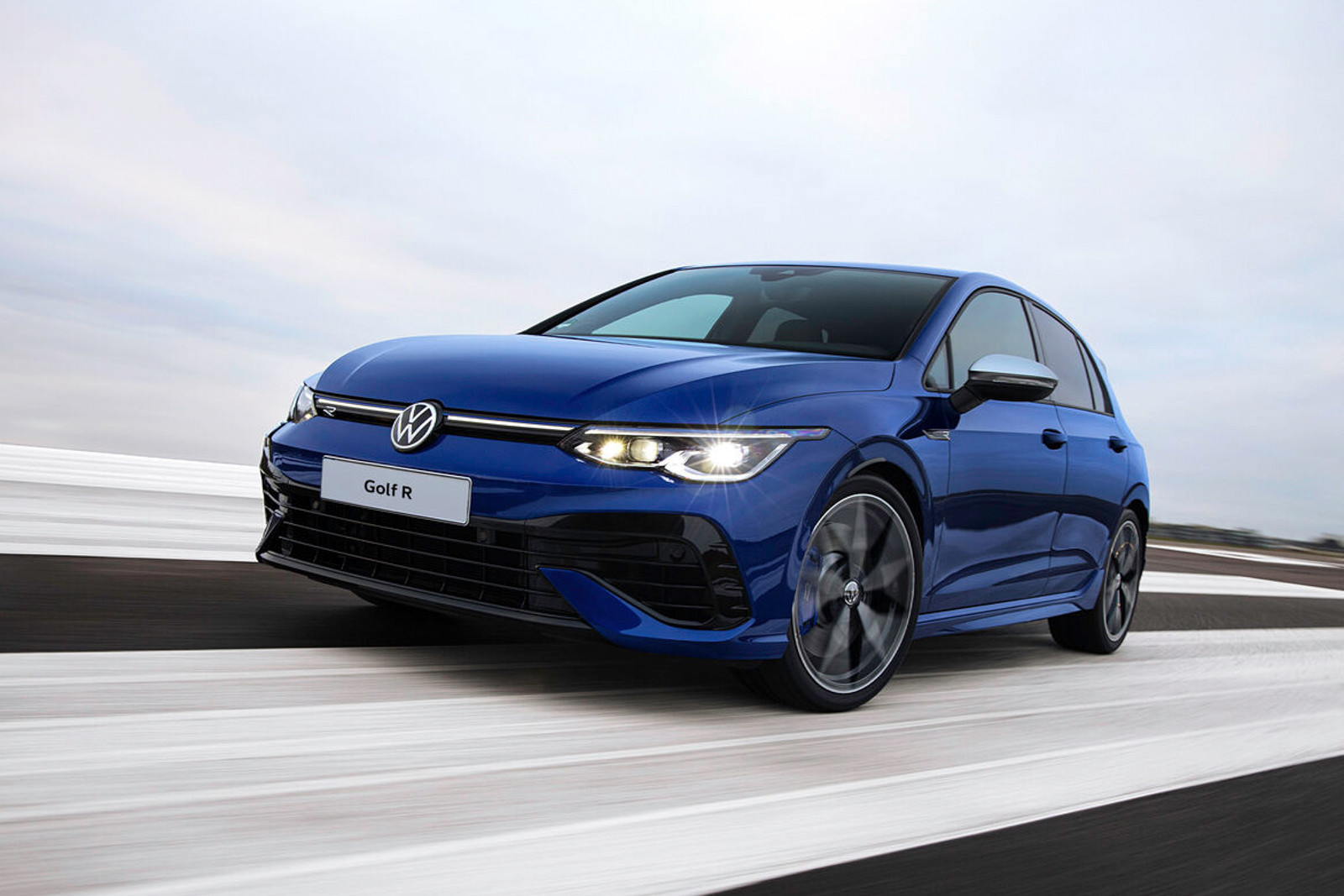
Cars With Similar Price And Features
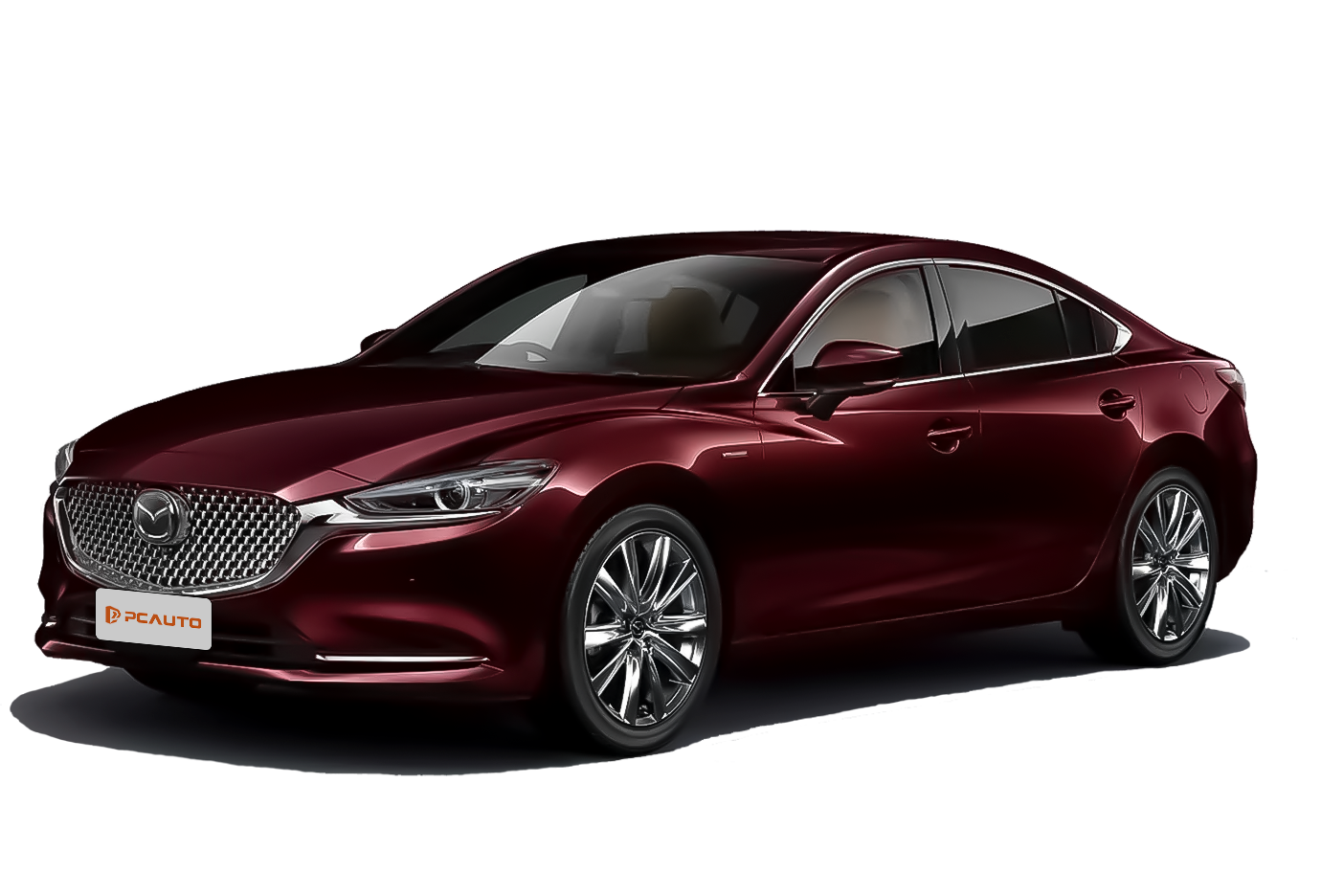
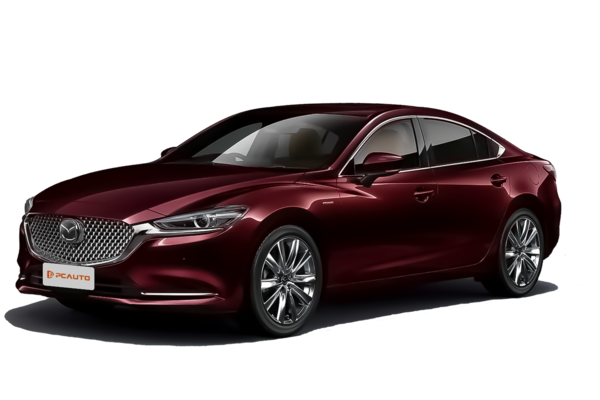
2023 Mazda 6 Sedan 2.0 SkyActiv-G meets the rational needs of family users for joint-venture quality, comfortable configurations, and fuel economy with its KODO design, practical space, and balanced driving control.
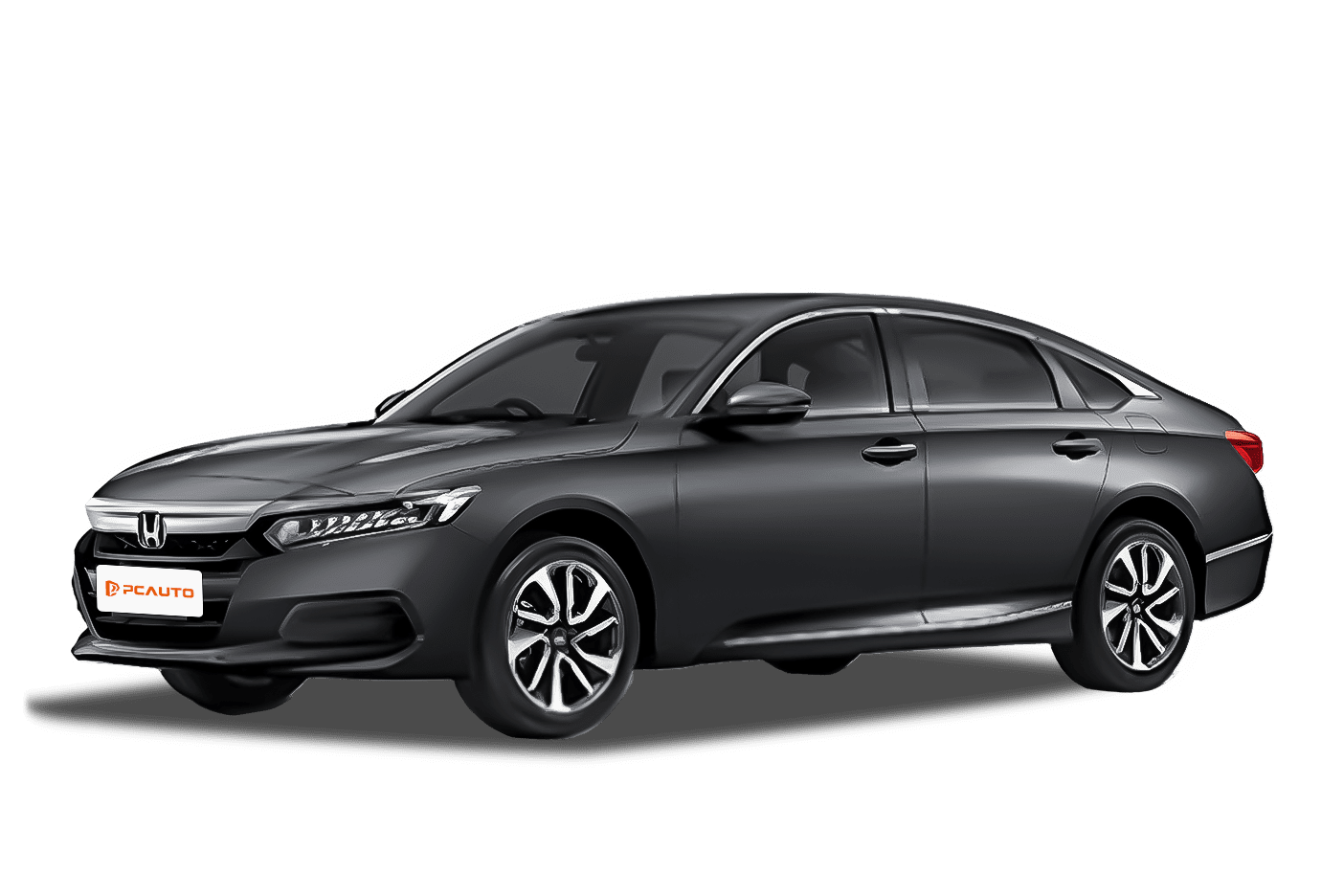
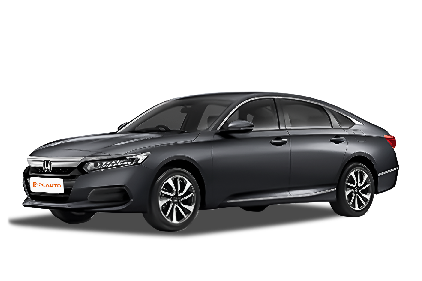
The 2023 Honda Accord 1.5 TC is a D-segment sedan that balances both business and family use, with core selling points of spacious interior, comfortable driving, and efficient performance, making it suitable for practical family users.
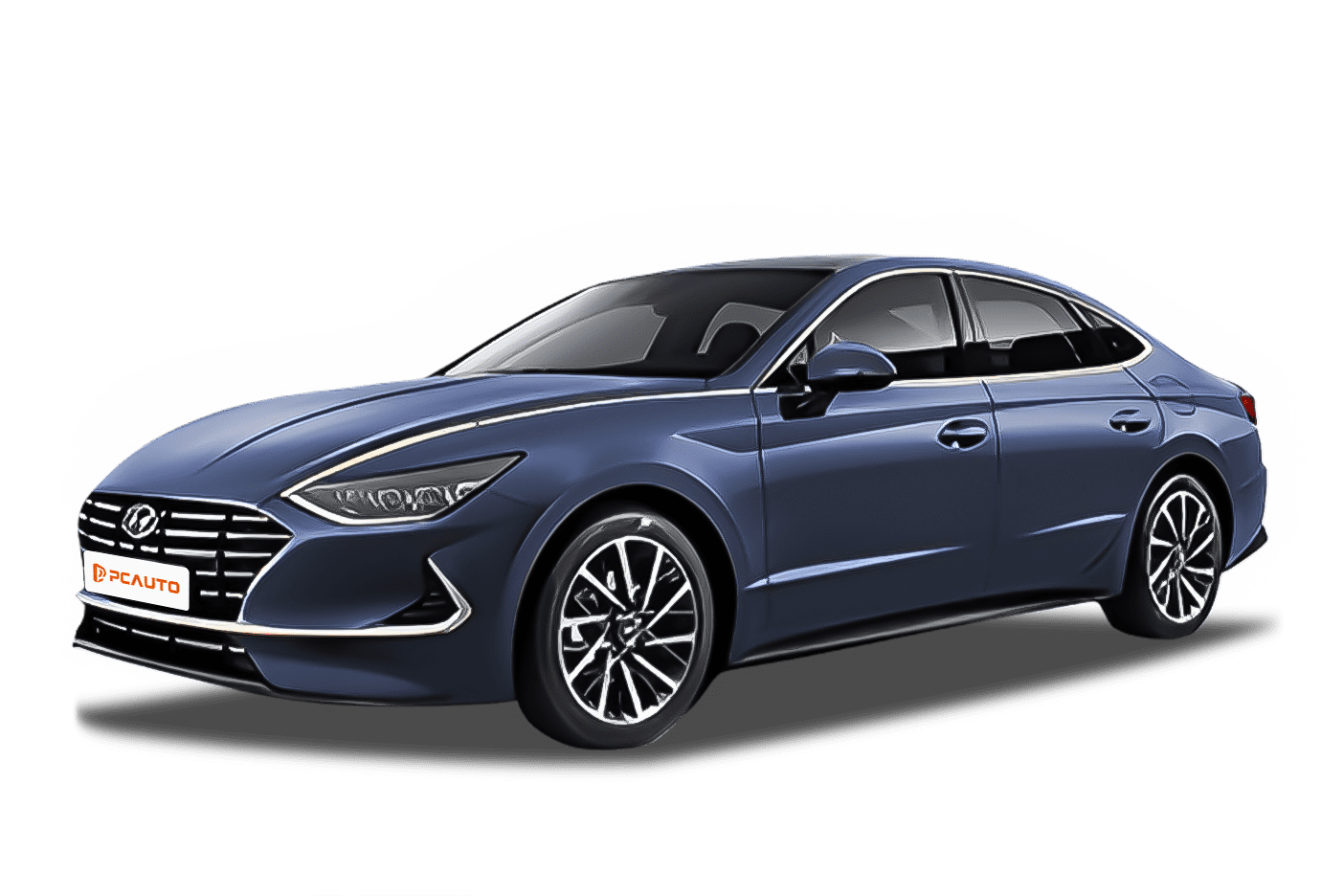
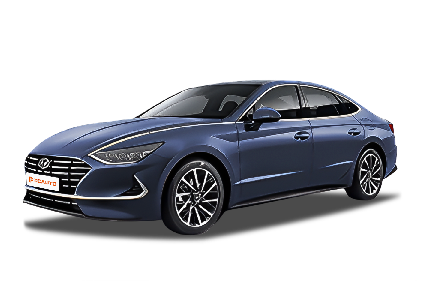
2024 Hyundai Sonata public is positioned as a D-Segment family and business sedan, combining dynamic design, practical configurations, and spacious space, balancing power and fuel consumption, safe and reliable.
23
Rank in Sedan
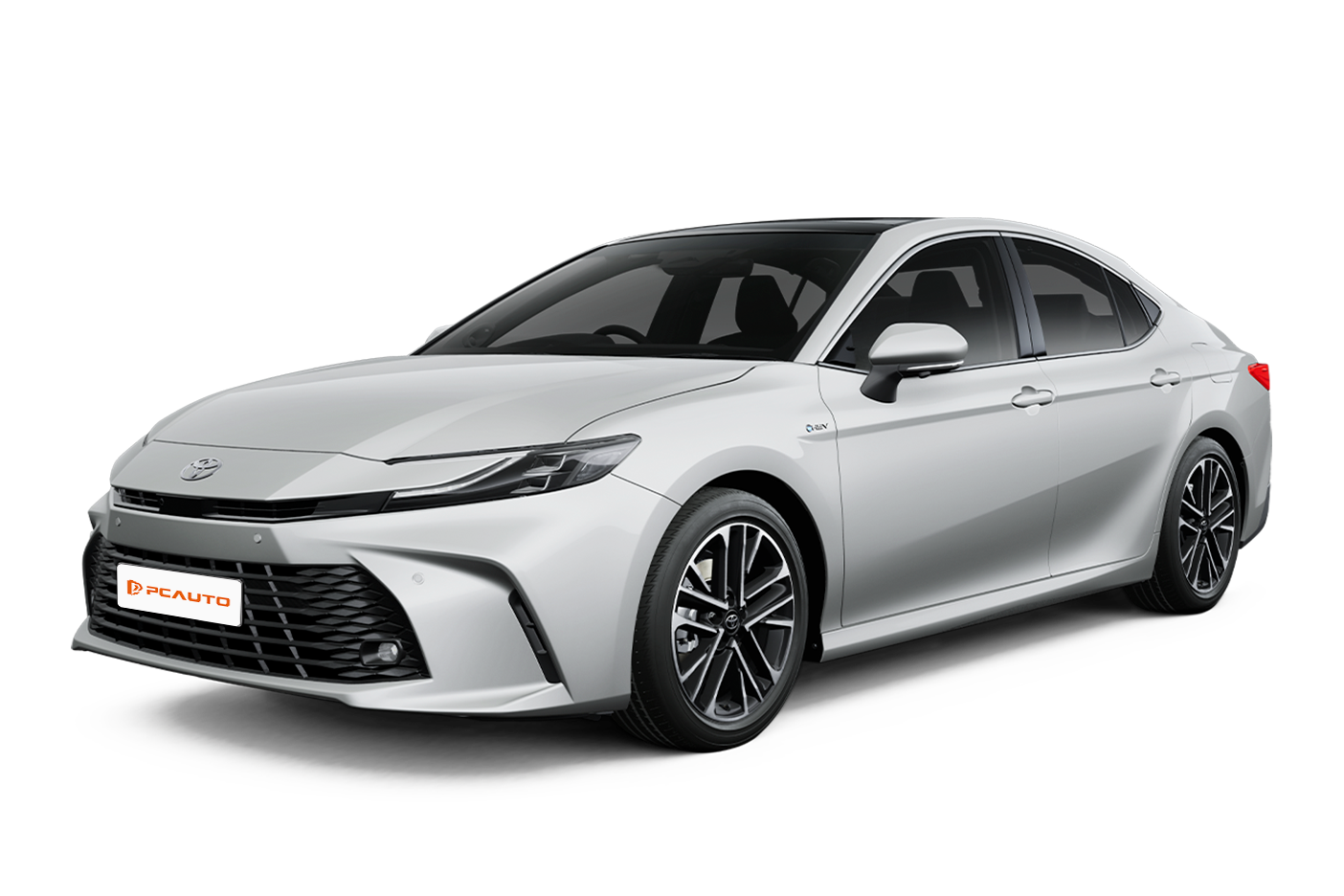
2025 Toyota Camry 2.5 V features an extended body, upgraded large-screen interior to enhance household comfort, 2.5L+8AT smooth power with more comprehensive intelligent driving, precisely meeting the reliable household needs of the D-segment.