

Toyota Camry Review

 Share
Share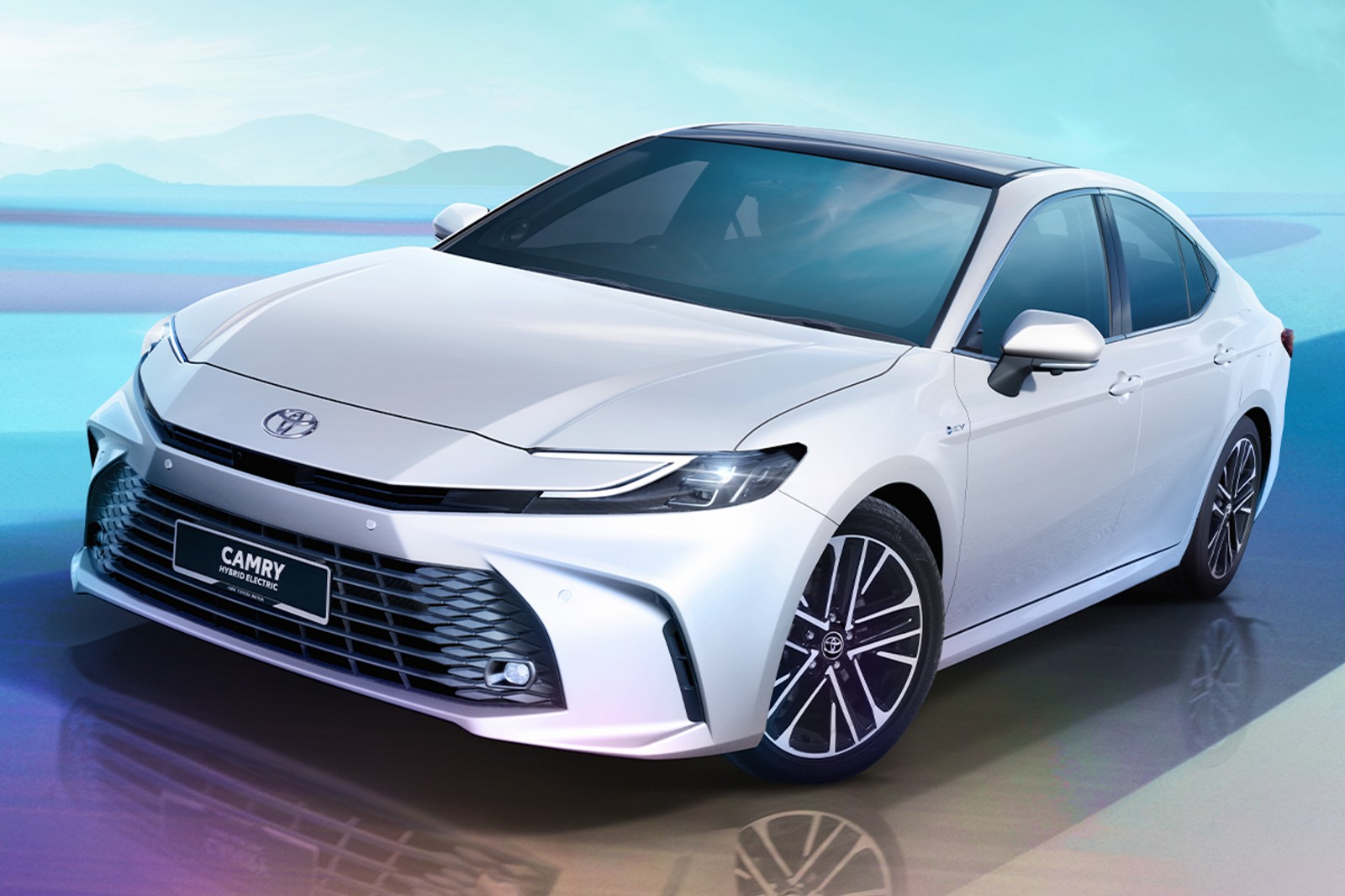
 Segment
 Body Type
 Capacity(L)
 Engine Power(PS)
 Engine Torque(Nm)
 Transmission
In recent years, the D-segment sedan market in Malaysia has been dominated by conservative choices. Consumers want spacious and comfortable cars for family use, value reliability for long-term use, and occasionally appreciate a touch of sophistication for appearances. The 2025 Toyota Camry 2.5 V, as a regular contender in this segment, has introduced an extended size and upgraded features this time, with a slightly improved official fuel efficiency compared to the previous model—this test drive aims to see if these upgrades truly hit the mark for customer needs.
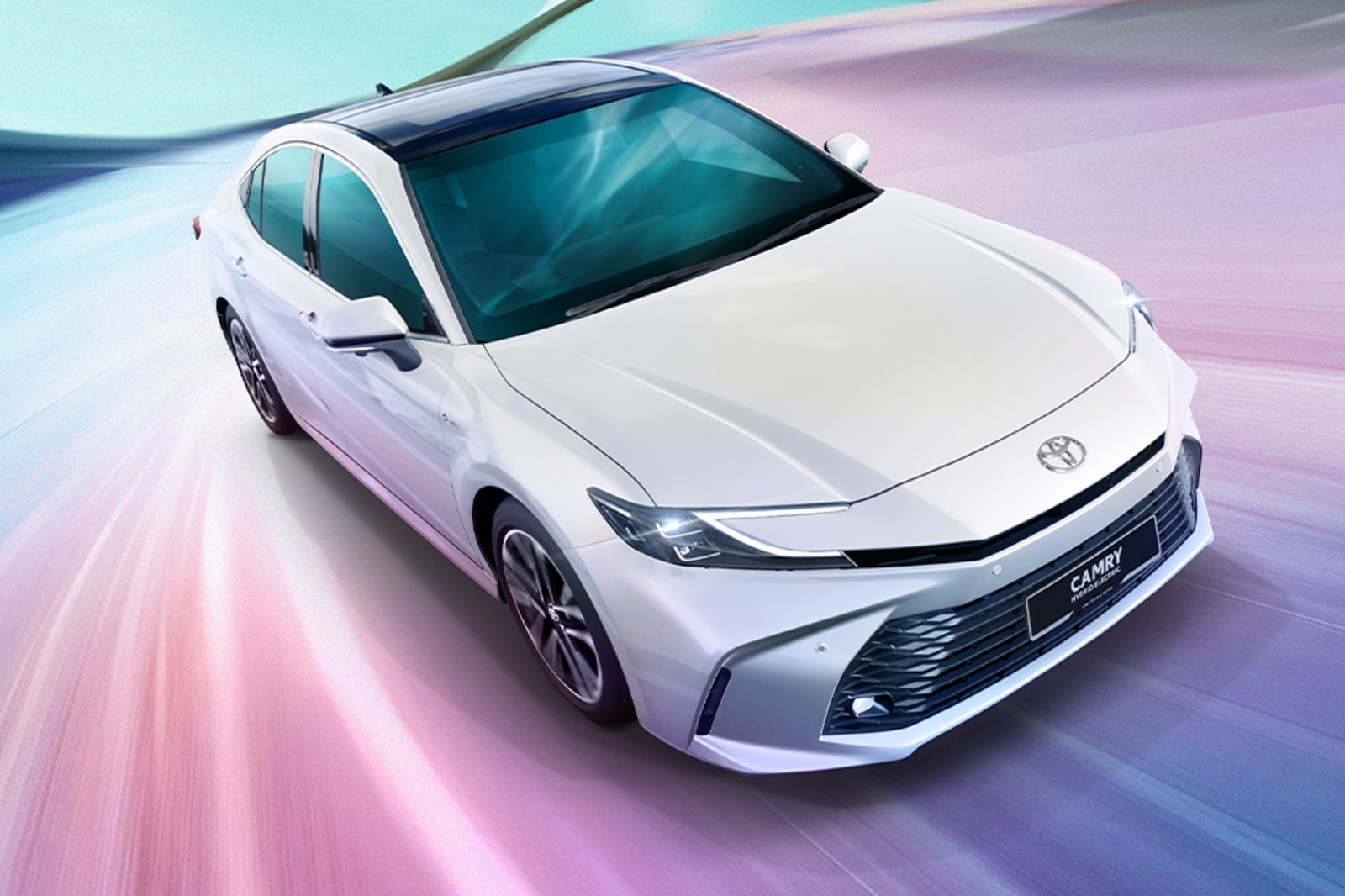
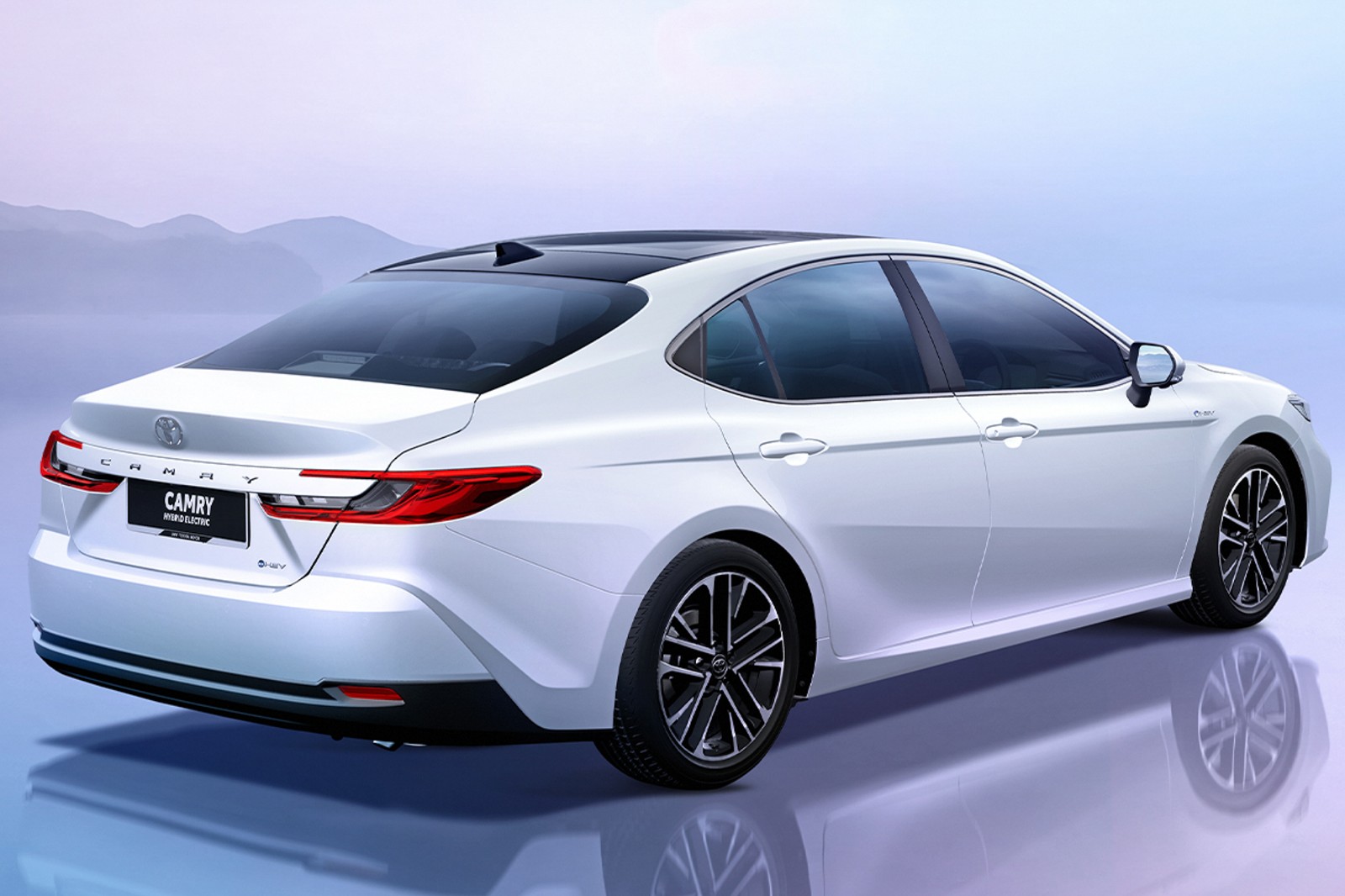
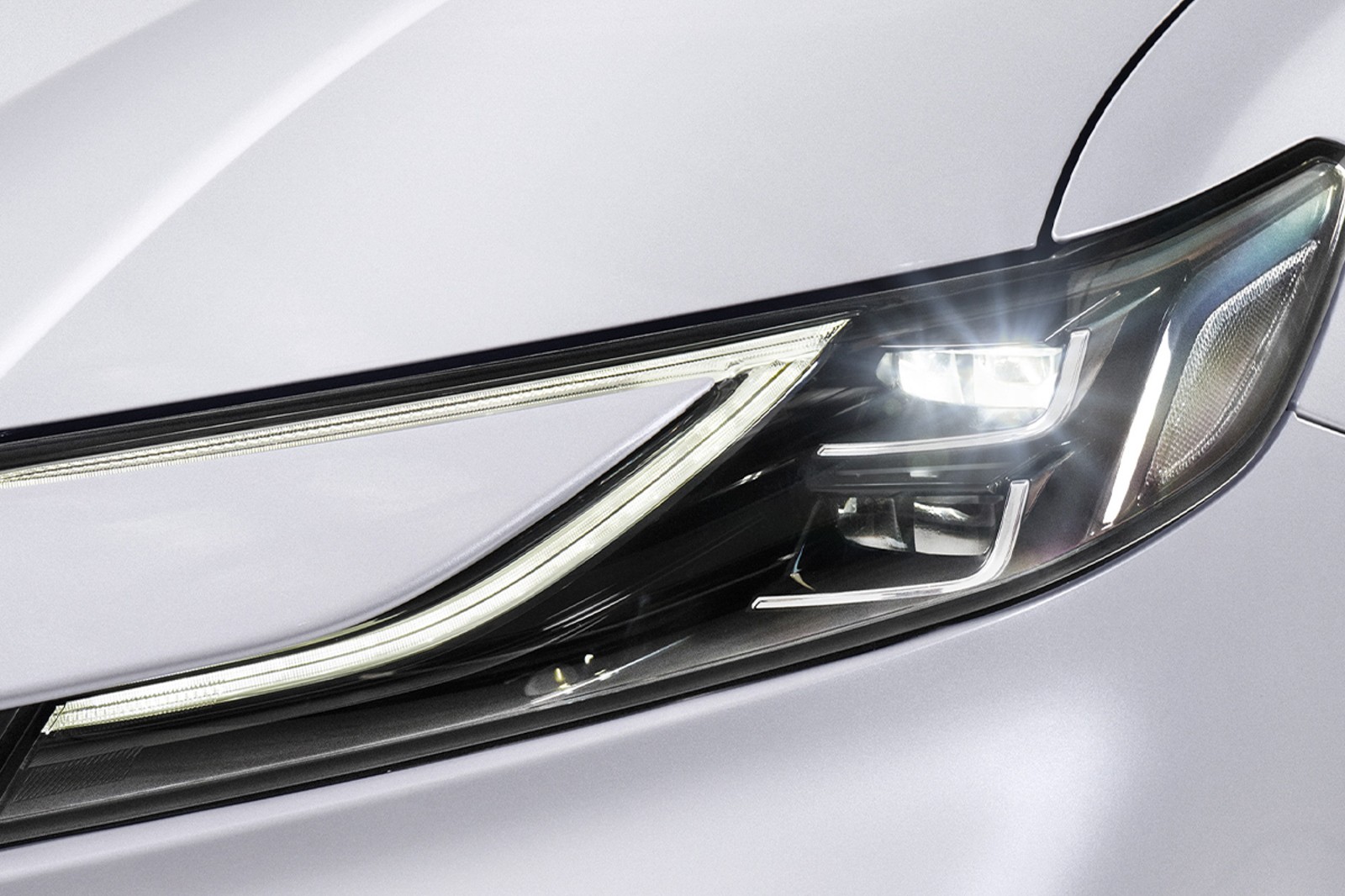
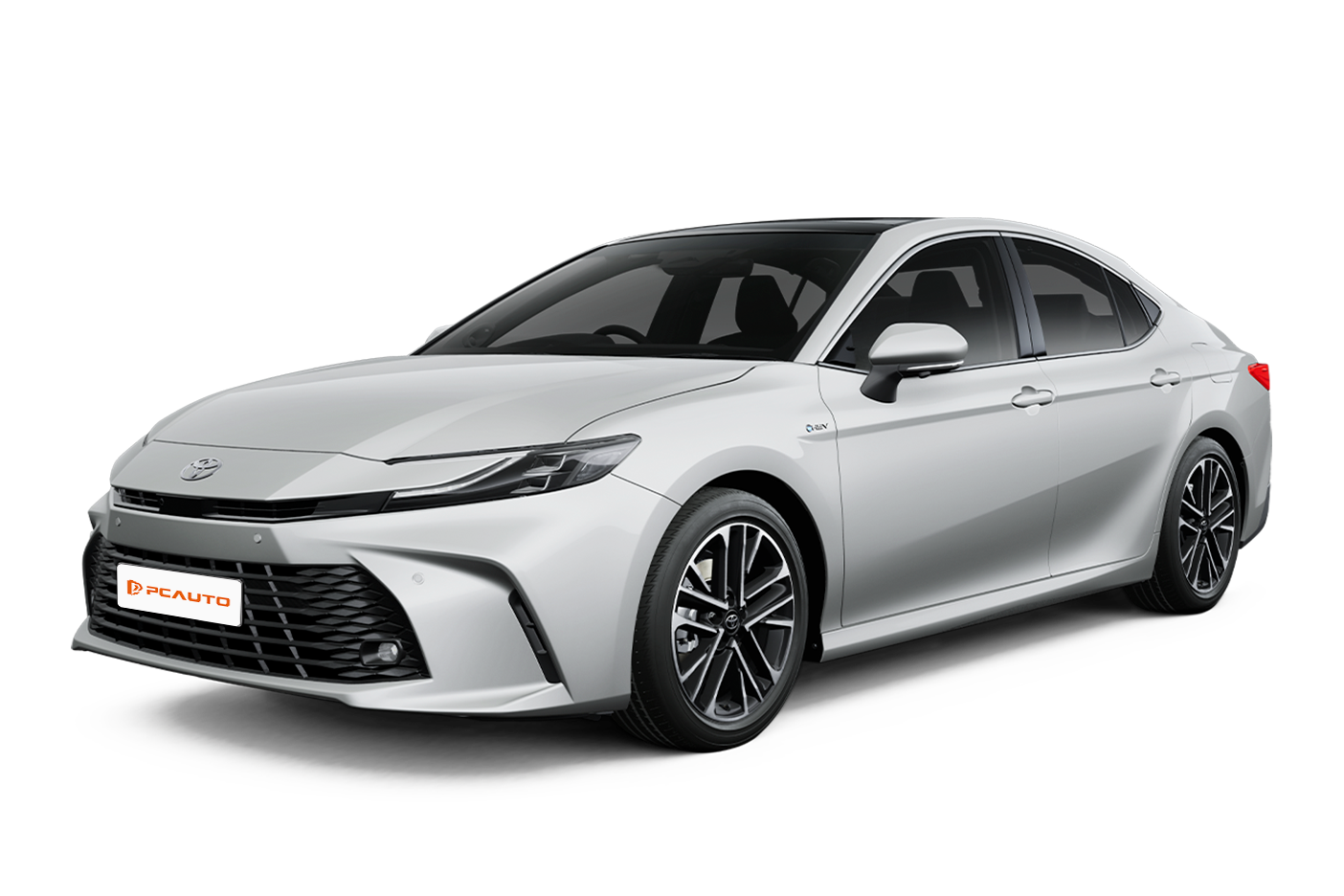
The first impression of the car is that the body feels more elongated compared to the 2022 model, with the length increased from 4,885mm to 4,920mm. The side profile flows smoothly from the front to the rear, paired with 18-inch alloy wheels, giving it a more imposing look than the previous model. The trapezoidal front grille has been resized for better proportions, and the horizontal chrome trim inside connects seamlessly with the LED headlights on each side, with the turn indicators integrated into the headlight assembly, providing higher recognition than the previous version. The LED tail lights at the rear adopt a through-type design, creating a broader visual width when illuminated. The chrome trim below the rear bumper is also more refined than before, and the overall design aligns better with contemporary aesthetics compared to the last generation.
Upon opening the door, the changes inside the cabin are even more evident than on the exterior. The 9-inch center console screen from the previous model has been replaced by a 12.3-inch floating touchscreen with higher resolution and smoother operation, and both Apple CarPlay and Android Auto are standard. The instrument cluster has been upgraded from the old mechanical dials and small screen to a 12.3-inch fully digital display, which can show information like navigation, fuel consumption, and driver assistance features, and even changes themes when the driving mode is switched. In terms of materials, the upper part of the dashboard and the inner sides of the door panels are wrapped in soft-touch materials, giving them a premium feel. The seats are covered in genuine leather, and both the driver and front passenger seats are equipped with 8-way electric adjustments along with lumbar support. The seats provide excellent support and wrapping, ensuring comfortable long drives.
Space has always been a strong point for the Camry, and although the wheelbase remains unchanged at 2,825mm, the increased length of the car provides more generous rear legroom compared to the older model. A passenger with a height of 175cm seated in the rear row will still have over two fist widths of space between their knees and the front seatback, and there’s about one fist of headroom, so it won’t feel cramped even with three adults in the back. Regarding storage, the front center armrest box is deeper than the previous model, the door storage compartments can accommodate large bottles of water, and the rear row is equipped with two USB ports and air-conditioning vents, showing meticulous attention to detail. While official trunk volume data hasn’t been provided, it visibly appears larger than that of the previous model, and folding down the rear seats allows for loading longer items, making it perfectly adequate for family use.
This test drive featured the 2.5L naturally aspirated engine with a maximum power output of 204 PS and a maximum torque of 246 N·m, paired with an 8-speed automatic transmission. The power delivery is smooth during take-off, without the abrupt feel of turbocharged engines, and a light tap on the accelerator provides an easy start. During acceleration, the transmission shifts gears proactively, and the response is quick below speeds of 80 km/h. When overtaking, pressing the accelerator deeper prompts the transmission to shift down two gears, ensuring timely power delivery. The official 0-100 km/h acceleration time is 8.9 seconds, which is entirely sufficient for daily family use. There are three driving modes: Eco, Normal, and Sport. In Sport mode, the throttle response becomes more sensitive, and the shifting RPM is higher, making the driving experience more dynamic.
In terms of handling, the front MacPherson strut and rear multi-link suspension combination is tuned more towards comfort, but it's more resilient compared to the previous model. When going over speed bumps, the suspension filters out most of the jolts, eliminating any harsh impact and ensuring rear passengers don't feel the shake. At high speeds, the car remains very stable, and the steering is more precise than the previous model, showing no noticeable body roll when changing lanes. The braking performance is also commendable, with the brake pedal travel being moderate, offering sufficient braking force in the initial stage. Although the official braking distance data was not provided, the actual test drive revealed a very linear and confidence-inspiring braking experience.
In terms of fuel consumption, our test drive covered urban traffic congestion, highway cruising, and suburban roads, with an average fuel consumption of about 7.2L/100km. This is slightly higher than the official figure of 6.6L, but taking into account that we used air conditioning and sport mode, the results are acceptable. The average fuel consumption of the old 2.5V model was 6.8L, so the new model has improved slightly. Noise control has been handled well too. At 120km/h on highways, wind and tire noise are minimal, and engine noise is only noticeable during rapid acceleration, making it very quiet during daily driving.
In terms of safety features, the 2025 Camry 2.5V is more comprehensive than the previous model. In addition to the seven airbags, vehicle stability control, blind-spot monitoring, and lane departure warning from the earlier version, new features include full-range adaptive cruise control, which automatically adjusts the vehicle speed when following other cars and handles stop-and-go traffic to relieve the stress on your right foot. The 360-degree panoramic view camera is also clearer compared to the previous model, making it easier for new drivers to park and navigate tight spaces.
Compared with competitors like the Honda Accord 2.0L and Nissan Teana 2.5L in the same class, the 2025 Camry 2.5V has clear advantages: it offers richer features than the Accord, is more cost-effective than the Teana, and Toyota's recognized reliability and resale value remain attractive to customers. If you're someone who prioritizes family needs, comfort, and reliability, this car is undoubtedly a great choice.
In conclusion, the upgrades on the 2025 Toyota Camry 2.5V are truly practical, offering more spacious cabin space, richer features, and improved fuel efficiency, fully meeting the expectations of D-segment sedan consumers. It is equally suitable for daily family use and occasional business needs, making it a well-balanced model. If you're considering buying a D-segment sedan, this car is definitely worth visiting a dealership to check out.
Toyota Camry Car Compare
Toyota Camry Loan Calculator
More Toyota Reviews
Cars With Similar Price And Features
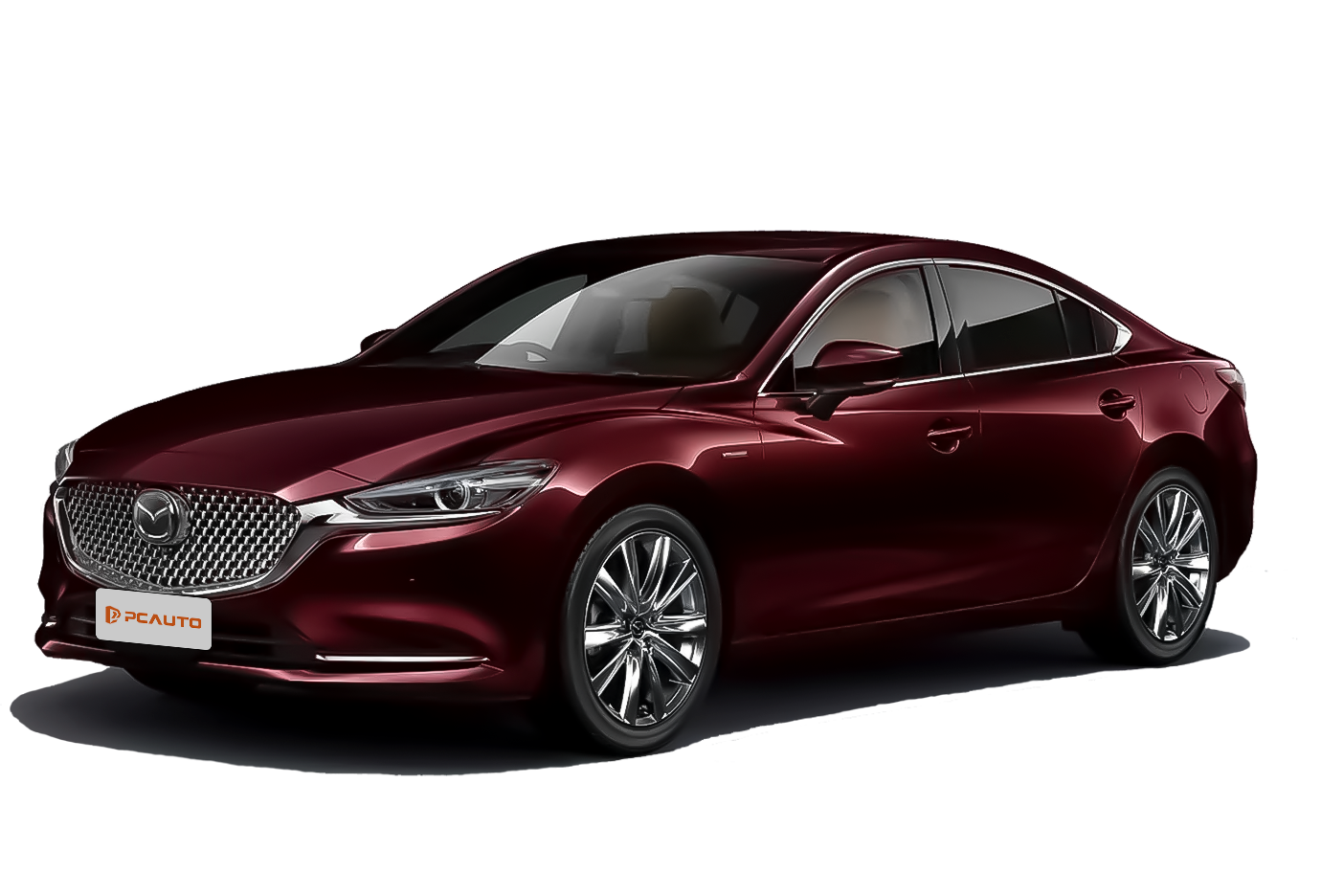
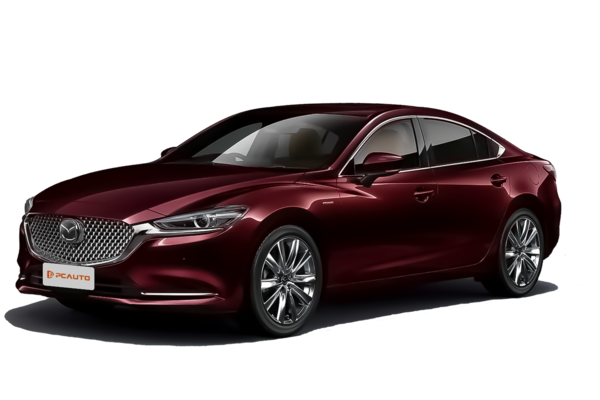
2023 Mazda 6 Sedan 2.0 SkyActiv-G meets the rational needs of family users for joint-venture quality, comfortable configurations, and fuel economy with its KODO design, practical space, and balanced driving control.

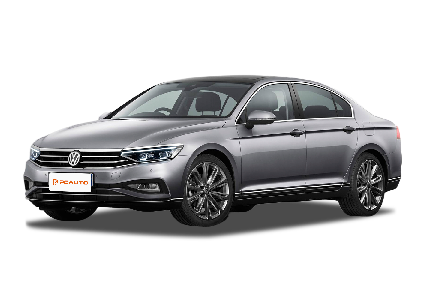
2022 Volkswagen Passat 2.0 TSI R-Line combines business elegance with sporty personality, featuring 220PS power, 14-way massage seats, and Harman Kardon audio system to meet the diverse needs of families and young professionals.
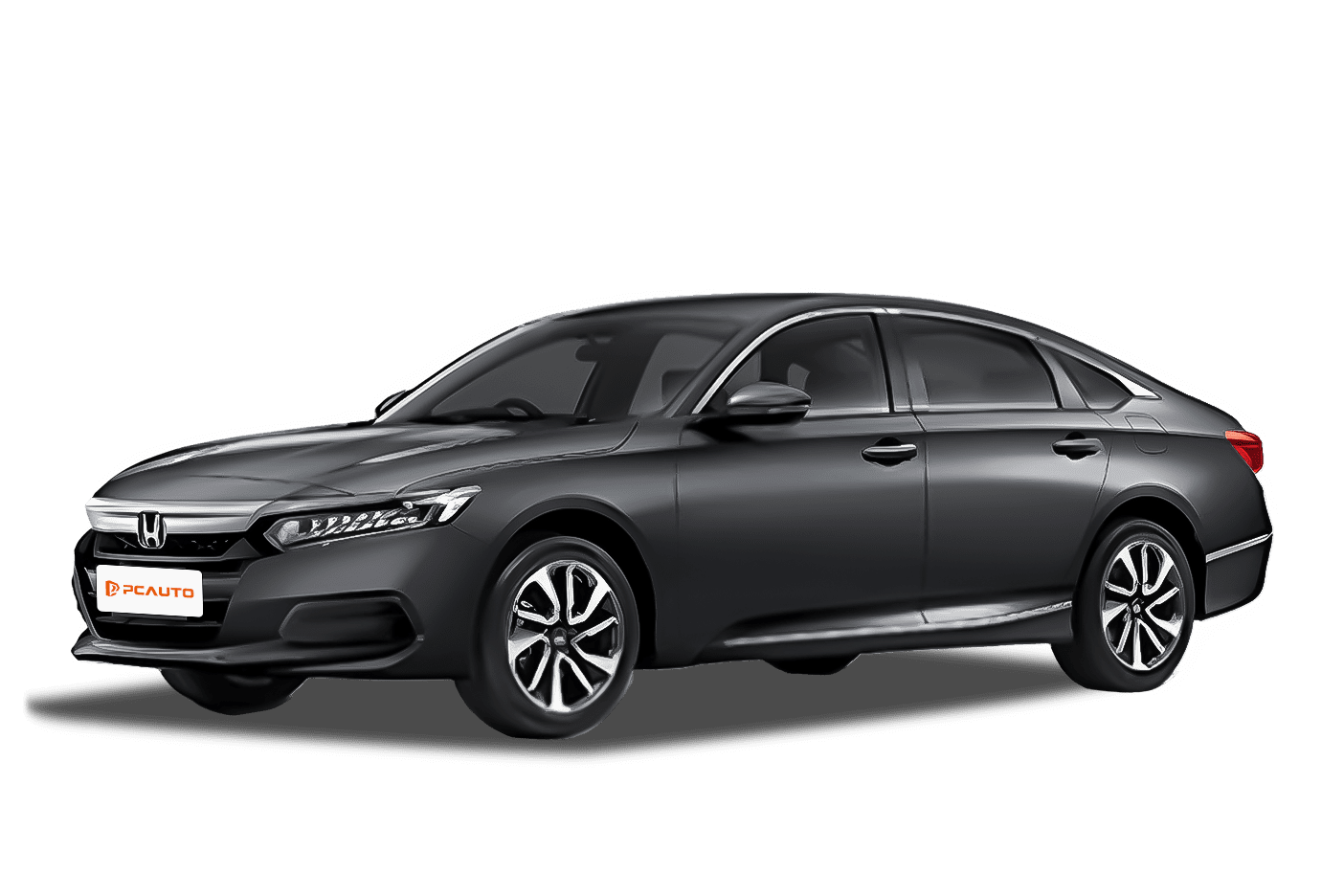
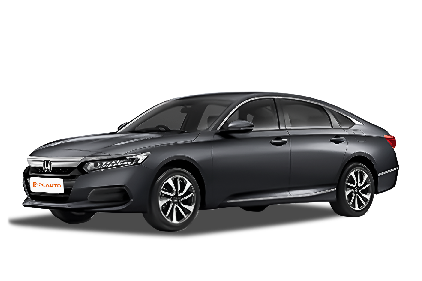
The 2023 Honda Accord 1.5 TC is a D-segment sedan that balances both business and family use, with core selling points of spacious interior, comfortable driving, and efficient performance, making it suitable for practical family users.
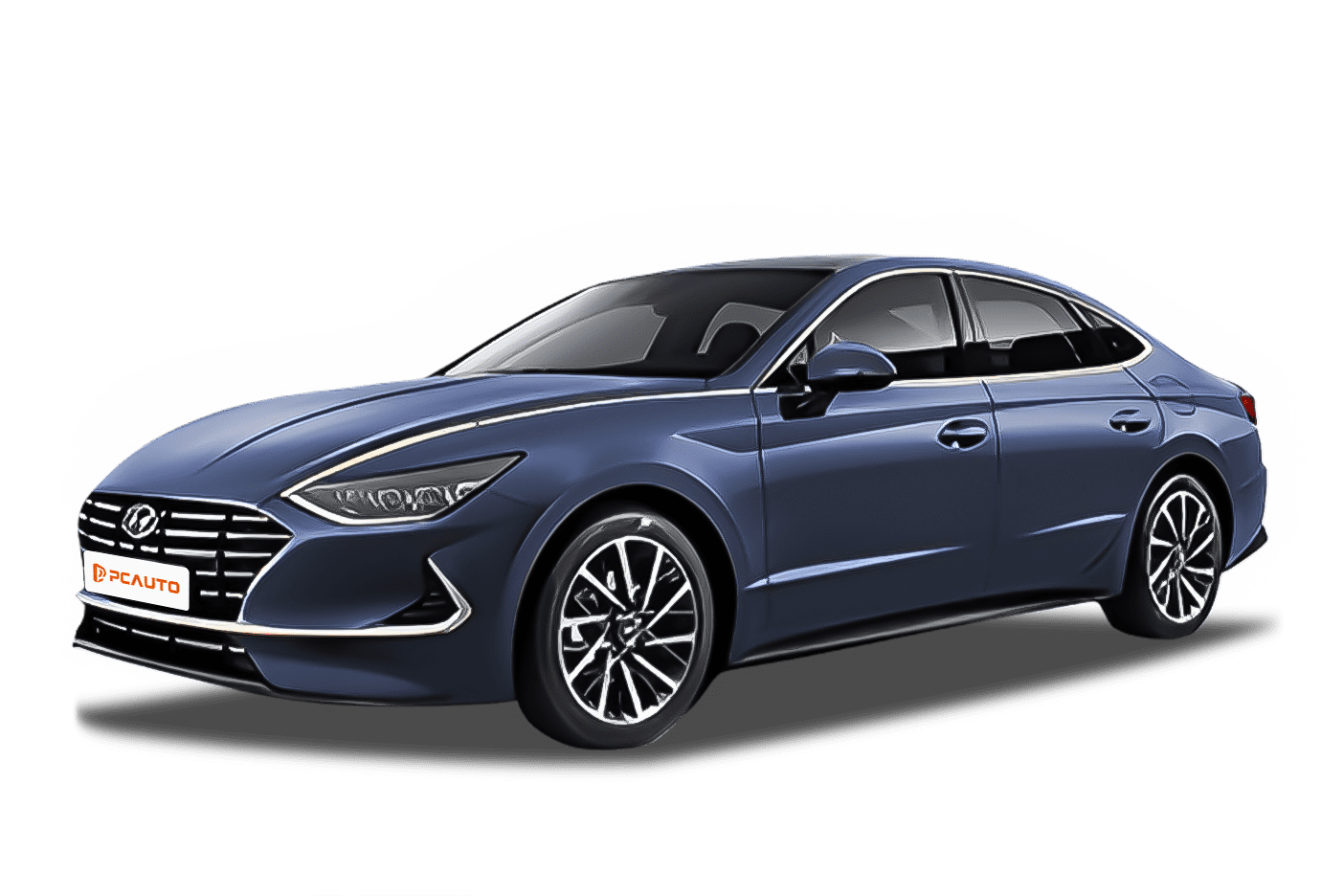
2024 Hyundai Sonata public is positioned as a D-Segment family and business sedan, combining dynamic design, practical configurations, and spacious space, balancing power and fuel consumption, safe and reliable.