

2018 Volkswagen Passat 1.8 TSI Comfortline Review

 Share
Share
 Segment
 Body Type
 Capacity(L)
 Engine Power(PS)
 Transmission
 Driven Wheels
As a renowned option in Malaysia’s D-segment sedan market for its balanced performance, the 2018 Volkswagen Passat 1.8 TSI Comfortline has always attracted practical consumers who appreciate German engineering. With 180PS turbocharged power, comprehensive safety features, and spacious rear seating, it has carved out its place among Japanese competitors such as the Camry and Accord. This test drive focuses on three core questions: Does German tuning achieve both comfort and handling? Can the official fuel consumption of 5.7L/100km be achieved under real-world conditions? Does the mid-to-high specification version truly enhance everyday convenience?
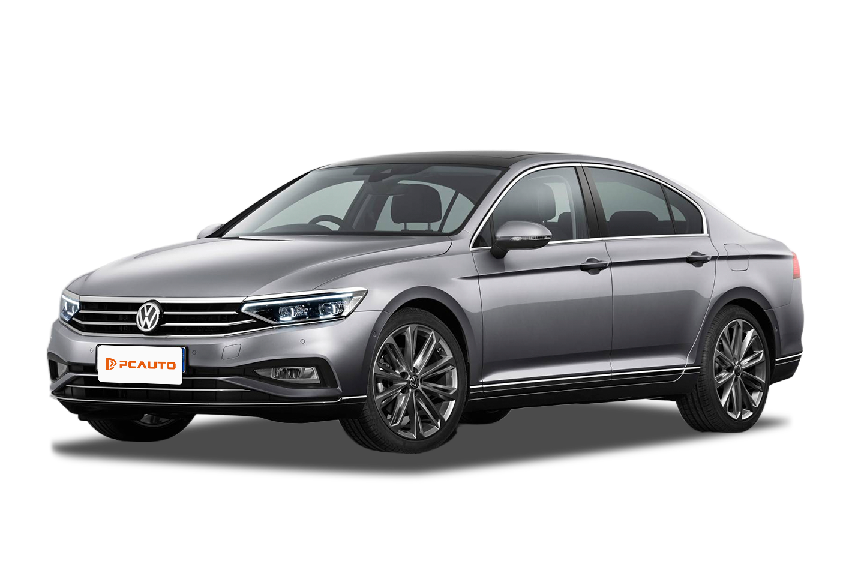
In terms of appearance, the Passat’s design continues Volkswagen's signature understated style, avoiding excessive flashy lines while maintaining recognizable details. The front fascia features horizontally slatted chrome grilles connected to LED headlights on both sides, creating a visually wider stance. The lower front bumper incorporates trapezoidal air intakes and fog lights, adding a touch of sportiness. The side profile has streamlined lines, with a waistline extending from the front to the rear and 17-inch multi-spoke wheels maintaining the elongated proportions typical of mid-size sedans. At the rear, the LED taillights adopt a signature L-shaped light strip design, offering high visibility at night. The chrome strip under the trunk lid and the dual exhaust outlets (decorative) enhance the car’s refined rear design. Overall, the design leans towards maturity and stability, fitting the positioning of a D-segment car, and is suitable for business or family scenarios.
Entering the interior, the layout prioritizes simplicity and practicality. The dashboard uses soft-touch materials complemented by silver trim accents. Although the texture is not as luxurious as leather upholstery, the workmanship is meticulous, with evenly aligned joints. The steering wheel is made of multifunctional leather, with the left-hand side integrating buttons for volume adjustment and Bluetooth phone control, while the right side has buttons for the trip computer, offering a comfortable grip; the standard paddle shifters add a hint of driving fun. The instrument panel employs a backlit analog design, which clearly displays information such as RPM, speed, and fuel levels. The center console is equipped with a 6.5-inch touchscreen that supports Bluetooth connectivity and basic multimedia functions. The operating smoothness is acceptable, but the screen size appears slightly small compared to current models in the same class.
Spatial performance is one of Passat’s strengths. The car dimensions are 4767mm x 1832mm x 1456mm, with a wheelbase of 2791mm, ensuring ample seating space for both the front and rear. The front seats offer 12-way electric adjustment, and the driver’s seat includes a memory function. Once a comfortable position is set, the headroom is about a fist and two fingers. The rear legroom is generous; a passenger who is 175cm tall has about two fists of clearance between their knees and the front seatback, while headroom has an extra fist of space. The rear seats are equipped with independent air conditioning vents and a 220V power outlet, making it convenient for rear passengers to use electronic devices. The trunk volume is 586L and is well-organized, with rear seats that support a 60:40 split fold to further expand storage space, meeting the needs of family outings or transporting large items.
In terms of power, the Passat is equipped with a 1.8T turbocharged engine producing a maximum output of 180PS at 5100rpm and a peak torque of 250N·m at 1250rpm, paired with a 7-speed dual-clutch transmission. During daily driving, throttle response is agile, and acceleration feels brisk, with maximum torque available at 1250rpm and no noticeable turbo lag during low-speed driving. When switched to Sport mode, the transmission’s shifting logic becomes more aggressive, and downshifts occur faster. During overtaking, pressing the accelerator provides immediate power output, with the official 0-100km/h acceleration time of 7.9 seconds. In real-world experience, mid-speed acceleration (80-120km/h) performs strongly, making it well-suited for highway overtaking. Regarding fuel consumption, we drove 200km with approximately 30% city traffic and 70% highway conditions. The displayed fuel consumption was 6.2L/100km, slightly higher than the official figure of 5.7L/100km. Considering the use of air conditioning and occasional rapid acceleration in real driving scenarios, this result is relatively above average among turbocharged models in the same class.
The handling and chassis performance align with the tuning style of German cars, with precise steering and minimal play. The steering wheel provides a steady feel at high speeds, instilling sufficient confidence. The front MacPherson independent suspension and rear multi-link independent suspension strike a balance between comfort and handling: when passing over speed bumps or bumpy roads, the suspension effectively filters out most vibrations, avoiding any harsh impacts; when cornering, the body roll is well-controlled, with sufficient support, ensuring stability even at higher speeds. The braking system performs linearly, with short braking distances, and the brake pedal responds with smooth and evenly distributed braking force without any abruptness.
As for driving and riding comfort, the Passat's performance is commendable. The seats are wrapped in leather, with soft padding and good support, making long journeys less fatiguing. The sound insulation is above average within its class, controlling wind and tire noise well at high speeds (120 km/h) without disrupting passenger conversations. The standard dual-zone automatic climate control system can quickly adjust the cabin temperature, and the rear independent air conditioning meets the needs of rear passengers. Additionally, features like automatic parking, front and rear sensors, and a reverse camera provide significant convenience for beginners or when parking in tight spaces.
Overall, the core strengths of the 2018 Volkswagen Passat 1.8 TSI Comfortline lie in its balanced performance: German-tuned handling and comfort, spacious interior, comprehensive safety features (6 airbags, electronic stability control, automatic parking, etc.), and a reliable powertrain. Compared to the Toyota Camry 2.5G in the same class, the Passat delivers more powerful performance and more precise handling; compared to the Honda Accord 260TURBO, the Passat offers a more solid chassis feel and roomier rear seats, though it has slightly higher fuel consumption. It is suitable for family users or business individuals who value driving quality, practical interior space, and the reputation of German brands, especially those who frequently drive on highways or travel with family members.
In summary, the 2018 Volkswagen Passat 1.8 TSI Comfortline is a D-segment sedan with "no obvious shortcomings." While it might not have any particularly standout features, it meets the demands of most consumers in terms of performance, space, configuration, and handling, making it a practical and reliable choice.
Volkswagen Passat Car Compare
Volkswagen Passat Loan Calculator
More Volkswagen Reviews
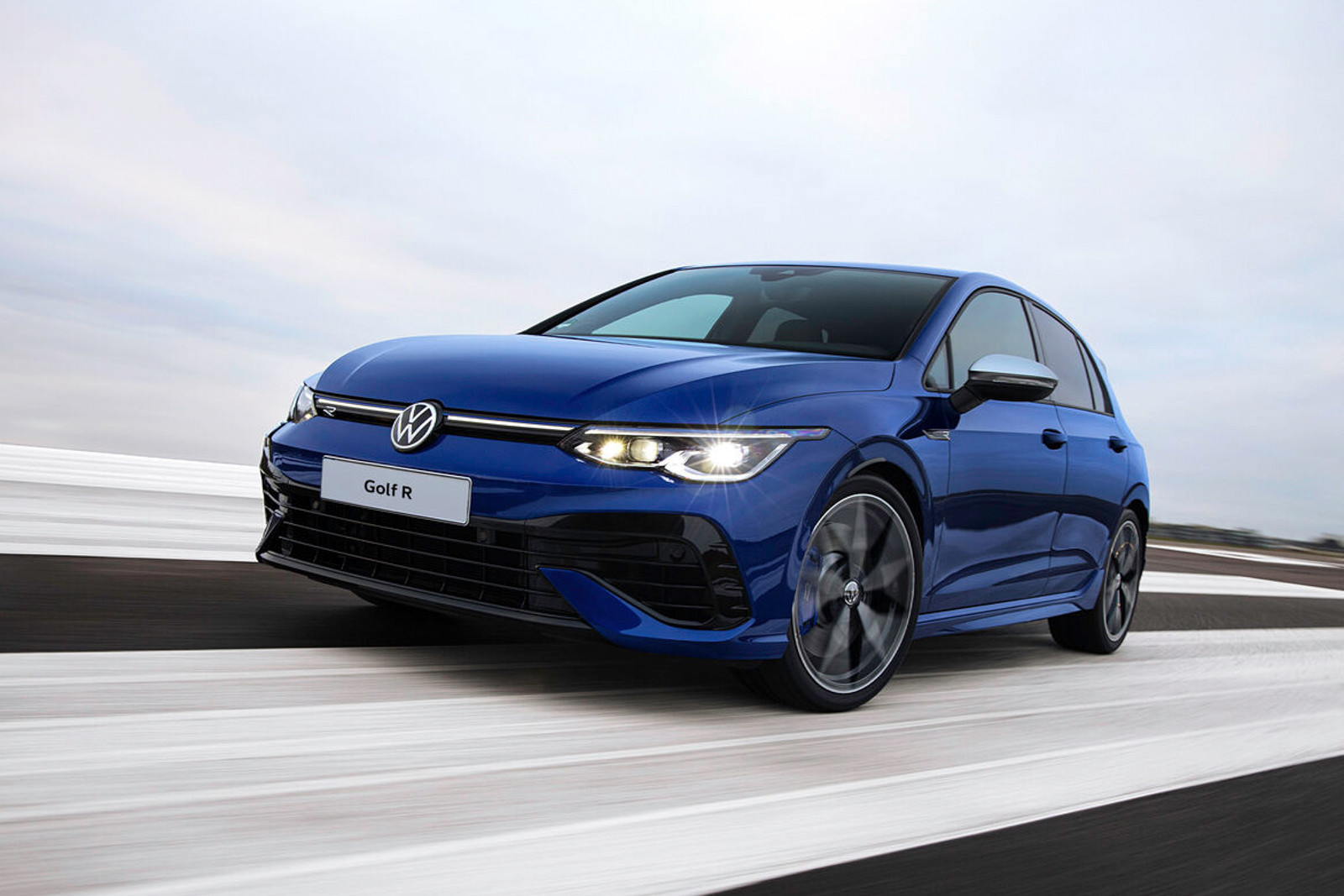
Cars With Similar Price And Features
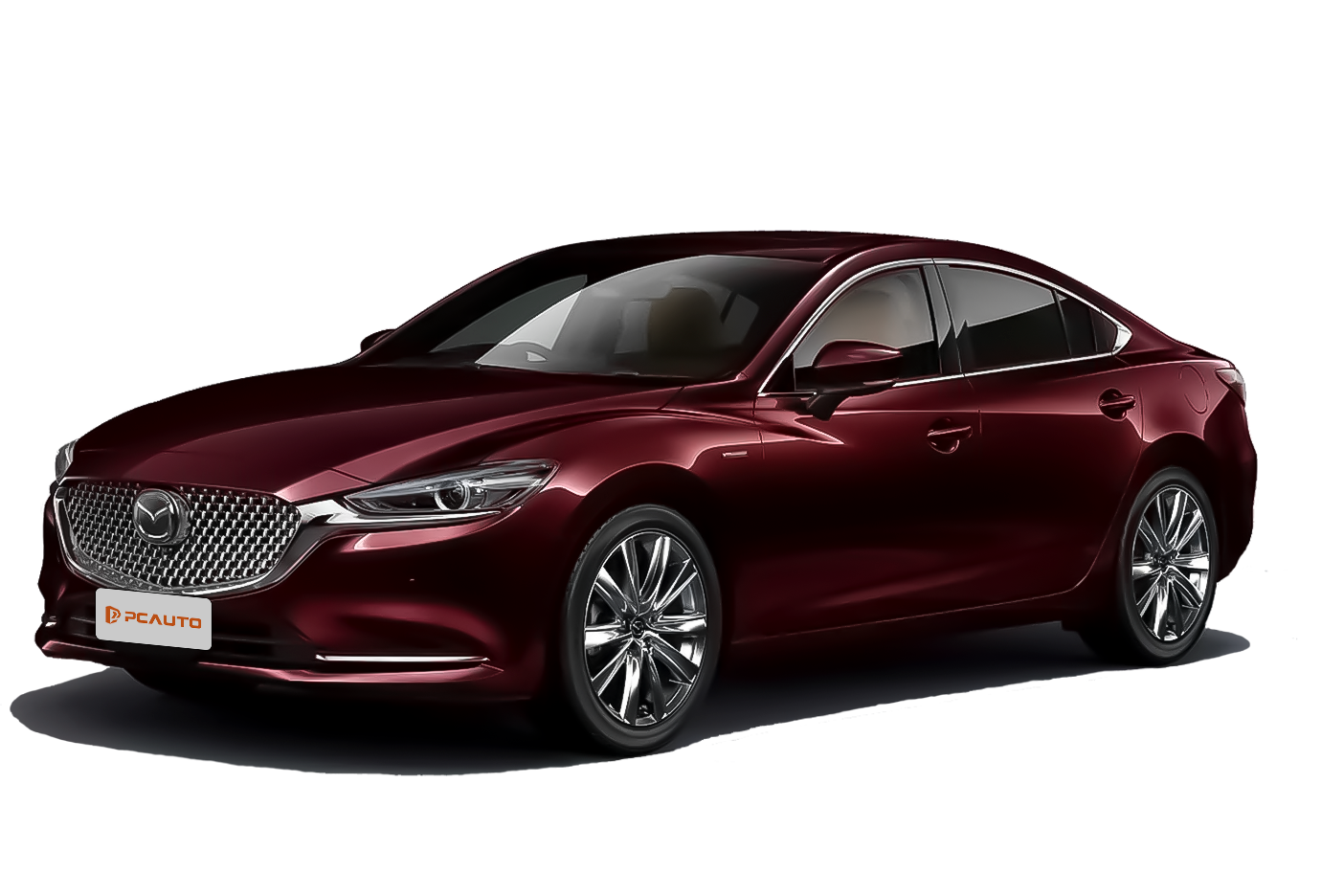
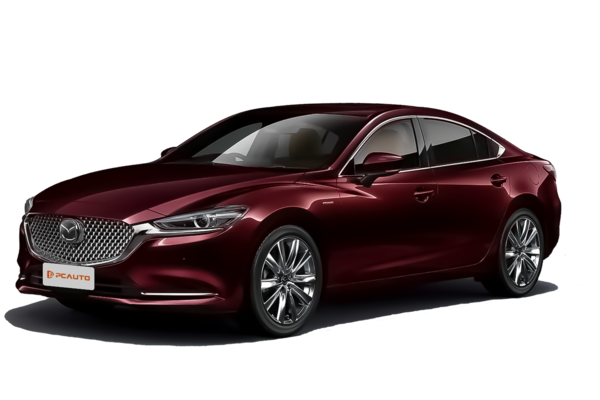
2023 Mazda 6 Sedan 2.0 SkyActiv-G meets the rational needs of family users for joint-venture quality, comfortable configurations, and fuel economy with its KODO design, practical space, and balanced driving control.
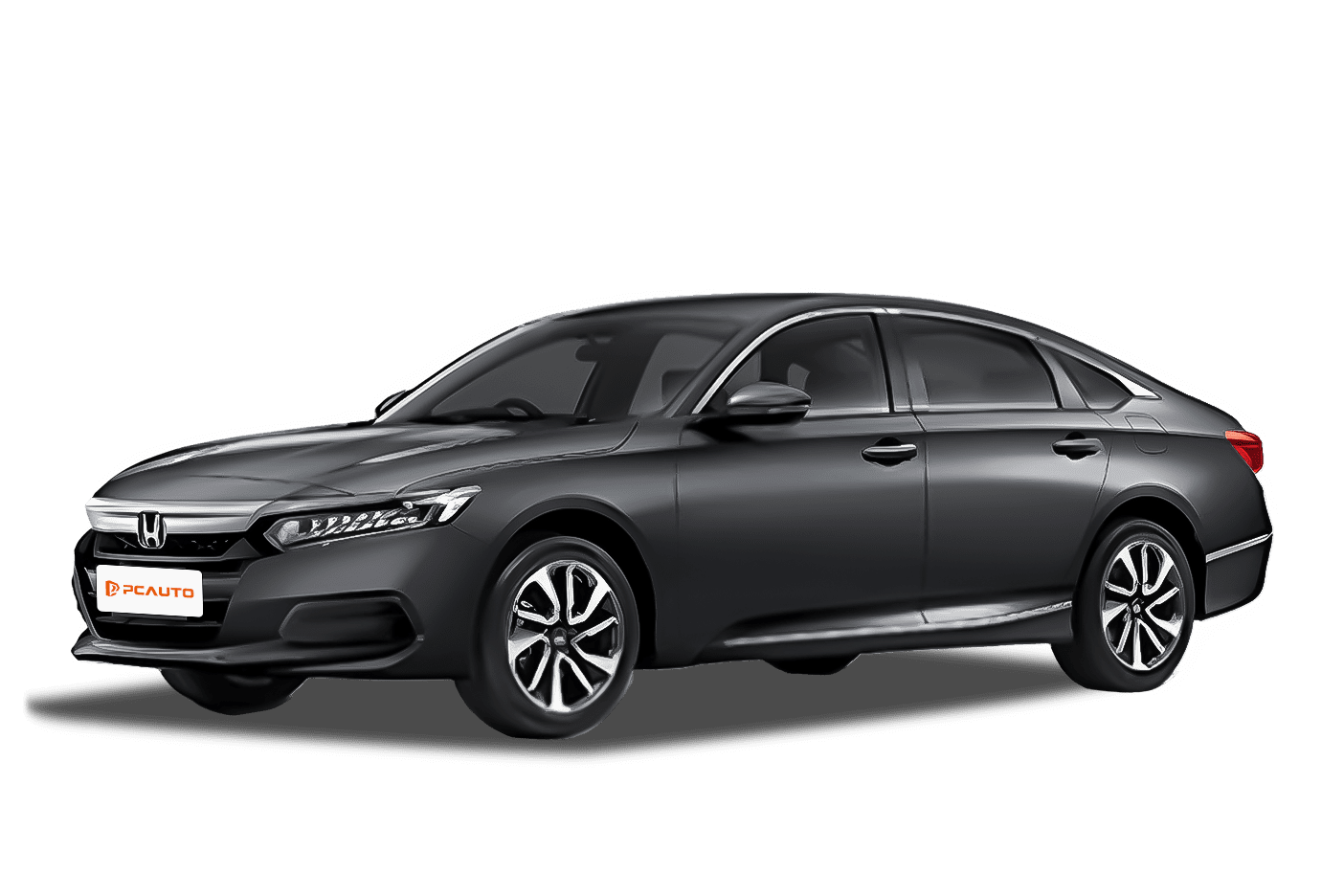
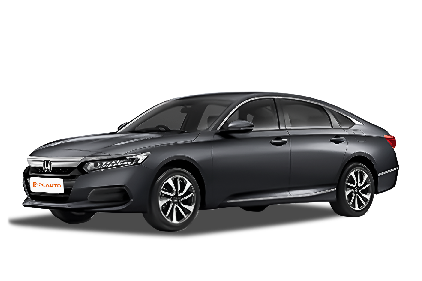
The 2023 Honda Accord 1.5 TC is a D-segment sedan that balances both business and family use, with core selling points of spacious interior, comfortable driving, and efficient performance, making it suitable for practical family users.
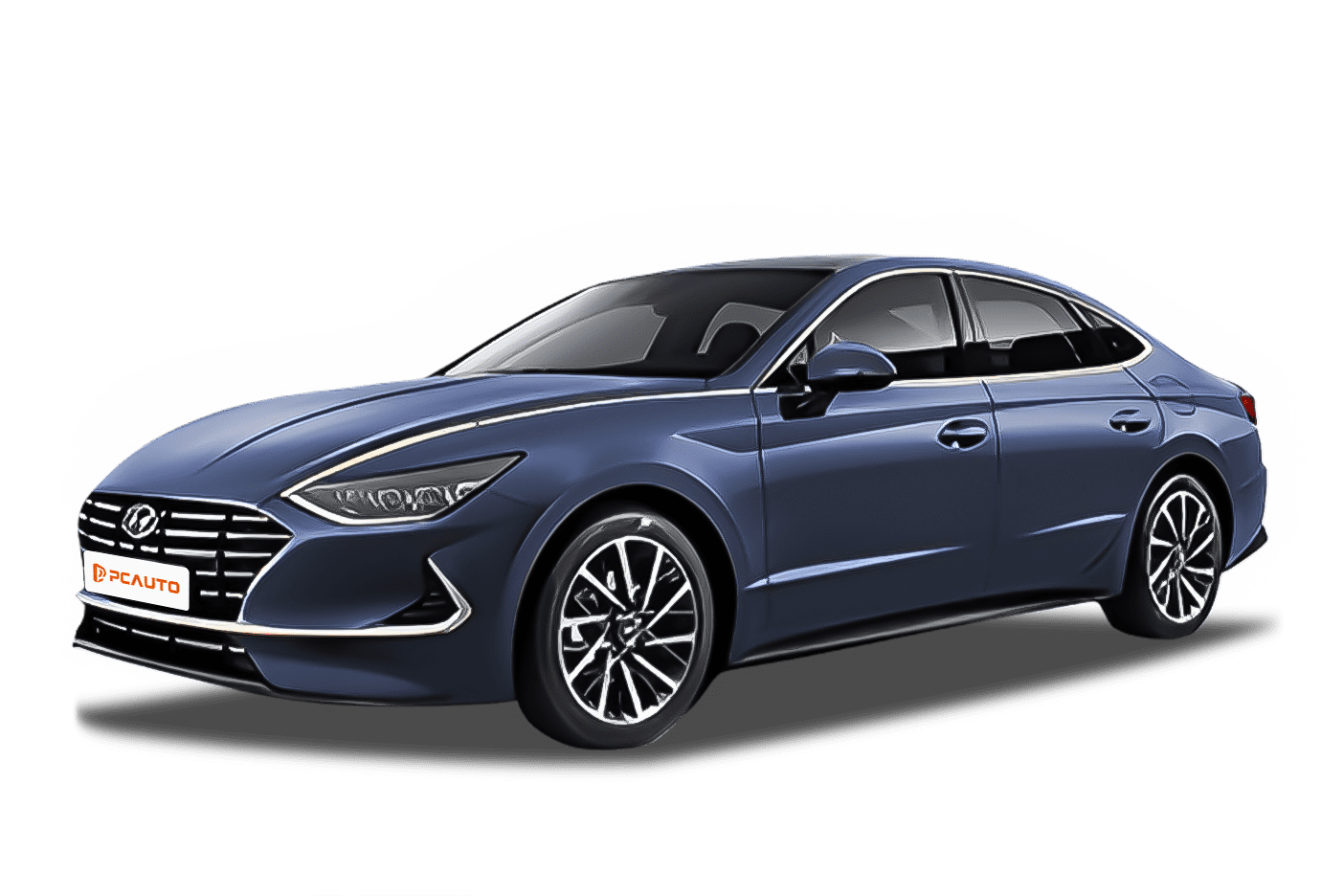
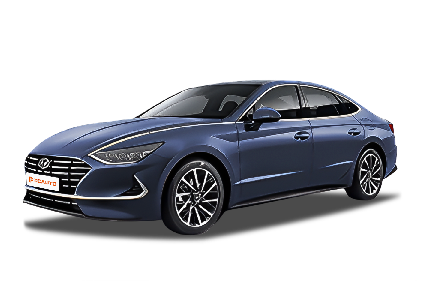
2024 Hyundai Sonata public is positioned as a D-Segment family and business sedan, combining dynamic design, practical configurations, and spacious space, balancing power and fuel consumption, safe and reliable.
23
Rank in Sedan
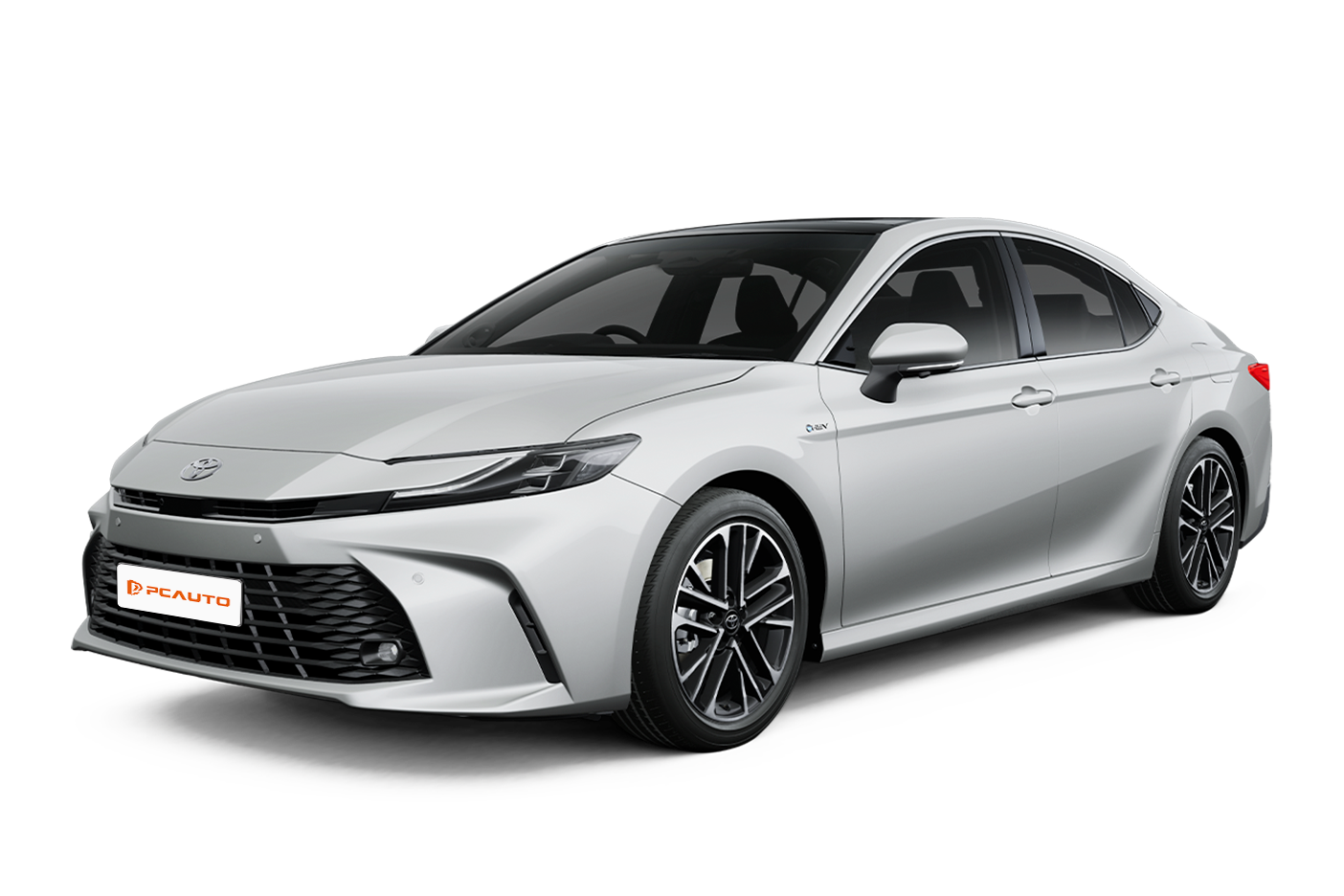
2025 Toyota Camry 2.5 V features an extended body, upgraded large-screen interior to enhance household comfort, 2.5L+8AT smooth power with more comprehensive intelligent driving, precisely meeting the reliable household needs of the D-segment.