

2018 Volkswagen Passat 2.0 TSI Highline Review

 Share
Share
 Segment
 Body Type
 Capacity(L)
 Engine Power(PS)
 Transmission
 Driven Wheels
In Malaysia's current D-Segment sedan market, consumers value the solid build quality of German cars while also demanding a high level of configuration and ride comfort. As one of the representatives in this segment, the 2018 Volkswagen Passat 2.0 TSI Highline features the core selling points of 220PS turbocharged power, a fully digital instrument cluster, and basic L2-level driver assistance features, attracting many families and business users seeking balanced performance. This time, we will provide a true reflection of its daily performance through a static experience and a dynamic test drive, offering potential buyers a useful reference.
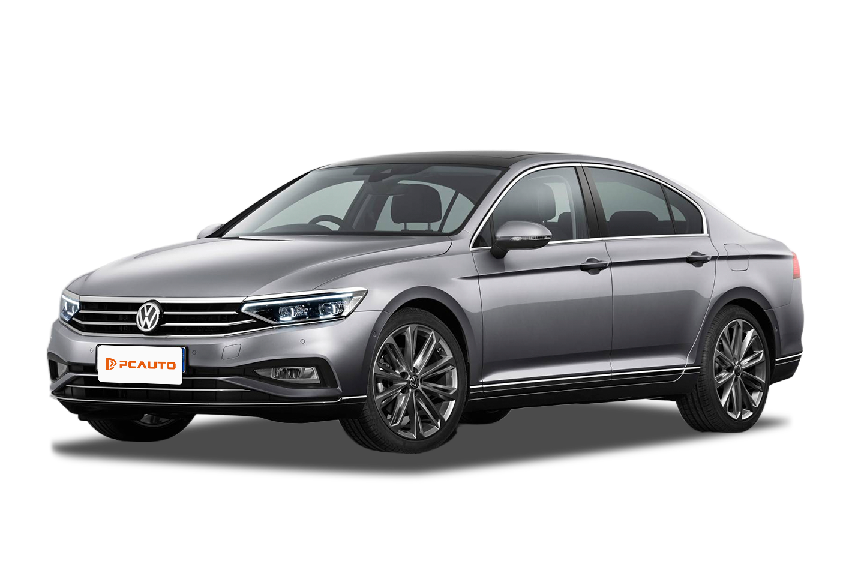
From the exterior, the 2018 Passat 2.0 TSI Highline continues Volkswagen's stable design language, with smooth lines that maintain a sense of business sophistication. The front features a design with horizontal chrome strips connected to LED headlights, which visually extends the width and enhances recognition; the side profile shows a waistline stretching from the fenders to the taillights, complemented by 18-inch multi-spoke wheels, adding a hint of sportiness. The rear LED taillights are tinted and harmonize well with the dual exhaust layout, resulting in a cohesive and visually appealing design. In terms of lighting, the LED headlights come with automatic activation, while front fog lights and daytime running lights are standard, offering clear illumination at night and meeting the expectations for this segment.
Inside, the interior adopts a T-shaped symmetrical layout, with the dashboard primarily covered in soft-touch materials, paired with piano lacquer panels and metallic accents, giving it an above-average texture among its peers. An 8-inch touchscreen sits atop the dashboard, offering smooth operation and support for Bluetooth and smartphone connectivity (although it lacks a wireless CarPlay feature, the wired connection is stable). One standout feature is the fully digital instrument cluster, which can display information such as navigation, fuel consumption, and power output in a clear and readable interface, enhancing the technological feel inside the car. Seat configurations include 12-way electrically adjustable leather seats in the front, with memory function for the driver's seat. The seats provide good support and wrapping, making long drives less tiring. The rear seats support a 60:40 split folding function. Thanks to the 2791mm wheelbase, a passenger with a height of 175cm will still have two fists of knee-room when seated, and there's about a fist of headroom, fulfilling the daily needs of families. For storage space, the center armrest compartment offers generous capacity, door panel pockets can fit two bottles of water, and the trunk has a standard capacity of 586 liters, which can be further expanded by folding down the rear seats, making it highly practical.
In terms of performance, the 2.0T turbocharged engine delivers a maximum power output of 220PS and a peak torque of 350N·m, paired with a 7-speed dual-clutch transmission. During daily driving, the engine delivers maximum torque at as low as 1500rpm, providing quick acceleration. The transmission shifts smoothly at low speeds with virtually no noticeable lag. When the accelerator is pressed firmly, power responds quickly, mid-range acceleration is strong, and overtaking rarely requires frequent downshifts. The official 0-100 km/h acceleration time of 6.7 seconds is outstanding within its class. Three driving modes are provided: Eco, Standard, and Sport. In Sport mode, the transmission shifts more aggressively, and the steering becomes heavier, making it suitable for drivers occasionally seeking driving pleasure. The chassis uses a front MacPherson strut and rear multi-link independent suspension setup, tuned for comfort. When going over speed bumps or uneven roads, the suspension effectively absorbs vibrations without feeling overly harsh. Stability at high speeds is commendable, and body roll is well-controlled during cornering, balancing everyday commuting needs with moderate handling enjoyment.
In terms of fuel consumption, we conducted tests under road conditions with 50% urban congestion and 50% highway cruising. The combined fuel consumption was approximately 7.5L per 100km, slightly higher than the official figure of 6.2L. However, considering the 2.0T power output, this fuel consumption performance is within an acceptable range. Regarding braking performance, the front and rear ventilated disc brakes respond promptly, with short braking distances. The vehicle's posture remains stable during emergency braking. In terms of noise control, there is slight wind and tire noise at high speeds, but it does not affect conversations inside the car, and the overall quietness meets the standards for this class of vehicle.
Overall, the core strengths of the 2018 Volkswagen Passat 2.0 TSI Highline lie in its balanced performance: solid German chassis feel, ample power reserves, rich safety configurations (6 airbags, lane departure warning, automatic parking), and practical space design. Compared to same-class Japanese competitors (such as the Toyota Camry 2.5V), its power performance is more prominent, and configurations like the fully digital dashboard and electric seats are more appealing. Although the interior design is slightly less innovative than some competitors, its overall durability and reliability are well recognized.
This car is suitable for two types of consumers: firstly, users who value family practicality, as its spacious interior, comfortable seats, and abundant safety features can meet daily commuting and family travel needs; secondly, professionals who occasionally need to host business clients, as the stable appearance and solid driving texture demonstrate a certain sense of quality. If you seek a balance of power, configuration, and space, and do not mind a relatively conservative interior design, the 2018 Passat 2.0 TSI Highline is a choice worth considering.
Volkswagen Passat Car Compare
Volkswagen Passat Loan Calculator
More Volkswagen Reviews
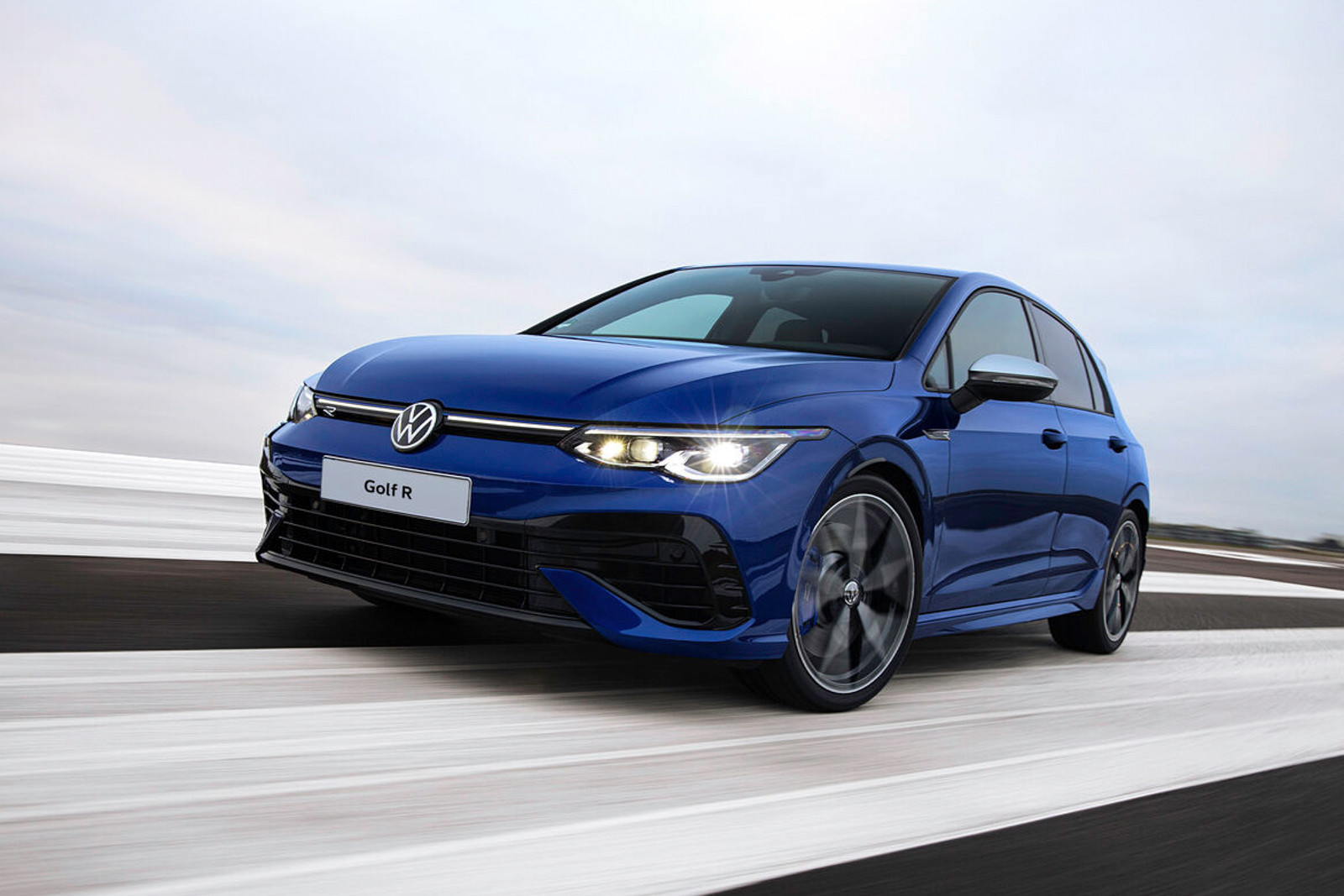
Cars With Similar Price And Features
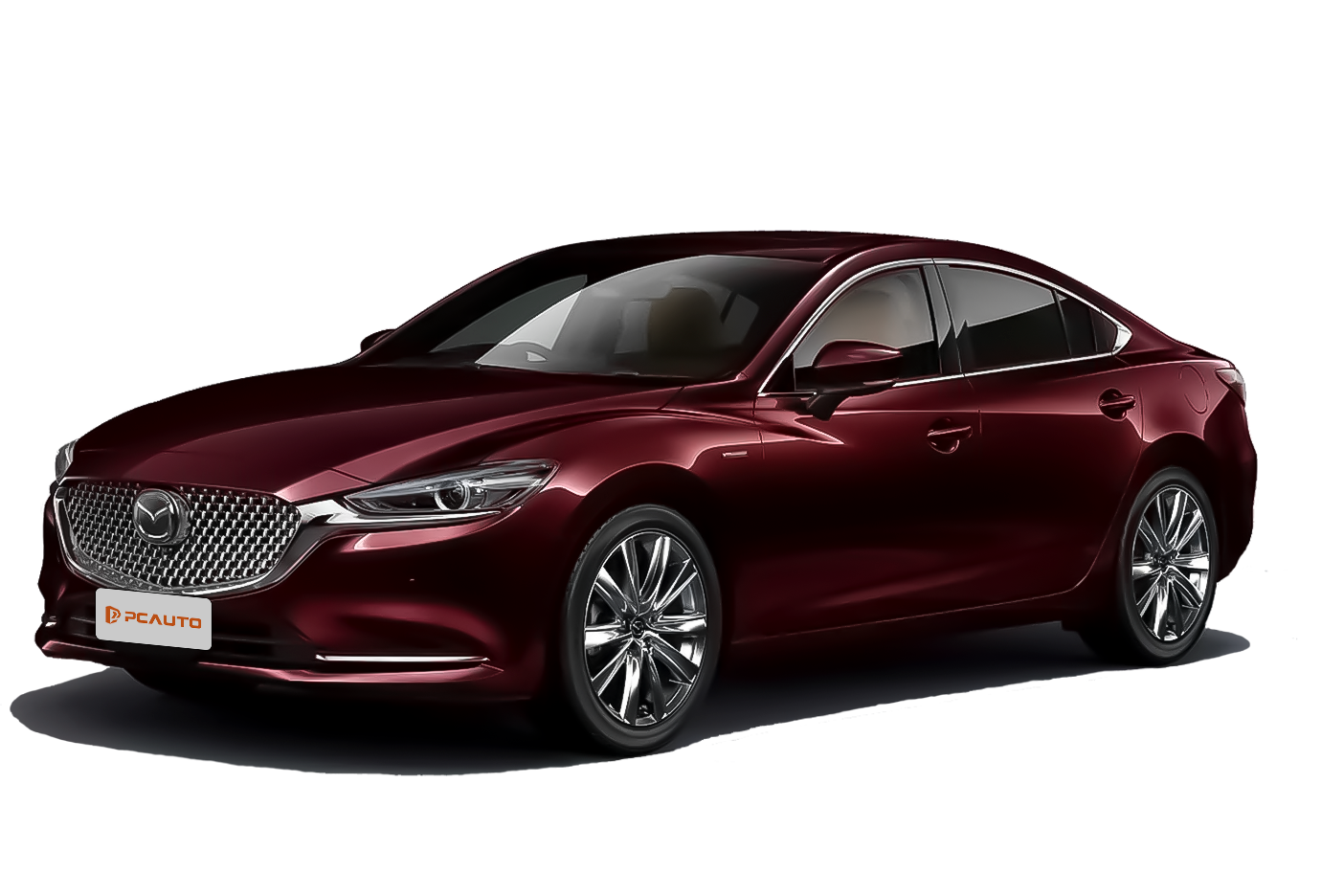
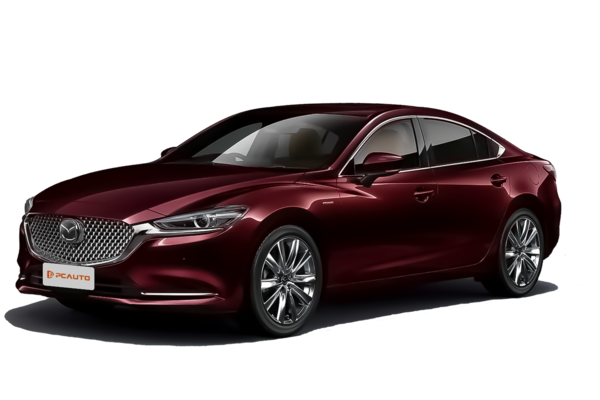
2023 Mazda 6 Sedan 2.0 SkyActiv-G meets the rational needs of family users for joint-venture quality, comfortable configurations, and fuel economy with its KODO design, practical space, and balanced driving control.
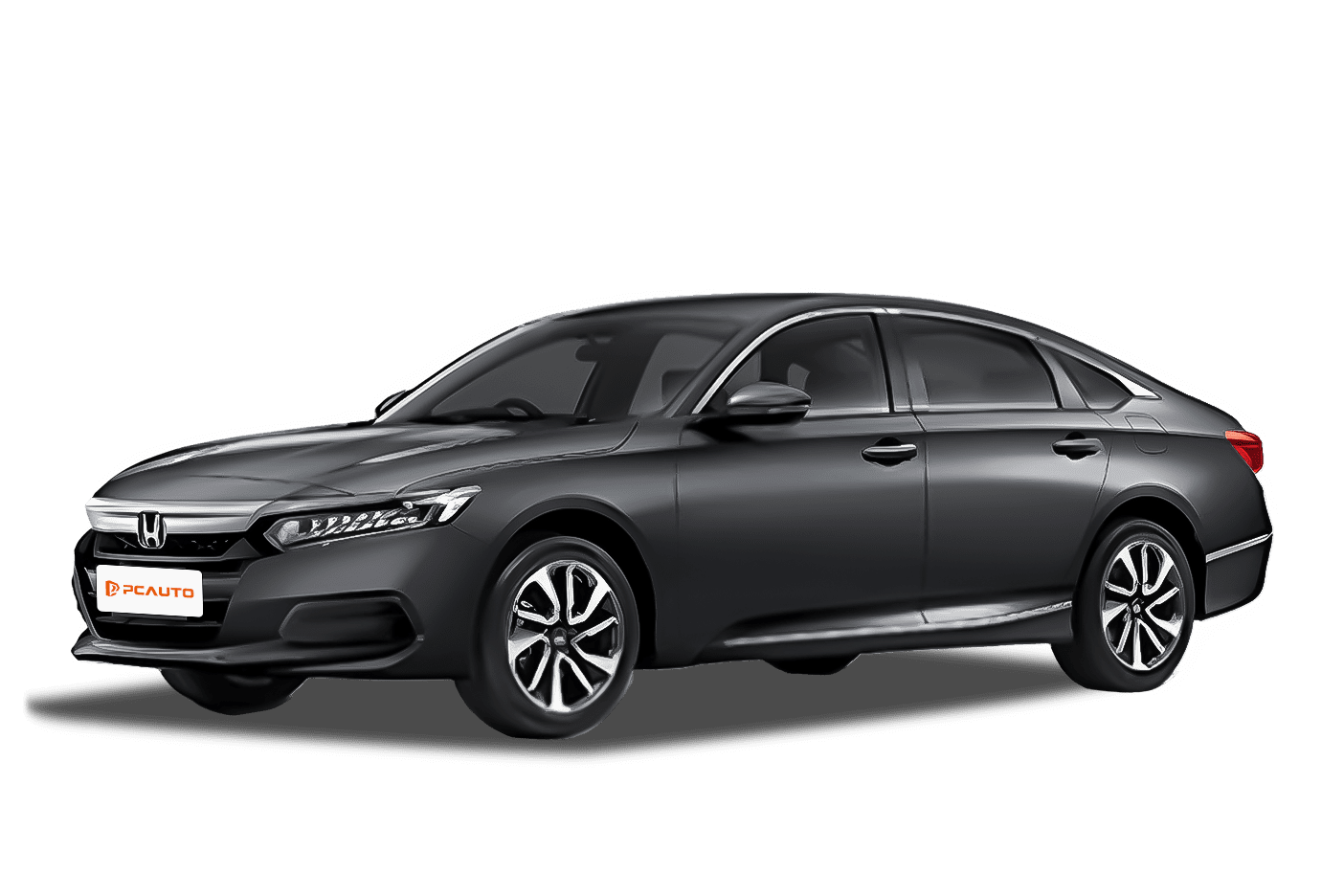
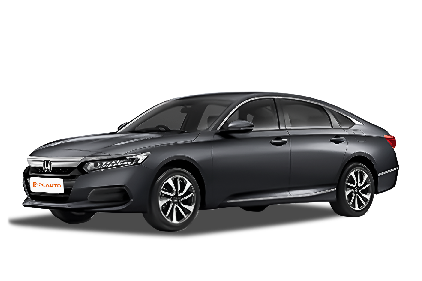
The 2023 Honda Accord 1.5 TC is a D-segment sedan that balances both business and family use, with core selling points of spacious interior, comfortable driving, and efficient performance, making it suitable for practical family users.
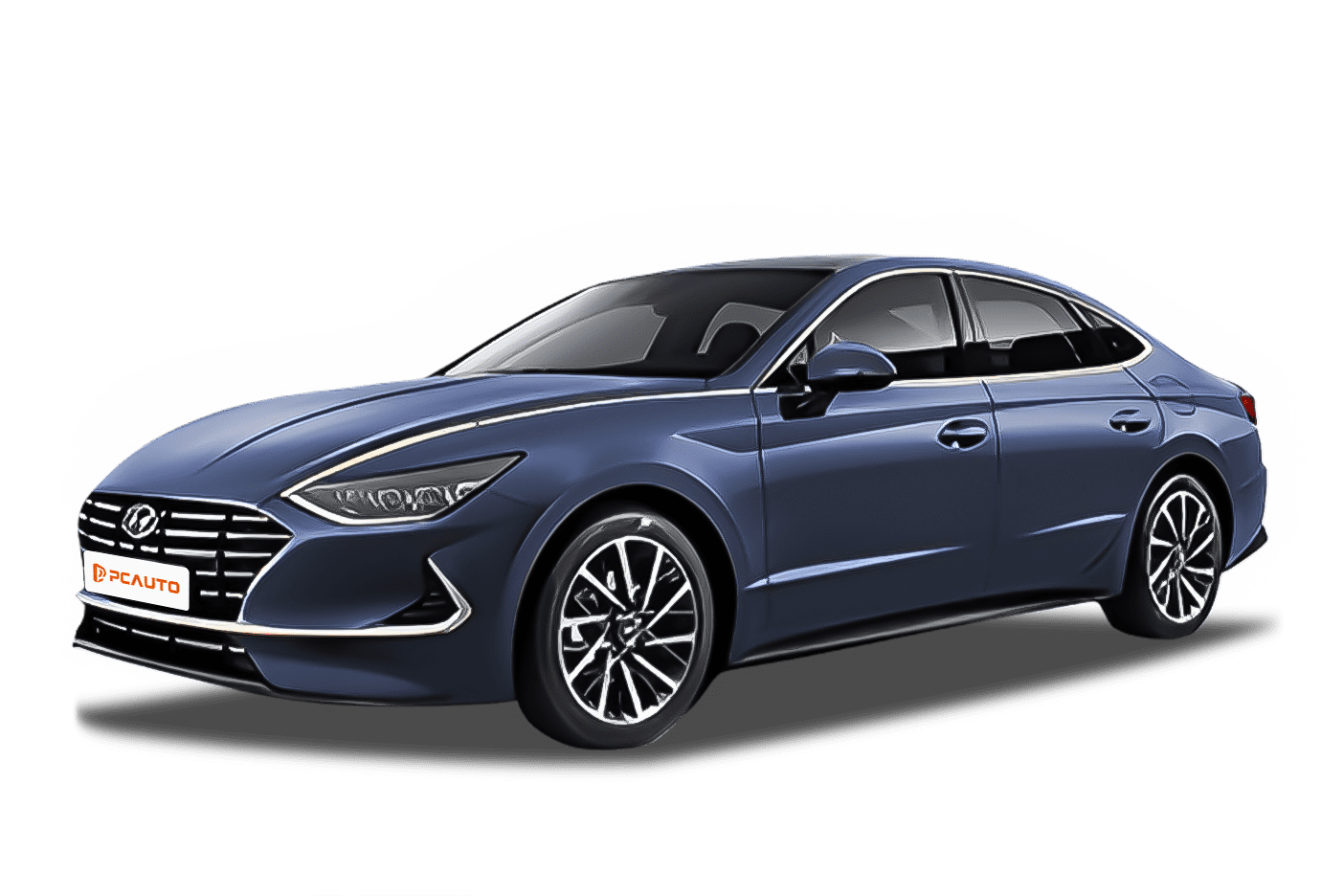
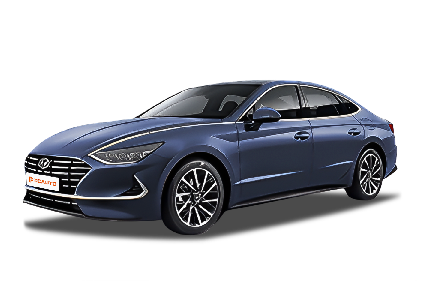
2024 Hyundai Sonata public is positioned as a D-Segment family and business sedan, combining dynamic design, practical configurations, and spacious space, balancing power and fuel consumption, safe and reliable.
23
Rank in Sedan
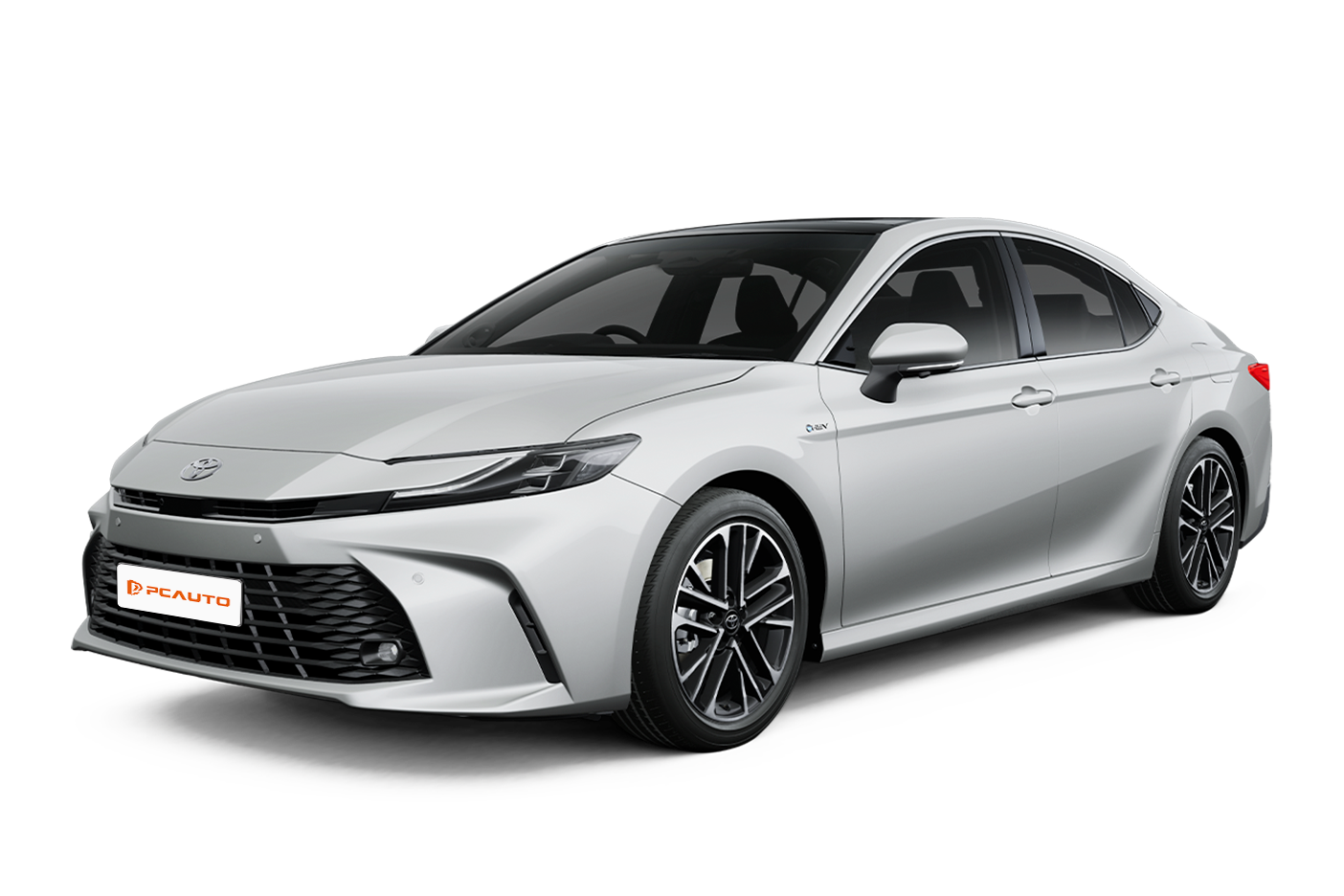
2025 Toyota Camry 2.5 V features an extended body, upgraded large-screen interior to enhance household comfort, 2.5L+8AT smooth power with more comprehensive intelligent driving, precisely meeting the reliable household needs of the D-segment.