

2019 BMW 1 Series 118i M Sport Review

 Share
Share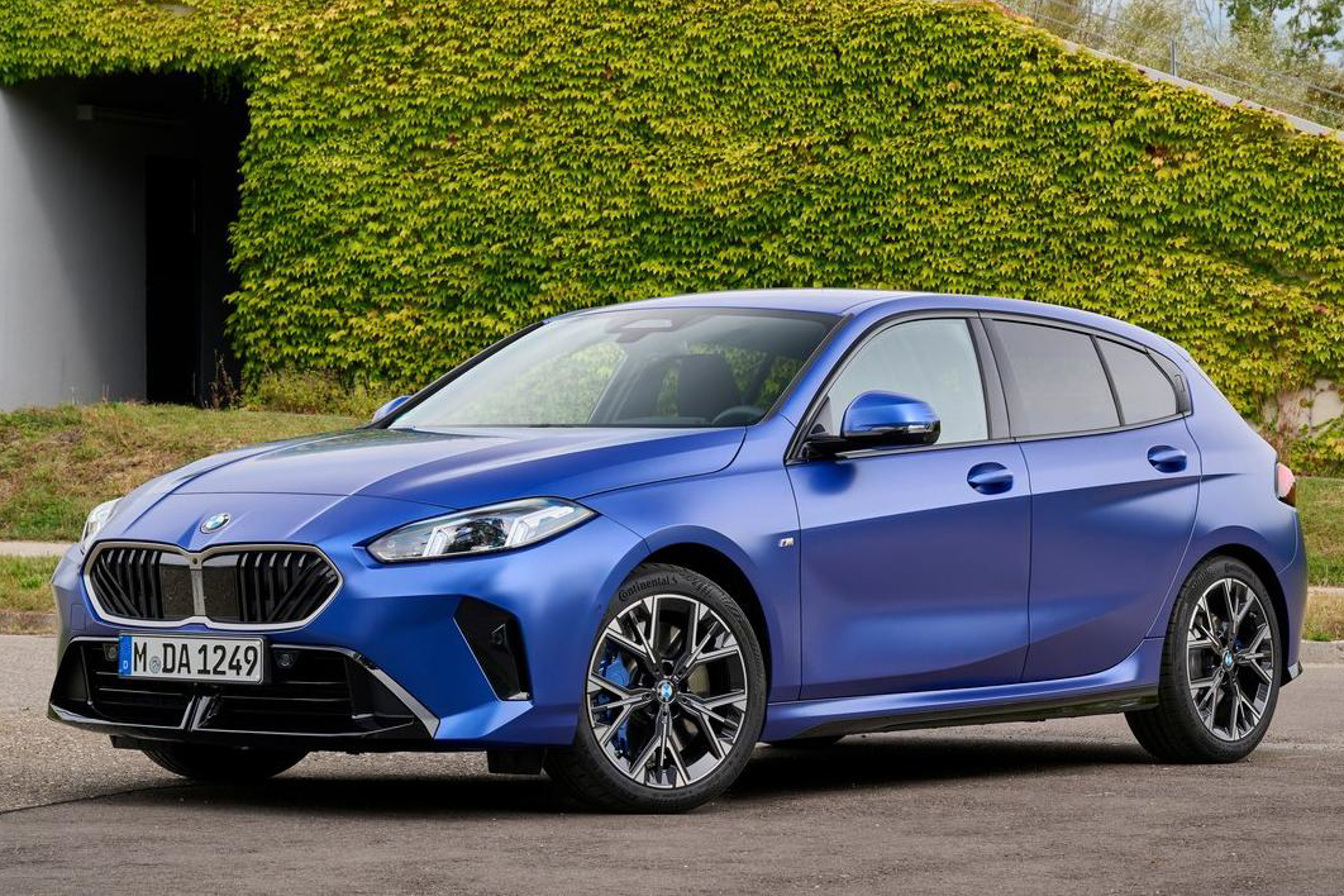
 Segment
 Body Type
 Capacity(L)
 Engine Power(PS)
 Engine Torque(Nm)
 Transmission
In recent years, the competition in the C-segment sedan market in Malaysia has become increasingly intense. Consumers are pursuing a balance between brand quality, daily practicality, and driving pleasure—the 2019 BMW 1 Series 118i M Sport is a model that targets this demand. As a popular configuration of BMW's compact car series, it not only carries the sporty genes of the M Sport package but also leans towards family needs in terms of configuration and space. In this test drive, we are focusing on verifying: Does its sporty nature go beyond surface-level appearances? Can the 1.5T three-cylinder engine meet daily usage needs? And compared to competitors in the same price range, what exactly is its core advantage?
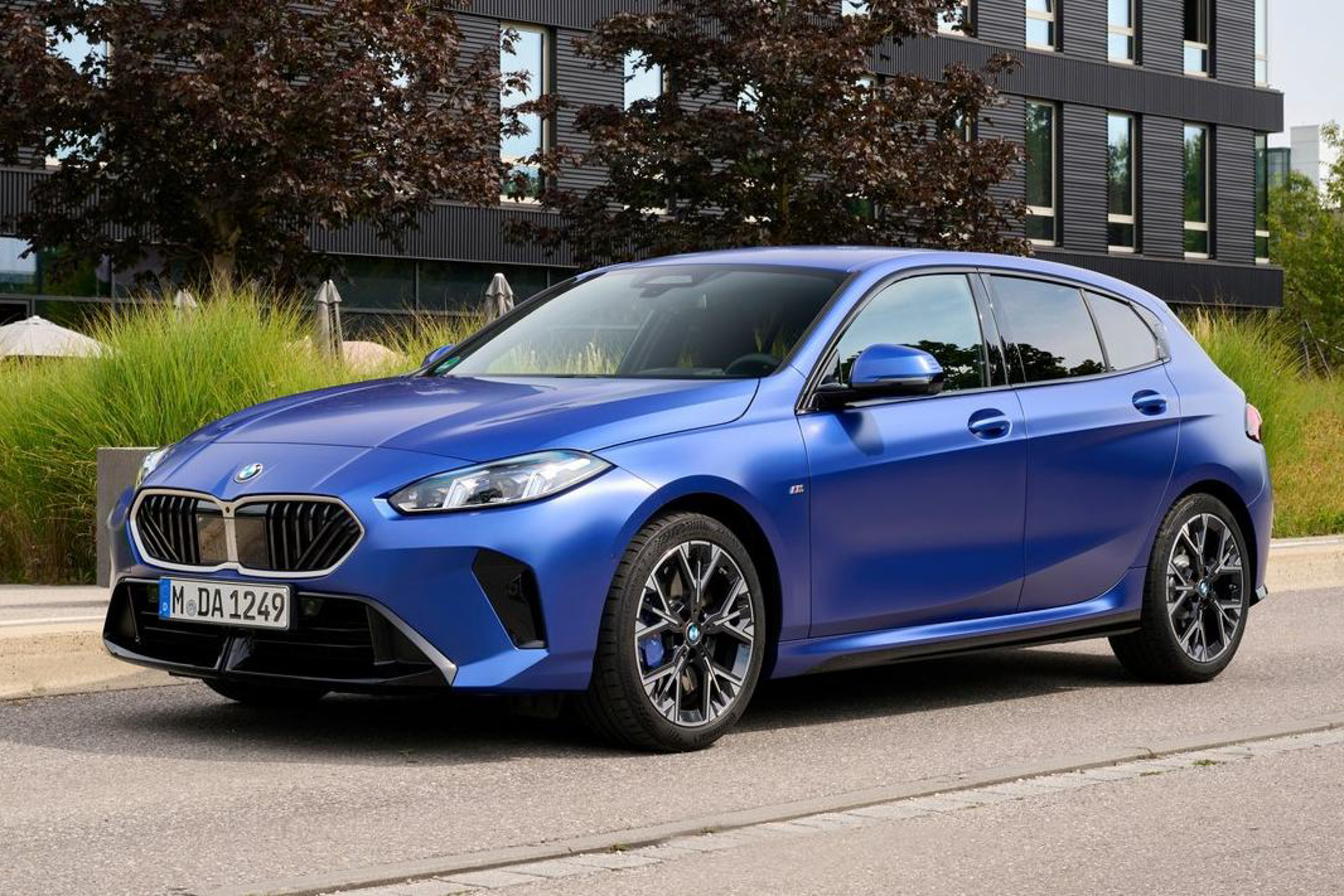
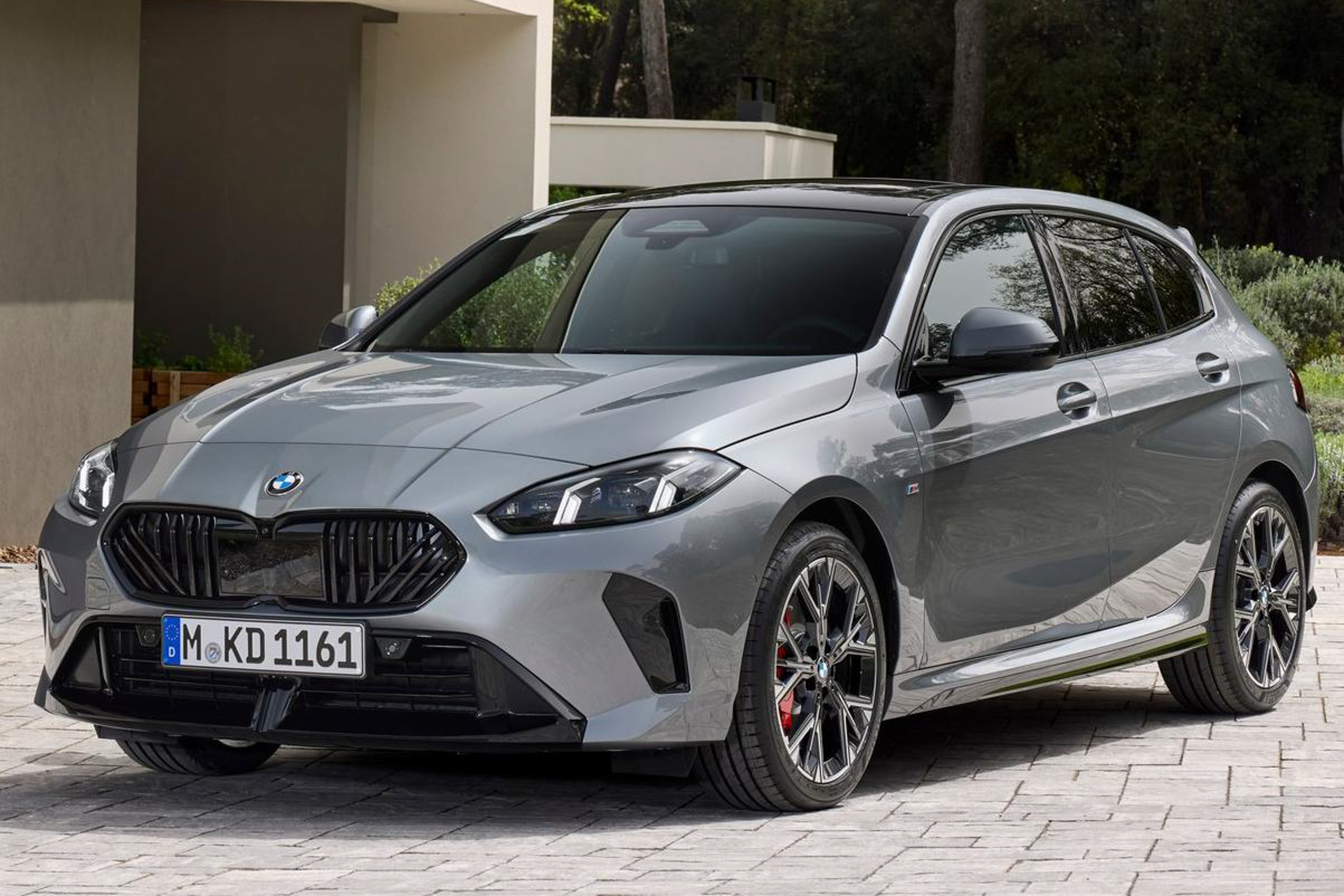
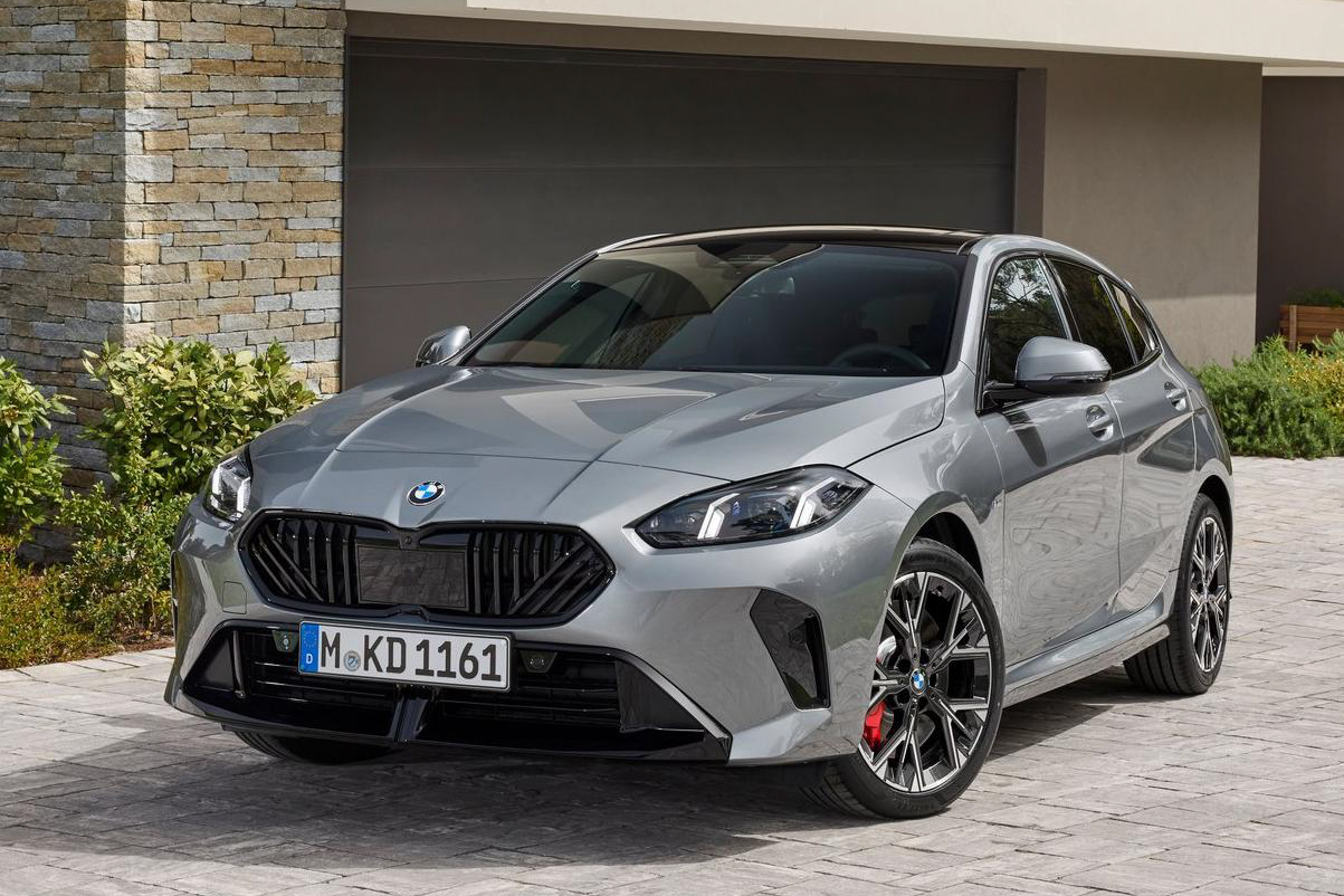
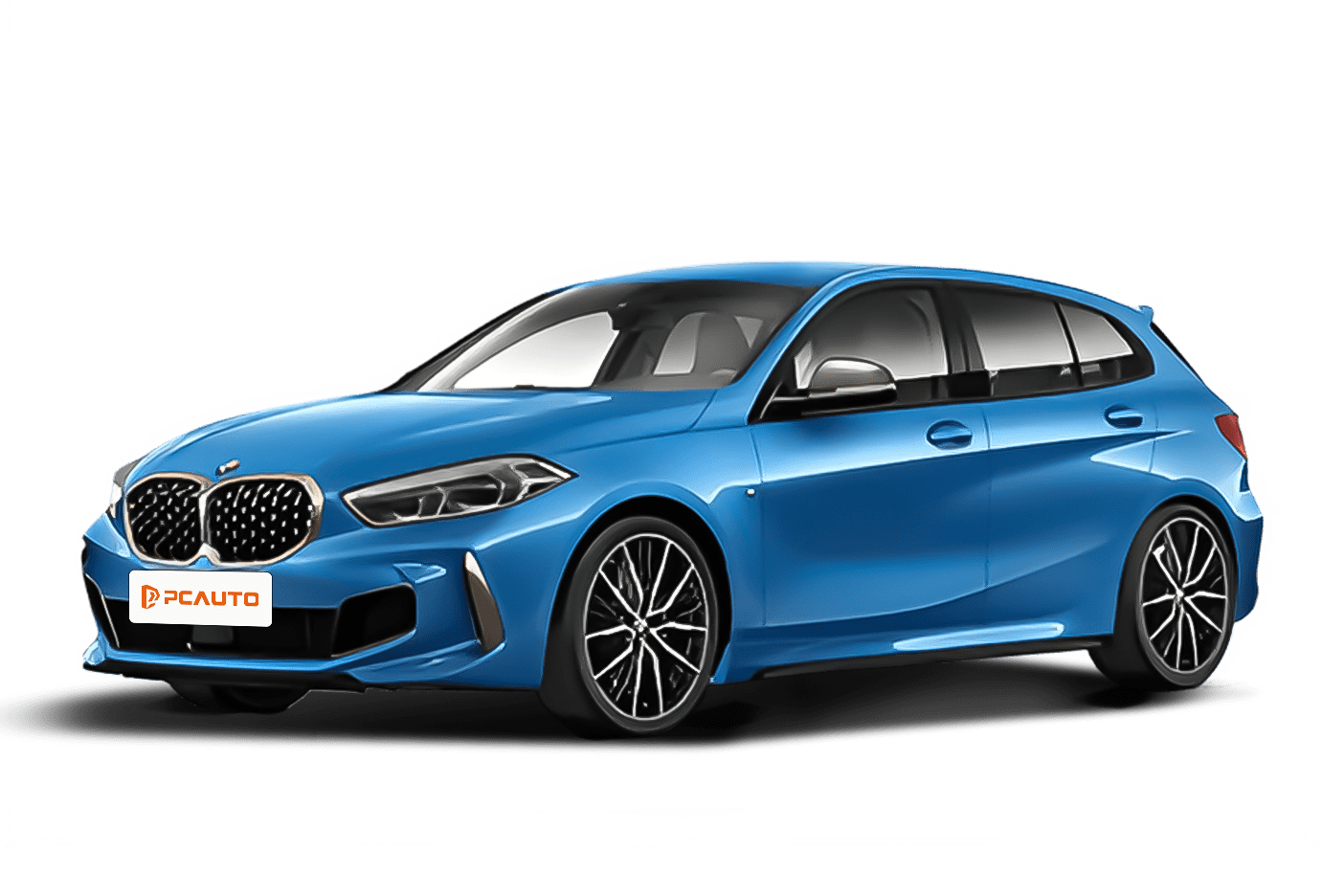
From a distance, the overall silhouette of the 118i M Sport retains BMW's classic rear-wheel-drive sedan proportions, with sleek lines and a slightly swooping stance. The most noticeable feature at the front is the large-sized kidney grille, paired with the M Sport-exclusive front bumper—the aerodynamic kits and black accents on both sides make the front look more aggressive than the standard version. On the sides, the 18-inch dual-tone alloy wheels (front 225/40R18, rear 245/35R18) and the short front overhang design emphasize a sporty stance, with the rising waistline forming BMW's signature "Hofmeister kink" toward the rear. At the rear, the LED taillights feature an L-shaped light strip design, making them highly recognizable when illuminated at night. The dual exhaust outlets on both sides and the diffuser design at the bottom further emphasize the M Sport’s sporty orientation. The entire lighting system uses LEDs, including the front fog lights, ensuring stable illumination while meeting current configuration demands.
Opening the door, the interior exhibits a typical "driver-oriented" design: the center console is tilted about 15 degrees towards the driver, and the frequently used buttons are within easy reach. In terms of materials, the seats are upholstered in a mix of leather and Alcantara, while the door panels and center console areas are covered with soft-touch plastic, accented by silver trim, giving it an above-average sense of quality among its class. The instrument panel features traditional illuminated analog displays; while it lacks the technological feel of a fully digital screen, the data is clearly displayed, and the red needles on the tachometer and speedometer add a sporty touch. The center screen is of moderate size and is equipped with BMW's iDrive system, which has a clear operating logic; however, compared to newer models, it lacks touch functionality and requires control via a knob. In terms of features, the front seats are electrically adjustable with a memory function, offering good support. The dual-zone automatic climate control allows independent adjustment for the driver and front passenger, and there are rear air vents for convenience. The 220V power outlet and six-speaker audio system can meet the power and entertainment needs of family users.
As for space, as a C-segment sedan, the 118i's wheelbase is not particularly standout, but the actual seating space is adequate. After adjusting the front seats to a comfortable position, a 175cm tall passenger still has a fist's worth of headroom; the rear legroom offers about two fists, with one fist of headroom, making it suitable for daily commutes or short family trips. The trunk has a capacity of 360L, which is sufficient for holding two 20-inch suitcases along with some miscellaneous items; the rear seats support a 60:40 split-folding configuration, allowing for expanded cargo space when folded down, and it can accommodate longer items when needed. In terms of storage details, the door panel storage slots, central armrest box, and front cupholders are all quite practical, providing places to store small items neatly.
In terms of power, the 118i is equipped with a 1.5T three-cylinder turbocharged engine, delivering a maximum power of 138PS/4400rpm and a peak torque of 220N·m (estimated, based on common 1.5T parameters)/1250rpm, paired with a 7-speed dual-clutch transmission. During actual driving, the low torque performance is quite good; maximum torque is available at just 1250rpm, making the power response agile during starts and low-speed following, without noticeable lag. Switching to Sport mode enhances throttle sensitivity and delays gear shifts. Although the pushback feeling during acceleration is not particularly strong, when you step on the accelerator deeply for overtaking, the power delivery remains linear. Even when accelerating further at 120km/h on highways, some reserve power is still available. However, the vibration issue of the three-cylinder engine does exist – you can feel slight vibrations on the steering wheel and seats when idling, but it mostly disappears during driving, so it has little impact on daily use.
Handling is BMW's strong suit, and the 118i is no exception. The steering wheel is precise with minimal play, and the feedback strength increases with speed. While cornering, you can clearly feel the road surface information. The suspension system, likely adopting a front MacPherson and rear multi-link setup (based on a rear-wheel-drive platform), is tuned on the firmer side. Although vibrations from passing over speed bumps or uneven roads aren't entirely filtered out, the firm setup provides strong support—body roll is well-controlled during cornering, and the car feels very stable during high-speed lane changes. The brake system consists of front and rear ventilated discs. The brake pedal offers linear feedback, with neither a soft initial feel nor lacking force in deeper pressing stages, ensuring confidence during daily driving.
In terms of fuel consumption, we drove about 50 km each in urban congested roads and highways, with an average fuel consumption of about 6.2L/100km, slightly higher than the official figure of 5.1L/100 km. However, considering frequent use of Sport mode during the test drive, this performance is reasonable among similarly equipped turbocharged models in the same segment. Noise control is decent; the engine noise at low speeds is not very noticeable, but tire and wind noise becomes slightly audible at high speeds. However, overall, the noise level is within an acceptable range and doesn’t interfere with conversations inside the cabin. The seats offer good support, making long drives less tiring. However, the rear seat cushioning is somewhat firm, leading to less comfort for rear passengers on long journeys compared to the front seats.
Overall, the core strength of the 2019 BMW 118i M Sport lies in its "balance": the M Sport package adds a sufficiently sporty exterior, BMW's handling DNA ensures driving pleasure, and the space and features meet family needs. Compared to the Mercedes-Benz A-Class (imported version) at the same price point, it offers a more impressive driving feel; compared to the Audi A3, it boasts a more distinct brand appeal and sportier attributes. However, the slight vibration of the three-cylinder engine and the lack of a fully digital instrument cluster are its minor drawbacks.
This car is suitable for two types of people: first, young consumers who value brand image and driving pleasure—it offers prestige for daily commutes and can fulfill the occasional need for some excitement on mountain roads during weekends; second, families looking for balance—it provides adequate space, practical features, and BMW's reliability, which is reassuring. If you don't mind the slight vibration of the three-cylinder engine and want a luxury compact car that can handle both grocery runs and occasional spirited driving, the 118i M Sport is worth considering.
Overall, the 2019 BMW 118i M Sport is a compact car with "no obvious shortcomings." It appeals to young users with its sporty genes and brand quality, while meeting family needs with practical features and space. It is a choice in the C-Segment market that balances passion and practicality.
BMW 1 Series Car Compare
BMW 1 Series Loan Calculator
More BMW Reviews
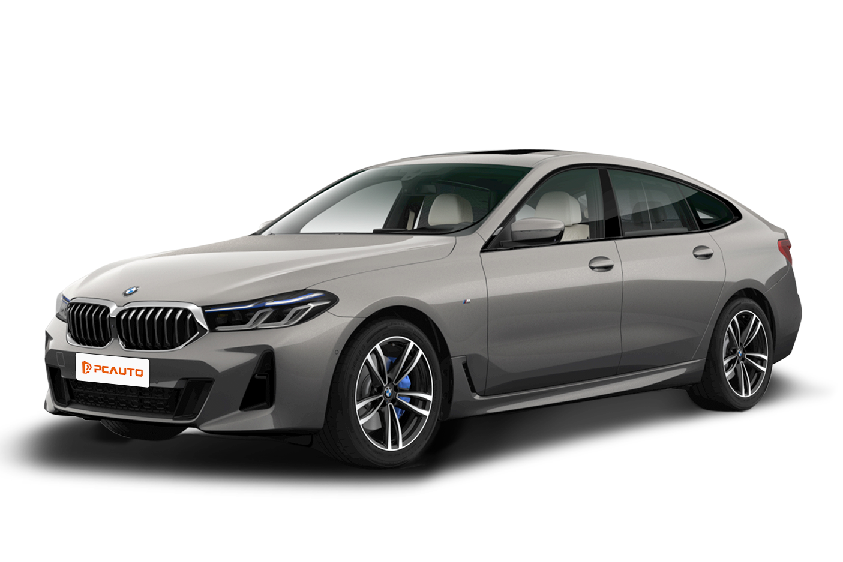
Cars With Similar Price And Features
5
Rank in Hatchback
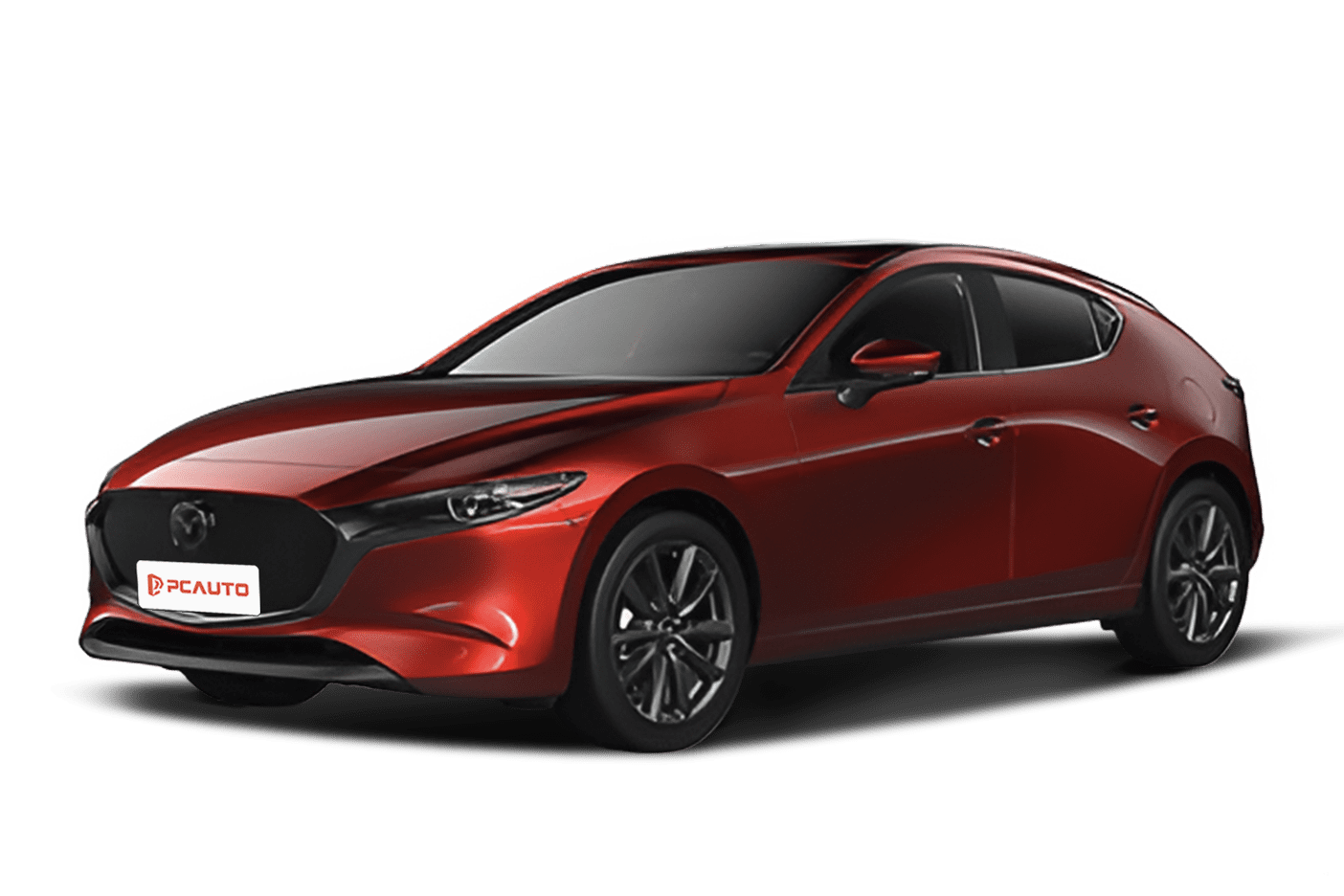
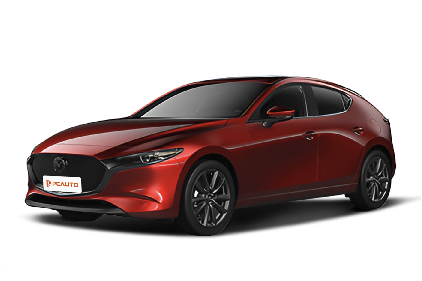
2025 Mazda 3 Hatchback 1.5 L highlights its KODO design, balancing fuel efficiency and practicality. Despite being an entry-level model, it retains core safety features, making it suitable for family users who value design and daily commuting.
6
Rank in Hatchback
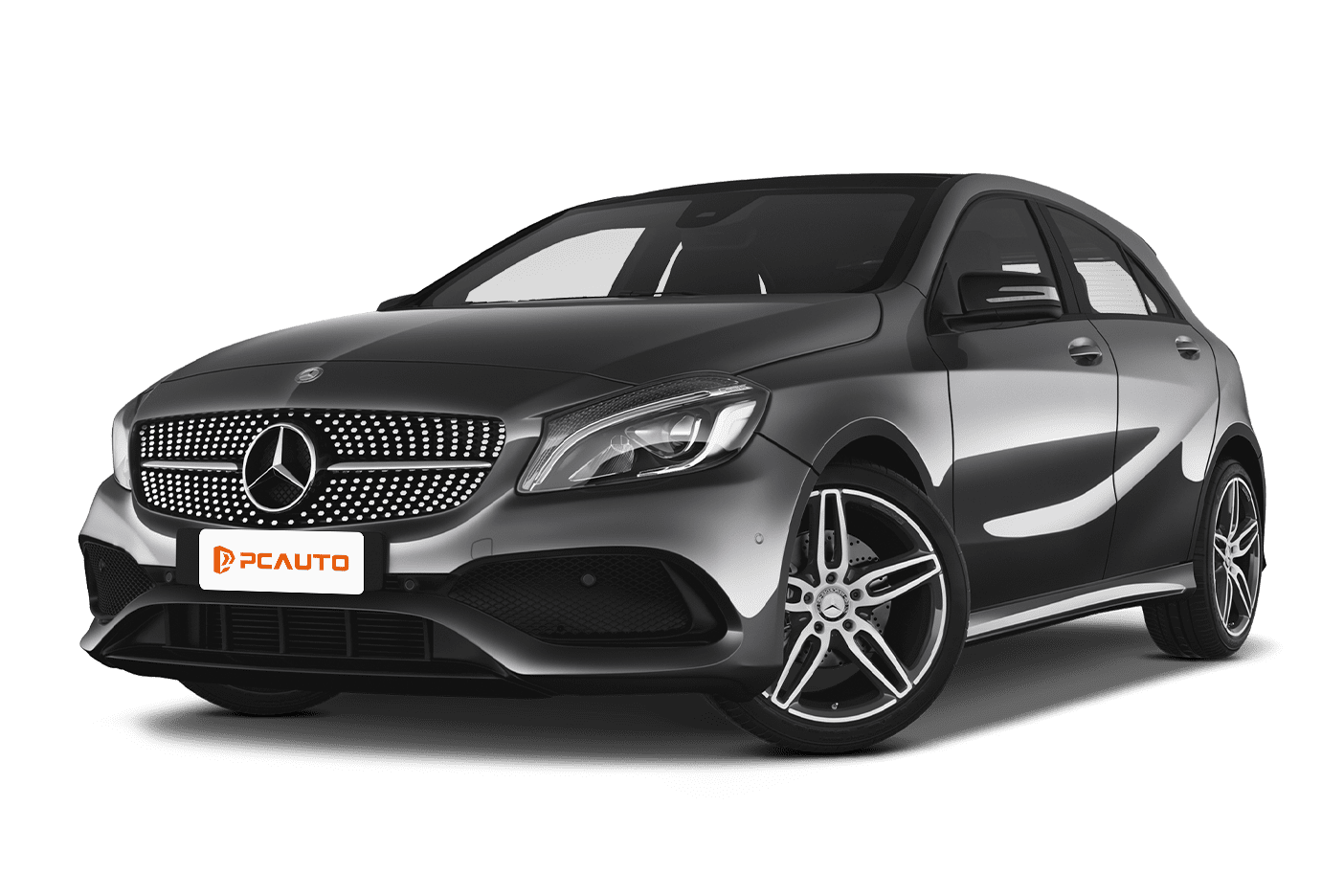
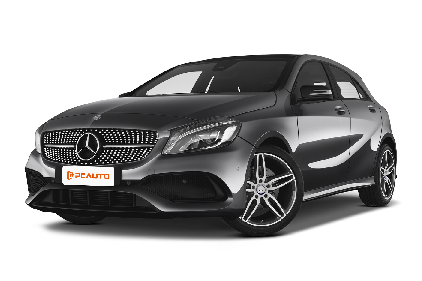
2018 Mercedes-Benz A-Class A200 Progressive Line offers luxurious features such as dual screens at an entry-level price, balanced space, and smooth power, making it a textured choice favored by young families and professionals.

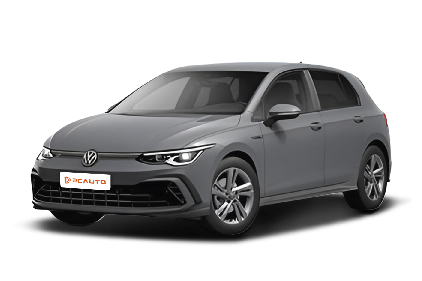
2024 Volkswagen Golf GTI Edition 50, as the anniversary model of the classic performance hatchback, features an upgraded Harman Kardon sound system, a fully digital instrument cluster, and a powerful 2.0T engine, combining driving pleasure with family practicality.