

Mazda 3 Hatchback Review

 Share
Share/Exterior/001.jpg)
/Exterior/002.jpg)
/Exterior/003.jpg)
/Exterior/004.jpg)
 Body Type
 Capacity(L)
 Engine Power(PS)
 Transmission
 Driven Wheels
 Segment
The C-segment hatchback market has always been a focus for Malaysian consumers, as it needs to balance daily commuting economy with design and practicality—this is exactly the niche the 2025 Mazda 3 Hatchback 1.5 L aims to fill. Positioned as the entry-level engine option of the series, it carries forward the signature Kodo design language while entering the market with a more approachable positioning. In this test drive, we focus on verifying: Can the small displacement engine handle daily use? Does the configuration retain Mazda's core advantages? Is the space suitable for family users?
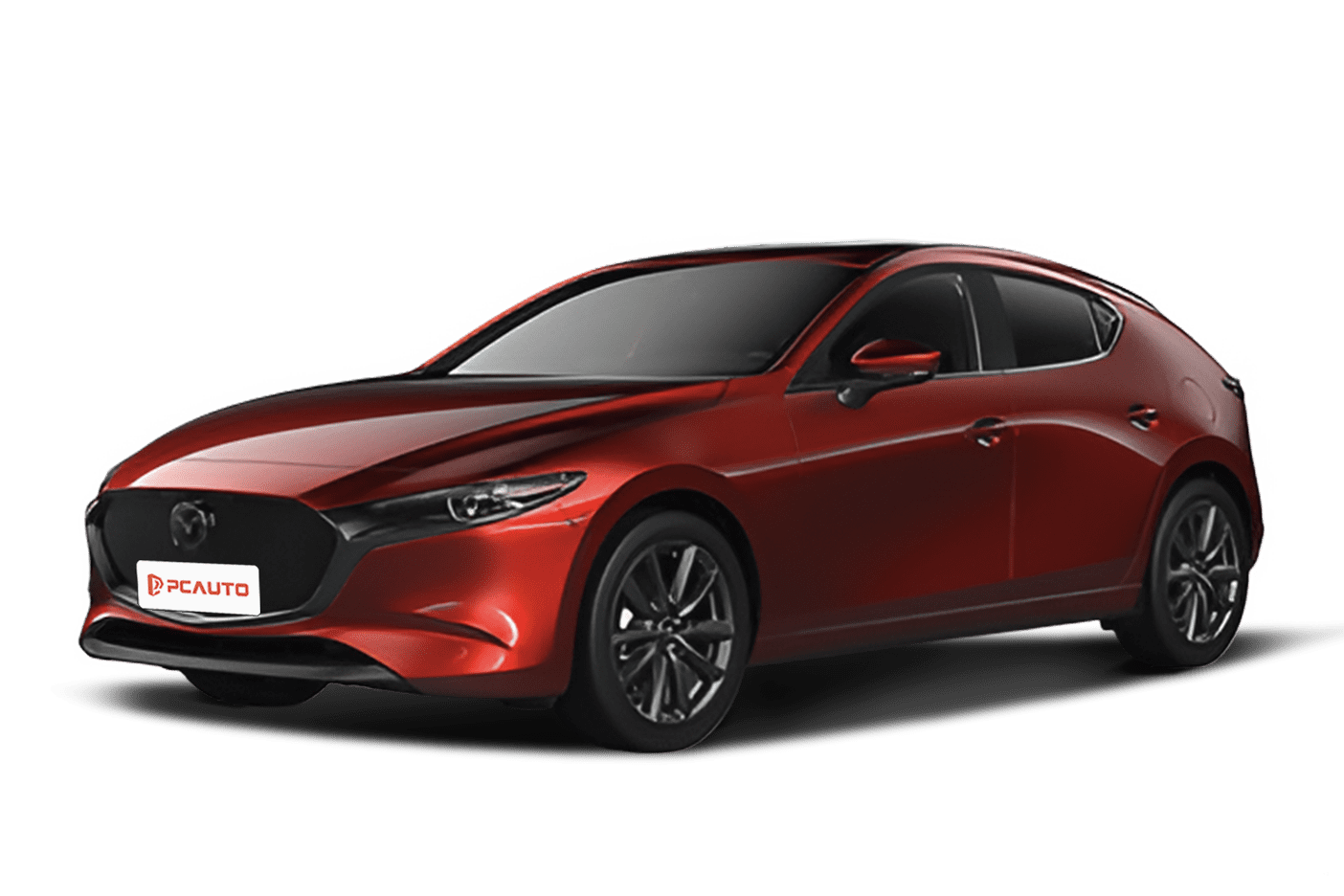
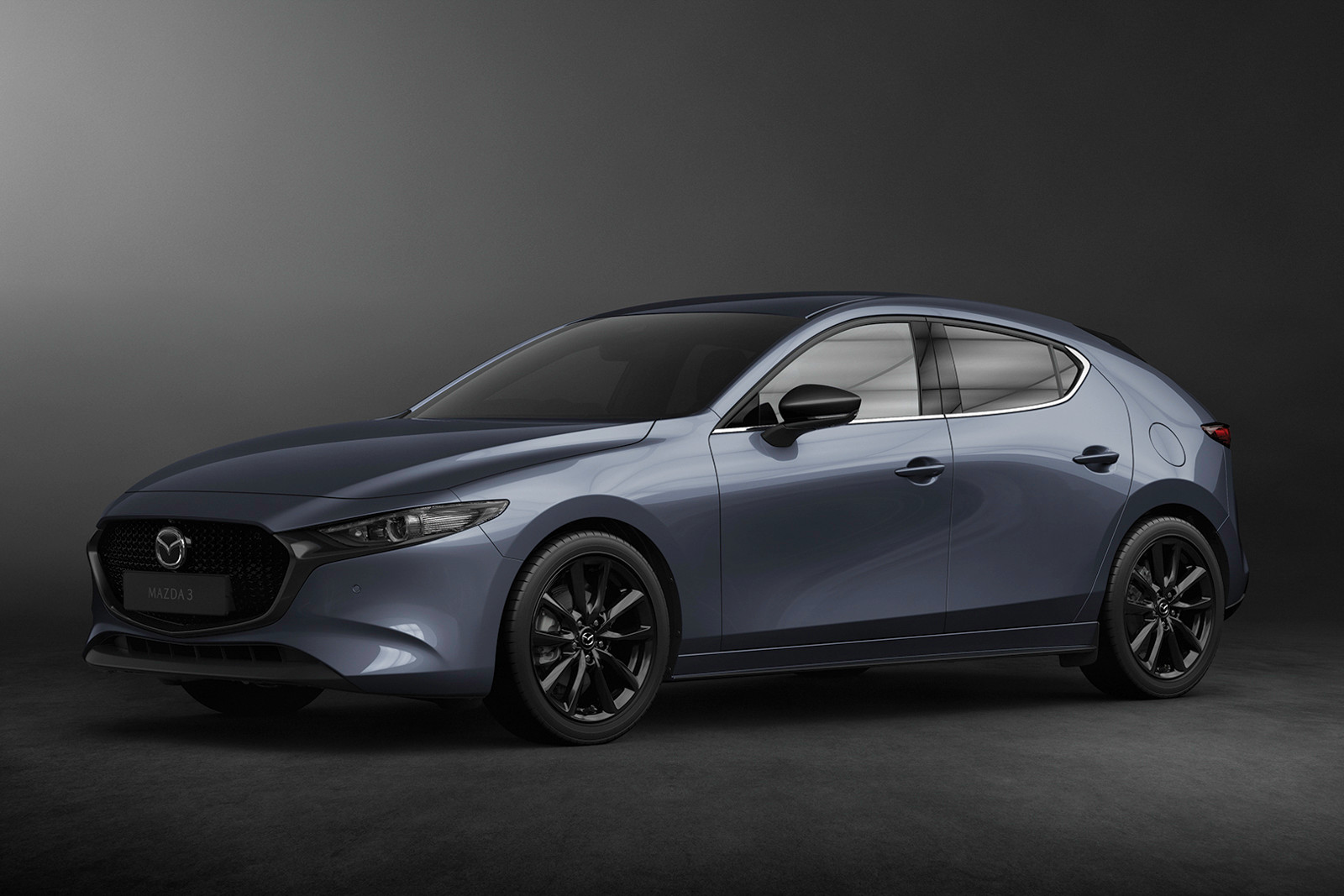
From the exterior, the 2025 Mazda 3 Hatchback 1.5 L continues the previous generation’s Kodo 2.0 design language, featuring smooth lines with a sense of tension. The front fascia still sports a large shield-shaped grille, complemented by chrome accents and elongated LED headlamp assemblies on both sides, providing high recognizability. The headlamp cluster integrates daytime running lights, sharp in visual effect when illuminated. The side profile maintains the characteristic fastback design of hatchbacks, with a waistline flowing from the front fender through to the tail lamp. Paired with 16-inch multi-spoke aluminum alloy wheels (based on the 2022 1.5L model), the proportions appear balanced. At the rear, the LED taillights are treated with a smoked finish, echoing the front headlights, while the diffuser-like design of the rear bumper adds a touch of sportiness. The overall design avoids excessive complexity but showcases Mazda's attention to detail through its nuances.
Upon opening the door, the interior layout remains largely consistent with the 2023 2.0L model, featuring a symmetrical dashboard design. Materials mainly consist of soft-touch molded plastic, with some areas adorned with stitching accents, providing a tactile feel befitting this segment. At the center of the dashboard is an 8.8-inch floating touchscreen, supporting both Apple CarPlay and Android Auto, with a straightforward operating logic. The instrument cluster consists of a 7-inch digital display, providing core information like speed, RPM, and fuel consumption, with a traditional analog RPM gauge retained on the left. The multifunction steering wheel is wrapped in leather, offering a comfortable grip, with volume control and call-handling buttons on the left, while the right side houses driving assistance system controls. For the seats, the front row features fabric or faux-leather upholstery (specific trims depending on launch configuration, based on reference to the 2022 1.5L, which has manual adjustments), offering moderate support. The rear seats come with three headrests and support a 60:40 split fold, enabling the expansion of trunk space.
In terms of space, the vehicle's length, width, and height are expected to remain consistent with the current model (4460/1795/1435mm), with a wheelbase of 2725mm. After adjusting the driver’s seat to an appropriate position, a passenger standing 175cm tall has approximately one fist of headroom. The rear seating space is average, with the same height passenger having about two fists of legroom, though headroom is slightly constrained due to the sloping roofline, leaving just about four fingers. For storage capacity, the central armrest box and door pockets in the front row are moderate in size, accommodating phones, water bottles, and other daily items. The trunk has a standard capacity of 295L, which can be expanded by folding down the rear seats, sufficient for storing luggage for short trips. In terms of equipment, the car is equipped with 7 airbags, vehicle stability control, lane departure warning, automatic emergency braking, and other safety features, consistent with higher trims. For comfort, it comes standard with keyless entry, push-button start, automatic climate control (reference to the 2022 1.5L with manual A/C, though potential upgrades for the 2025 model are not ruled out), and rear air conditioning vents, covering basic daily needs.
Powertrain: The 2025 Mazda 3 Hatchback 1.5L is equipped with a 1.5L naturally aspirated engine, delivering a maximum power output of 87kW (118PS) and a peak torque of 153N·m, paired with a 6-speed automatic transmission and a front-engine, front-wheel-drive layout. In actual driving, the power delivery during startup is smooth without noticeable lag; light throttle input effectively handles city traffic conditions. During mid-range acceleration, the engine releases maximum torque at around 4000rpm. For overtaking, you’ll need to press the accelerator deeply, and the transmission downshifts promptly, offering quick power response. However, as it’s a small displacement engine, high-speed acceleration is limited, and it feels slightly underpowered past 120km/h. The driving modes include Normal and Sport. In Sport mode, the transmission delays gear changes, keeps the RPM in a higher range, and provides a more aggressive power output.
Handling and chassis performance carry on Mazda’s sporty genes, with precise steering, minimal dead zone, and moderate feedback force. Stability at high speeds is commendable. The front MacPherson independent suspension is tuned on the firmer side, controlling body roll well during cornering, giving drivers ample confidence. On urban roads, speed bumps or minor uneven surfaces are effectively dampened by the suspension, but larger potholes can cause noticeable jolts for rear passengers. In terms of braking, the front and rear ventilated disc brakes respond sensitively, providing linear braking force and sufficient safety for everyday driving.
In fuel consumption tests, we drove 150km under a mix of urban traffic conditions (about 40%) and highway conditions (about 60%), with a displayed fuel consumption of approximately 6.2L/100km, close to the official figure of 5.9L/100km. The fuel economy performance is as expected. Regarding noise control, the engine noise at idle is relatively low. At speeds below 80km/h, wind and tire noise are not prominent. However, wind noise becomes increasingly noticeable at speeds exceeding 100km/h, yet it remains within an acceptable range. As for seat comfort, the front seats provide good support, making prolonged drives less tiring, whereas the rear seat cushions feel slightly firm, offering average comfort for long journeys.
In summary, the 2025 Mazda 3 Hatchback 1.5L’s core strengths lie in retaining the brand’s signature design language and driving dynamics, comprehensive safety features, and outstanding fuel economy. Compared with competitors in the same class, such as the Toyota Corolla Hatchback 1.8L, the Mazda 3 stands out more in design and handling. Although its power output is slightly weaker than that of the Honda Civic Hatchback 1.5T, its price is expected to be more competitive.
This car is suitable for two types of buyers: first, families who prioritize fuel efficiency and safety features, as it caters well to daily commutes and weekend getaways; second, young consumers who are drawn to the hatchback design and sporty handling, as its entry-level price allows them to easily experience Mazda’s design and driving appeal.
Overall, the 2025 Mazda 3 Hatchback 1.5L is a well-balanced C-segment hatchback. While it doesn’t have particularly standout weaknesses, it delivers satisfying performance in design, safety, and fuel efficiency. If you’re looking for a practical daily commuter that balances aesthetics, driving dynamics, and functionality, it’s worth considering.
Mazda 3 Hatchback Car Compare
Mazda 3 Hatchback Loan Calculator
More Mazda Reviews
Cars With Similar Price And Features
6
Rank in Hatchback
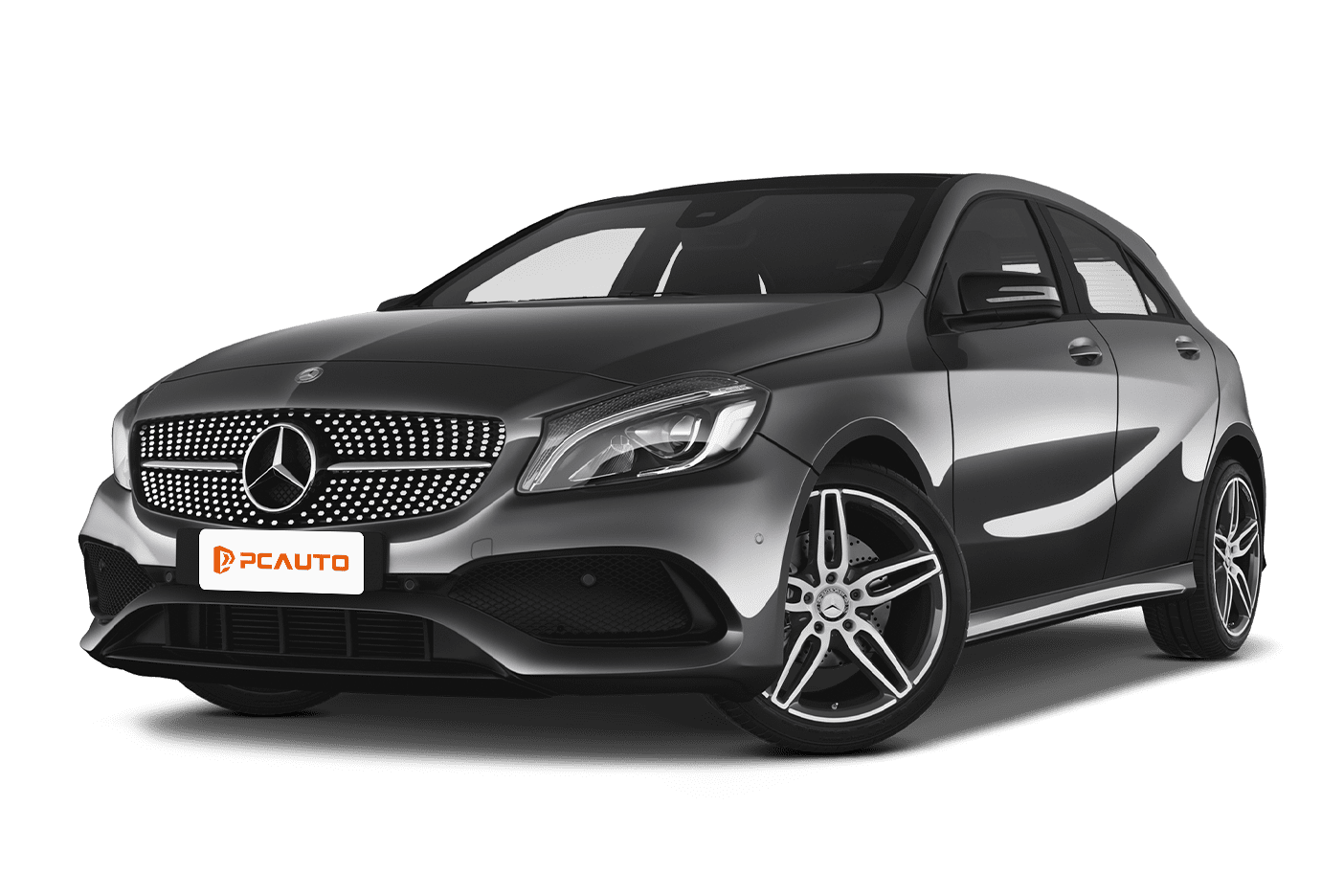
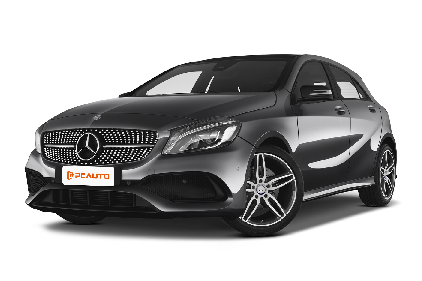
2018 Mercedes-Benz A-Class A200 Progressive Line offers luxurious features such as dual screens at an entry-level price, balanced space, and smooth power, making it a textured choice favored by young families and professionals.

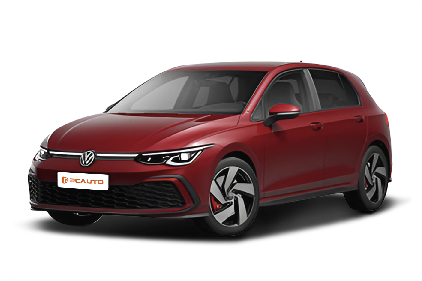
2024 Volkswagen Golf GTI Edition 50, as the anniversary model of the classic performance hatchback, features an upgraded Harman Kardon sound system, a fully digital instrument cluster, and a powerful 2.0T engine, combining driving pleasure with family practicality.
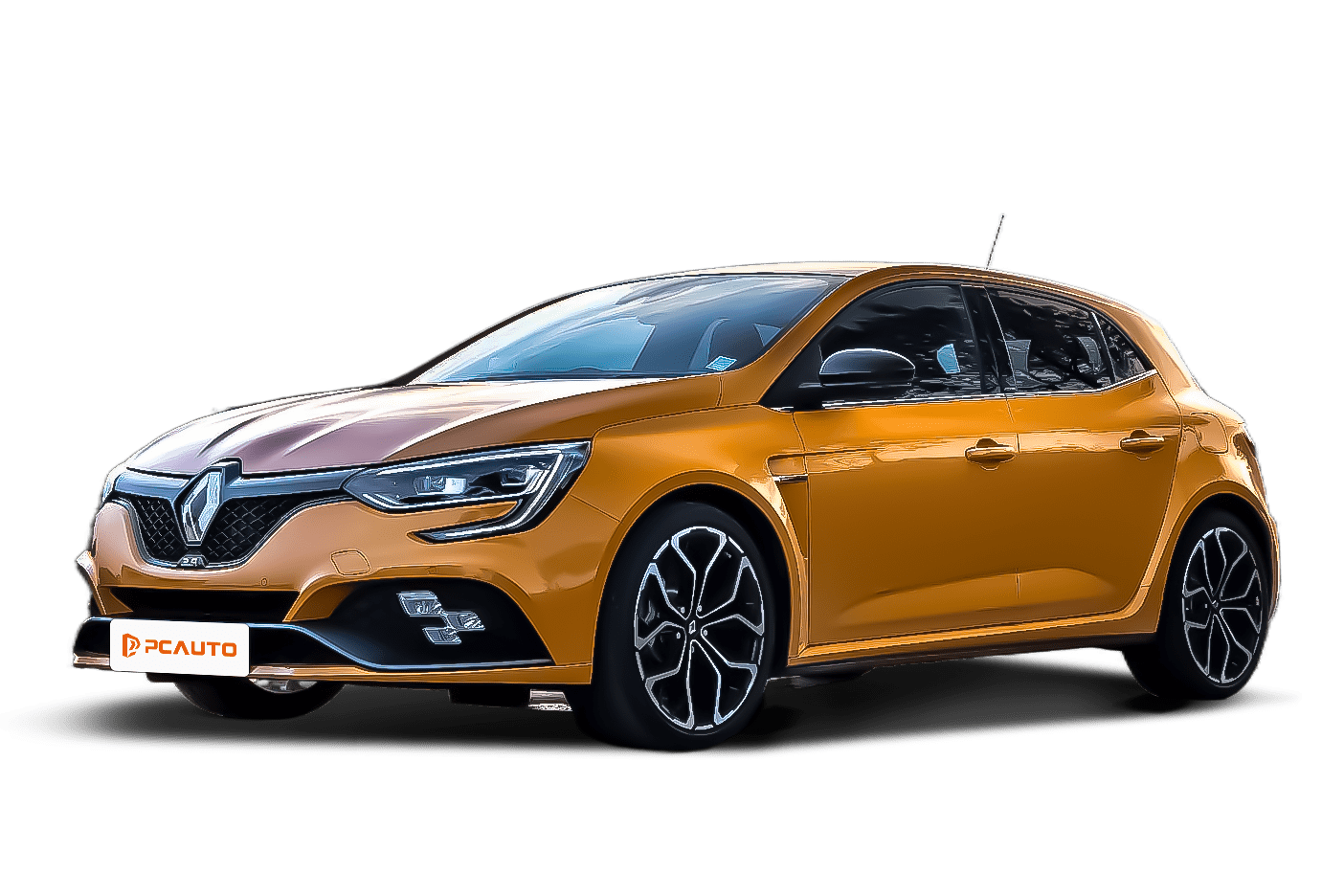
2019 Renault Megane RS 280 Cup MT is a C-segment performance hatchback equipped with a 280PS 1.8T engine + 6-speed manual transmission, featuring high handling limits and designed for enthusiasts seeking pure driving pleasure.