

2019 Mercedes-Benz AMG GT R Review

 Share
Share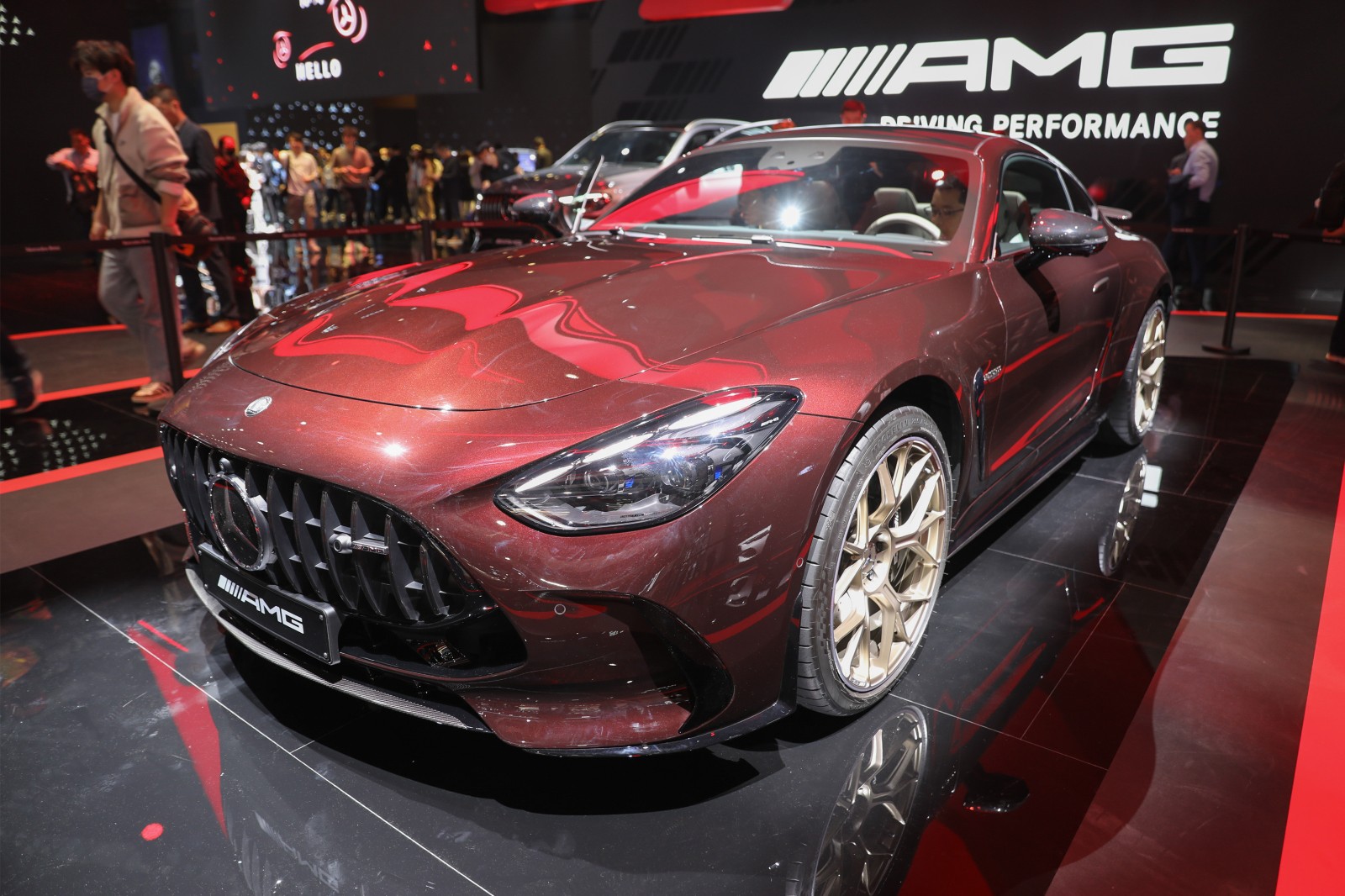

 Segment
 Body Type
 Capacity(L)
 Engine Power(PS)
 Transmission
 Engine Torque(Nm)
The recent sports car market has seen a wave of performance upgrades, with major brands focusing on 4.0T twin-turbo powertrains. However, most models either compromise on features or are priced prohibitively high. The 2019 Mercedes-Benz AMG GT R, as the brand's performance flagship, enters the spotlight with its 593 horsepower and 3.6-second 0-100 km/h acceleration. Many car enthusiasts are curious whether it can balance track performance with daily practicality. In this test, we will focus on verifying its dynamic limits and configuration rationality to see if a million-level sports car can truly be "versatile."
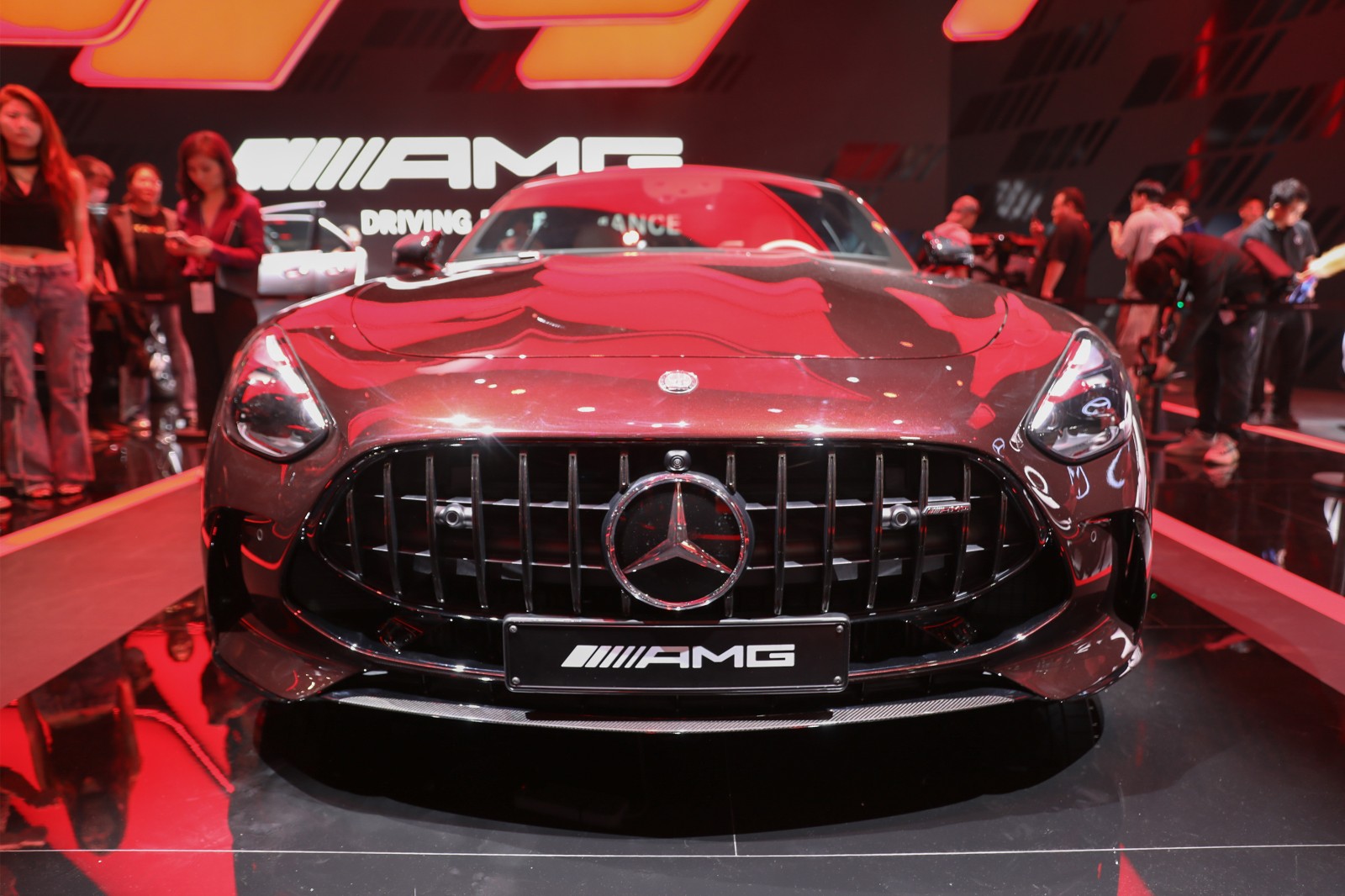
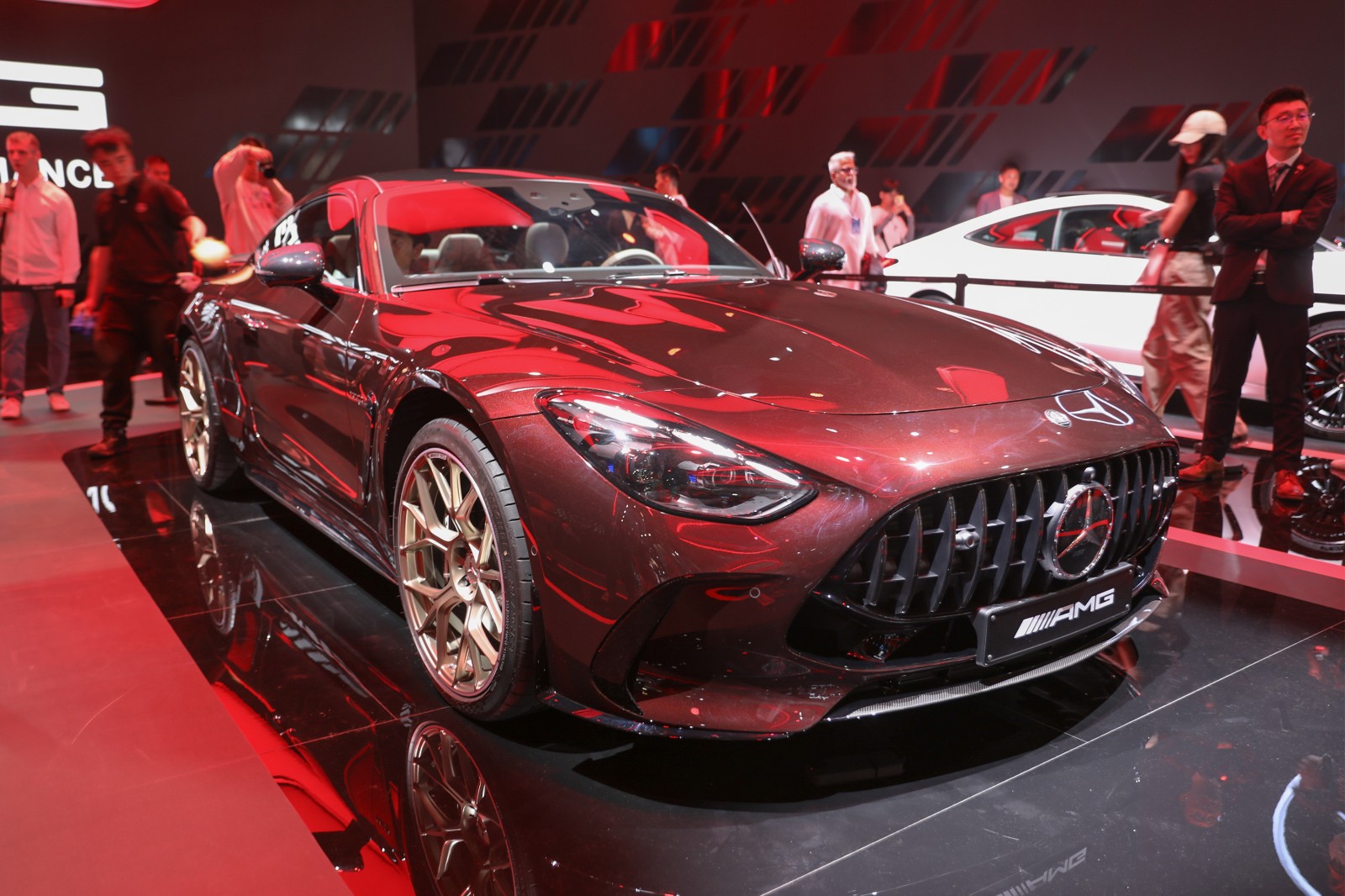
From a distance, the AMG GT R's low-slung posture exudes aggression. The 2075mm-wide body is 15mm wider than the standard AMG GT, paired with carbon fiber materials on the front lip and side skirts, highlighting its racing DNA. The iconic "vertical slat" grille on the front has been given a blacked-out treatment, and the internal structure of the LED headlamp units on both sides has been adjusted, giving the DRLs high recognition when lit. On the side, the ventilation openings on the front fenders are enlarged, and the 20-inch matte black wheels are paired with Pirelli P Zero Corsa tires, with rear wheels 295mm wide, showcasing visible road grip. At the rear, the fixed carbon fiber wing is the main highlight, providing better stability compared to electric spoilers, while the quad-exhaust layout retains AMG's tradition.
Stepping into the cockpit, the interior strikes a good balance between sportiness and luxury. The center console is wrapped in a large area of Alcantara material, and the steering wheel has a flat-bottom design with perforated leather on both sides that feels comfortable to hold. There is a red marker at the 12 o’clock position, aiding in maintaining directional accuracy during track driving. The centrally mounted screen measures 8 inches, running the MBUX system, supporting CarPlay and Android Auto with smooth operation. In terms of features, keyless entry, one-touch start, and heated seats come standard. For safety, lane-keeping assist, lane-departure warning, and active braking are all included, providing peace of mind for daily driving. Worth mentioning, the seats offer strong support, with adjustable lumbar and thigh support, making long drives less tiring.
Regarding space, as a two-door sports car, the AMG GT R offers just enough room for occupants. Passengers 175cm tall sitting inside have three fingers of headroom left, and legroom is not cramped. Storage space is limited; the center console box only fits a phone and wallet, but the 285L trunk can hold two carry-on suitcases, which is sufficient for short trips.
In the power department, the 4.0T V8 twin-turbo engine delivers a maximum output of 593 horsepower and 700 Nm of peak torque, paired with a 7-speed dual-clutch transmission. Switching to Sport+ mode, the throttle response becomes very instantaneous, with slight rear wheel slippage at launch. The 3.6-second 0-100 km/h acceleration feels direct, with the pushback sensation extending beyond 6000 rpm. The transmission shifts quickly, and the rev-matching sound during downshifts is pleasing. For daily driving, the Comfort mode smoothens power delivery, making it suitable for urban commutes.
As for handling, the AMG GT R's steering precision is exceptionally high, with almost no dead zone felt in the steering wheel. During cornering, road feedback is clearly communicated. The chassis uses a front double-wishbone and rear multi-link suspension setup. Although the suspension is tuned on the firmer side, it surprisingly absorbs small bumps well during city driving. On mountain roads, body roll is effectively controlled, and the 295mm rear tires provide excellent grip, allowing for high cornering limits. However, the suspension’s rebound over speed bumps is quite noticeable, which is a common trade-off for performance cars.
In terms of fuel consumption, the official combined fuel consumption is 11.4L/100km. In actual tests, urban road consumption is about 15L, and highway consumption can drop to 9L, which is relatively reasonable for a large-displacement sports car. The braking system consists of front 6-piston and rear 4-piston calipers paired with carbon-ceramic brake discs. The 100-0km/h braking distance is 32 meters, showcasing excellent performance.
In terms of noise insulation, wind noise and tire noise are well-controlled during normal driving; however, during hard acceleration, the exhaust sound can be explosive — something that performance car enthusiasts appreciate. The seats offer great support, making long drives less tiring. The only small downside is that the Alcantara material is prone to getting dirty and requires frequent cleaning.
Overall, the core advantages of the 2019 AMG GT R are quite obvious: 593 horsepower provides ample power reserves, its track-level handling is exceptional, and its configuration is richer than that of the Porsche 911 GT3 in the same class, while being approximately 200,000 MYR cheaper. However, its disadvantages are also significant: the rear space is almost non-existent, and its everyday practicality falls short of the 911 Carrera S.
If you're a driving enthusiast who pursues pure driving pleasure and occasionally heads to the track, the AMG GT R can absolutely meet your needs; but if you need to balance family use, its space will be a major drawback. All in all, the AMG GT R is an "track-ready and road-capable" all-round sports car with a high performance-to-price ratio in the million-ringgit performance car segment.
Mercedes-Benz AMG GT Car Compare
Mercedes-Benz AMG GT Loan Calculator
More Mercedes-Benz Reviews
Cars With Similar Price And Features
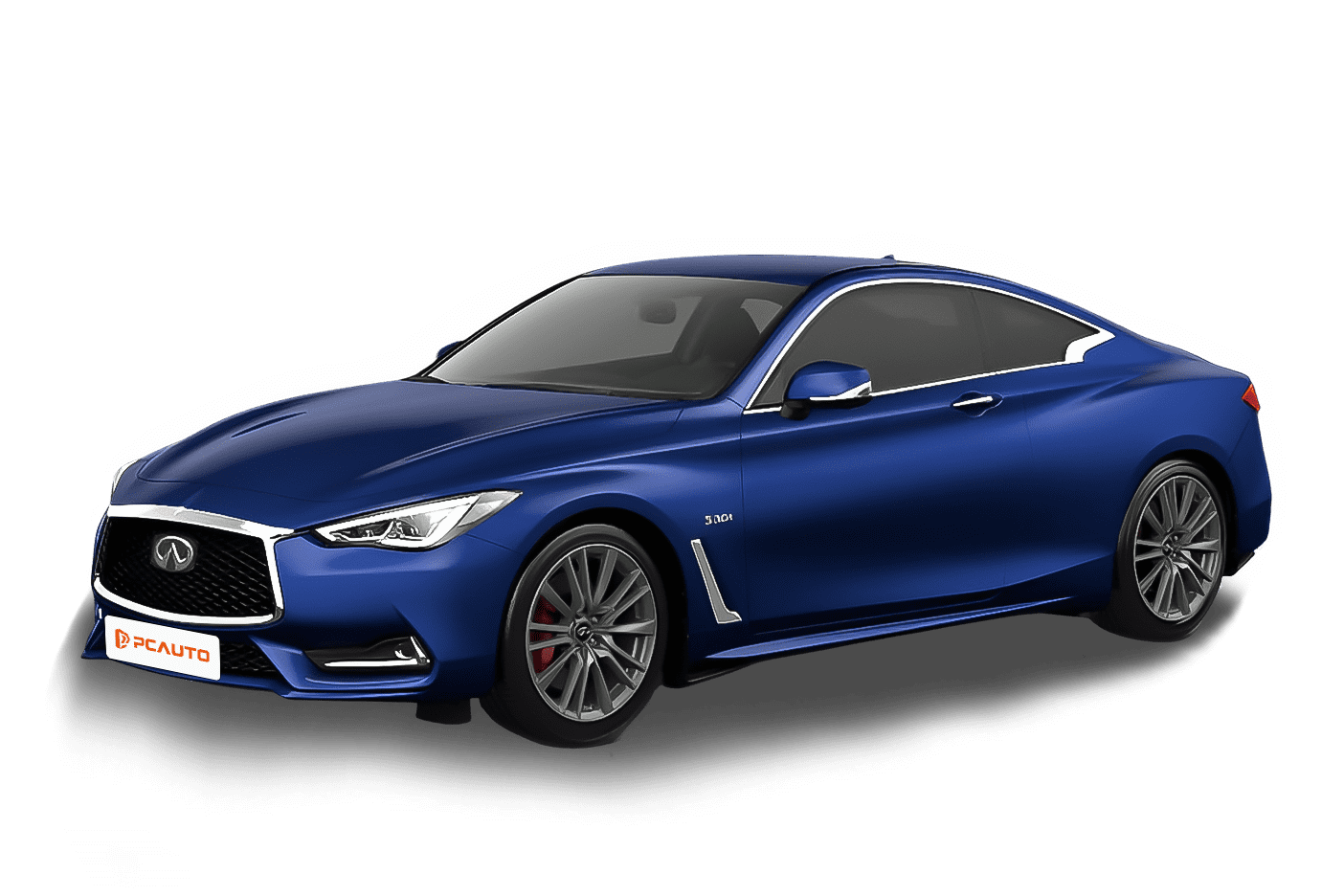
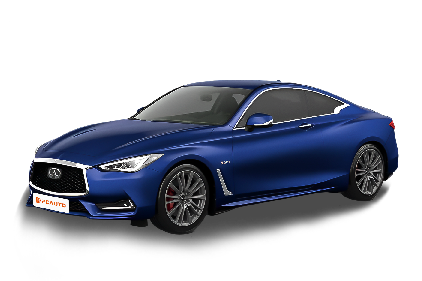
2017 Infiniti Q60 2.0t is a luxury coupe that balances sporty design and daily practicality, featuring a family-style exterior, BOSE audio system, and balanced power as its core selling points.
1
Rank in Coupe
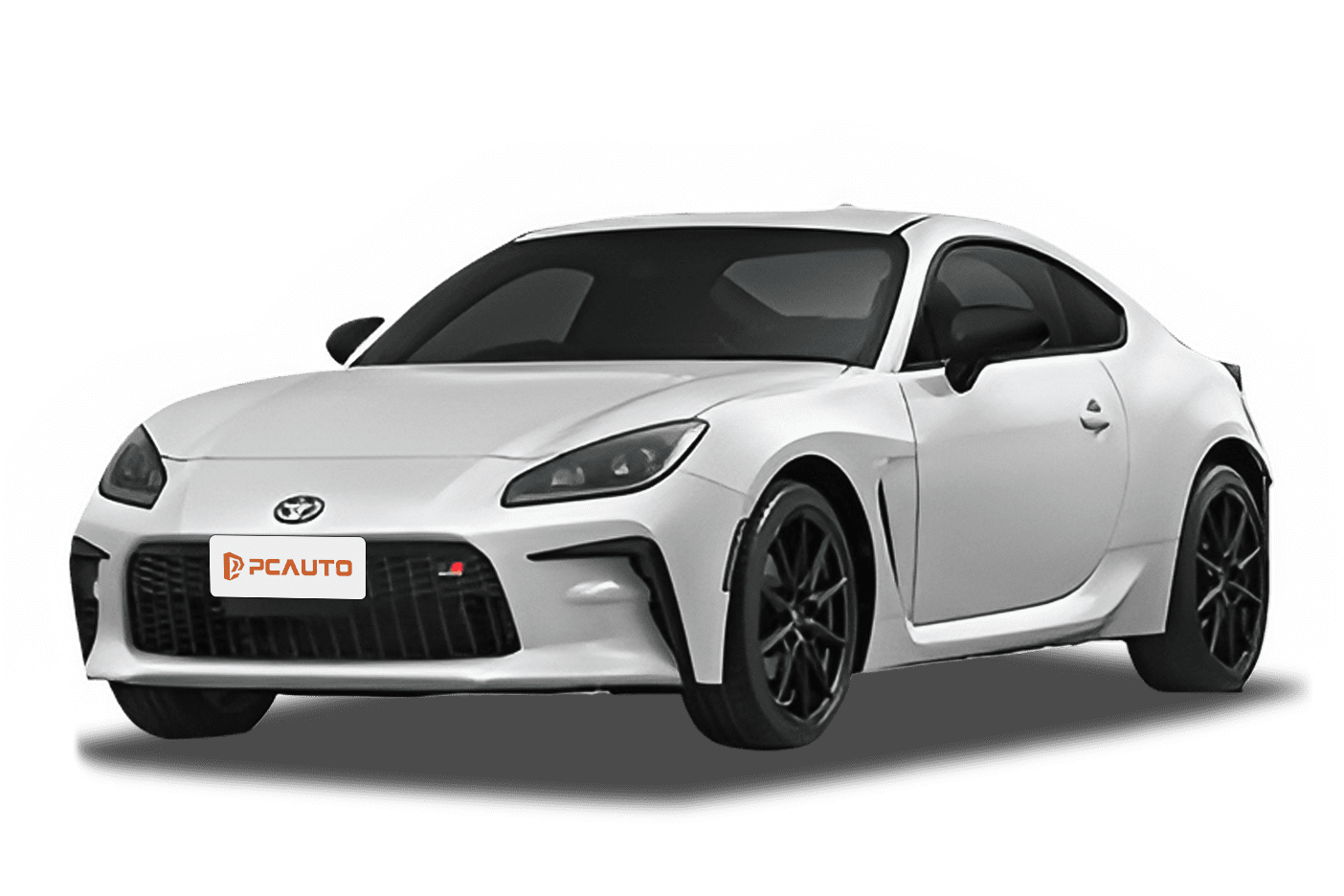
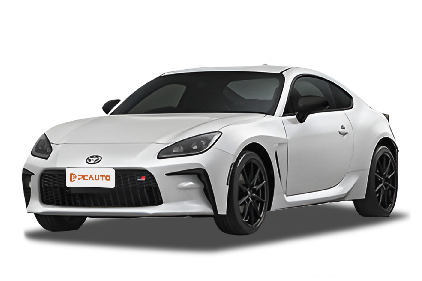
2023 Toyota GR 86 2.4 AT is a rear-wheel-drive sports coupe upgraded with a 2.4L naturally aspirated engine to address low torque issues, balancing daily commuting with pure driving pleasure.
10
Rank in Coupe
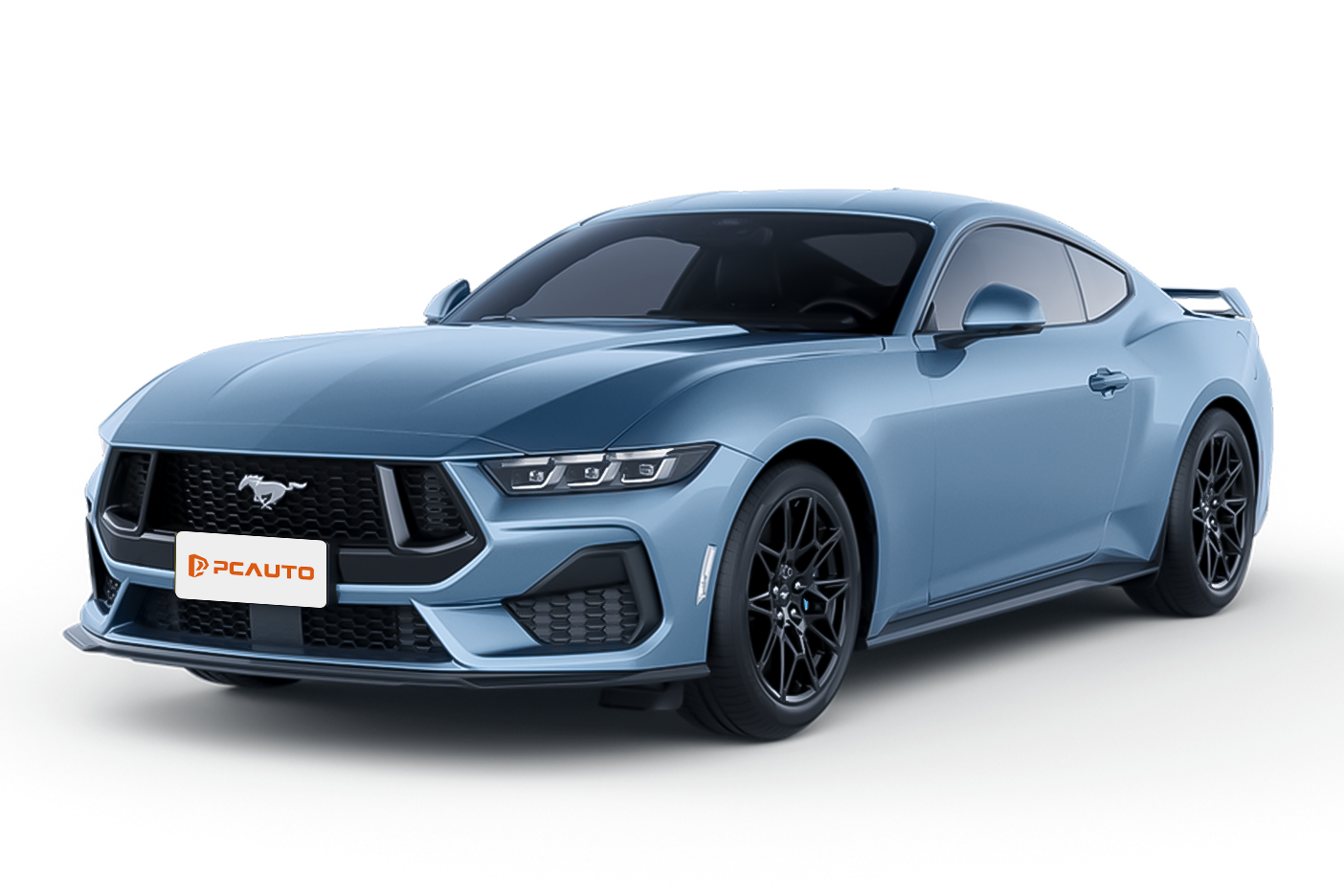
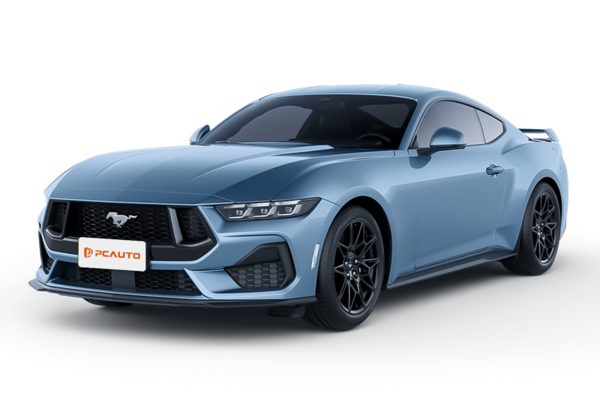
2018 Ford Mustang 2.3 EcoBoost retains the classic muscle car appearance with high cost performance, the 2.3T engine delivers 310PS horsepower, balancing performance and practicality for daily driving.
6
Rank in Coupe
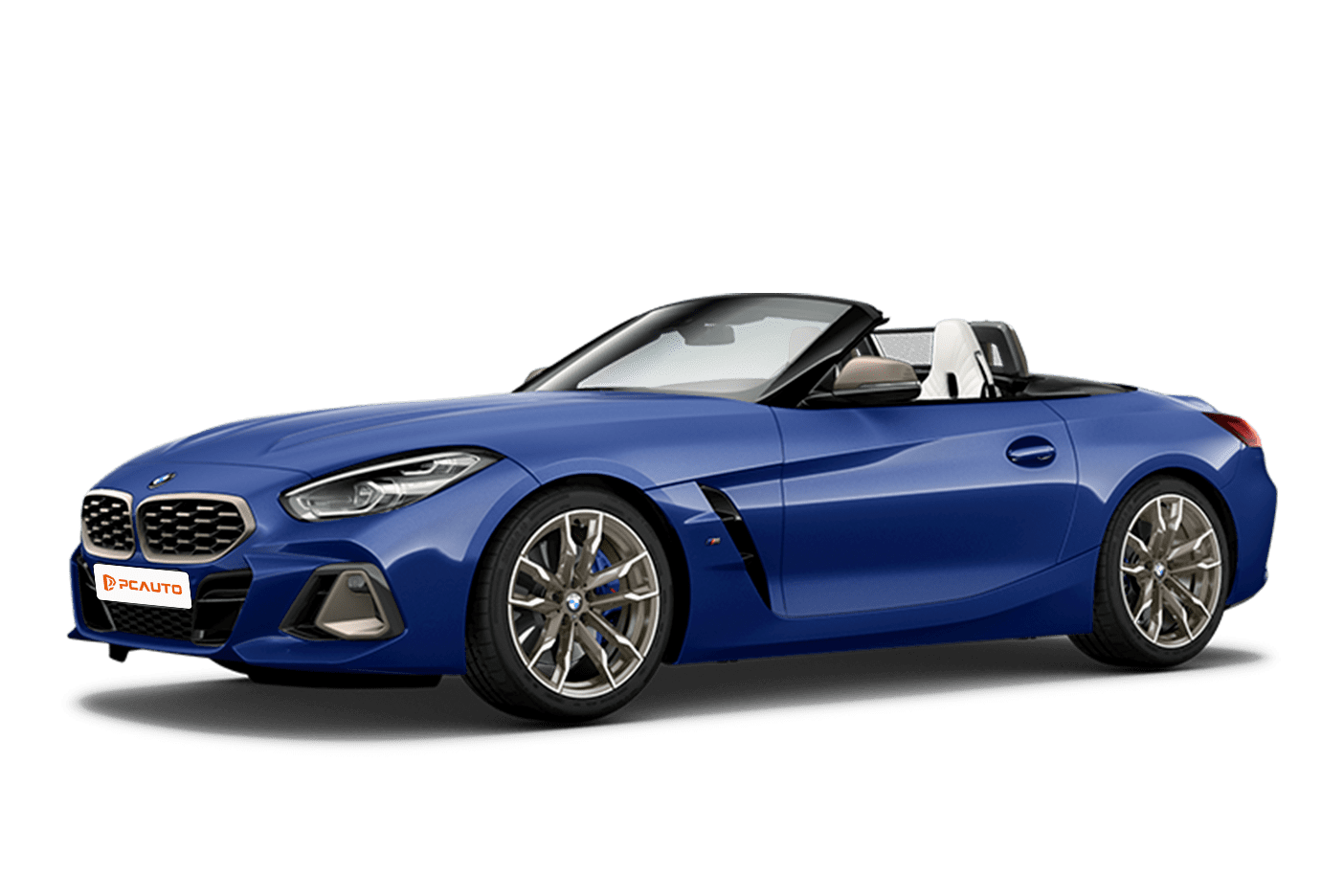
2023 BMW Z4 public, as a classic rear-wheel-drive convertible sports car, balances driving pleasure and daily practicality, with class-leading intelligent features and a compact body precisely meeting the needs of Malaysian users.