

2019 Nissan Leaf Review

 Share
Share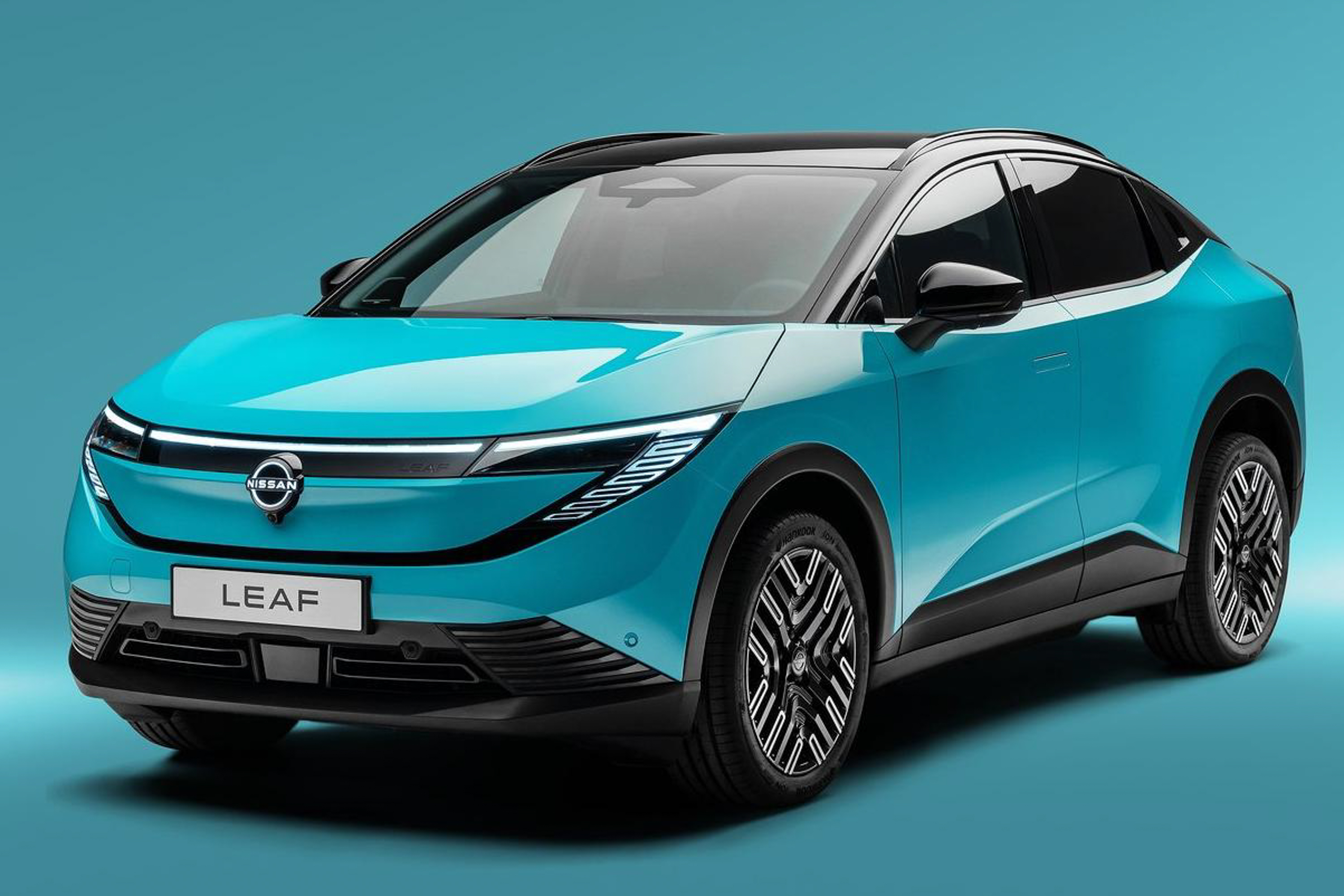
 Segment
 Body Type
 Driven Wheels
 Motor Output(kW)
 Motor Torque(Nm)
 EV Range(km)
As Malaysia's new energy market continues to heat up, C-segment pure electric sedans have become a focal point for many family users and urban commuters — requiring practicality for daily commuting while ensuring a balance of safety and features. As an early entrant into this segment, the 2019 Nissan Leaf, with its e-Pedal single-pedal mode, comprehensive active safety features, and classic family-oriented positioning, still garners attention from potential buyers. This time, we got our hands on the actual vehicle, with the primary aim of assessing whether its competitiveness in the current market is still strong and whether its driving and passenger experience meets the needs of family users.
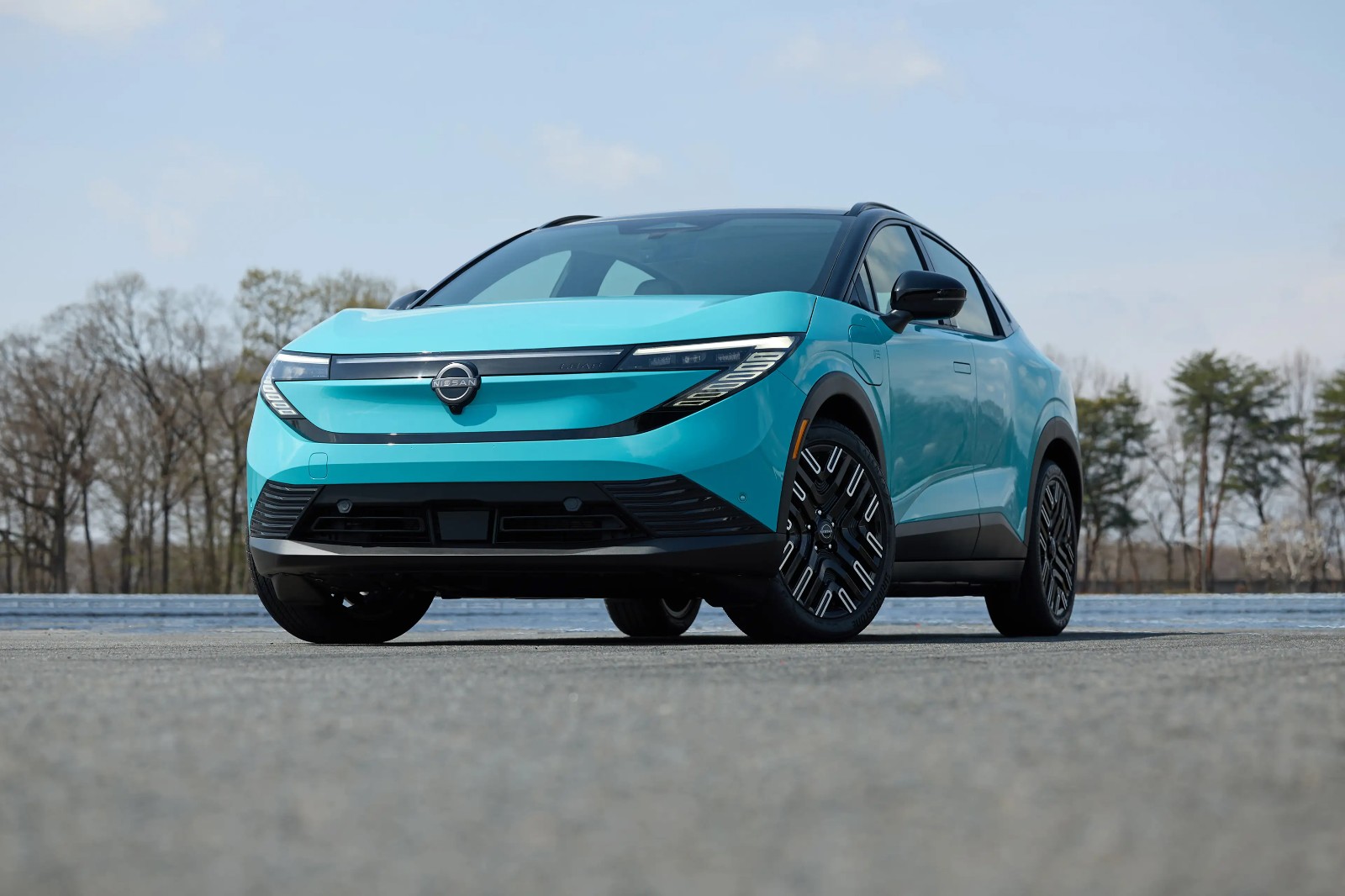
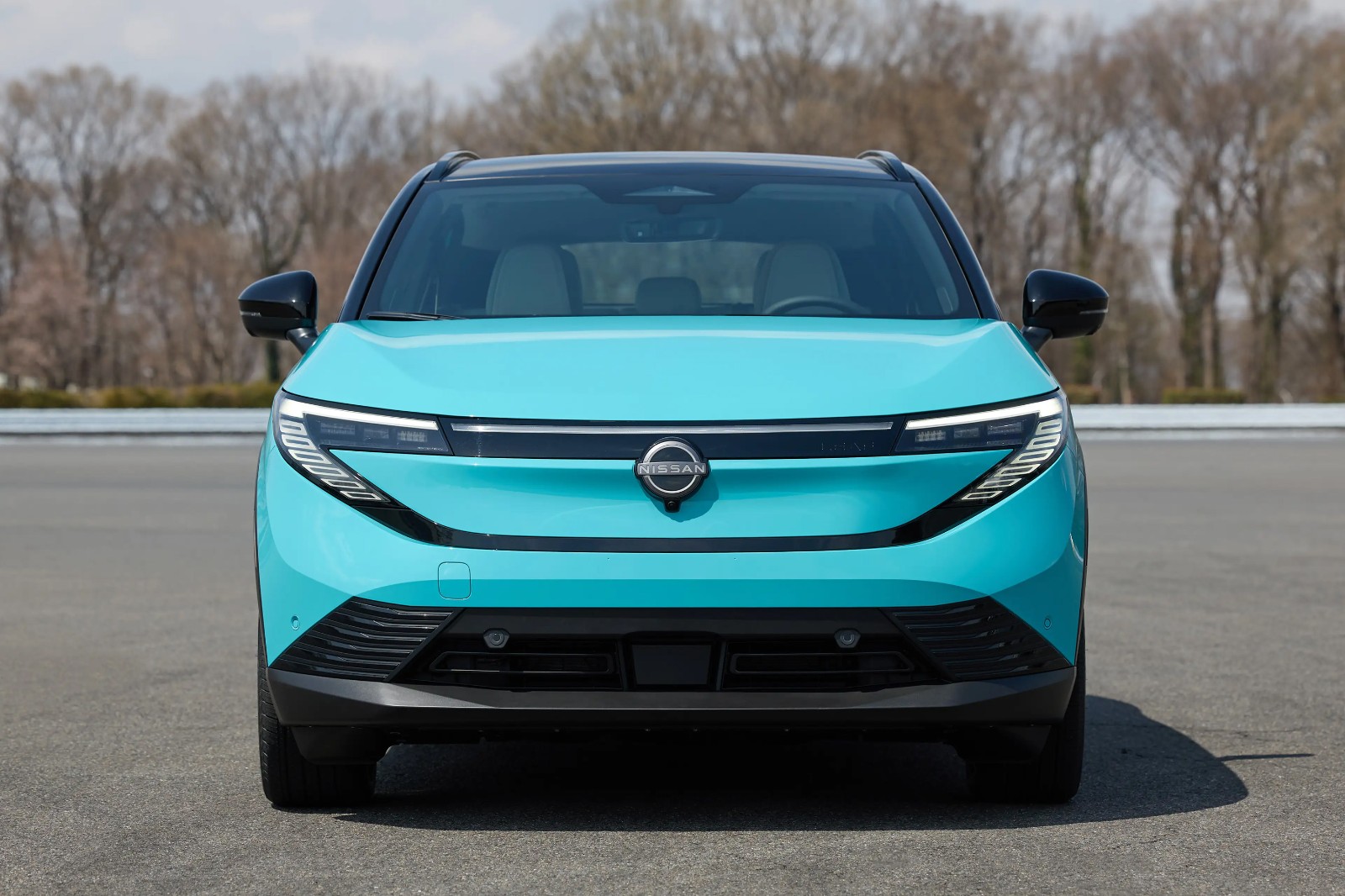
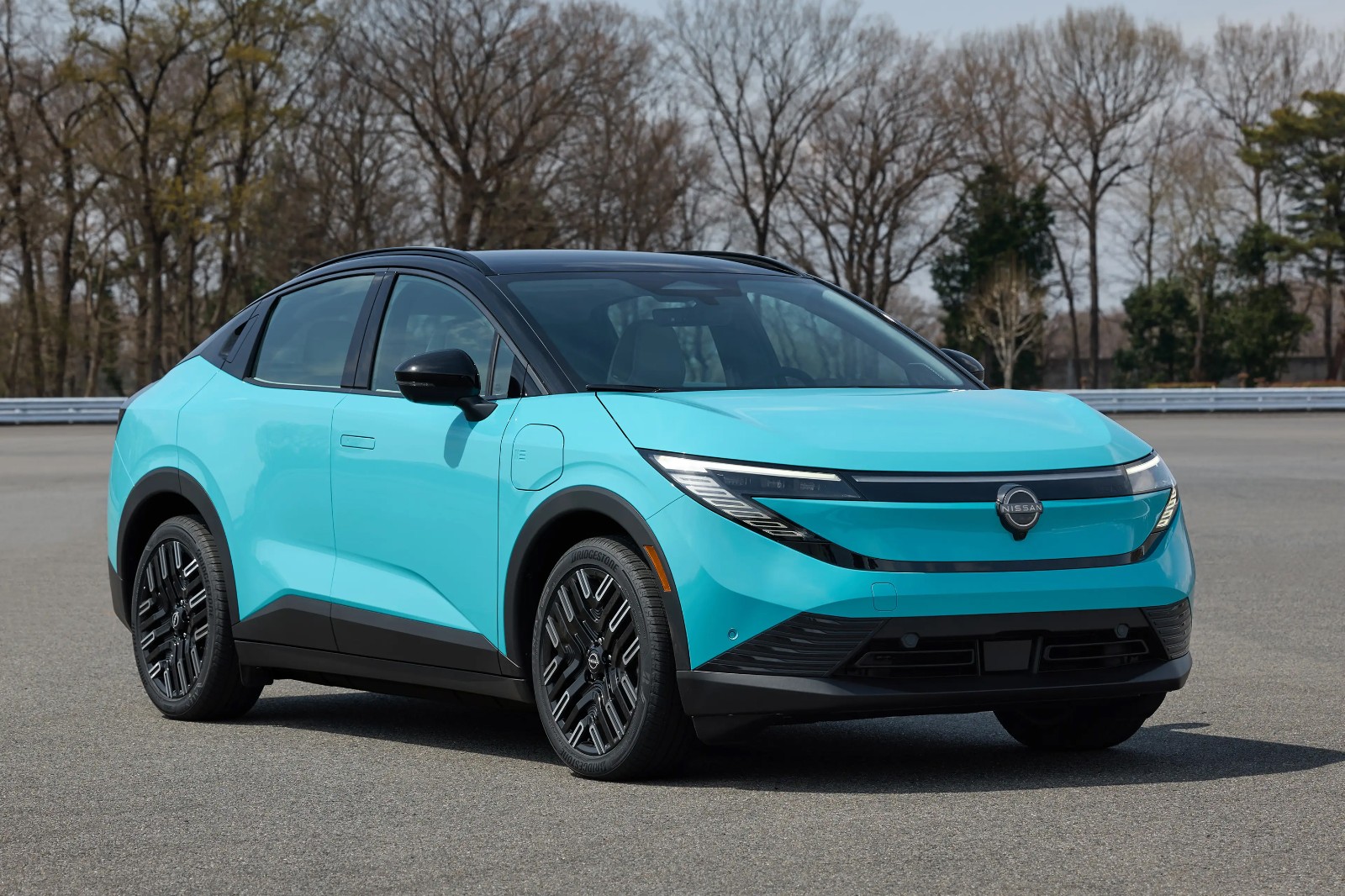
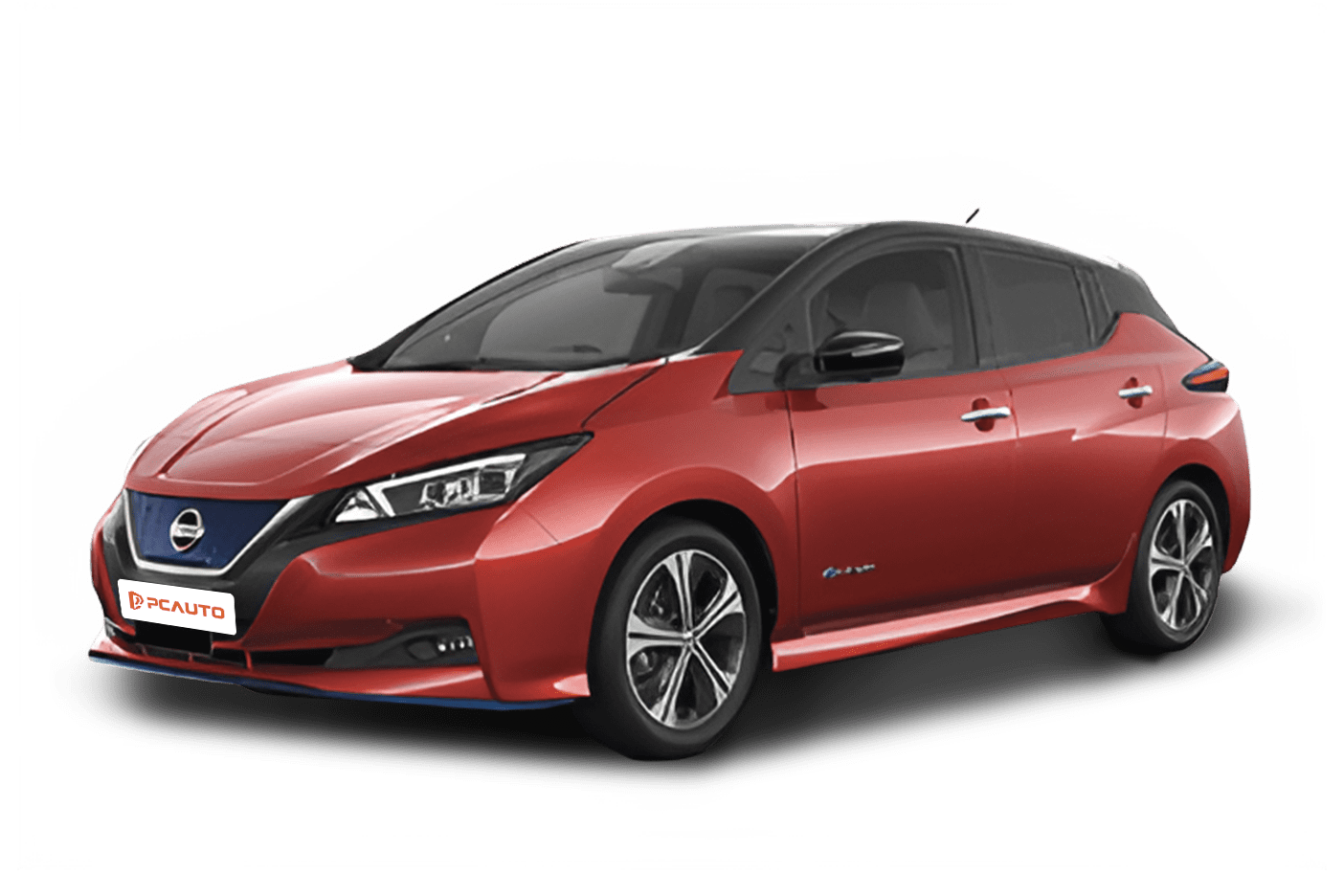
From the exterior, the 2019 Leaf continues Nissan's family V-Motion design language, with an overall style that leans towards a rounded, full look, avoiding overly aggressive lines but maintaining high recognition. The chrome-trimmed V-shaped front connects to the LED headlights on both sides. The internal structure of the headlights is simple and features automatic lighting, making it very convenient for daily use. The body side profile is smooth, with a waistline that stretches from the front fender to the rear, not exaggerated, and coupled with 17-inch wheels (tire specification 215/50 R17), the proportions are well-balanced. The rear design is relatively conservative, with horizontally arranged LED taillights and a rear bumper in the same color as the body, lacking complicated decorations, giving an overall practical family car vibe. As for the lighting system, LED headlights, daytime running lights, and front and rear fog lights are all standard, providing sufficient illumination for nighttime use.
Opening the car door, the interior design prioritizes functionality, with few fancy elements. The dashboard adopts a symmetrical layout; the upper part is made of hard plastic, the middle part is covered with soft-touch material which feels decent, while the bottom part consists of plastic panels, matching the expectations for this price range. The steering wheel features multi-functional controls; the left side manages multimedia and phone functions, while the right side controls cruise control (although not explicitly listed in the configuration table, the test drive model was equipped with this function), with a clear operation logic. The instrument panel consists of a digital and analog combination, with a power gauge on the left, speed display in the center, and battery level and range on the right, making information easy to read. The center console features a 5-inch touchscreen that supports basic multimedia functions; however, the interface smoothness is average, and its responsiveness is not particularly fast. The sound system includes four speakers, sufficient for listening to the radio or music for daily use but not suitable for high-fidelity audio enthusiasts.
In terms of space, the car dimensions are 4480mm×1790mm×1540mm, with a wheelbase of 2690mm, placing it in the mid-range of the C-segment. The front seats are manually adjustable, with moderate cushion length, average wrapping, but sufficient support to prevent fatigue during long drives. For rear space, a passenger of 175cm height would have around two fists of legroom and one fist of headroom, which is not particularly spacious but adequate; the slightly raised flooring in the middle does not affect comfort significantly. The rear seats can be split-folded in a 60:40 ratio, expanding the trunk space from the default 435L for more flexibility when loading large items such as strollers or suitcases. Regarding storage, the front central armrest box and door storage compartments are practical in capacity, while the rear also has two cup holders, making it easy to store daily clutter. In terms of features, the front has a single-zone automatic air conditioning system, but there are no independent rear vents. However, the front air conditioning cools effectively. A 220V/230V power socket is standard, convenient for using small appliances outdoors. The keyless entry and start functions are also practical, saving the hassle of frequently fishing out the keys.
Powertrain: The 2019 Leaf is equipped with an electric motor delivering a maximum power output of 150 PS. While torque figures are not explicitly stated, actual driving reveals quick throttle responses during acceleration. When shifted into D mode, a light press on the accelerator provides noticeable torque output, making starts and following traffic in urban conditions quite agile. Acceleration in the mid-speed range (60-100 km/h) is fairly linear, and pressing the accelerator hard for overtaking delivers direct power output without noticeable delay. The vehicle features two driving modes: Eco and Normal. In Eco mode, the power output is more subdued, suitable for daily commutes to save energy, while Normal mode is more aggressive, ideal for scenarios requiring acceleration. A highlight is the e-Pedal single-pedal mode, which allows significant energy regeneration when the accelerator is released, effectively reducing the need to use the brake pedal (except in emergencies). This feature is very practical in congested urban areas as it minimizes the frequency of right-foot operations.
Handling and chassis performance: The Leaf uses a front MacPherson independent suspension, while the rear suspension specifications are unspecified but are actually a torsion beam non-independent suspension (in line with the positioning of a family car). The steering wheel feels light with decent directional accuracy, making daily city driving effortless, though at high speeds it may feel slightly loose and less precise. The chassis is tuned for comfort, effectively absorbing common city-speed bumps and small potholes without harsh impacts; however, over larger bumps, the rear passengers will experience noticeable jolts, indicating a lack of resilience. Regarding braking, it features ventilated disc brakes at both the front and rear, with linear braking force output. The brake pedal feels moderate, providing sufficient confidence during daily braking.
Range and energy consumption are the key concerns for electric vehicle users. While the official range of the 2019 Leaf is not specified, during the test drive, the full-charge range displayed approximately 311 km (NEDC standard). We conducted a mixed-condition test (urban + highway): in urban driving (around 60 km/h), energy consumption averaged about 14 kWh/100 km; on highways (around 110 km/h), the consumption was about 18 kWh/100 km; resulting in an overall average of about 16 kWh/100 km, achieving around 80% of the claimed range. For daily family commuting (50 km or less per day), charging once a week is likely sufficient. In terms of charging, it supports domestic 220V charging, requiring about 8-10 hours for a full charge, which is suitable for nighttime off-peak hours. Fast charging capabilities are not specified, and the test model was not equipped with fast charging features, though some variants might support it.
Comfort: Noise control performance is average. During city driving at low speeds, motor noise is not apparent, but once the speed exceeds 100 km/h, wind and tire noise become more pronounced inside the cabin, particularly the tire noise, affecting overall cabin tranquility. Regarding seat comfort, the front seats provide adequate support, but the rear seat cushions are relatively short and lack sufficient thigh support, which may lead to fatigue during prolonged journeys. The e-Pedal single-pedal mode is a positive feature, offering adequate energy regeneration when the accelerator is released, enabling "single-pedal driving" that reduces brake wear and enhances convenience in city driving.
In conclusion, the 2019 Nissan Leaf's core strengths lie in its balanced practicality, comprehensive safety features (6 airbags, lane departure warning, autonomous emergency braking, and forward collision warning are all standard), and the convenience of the e-Pedal single-pedal mode. Compared to competitors in the same price range (such as certain domestic electric sedans), its feature set is not the most extensive (e.g., the infotainment screen size is relatively small), but it does have advantages in brand reliability and resale value. While the space is moderate, it is sufficient for daily family use.
This car is best suited for families who value practicality and safety, especially for consumers with a daily commute within 50km and access to regular charging facilities. For young people pursuing a sense of technology and spaciousness, it may not be trendy enough, but for pragmatic families, it is a reliable choice.
Overall, the 2019 Nissan Leaf is not a model that strives for extreme performance or technological flair, but rather a solid and dependable pure electric sedan for home use. While its overall competitiveness in the current market may not be top-tier, it excels in balance and reliability. If you need a safe, practical, and easy-to-drive pure electric family car with a budget of around 180,000 MYR, it is still worth considering.
Nissan Leaf Car Compare


Nissan Leaf Loan Calculator
More Nissan Reviews
Cars With Similar Price And Features

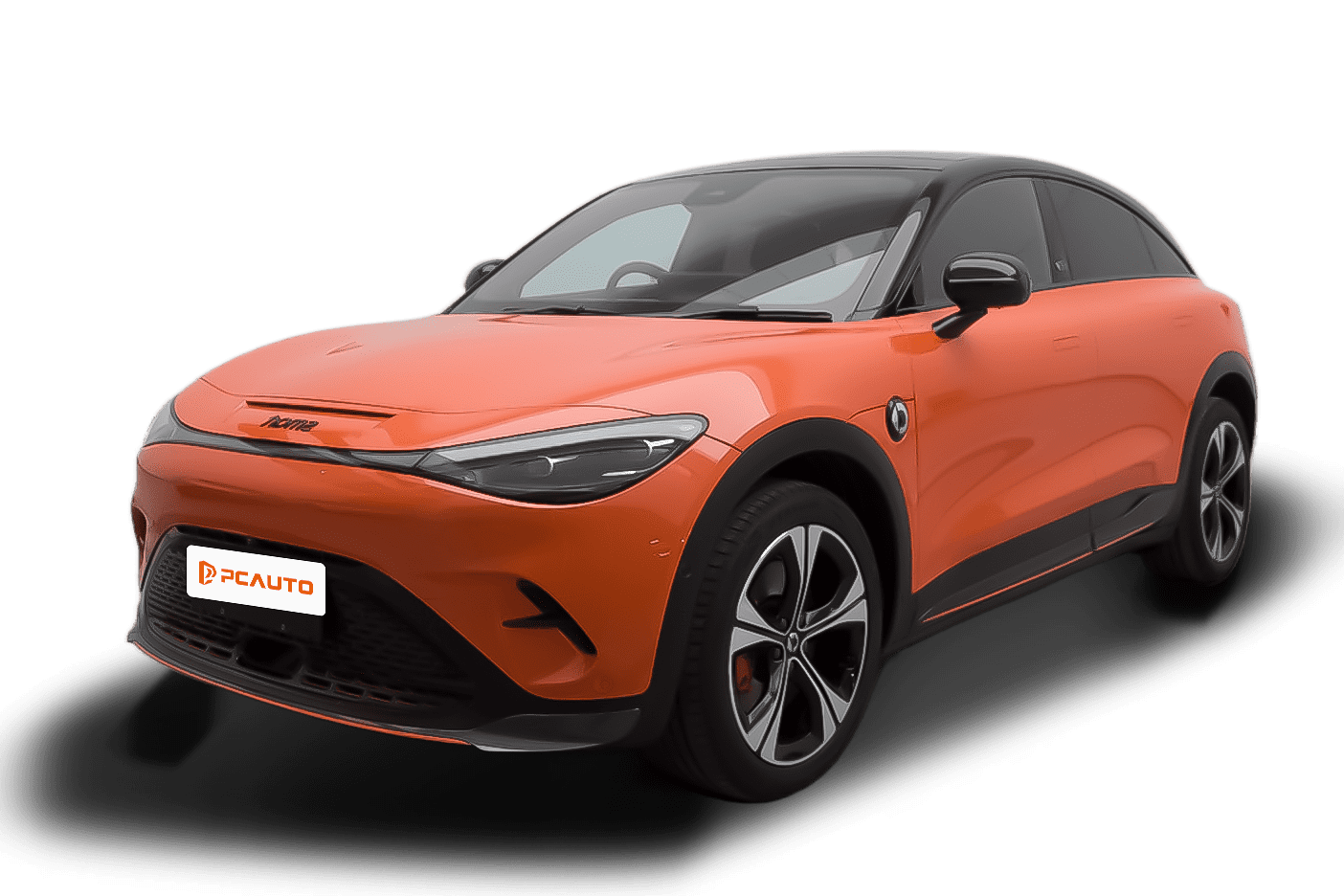
2024 Smart #3 Pro is positioned as a city compact electric coupe, offering 268PS rear-wheel drive, 7 airbags + full active safety suite, and a 12.8-inch screen at a price of RM175,000. It boasts outstanding value for money, balancing sportiness and practicality for family use.
14
Rank in Hatchback

2025 MINI Aceman JCW is a B-segment pure electric performance SUV, featuring a 190kW motor capable of 0-100 km/h in 6.4 seconds, with sporty exterior and interior design, balancing urban agility and family practicality.
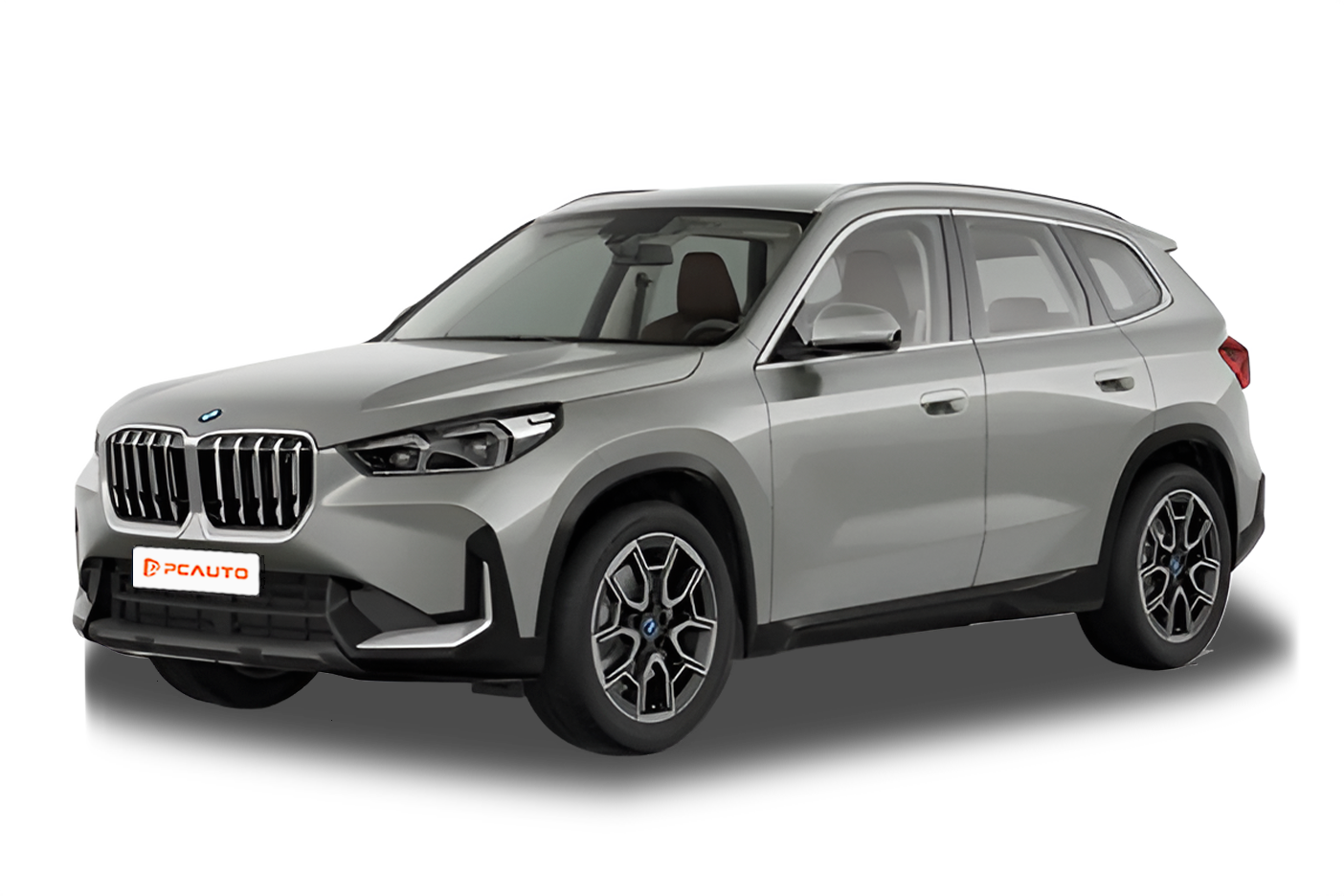
2024 BMW iX1 eDrive20 M Sport is a new choice for a C-Segment all-electric SUV, combining a 475km range, M Sport package, and BMW driving quality, suitable for consumers with a budget of 250,000 MYR.