

2019 Proton Saga 1.3L Standard AT Review

 Share
Share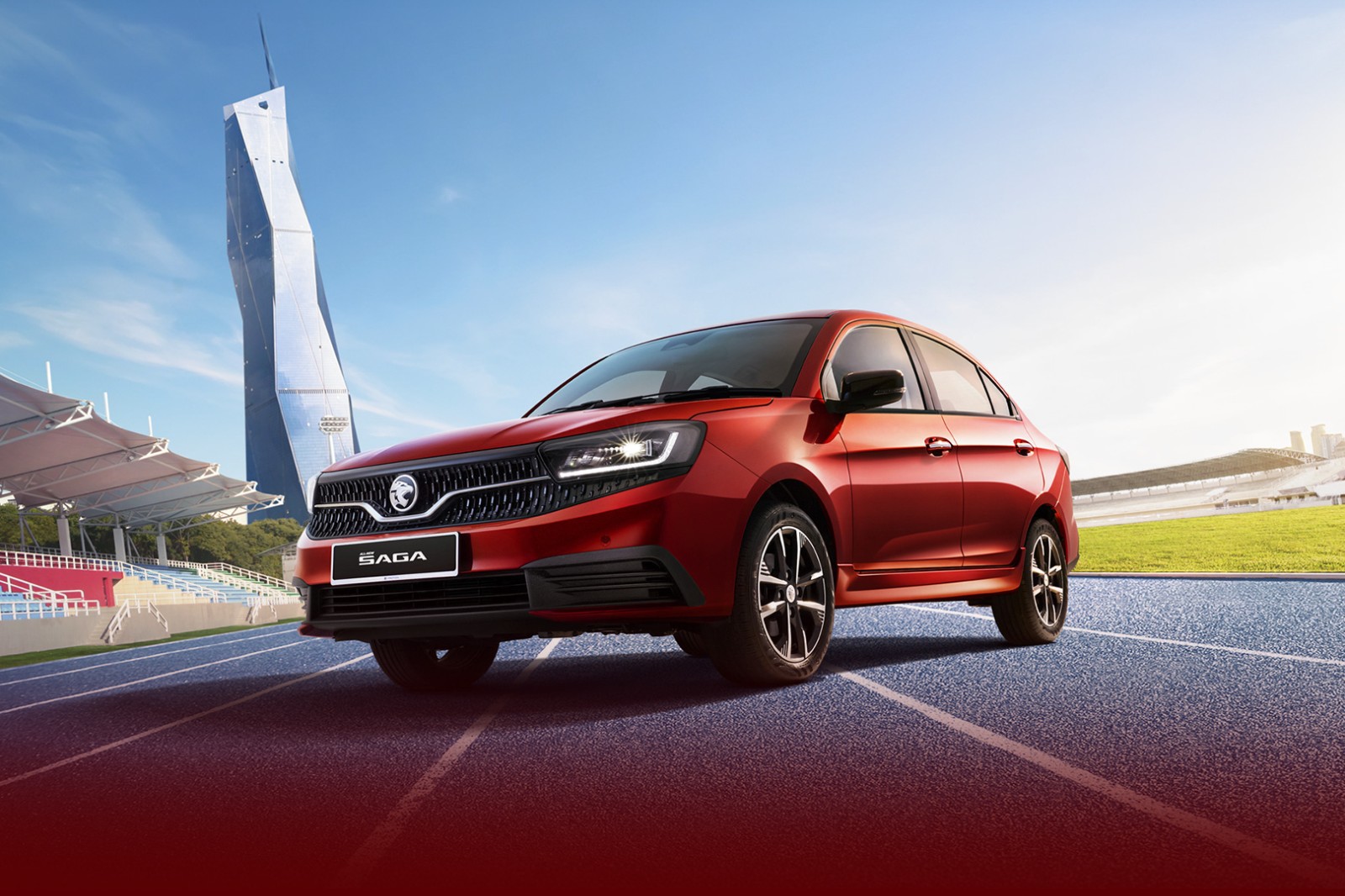
 Segment
 Body Type
 Capacity(L)
 Engine Power(PS)
 Transmission
 Driven Wheels
As one of the best-selling A-segment sedans in the Malaysian market, the Proton Saga has firmly established itself in the minds of entry-level family users with its high cost-effectiveness and practical positioning over the years. The 2019 Saga 1.3L Standard AT continues this core advantage while optimizing some configuration details, aiming to further strengthen its competitiveness in the price range of around RM 35,000. This time, we got the actual car for an in-depth one-week test. The main purpose is to evaluate its actual performance in daily commuting and short family trips, and to verify whether its title as the "People's Car" is truly deserved.
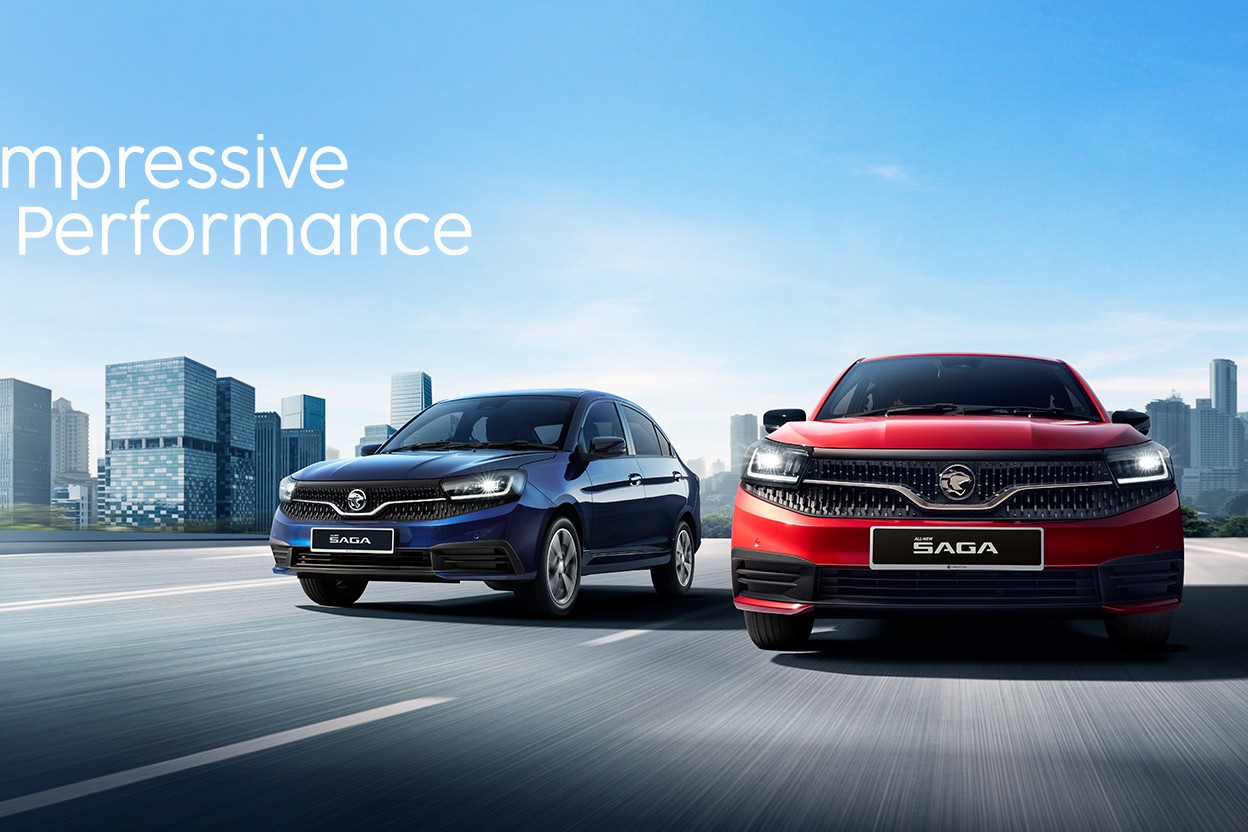
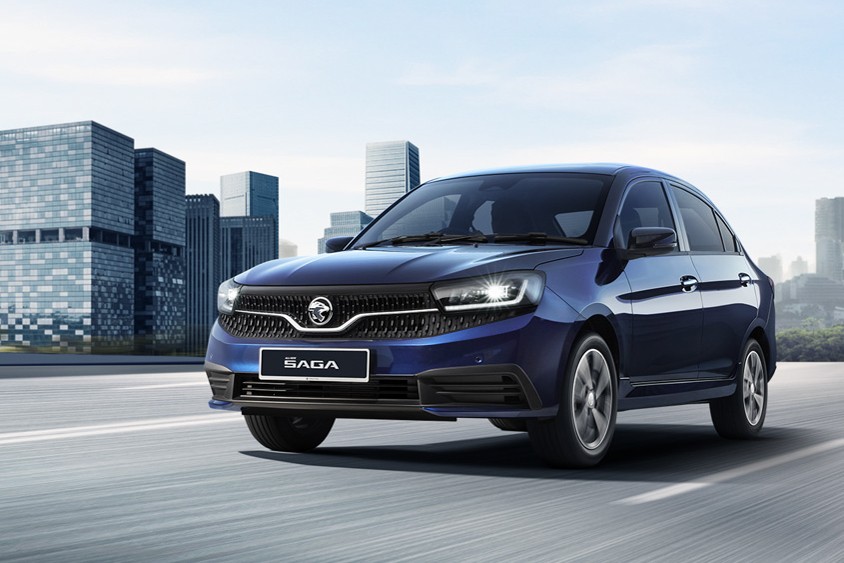
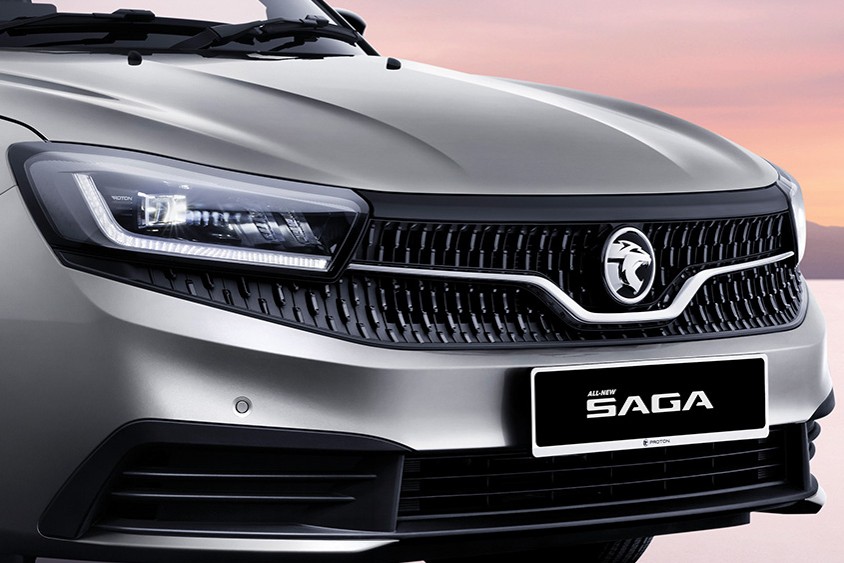
The exterior design of the 2019 Saga continues Proton's family-style design language, with an overall style leaning towards stability. The front features a large trapezoidal grille adorned with chrome trims, giving it a more vibrant look compared to the previous model; on both sides, the halogen headlights have sharp designs and are connected to the edges of the grille, visually broadening the front. The side profile of the car features simple and flowing lines, with a waistline extending from the front fender to the rear, adding some level of texture without being overly dramatic. The 14-inch steel wheels (with plastic covers) are standard for the Standard version. While not eye-catching, they are adequate for daily use. At the rear, the taillights are horizontally arranged with clear internal structures, while the black plastic trim below the rear bumper and the rear fog lamp enhance practicality. The overall design is not overly ornate, adhering to the positioning of an entry-level model.
Inside the car, the interior design focuses on practicality, with a two-tone dashboard featuring dark upper and light lower sections to reduce glare. The top of the dashboard is covered with hard plastic, but the gaps between panels are reasonably controlled. The steering wheel adopts a three-spoke design and only supports up-and-down adjustments, with a moderate grip. In terms of key features, the instrument cluster is an analog type with electronic illumination, offering a clear display of RPM, speed, and fuel level. The center console area does not include a large screen, but it is equipped with a basic radio and USB port, meeting daily music-listening needs. The front row comes with manual air conditioning, with knobs offering moderate resistance and ease of operation. The seats are made of fabric materials, with manually adjustable front seats. The cushioning of the seatbacks and cushions isn’t particularly soft but provides adequate support. The backseat supports overall folding down, which expands the trunk space. It is worth mentioning that the arrangement of storage spaces, such as door pockets and the front central armrest box (with cup holders), is reasonable, making it convenient for daily placement of small items like phones and water bottles.
In terms of body size, the length of 4331mm, width of 1689mm, and wheelbase of 2465mm place the car in the mid-range within the A-segment. For riding experience, a 175cm passenger sitting in the front row has about one fist of headroom after adjusting the seat. Keeping the front seat position unchanged, the rear-row passenger has around two fingers of legroom and one fist of headroom. Although not spacious, it is adequate for short trips with a family of three. The trunk capacity of 420L can fit two 20-inch suitcases, and with the rear seats folded down, its capability to carry larger items is improved. Additionally, the rear row is equipped with ISO FIX child seat anchors, making it convenient for families to install child seats. The front doors have a keyless entry function, and starting the engine only requires pressing a start button (though not listed separately in the configuration sheet, it was observed during testing), which makes daily use fairly convenient.
In terms of power, this car is equipped with a 1.3L naturally aspirated four-cylinder engine, delivering a maximum horsepower of 95PS and a peak torque of 120N·m (not directly listed in the configuration sheet, but estimated based on Proton's similar engine parameters). It is paired with a 4-speed automatic transmission. During actual driving, the power output is quite smooth at the start; after pressing the accelerator, the engine needs to rev above 3000 rpm to provide an obvious power response, making it suitable for stable driving. When accelerating, the transmission's shift logic leans towards smoothness, with gear upshifts happening promptly but downshifts being relatively slow—requiring the driver to press the accelerator pedal early when overtaking. The car only offers two driving modes: Economy and Normal. In Economy mode, the throttle response is more delayed, which is suitable for fuel-saving in congested urban roads. In Normal mode, the power output is more direct, which is adequate for daily commuting.
In terms of handling and chassis performance, the front suspension uses MacPherson independent suspension, and the rear suspension features a torsion-beam non-independent suspension (not directly listed in the configuration sheet but common in this segment). During everyday driving on flat roads, the chassis performs stably. When encountering speed bumps or uneven roads, the suspension can filter out most minor bumps, but larger bumps are directly transmitted inside the cabin, which rear passengers may feel more significantly. The steering wheel offers moderate resistance and minimal play, making lane changes or turning around quite agile during daily driving. When cornering, the body roll remains within an acceptable range, making it suitable for urban road driving. In terms of braking, the front ventilated disc and rear drum brakes (standard equipment on the Standard version) offer a linear braking response. The braking force at the initial stage is moderate, and sufficient in the later stage, providing confidence during everyday use.
Fuel efficiency is a key focus for entry-level models. During our test, which included urban congested roads (about 60%) and highways (about 40%), with the air conditioning on throughout, the measured average fuel consumption was about 7.2L/100km. This is slightly higher than the official figure of 6.7L/100km, but considering the real-world driving conditions, this result falls within the normal range for this segment. As for noise control, the engine noise at idle is low, but once the speed exceeds 80km/h, wind and tire noise become increasingly noticeable, especially tire noise. However, this is still within an acceptable range for an entry-level model.
Overall, the 2019 Proton Saga 1.3L Standard AT has some notable advantages: First is its cost-effectiveness. Priced at 35,800 MYR, it comes equipped with features such as keyless entry, electronic illuminated instrument panel, and rear ISOFIX mounts, giving it a configuration advantage in its segment (e.g., against the Perodua Bezza 1.3 X AT). Secondly, it offers practicality, with a 420L trunk and foldable rear seats that meet the storage needs of family users. Finally, the reliability of Proton's 5-year/150,000 km warranty policy reduces post-purchase concerns.
However, it also has some shortcomings, such as the relatively sluggish power output, requiring more space for overtaking at high speeds; the interior materials are mostly hard plastics, offering limited luxury; and the rear seating space is relatively compact, meaning long-distance comfort might not be ideal. Taking its price into account, these shortcomings are acceptable.
Overall, the 2019 Proton Saga 1.3L Standard AT is a car that is very suitable for entry-level family users, especially for those who are on a budget and value practicality and cost-effectiveness. It can meet the needs of daily commuting, grocery shopping, school pick-ups, and short outings, making it a "just enough" national sedan. If you are looking for a reliable and affordable means of transportation, this car is worth considering on your list.
Proton Saga Loan Calculator
More Proton Reviews
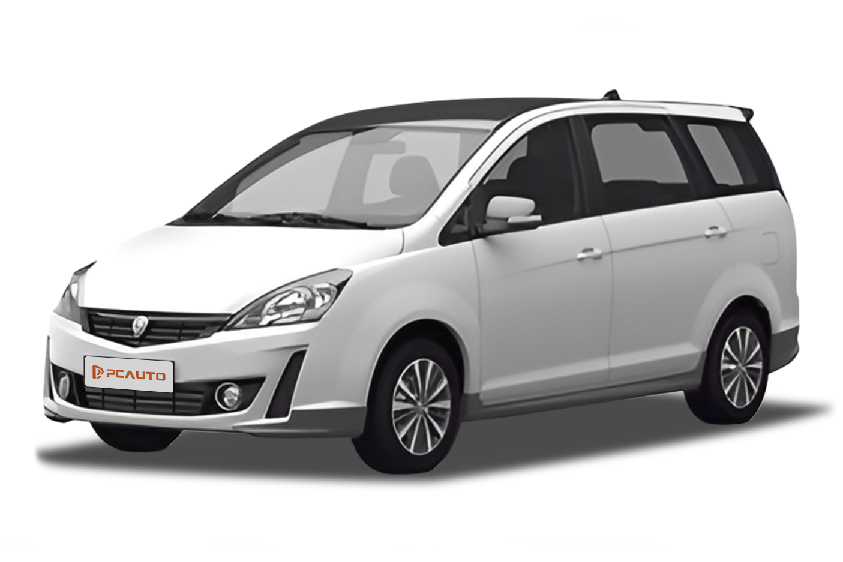
Cars With Similar Price And Features
2
Rank in Sedan
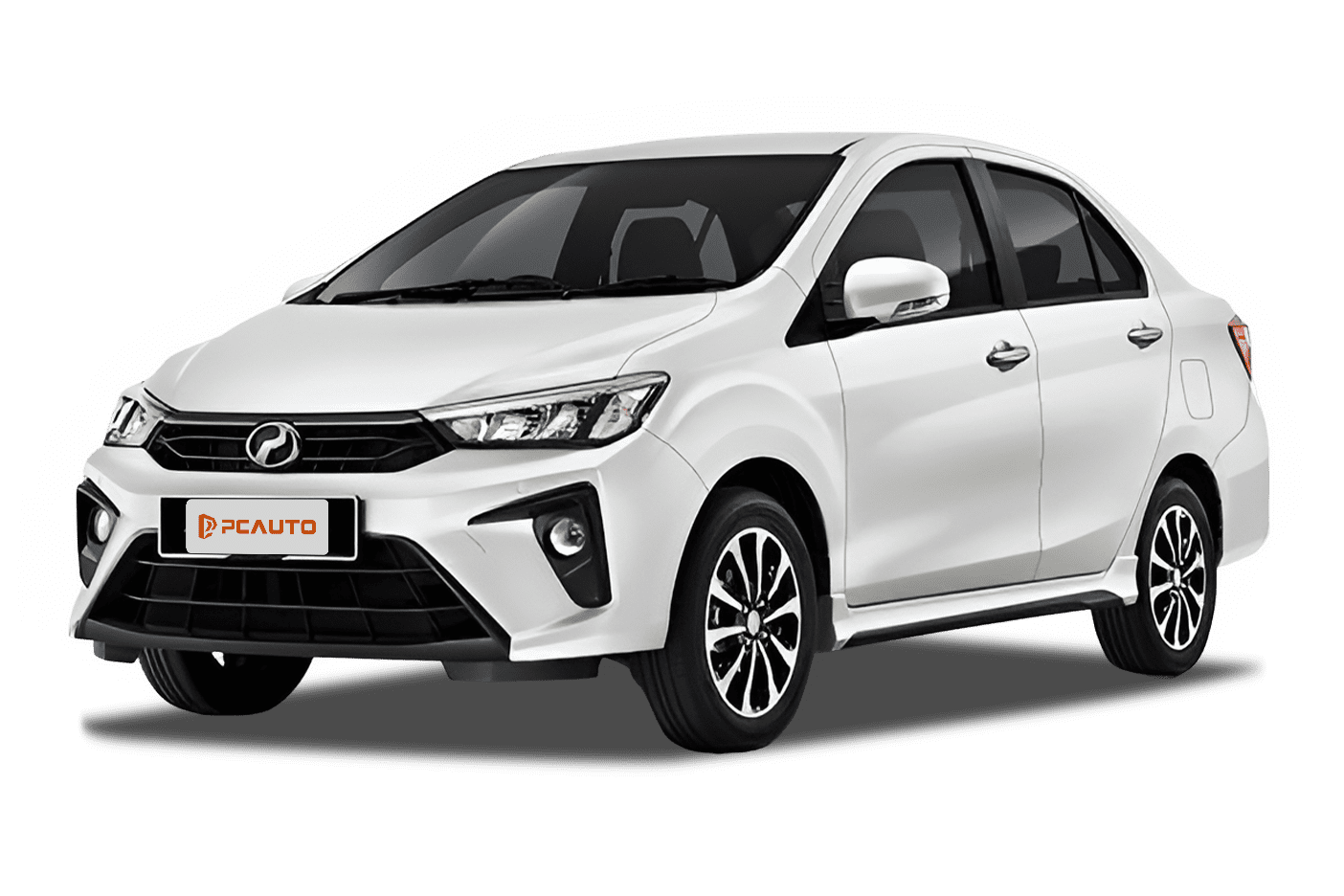
2023 Perodua Bezza 1.0 G (M) is a high-value A-segment manual sedan, offering practical features and durability at an affordable price, balancing daily commuting with safety and convenience.
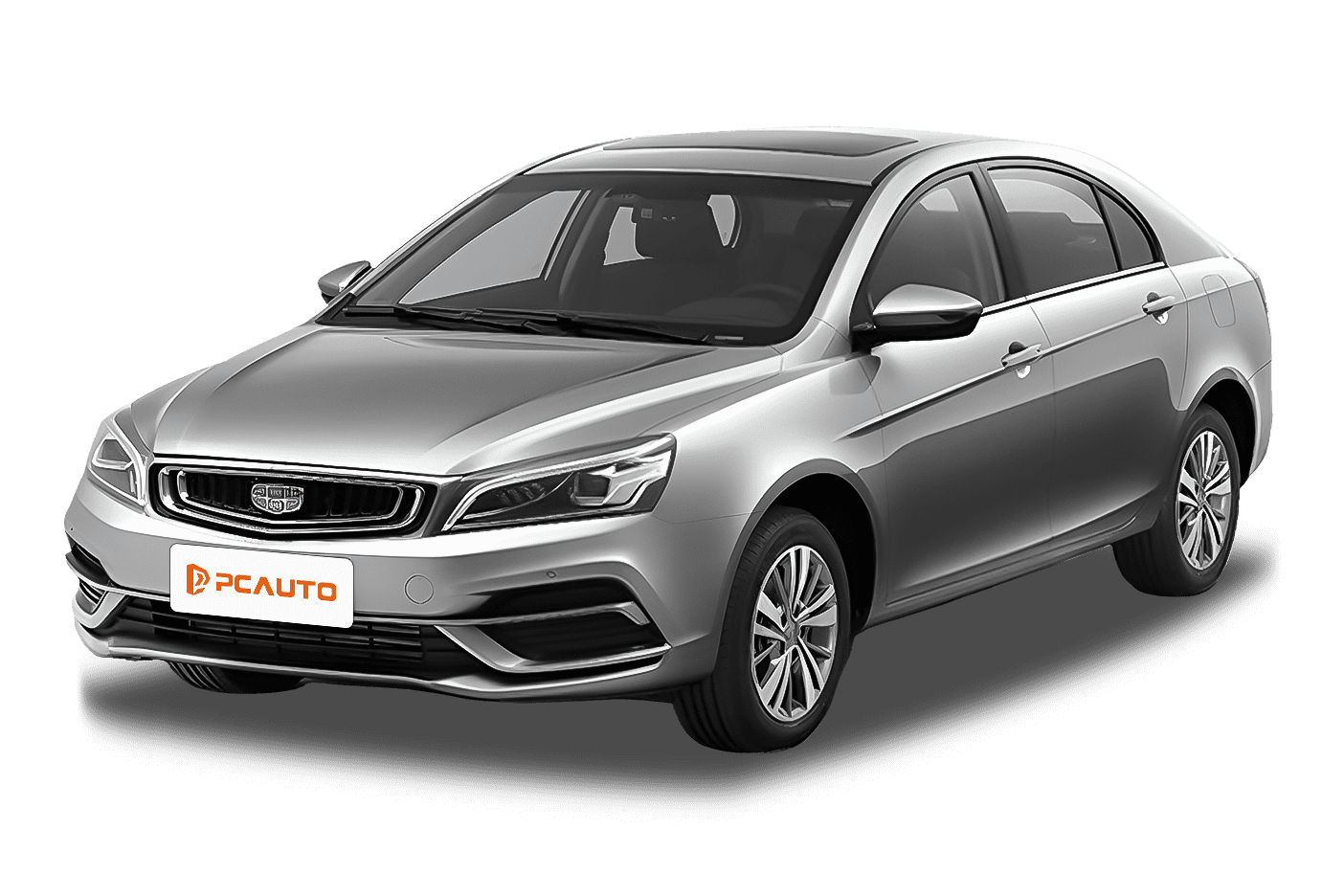
2019 Geely New Emgrand 1.5L-CVT is a balanced family sedan with practical space, rich safety features, and fuel efficiency, meeting the needs of daily commuting and short trips.