

2019 Proton Saga 1.3L Standard MT Review

 Share
Share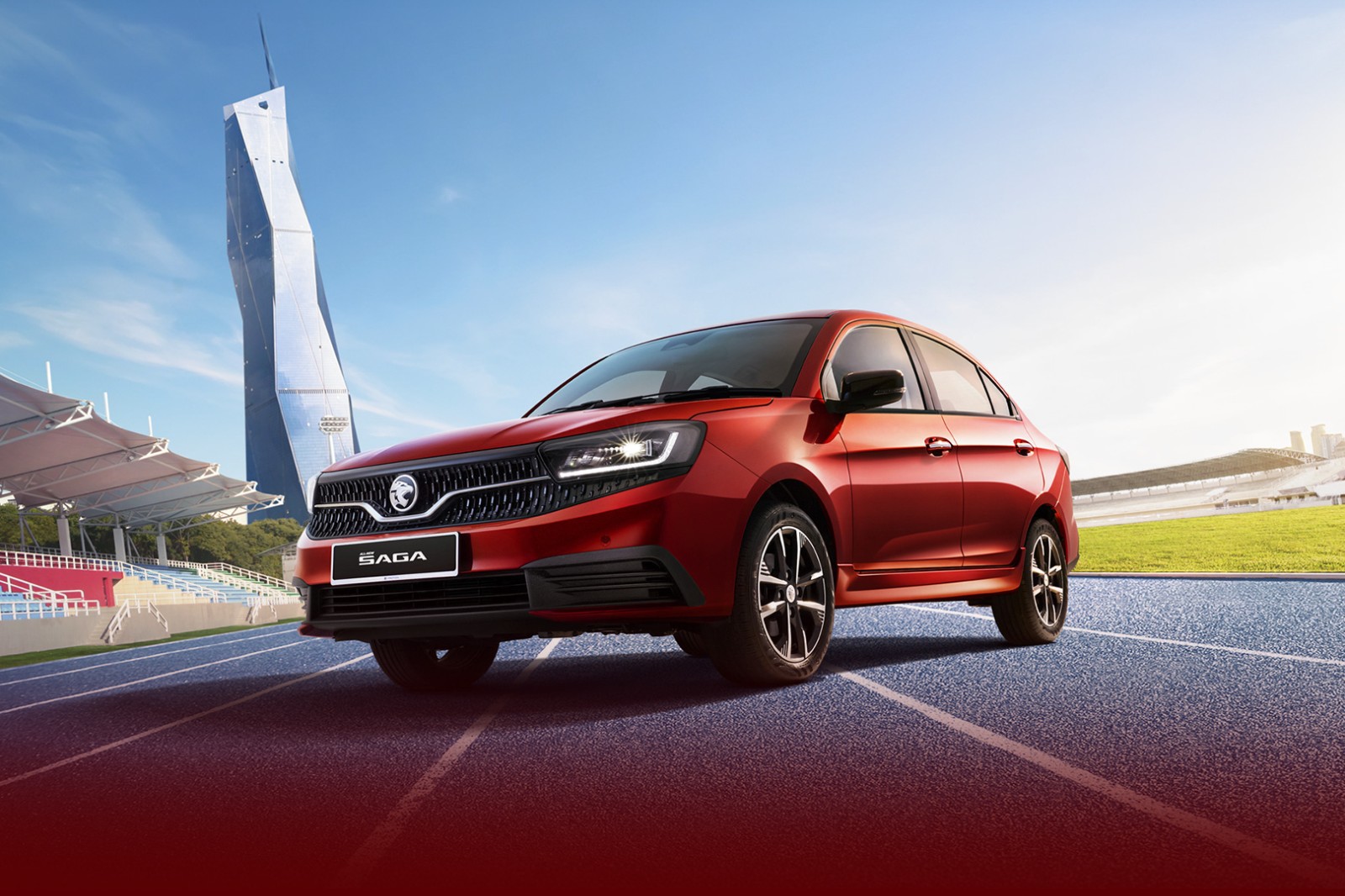
 Segment
 Body Type
 Capacity(L)
 Engine Power(PS)
 Transmission
 Driven Wheels
In Malaysia's A-Segment sedan market, 1.3L engine displacement with manual transmission has always been the mainstream choice for budget-conscious family users—it needs to meet the practicality of daily commuting while controlling car purchase costs and fuel consumption. The 2019 Proton Saga 1.3L Standard MT is a popular contender in this segment, attracting much attention with its 5-year/150,000 km long warranty and a basic configuration without significant shortcomings as its core selling points. In this review, we conducted a real driving test focusing on its power response, space practicality, and daily driving convenience, to see if it truly suits the needs of most families.
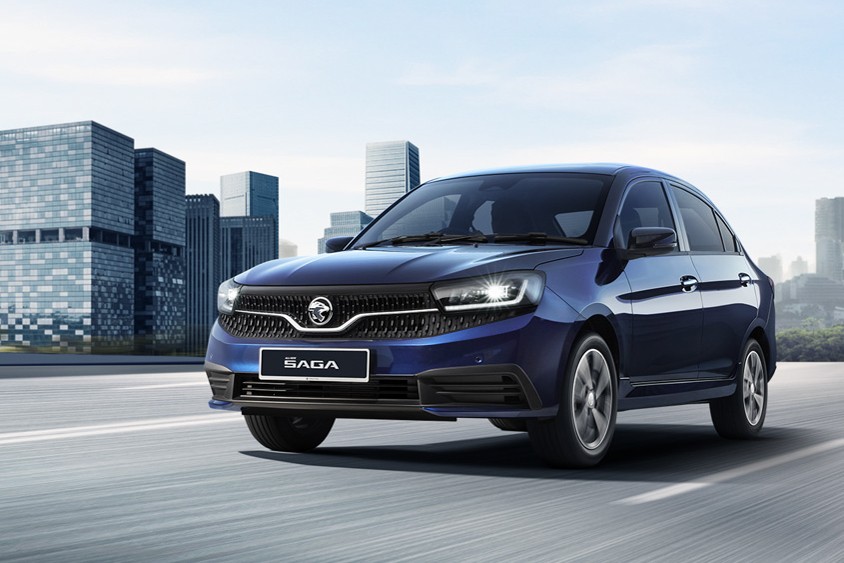
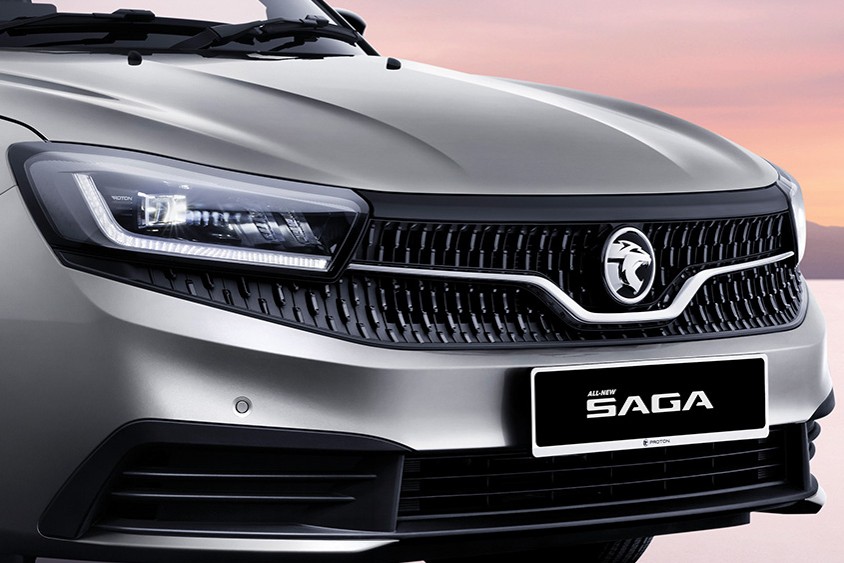
In terms of exterior design, the 2019 Saga Standard MT continues Proton's family-style youthful design. The front features a large chrome grille, complemented by sharp halogen headlights on both sides, giving it good recognition; the side profile is sleek, and while the 14-inch steel wheels lack the sophistication of alloy wheels, they pair well with 185/60R14 tires, balancing comfort and replacement costs. At the rear, the taillights are horizontally arranged, with a standard rear fog lamp. The overall design is simple, aligning with the positioning of an A-Segment vehicle. In detail, the gaps between body panels are uniform, and the paint finish is relatively above average within the same price range.
Stepping inside, the interior predominantly features a dark gray color scheme, with the dashboard made of hard plastic material but neatly crafted. The instrument panel uses a simulated electronic backlit display, clearly showing information such as RPM, speed, and fuel level. The center console layout is simple, equipped with manual air conditioning and two speakers. Although basic in function, the knobs and buttons have moderate resistance, making them easy to use. As for features, keyless entry/start, ISOFIX child seat anchor points, and rear parking sensors are standard. The inclusion of a 220V/230V power outlet is a practical highlight, allowing rear passengers to charge devices conveniently. The front seats are manually adjustable, with firm padding but sufficient support, making long drives less tiring. The rear seatback can be folded down, increasing the trunk space and providing greater flexibility for storing larger items in daily use.
Regarding space performance, the vehicle dimensions are 4331mm in length, 1689mm in width, and 1491mm in height, with a wheelbase of 2465mm, placing it at the mid-range level among A-segment models. When a 175cm-tall passenger sits in the front row, there is a fist of headroom and ample legroom. For a rear passenger of the same height, there is a three-finger gap of headroom and a fist of legroom. While not overly spacious, it is sufficient for daily family use. The trunk has a capacity of 420L, accommodating two 20-inch suitcases and some additional items. Its storage ability performs well among competitors in the same class. Additionally, door storage compartments and the central armrest provide adequate space for everyday small items.
In terms of power, it is equipped with a 1.3L naturally aspirated engine, delivering a maximum horsepower of 95PS with peak torque achieved at 4,000rpm, paired with a 5-speed manual gearbox. During actual driving, the power response at the start is moderate, and torque output below 1500rpm is smooth, making it suitable for low-speed city driving. When the revs climb above 2000rpm, the power becomes more active, and when downshifting and revving to 3000rpm for overtaking, it delivers a good sense of acceleration, meeting the demands of daily commuting and occasional highway driving. The manual transmission has clear gear shifts and moderate travel distance, allowing even beginners to adapt quickly.
In terms of handling and chassis performance, the front suspension is MacPherson independent suspension, while the rear suspension is a torsion beam non-independent suspension (not mentioned in the data but common for the same platform). On smooth roads during daily driving, the chassis performs stably; when passing speed bumps or bumpy roads, the suspension can filter out most minor vibrations, but the rear suspension handles large bumps rigidly, causing noticeable bouncing for rear-seat passengers. The steering system is hydraulic, with moderate wheel resistance and precise directionality. The body roll is well controlled during cornering, aligning with the positioning of a family car.
During fuel consumption testing, the comprehensive fuel consumption on urban roads (including 20% congested roads) is approximately 7.2L/100km, and on highways (with speeds of 90-110km/h), the consumption is about 5.8L/100km. The overall fuel consumption is slightly higher than the official figure of 6.7L/100km but remains within the normal range for manual transmission vehicles of the same engine capacity. Regarding braking, the combination of front ventilated disc and rear drum brakes (not mentioned in the data but typical for the same configuration) provides linear braking response. The vehicle remains stable during emergency braking, meeting the safety needs of a family car.
In terms of driving comfort, the vehicle performs well in controlling engine noise. When the engine rpm is below 3000, the cabin noise is minimal; however, wind noise and tire noise become noticeably louder at high speeds but remain within an acceptable range. The seats offer sufficient support, and the rear row is equipped with air conditioning vents (not explicitly mentioned in the data but typical for the same model), enhancing comfort for rear passengers. The manual transmission model does not feature an energy recovery system, and its driving experience is similar to that of a traditional fuel-powered car, with a low learning curve for new drivers.
To summarize, the core advantage of the 2019 Proton Saga 1.3L Standard MT lies in its high cost-effectiveness—priced at 32,800 MYR with a 5-year/150,000 km extended warranty. The basic configurations have no significant shortcomings, and the space and power meet the daily needs of families. Compared to competitors like the Perodua Bezza 1.3L MT, the Saga has a longer wheelbase, offering a roomier interior and richer features. However, the Bezza performs slightly better in fuel efficiency. Overall, this car is suitable for budget-conscious families who prioritize practicality and reliability, especially for daily commuting that involves frequent passenger and cargo transportation.
If you're looking for an affordable vehicle with low maintenance costs that can meet the basic needs of a family car, the 2019 Proton Saga 1.3L Standard MT is a good choice. It does not come with flashy features but adequately covers the core requirements, making it a pragmatic choice for family use.
Proton Saga Loan Calculator
More Proton Reviews
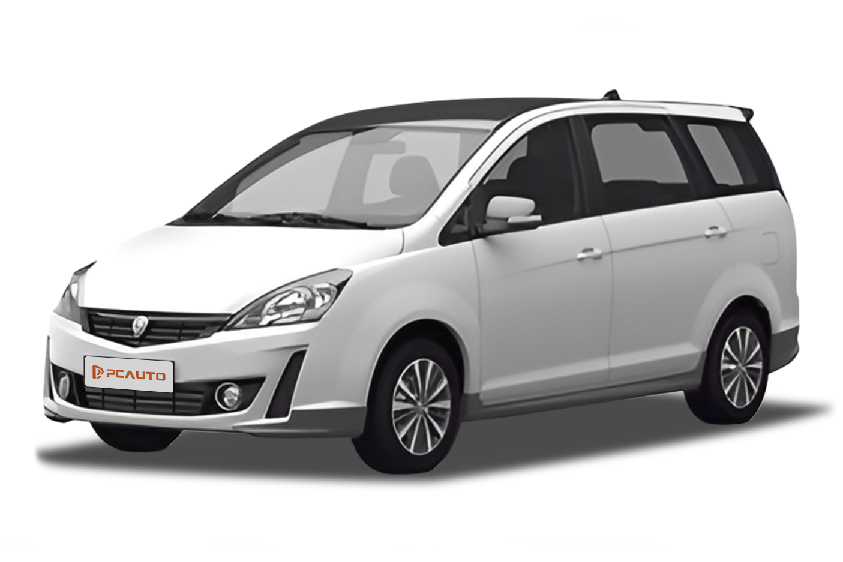
Cars With Similar Price And Features
2
Rank in Sedan
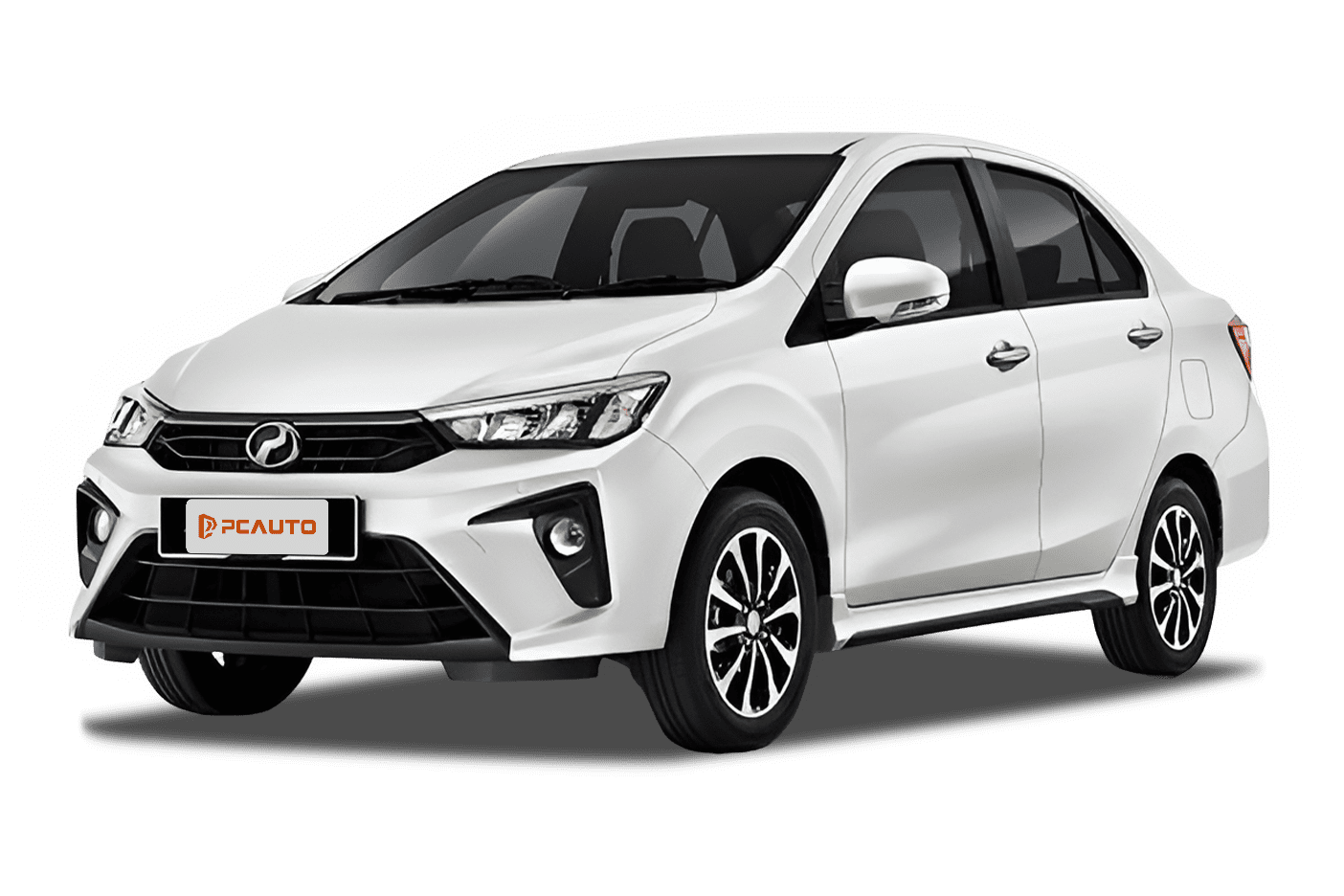
2023 Perodua Bezza 1.0 G (M) is a high-value A-segment manual sedan, offering practical features and durability at an affordable price, balancing daily commuting with safety and convenience.
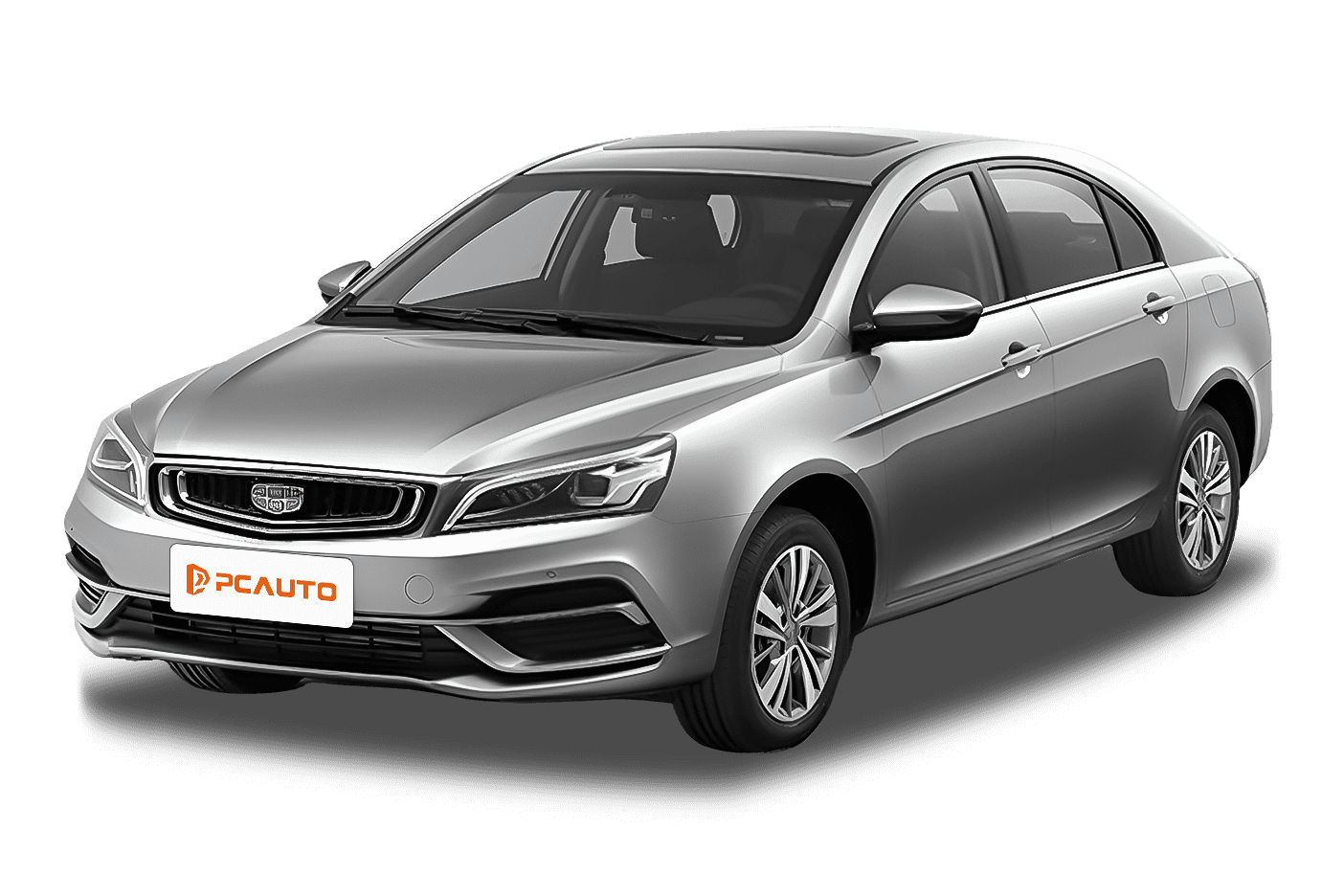
2019 Geely New Emgrand 1.5L-CVT is a balanced family sedan with practical space, rich safety features, and fuel efficiency, meeting the needs of daily commuting and short trips.