

2020 BMW i3s Review

 Share
Share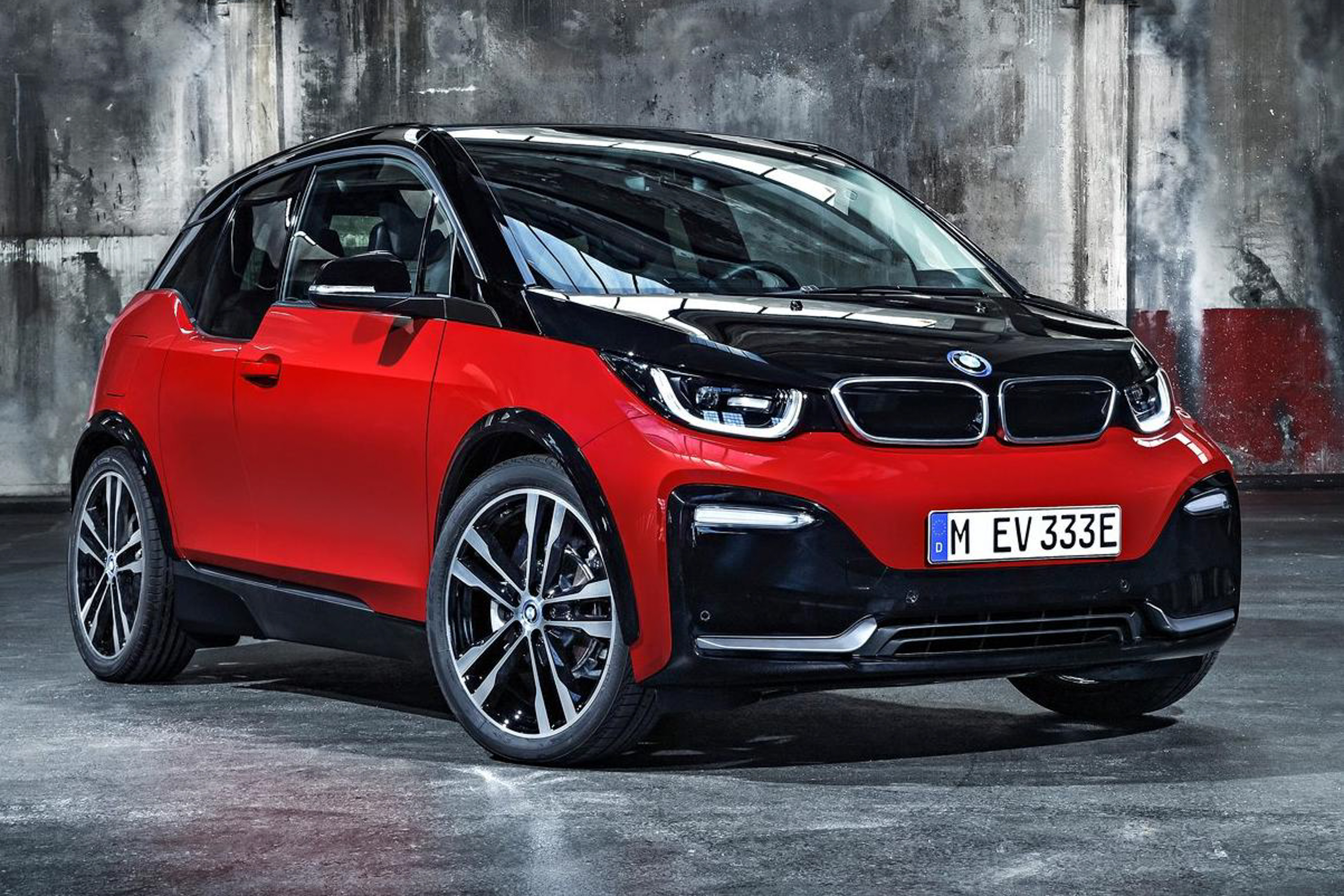
 Segment
 Body Type
 Driven Wheels
 Motor Output(kW)
 Motor Torque(Nm)
 EV Range(km)
In the B-segment electric vehicle market, compact and flexible city commuter models have always been popular choices in this niche segment. As a pure electric representative under the brand, the 2020 BMW i3s attracts many consumers who value driving pleasure with its rear-wheel-drive layout, sporty tuning, and BMW's iconic driving dynamics. This time, we received a test car, and our primary goal is to verify its actual performance in daily commuting and city navigation, and to see if this "pocket rocket" electric car can truly balance practicality and driving joy.
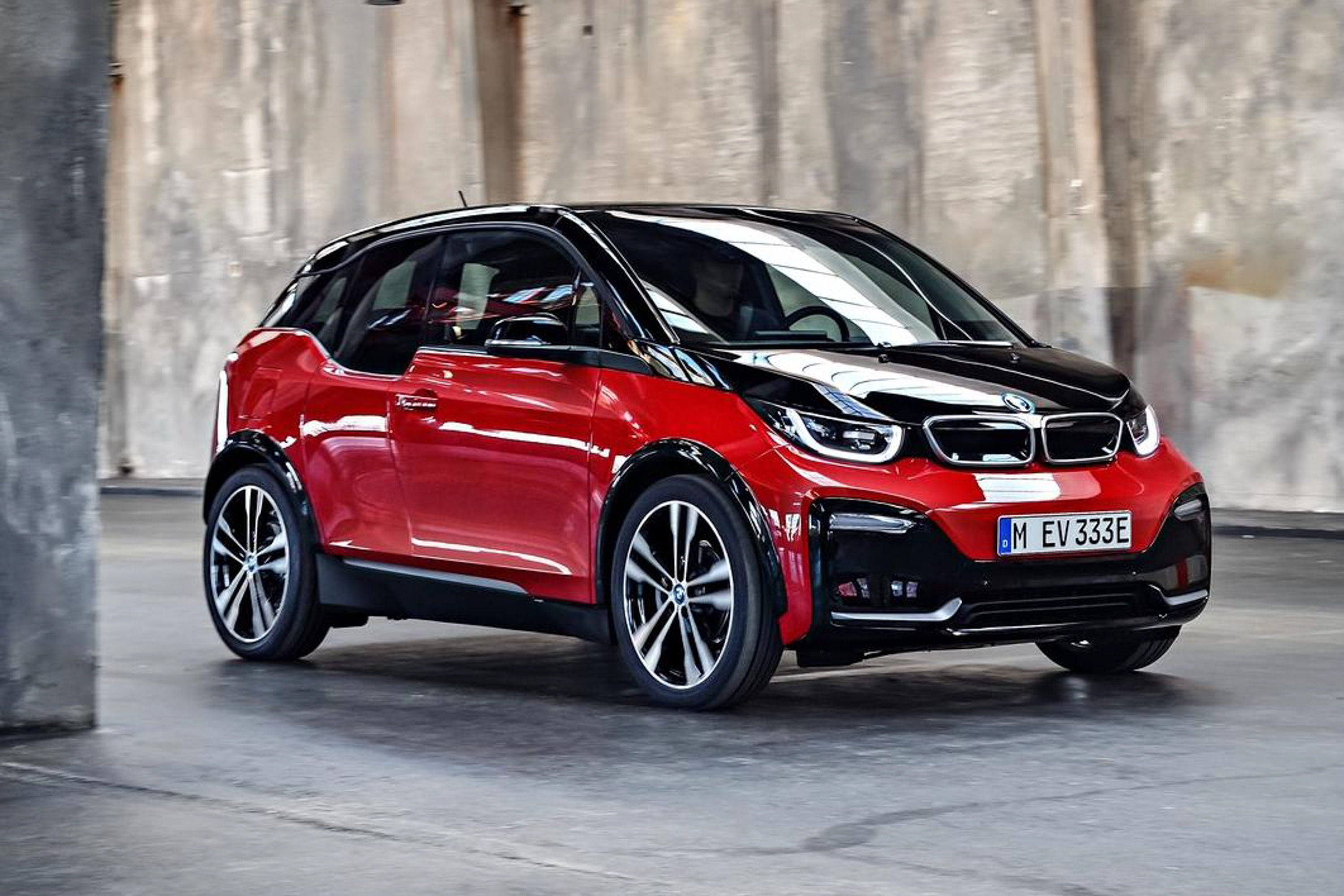
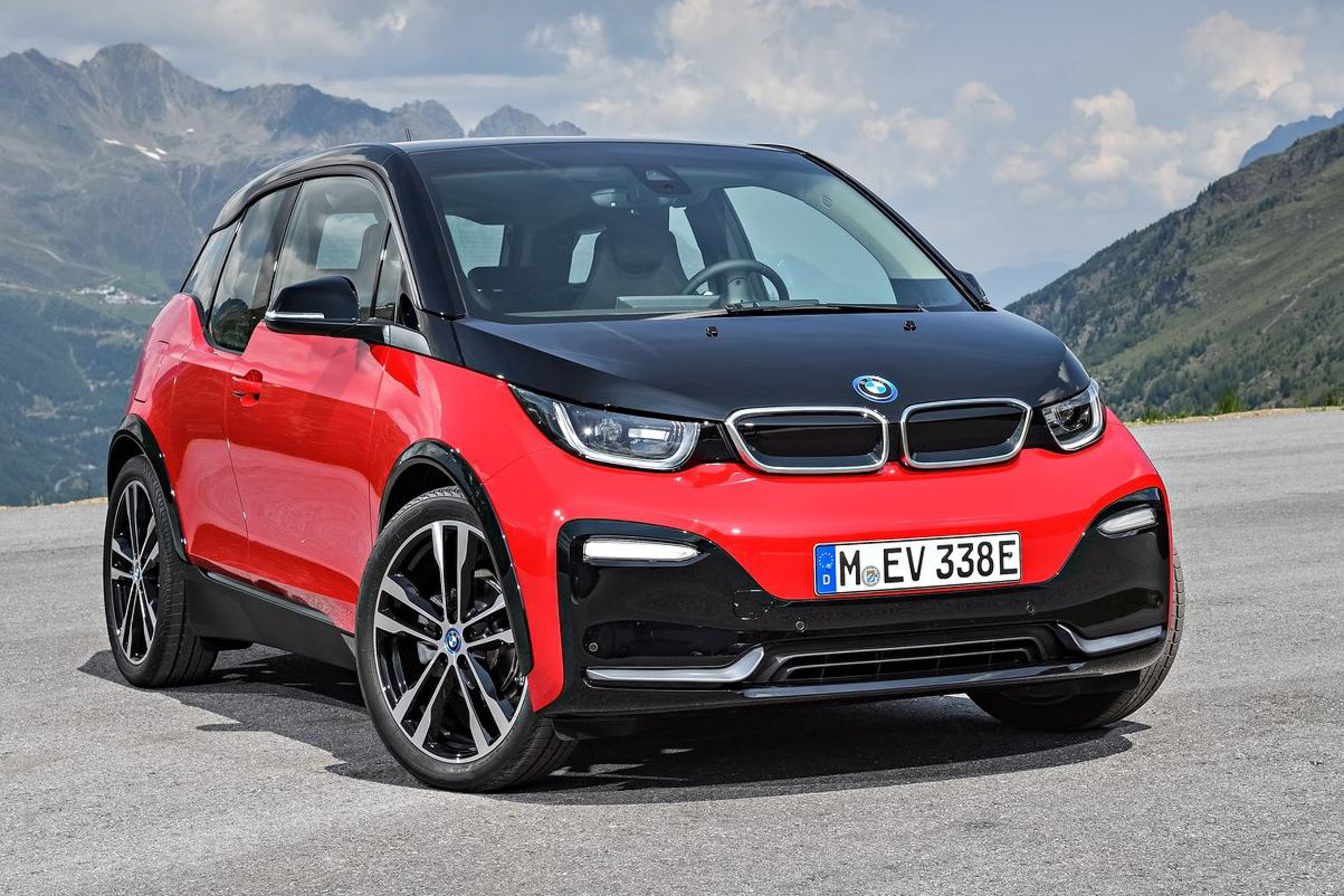
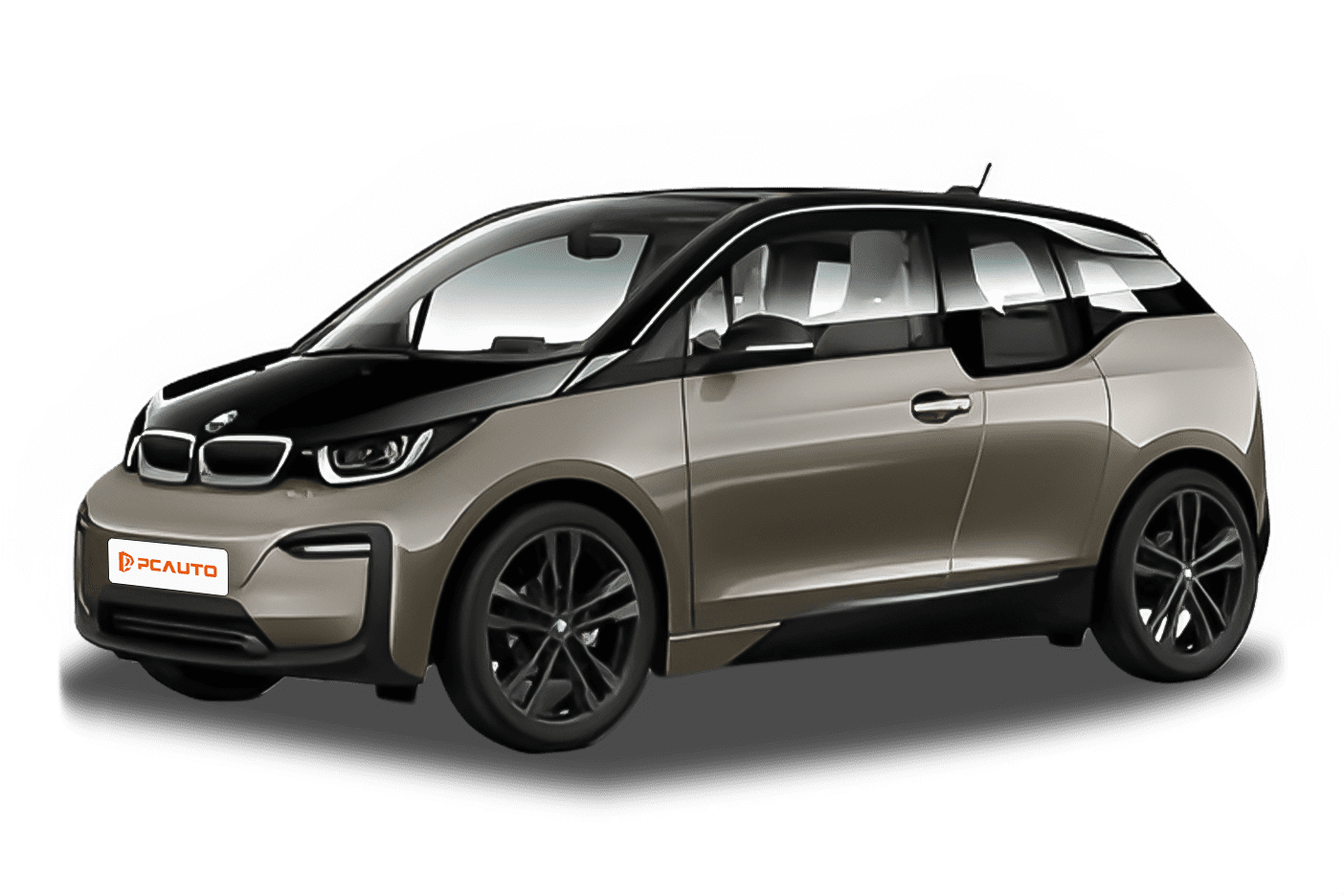
From the exterior, the 2020 i3s maintains the family's unique design language, with an overall silhouette that remains boxy but features smooth lines. The signature double kidney grille on the front is narrow at the top and wider at the bottom. Although sealed, its iconic outline maintains high recognizability. Paired with sharp LED headlights on both sides and a sporty front bumper below, it creates a nice sporty atmosphere. The side profile of the car is simple and fluid, with 20-inch dual-tone wheels paired with narrow 175/55 R20 tires at the front and 195/50 R20 tires at the rear, ensuring visual impact while also meeting the low rolling resistance demands of electric vehicles. At the rear, the horizontally arranged LED taillights complement the black accents of the rear bumper. The overall design is simple but refined, making it immediately recognizable as a BMW even in heavy traffic.
Opening the door, the interior design leans towards simplicity and practicality. The dashboard features extensive use of sustainable materials, such as wooden trim on the instrument panel and fabric materials for the seats, which feel delicate and environmentally friendly. The 10.25-inch central control screen is moderately sized, the interface layout is clear, and when paired with the fully digital instrument cluster, it offers sufficient technological appeal for everyday use. In terms of features, keyless entry, electrically folding mirrors, automatic air conditioning, and front and rear parking sensors are all standard. Although the seats are manually adjusted, the 50:50 split-fold rear seats can be lowered, expanding the trunk capacity from 260L to a larger space, which is ample for a few carry-on suitcases or shopping bags for daily use. Space-wise, with a length of 4006mm and a wheelbase of 2570mm, the front seating area is spacious. A 175cm tall passenger would still have a fist’s worth of headroom after adjusting their seat position. The rear legroom is slightly tight and more suitable for short trips, but as a city commuter car, this performance is quite adequate.
In terms of power, the 2020 i3s is equipped with an electric motor delivering a maximum horsepower of 187PS. The rear-wheel-drive layout, combined with the smooth tuning of its AT gearbox, results in very direct power response during start-up. A slight press on the accelerator provides a noticeable push-back feeling. Its 0-100km/h acceleration of 6.9 seconds places it in the upper-middle level among vehicles in the same class of electric cars. When switched to sport mode, the power output becomes even more aggressive. Pressing the accelerator hard during overtaking triggers an instant burst of torque from the motor, making overtaking at high speeds clean and efficient. The steering wheel feels precise with very little play, and when combined with the sporty tuning of the front MacPherson strut and rear multi-link independent suspension, body roll is well-controlled during cornering. Even during quick lane changes, the car remains stable. However, due to the narrow tires, the suspension doesn't completely absorb bumps in uneven road conditions, making road feedback more pronounced. Still, this aligns with its sporty orientation.
As for braking performance, the front and rear ventilated disc brakes deliver stable performance. The brake pedal feels linear, and during emergency braking, the car's body posture remains stable without noticeable nosedive. In terms of noise control, there is some wind and tire noise at high speeds, but when driving on urban roads at speeds below 60km/h, the cabin remains relatively quiet, not disrupting normal conversations. The energy recovery system offers adjustable levels. In the highest setting, releasing the accelerator provides a noticeable drag effect, which is suitable for single-pedal operation in congested urban areas. The lowest setting closely replicates the coasting feel of a fuel car, making it easy to adapt to.
Overall, the core strengths of the 2020 BMW i3s lie in BMW’s signature driving dynamics, agile body size, and decent configuration performance. Compared to other electric vehicles in the same class, its rear-wheel-drive layout and sporty tuning are its biggest highlights. Although its space and range (not clearly stated officially but approximately 250-300km for urban commuting) are not top-notch, for urban users who prioritize driving pleasure, these are not significant drawbacks. This car is most suitable for individuals with a daily commute within 50km, young consumers who pursue driving experience, or as a second vehicle for the family. If you are looking for an easy-to-drive, agile urban electric vehicle with brand appeal, the 2020 BMW i3s is worth considering.
BMW i3s Car Compare
BMW i3s Loan Calculator
More BMW Reviews
Cars With Similar Price And Features

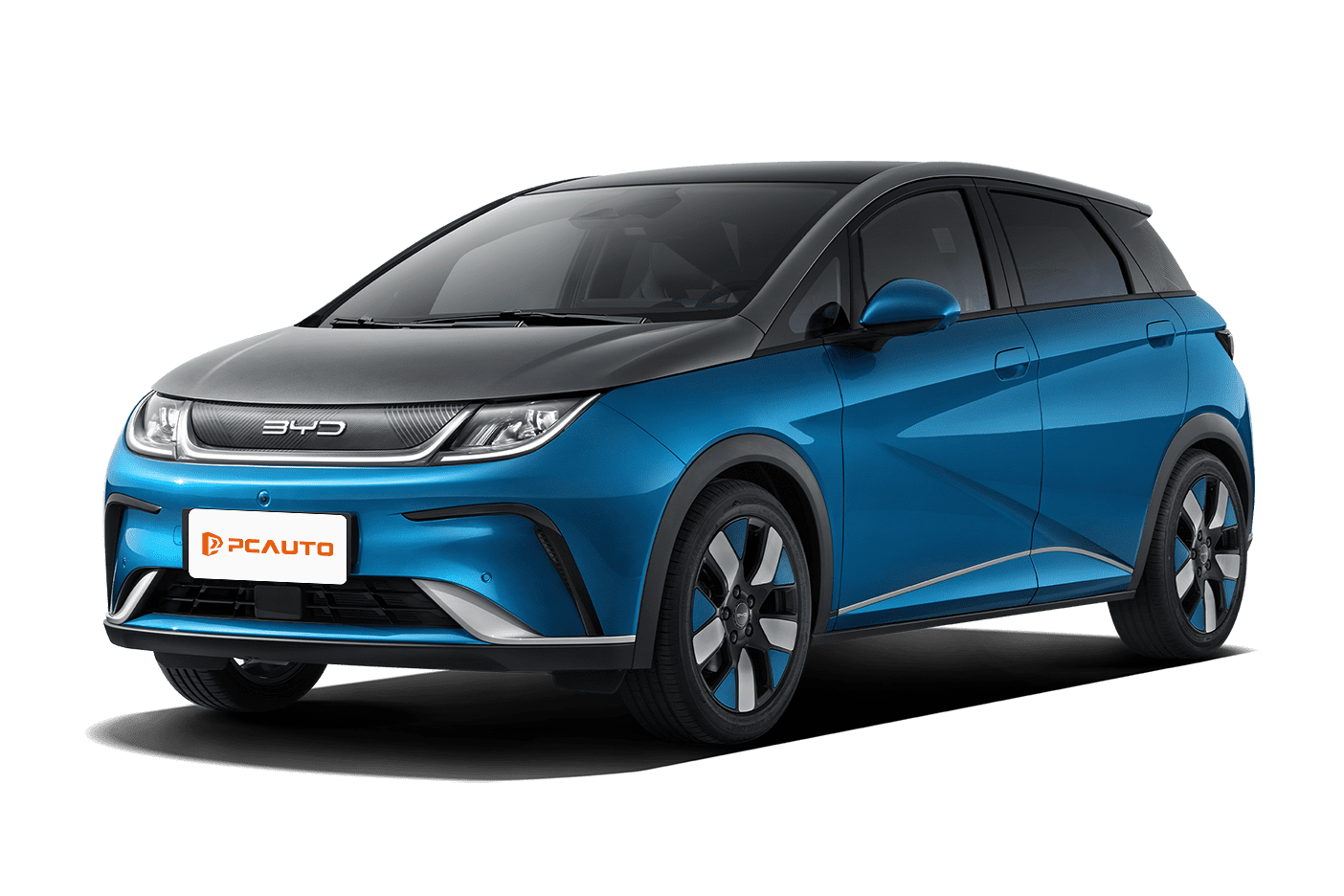
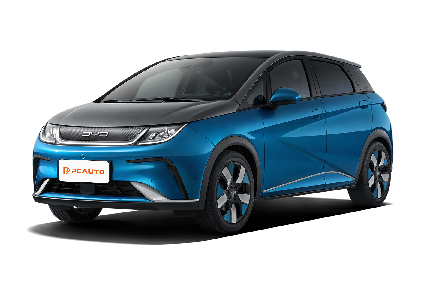
2023 BYD Dolphin Dynamic Standard, as a high-value B-class electric entry-level model, features a 410km range, L2 assisted driving, and a rotatable central control screen, balancing practicality and intelligence, suitable for family commuting.
7
Rank in Hatchback
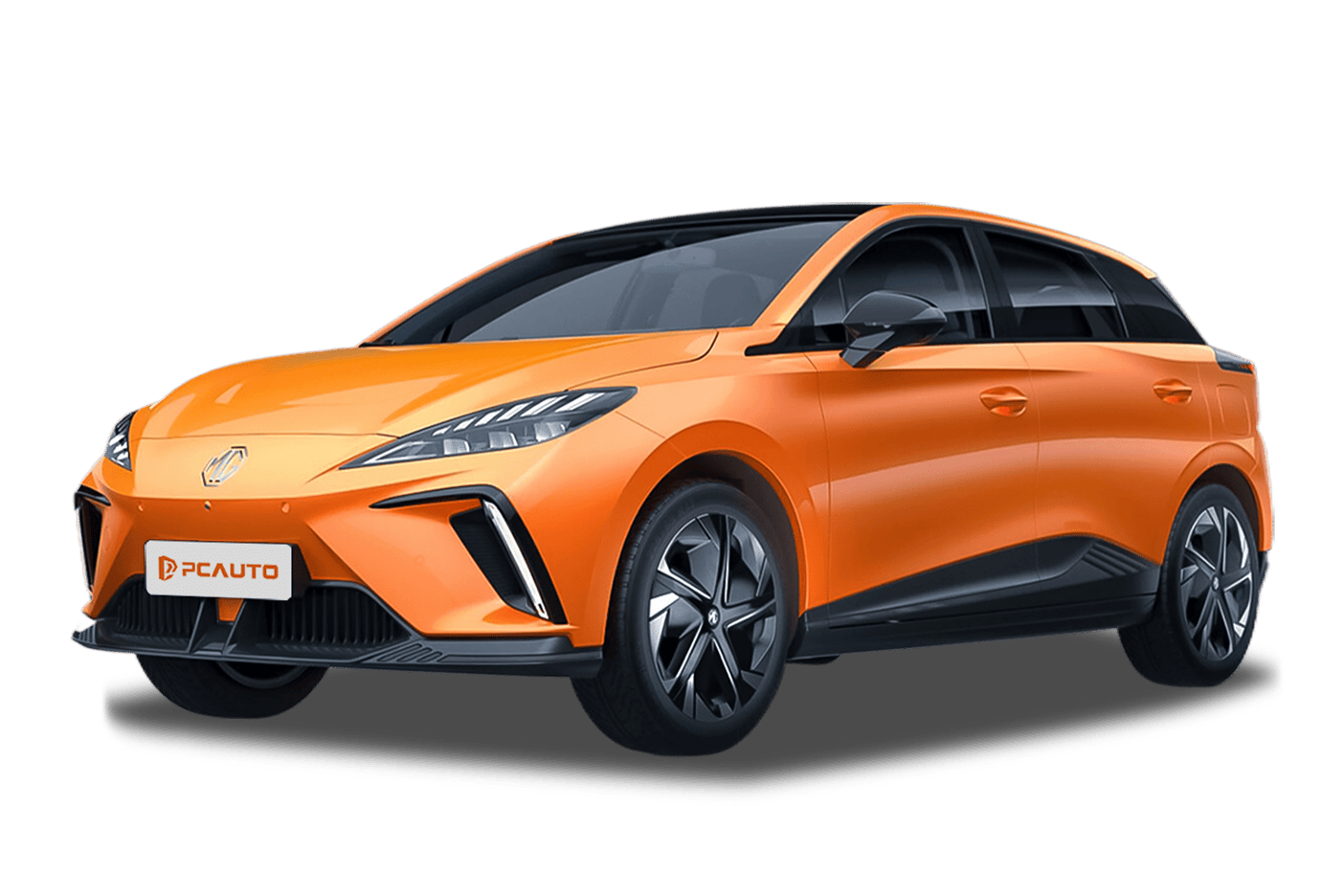
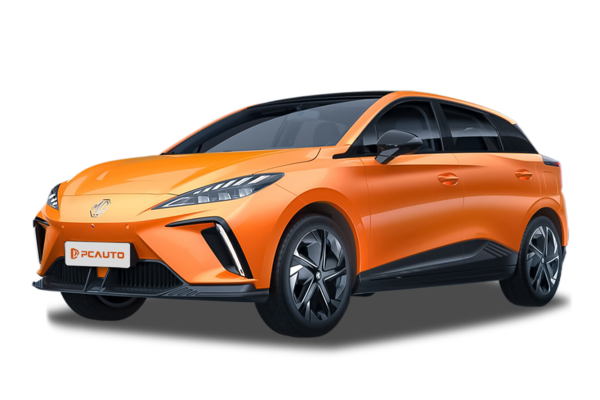
2024 MG4 Standard is a high-value pure electric hatchback, featuring a long wheelbase with spacious interior, comprehensive basic configurations, and rear-wheel-drive driving characteristics, designed to meet the core needs of family commuting.
11
Rank in Hatchback
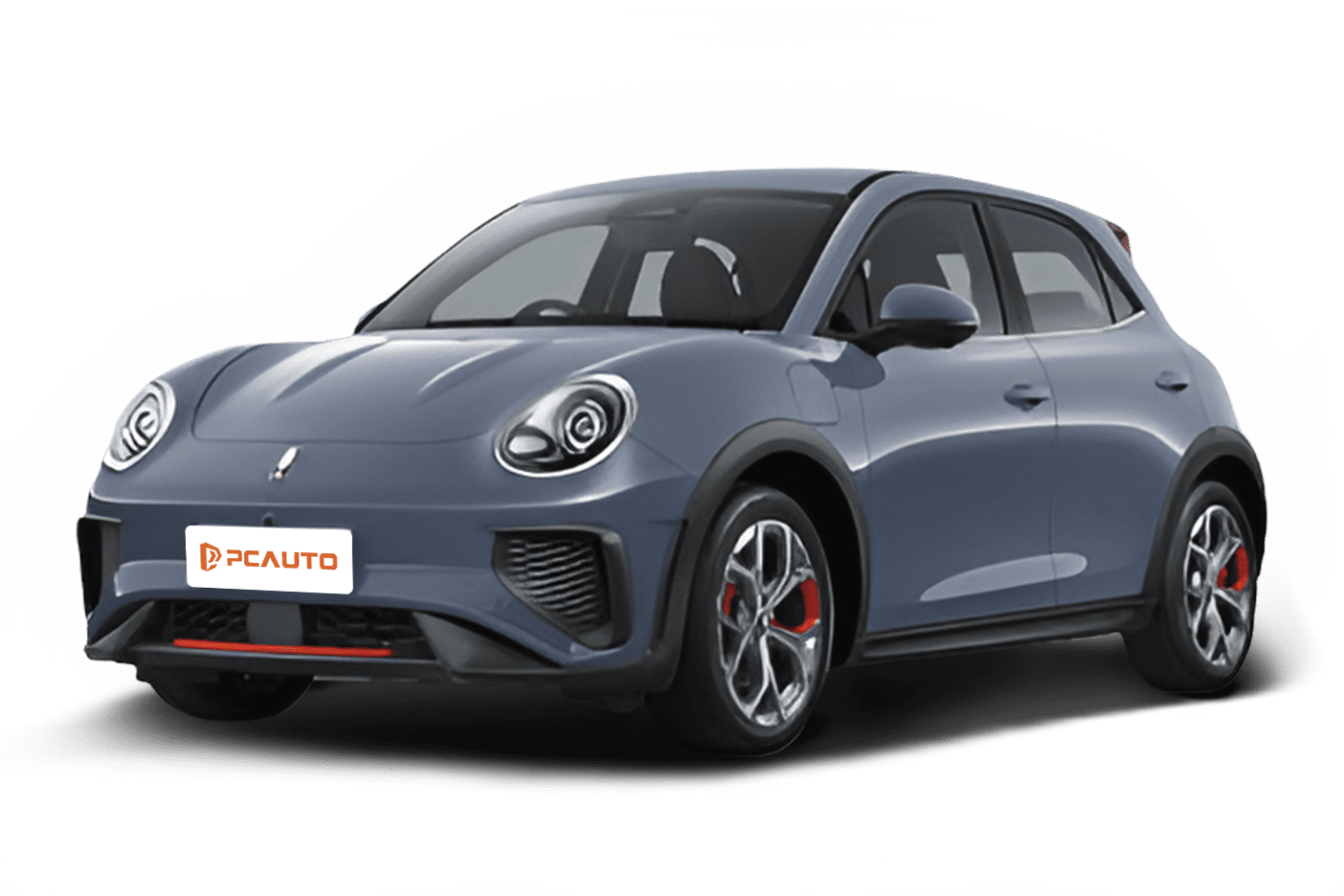
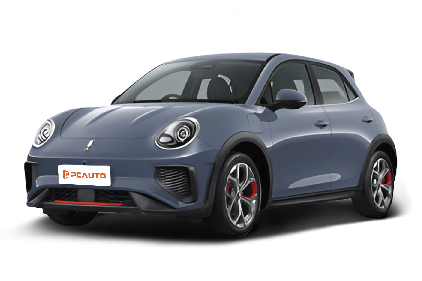
2025 ORA Good Cat Ultra features a retro design for distinctiveness, paired with a 480km range, rich intelligent safety configurations, and practical space, making it a cost-effective B-class electric commuting choice.

2023 Renault Zoe R110 is a B-segment pure electric vehicle, offering class-leading safety features, a comfortable driving experience, and a range of 395km, meeting daily commuting and weekend travel needs.