2022 Hyundai Staria 10-seater Plus Review

 Share
Share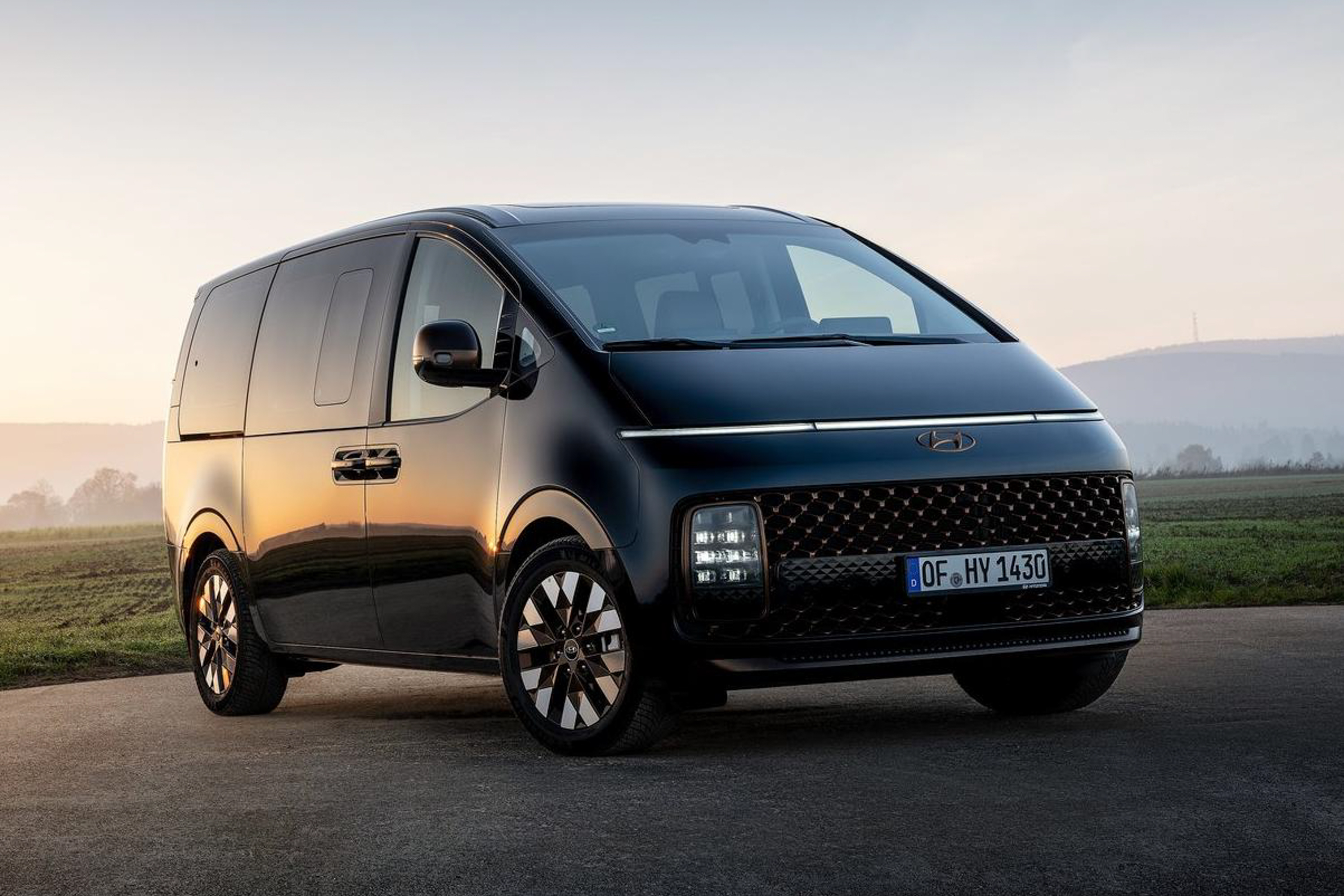
 Segment
 Body Type
 Capacity(L)
 Engine Power(PS)
 Transmission
 Driven Wheels
In Malaysia's MPV market, 10-seater models have always been the core choice for family users and small businesses—they must meet the spatial needs of transporting multiple people while also balancing practicality and configuration experience for everyday driving. As Hyundai's flagship MPV, the Hyundai Staria 10-seater Plus enters the market with its unique sci-fi exterior, rich safety features, and flexible 10-seat layout. Can it stand out among competitors like the Toyota Alphard (mid to low trims) and Kia Carnival? This time, we conducted a comprehensive static and dynamic test to evaluate its actual performance.
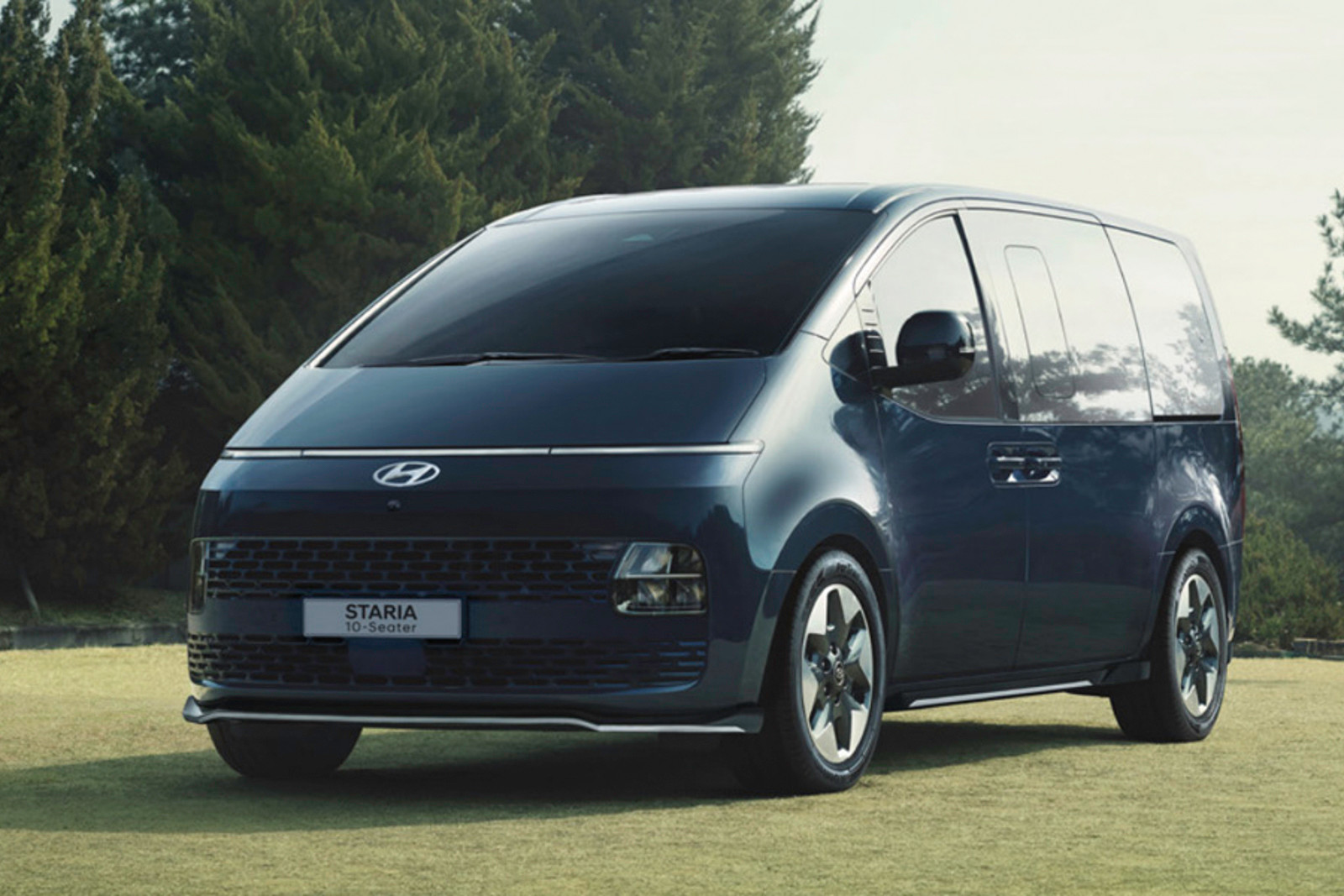
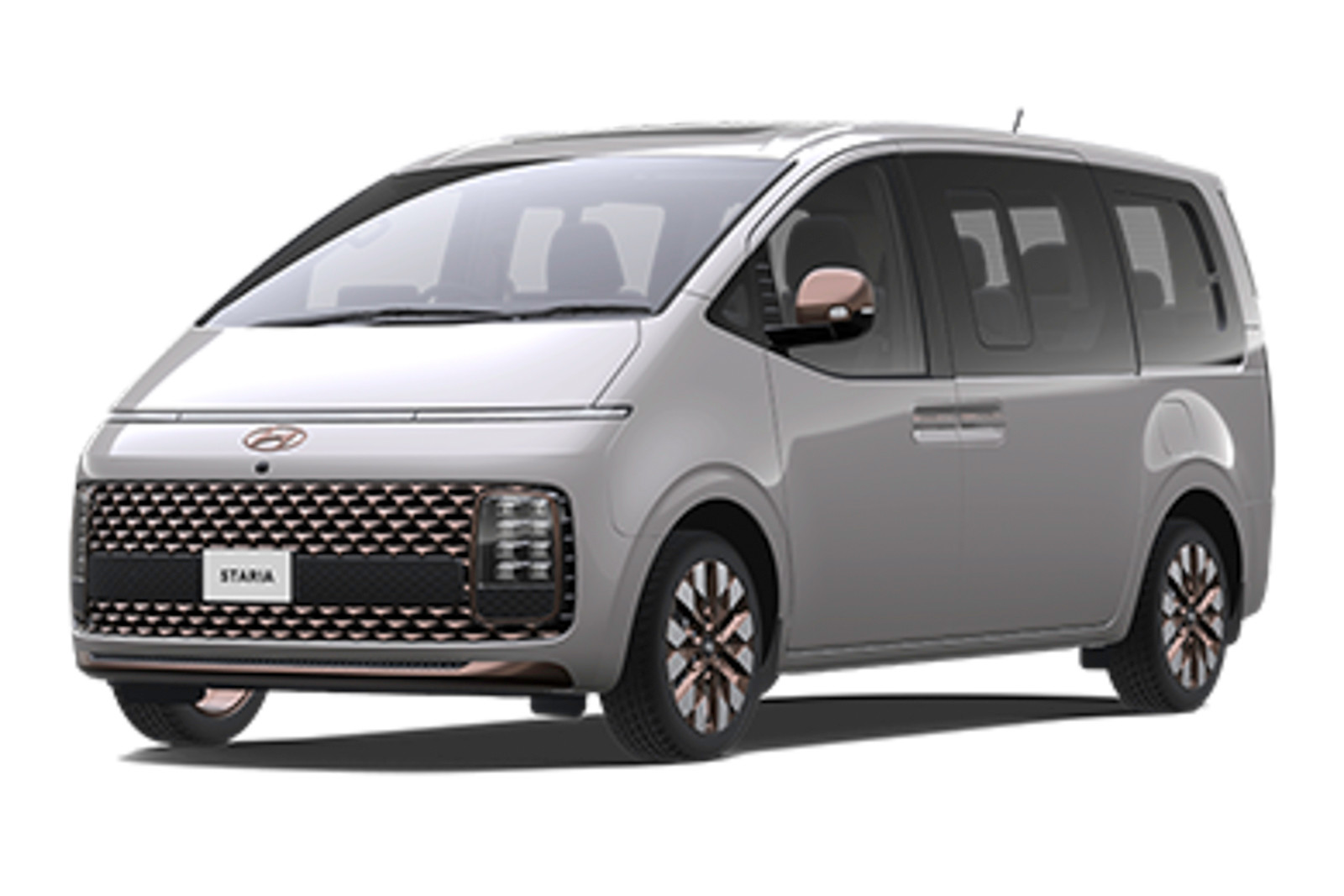
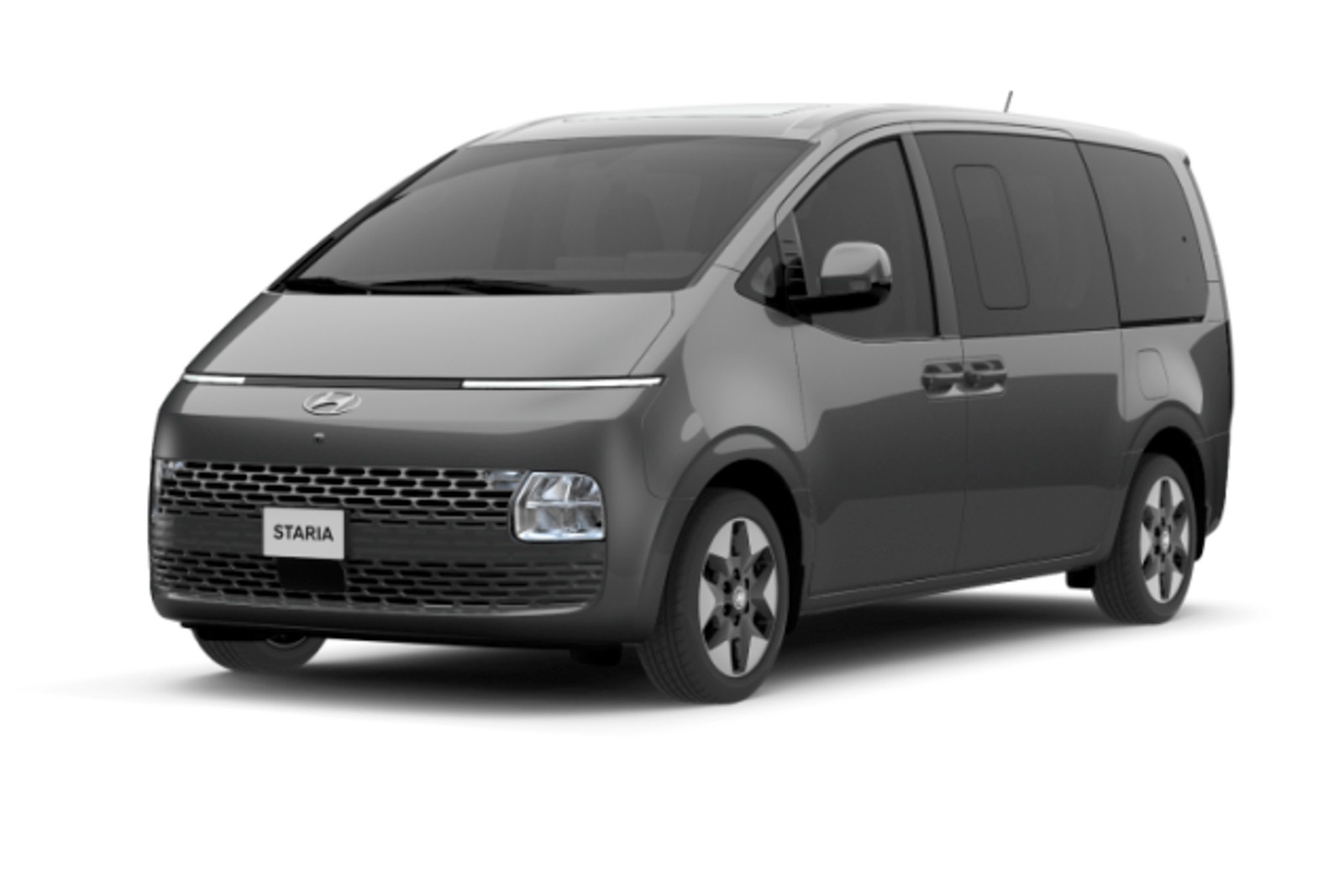
The first impression upon seeing the Staria is that its design breaks free from the traditionally boxy look of MPVs. The front features a through-type LED daytime running light, paired with a large-sized grille below, which enhances the visual width. The side profile is smooth, with a streamlined beltline extending from the A-pillar to the rear, giving a clean and tidy look. The 17-inch wheels are not very large, but their proportions are well-matched with the 5253mm length and 1997mm width of the vehicle. At the rear, the vertical taillight assembly echoes the front, and the LED light source ensures high recognition when lit. The overall design retains the practicality of an MPV while incorporating sci-fi elements to increase its visual appeal.
Entering the interior, the cabin design exhibits a clear sense of layers. The dashboard features a symmetrical layout with an 8-inch touchscreen centrally positioned. The operation logic is simple, though the screen size is not particularly notable among competitors. The 10.25-inch full LCD instrument cluster displays comprehensive information, while the HUD head-up display can project real-time data such as speed and navigation, eliminating the need to frequently look down while driving. In terms of materials, the seats are wrapped in leather. The front driver’s seat supports 8-way electric adjustments with heating and ventilation, and the second-row passenger seats offer 4-way electric adjustments with heating and ventilation, providing a soft touch. While the leather on the rear seats isn't as refined as the front, the support is adequate. In terms of details, the vehicle is equipped with six airbags, lane-keeping assist, lane departure warning, and other active safety features. Practical configurations such as Keyless Operation for keyless entry/start, a 220V power socket, and independent rear air conditioning are all included, ensuring convenience for daily use.
Space is the core advantage of the Staria 10-seater Plus. The 3273mm wheelbase ensures that the 10-seat layout doesn't feel cramped. The second-row seats support forward and backward sliding; a passenger standing 175cm tall can find two fists of legroom in the second row. For the third and fourth rows, legroom is one and a half fists and one fist respectively. Although the fourth row feels relatively compact, short-distance rides don’t feel uncomfortable. In terms of storage capacity, the base trunk volume is 1024L, but by folding down the second, third, and fourth rows, a massive cargo space can be created, ideal for transporting larger items. Notably, the rear comes equipped with sunshades that effectively block sunlight, enhancing passenger comfort.
In terms of performance, the Staria is powered by a 2.2L diesel engine with a maximum output of 177PS at 3800rpm and a peak torque output available between 1500 and 2500rpm. During daily driving, the initial power response is relatively smooth, but beyond 1500rpm, the torque becomes ample. When accelerating, pressing the throttle deeply reveals smooth gear shifts from the automatic transmission, with no noticeable jerking. Switching to sport mode increases throttle sensitivity, making acceleration more dynamic. However, the noise levels of the diesel engine are slightly more pronounced compared to petrol-powered vehicles.
The handling performance exceeds expectations. The steering wheel has moderate turning resistance with precise steering. Although the car body is relatively large, the turning radius is well-controlled, making parking and U-turns in the city not too troublesome. The suspension system adopts a front MacPherson + rear multi-link structure, which can filter out most minor jolts on Malaysia's commonly uneven roads, and the rear passengers don't feel significant jarring. When cornering, body roll is controlled within a reasonable range, and it doesn’t have the "rocking boat" feeling. In terms of braking, the front and rear ventilated disc brakes provide a linear pedal feel, with a moderate stopping distance, giving drivers great confidence for daily driving.
In our fuel consumption test, we drove 50 km in the city and 50 km on the highway, with the air conditioning on throughout and four passengers on board. The final average fuel consumption was 8.2L/100km. This performance is above average among 2.2L diesel MPVs and is more fuel-efficient than gasoline MPVs of the same displacement, making it suitable for long-term use. Regarding ride comfort, the heated/ventilated front seats are very practical in Malaysia’s climate. Although the rear seats don’t have electric adjustments, the backrest angle is adequate, making long trips less fatiguing. Noise control inside the car is average. At a speed of 110km/h on the highway, wind noise and tire noise become more evident, but the diesel engine noise is well suppressed at idle.
In summary, the core advantages of the Staria 10-seater Plus are very prominent: its futuristic exterior design, flexible 10-seat space, comprehensive safety features, and the heated/ventilated functions of the front seats—precisely meeting the needs of family users. Compared with competitors, its price (RM 196,888) is around RM 30,000 lower than the mid-to-low range Toyota Alphard models, yet its configuration is richer. Compared to the Kia Carnival 11-seater, although it has one less seat, the Staria's safety features (such as six airbags and active braking) are more complete.
However, it does have shortcomings: the size of the central control screen is relatively small, there are only four speakers (average sound quality), and there is no parking camera system. These detail configurations need improvement. Overall, the Staria 10-seater Plus is more suitable for users who focus on "large space for many people + safety features + fuel economy"—such as large families with a regular need for 6-8 passengers or small businesses needing to balance employee transportation and cargo delivery.
In conclusion, the Hyundai Staria 10-seater Plus is an MPV that prioritizes “practicality over flashiness.” It breaks the monotony of traditional MPVs with its futuristic design while offering space, safety, and fuel economy as its three core advantages. This makes it a strong contender in Malaysia’s 10-seater MPV market. If you’re looking for a vehicle that meets the needs of transporting multiple passengers, offers sufficient features, and ensures economical fuel consumption, the Staria is worth considering.