

2022 Proton Saga 1.3 Standard AT Review

 Share
Share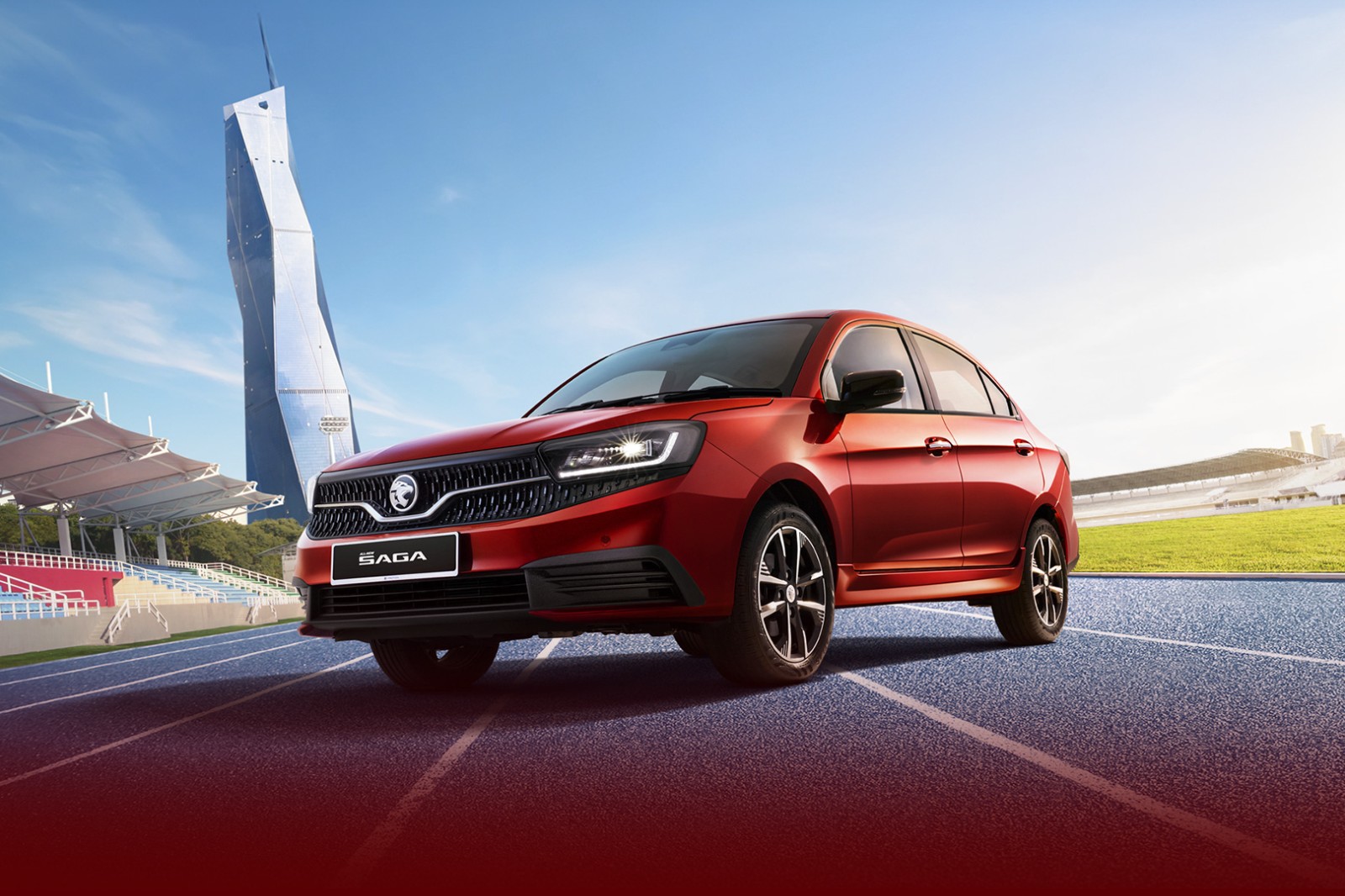
 Segment
 Body Type
 Capacity(L)
 Engine Power(PS)
 Transmission
 Driven Wheels
The A-segment sedan market has always been a primary choice for Malaysian family users – practical, fuel-efficient, and affordable, with the Proton Saga, a domestic brand, consistently being a long-standing favorite that garners attention with each update. The 2022 Saga 1.3 Standard AT is the entry-level automatic transmission model in the series, officially priced at RM 38,800, targeting the positioning of "high cost-performance + sufficient basic configuration." In this test drive, we focus on whether it meets the core needs of daily commuting and short family trips while maintaining its price advantage.
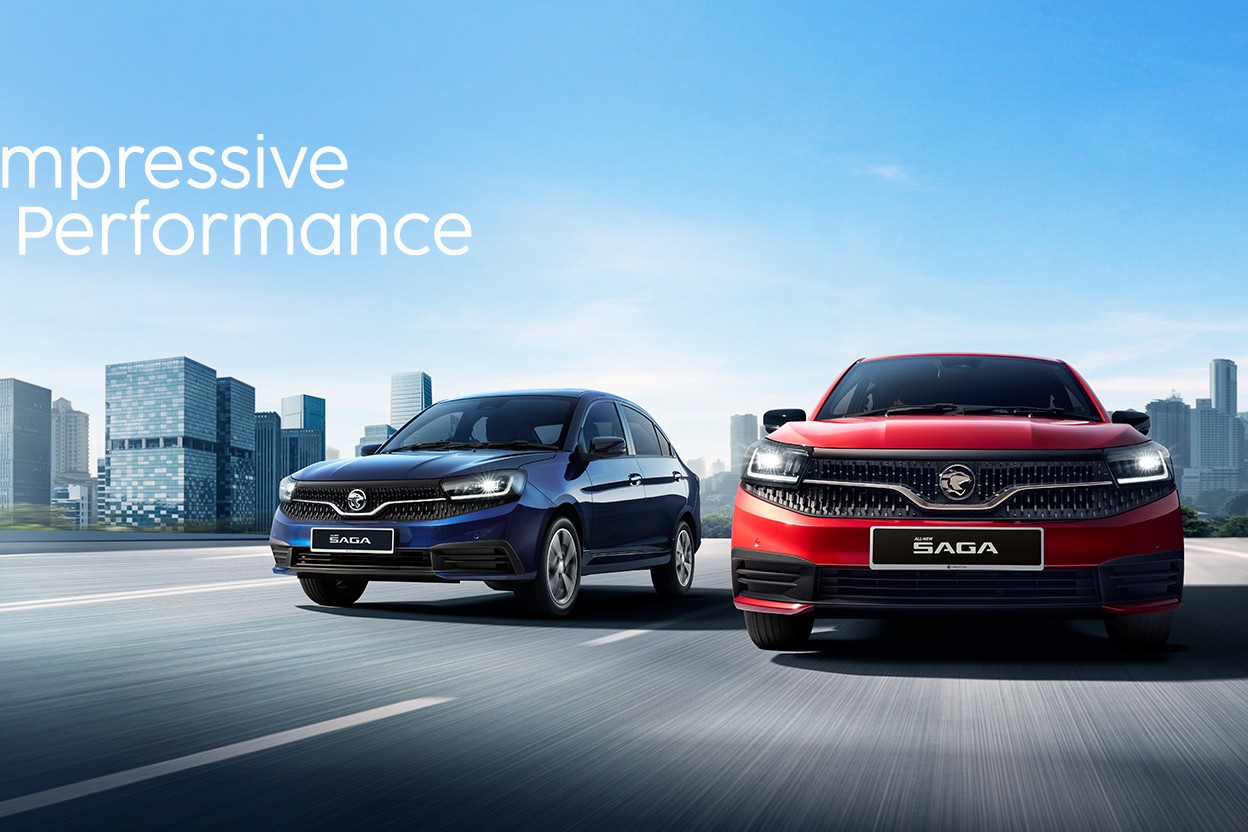
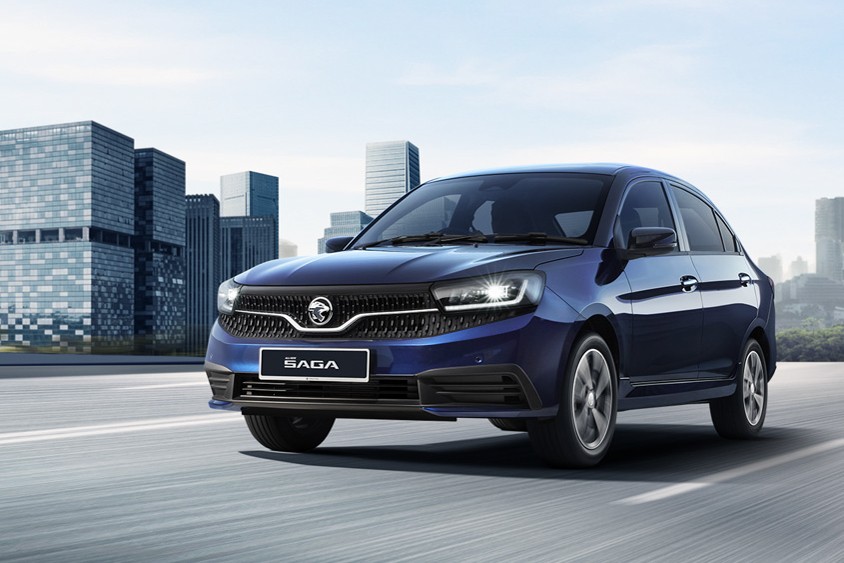
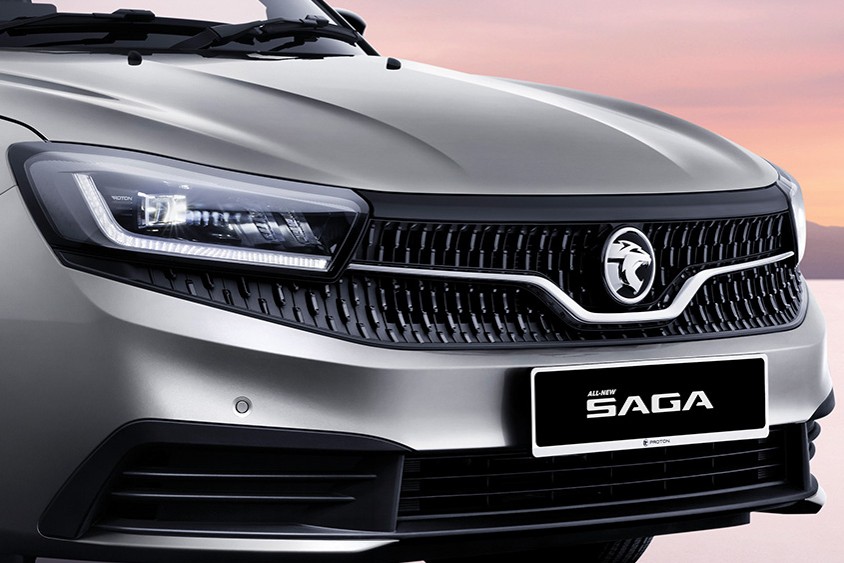
In terms of exterior, the 2022 Saga Standard AT continues the family-style design, with an overall steady look. The front face features a large trapezoidal intake grille with a black honeycomb pattern inside, paired with Proton's signature shield-shaped logo, providing decent recognition. The halogen headlights on both sides are sharp in design and connected to the grille edges, visually extending the width of the front. The side profile is simple, with an understated waistline stretching from the front fender to the rear, adding a bit of layered texture; the 14-inch steel wheels paired with 185/60 R14 tires meet the entry-level positioning. At the rear, the taillights adopt a horizontal layout with a simple internal structure, but the contour is visible when lit; the lower part of the rear bumper features a black plastic trim, and though a reversing camera is not equipped, reverse parking sensors are standard, which is sufficient for daily parking needs.
Stepping into the interior, black is the primary color theme. The top of the center console uses hard plastic materials; however, considering the price, the texture is at a reasonable level within the same segment. The dashboard features an electronic luminous analog design, with a clear and easy-to-read tachometer and speedometer. The small center display shows basic information like fuel level and mileage. The centerpiece of the console is a 7-inch touchscreen that supports Bluetooth connectivity and USB input. Its operational smoothness is acceptable; though it lacks CarPlay or Android Auto, it meets basic music playback needs without issue. In terms of configuration, surprisingly, the entry-level model comes standard with keyless entry and start, a thoughtful feature compared to many competitors in the same class. The front row features manual air conditioning, with knobs offering moderate resistance and easy adjustment. The seats are fabric material, with manual adjustment available for the front seats. The seat cushions and backrests provide adequate support for daily usage, and they are comfortable enough for extended periods.
The spatial performance meets the expectations of the A-segment. The vehicle's dimensions are 4331mm/1689mm/1491mm (length/width/height), with a wheelbase of 2465mm. A 175cm-tall passenger can adjust their seating position in the front, leaving a fist's worth of headroom. For the rear, with the same 175cm-tall passenger, the legroom is about two fists, and headroom is about one fist, ensuring ease of movement. The rear seats can be split-folded to expand the available space, and the trunk offers a capacity of 420L, large enough to hold two 20-inch suitcases. Occasional storage of larger items is also feasible. In terms of storage, the slots on the door panels can hold a bottle of water. There is a small compartment beneath the center console suitable for holding a phone or wallet, and the front row also features two cup holders, which ensure basic practicality.
In the powertrain department, a 1.3L naturally aspirated four-cylinder engine is equipped, delivering a maximum output of 95PS and a peak torque of 120N·m (with a maximum torque speed of 4000rpm listed in the configuration table), paired with a 4-speed automatic transmission. During actual driving, the power output when starting is relatively smooth, and it takes a moment to catch up when pressing the accelerator, making it suitable for low-speed city commutes. Once the speed exceeds 60km/h, the acceleration sensation weakens; overtaking requires pressing the accelerator more deeply, triggering a downshift and higher RPMs in the transmission. At that point, the engine noise becomes more noticeable, but the RPM remains within a reasonable range. The shift logic of the transmission is not particularly intelligent; during frequent starts and stops in congested traffic, there is occasional light judder, but as an entry-level automatic transmission, the smoothness is already acceptable.
The handling and chassis performance is mediocre. The steering wheel is light, making it easy for women to drive; however, the steering is not extremely precise. That said, it handles everyday lane changing and turning with no issues. The front suspension is MacPherson independent, and the rear suspension is a torsion beam non-independent suspension (not specified in the spec sheet but consistent with the classic Saga structure). It filters out most vibrations over city speed bumps or small jolts, making the ride not too harsh. When cornering, the body roll is somewhat noticeable. After all, it is positioned as a family car, so don’t expect a thrilling driving performance. In terms of fuel consumption, the official combined fuel consumption is 6.7L/100km. During actual test drives on city roads with the air conditioning on, the fuel consumption is about 7.5L/100km, while on highways, it can drop to around 6.2L. The fuel economy is commendable and suitable for budget-conscious users.
In terms of driving comfort, sound insulation performance is average. Once the speed exceeds 80km/h, wind noise and tyre noise become noticeably apparent inside the cabin, but at speeds below 60km/h in the city, noise levels are still acceptable. The fabric seats are breathable, so they don’t get too stuffy in the summer. The rear row lacks air vents, but the front air conditioning works effectively enough to cool the rear seating area quickly.
In summary, the biggest advantage of the 2022 Proton Saga 1.3 Standard AT is its affordable price. At RM 38,800, you get practical features like keyless entry, a touchscreen display, and reverse sensors. Compared to a similar class Perodua Bezza 1.3 G AT (priced at RM 42,900), it offers better value for money. However, its shortcomings are clear too: underpowered performance, outdated transmission technology, and average sound insulation. Yet, as an entry-level family car, it meets the core needs of "drivable, easy to park, fuel-efficient, and adequately equipped."
The target demographic is straightforward: those with a budget under RM 40,000 looking for a reliable daily commuter car, first-time drivers who just got their license, or small families focusing on value-for-money. If you’re seeking power or luxury features, it might not be the best choice. But if you just want to spend the least to buy a local brand sedan that fulfills basic needs, the Saga Standard AT is definitely worth considering.
In conclusion, the 2022 Proton Saga 1.3 Standard AT is a "no surprises, but sufficiently practical" entry-level car. It optimally utilizes limited costs to achieve essential practicality, making it a very cost-effective A-segment choice in the Malaysian market.
Proton Saga Loan Calculator
More Proton Reviews
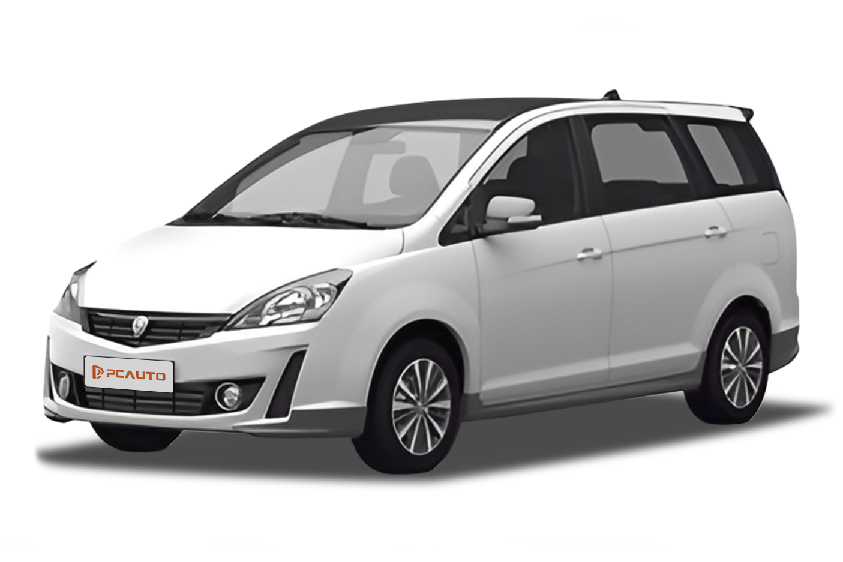
Cars With Similar Price And Features
2
Rank in Sedan
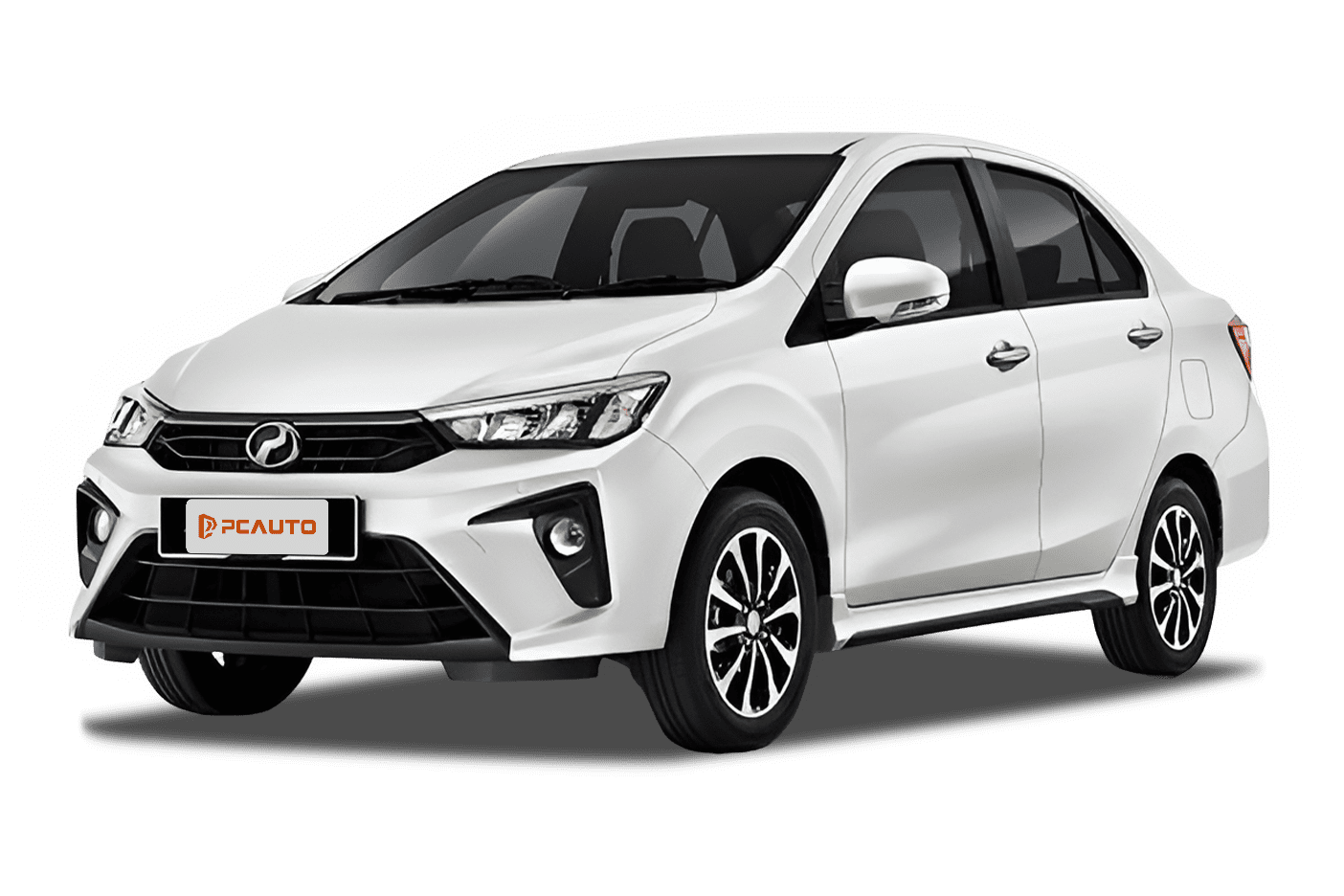
2023 Perodua Bezza 1.0 G (M) is a high-value A-segment manual sedan, offering practical features and durability at an affordable price, balancing daily commuting with safety and convenience.
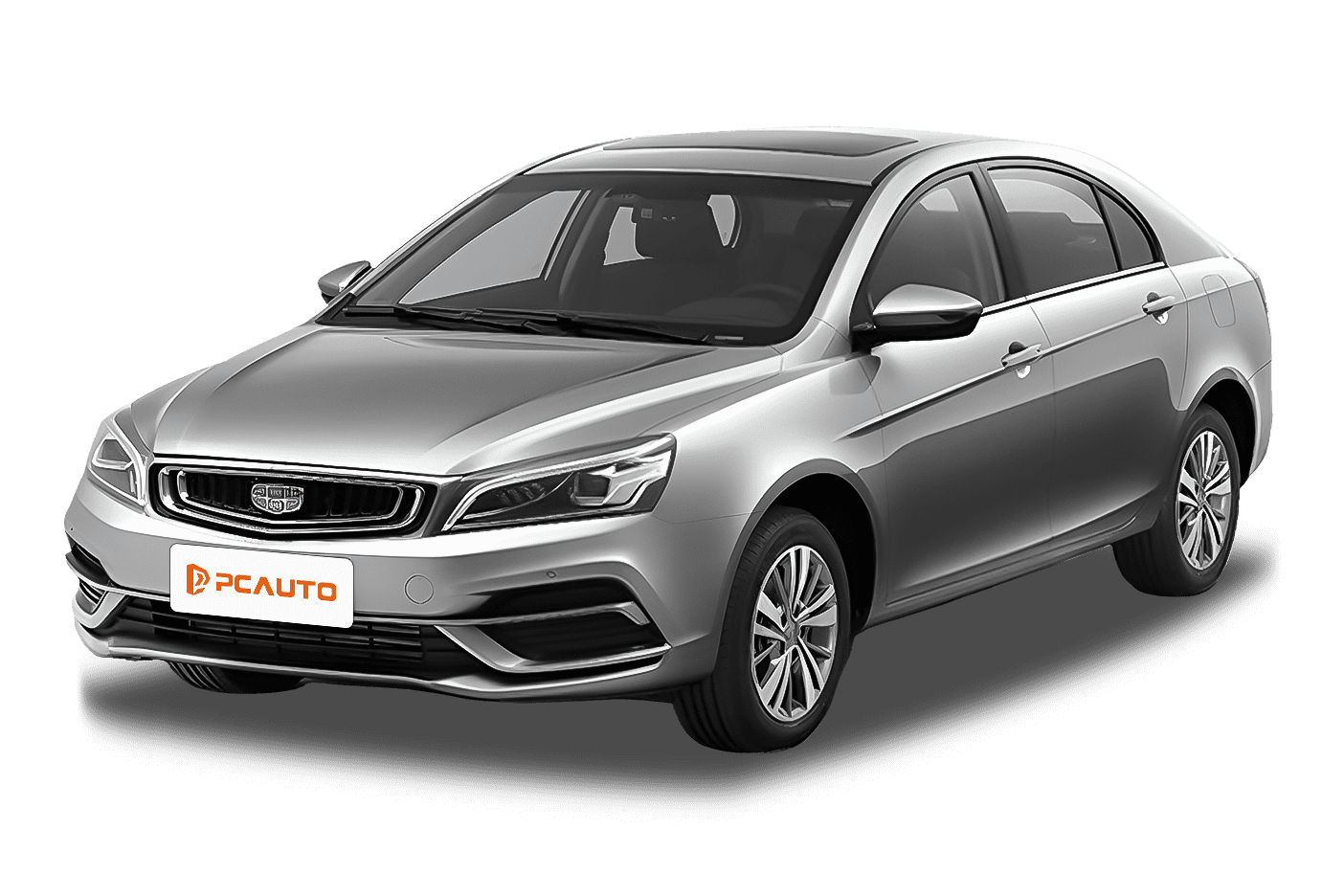
2019 Geely New Emgrand 1.5L-CVT is a balanced family sedan with practical space, rich safety features, and fuel efficiency, meeting the needs of daily commuting and short trips.