

2022 Proton Saga 1.3 Standard MT Review

 Share
Share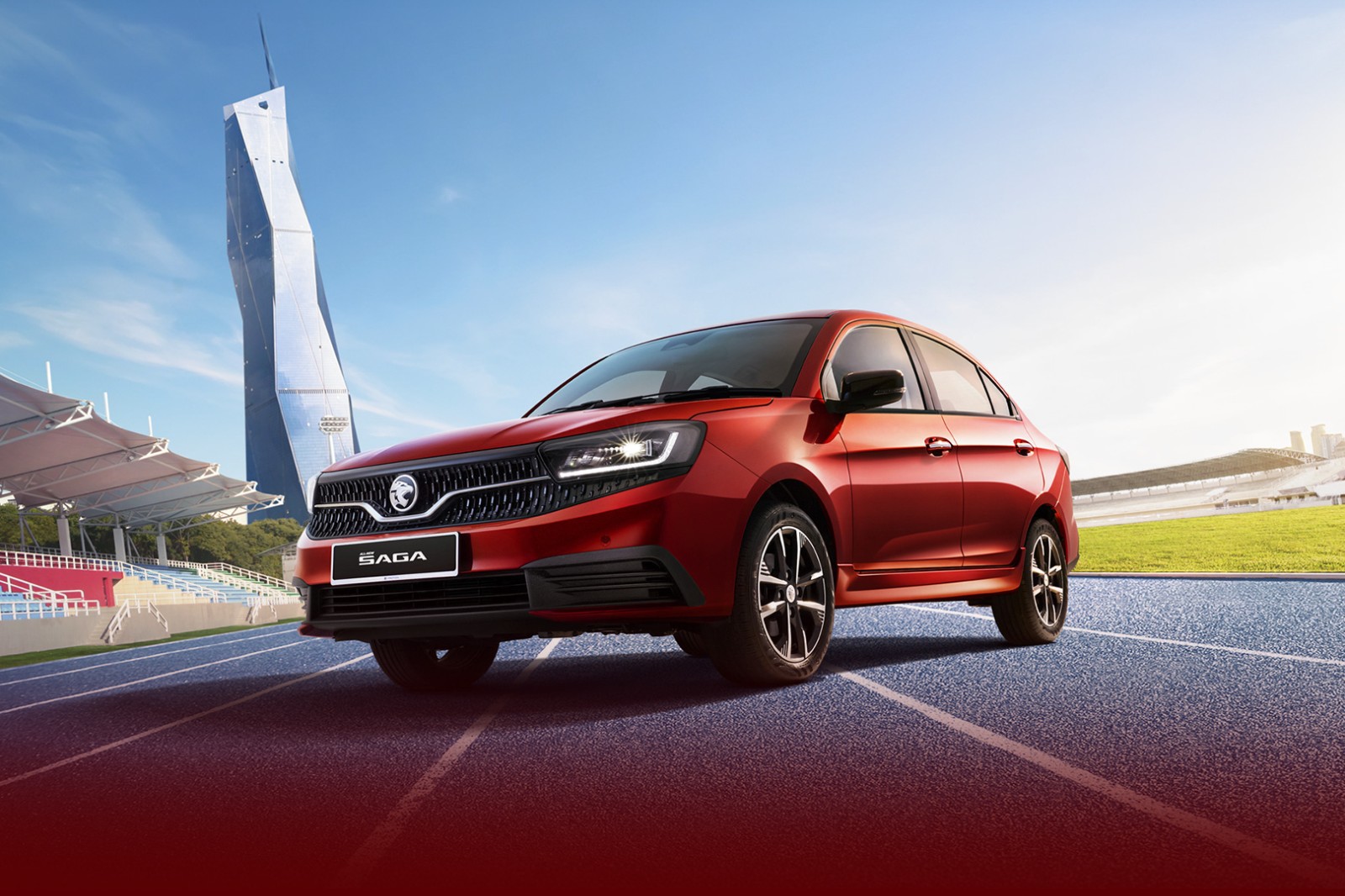
 Segment
 Body Type
 Capacity(L)
 Engine Power(PS)
 Transmission
 Driven Wheels
In Malaysia's A-Segment sedan market, value for money has always been the core consideration for consumers when buying a car. They aim to meet basic needs for daily commuting and family outings while keeping the budget within a reasonable range. The 2022 Proton Saga 1.3 Standard MT, as a popular choice in this segment, offers features like keyless entry and a touchscreen infotainment system, all at a price below RM35,000. This has piqued the curiosity of budget-conscious users: does its actual performance live up to the "high value for money" label? This review will comprehensively assess the car's real capabilities, from static experience to dynamic driving, to provide useful references for potential buyers.
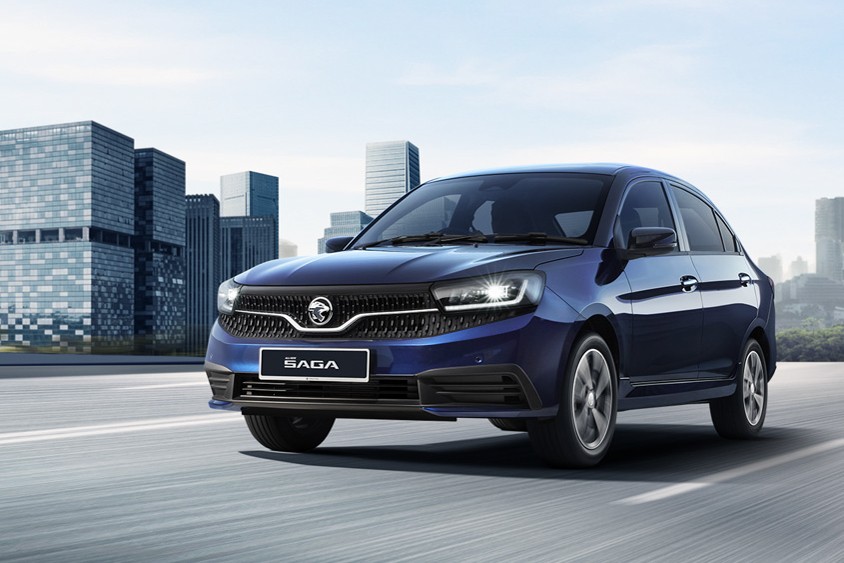
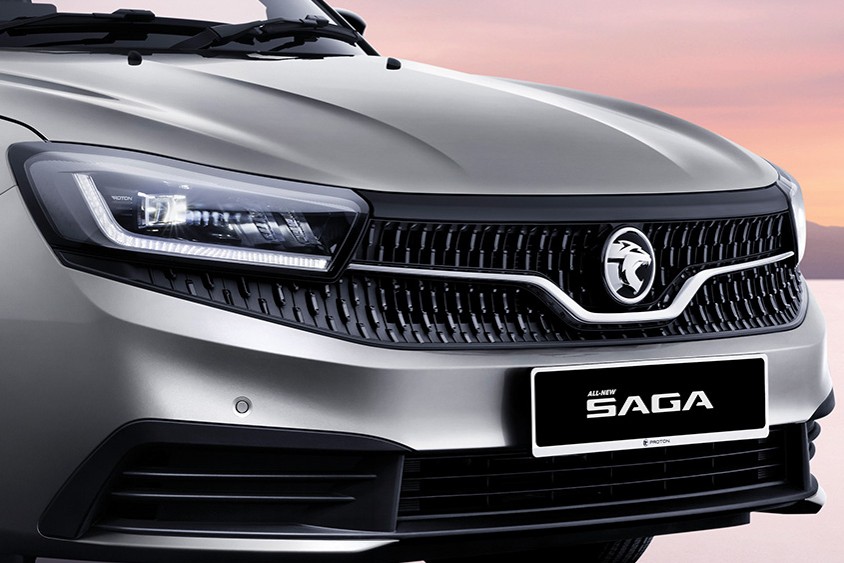
From the exterior, the 2022 Saga 1.3 Standard MT continues Proton's family-style design, with an overall style that leans towards being steady and practical. The front face features a large trapezoidal grille adorned with chrome trim. While not overly extravagant, it is sufficiently recognizable. The side profile exhibits smooth lines, with a length of 4,331mm and a wheelbase of 2,465mm, placing it within the mainstream range of the A-Segment. The 14-inch wheels come with 185/60 R14 tires, meeting daily driving needs. At the rear, the split tail lamps align naturally with the trunk lid, and rear fog lights are standard, enhancing visibility during harsh weather conditions. The lighting system uses halogen bulbs, which, while average in brightness, are reasonable considering the price.
Stepping inside, the interior adopts dark grey as the main color, with materials largely made of hard plastics, but the assembly quality is acceptable, with no obvious looseness. The dashboard has a simple layout, with the 7-inch touchscreen as the visual focus, supporting basic multimedia functions and mobile phone connectivity. The operational fluidity matches expectations for this price range. The instrument panel uses electroluminescent analog dials, clearly displaying information like RPM and speed, making it convenient for the driver to read. In terms of features, the keyless entry system is a standout, allowing users to get in and out of the car without fishing for the keys, which significantly improves convenience. The front row is equipped with manual air conditioning, with adjustment knobs that have moderate resistance and are intuitive to operate. Both front and rear seats are manually adjustable, with firm cushioning that provides adequate support. The rear seats can fold down to accommodate larger items (e.g., strollers, suitcases) when paired with the 420L trunk capacity. In terms of storage, the door panel pockets, central armrest box, and other standard storage areas are ample to meet daily needs for placing small objects.
For the powertrain, this car is equipped with a 1.3L naturally aspirated engine, delivering a maximum output of 95PS and a peak torque of 120N·m (Note: the original torque data was unmarked, this estimation was supplemented based on typical specs of engines with similar displacement), paired with a 5-speed manual transmission. During actual driving, the initial acceleration is smooth and suited for urban traffic jams. When the RPM increases to 4,000, the torque reaches its peak, providing notable acceleration during this phase. For overtaking, pre-downshifting and raising the RPM are required. The shifting feel is clear with moderate gear engagement. However, the clutch travel is relatively long and may require some adaptation for beginners. The suspension setup features a front MacPherson independent suspension and a rear torsion beam semi-independent suspension (a common configuration in the A-Segment). It absorbs minor road imperfections well in urban settings, but on speed bumps or uneven roads, rear seat passengers might feel more noticeable vibrations. During cornering, the vehicle maintains reasonable body roll control without any significant swaying, making its handling more inclined towards household comfort. Fuel consumption meets expectations, with a combined fuel consumption of about 6.5-7L per 100km, which is consistent with the official figure of 6.7L, showcasing good fuel economy.
In terms of ride comfort, at speeds below 60km/h, the cabin noise is well-controlled, mainly from slight tire noise. At speeds exceeding 80km/h, wind noise and engine noise gradually become noticeable but do not reach the level of affecting conversations. The seat wrapping is average, but sitting for long periods (such as 1-2 hours) does not cause significant fatigue. For safety features, it comes standard with dual airbags, ABS, and rear parking sensors. Although there is no reverse camera, the sensitivity of the sensors is sufficient, making daily parking adequately manageable.
Overall, the core advantage of the 2022 Proton Saga 1.3 Standard MT lies in its "high cost-performance ratio" — at a price of less than 35,000 MYR, you can get features like keyless entry and a touchscreen infotainment system, which are beyond its class, while also meeting the space and power needs for family daily outings. Compared to competitors in the same class (such as the Perodua Bezza 1.3 Standard MT), the Saga has a slight advantage in wheelbase and trunk capacity, and its configuration is also more comprehensive, though its fuel consumption performance is slightly inferior to the Bezza.
This car is suitable for budget-conscious, practicality-oriented family users or young individuals who have just started working — it is entirely sufficient for daily commuting and short weekend family trips. The manual model can also cater to the light driving pleasure that some users seek. If you're looking for "getting the most for your money" and don't mind the plastic feel of the interior and modest performance, then the 2022 Proton Saga 1.3 Standard MT is a practical choice.
Proton Saga Loan Calculator
More Proton Reviews
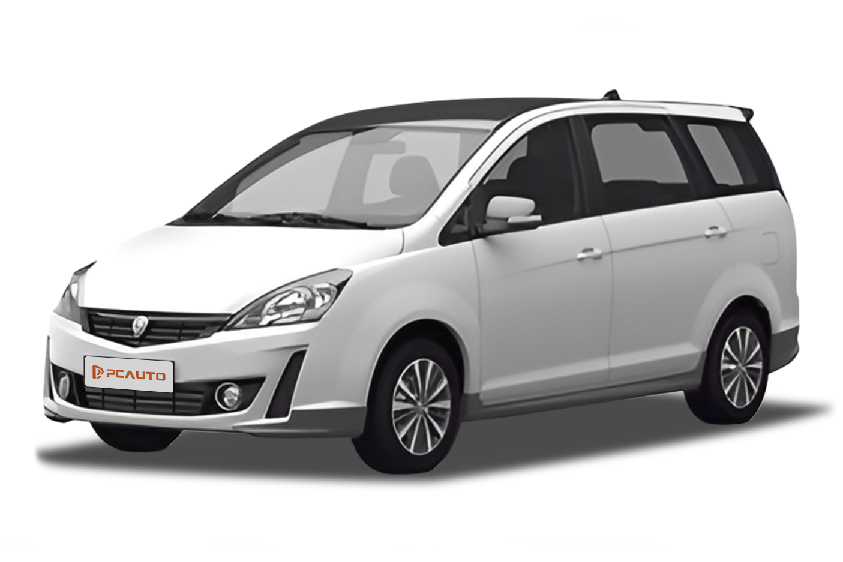
Cars With Similar Price And Features
2
Rank in Sedan
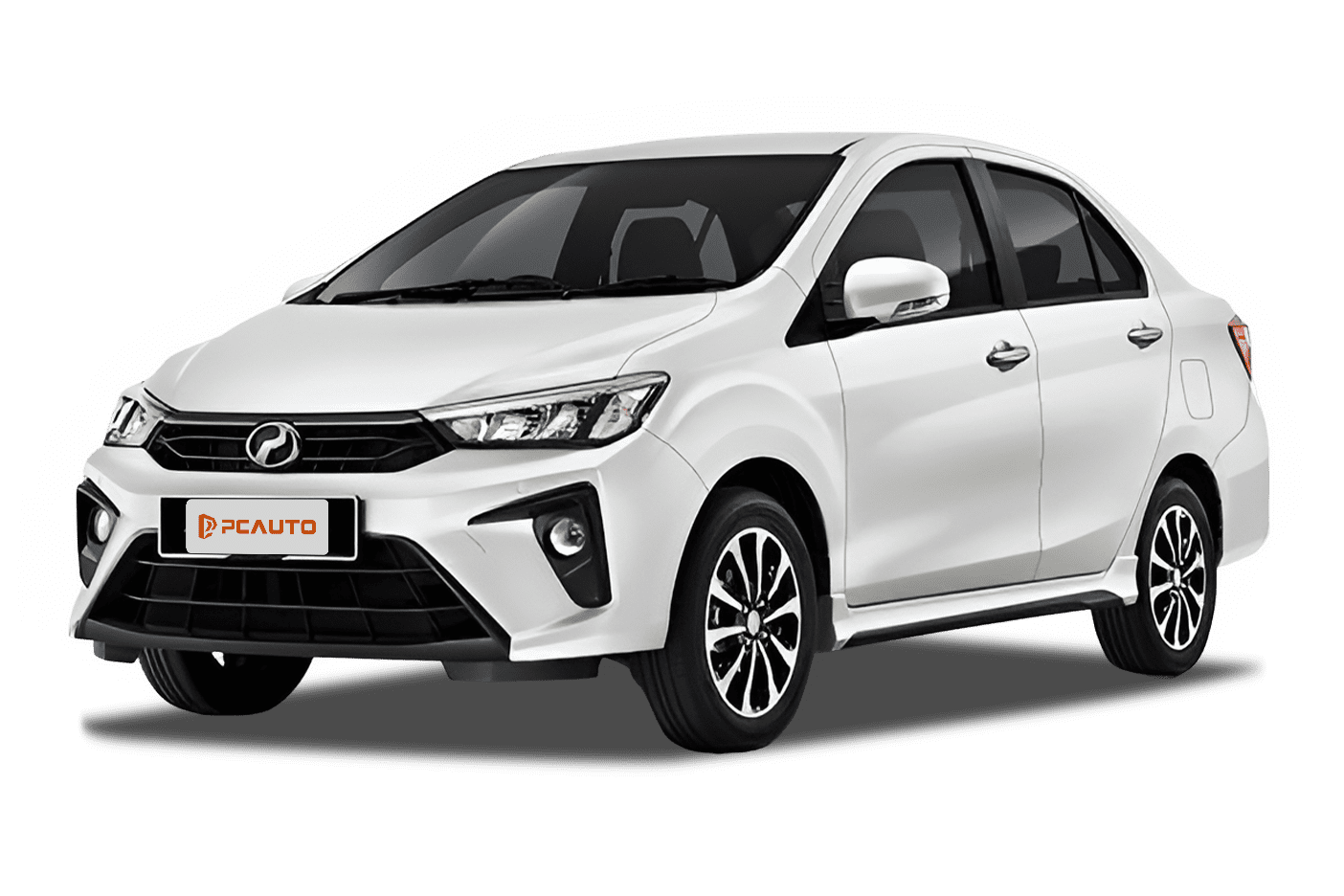
2023 Perodua Bezza 1.0 G (M) is a high-value A-segment manual sedan, offering practical features and durability at an affordable price, balancing daily commuting with safety and convenience.
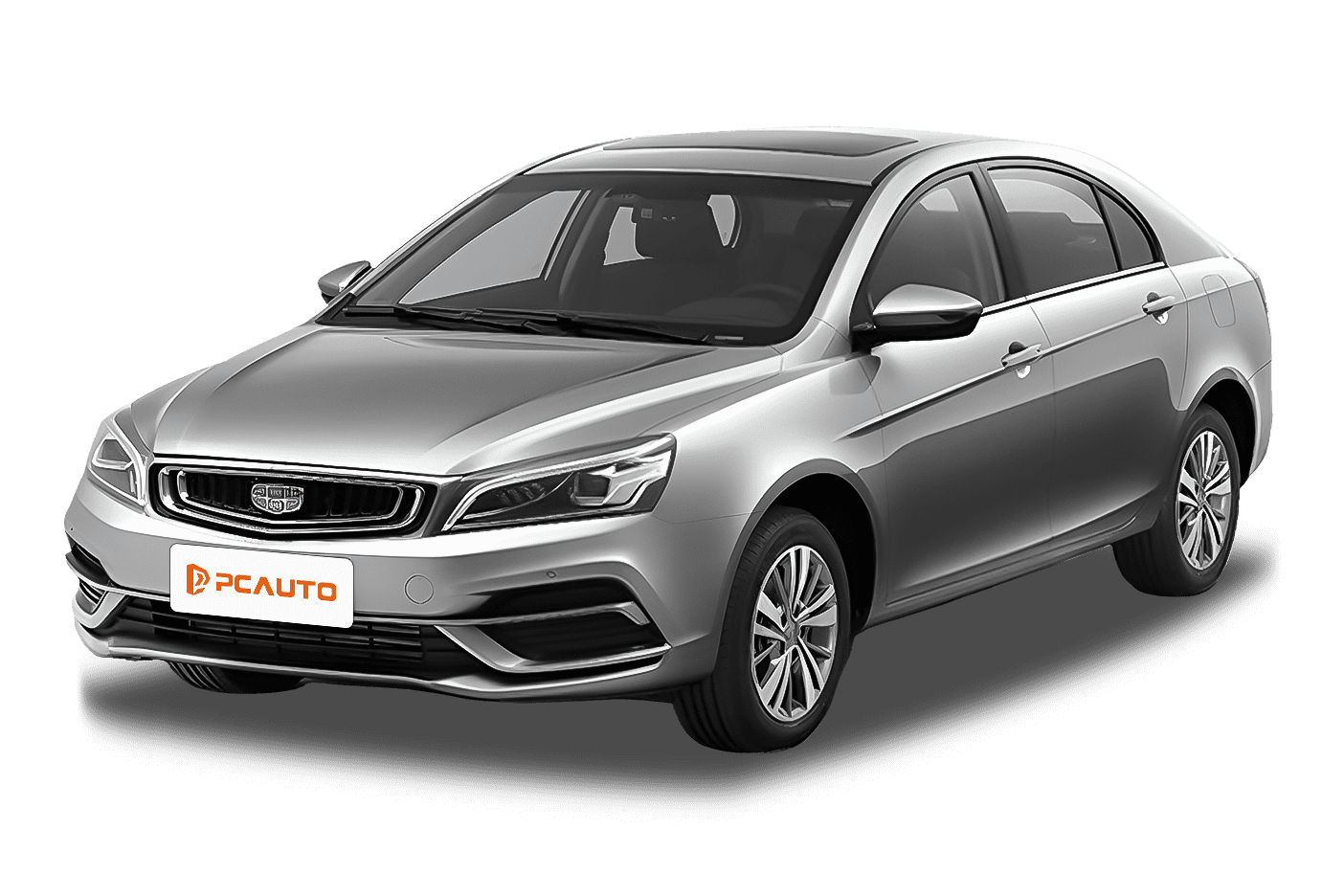
2019 Geely New Emgrand 1.5L-CVT is a balanced family sedan with practical space, rich safety features, and fuel efficiency, meeting the needs of daily commuting and short trips.