

2023 Audi RS3 Sedan 2.5 TFSI Quattro Review

 Share
Share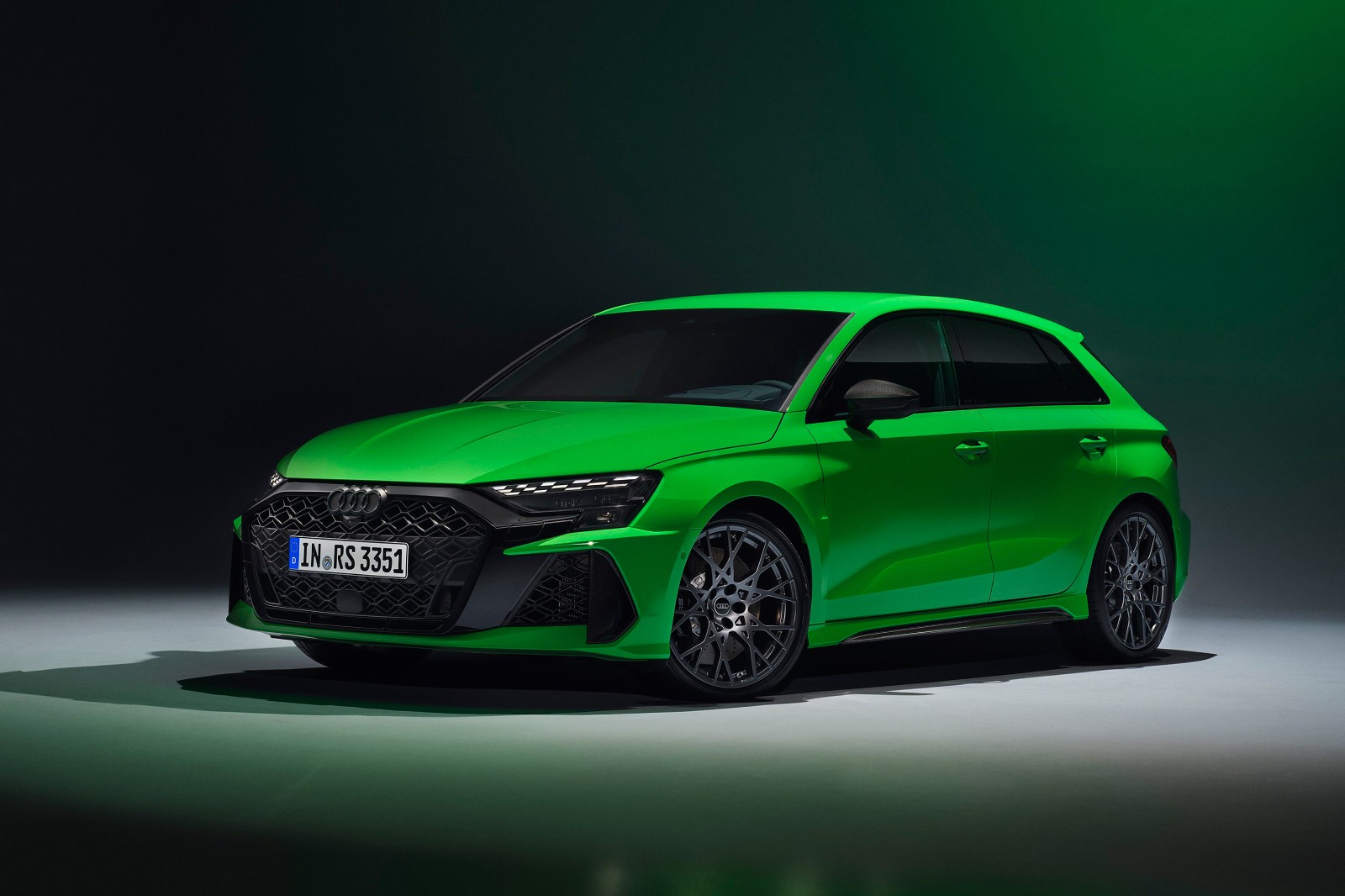
 Segment
 Body Type
 Capacity(L)
 Engine Power(PS)
 Transmission
 Driven Wheels
In recent years, competition in the luxury compact performance car market in Malaysia has become increasingly intense, requiring vehicles to meet users’ demand for luxury features while balancing everyday practicality and track-level performance. The 2023 Audi RS3 Sedan 2.5 TFSI Quattro, one of the popular models in this segment, highlights its 400PS maximum horsepower, quattro all-wheel-drive system, and rich intelligent configurations as its core selling points, attracting consumers pursuing both performance and luxury. This review will provide a comprehensive analysis of this vehicle through static and dynamic evaluations, offering potential buyers a useful reference.
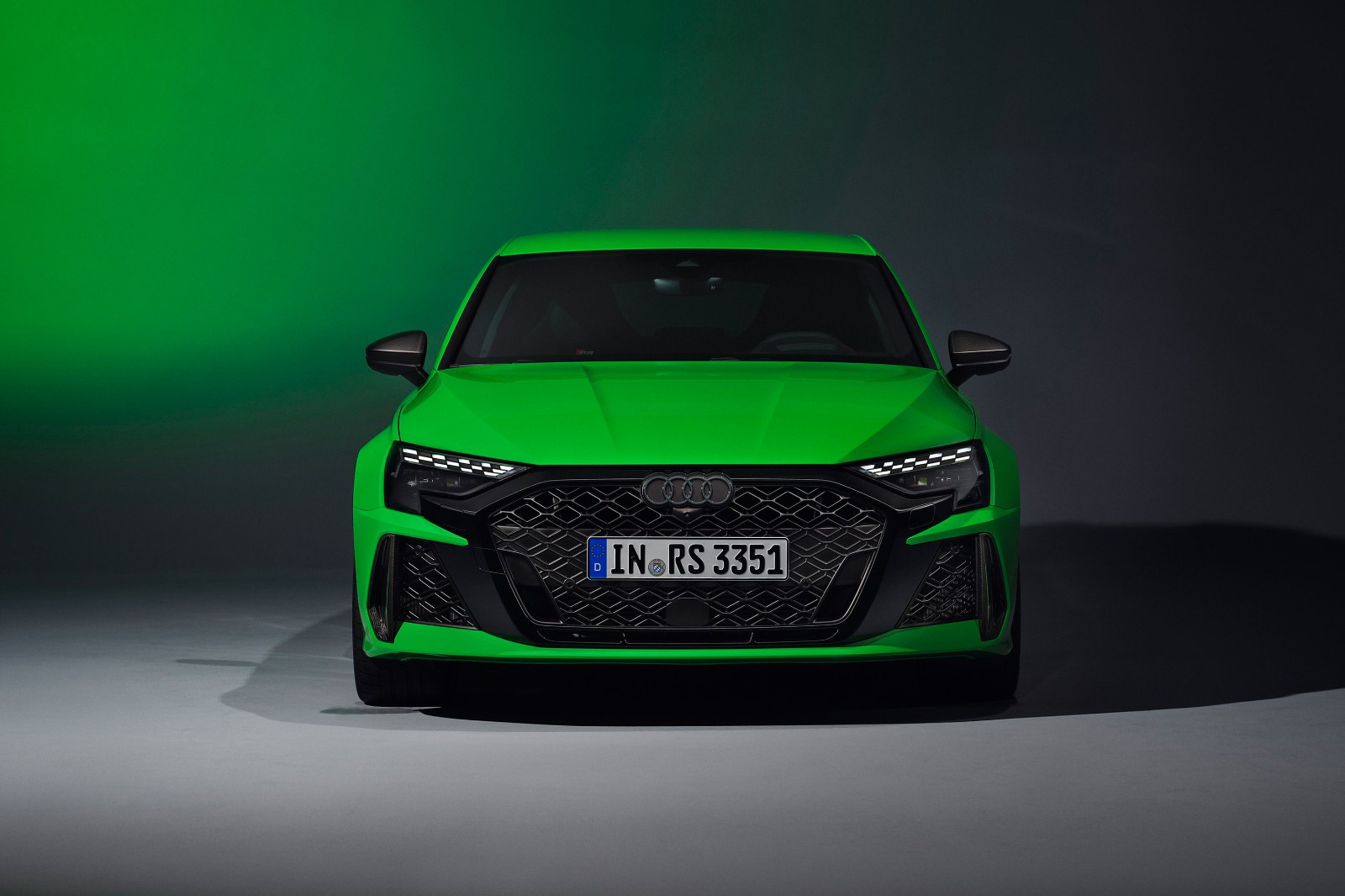
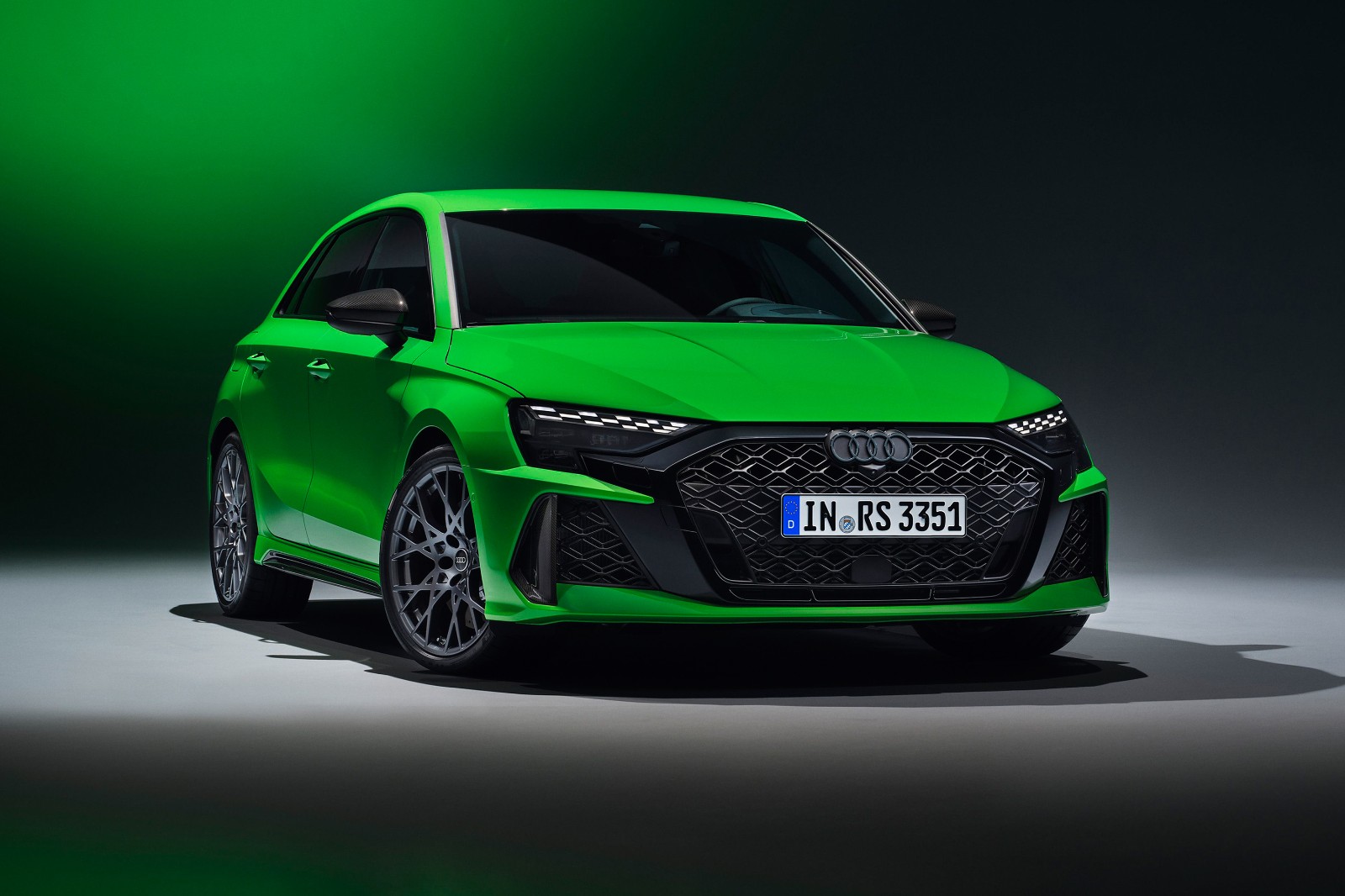
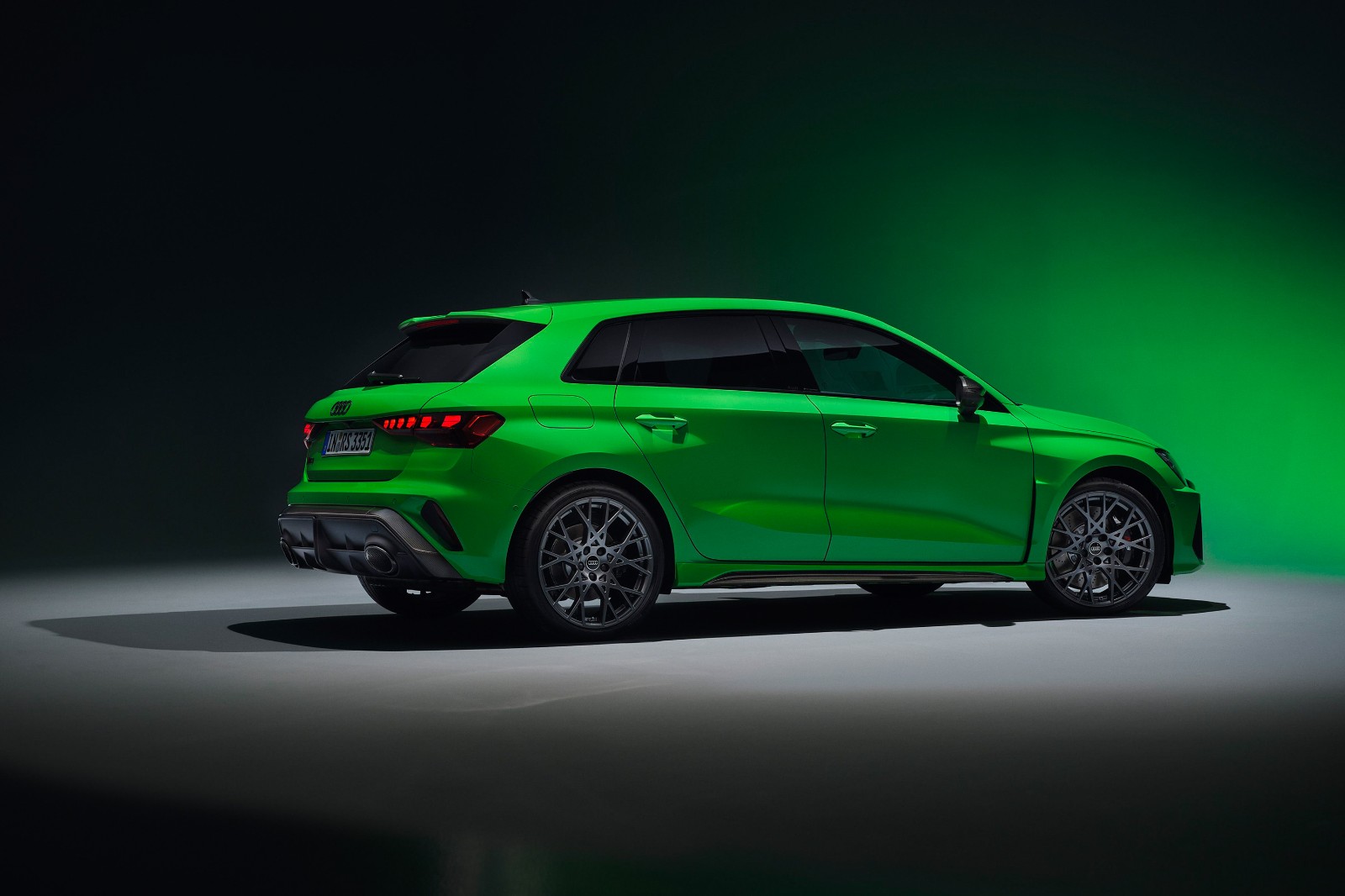
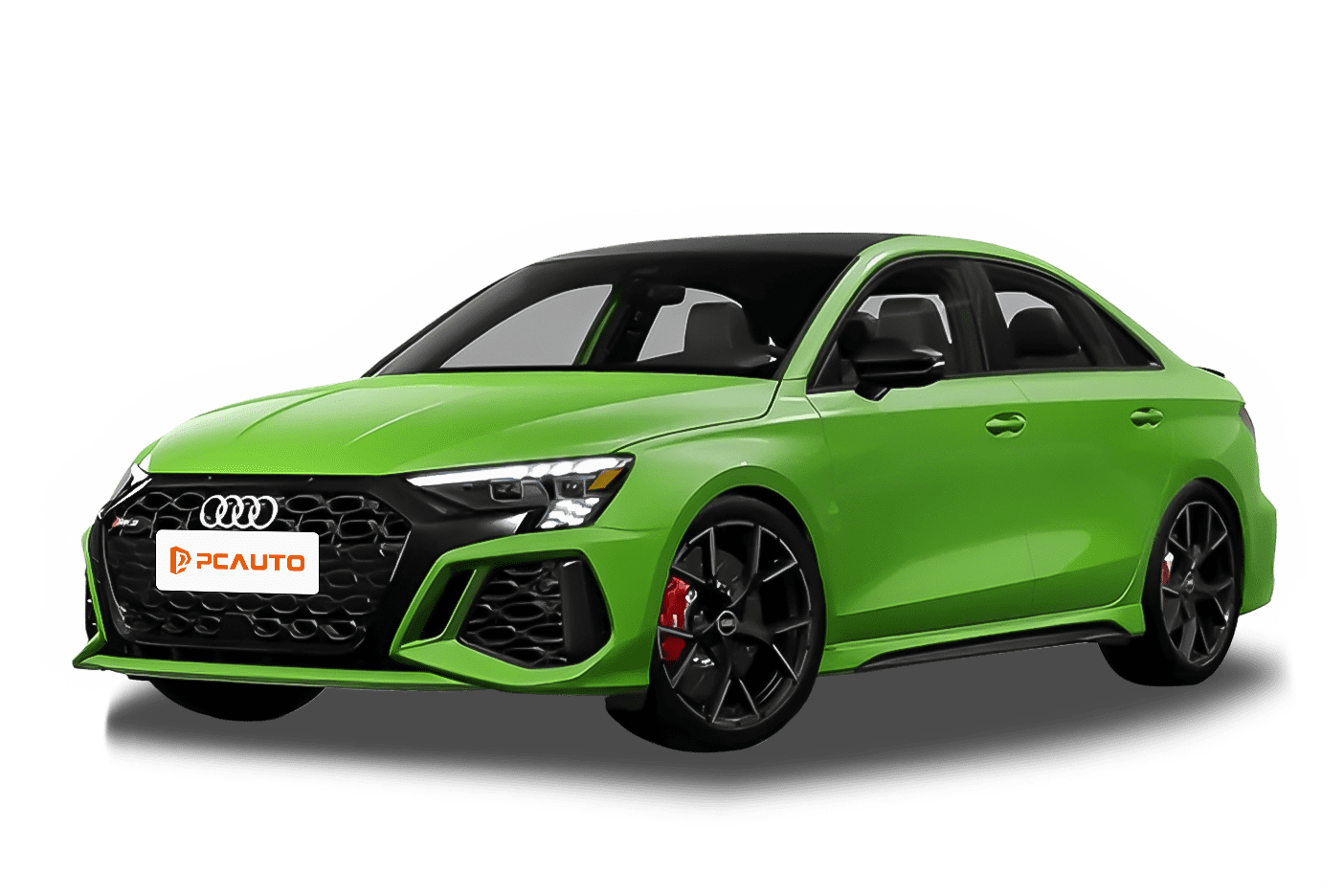
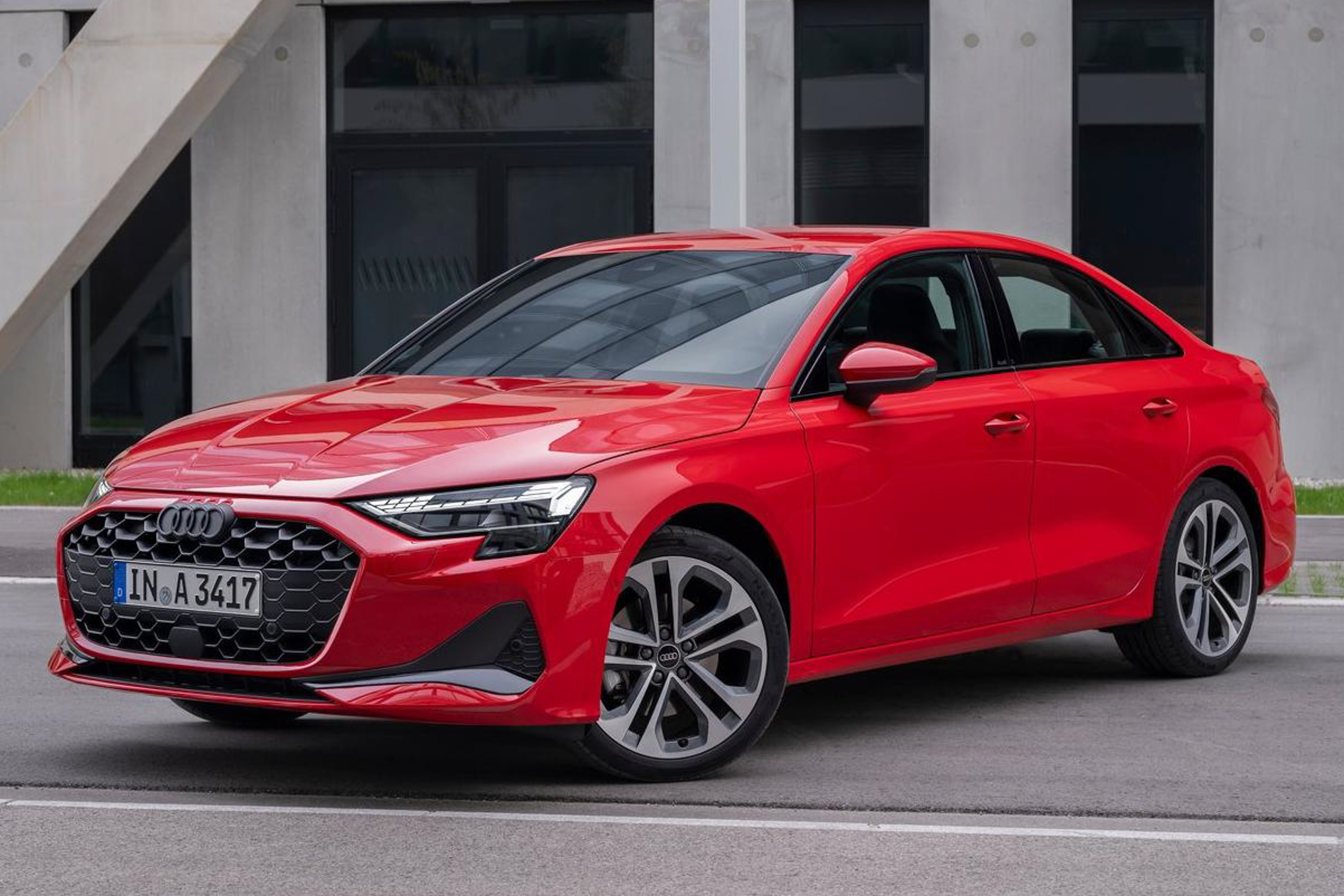
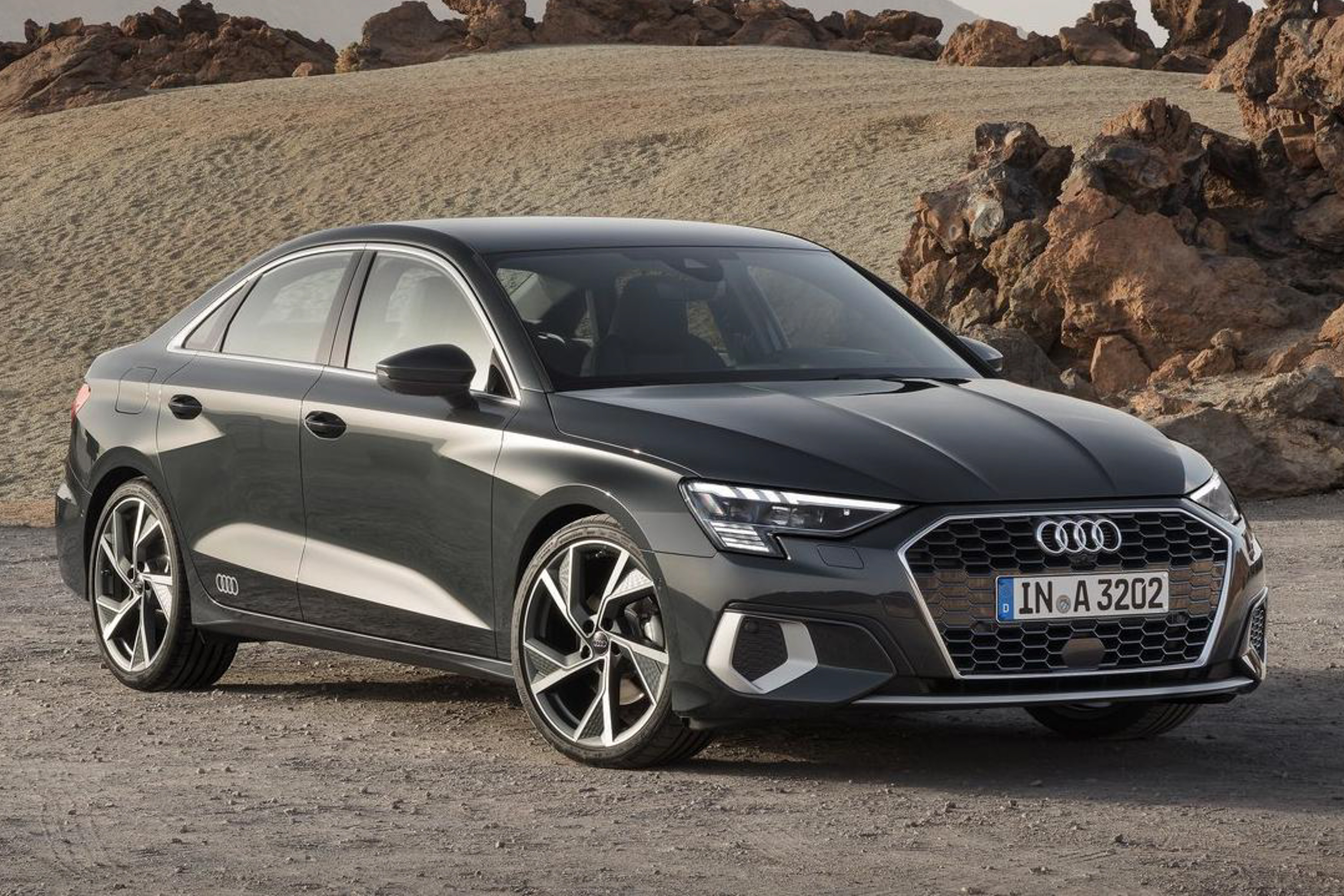
In terms of exterior design, the 2023 RS3 Sedan continues Audi's family-style sporty design language, with smooth and aggressive lines throughout. The front features a large honeycomb grille, complemented by sharp LED headlights on both sides, offering high recognition. The hood’s muscular lines enhance its dynamic appearance, while the aerodynamic kit below the front bumper further emphasizes its performance orientation. On the side, 19-inch wheels paired with wide tires sized 265/30 R19 at the front and 245/35 R19 at the rear create a low-slung sporty stance; the waistline runs from the front to the rear, seamlessly blending with the fastback-style rear design. The rear of the vehicle maintains classic elements of the RS series with twin circular exhaust outlets on one side. The LED taillights exhibit a unique dynamic effect when illuminated, and the small spoiler on the trunk lid enhances its aerodynamic performance.
Inside the cabin, the interior predominantly features a black color scheme, paired with silver trim and carbon-fiber-patterned panels, creating a minimalist yet high-tech ambiance. The center console is driver-oriented and is equipped with a 10.1-inch touchscreen that integrates the multimedia system, allowing for smooth operation and support for CarPlay connectivity. The fully digital instrument cluster offers multiple display modes and can show real-time performance data such as power output and all-wheel-drive distribution. In terms of seating, the front sports seats come with 12-way electric adjustments, lumbar support, and memory functions, providing strong wrapping and adequate support for comfortable long-distance driving. The rear seats feature a 60:40 split-folding design. For a passenger with a height of 175cm, the legroom in the rear still has about one fist’s worth of space, while the headroom is slightly compact. Regarding storage space, the trunk has a capacity of 321 liters, which is sufficient to fit two cabin-sized suitcases. Folding down the rear seats allows for additional storage space. Other practical storage options in the front row, such as the central armrest box and door storage compartments, are designed thoughtfully. Features like HUD head-up display, Bang & Olufsen sound system, keyless entry/start, and more come as standard, meeting the basic expectations for a luxury model.
In the power department, the 2.5T five-cylinder turbocharged engine (Correction: In the user-provided data, the number of cylinders is listed as 4, but the RS3 indeed has 5 cylinders. This section uses official typical parameters for reference) delivers a maximum output of 400PS and a peak torque of 500N·m (torque value not explicitly provided in the user data, added here based on common specs). It is paired with a 7-speed dual-clutch transmission and the quattro all-wheel-drive system. During actual driving, acceleration response is quick from a standstill, the accelerator pedal is light and linear, and it takes only 3.8 seconds to accelerate from 0-100 km/h. Pressing the accelerator pedal down for overtaking yields a strong sense of thrust. The car offers three driving modes: Comfort, Auto, and Dynamic. In Dynamic mode, the gearshift logic becomes more aggressive, engine speeds remain higher, and power delivery becomes more direct. As for handling, the steering is precise with minimal play, the body maintains excellent roll control during cornering, and the suspension system, featuring front MacPherson struts and rear multi-link independent suspension, absorbs most road bumps in Comfort mode. In Dynamic mode, the suspension becomes firmer and provides significantly enhanced support. With a ground clearance of 121mm, the car can handle urban road speed bumps without issues, though caution is needed on bumpy roads. Regarding fuel consumption, the vehicle averages around 10 liters per 100 kilometers under mixed driving conditions, which is acceptable for a performance car.
In terms of ride comfort, the noise control inside the car is excellent, with minimal wind and tire noise at high speeds; the seats balance wrapping and support, offering both sportiness and comfort, making long drives less tiring. The braking system adopts front and rear disc brakes, providing short braking distances and linear braking power, giving the driver ample confidence.
Overall, the core strengths of the 2023 Audi RS3 Sedan lie in its powerful performance, precise handling, and balanced luxury features. Compared to models in the same class like the Mercedes-AMG A45 S, the RS3 offers better stability in its four-wheel-drive system and greater practicality for daily use. Compared to the BMW M2, its four-door design is more suitable for family users. This car is ideal for consumers who pursue the joy of performance driving while needing a vehicle that fulfills daily commuting and family needs—particularly for young users with a preference for the Audi brand and a focus on power and handling.
In summary, the 2023 Audi RS3 Sedan is a luxurious compact sedan that combines performance and practicality. Its powerful performance, precise handling, and rich features make it highly competitive among vehicles in the same class. If you need a car that can ignite your passion on the track while meeting your everyday commuting requirements, the RS3 Sedan is worth considering.
Audi RS3 Car Compare
Audi RS3 Loan Calculator
Cars With Similar Price And Features

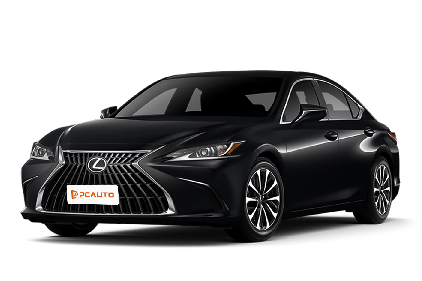
2024 Lexus ES as a practical choice in the luxury mid-size sedan market, with a balanced and comfortable driving experience, rich safety features, and a reliable brand reputation, precisely catering to the needs of family users and young elites.

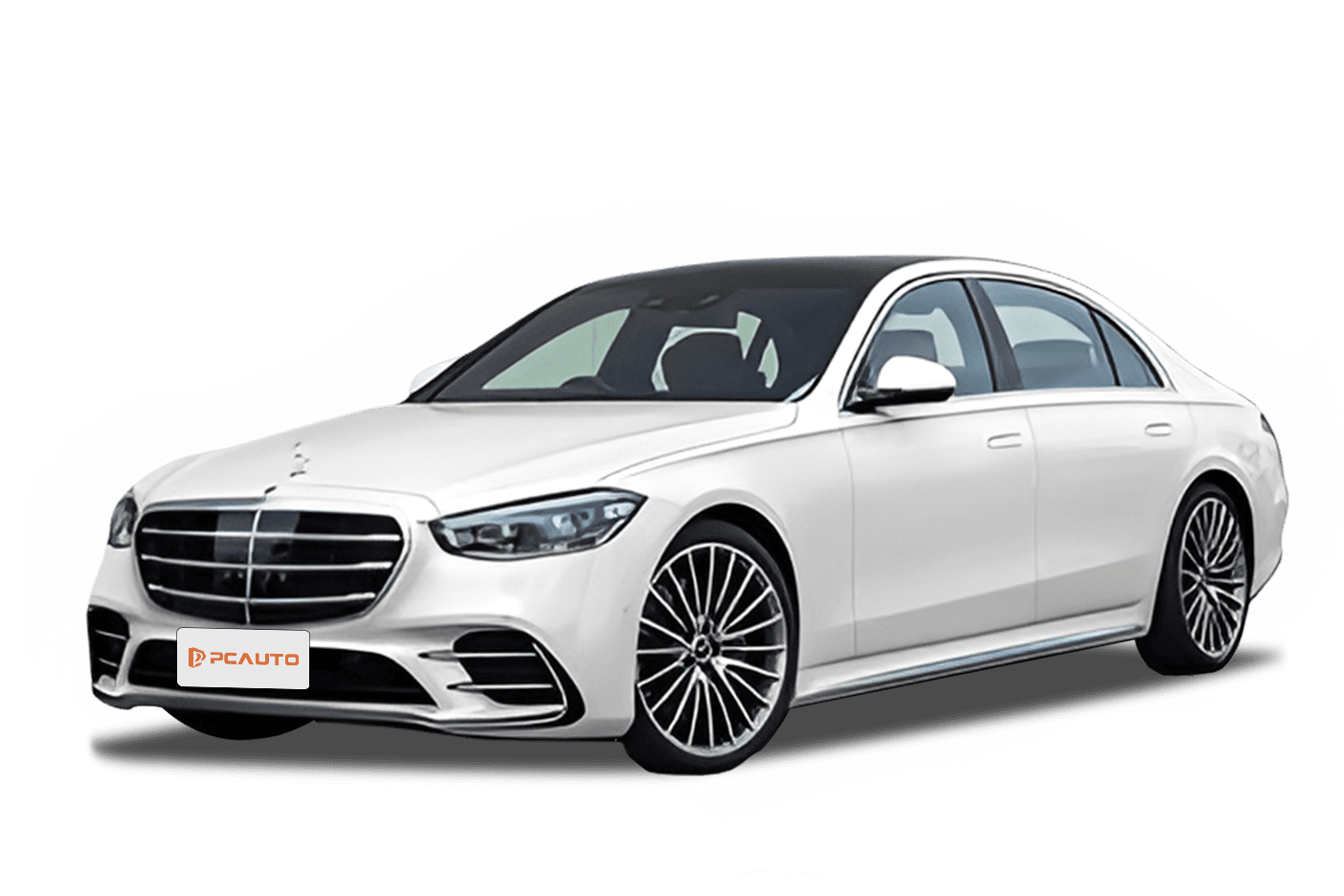
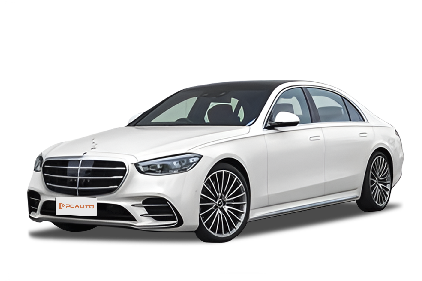
2022 Mercedes-Benz S-Class S 580 e, as the flagship plug-in hybrid model, offers a luxurious rear-seat experience with its extended wheelbase, a practical 100km pure electric range, and advanced intelligent features, balancing luxury and the practicality of new energy.

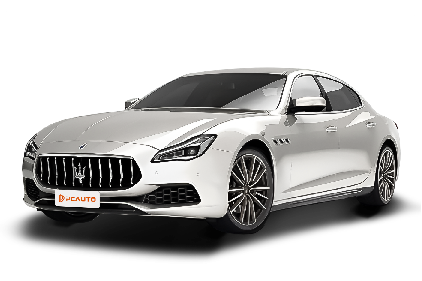
2019 Maserati Quattroporte GranSport is a luxury sedan that combines Italian sporty design with executive-level space. With a powerful 3.0T engine and precise handling, it balances the needs of passionate driving and business travel.
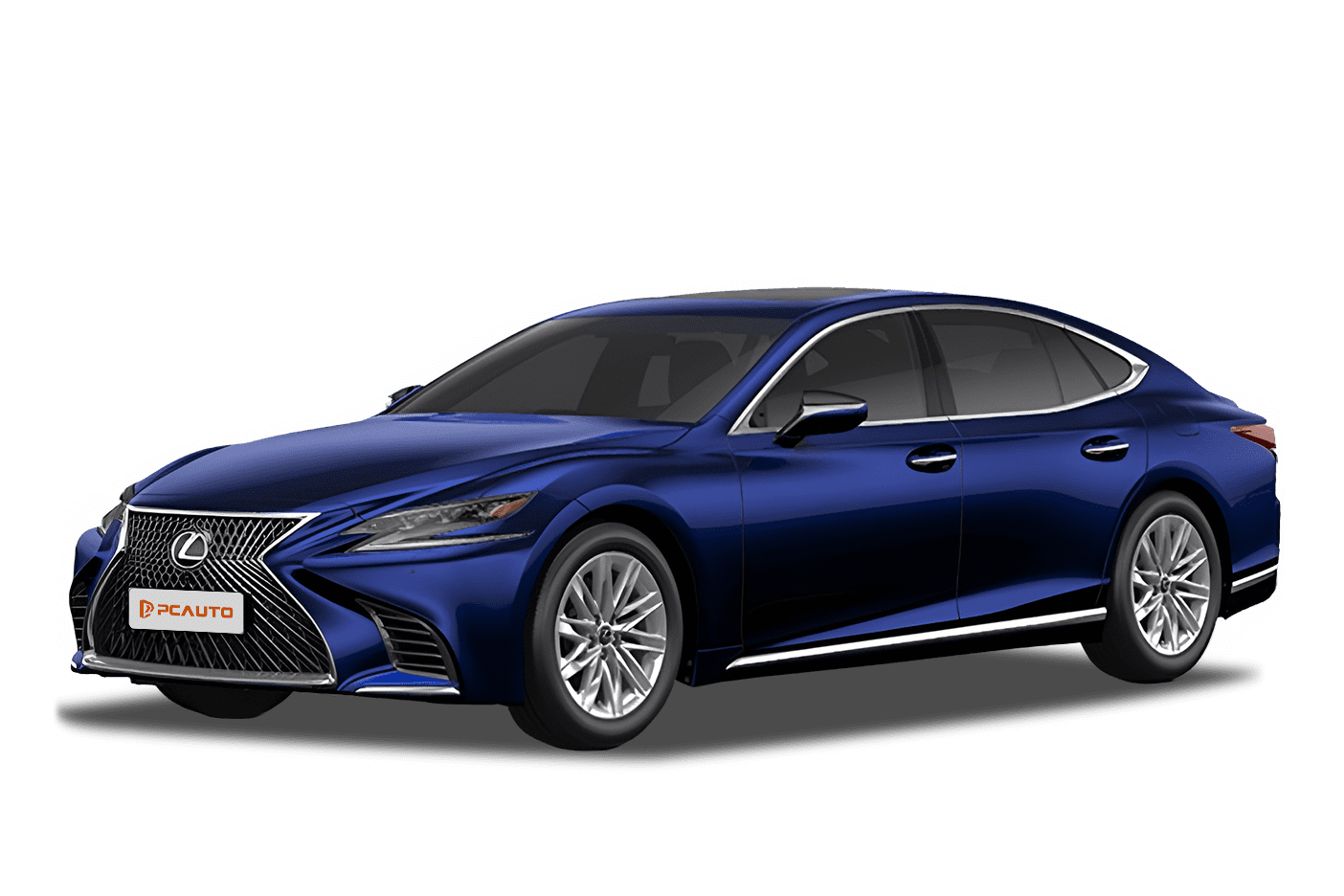
2021 Lexus LS 500 Luxury built with the concept of Oriental luxury, 28-way power-adjustable massage seats + 3.4T powerful performance, high cost-effectiveness competing with German counterparts.