2023 Hyundai Ioniq 6 Lite Review

 Share
Share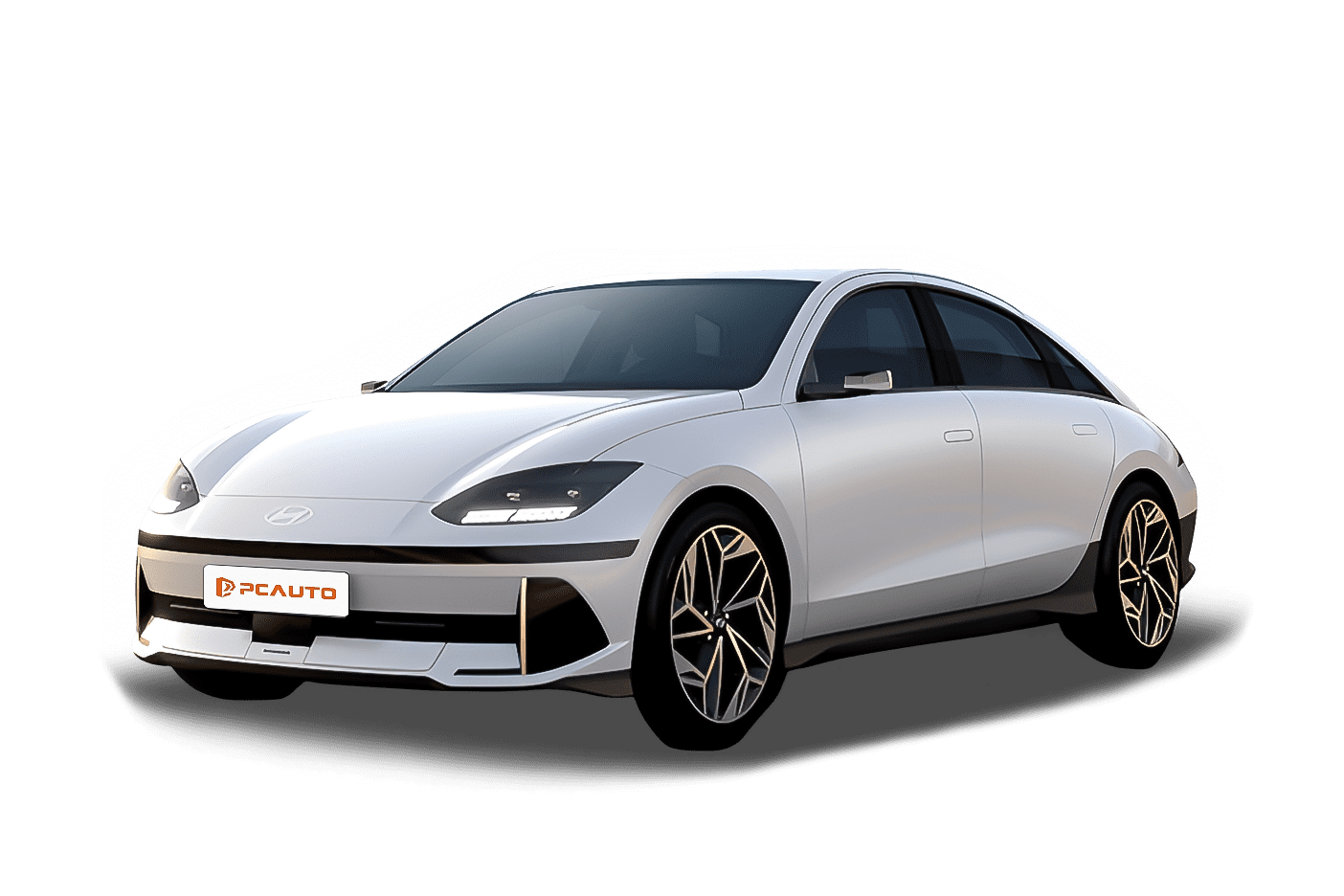
 Segment
 Body Type
 Motor Torque(Nm)
 EV Range(km)
 Battery Capacity(kWh)
 Driven Wheels
With the rapid expansion of Malaysia’s electric vehicle market, the choices of mid-sized electric sedans are becoming increasingly diverse, and consumers are beginning to focus more on “balanced practicality” rather than merely range numbers. Since its debut, the Hyundai Ioniq 6 has attracted attention with its unique streamlined design. As the entry-level trim of the series, can the Lite version strike a balance between “cost-effectiveness” and “basic experience”? This test drive focuses on the car’s daily performance to see if it can meet the core needs of family users or commuters.
The exterior design of the Ioniq 6 Lite continues the series’ signature “teardrop” streamlined silhouette, with an overall style leaning towards simplicity and technology. The front end uses a closed grille paired with a continuous LED daytime running light bar for high recognition; the sharp design of the LED headlights on both sides echoes the air intake system on the front bumper, further enhancing the low-drag concept. The flowing lines along the side of the car, with a sloping back design extending from the A-pillar to the rear, give a visually elongated appearance while practically optimizing the drag coefficient. The 18-inch multi-spoke wheels are moderately styled and paired with 225/55 R18 tires, balancing comfort and grip. At the rear, the continuous LED taillight mirrors the front-end design, while the small spoiler on the trunk and the diffuser below ensure the rear is not overly bland.
Entering the cabin, the interior of the Ioniq 6 Lite adopts a minimalist theme, with a symmetrical layout on the dashboard. Most physical buttons are integrated into a 12.3-inch touchscreen, with only a few physical buttons retained for climate control. The interior materials primarily consist of soft-touch plastics and fabrics. While it lacks the genuine leather wrap of higher trims, the texture still feels refined, and the seams are meticulously crafted. The 12.3-inch fully digital instrument cluster and central display are integrated, providing clear visuals and smooth operation; a HUD projection system is standard, displaying key information such as speed and navigation, enhancing driving convenience. For seats, both front and passenger seats are equipped with electric adjustments. The backrests and cushions offer good support, ensuring long-lasting comfort during extended periods of sitting. The rear seats can be folded in a 60:40 ratio, further expanding storage space. The 2950mm wheelbase significantly benefits rear-seat legroom, leaving a 175cm passenger with over two fists of space after seating, though headroom is slightly compressed due to the sloping roofline. In terms of storage, the central armrest box in the front row has a moderate capacity, while the door storage compartments can hold two 500ml bottles of water. The trunk offers a standard capacity of 401 liters, expandable to 1193 liters when the rear seats are folded, meeting the luggage needs of family outings.
As for performance, the Ioniq 6 Lite is equipped with a rear-mounted permanent magnet synchronous motor, delivering a maximum power of 151 PS and peak torque of 350 Nm, paired with rear-wheel drive. In everyday driving, the power response is smooth, with no noticeable jolting during startup; light throttle input provides sufficient acceleration force. While mid-to-high acceleration is not as aggressive as the dual-motor version, pressing the throttle hard during overtaking still delivers decent thrust, with a 0-100km/h acceleration time of 8.8 seconds, which is entirely adequate for family vehicles. There are three driving modes: Eco, Comfort, and Sport. In Eco mode, the power output is relatively smooth, making it suitable for daily commutes to conserve battery usage, while Sport mode enhances throttle responsiveness and offers a heavier steering feel. The chassis uses multi-link independent suspension at the front and rear, tuned toward comfort. It effectively absorbs bumps when passing speed bumps or uneven roads, minimizing body movement. During cornering, the suspension’s support ensures body stability with little body roll.
In terms of range and charging, the Ioniq 6 Lite is equipped with a 53kWh lithium battery pack, with an official pure electric range of 429km. During this test drive covering about 200km, which included urban congested sections and highway segments, the average energy consumption was approximately 14.5kWh/100km, with a range achievement rate of around 85%, performing as expected. For fast charging, using a 150kW fast-charging station, it takes about 5.5 hours to charge from 10% to 80%. Although the speed is not top-notch, it is adequate for daily charging needs. Sound insulation performance is commendable, with almost no noticeable wind or road noise below 60km/h; at speeds above 80km/h, wind noise slightly increases but remains within an acceptable range. The energy recovery system offers three adjustable levels, and in the highest setting, the drag when releasing the accelerator is not obvious, which does not affect driving comfort.
Overall, the core advantage of the Ioniq 6 Lite lies in its balanced product capability: the streamlined design provides a unique visual identity, the spacious interior meets the needs of families, and standard features such as HUD, electric seats, and active safety systems stand out among electric vehicles in the same price range. Compared to the Tesla Model 3 Rear-Wheel Drive in the same category (priced at around RM289,000), the Ioniq 6 Lite is nearly RM70,000 cheaper, yet offers richer features, presenting an obvious value advantage.
This car is suitable for family users who value practicality and cost-effectiveness or office workers with long daily commutes. It does not offer overly aggressive performance but provides satisfying answers in terms of space, features, and range. If you are looking for a "well-rounded" mid-sized electric sedan with no significant drawbacks, the Ioniq 6 Lite is worth considering.