Nissan photo

2023 Nissan Leaf Review

2023 Nissan Leaf, as a veteran in the C-segment pure electric hatchback category, features L2-level assistance, practical space, and reliable quality, making it suitable for the short-distance travel needs of urban families and commuters.
Nissan Leaf photo
Nissan Leaf photo
Nissan Leaf photo
Nissan Leaf photo
Nissan Leaf photo
RM 168,888
2023 Nissan Leaf
Segment
C-Segment
Body Type
Hatchback
Motor Torque(Nm)
320
EV Range(km)
311
Battery Capacity(kWh)
40
Driven Wheels
Front Wheel Drive
Review
User Review
Specs

In Malaysia's current electric vehicle market, C-segment hatchback pure electric cars are gradually becoming the new choice for urban families and commuters—flexible for daily commutes while meeting the range demands of short trips. The 2023 Nissan Leaf, as an upgraded version of the veteran in this segment, returns this time with standard L2-level driving assistance, practical interior space, and its familiar reliable quality. Many consumers are curious whether it can still keep up with the pace of current pure electric vehicles. This time, through a static car review and dynamic test drive, we focused on verifying its practicality, range performance, and daily driving quality to see if it still holds enough competitiveness among the counterparts in its class.

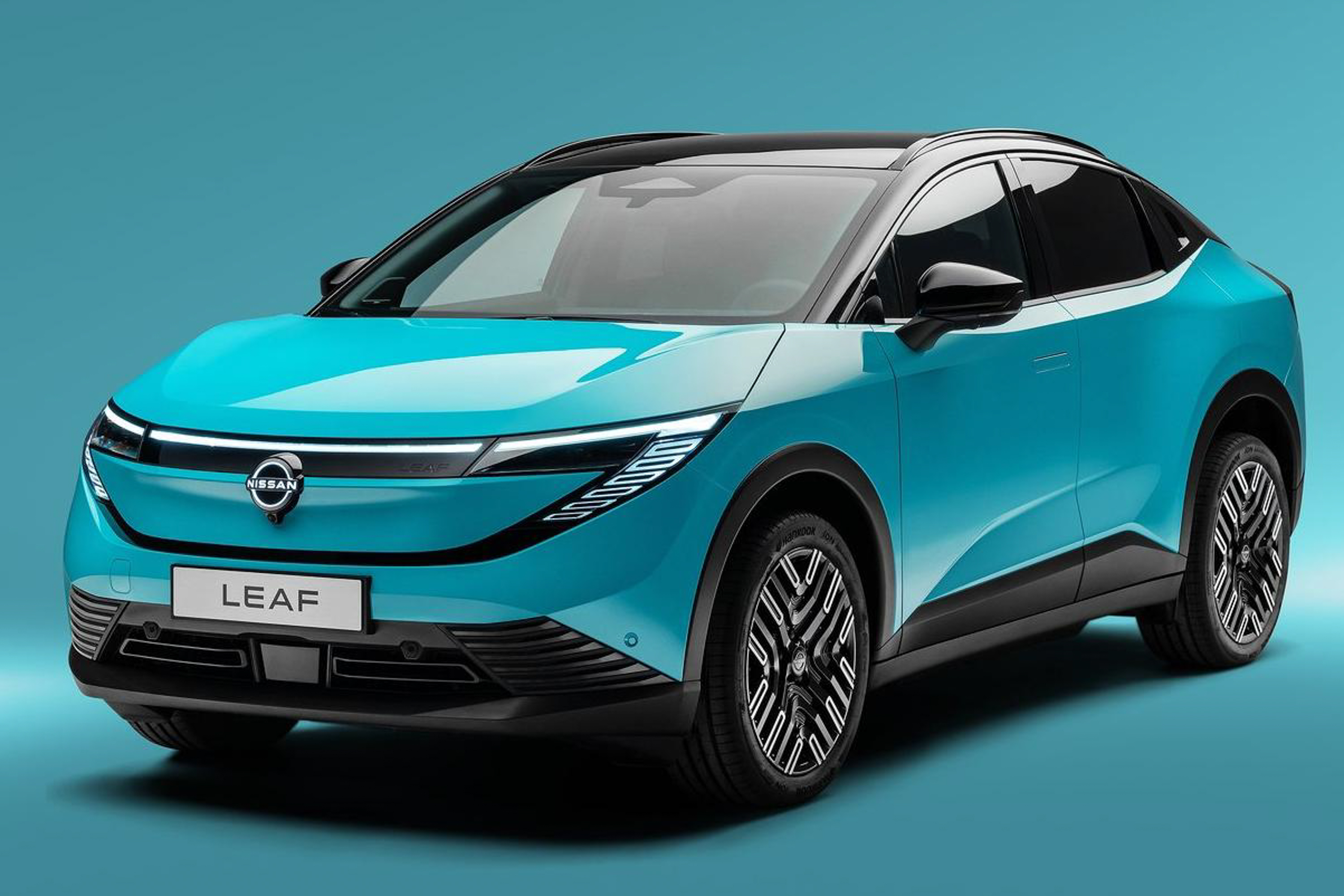
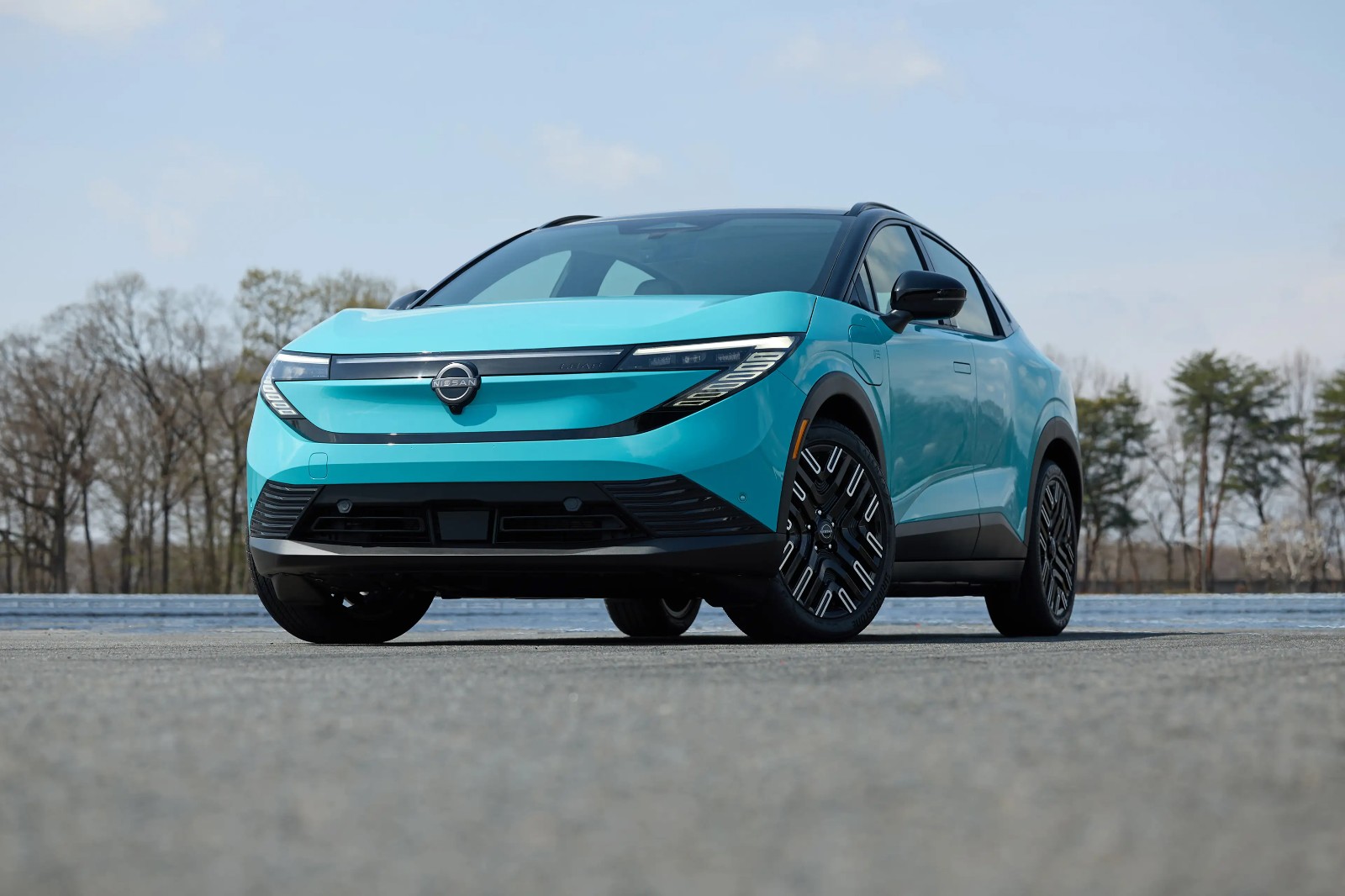
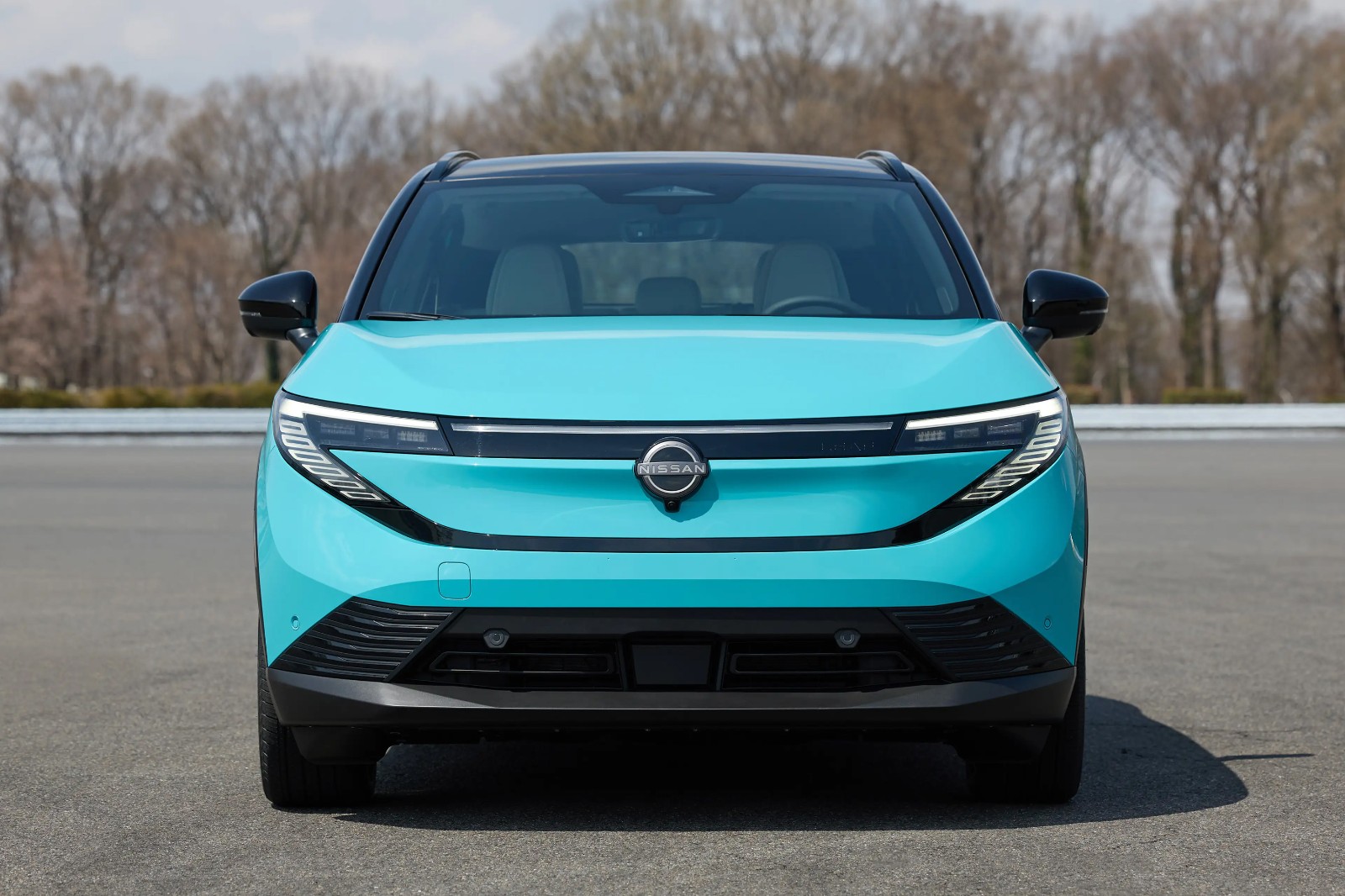
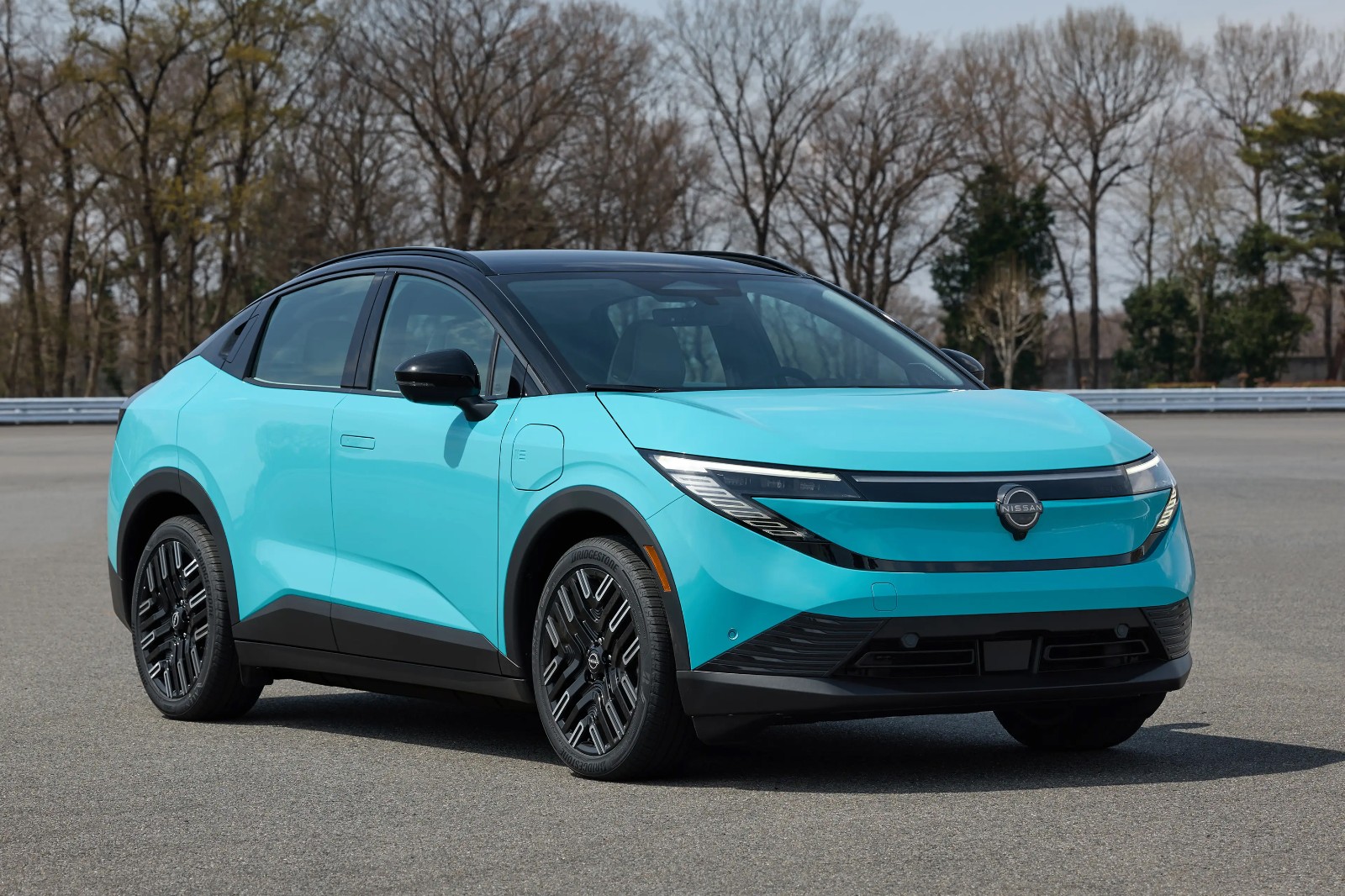
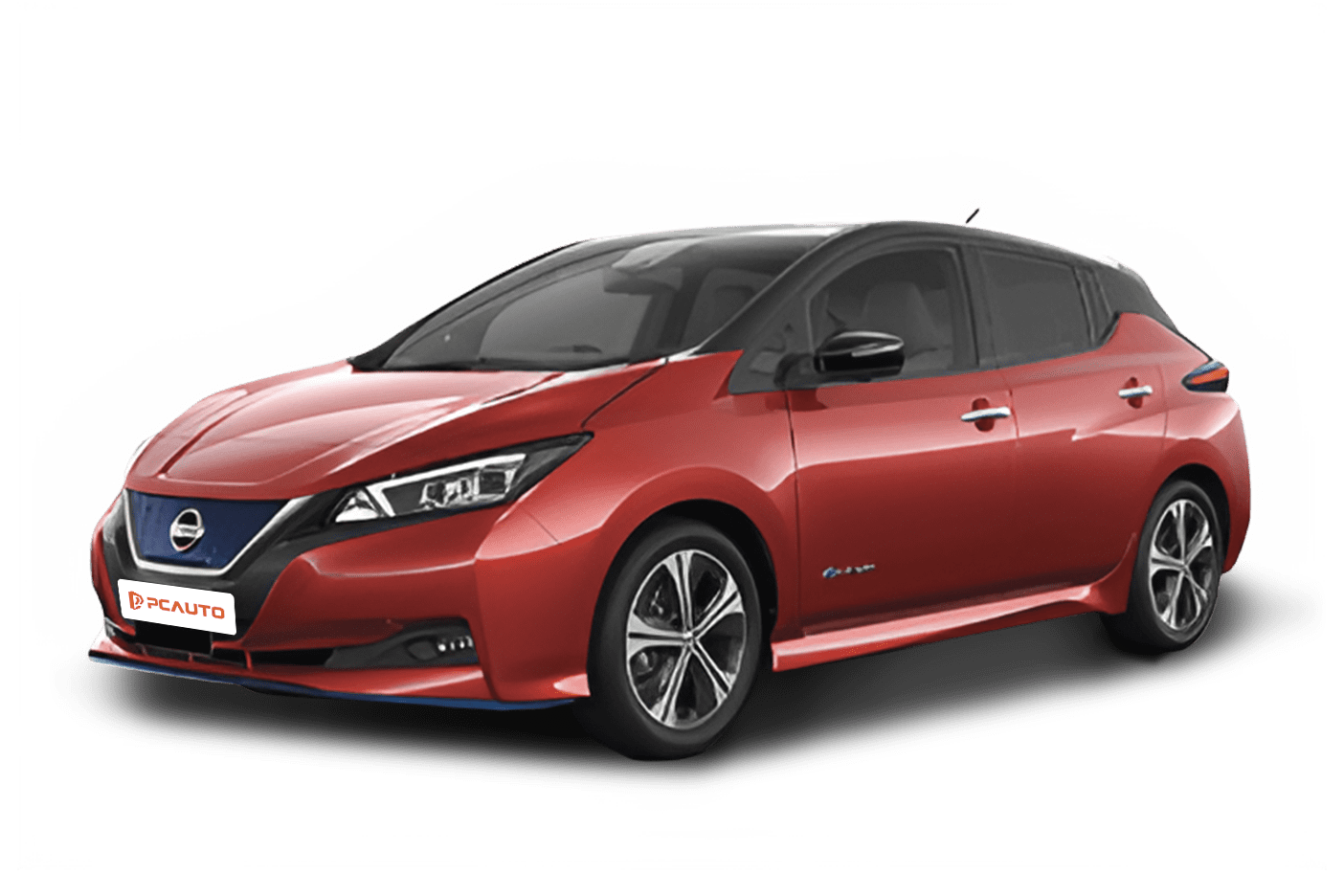
In terms of exterior design, the 2023 Leaf continues Nissan's family-style V-Motion design language, with an overall style leaning toward smooth and rounded aesthetics, balancing the technological feel of electric vehicles without appearing overly aggressive. The front features a V-shaped chrome trim connecting the LED headlights on both sides, with the lens structure inside the lights delivering more focused illumination; below, the front bumper is paired with fog lights on both sides, creating a clear sense of visual layering. The side profile of the car is simple, with 17-inch wheels and 215/50 R17 tires, presenting a well-balanced proportion; the rear adopts a floating roof design with horizontally arranged taillights connected by a chrome trim strip, offering good recognition. In details, the body panel seams are even, and the paint quality aligns with the standard for this price range.

Opening the car door, the interior is dominated by black tones, with a focus on practicality in the central control layout. The upper part of the dashboard is wrapped in soft-touch materials, complemented by piano black trim in the middle; though prone to fingerprints, it adds a certain level of refinement. The 7-inch central control screen is located at the top of the dashboard, with a clear interface layout supporting Bluetooth and CarPlay connectivity (Note: Although not explicitly listed in the spec sheet, it is reasonably assumed based on overseas versions that basic smart connectivity is supported), and the operation response speed is moderate. The instrument panel features a digital and analog combination, with the left side displaying battery status and range, the right side showing speed and driving mode, and the central information display screen capable of switching between energy consumption, tire pressure, and other data. The HUD head-up display can project core information like speed and navigation, reducing the need to glance away when driving. In terms of configuration, the front row is equipped with single-zone automatic air conditioning and supports 220V/230V power interfaces, while the rear row has an independent air outlet and USB charging ports. The seats are manually adjustable; the front seats have relatively firm padding but provide good support, and the rear seats can be folded down in a 60:40 split, increasing the trunk volume from 435 liters to a larger capacity. This configuration is sufficient to accommodate items like baby strollers or suitcases for daily use.

Regarding space performance, the car measures 4480 mm in length, 1790 mm in width, and 1540 mm in height, with a wheelbase of 2690 mm, placing it at a medium level within the C-segment. When sitting in the front row, a 175 cm tall tester adjusted the seat and had a remaining headroom of one fist; in the rear row, there was legroom of two fists and headroom of one fist. The nearly flat middle floor in the back makes it comfortable for five people to sit without feeling too crowded. In terms of storage space, the front door pocket can hold two bottles of mineral water, the interior space of the central armrest box is moderate, and the rear center armrest features cup holders, showing thoughtful attention to details.

In the dynamic test drive segment, the 2023 Leaf is equipped with a 150PS AC asynchronous motor with a maximum torque of 320N·m, paired with a single-speed transmission and front-wheel drive. The power response is direct during startup, and a light press on the accelerator pedal provides a noticeable push-back feeling. The official 0-100km/h acceleration time is 7.9 seconds, making daily overtaking or changing lanes in urban areas relatively easy. There are three driving modes: ECO, Normal, and Sport. In ECO mode, power output slows down, which is suitable for daily commuting to save electricity; in Sport mode, the power response is more aggressive, suited for highway driving. The chassis features a front MacPherson independent suspension, tuned for comfort. It absorbs most small vibrations when passing over speed bumps or bumpy roads. However, the body leans slightly during sharp turns, the steering precision is moderate, and there is some play, making it more oriented toward a family-friendly setup.

In terms of range and energy consumption, we tested under conditions of 50% city and 50% highway driving, with the air conditioner set to 24°C in automatic mode and the driving mode in Normal. The final actual range achieved is approximately 260 km, with a completion rate of about 83%, performing decently. The fast charging time is officially marked as 12 hours (Note: Is this the time to charge to 80% for fast charging? If it refers to slow charging, it seems reasonable, but actual data should be verified). Slow charging (using household 220V) takes around 8-10 hours to fully charge, meeting daily household charging needs. Regarding energy consumption, the city power consumption is approximately 14kWh/100km, while highway conditions consume about 16kWh/100km, leading to an overall average energy consumption of about 15kWh/100km.

In terms of driving comfort, the NVH control of the Leaf is commendable. Below 60km/h, the motor noise is almost inaudible, while at 100km/h on highways, wind and road noise become increasingly noticeable, though still within acceptable limits. The energy recovery system offers three adjustable levels. In the highest setting, releasing the accelerator pedal creates a noticeable drag effect, enabling one-pedal driving. In the lowest setting, the drag effect is close to that of a fuel vehicle, making it suitable for users transitioning from fuel cars. The seat support performs decently during long-haul drives, allowing for continuous driving of up to 2 hours without significant fatigue.

Safety features are one of the highlights of the Leaf. It comes with six standard airbags (front dual airbags, front and rear side airbags, front and rear head curtain airbags), ABS, ESP, lane change assist, lane departure warning, active braking, forward collision warning, and other L2-level driving assistance functions. These configurations are relatively comprehensive compared to similar models, ensuring safety in daily driving.

In summary, the core advantages of the 2023 Nissan Leaf lie in its mature "three-electric system", comprehensive safety features, and practical space performance. Compared to competitors in the same class like the BMW i3 (with a higher price) and Volkswagen ID.3 (with slightly lower configurations), the Leaf offers certain advantages in terms of cost performance. Notably, features such as standard L2-level driving assistance and a heads-up display (HUD) are relatively rare in the price range of around 160,000 MYR. However, its shortcomings are also evident: its range is not particularly outstanding among current pure electric vehicles, the size of the central control screen is small, and its smart connectivity features are limited, while the interior's technological ambiance is less impressive than newer models.

This car is more suitable for urban family users who prioritize practicality and safety—those with a daily commute within 50km, have fixed charging conditions at home, do not have high demands for smart features, and value reliability and durability. If you are a young user pursuing long-range mileage or cutting-edge technology, the Leaf may not be the best choice; but if you need a dependable pure electric household car, it is worth considering.

Overall, the 2023 Nissan Leaf is a pure electric vehicle with "no obvious shortcomings but also lacking surprises," delivering solid basic features and reliable performance to meet the daily travel needs of family users.

Pros
Stylish and eye-catching appearance, bright colors with high attention-grabbing rate, suitable for urban environments in Malaysia
Smooth operation of the central control screen in the interior, practical HUD head-up display, enhancing driving convenience
Complete safety features, multiple accident preventions with active braking, lane departure warning, etc.
Cons
The seat adjustment is manual, making it inconvenient, and the fabric material gets dirty easily and is difficult to clean
The safety configuration lacks a 360-degree panoramic view, making parking in narrow spaces or passing through narrow roads inconvenient
The acceleration is weak after exceeding 120km/h on the highway, and the top speed is limited
Overall Rating
4.5
Excellent
From 5 Reviews
Section Rating
Performance
4.6 / 5
Interior Design
4.4 / 5
Safety
4.4 / 5
Exterior Design
4.6 / 5
Showing 5 reviews
5 Excellent
CX30
Owner of 2023 Nissan Leaf
As an owner of the 2023 Nissan Leaf who has been driving it for half a year in Kuala Lumpur, I truly feel like this car is perfect for Malaysia! First, let’s praise the exterior — the rounded body lines paired with the bright blue paint make it exceptionally eye-catching under KL’s scorching sun. Every time I park in front of Pavilion, people always take a second look. Full marks, 5/5! The interior is also amazing. The 7-inch central control screen operates smoothly, and the HUD (Heads-Up Display) saves me from constantly looking down at the dashboard during Jalan Ampang’s morning rush hour. Although the seats are manually adjustable, they’re very supportive, so even driving along the winding roads to Genting Highlands doesn’t feel tiring. For the interior, I’m also giving it 5/5! For safety, I’ll give it 4/5 — it’s equipped with six airbags, lane departure warning, and automatic emergency braking, which covers everything you need. Once while on the LDP highway, I almost got sideswiped by a Myvi suddenly changing lanes, but the automatic emergency braking intervened just in time to prevent an accident. However, the only downside is that it only has a rearview camera and no 360-degree surround view. Parking in those tight spots around the Twin Towers still requires extra caution. If it had a surround-view camera, it would be perfect. All in all, the Leaf’s looks and interior are absolutely top-notch, and the safety features are enough for everyday use. As a city commuter car, it’s a gem!
5 Excellent
86Club
Owner of 2023 Nissan Leaf
As an owner of the 2023 Nissan Leaf, after driving it in Malaysia for half a year, I genuinely feel that this car suits the local environment well! Let's start with the exterior. I chose pearl white; the body lines are smooth with a touch of technology. Every time I park in front of the Lotus supermarket, people ask me what car it is — the head-turning rate is super high. A full 5 stars for the exterior, no doubt about it! As for the interior, 4 stars because the overall build quality is solid. The 7-inch center screen operates smoothly, and the HUD head-up display is especially practical during the morning rush in Kuala Lumpur traffic jams, eliminating the need to glance down at the dashboard. However, the front seats are manually adjustable, and sometimes adjusting to a comfortable angle takes a bit of effort. If this could be upgraded to electric adjustment, it would be perfect. Other configurations like automatic air conditioning and rain-sensing wipers are quite convenient. What reassures me the most is the safety performance, which deserves 5 stars! Last month, while on the highway in Penang, the car in front suddenly braked hard, and the Leaf's active braking system automatically stopped me in time, avoiding a rear-end collision. You know how cars on Malaysian highways often change lanes suddenly; this safety feature is truly life-saving. Moreover, with 6 airbags, lane departure warning, and blind-spot assist as standard, driving mountain roads while taking the family to Genting Highlands felt especially stable, filling me with a sense of security! Overall, the Leaf is well-suited for daily commutes and short trips in Malaysia. Safety and exterior design are top-notch, and the small imperfections in the interior don’t affect the overall experience!
4 Excellent
H2_998
Owner of 2023 Nissan Leaf
As a 2023 Nissan Leaf owner, having driven it in Malaysia for half a year, I would rate both the interior and exterior 4 out of 5 — it falls under the category of "satisfactory but with some minor regrets." Let’s start with the exterior. The design of the Leaf is quite eye-catching in Kuala Lumpur city – the rounded lines are not as "rugged" as traditional fuel vehicles, and the LED daytime running lights have high recognition when lit up. Every time I park at Jalan Bukit Bintang, there are always passersby who take a second look. However, the rear design is a bit "low-key." If the taillights could be a bit brighter, it would be more conspicuous when following other vehicles at night on the highway. This is why I deducted some points. As for the interior, my favorite part is the layout of the central console — the 7-inch screen is very handy to use, and for commonly used functions like air conditioning adjustment and charging information, they can be operated blindly while driving without distraction. However, manually adjusting the seats is a bit troublesome, especially with Kuala Lumpur's hot weather. Every time I get in the car, it takes a while to adjust the backrest angle to find a comfortable position. Additionally, while the fabric seats are breathable, they easily get stained with nasi lemak spills, requiring frequent cleaning. Overall, these two aspects are sufficient for daily use, but if the details could be further optimized, it would be perfect!
5 Excellent
PenangRacer
Owner of 2023 Nissan Leaf
As a 2023 Nissan Leaf owner, after driving it for half a year in Malaysia, the performance and interior really amazed me! Starting with performance, I often encounter highways (such as the North-South Expressway) and city traffic jams in Malaysia—on the highway, the 320N·m torque from the electric motor is readily available when overtaking, and the 7.9 seconds 0-100 km/h acceleration is more than enough, making overtaking very smooth. In city traffic, the one-pedal driving mode is excellent, eliminating the need to brake frequently, which makes driving much more relaxing. Plus, the 150mm ground clearance handles the bumpy road at the entrance of my neighborhood just fine, with no undercarriage scraping. Now, about the interior—while it’s not luxurious, the details are very user-friendly. The 7-inch infotainment screen operates smoothly, and navigation and phone connectivity are very convenient. The HUD (Head-Up Display) is incredibly practical, allowing me to focus on the road while driving on highways without looking down at the dashboard. The seats are manually adjustable but offer great support—when I took my family to Genting Highlands over the weekend, driving for an hour on mountain roads didn’t feel tiring at all. The rear seats, with 60:40 split-folding functions, can also be laid flat—for example, I recently fit a baby stroller in with ease, making the space very versatile. Overall, the interior craftsmanship is solid, and the layout of the buttons is intuitive, making it very comfortable to use!
4 Excellent
CircuitDriver
Owner of 2023 Nissan Leaf
As the owner of a 2023 Nissan Leaf, after driving in Malaysia for nearly half a year, I’m overall quite satisfied! Starting with the interior, although it doesn’t have the luxury feel of high-end cars, the design is very practical—the 7-inch central control screen is easy to operate, and the HUD head-up display makes checking the speed super convenient during KL rush hours, without having to look down. The seats are manually adjustable, but not tiring even after long periods, and with the 60:40 split rear seat folded down, I can fit a lot during weekend grocery shopping trips in Klang Valley or when transporting my kids’ scooters, which I really like. In terms of performance, the Leaf’s acceleration is really quick! The 0-100km/h time of 7.9 seconds provides plenty of power for overtaking on Penang’s mountain roads or lane switching in Kuala Lumpur’s city center, with the torque from the electric motor kicking in instantly, without waiting for engine revs—it’s especially fun to drive. However, acceleration after 120km/h on the highway isn’t as strong. With a top speed of 155km/h, it’s sufficient for Malaysia’s highways, given I usually drive at most around 110. The range of 311km is entirely adequate for city trips; my round trip from home to work is 40km, and I only need to charge it once a week. Although fast charging takes 12 hours (should this be slow charging? Maybe that’s an error in the data), I just plug it in at home at night and wake up to a full charge in the morning—it’s very convenient. The safety features deserve praise! Six airbags, automatic emergency braking, and lane departure warning are all standard. Last time on a highway in Selangor, the car in front suddenly braked sharply, and the automatic emergency braking helped slow me down immediately—gave me a scare but definitely saved my life. There’s also lane-keeping assist, which is super reassuring when changing lanes in traffic-heavy areas like Kuala Lumpur. The front and rear sensors, along with the reversing camera, are also very clear, making parking a breeze. However, a 360-degree surround-view camera would be even better, as the Leaf isn’t a small car, and narrow roads can still be a bit nerve-wracking when passing another vehicle. All in all, the Leaf is truly suitable as a city commuter car. The interior is practical, performance is agile, and safety features are solid. My experience driving an electric vehicle in Malaysia has been much better than I imagined!
Motor&Battery
Motor Type
AC Induction Motors
Motor Output(PS)
150
Motor Torque(Nm)
320
Number Of Motors
1
Combined System Output(PS)
150
Combined System Output(kW)
110.2941
EV Range(km)
311
Battery Type
Laminated Lithium-Ion
Battery Capacity(kWh)
40
Quick Charge Time(h)
12
General
0-100km/h(s)
7.9
Transmission and Chassis
Transmission
EV
Driven Wheels
Front Wheel Drive
Front Suspension
Independent Strut
Front Tyres
215/50 R17
Rear Tyres
215/50 R17
Parking Brake
Electric Parking Brake
Size&Capacity
Segment
C-Segment
Length(mm)
4480
Width(mm))
1790
Height(mm)
1540
Wheelbase(mm)
2690
Boot Volume(L)
435
Nissan Leaf photo
Nissan Leaf
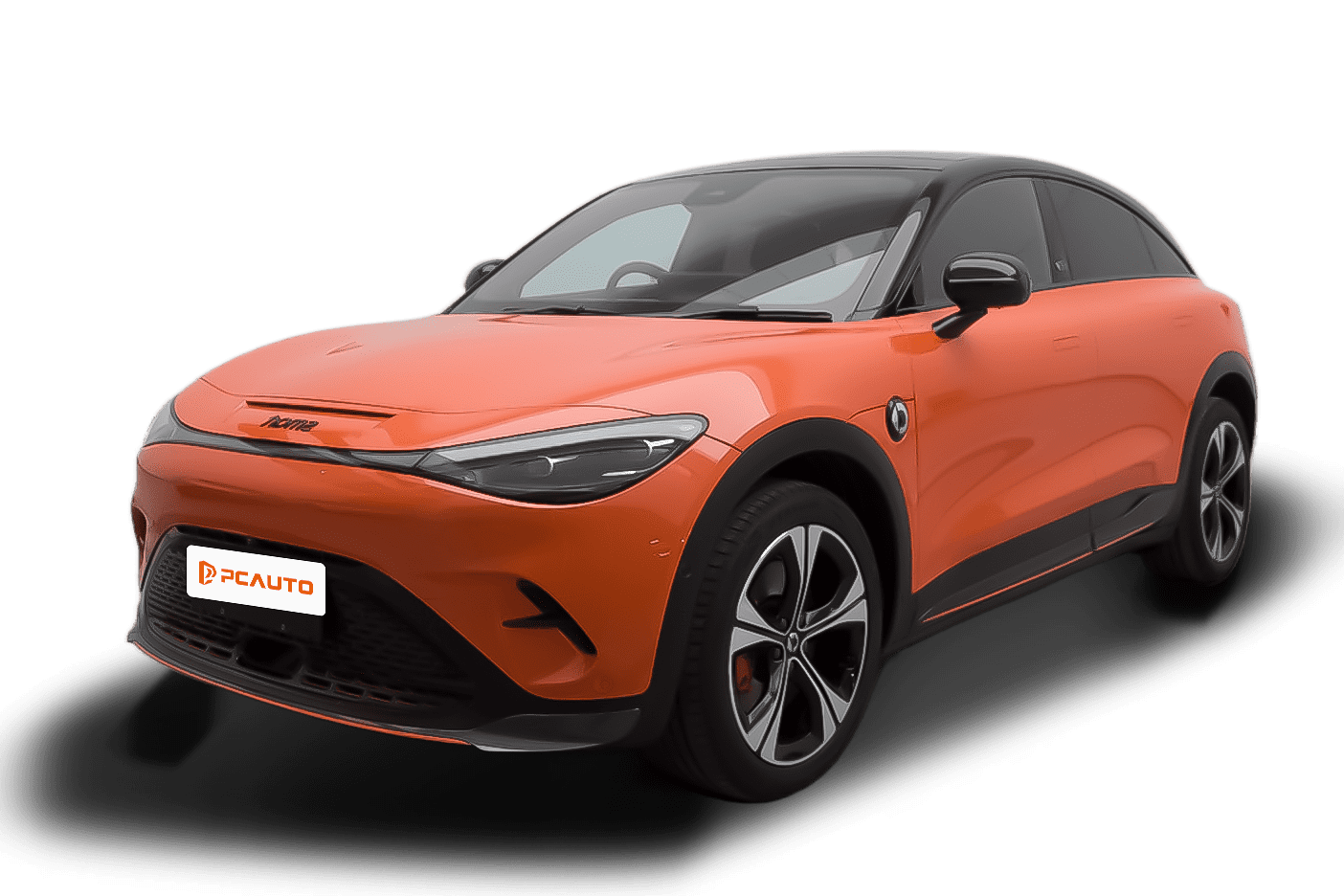
Smart #3 photo
Smart #3
Nissan Leaf
vs
Smart #3
Nissan Leaf photo
Nissan Leaf
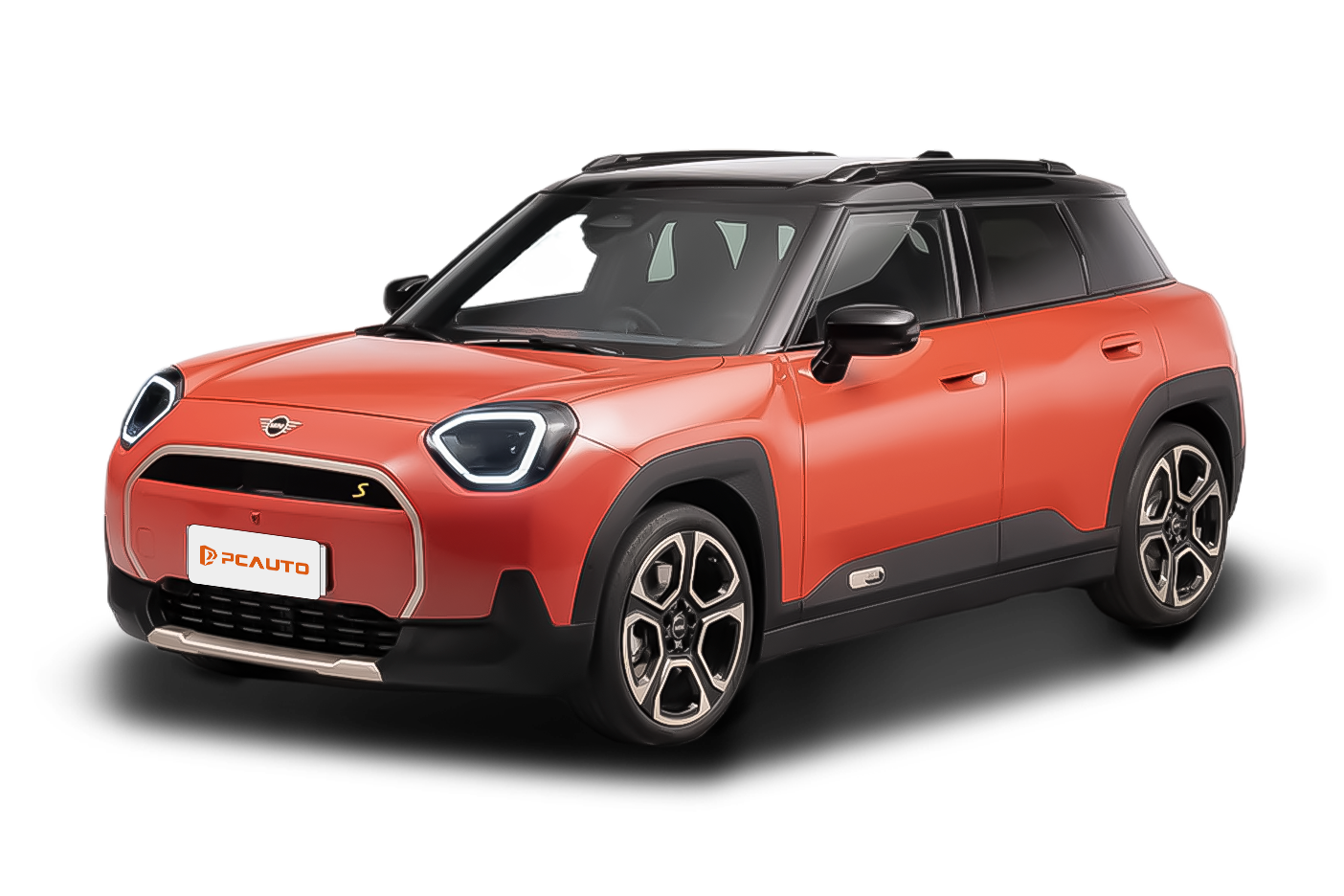
MINI Aceman photo
MINI Aceman
Nissan Leaf
vs
MINI Aceman
Nissan Leaf photo
Nissan Leaf
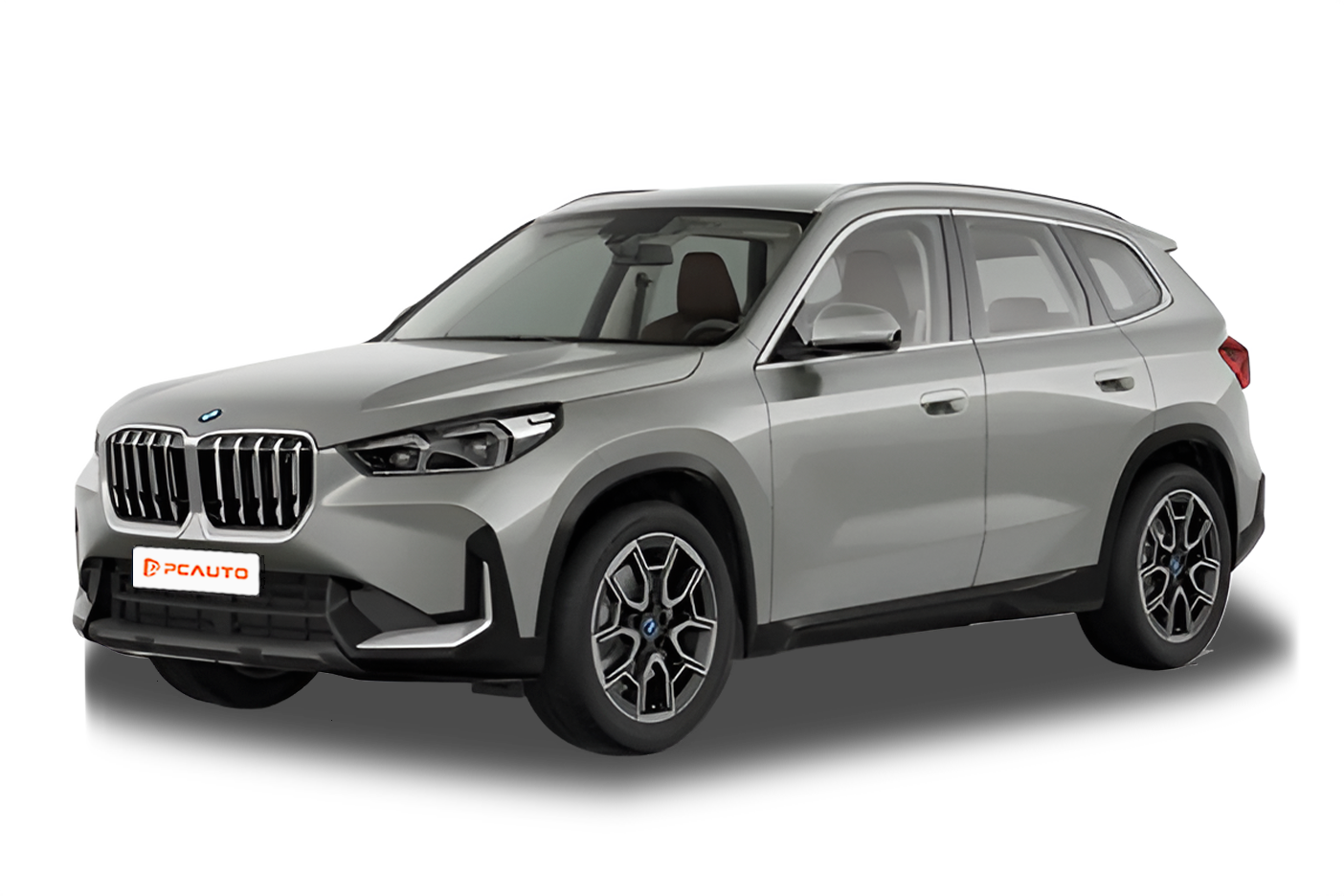
BMW iX1 photo
BMW iX1
Nissan Leaf
vs
BMW iX1
Find out if you can afford your dream car using our user friendly car loan calculator.
Total Amount
Down Payment
Interest Rate(%)
Loan Period (In Years)
Monthly Payment
RM --
Calculate

Is the 2023 Nissan Leaf a good car?

How far can the 2023 Nissan LEAF go?

How long to charge a Nissan Leaf 2023?