

2023 Proton Saga 1.3 Standard AT Review

 Share
Share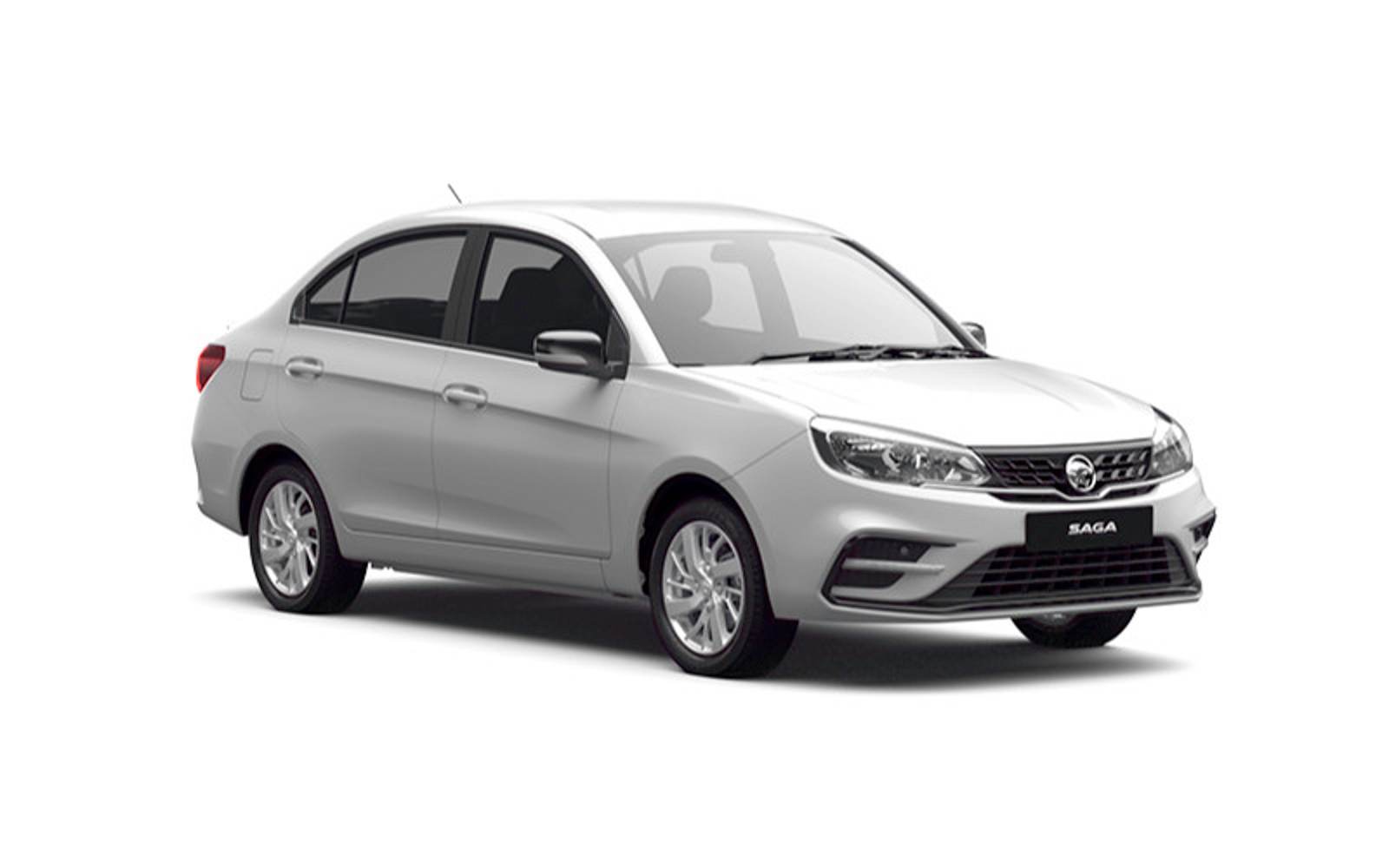
 Segment
 Body Type
 Capacity(L)
 Engine Power(PS)
 Engine Torque(Nm)
 Transmission
As the demand for cost-effective commuter cars in Malaysia's A-Segment sedan market remains steady, the 2023 Proton Saga 1.3 Standard AT, as a core contender in this segment, has consistently been an alternative for many first-time buyers or as a family's second car due to its affordable pricing and practical configurations. This time, we will focus on testing its daily commuting performance, space practicality, and fuel efficiency to see if this RM 38,800 model truly meets the basic needs of most users.
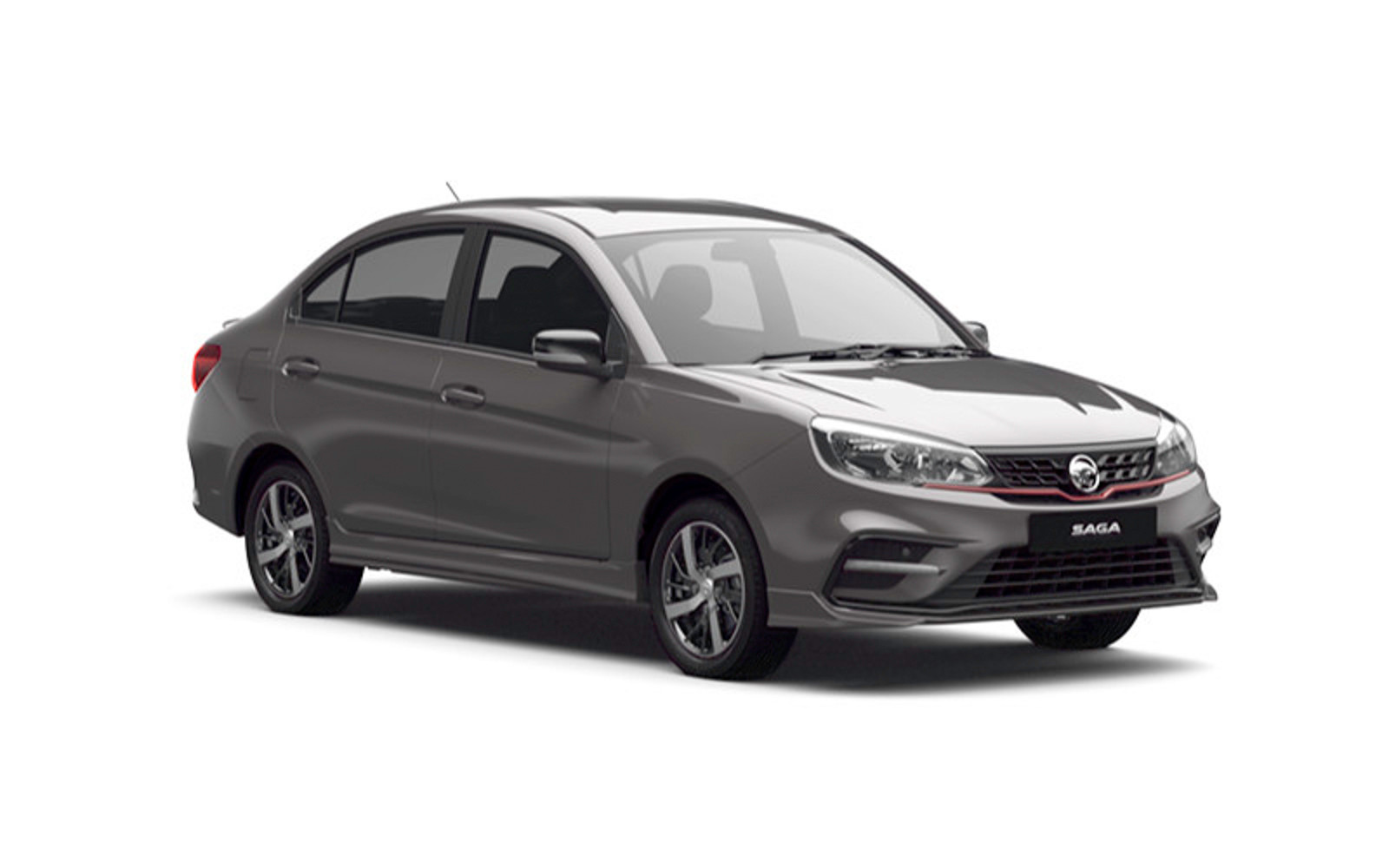
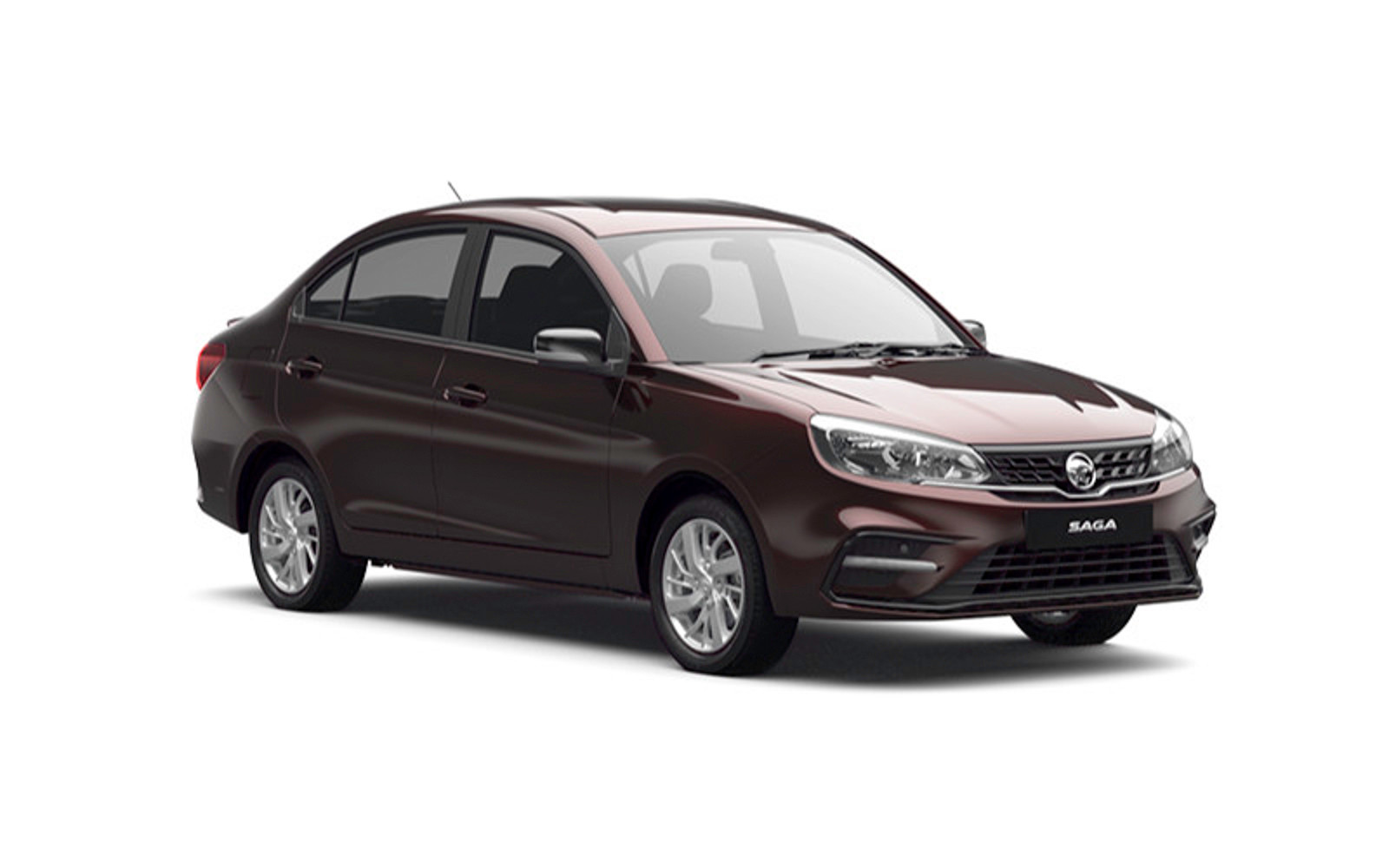
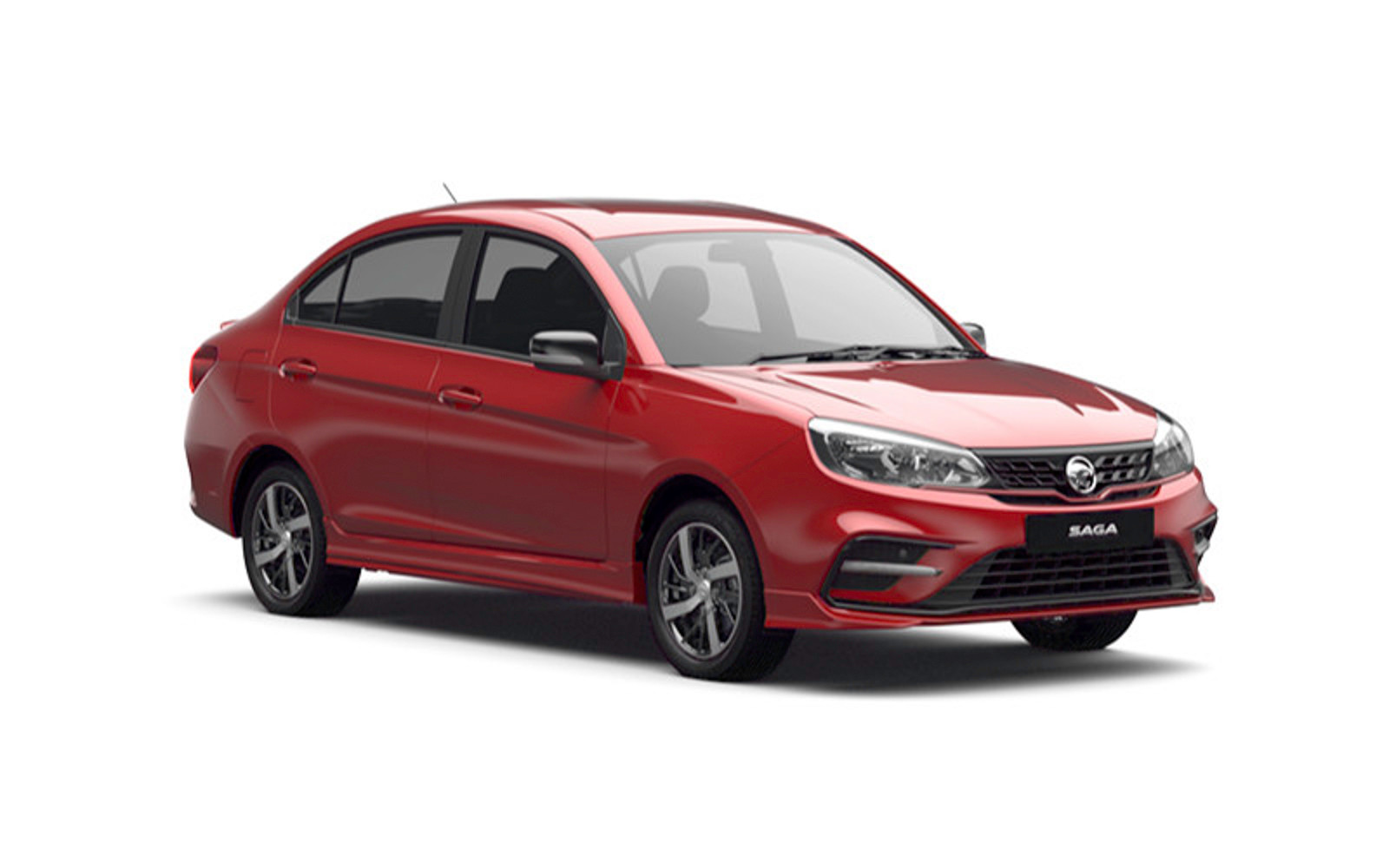
In terms of exterior design, the 2023 Saga Standard AT continues Proton's family-oriented "Infinite Weave" design language, with an overall style leaning towards a more stable aesthetic. The front fascia features a shield-shaped grille accented with chrome trim, connecting to the halogen headlights on both sides. While it lacks LED lighting, the brightness of the headlights is sufficient for everyday use. The black plastic trim at the bottom of the front bumper adds a touch of sportiness. The side profile of the car is sleek, with 14-inch steel wheels (with plastic covers) that, while not particularly eye-catching, align well with its entry-level positioning. The door handles match the body color, and the side mirrors support electric folding, reflecting a reasonable attention to detail. At the rear, the horizontally arranged tail lamps exhibit a clear internal light structure, while the reflective strips on the lower bumper enhance nighttime visibility. The small spoiler on the trunk lid adds a bit of dimension to the rear. Overall, the exterior design of this car is not overly flashy, presenting a clean and universally appealing style.
Stepping inside, the interior features a dark gray color scheme. The dashboard is made of hard plastic material but is treated with texture to avoid looking overly cheap. The instrument cluster uses an electroluminescent analogue design, with a tachometer, speedometer, and fuel/temperature gauges that are clearly laid out and easy to read. The center console is equipped with an embedded multimedia screen (although the Standard version lacks a reversing camera, it supports Bluetooth connectivity), and below it are physical buttons for the manual air conditioning system. The knobs and buttons have a moderate tactile resistance, making them easy to operate. The seats are upholstered in fabric material, with the front seats offering manual adjustments and providing decent support for both the backrest and cushion, ensuring comfort even during prolonged use. The rear seatbacks can be folded down in a split configuration to expand trunk space. Regarding space, the car measures 4335mm×1690mm×1515mm, with a wheelbase of 2465mm. The front row offers about a fist and two fingers' worth of headroom, while the rear row provides about a fist of legroom for passengers up to 170cm tall; the headroom in the back is slightly tight, but it’s sufficient for everyday family use. The trunk has a capacity of 420L, ample enough to fit two 20-inch suitcases and some miscellaneous items, making it quite practical. In terms of features, it comes standard with keyless operation door locks, a 220V/230V power outlet, ISOFIX child seat anchors, and four speakers. Although it doesn’t include many premium features, all the essential functional elements are well-covered.
In terms of dynamic performance, this car is equipped with a 1.3L naturally aspirated engine, delivering a maximum horsepower of 95PS, a maximum power of 70kW, and a maximum torque of 120N·m, paired with a 4-speed automatic transmission. The power output is relatively smooth during takeoff; it takes a moment after pressing the accelerator to feel the power increase, making it suitable for steady driving. When driving at low to medium speeds, the transmission gearing logic leans towards smoothness, and there is not much sensation of jerking during gear changes. However, during sudden acceleration, the transmission is slightly slower to respond, requiring a harder press on the accelerator to complete overtakes. The steering wheel is relatively light and reasonably precise, making tasks like U-turns and parking effortless. The suspension system combines a front MacPherson independent suspension with a rear torsion beam non-independent suspension. It performs well in filtering minor bumps on urban roads, and the body doesn’t experience noticeable jolting; however, when encountering speed bumps or large potholes, there’s slightly more bumpiness in the rear seats. In terms of fuel consumption, the official combined fuel consumption is 6.7L/100km. During our 50km drive in urban traffic and another 50km on highways, the actual combined fuel consumption was about 7.2L/100km. Considering it has an automatic transmission, this performance is reasonable. Regarding noise control, at speeds below 60km/h, wind and tire noise inside the cabin are minimal; as speeds exceed 80km/h, wind noise gradually increases but does not affect normal conversations. The braking system consists of front ventilated discs and rear drum brakes, with a moderate pedal travel, linear braking force output, and stable vehicle posture during emergency braking.
Overall, the core strengths of the 2023 Proton Saga 1.3 Standard AT lie in its affordable price, practical space, and comprehensive basic features. Compared to its counterpart, the Perodua Bezza, it boasts a longer wheelbase, more trunk space, and standard features like vehicle stability control and hill-start assist, providing more comprehensive safety features. Although its fuel consumption is slightly higher than that of the Bezza, its lower price makes it more cost-effective. This car is suitable for first-time buyers on a budget or families in need of a reliable commuter car — it doesn’t have many fancy features, but it meets all the basic needs for daily travel, making it a practical choice. If you are looking for an affordable, durable compact sedan for family use, the Proton Saga 1.3 Standard AT is worth considering.
Proton Saga Loan Calculator
More Proton Reviews
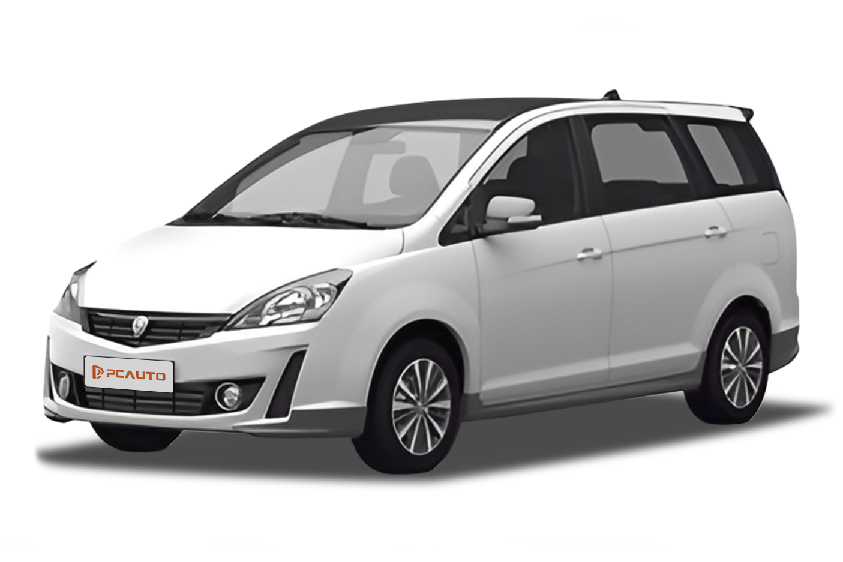
Cars With Similar Price And Features
2
Rank in Sedan
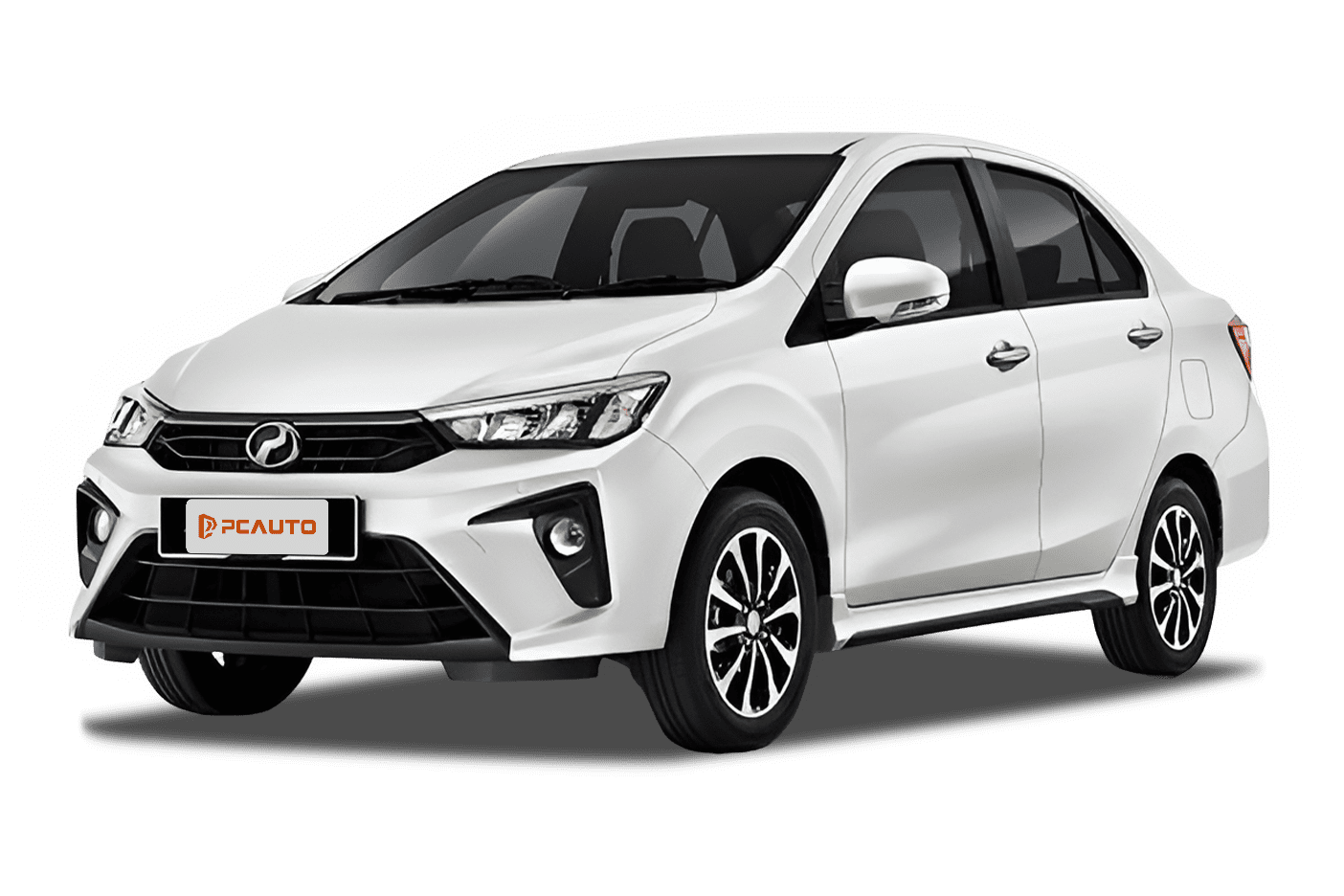
2023 Perodua Bezza 1.0 G (M) is a high-value A-segment manual sedan, offering practical features and durability at an affordable price, balancing daily commuting with safety and convenience.
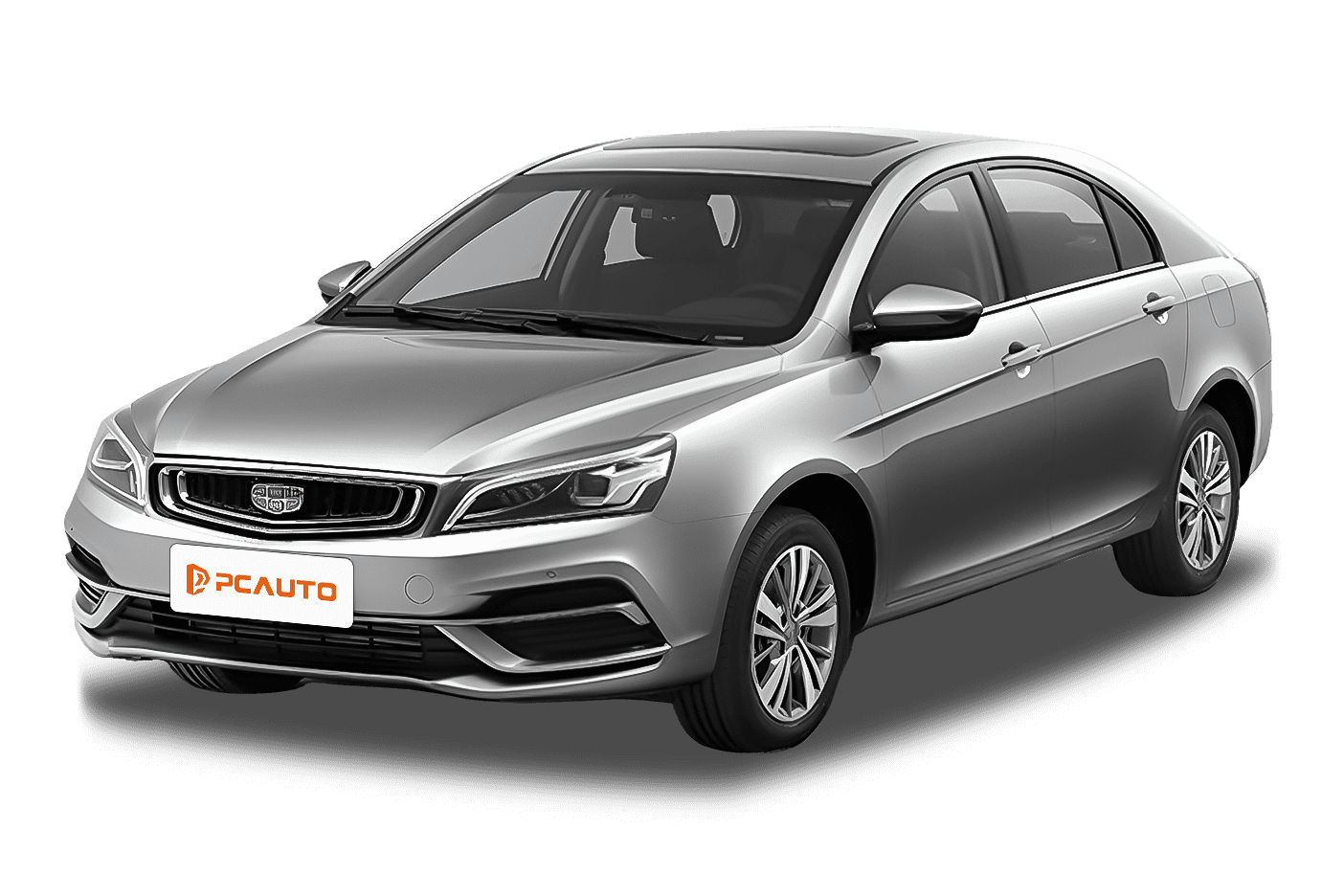
2019 Geely New Emgrand 1.5L-CVT is a balanced family sedan with practical space, rich safety features, and fuel efficiency, meeting the needs of daily commuting and short trips.