

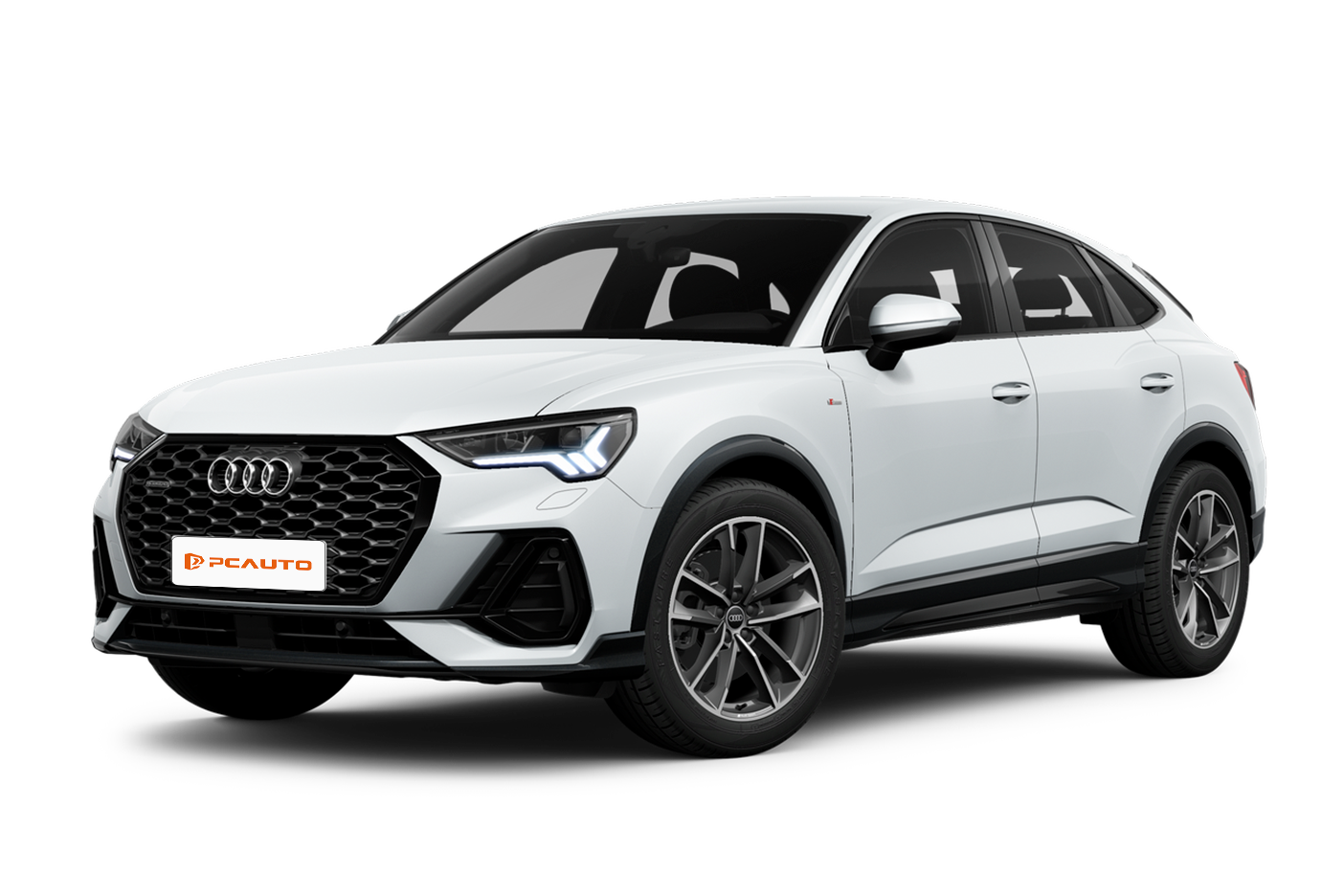
2025 Audi Q3 Sportback S line 2.0 TFSI quattro Review

 Share
Share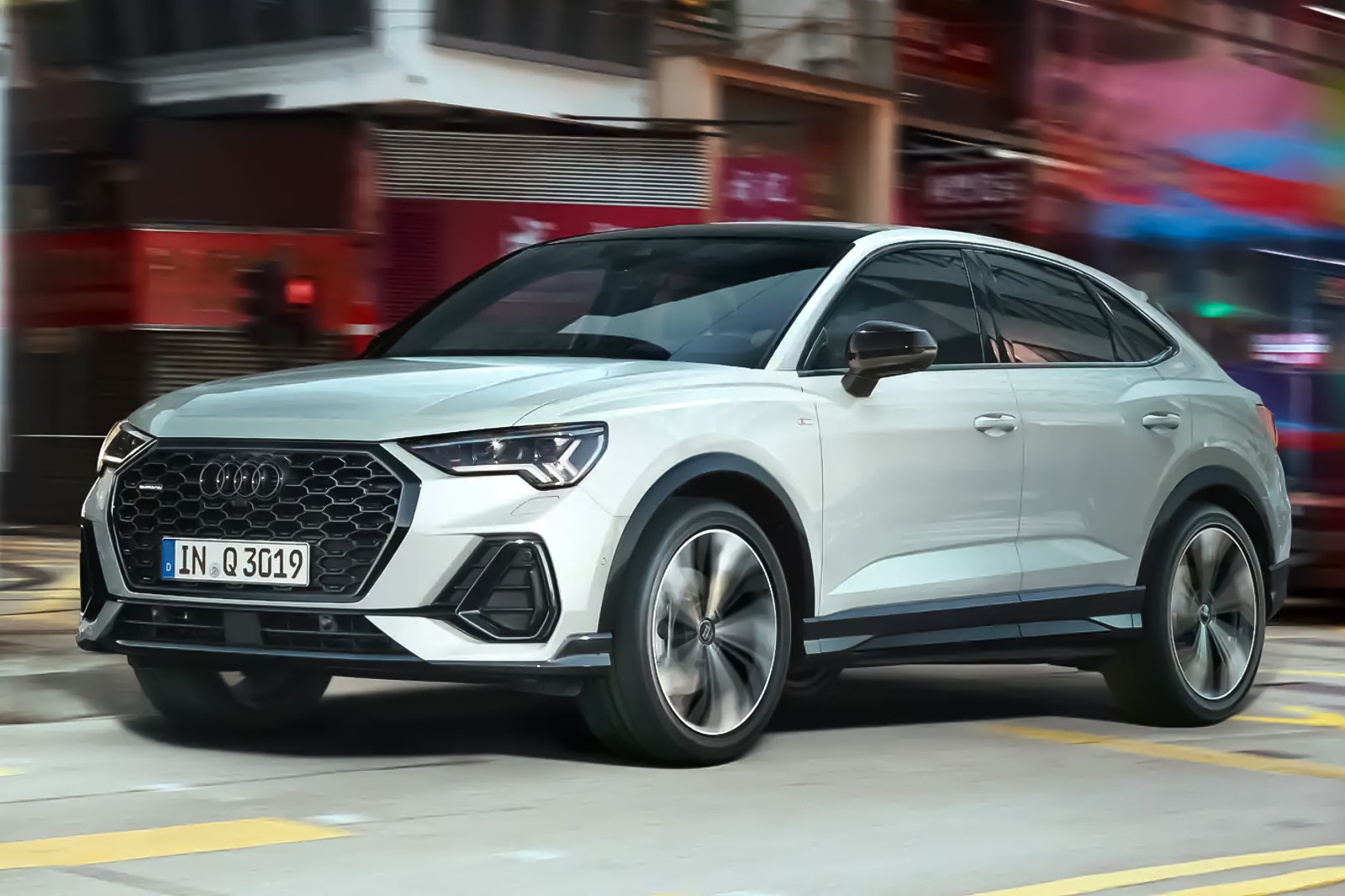
 Segment
 Body Type
 Capacity(L)
 Engine Power(PS)
 Engine Torque(Nm)
 Transmission
In the Malaysian C-Segment SUV market, consumers' demand for "balance" is becoming increasingly clear—they want enough space for family trips without compromising design aesthetics and driving quality. The 2025 Audi Q3 Sportback S line 2.0 TFSI quattro is here to meet this demand. With its coupe SUV design, it breaks the monotony of traditional SUVs while retaining Audi's consistent tech features and quattro all-wheel-drive system advantages. In this test drive, we focused on verifying whether its actual performance aligns with its brand positioning and whether it has sufficient competitiveness among models in the same price range.
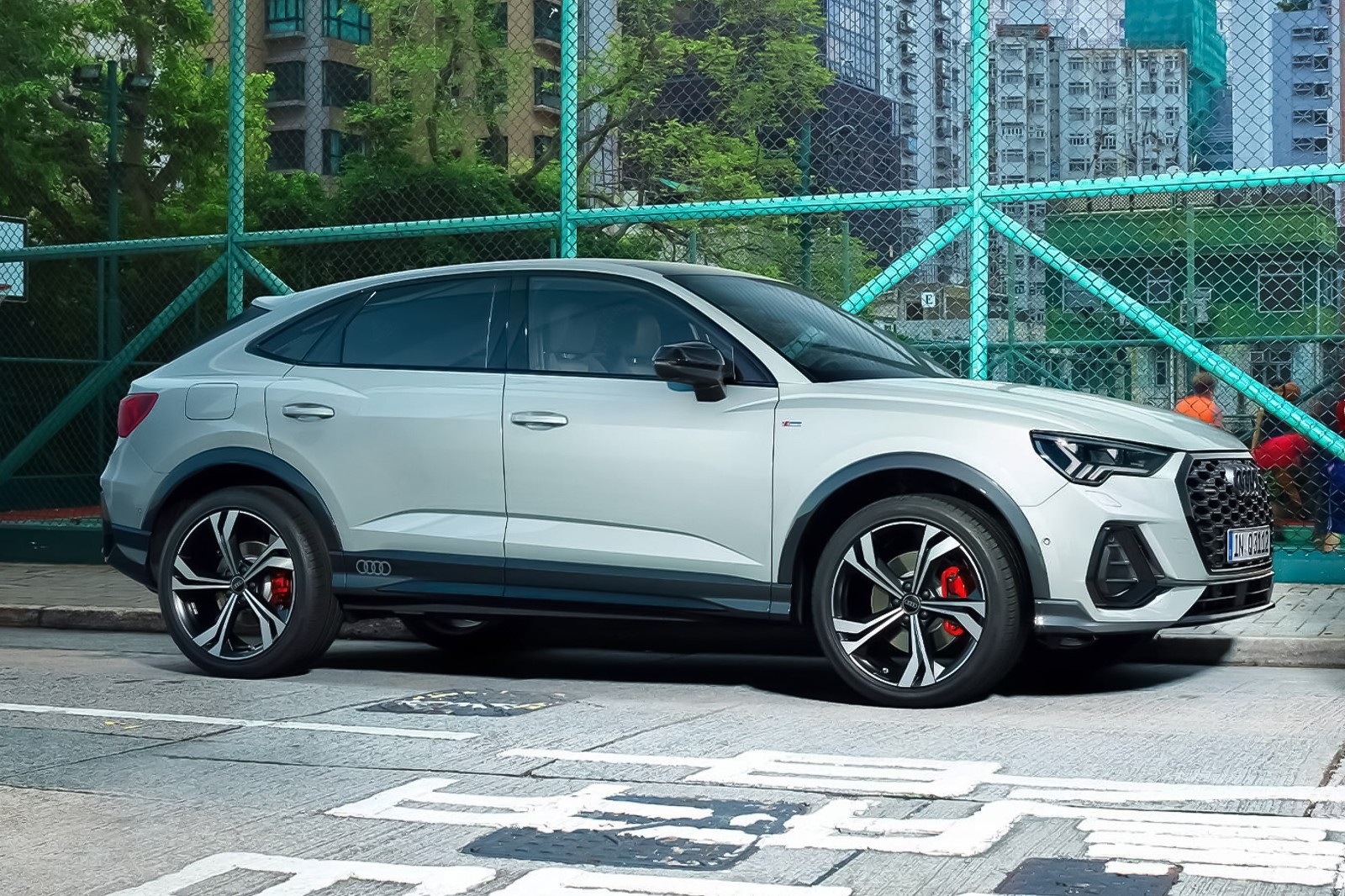
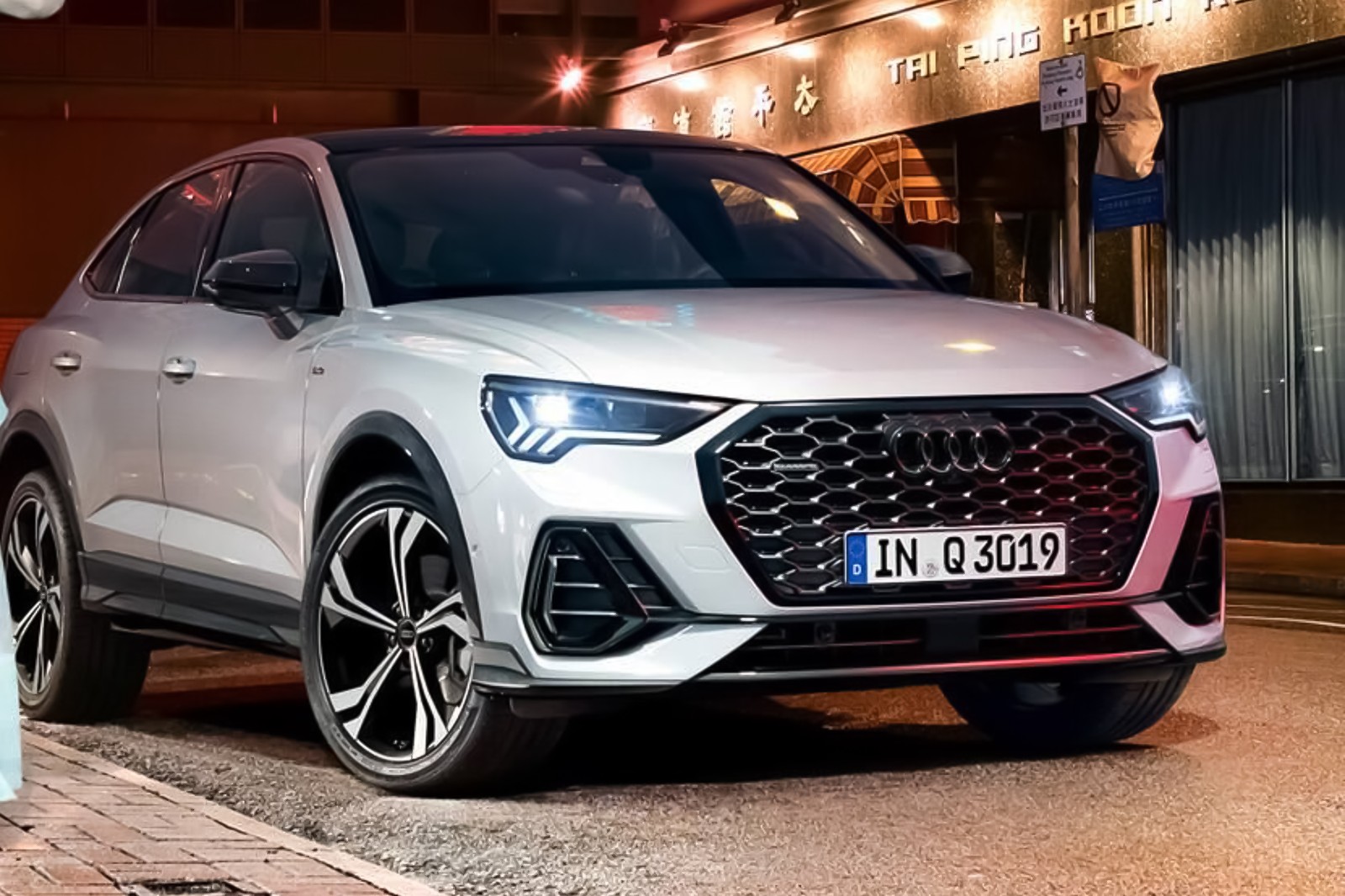
The coupe-style sleek sloping roofline is the most distinctive feature at first glance. The front end continues Audi's family design, with an octagonal grille paired with the S line-exclusive honeycomb mesh, accented by chrome trim, giving it high recognition. On the side, the 19-inch wheels and 255/45 R19 wide tires fill the wheel arches nicely, making the side proportions more harmonious. The sloping roofline gently drops off after the B-pillar, not overly aggressive but still distinct from the regular Q3. At the rear, the LED taillights adopt Audi's iconic through-type design, offering a sharp effect when illuminated at night. The twin exhaust outlets (decorative) on the lower part of the rear bumper also enhance the sporty feel. The overall design strikes a balance between sportiness and stability, suitable for users who want to show personality without being overly ostentatious.
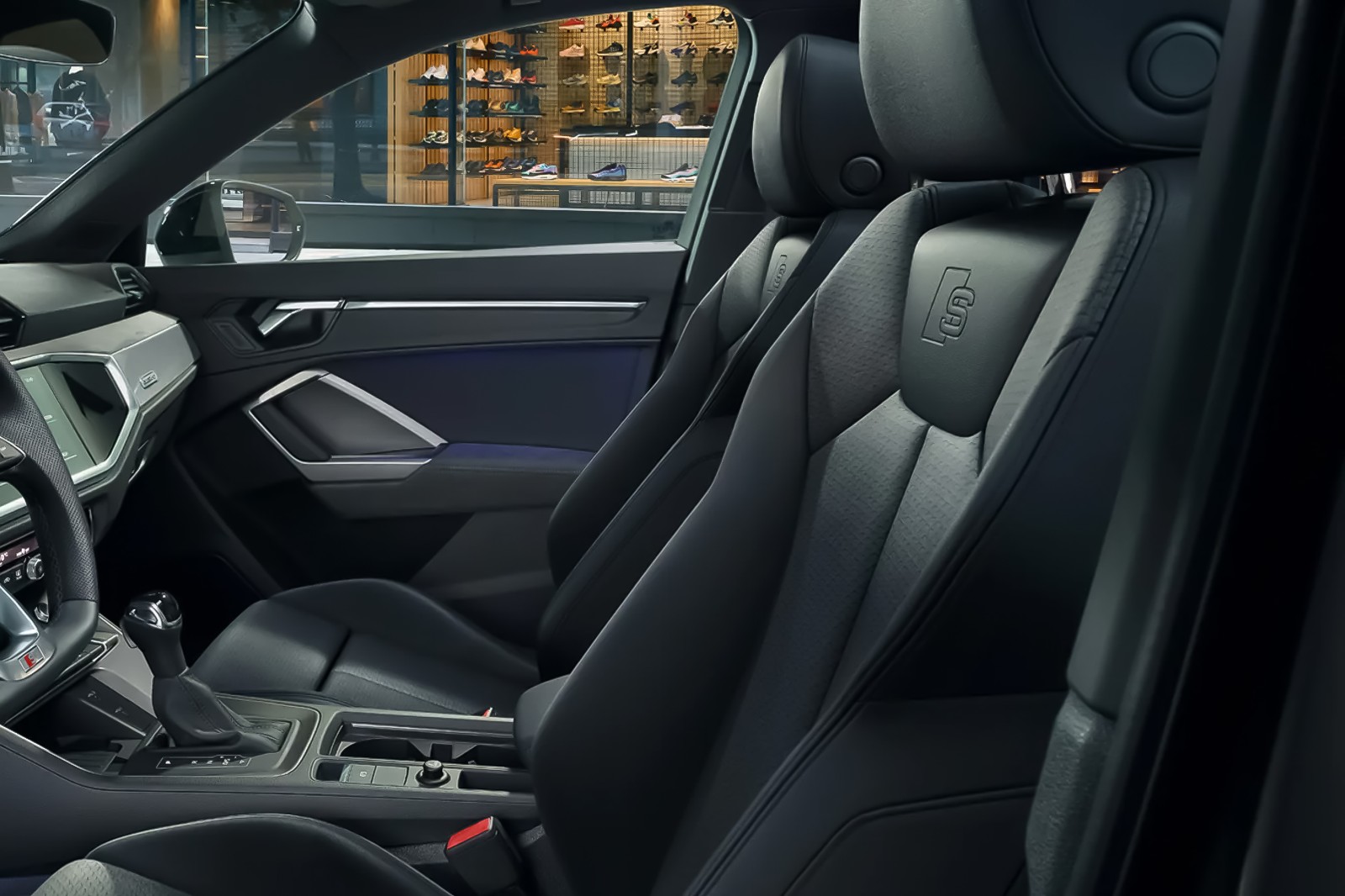
Sitting inside, the interior layout is quite familiar—the classic Audi virtual cockpit is absent in this model, but the 10.1-inch MMI central control screen still maintains a simple design. The screen is tilted slightly toward the driver, with clear operational logic and support for both touch input and physical buttons (for some functions). In terms of materials, the upper part of the dashboard and the inner door panels are wrapped in soft materials, paired with silver trims. The overall texture aligns with the positioning of the 300,000 RMB price range. In terms of features, the front seats offer electric adjustment, allowing both the driver and front passenger to quickly find a comfortable seating position. Dual-zone automatic climate control and independent rear air conditioning vents ensure comfort for all passengers throughout the car. Standard features like keyless entry, electrically folding mirrors, and rain-sensing wipers add practicality. However, the manual adjustment for the steering wheel is a bit disappointing compared to competitors in the same class.
In terms of space performance, the car has a wheelbase of 2680mm. For a passenger measuring 175cm, the front row headroom leaves one fist of clearance, and legroom is ample. When a 175cm passenger is seated in the rear, the headroom is slightly compromised due to the sloping roof design, leaving approximately four fingers of space, but there is still two fists of legroom, which is sufficient for everyday family use. The trunk offers a standard capacity of 530 liters, which can be further expanded by folding down the 40:20:40 split rear seat, making it easy to store strollers or large luggage. Interior storage spaces are also relatively abundant. The door pocket storage, central armrest box, and front cup holders offer sufficient capacity to meet daily needs.
As for performance, the 2.0T turbocharged engine provides a maximum power output of 132kW (180PS) and a peak torque of 320N·m. It's paired with a 7-speed AT gearbox and a quattro all-wheel-drive system. The official 0-100km/h acceleration time is 7.8 seconds. In actual driving, the power response is relatively linear at the start, with no obvious turbo lag. During mid to high-speed acceleration, pressing the accelerator deeply delivers sustained thrust, making overtaking fairly effortless. In standard mode, the gearbox shifts smoothly and upshifts promptly, making it suitable for daily commuting. When switched to sport mode, the shifting logic becomes more aggressive, with the engine maintaining higher RPMs and delivering more direct power output.
Handling performance is one of the highlights of this car. The quattro all-wheel-drive system provides better traction when cornering. The steering is precise, with minimal play and moderate feedback, giving the driver plenty of confidence. The suspension system uses a front MacPherson strut and rear multi-link independent suspension, tuned towards comfort, but still offers sufficient support when cornering without noticeable body roll. When driving on bumpy roads, the suspension filters out most of the minor vibrations, with only slight body movements over larger potholes, providing a good overall comfort level.
In terms of fuel consumption, we tested the car in mixed conditions (50% city and 50% highway), and the actual fuel consumption was around 8.5L/100km, slightly higher than the official figure of 8.1L/100km. However, considering the all-wheel-drive system and the 2.0T engine, this result is slightly above average within its class. As for noise control, wind noise and tire noise are somewhat noticeable at high speeds, but still within an acceptable range and will not affect normal conversations inside the car.
In brake performance testing, the 100-0km/h braking distance was approximately 38 meters, with stable performance and no significant brake fade after repeated braking. The performance of the all-wheel-drive system on slippery roads is also commendable, effectively suppressing slippage when cornering and improving driving safety.
In conclusion, the key strengths of the 2025 Audi Q3 Sportback S line 2.0 TFSI quattro lie in its design, handling, and all-wheel-drive system. Compared to competitors like the BMW X1 sDrive20i or Mercedes-Benz GLA 200 in the same class, its all-wheel-drive system is a significant advantage, making it suitable for users who often drive on slippery roads or occasionally engage in light off-road driving. In terms of configuration, the entire lineup comes standard with six airbags, lane change assist, lane departure warning, and other safety features, offering good value for money. However, its manual steering adjustment and lack of a virtual cockpit are minor drawbacks.
This car is clearly suited for a specific audience: families who value design and driving quality, or urban commuters who occasionally need to tackle complex road conditions. It balances personality, practicality, and safety, making it a well-rounded coupe SUV. If you are looking for a luxury coupe SUV in the 300,000 RMB price range, this car is worth considering.
Audi Q3 Sportback Car Compare
Audi Q3 Sportback Loan Calculator
Cars With Similar Price And Features
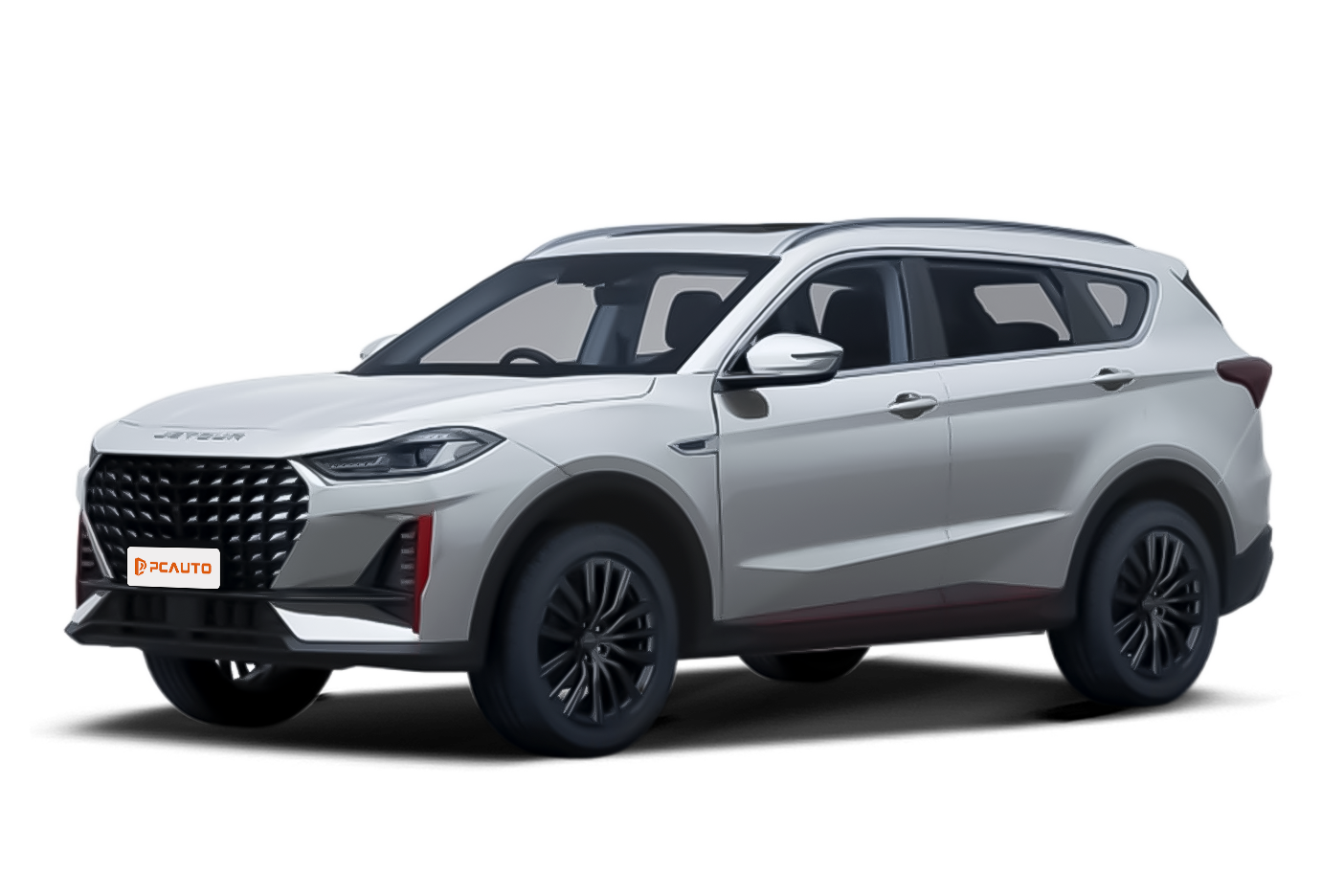
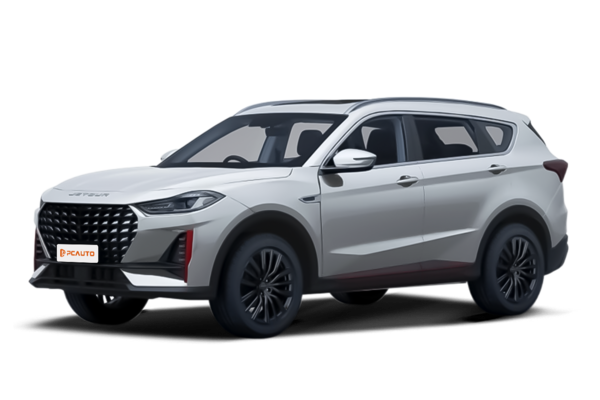
2025 Jetour VT 9 Comfort is a highly cost-effective 7-seater family SUV, featuring practical space, rich configurations, and balanced power, precisely meeting the needs of family short-distance travel.

11
Rank in SUV
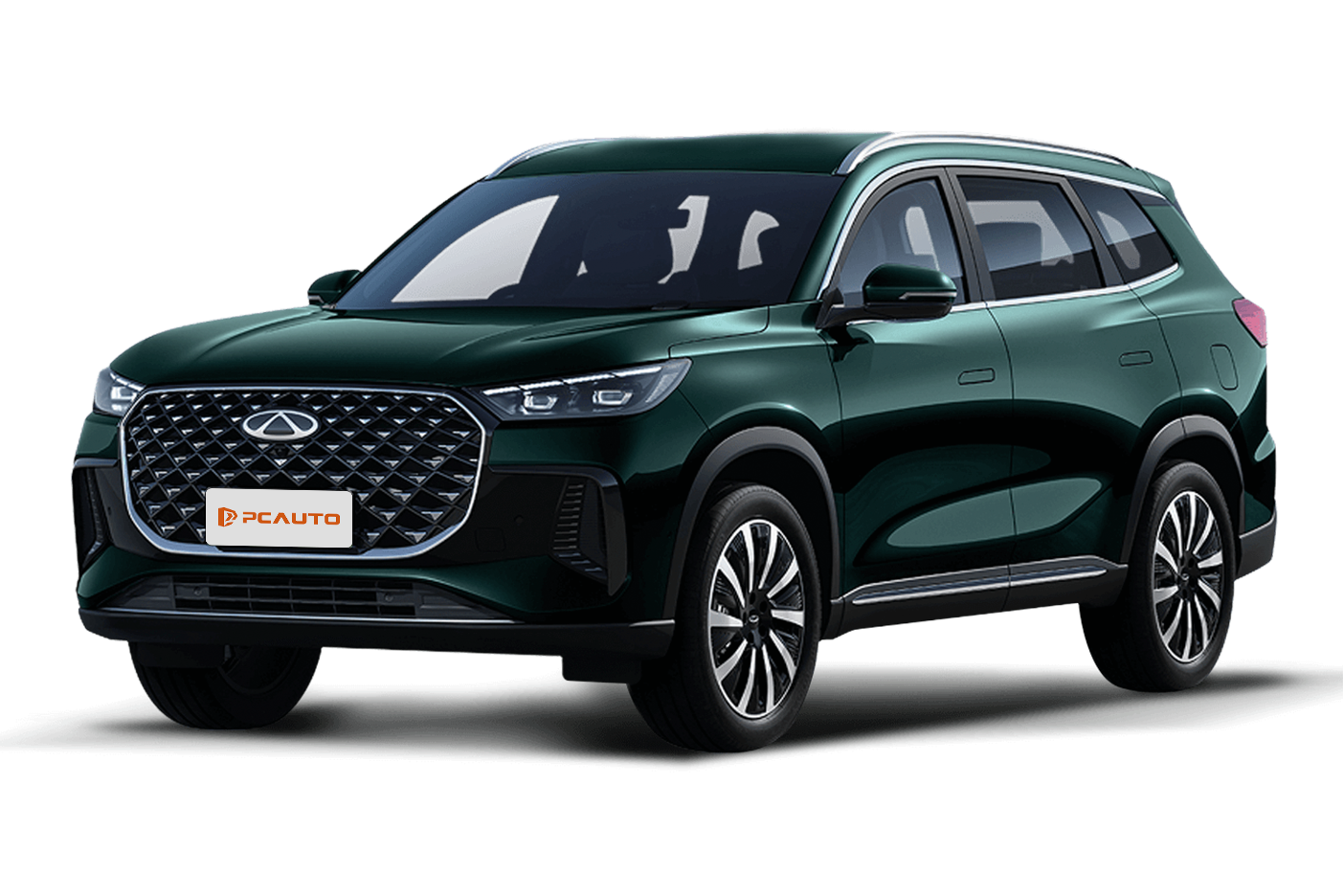
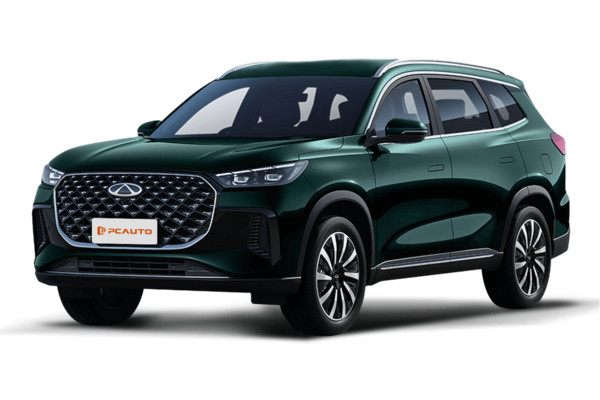
2026 Chery Tiggo 8 is a D-Segment SUV aimed at family users, offering superior configurations, practical space, and smooth power at a high cost-performance ratio, meeting both commuting and light off-road needs.
16
Rank in SUV

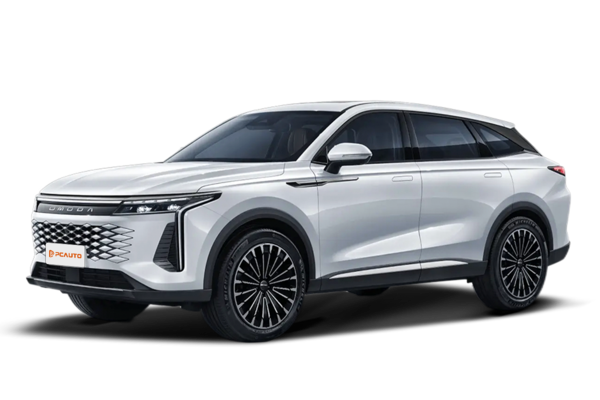
2024 Chery OMODA C9 2WD with 2.0T+8AT powertrain, L2 level assistance, and dual 12.3-inch screens, breaking the stalemate in the D-Segment market and becoming a high-value disruptor.
29
Rank in SUV
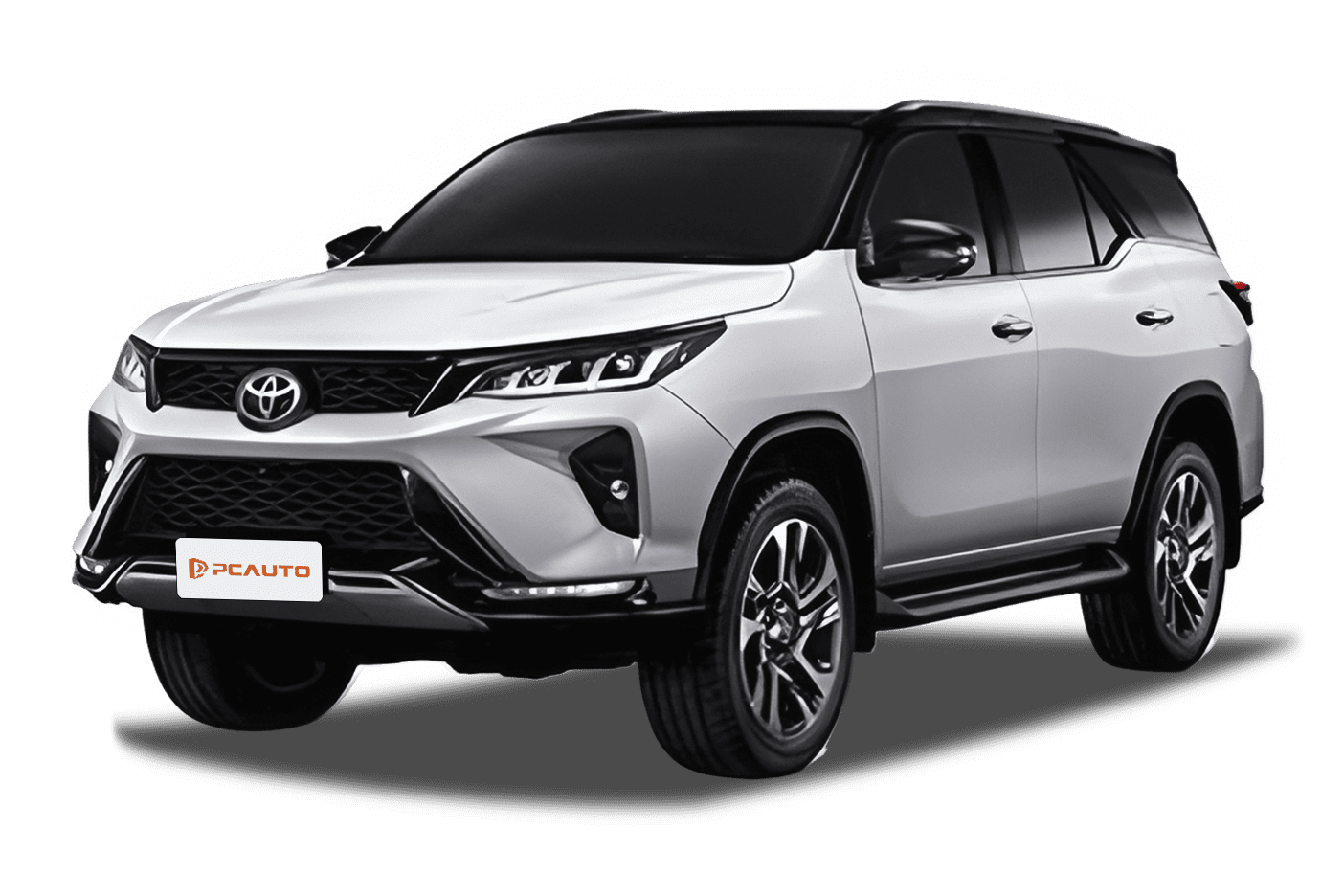
2021 Toyota Fortuner 2.7 SRZ AT 4x4 is a 7-seat SUV that balances family comfort and mild off-road capabilities, with smooth gasoline power and a practical 4x4 system, offering low maintenance requirements suitable for various family scenarios.