

Jetour VT 9 Review

 Share
Share
 Segment
 Body Type
 Capacity(L)
 Engine Power(PS)
 Engine Torque(Nm)
 Transmission
In recent years, competition in Malaysia's D-segment 7-seater SUV market has been heating up. Consumers want enough space for family outings, as well as non-compromised features at a controllable price. The 2025 Jetour VT 9 Comfort model targets this demand gap, entering the market with a price tag of RM 119,350, focusing on the label of a "high-value 7-seater family SUV." In this test drive, we will focus on verifying: Is its space adequate for short trips with 7 passengers? Is the 1.5T engine sufficient for daily needs? Does its feature performance live up to the "Comfort" designation?
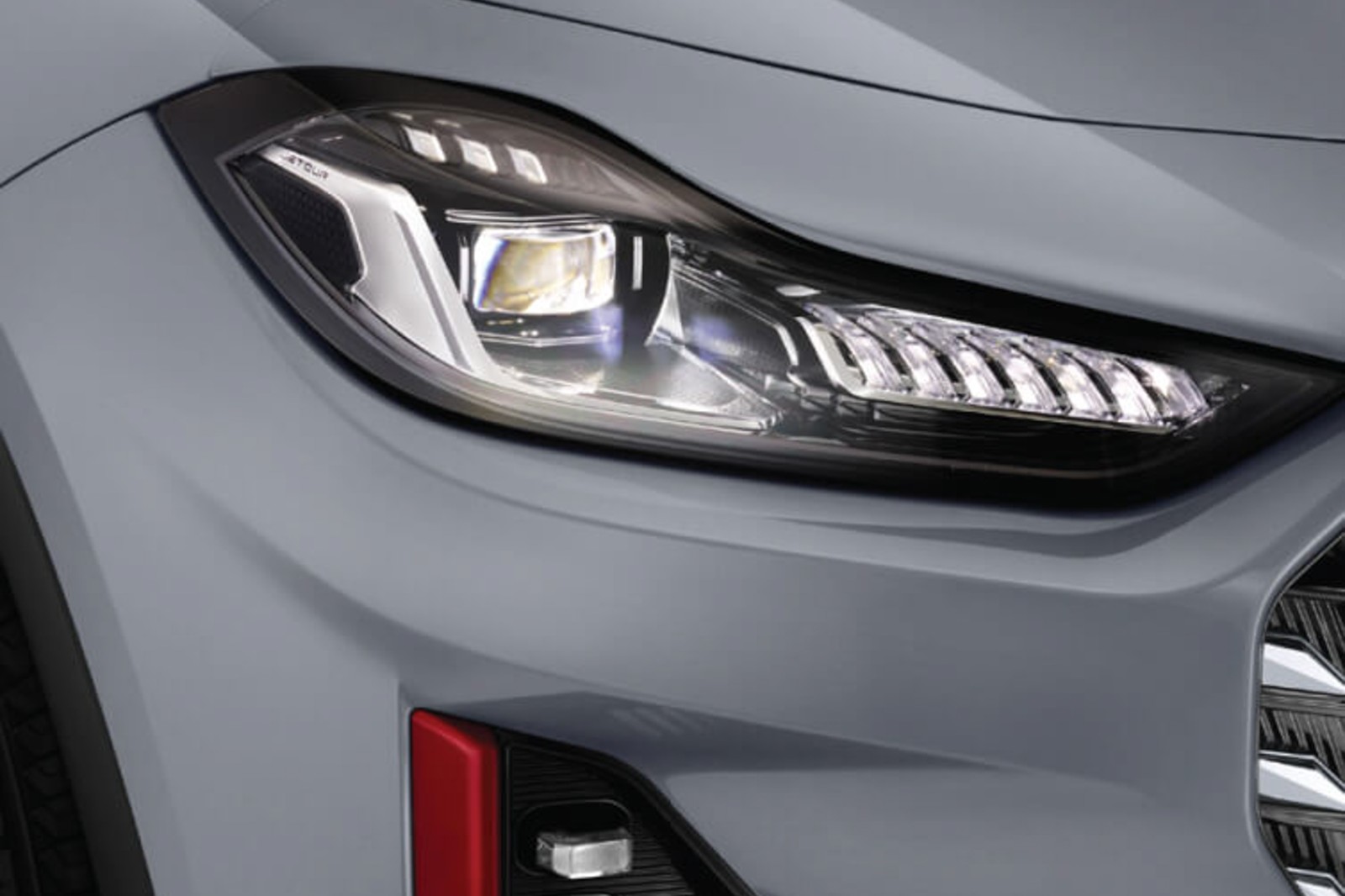
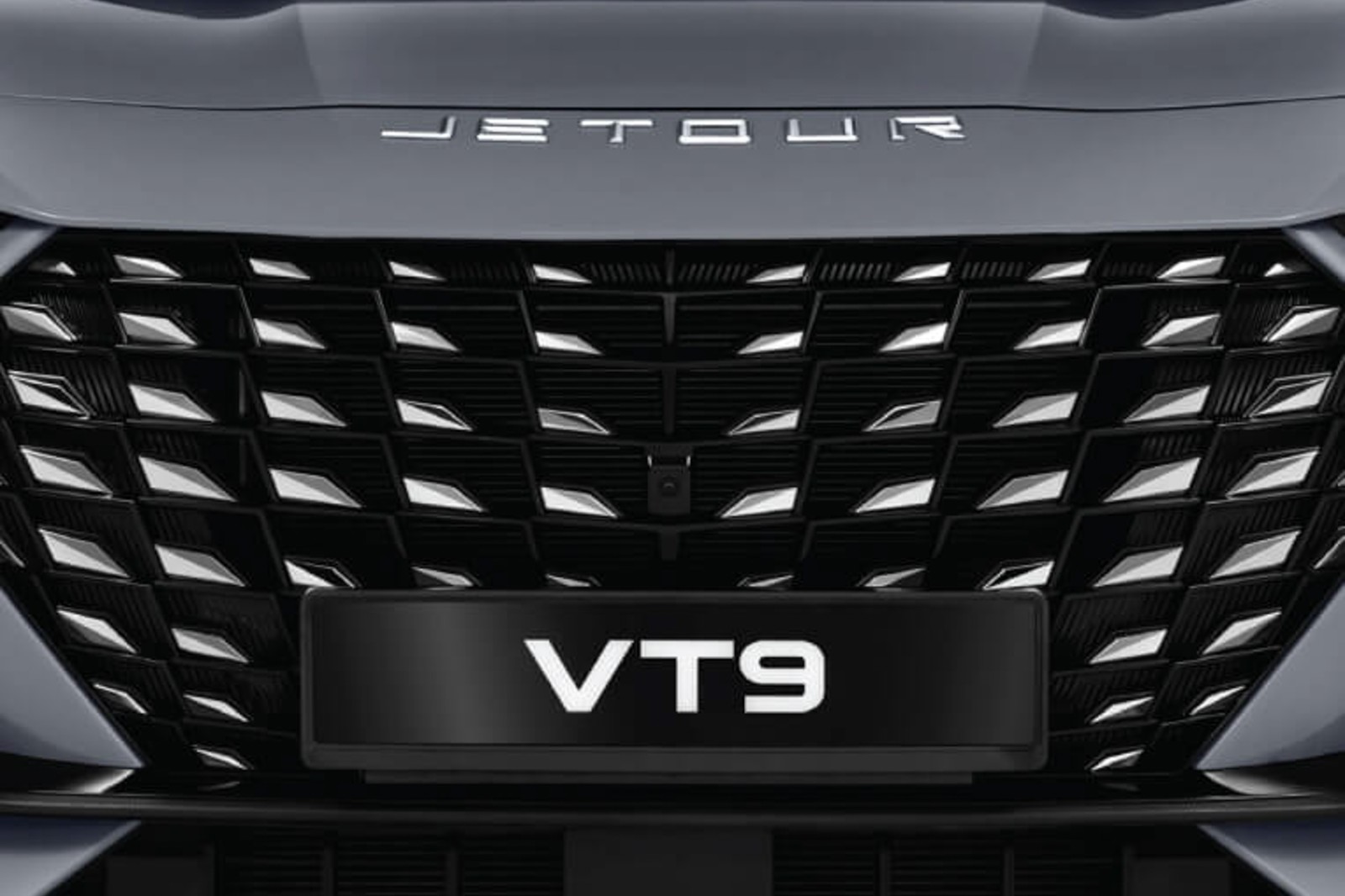
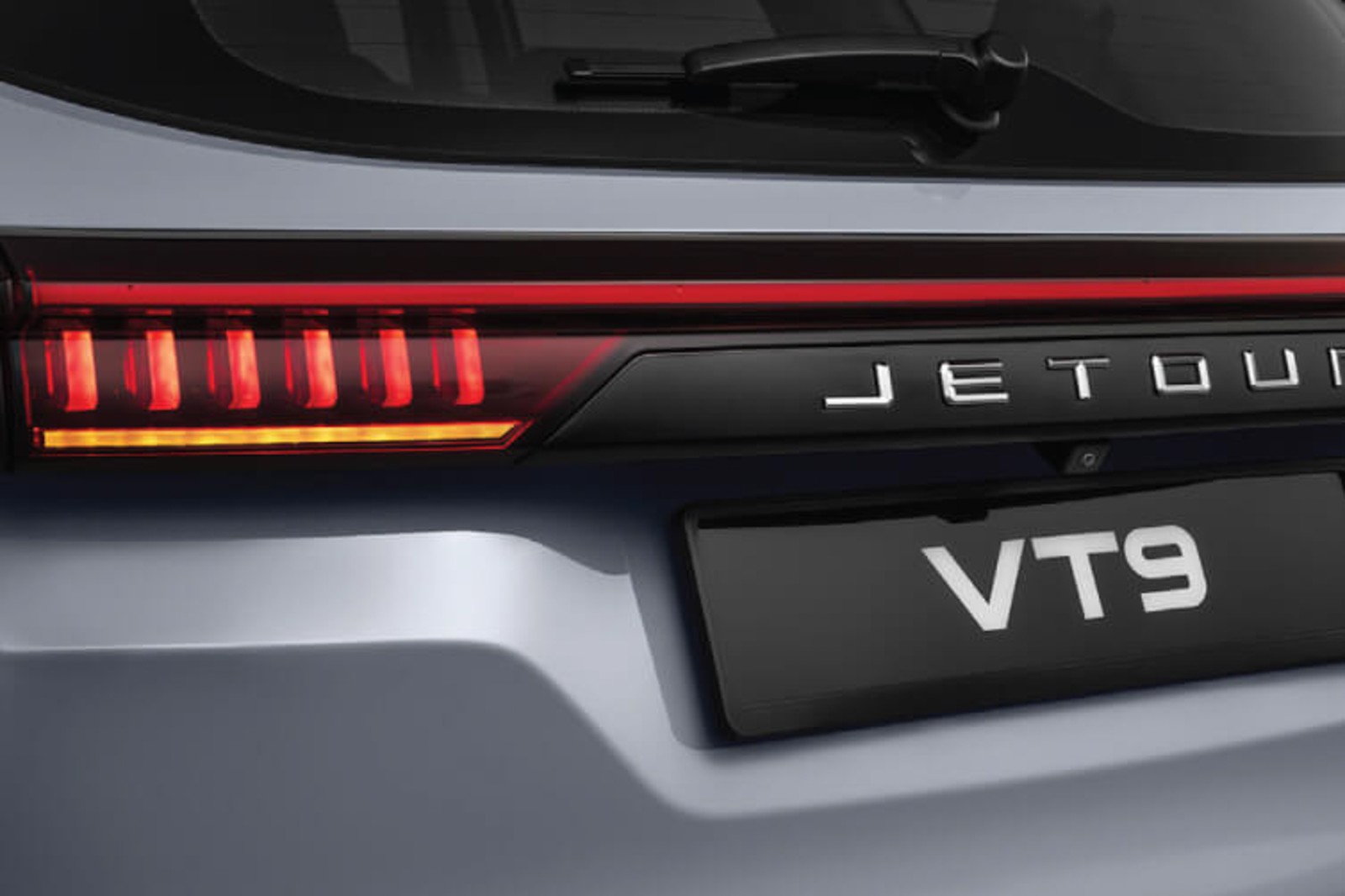
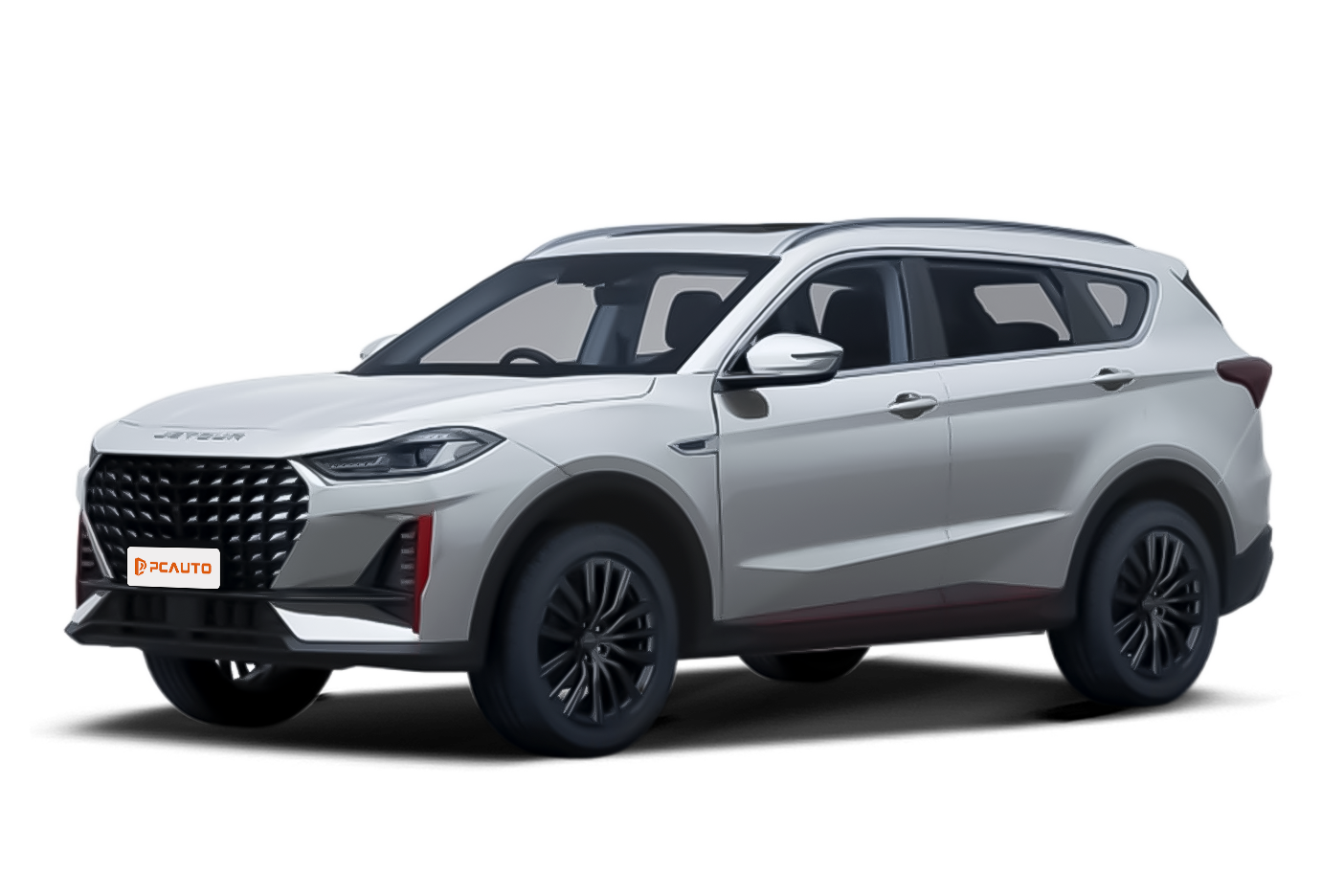
At first glance, the VT 9 Comfort has a design that leans towards a stable and practical appearance, without too many fancy elements. The front features a large blackened grille, complemented by sharp LED headlights on both sides. The daytime running lights are embedded in an L shape below the light clusters, offering decent recognizability when lit up. The side profile of the car features straight lines, with a waistline extending from the front to the rear, adding a sense of dimension. The 19-inch alloy wheels are moderately sized for its class, paired with 235/55 R19 tires, which visually do not appear small. At the rear, a standout feature is the through-type LED taillight connected by a chrome strip at the center. Below, the bumper is adorned with silver skid plates, adding a hint of off-road appeal typical of SUVs. The lighting system comes equipped with LED lights as standard, including automatic headlights and rear fog lights, ensuring excellent practicality for daily use.
Sitting inside, the interior design is simple and organized, with a center console inclined towards the driver’s side for easier operation. In terms of materials, the upper part of the center console is wrapped in soft materials. Although the texture is not particularly refined, it is acceptable at this price range. The most eye-catching feature is the 10.25-inch dual connected screens, with the left serving as the instrument panel and the right as the central control screen. Screen resolution is decent, and the response is relatively swift, supporting basic smart connectivity features. For configuration, keyless entry and start are standard, eliminating the hassle of finding keys. The multifunction steering wheel comes with paddle shifters, with the left side controlling multimedia and the right side controlling cruise control, which operates with clear logic. In terms of seats, the driver’s seat offers 6-way electric adjustment, while the passenger seat has 4-way manual adjustment. The rear row seats can be folded in a 60:40 ratio, expanding the trunk volume to 1680L when folded down, which is sufficient for a stroller or large luggage. The air conditioning system features front and rear automatic climate zones, with independent vents in the rear to ensure that cold air circulates to the third row as well—an important feature for a 7-seater car.
Space performance is one of VT 9 Comfort’s core selling points. With a wheelbase of 2720mm, the front row provides a headroom of one fist and two fingers for passengers with a height of 175cm. The second row offers about two fists of legroom and one fist of headroom. The central floor is only slightly raised, which doesn't hinder foot placement for the middle passenger. The third row is relatively compact, suitable for passengers under 165cm for short trips. Legroom in the third row is minimal, and extended periods there can feel slightly cramped. In terms of storage space, the door panel storage slots can hold two bottles of water, there is a storage tray under the center console, and the front central armrest box offers decent capacity, providing space for daily small items. When in 7-seat mode, the trunk can only fit a few backpacks. However, folding the third row makes the space much more spacious, meeting the needs of everyday shopping or short trips for the family.
Powertrain-wise, the VT 9 Comfort is equipped with a 1.5T turbocharged engine, delivering a maximum horsepower of 156 PS and a peak torque of 230 Nm, paired with a 6-speed wet dual-clutch transmission. During daily driving, the start is not particularly brisk, but the throttle response is relatively prompt; maximum torque is available at 1750 rpm, ensuring it doesn't feel sluggish in urban traffic or low-speed driving. After accelerating to 60km/h, the power output is stable, and when overtaking, pressing the accelerator deeply may result in about a 1-second delay from the transmission, but it downshifts quickly to deliver the necessary power. While cruising at 100km/h on the highway, the engine runs at around 2000 rpm, and the noise control performs well. There are three driving modes: Eco, Normal, and Sport. In Sport mode, the throttle sensitivity improves, the transmission delays its shifts, and the performance becomes more aggressive. However, the Normal mode is sufficient for daily use.
In terms of handling, the steering wheel offers moderate weight and minimal dead zones, providing precise direction during everyday lane changes or turns. The suspension system features front MacPherson struts and rear multi-link independent suspension, tuned for comfort. When passing over speed bumps or bumpy roads, the suspension absorbs most vibrations, preventing significant jolts from reaching the cabin. On highways, the vehicle maintains good stability, and cruising at 120km/h does not feel unstable, while cornering keeps body roll within acceptable limits, avoiding noticeable swaying for passengers. The braking system comprises front ventilated discs and rear solid discs, offering a linear pedal feel and reasonable stopping distances, providing confidence during daily driving.
In our fuel consumption test, which included urban congestion and highway driving, the average fuel consumption was approximately 7.8L per 100 kilometers. It runs on 92-octane petrol, making it a fairly economical choice for a 7-seater SUV. In terms of noise control, at highway speeds of 100km/h, wind and tire noise become somewhat noticeable, but normal conversations inside the cabin don't require raised voices; at low speeds in the city, engine noise is almost inaudible. Overall, the cabin's quietness is around average for its class. The seat comfort is commendable, with sufficient support on the cushions and backrests to prevent fatigue during long periods of sitting. Although the third-row seats are compact, the cushion height is not too low, avoiding an overly 'squatting' posture.
In summary, the key advantages of the 2025 Jetour VT 9 Comfort edition are evident: at a price of 119,350 MYR, you get a 7-seater SUV with enough space for daily family needs, practical features, and a balanced performance in terms of power and fuel efficiency. Compared to similar vehicles, such as the Proton X70 1.5T Executive (priced at around 125,000 MYR), the VT 9 Comfort is more affordable and offers more space; compared to the Perodua Aruz 1.5X (priced at around 100,000 MYR), it provides stronger performance and richer features. However, it has some shortcomings, such as a relatively compact third-row space, average interior materials, and less sophisticated smart system functions.
If you are a family user with a budget of around 120,000 MYR, requiring a vehicle that can occasionally seat seven, is fuel-efficient for daily commuting, and offers sufficient features, the VT 9 Comfort is a good choice. However, if you frequently require seating for seven for extended periods or have high expectations for interior quality, you may need to consider a higher trim level or other competitors.
In conclusion: The 2025 Jetour VT 9 Comfort is a "practical" 7-seater family SUV. It doesn’t have any particularly outstanding features, but it also has no obvious shortcomings. With a reasonable price, it addresses the core needs of family users for space and practicality, making it a highly cost-effective choice in its class.
Jetour VT 9 Car Compare
Jetour VT 9 Loan Calculator
More Jetour Reviews
Cars With Similar Price And Features

11
Rank in SUV
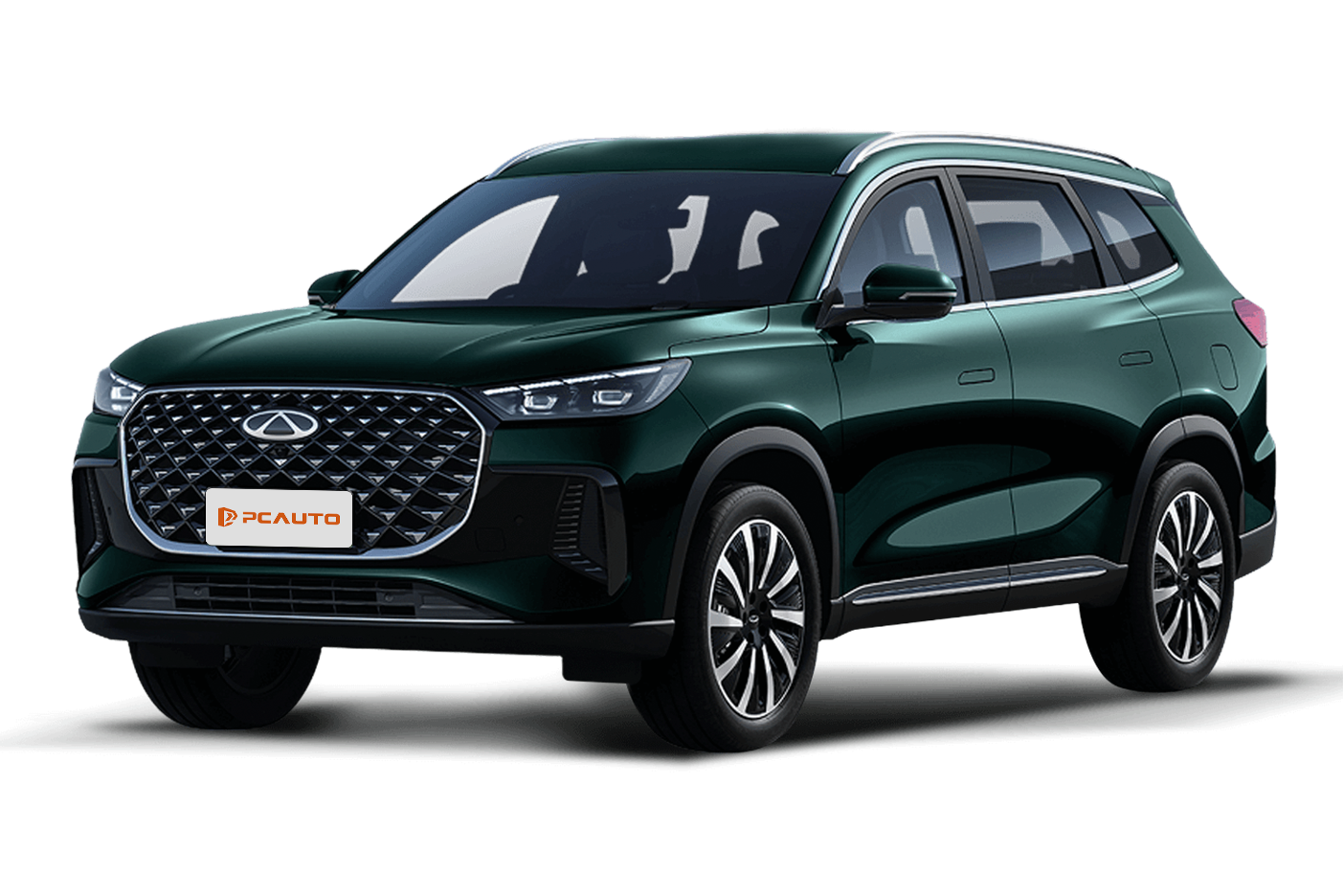
2026 Chery Tiggo 8 is a D-Segment SUV aimed at family users, offering superior configurations, practical space, and smooth power at a high cost-performance ratio, meeting both commuting and light off-road needs.
16
Rank in SUV

2024 Chery OMODA C9 2WD with 2.0T+8AT powertrain, L2 level assistance, and dual 12.3-inch screens, breaking the stalemate in the D-Segment market and becoming a high-value disruptor.
29
Rank in SUV
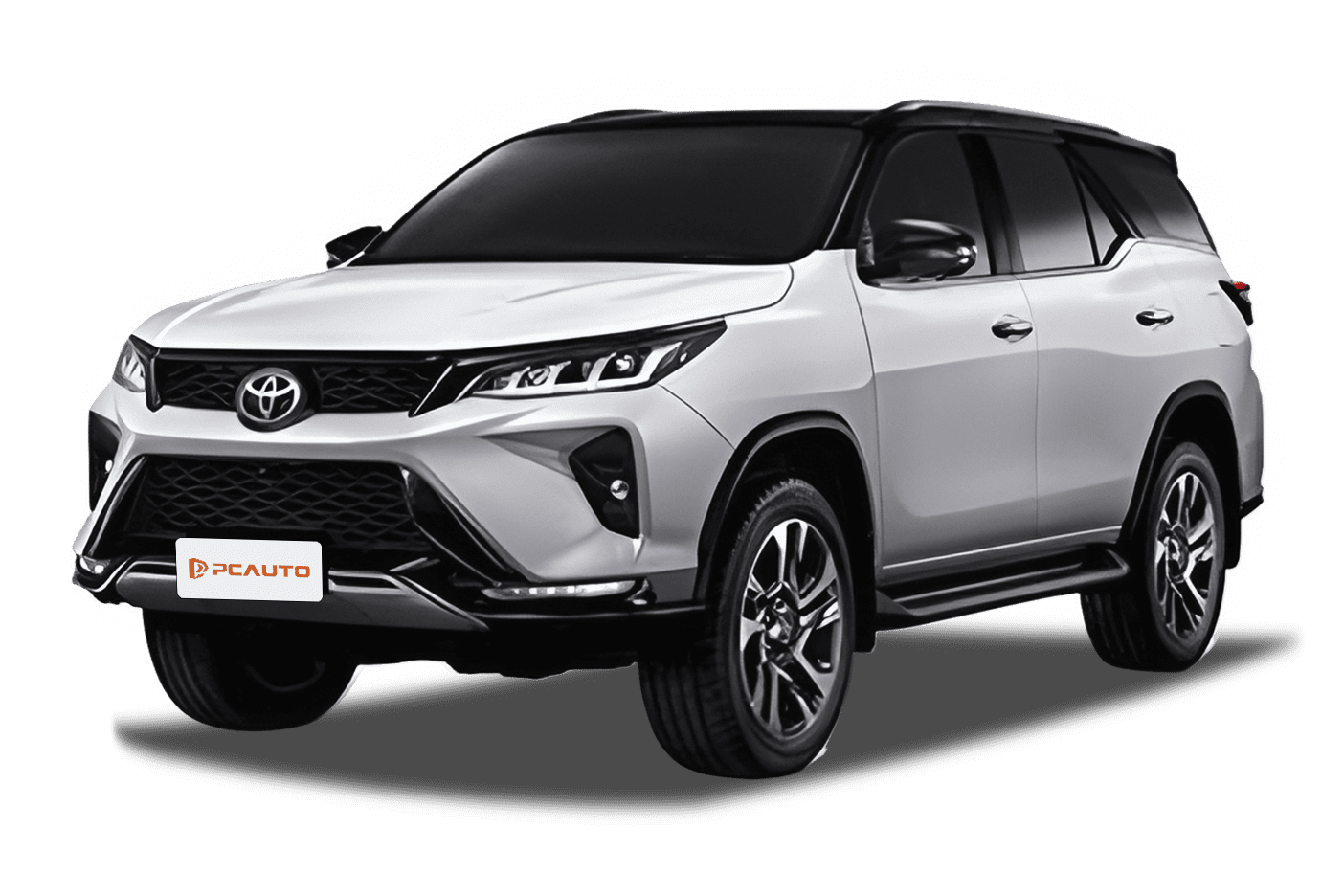
2021 Toyota Fortuner 2.7 SRZ AT 4x4 is a 7-seat SUV that balances family comfort and mild off-road capabilities, with smooth gasoline power and a practical 4x4 system, offering low maintenance requirements suitable for various family scenarios.
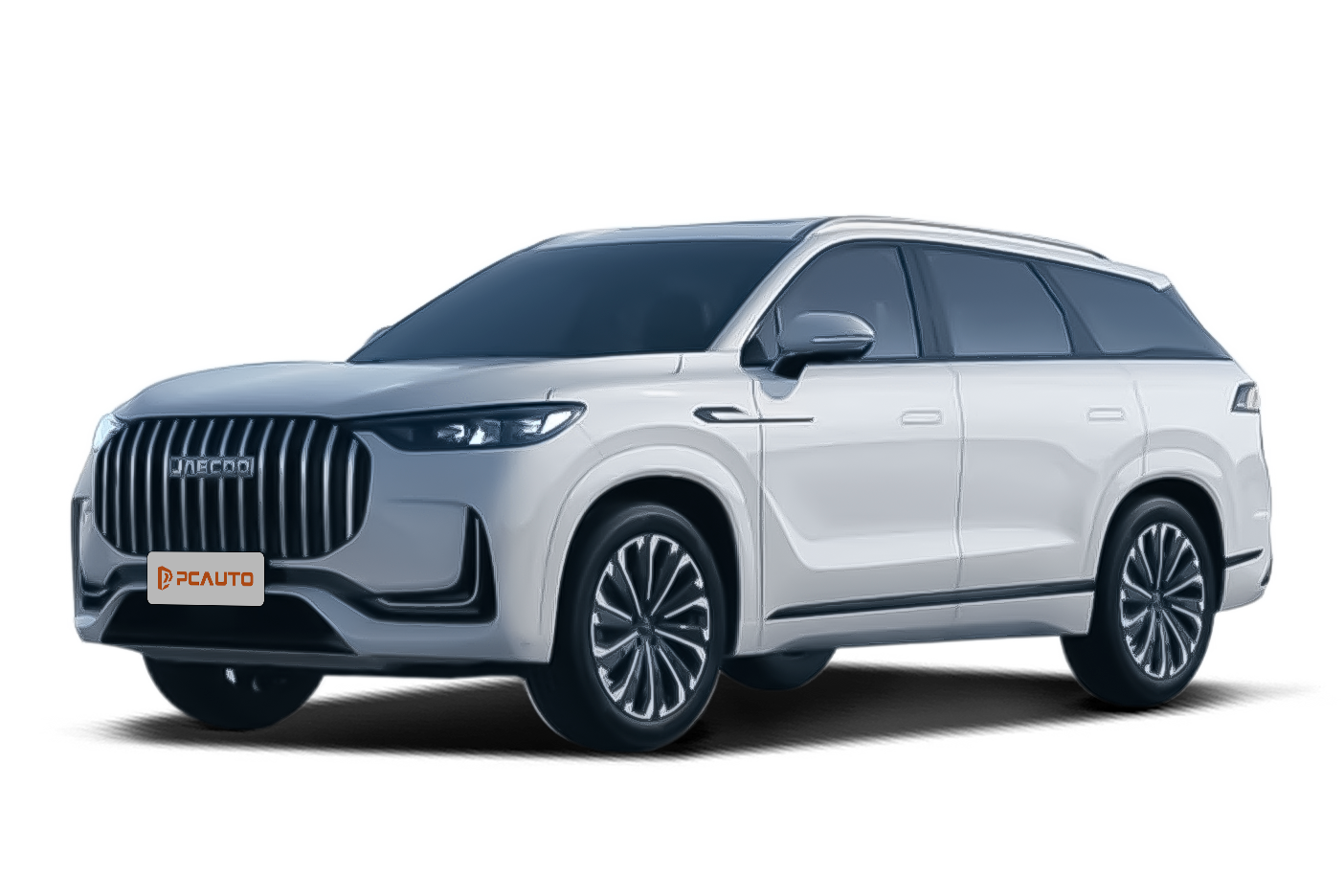
2025 Jaecoo J8 FWD is a dark horse in the D-segment SUV market, offering balanced performance to meet family users' needs for spaciousness, strong power, and rich configurations.