

Toyota Fortuner Review

 Share
Share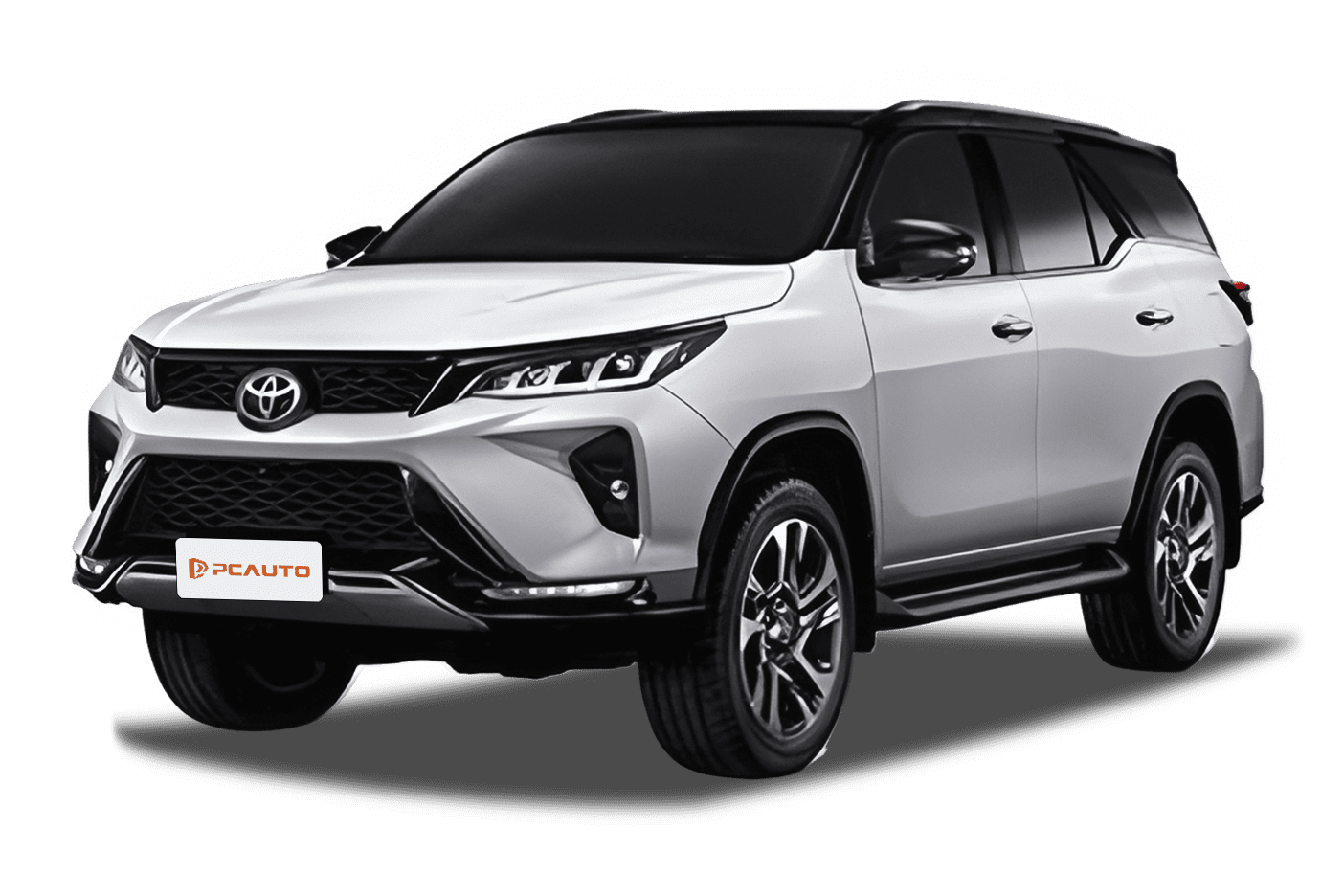
 Segment
 Body Type
 Capacity(L)
 Engine Power(PS)
 Transmission
 Driven Wheels
In Malaysia's D-segment 7-seat SUV market, vehicles that balance everyday family comfort and light off-road capabilities are always popular choices among family users. The 2021 Toyota Fortuner 2.7 SRZ AT 4x4 is one of the core competitors in this segment. Its key selling points include the smoothness of its gasoline engine, the practicality of the 4x4 system, and a lower maintenance threshold compared to the diesel version. In this test drive, we focused on evaluating its overall performance in daily commuting, family trips, and light off-road scenarios.
In terms of appearance, the 2021 Fortuner 2.7 SRZ maintains the muscular feel of a rugged SUV. The front face features a large trapezoidal grille adorned with chrome accents, giving it a high level of recognition. The side profile of the vehicle exhibits straight lines with a length of 4795mm and a width of 1855mm, giving it a stable presence. The 265/60 R18 tire specifications ensure comfort during road travel while also being capable of handling simple unpaved roads. At the rear, the LED taillights are vertically aligned, consistent with the overall style of the car, and the silver skid plate below the rear bumper enhances its off-road persona. The lighting system comes standard with LED headlights and daytime running lights across all trims. The automatic headlight function can switch on during tunnels or overcast conditions, offering good practicality.
Inside the vehicle, the interior design leans towards functionality. The dashboard adopts a symmetrical layout, mainly using soft-touch plastic and leather wrapping, which meets the tactile expectations of this segment. The 9-inch touchscreen infotainment system serves as the visual focal point, offering decent operational smoothness and supporting basic multimedia and Bluetooth connectivity features. The front row is equipped with 8-way power-adjustable seats, providing both the driver and the front passenger an easy way to find a comfortable seating position. The seat cushioning is relatively firm but offers adequate support. The instrument cluster has been upgraded to a 4.2-inch colored TFT display, capable of showing information such as fuel consumption, speed, and 4WD status, which is more intuitive compared to the mechanical instrument panel in the 2018 model. In terms of storage space, the front door panels can accommodate two large bottles of mineral water, the central armrest box provides sufficient depth for small items, and the rear row also includes independent cup holders and storage compartments, making everyday use quite convenient.
Space performance is one of Fortuner's strengths. The 2745mm wheelbase ensures generous seating space for both the front and rear rows. When a 175cm tall passenger sits in the front row, there is an extra one fist and two fingers of headroom. Shifting to the second row, legroom can reach two fists, with one fist of headroom. Furthermore, the second row supports a 60:40 split fold and one-touch tumble function, making it convenient for third-row passengers to get in and out. The third-row seating is relatively compact, making it more suitable for children or adults on short trips. When folded down, it expands the trunk space, fulfilling the cargo needs for family trips. Rear-row air conditioning comes as standard, with independently adjustable temperature, ensuring a cool interior environment even with seven passengers fully loaded.
In terms of power, the 2.7L naturally aspirated engine produces a maximum power output of 166PS at 5200rpm and a maximum torque of 245Nm at 4000rpm, paired with a 6-speed automatic transmission. During daily commutes, the initial acceleration is quite smooth, with linear throttle response, and there is no jerky sensation at low speeds. During acceleration, the engine shows noticeable power after 3000rpm. When overtaking and pressing the pedal harder, the transmission downshifts promptly, providing sufficient power reserves, though high-speed acceleration (e.g., speeding up beyond 100km/h) feels slightly lacking. The 4x4 drive system supports high-speed four-wheel drive switching, significantly enhancing grip on wet roads during rainy weather or light muddy terrains, easily handling unpaved roads in suburban areas.
In terms of handling performance, the steering wheel offers moderate turning effort and has minimal play, making daily driving very convenient. The combination of front double-wishbone independent suspension and rear multi-link independent suspension performs well when dealing with city speed bumps or minor jolts, effectively filtering them, ensuring passengers don't feel significant discomfort. On roads with continuous bumps, the suspension rebounds quickly, maintaining good vehicle stability. During cornering, body roll is controlled within a reasonable range, avoiding any overly loose feeling. Regarding fuel consumption, the actual measured consumption is about 12-13L/100km in urban conditions and about 8-9L/100km on highways. The 80L fuel tank capacity ensures sufficient driving range.
As for driving comfort, noise control inside the cabin is well-handled, with wind and tire noise remaining within acceptable ranges at high speeds, allowing for normal conversations. The seats offer good support during long-distance drives, ensuring comfort even after sitting for 2 consecutive hours. The HUD head-up display projects speed and navigation information, reducing the frequency of the driver looking down at the dashboard and enhancing safety. The inclusion of a 220V power outlet is convenient for rear passengers to use a laptop or charge devices, adding to its practicality.
Overall, the core advantage of the 2021 Toyota Fortuner 2.7 SRZ AT 4x4 lies in its balanced performance: smooth and easy-to-maintain petrol engine, 4x4 system capable of handling light off-road driving, 7-seat space suitable for family needs, and a configuration that covers essential daily functions. Compared with the diesel version in the same segment (e.g., 2.4 AT 4x4), it has lower maintenance costs, making it ideal for those who don't frequently drive long distances or have no specific preference for diesel engines. Compared with the 2018 model with the same configuration, the 2021 version upgrades to a color instrument cluster and HUD, slightly enhancing the tech feel.
This car is best suited for families who value balance — mainly for city commuting and school runs, with occasional weekend trips for family camping or light off-roading. If you're looking for a 7-seat SUV that meets daily family needs, can handle occasional unpaved roads, and is simple to maintain, the Fortuner 2.7 SRZ is a great choice. It may not be the most powerful or well-equipped, but it is undoubtedly one of the most reliable and worry-free options in its class.
Toyota Fortuner Car Compare
Toyota Fortuner Loan Calculator
More Toyota Reviews
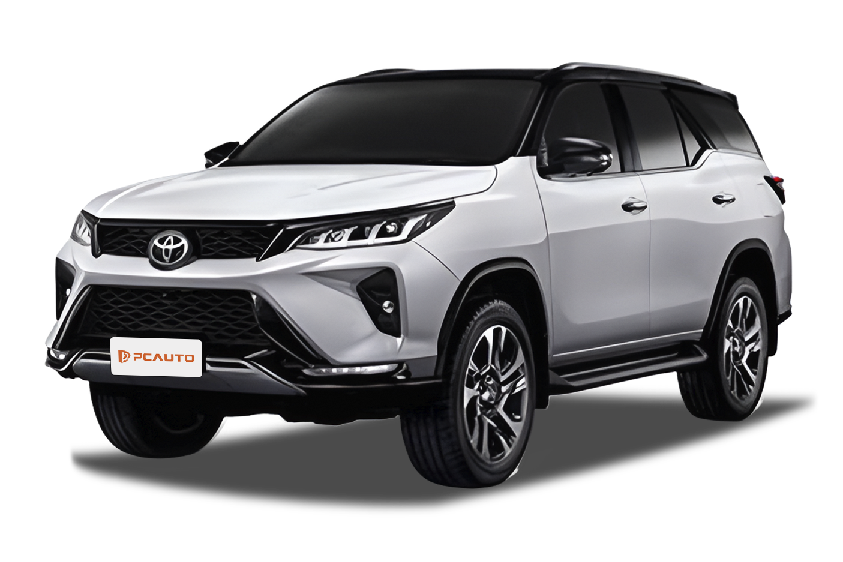
Cars With Similar Price And Features
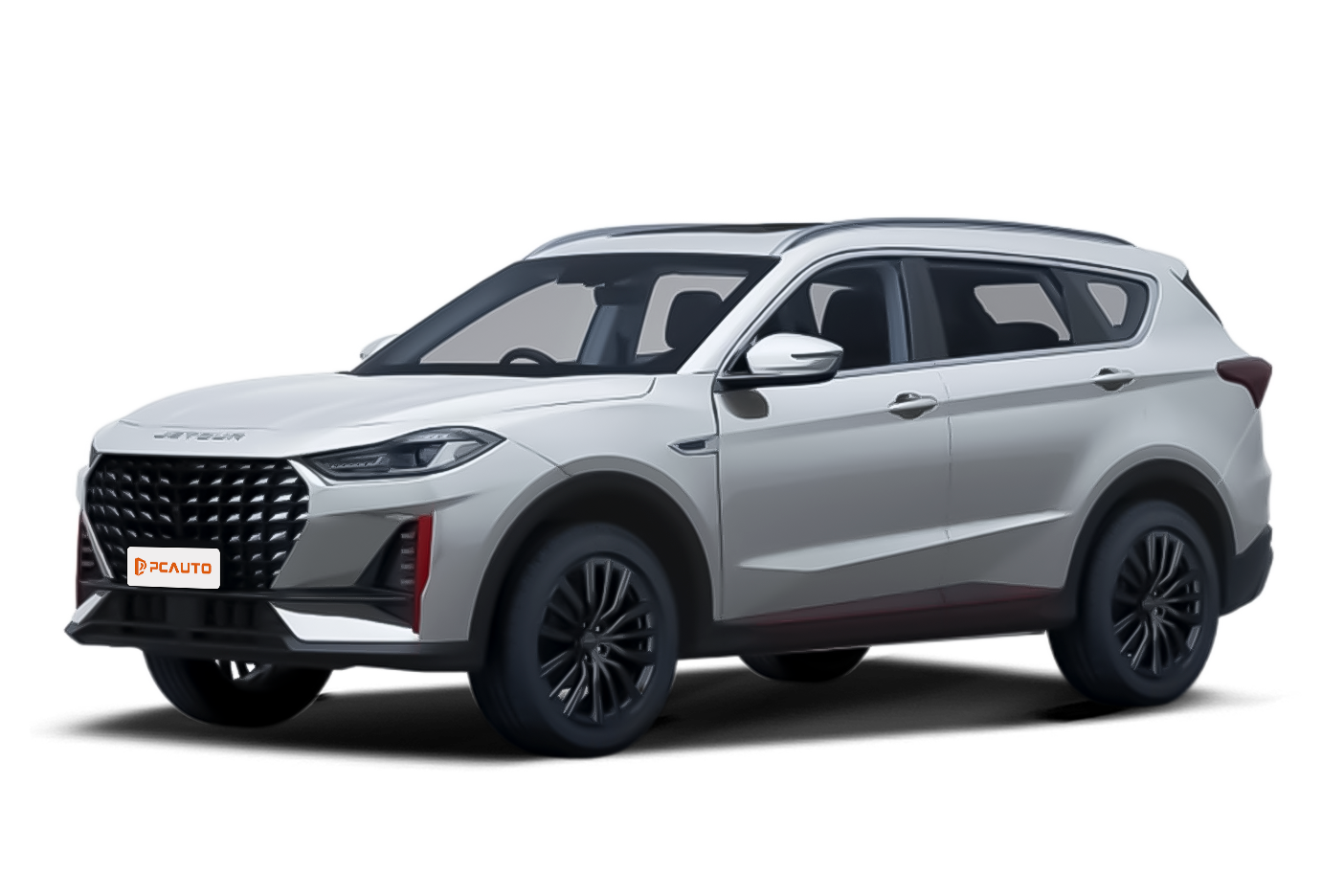
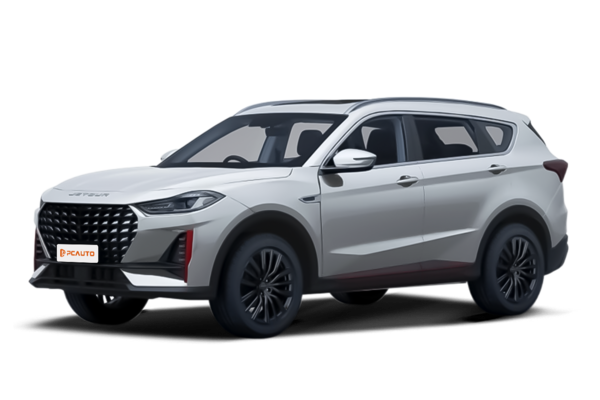
2025 Jetour VT 9 Comfort is a highly cost-effective 7-seater family SUV, featuring practical space, rich configurations, and balanced power, precisely meeting the needs of family short-distance travel.

11
Rank in SUV
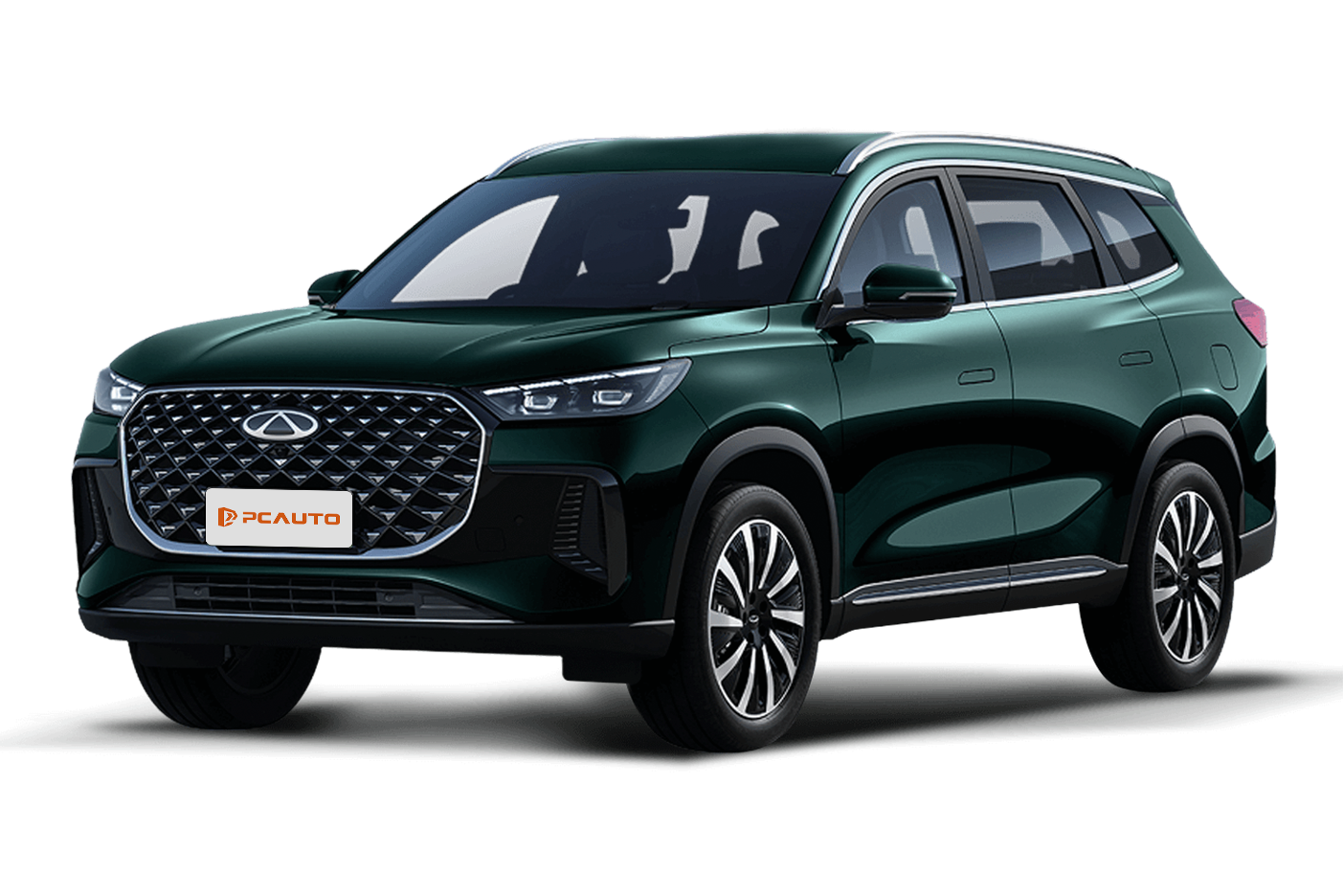
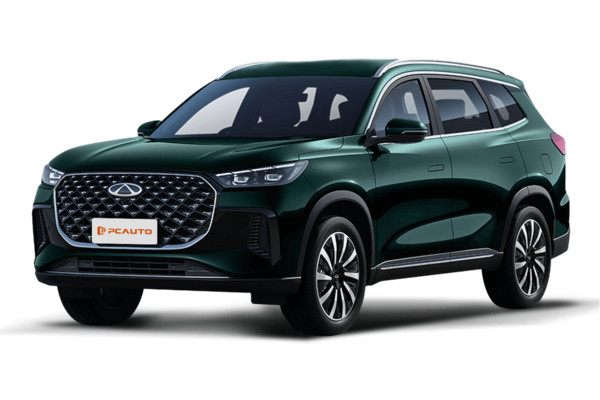
2026 Chery Tiggo 8 is a D-Segment SUV aimed at family users, offering superior configurations, practical space, and smooth power at a high cost-performance ratio, meeting both commuting and light off-road needs.
16
Rank in SUV

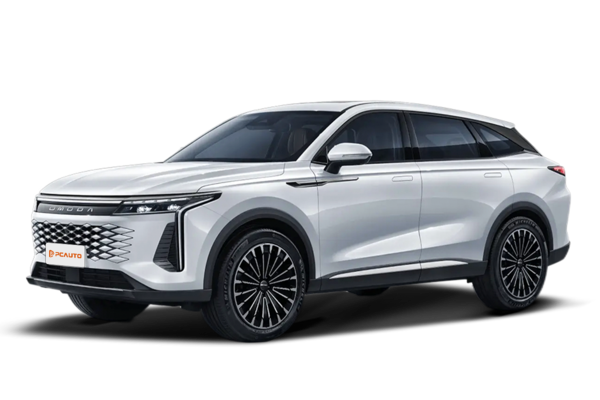
2024 Chery OMODA C9 2WD with 2.0T+8AT powertrain, L2 level assistance, and dual 12.3-inch screens, breaking the stalemate in the D-Segment market and becoming a high-value disruptor.
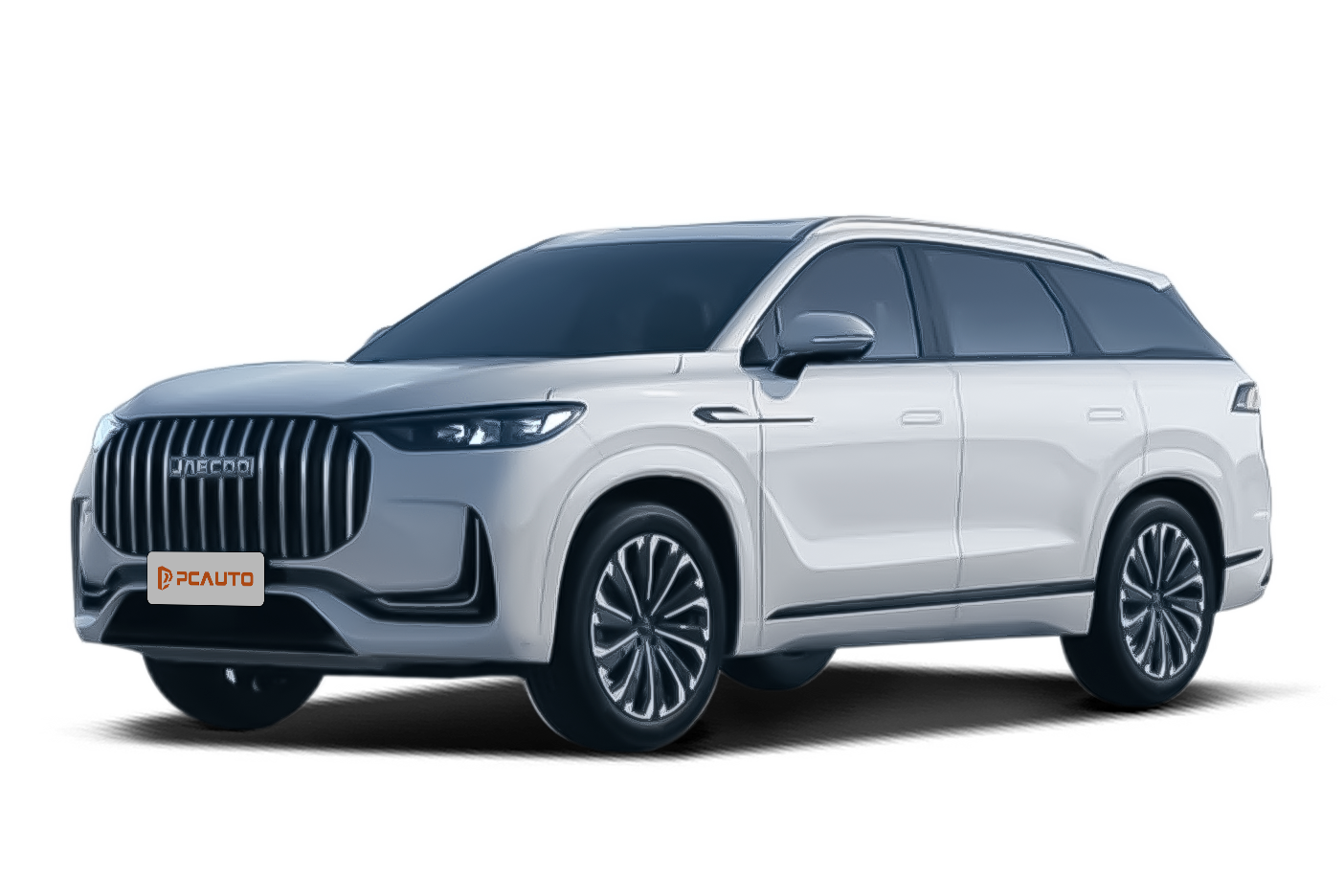
2025 Jaecoo J8 FWD is a dark horse in the D-segment SUV market, offering balanced performance to meet family users' needs for spaciousness, strong power, and rich configurations.