

2025 BMW 3 Series 320i Sport Review

 Share
Share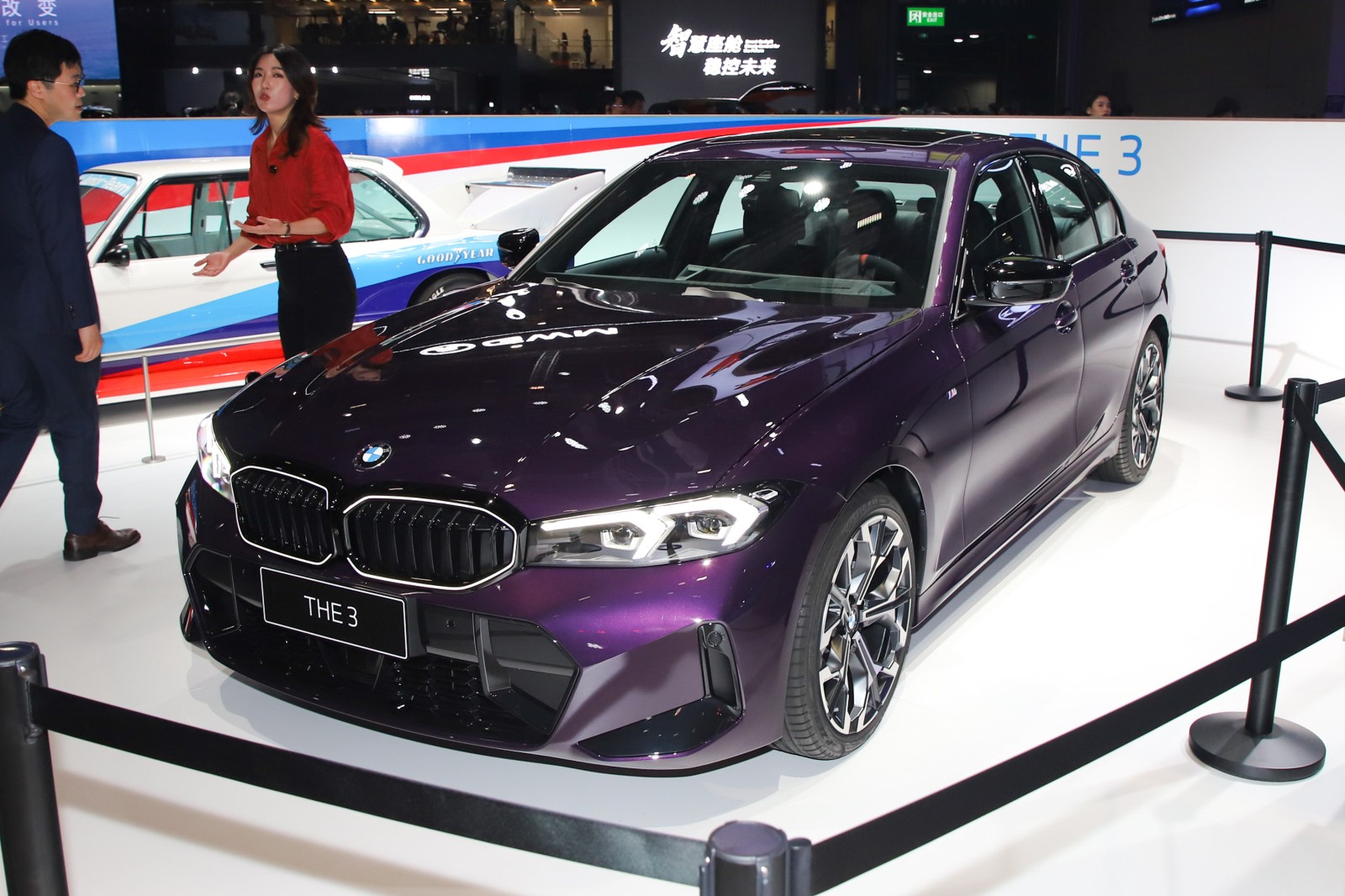
 Segment
 Body Type
 Capacity(L)
 Engine Power(PS)
 Engine Torque(Nm)
 Transmission
In recent years, the competition in Malaysia's D-segment sedan market has become increasingly fierce. Consumers are not only pursuing the premium feel of luxury brands but also valuing daily practicality and cost-effectiveness. As a core model of the BMW brand, the 2025 320i Sport enters the market with highlights from its mid-cycle facelift. Its smooth 2.0T engine performance, rear-wheel-drive layout, and standard intelligent driving assistance features make it a popular focus in this segment. The primary purpose of this test drive is to verify whether this classic model can retain its sporty attributes while meeting the comfort and technology needs of local family users.
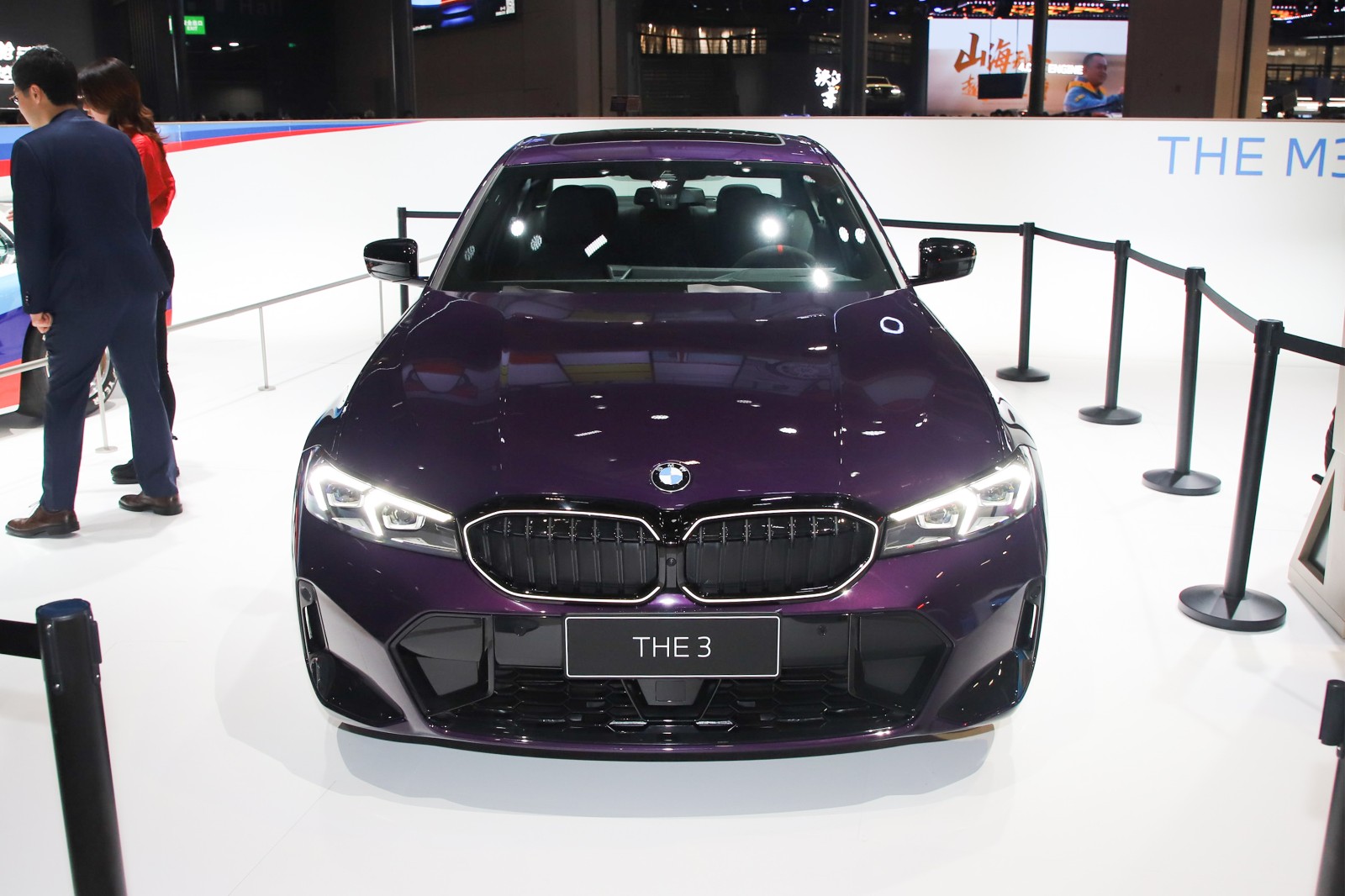
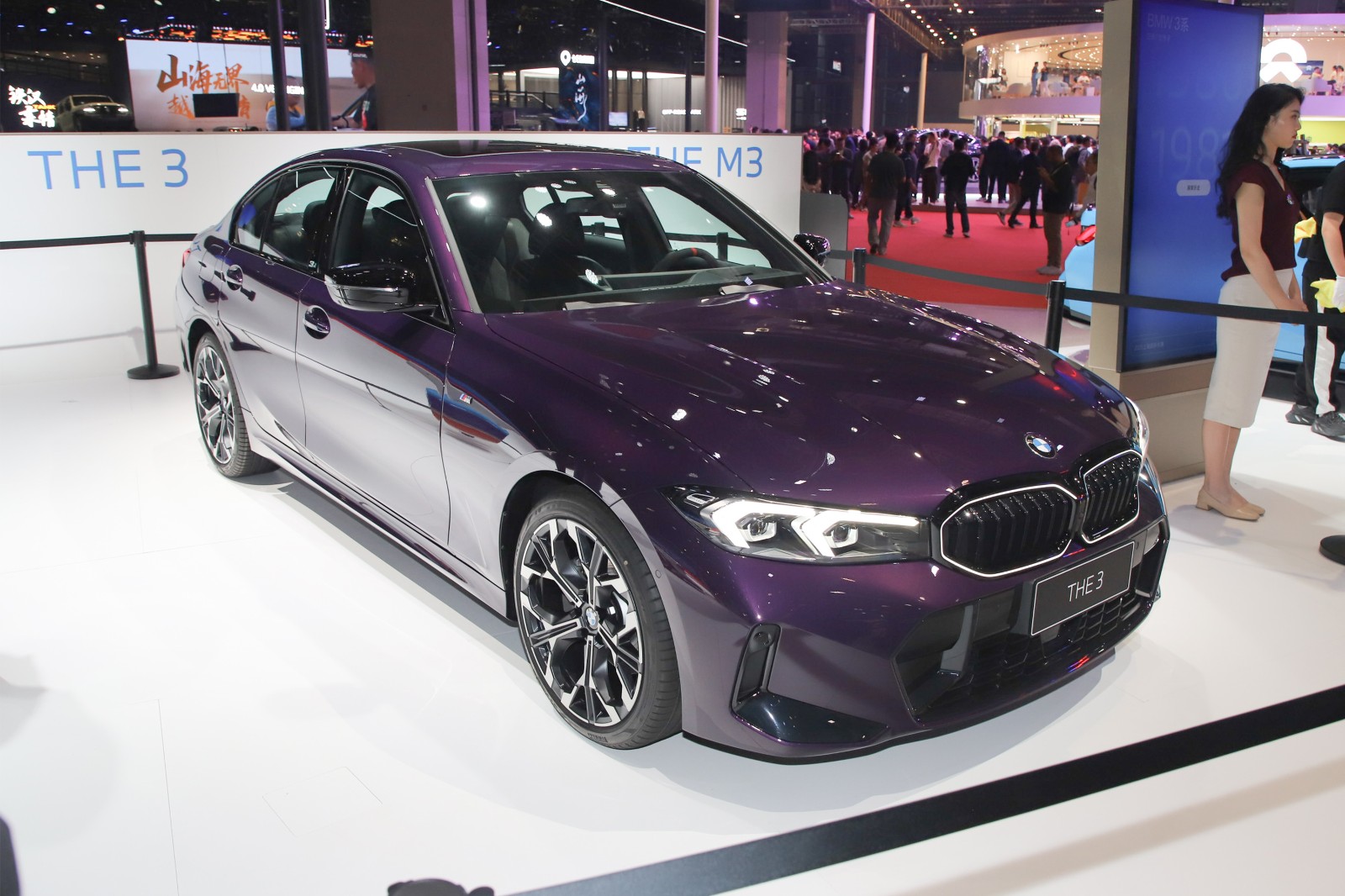
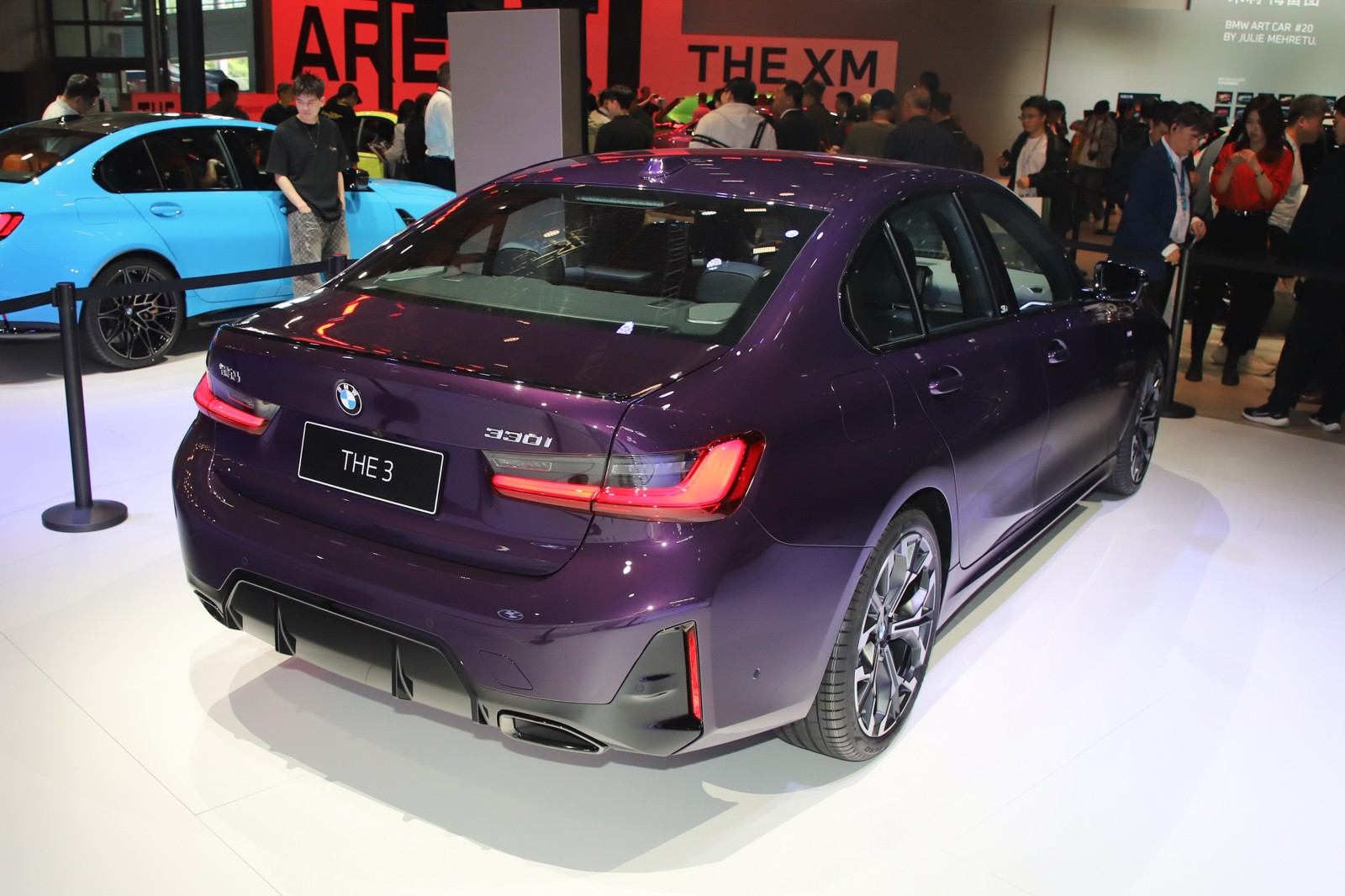
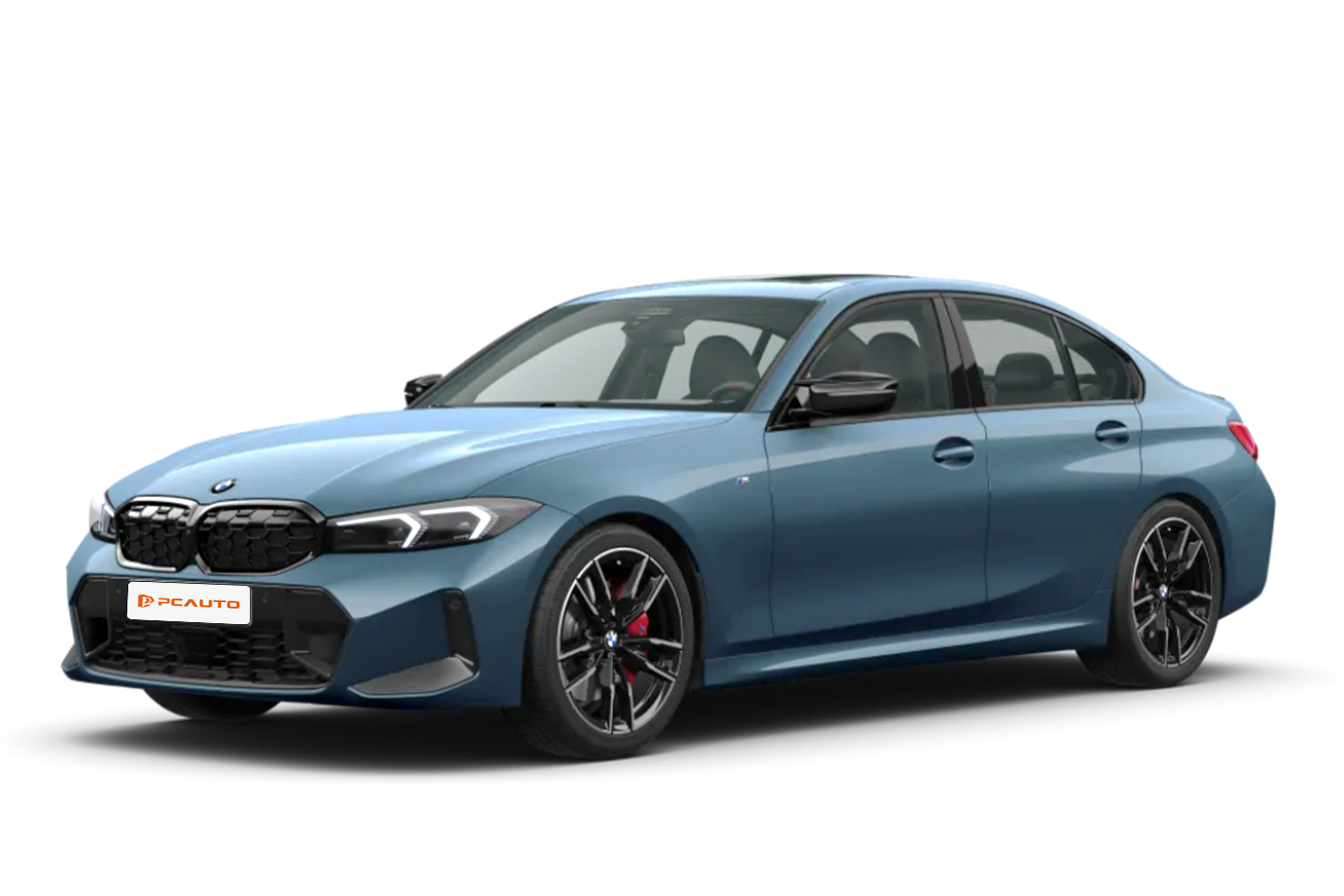
From the exterior, the 2025 320i Sport continues the sporty demeanor of the BMW 3 Series, with sleek and dynamic overall lines. At the front, the classic kidney grille is moderately sized and paired with black trim, with a design that is not overly exaggerated while maintaining brand recognition. The sharp-shaped LED headlight clusters at both sides have a clear internal structure, offering a striking visual effect when illuminated, and they come standard with automatic headlight functionality for better daily use. On the side, the 4709mm length and 2851mm wheelbase create elongated proportions, with a character line extending from the front fender to the rear end. Paired with 18-inch dual-tone alloy wheels, it strikes a perfect balance of sportiness. The front and rear tire specifications are 225/45 R18 and 255/45 R18 respectively, and the wider rear tires hint at its rear-wheel-drive handling setup. At the rear, the horizontally oriented LED taillights feature a 3D light strip effect, which has high visibility when lit up at night. The dual exhaust outlets and diffuser design underneath further enhance its sporty vibe. Overall, the design aligns with the refined aesthetics of a luxury brand without being overly ostentatious.
Opening the door reveals a cabin that blends technology and quality seamlessly. The asymmetrical design of the dashboard leans towards the driver for easy operation. The use of extensive soft-touch materials combined with metal trim delivers a delicate tactile experience, resonating with the positioning of a D-segment model. In terms of core features, the dual-screen system comprises a 12.3-inch fully digital instrument cluster and a 14.9-inch curved central touchscreen. The displays offer crisp visuals and smooth responsiveness, integrated with BMW's latest iDrive system that supports voice control and gesture operations, making daily navigation and multimedia adjustments highly convenient. The standard HUD (Head-Up Display) projects information such as speed and navigation directly onto the windshield, minimizing the need for the driver's eyes to veer off the road. As for the seating, the front seats are electrically adjustable, with moderate support and cushioning to ensure comfort even during long drives. The rear seats can be split-folded in a 40:20:40 ratio, enabling flexible expansion of the trunk space. With a standard 480L cargo capacity, it sufficiently meets everyday family needs, comfortably accommodating strollers or luggage. Regarding space, the 2851mm wheelbase provides ample legroom in the rear. A passenger measuring 180cm sitting in the back seat will find around two fist-widths of legroom and a headspace clearance of one fist, ensuring no sense of confinement. The rear seats are also equipped with independent air conditioning vents and USB ports, enhancing the comfort of rear passengers.
Start the vehicle, and the 2.0T turbocharged engine runs smoothly, with almost no noticeable vibrations transmitted to the cabin. This engine delivers a maximum power of 135kW (184PS) and a maximum torque of 300N·m. Paired with an 8-speed automatic transmission, the power delivery is linear and responsive. During daily commuting, the start is light and smooth, with a moderately calibrated throttle pedal that is neither overly sensitive nor sluggish; during low- and mid-speed acceleration, the maximum torque is unleashed at just 1350rpm. When overtaking, pressing the accelerator pedal heavily prompts the transmission to downshift quickly, delivering power instantaneously. When accelerating again at 120km/h on the highway, there is still sufficient power reserve. Switching the driving mode to Sport Mode sharpens the throttle response, delays the shift logic, and keeps the engine at higher revs, providing a more direct power feedback suitable for occasionally experiencing driving fun.
In terms of handling, the rear-wheel-drive layout combined with the double-wishbone front suspension and multi-link rear suspension enables this car to maintain BMW's signature handling advantage. The steering wheel is precise with minimal play, the steering effort is moderate, and it becomes steadier at high speeds, giving enough confidence. When cornering, the body lean is well-controlled, the suspension provides strong support, and the tires offer ample grip. Even when cornering at relatively high speeds, the car can maintain a stable trajectory. While dealing with the common bumpy roads in Malaysia, the suspension effectively filters out fine vibrations, and larger potholes are smoothly mitigated without a jarring impact. This achieves a balance between handling and comfort. The braking system performs stably, with a linear pedal feel and evenly distributed braking force. During emergency braking, the car body maintains stability with no significant forward pitch.
Regarding fuel consumption, a combined test of urban traffic and highways resulted in an average fuel consumption of approximately 7.8L per 100km. For a 2.0T rear-wheel-drive vehicle, this figure ranks as above average in its class, making the daily operating cost not too high. Noise control also performs well, with almost no noticeable tire or wind noise inside the cabin at speeds below 60km/h. At 120km/h, wind noise slightly increases but remains within an acceptable range and does not affect normal conversations among passengers. In terms of safety features, the car comes standard with six airbags, lane departure warning, active braking, lane change assist, and other active safety systems. Additionally, the 360-degree panoramic view and automated parking functionality make parking easier, providing an overall reassuring safety performance.
Overall, the 2025 BMW 320i Sport retains the brand's handling DNA while upgrading its tech features and comfort levels, achieving balanced performance. Compared to competitors in the same class, such as the Mercedes-Benz C-Class or Audi A4L, it has a clear rear-wheel-drive handling advantage. Furthermore, standard features like the HUD and 360-degree panoramic view enhance its value for money. This car is suitable for young consumers who value driving pleasure, as well as families seeking space, comfort, and safety. It's excellent for daily commuting with its ease of driving and fuel efficiency, offers ample space for family outings on weekends, and delivers satisfying feedback for occasional spirited driving. As a D-segment luxury sedan, its balanced performance underscores its value, making it one of the worthy choices in its class.
BMW 3 Series Car Compare
BMW 3 Series Loan Calculator
More BMW Reviews
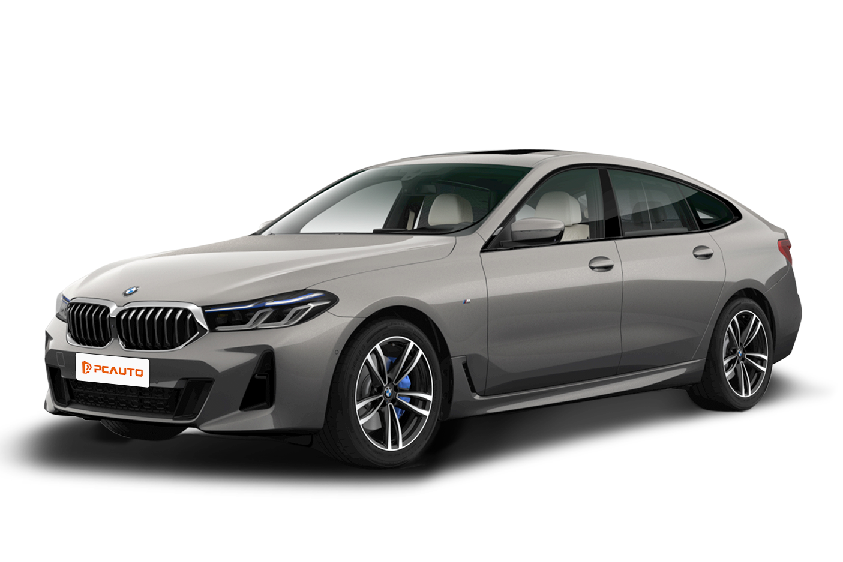
Cars With Similar Price And Features
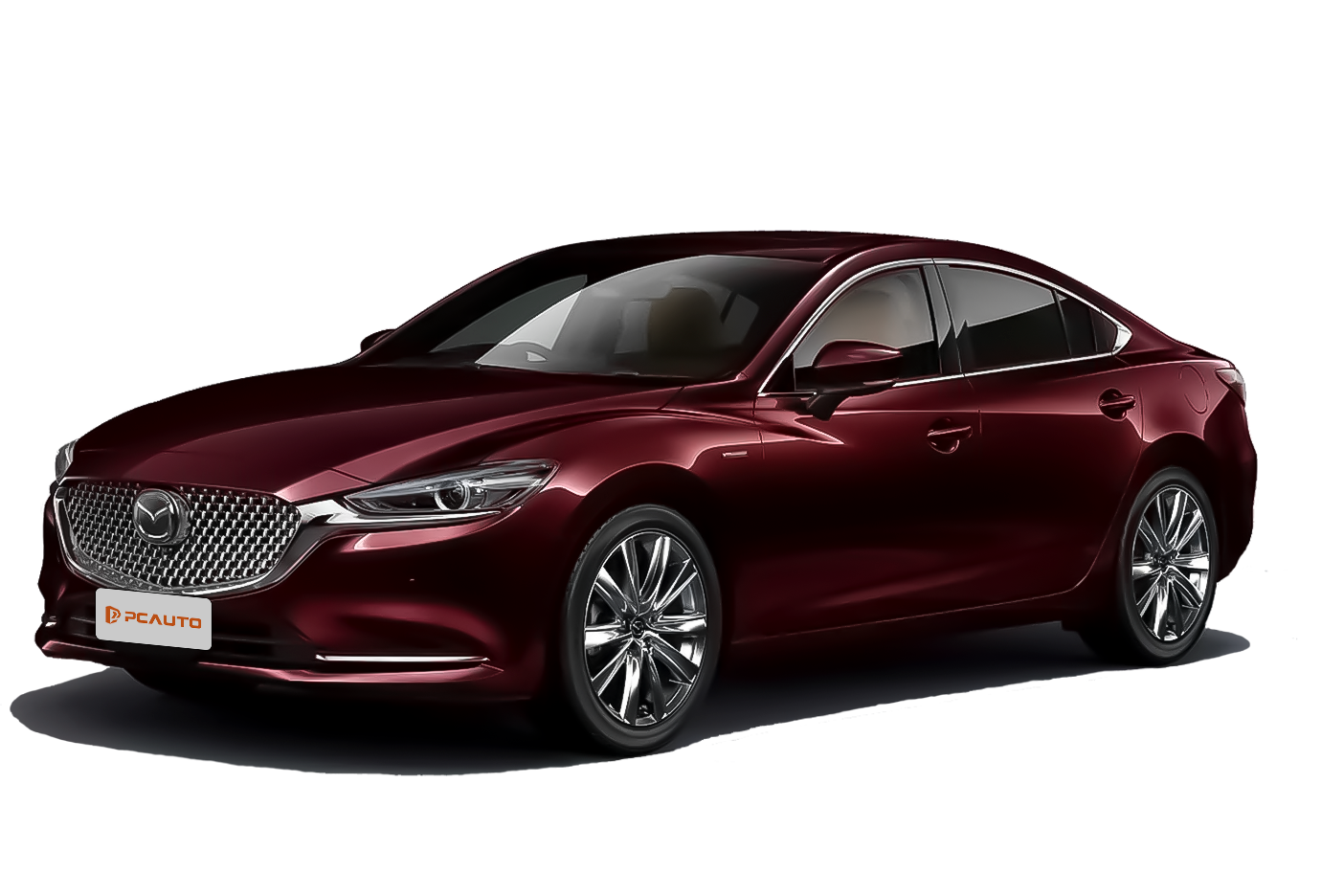
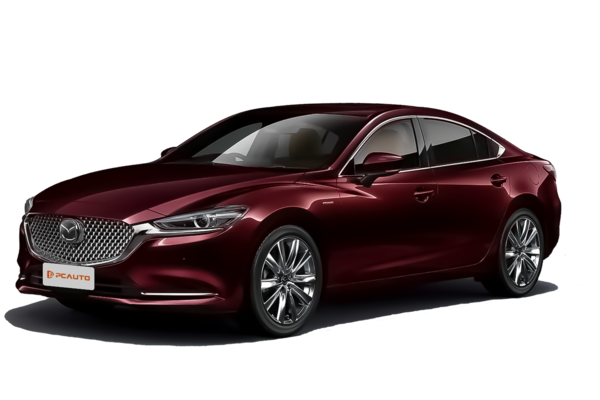
2023 Mazda 6 Sedan 2.0 SkyActiv-G meets the rational needs of family users for joint-venture quality, comfortable configurations, and fuel economy with its KODO design, practical space, and balanced driving control.

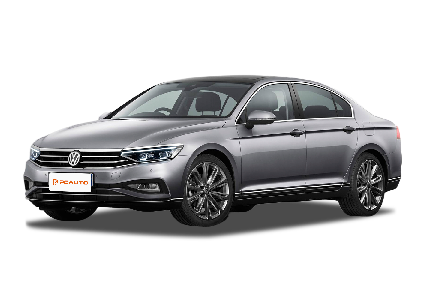
2022 Volkswagen Passat 2.0 TSI R-Line combines business elegance with sporty personality, featuring 220PS power, 14-way massage seats, and Harman Kardon audio system to meet the diverse needs of families and young professionals.
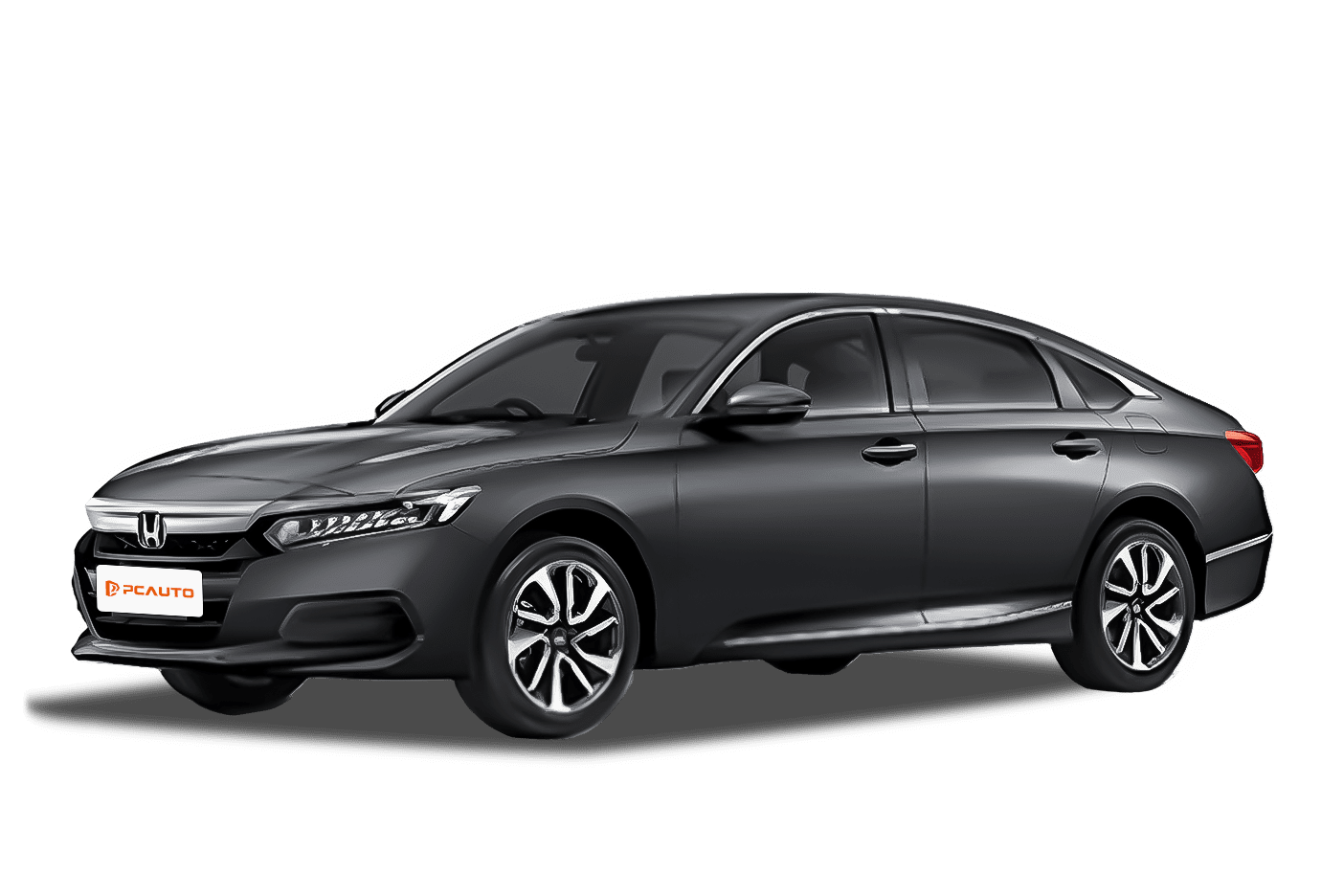
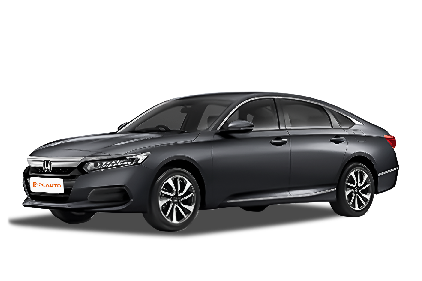
The 2023 Honda Accord 1.5 TC is a D-segment sedan that balances both business and family use, with core selling points of spacious interior, comfortable driving, and efficient performance, making it suitable for practical family users.
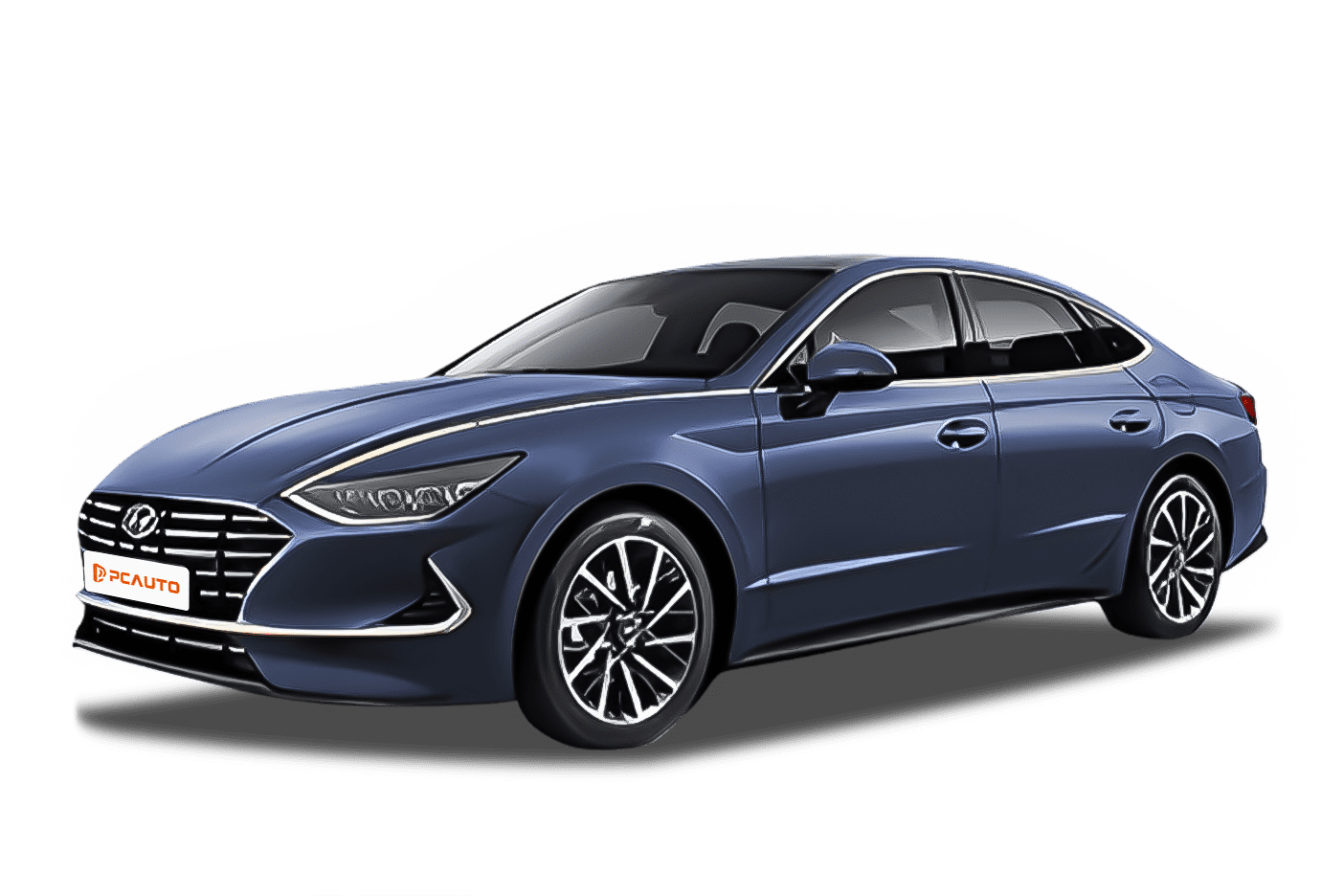
2024 Hyundai Sonata public is positioned as a D-Segment family and business sedan, combining dynamic design, practical configurations, and spacious space, balancing power and fuel consumption, safe and reliable.