

2025 Honda e:N1 Review

 Share
Share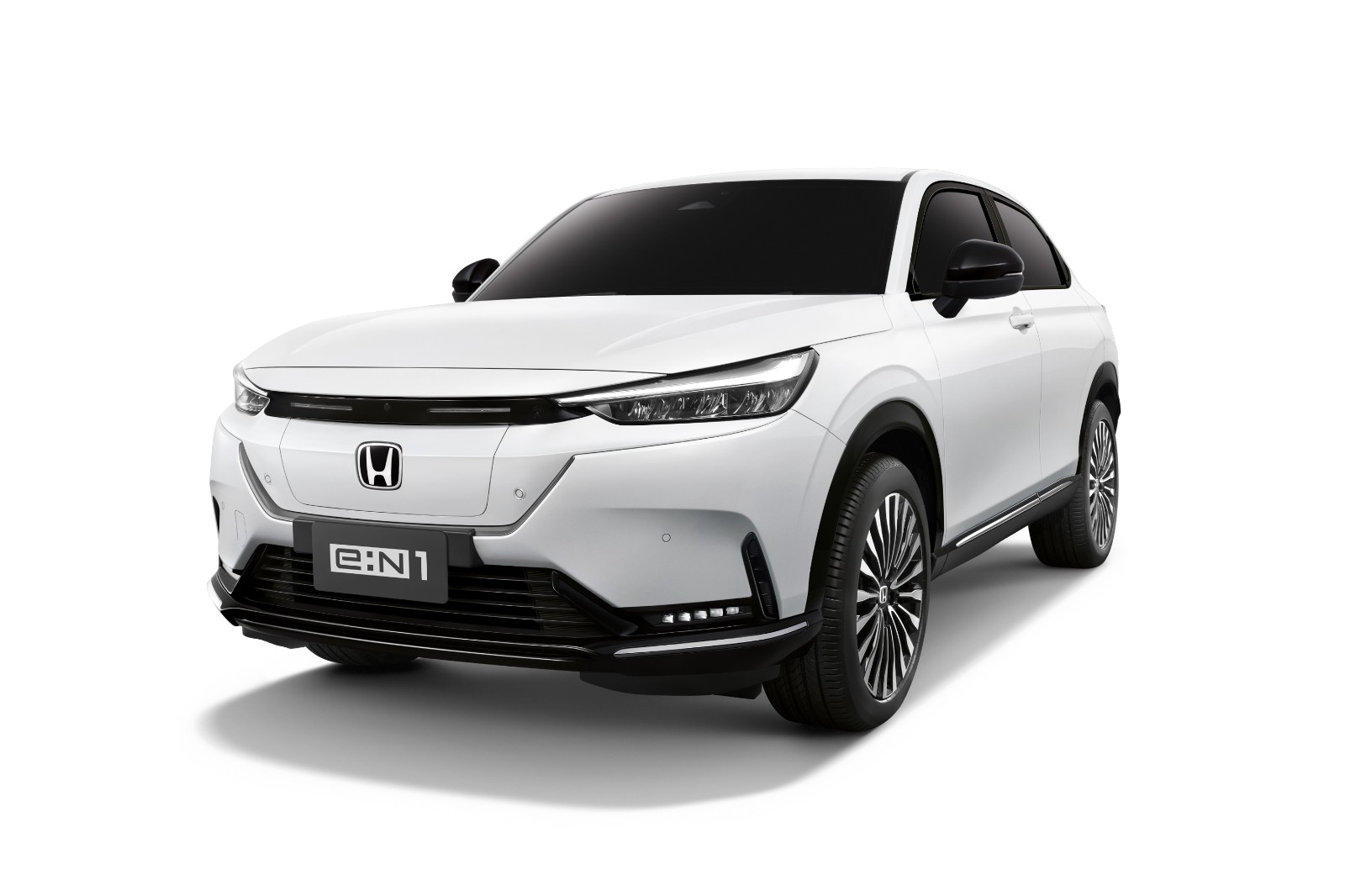
 Segment
 Body Type
 Motor Output(kW)
 Motor Torque(Nm)
 EV Range(km)
 Battery Capacity(kWh)
The competition in Malaysia's B-segment electric vehicle market has become increasingly intense in recent years. Consumers are concerned about both the practicality of the battery range and whether the features justify the budget—after all, the price range of around RM150,000 is a key consideration for many family users and young professionals. As the main model of Honda's pure electric series in the local market, the 2025 e:N1 comes with 204PS of power, an official range of 500 kilometers, and a 15.1-inch large screen. This test drive focuses on verifying whether its actual performance meets local commuting and weekend travel needs, while also exploring the differentiated advantages it offers compared to competitors in the same segment.
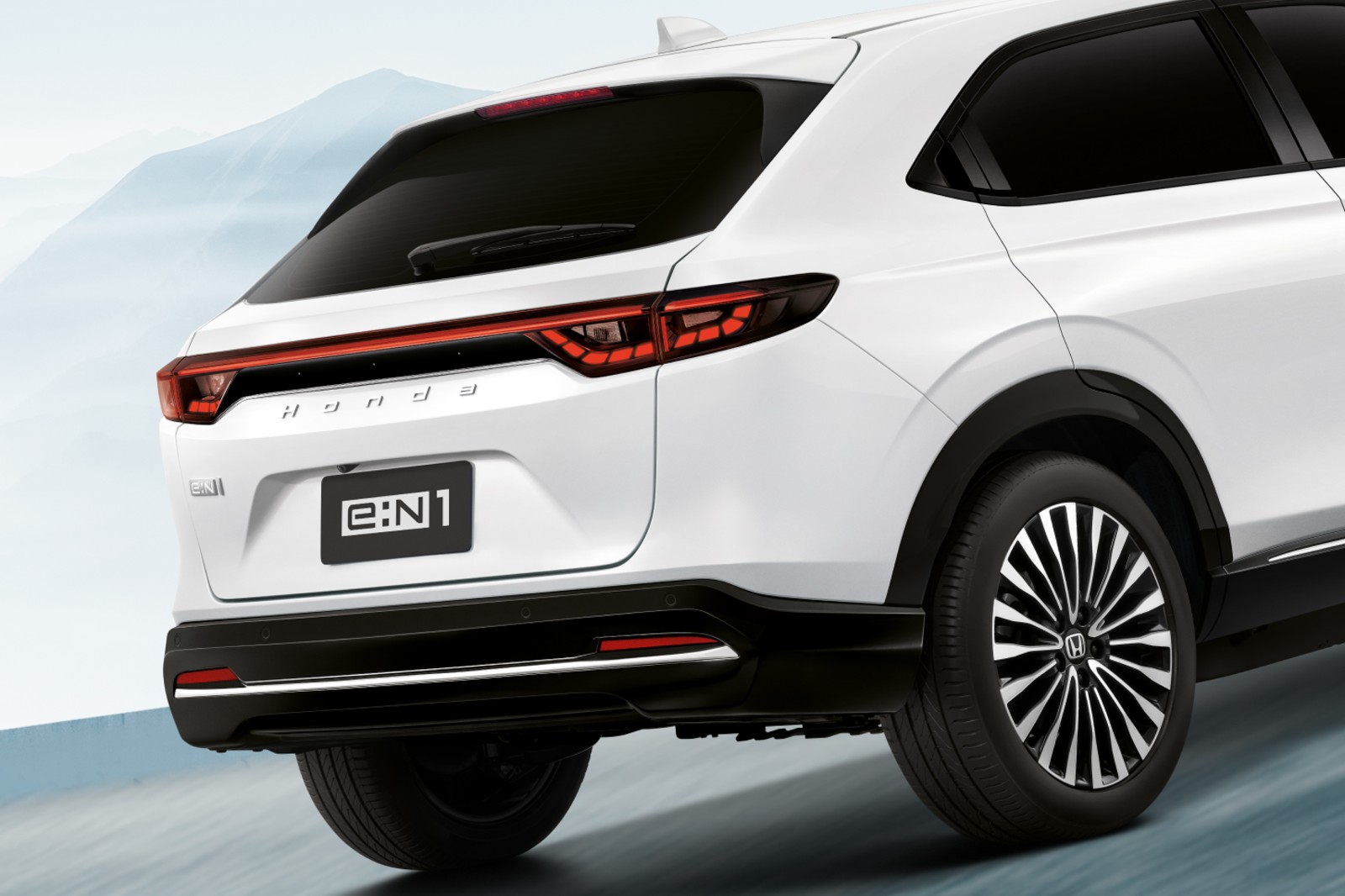
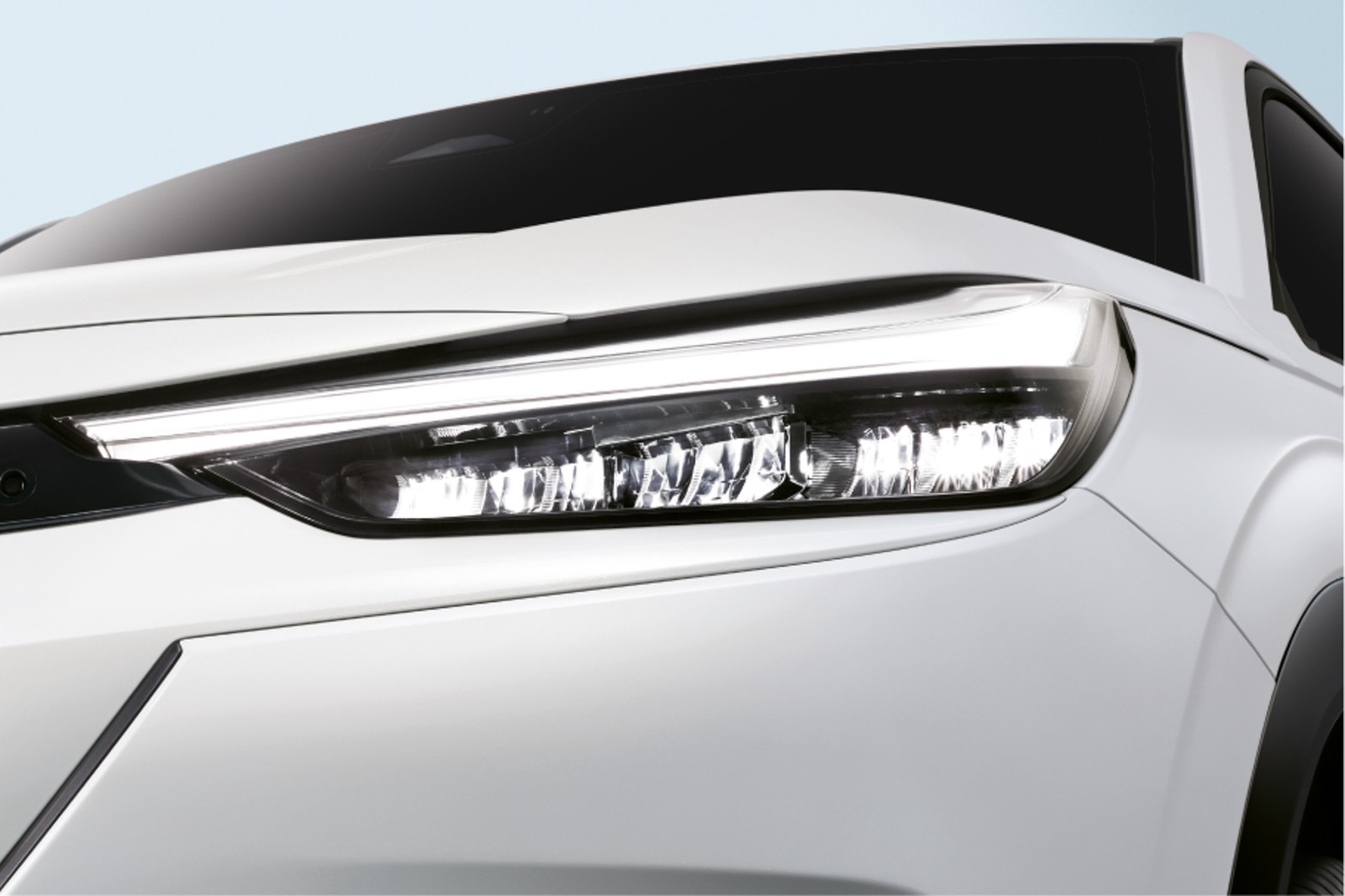
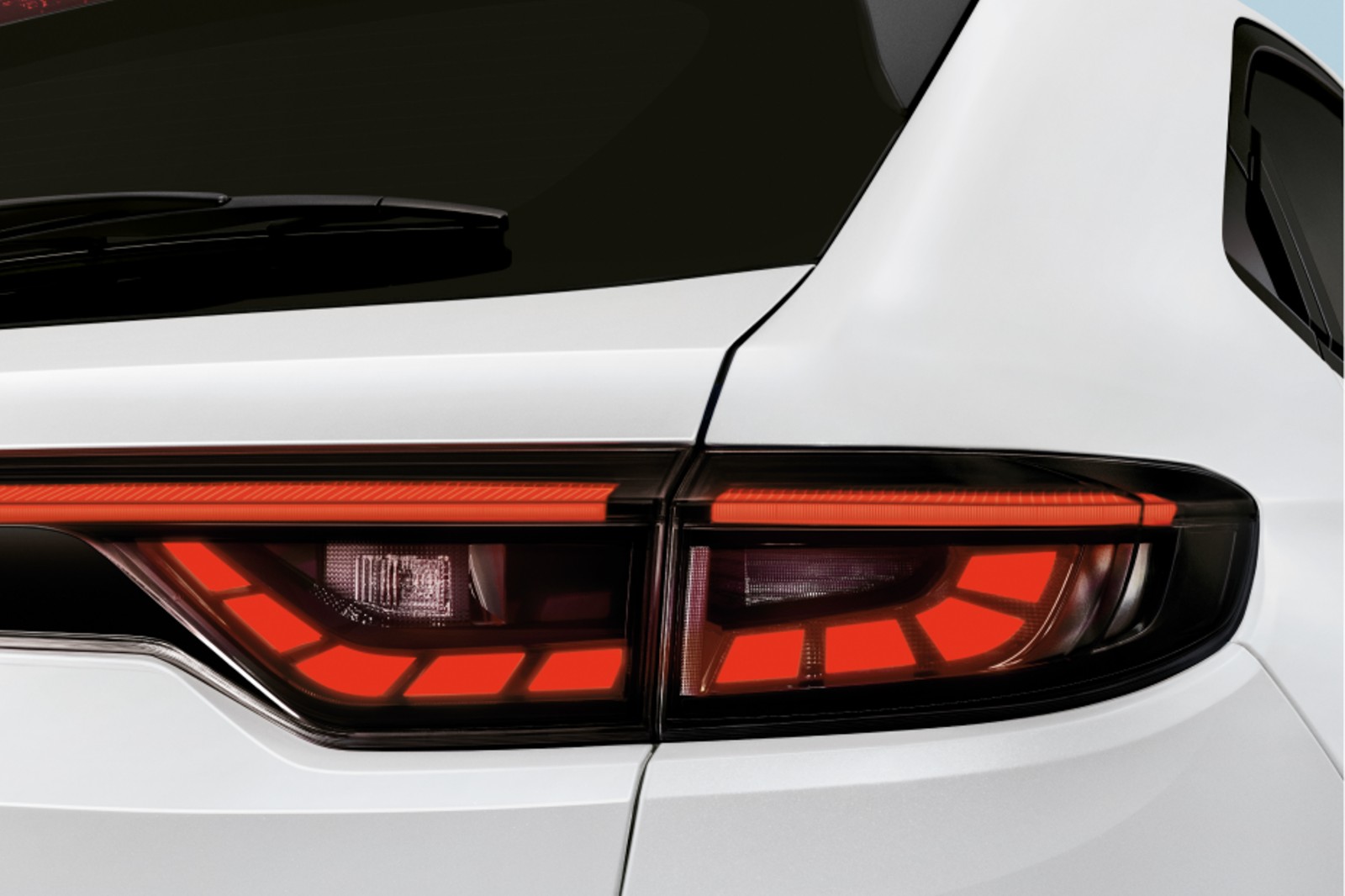
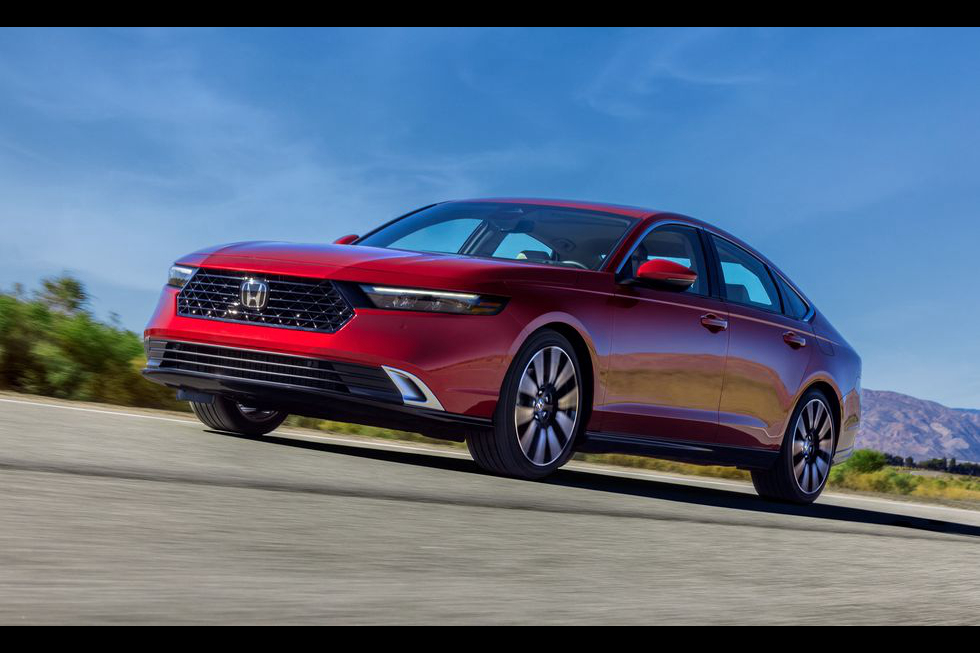
From an exterior perspective, the 2025 e:N1 continues Honda's family-oriented electric vehicle design language. The overall style leans towards a rounded design but does not lack distinctive details. The front features a closed grille design, paired with sharp LED headlights on both sides. The daytime running lights within the headlight assembly are slim and offer high recognition when illuminated. Black plastic trim and faux intake design have been added to the lower front bumper to enhance the sporty feel. The body side profile is characterized by smooth lines, with concave waistline designs on the lower doors combined with 18-inch multi-spoke alloy wheels, creating a visually steady impression. At the rear, the LED taillight assembly adopts a through-type design with the Honda English logo embedded in the center. A small spoiler is located under the trunk lid, and the overall style is simple and aligns with the minimalism of electric vehicles.
Stepping into the interior, the first thing you notice is the 15.1-inch floating touch screen on the center console. The screen size is relatively large compared to vehicles in the same class, with pretty smooth operations and support for Apple CarPlay and Android Auto connectivity. The instrument cluster is a 10.25-inch TFT full LCD display, capable of clearly showing range, speed, driving modes, and other information. The interior materials primarily consist of soft plastic and leather wrapping. The steering wheel is multifunctional, supporting volume adjustments, cruise control, and other functionalities. The driver’s seat is equipped with 8-way electric adjustments, while the passenger seat is manually adjustable. The seat padding leans towards softness, providing moderate support and comfort. Regarding the rear space, the 2610mm wheelbase offers average performance. A 175cm-tall passenger sitting in the backseat has approximately two fists of legroom and one fist of headroom, which isn’t overly spacious but adequate for daily family use. The rear features independent air-conditioning vents and USB charging ports, enhancing practicality. The trunk has a capacity of 344L, and the rear seats support a 60:40 split-folding configuration. When folded down, it provides expanded storage space, making it easy to store strollers or suitcases.
In terms of performance, the 2025 e:N1 is equipped with a front-mounted permanent magnet synchronous motor, delivering a maximum power of 150kW (204PS) and peak torque of 310N·m. While the official 0-100km/h acceleration time has not been announced, during the actual driving experience, the power response at the start is quick, and a slight press on the accelerator provides noticeable thrust. Mid-range acceleration is also robust, allowing overtaking without needing to press the pedal too hard. There are three driving modes available: Eco, Normal, and Sport. In Eco mode, power delivery is relatively smooth, making it suitable for daily commuting to conserve energy. In Sport mode, the power response is more sensitive, catering to scenarios where driving pleasure is desired.
In terms of handling performance, the combination of front MacPherson independent suspension and rear torsion beam non-independent suspension effectively filters out most minor vibrations when dealing with common speed bumps and uneven roads; however, when encountering larger potholes, rear-seat passengers may feel noticeable jolts. The steering system feels relatively light with decent directional accuracy, making everyday driving quite effortless; at high speeds, the steering wheel gets slightly heavier, providing good stability.
As for range and charging, we conducted an actual test: In Normal mode, with the air conditioning on and an even mix of city and highway roads, the actual energy consumption for 100 kilometers was around 14.5kWh/100km. Based on the 68.8kWh battery capacity, the actual range is approximately 470 kilometers, achieving about 94%, which is a solid performance. For fast charging, using a DC fast-charging station, charging from 30% to 80% takes about 45 minutes (consistent with the official claim of 0.75 hours); slow charging takes 6 hours to fully charge, making it suitable for overnight home charging.
In terms of noise control, the cabin is relatively quiet at low speeds, while at high speeds (110km/h), wind and tire noise become slightly more apparent but still within an acceptable range. The energy recovery system offers three adjustable levels, with the highest level providing a noticeable drag feeling when releasing the accelerator, effectively recovering energy; the lowest level mimics the coasting sensation of a fuel-powered car, suitable for users unaccustomed to strong energy recovery.
Overall, the 2025 Honda e:N1's core strengths lie in its large central touchscreen, practical configurations (such as seatbelt reminders for all passengers and L2-level driving assistance), and solid range performance. Compared with other vehicles in the same segment, such as the BYD Atto 3, the e:N1 has slight advantages in power metrics, comparable configurations, but a slightly higher price at 149,900 MYR compared to the Atto 3’s base model (around 145,800 MYR). However, Honda's brand reputation may attract some consumers.
This car is mainly suitable for individuals who value brand reputation, families with long daily commutes, or young professionals looking for a well-balanced vehicle. Its spacious interior can meet daily family needs, the range is sufficient for short trips on weekends, and the L2-level driving assistance in its configurations reduces fatigue during long drives.
In summary, the 2025 Honda e:N1 is a well-rounded B-segment electric vehicle with no particularly glaring weaknesses. Its performance in terms of power, range, and features can meet the needs of most users. If brand reputation is important to you and you need a practical electric car, the e:N1 is worth considering.
Honda e:N1 Car Compare

Honda e:N1 Loan Calculator
Cars With Similar Price And Features


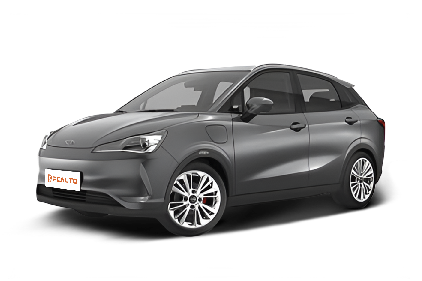
2023 Neta V is a high-value electric vehicle in Malaysia's B-Segment market, offering mid-to-high-end features such as 6 airbags and L2 assistance at an entry-level price, while balancing spacious practicality and a comfortable driving experience.
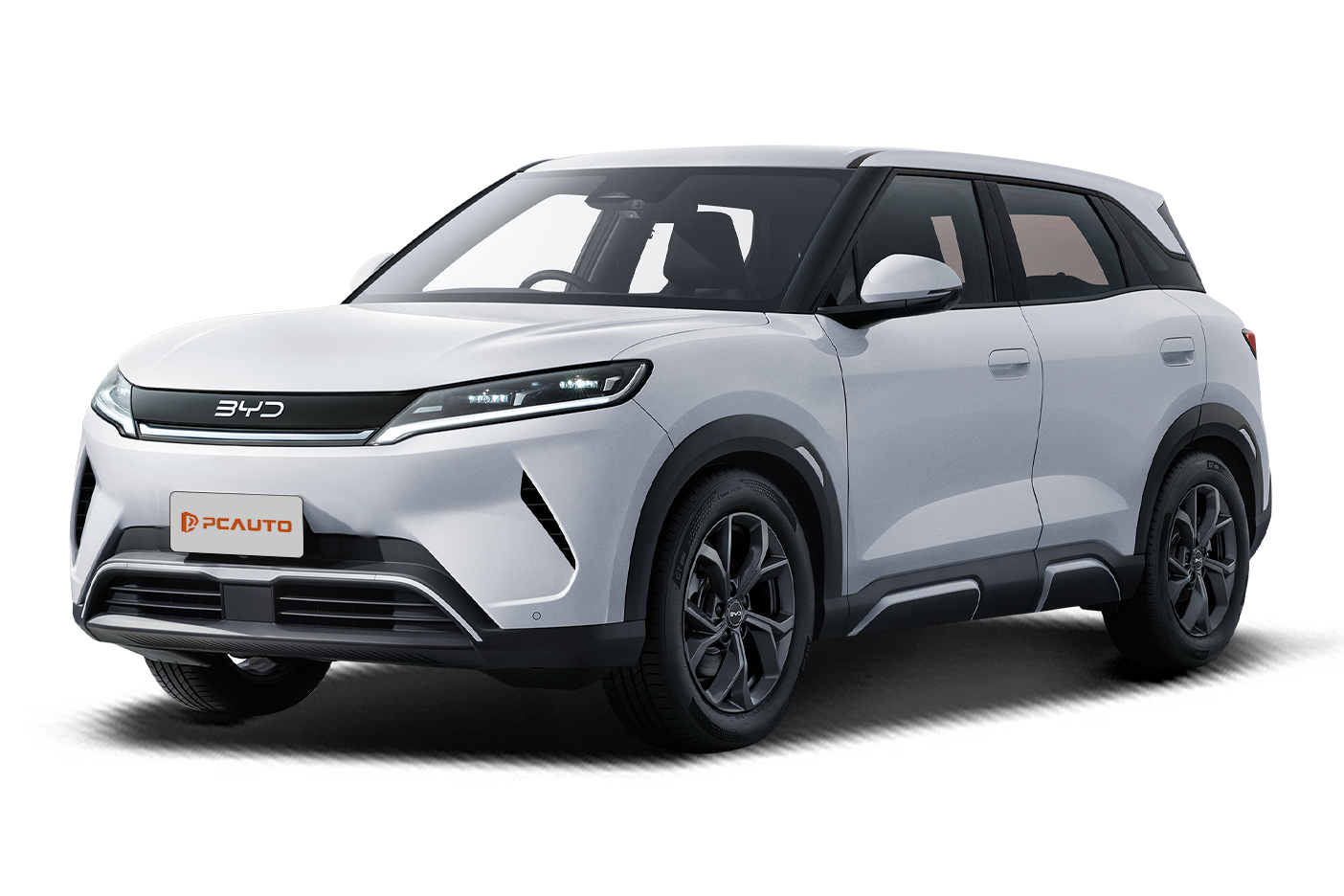
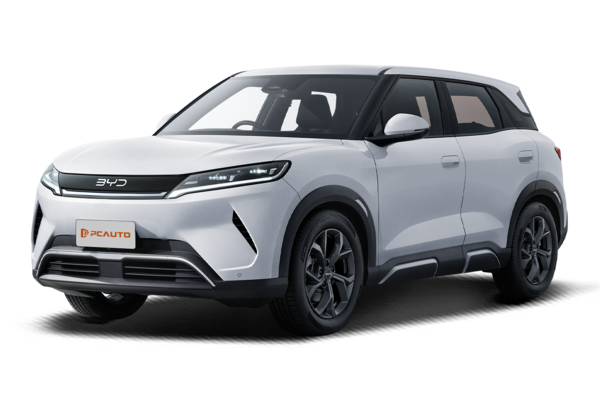
2025 BYD Atto 2 Premium is a B-segment electric vehicle priced at around 100,000 MYR, featuring 177PS power, 410km range, L2 assisted driving, and spacious interior, combining practicality and intelligence as an ideal family choice.
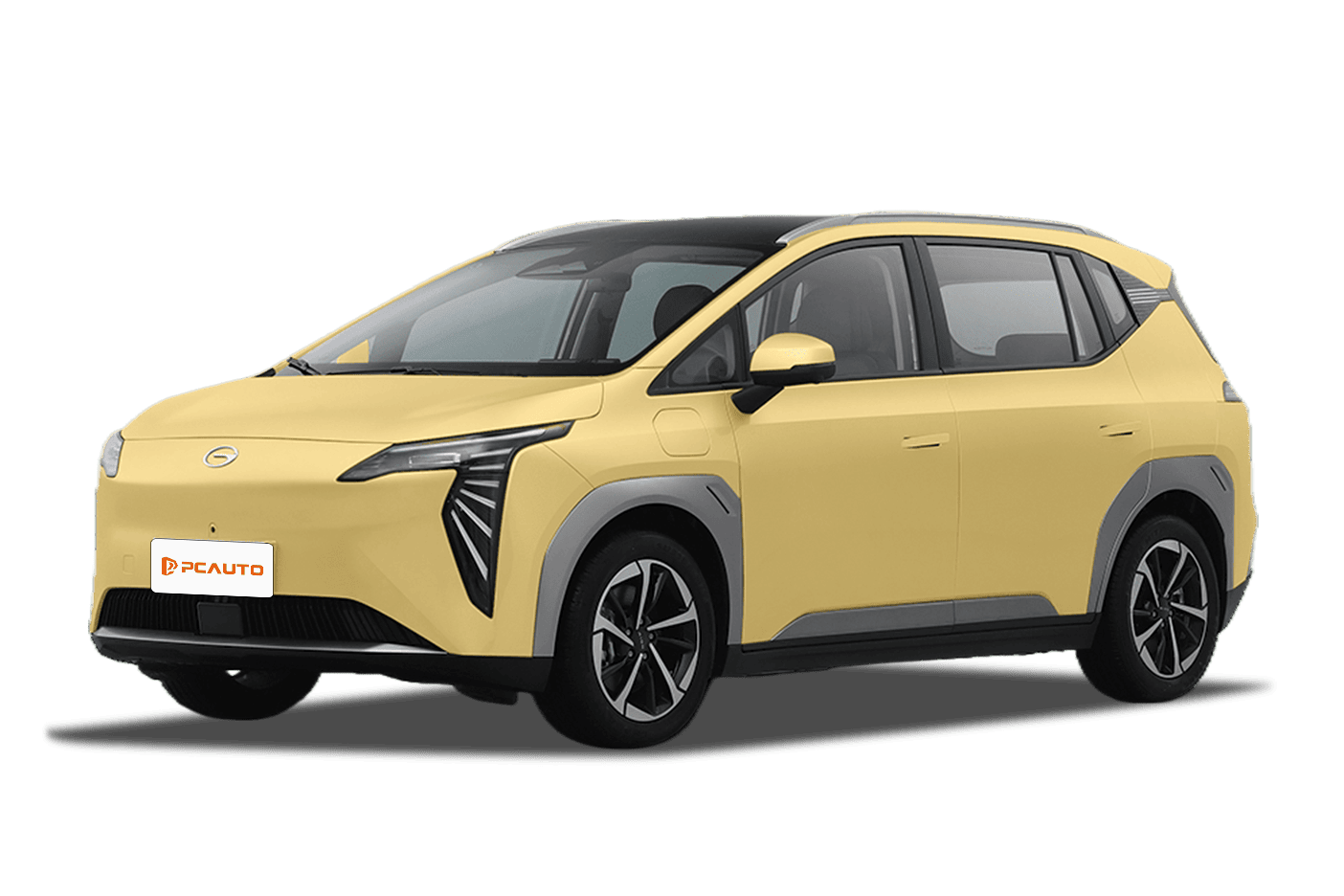
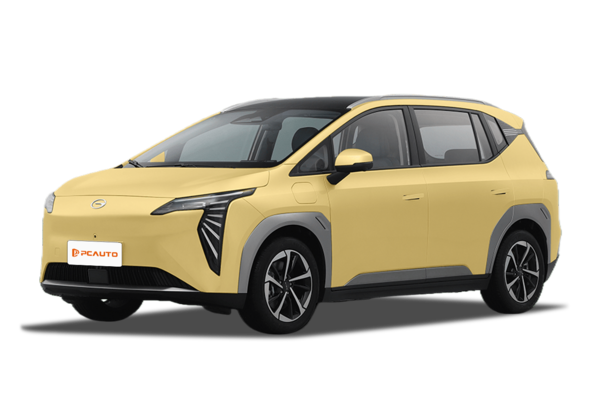
2024 GAC Aion Y Plus Elite is a pure electric mid-size SUV targeting the Southeast Asian home market, offering a spacious cabin with a 2750mm long wheelbase, standard 6 airbags, and a 14.6-inch central control screen, with solid range suitable for family travel.
14
Rank in SUV
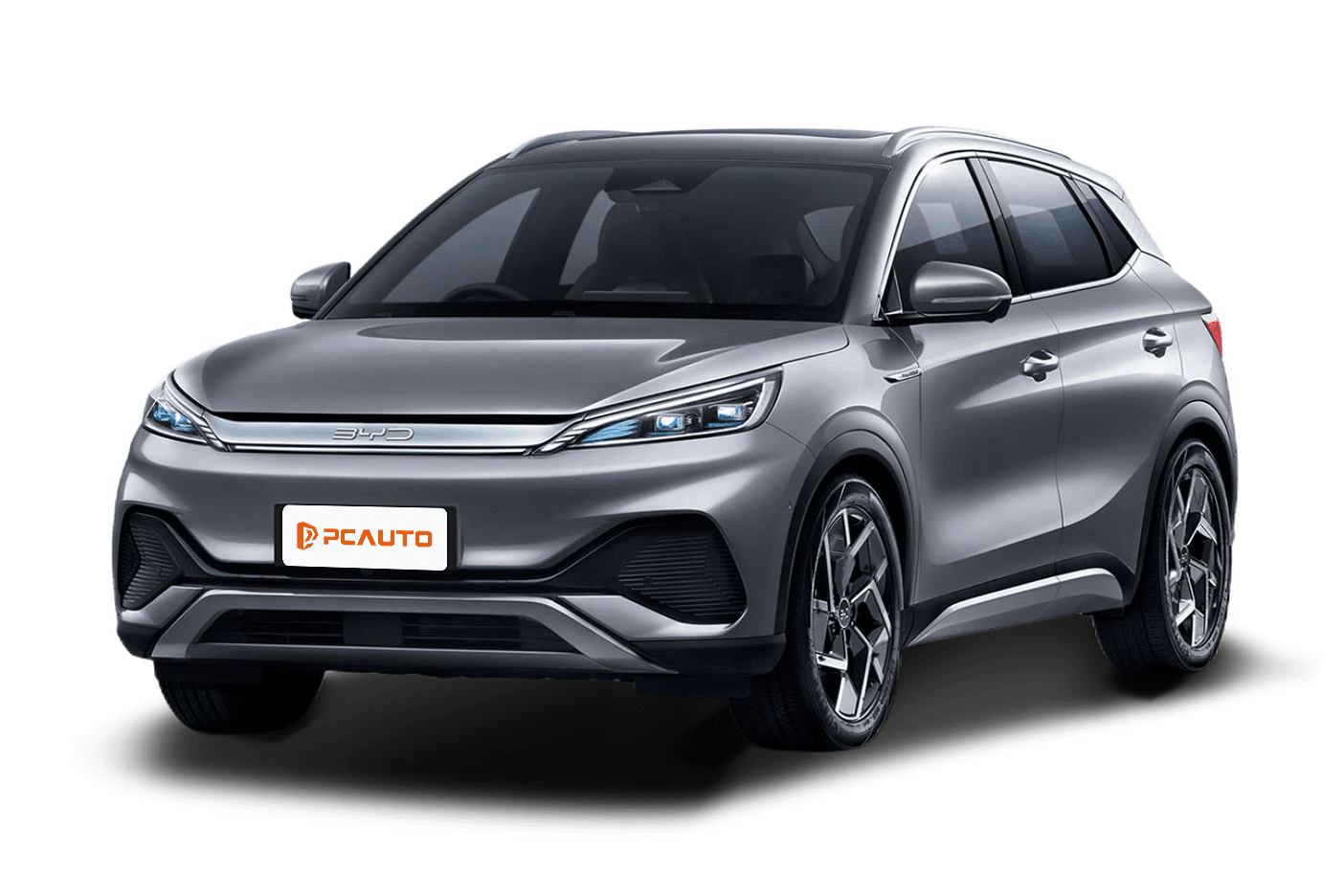
2025 BYD ATTO 3 Ultra is a cost-effective, solid-range, safety-feature-rich, and practical-space electric C-segment compact SUV that balances family needs with dynamic performance.